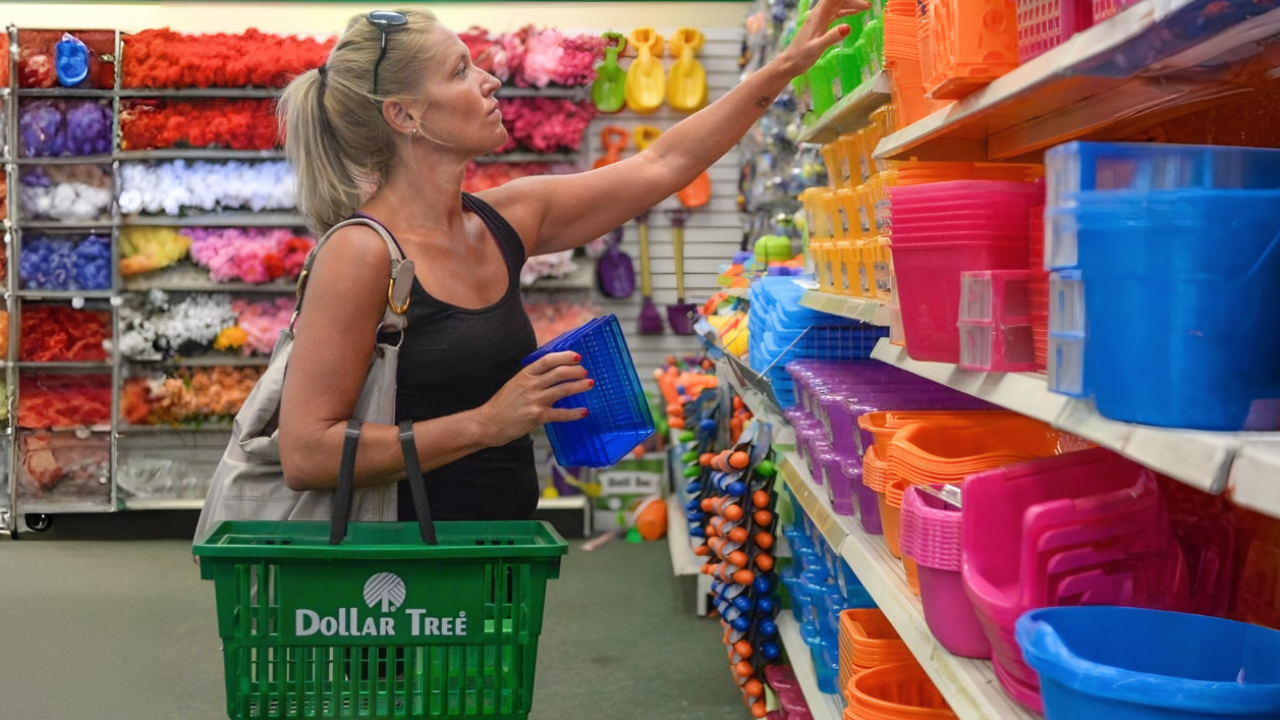
In March 2025, shoppers noticed another round of price increases at Dollar Tree. Ramen that had been priced at $1.25 jumped to $1.50. Aluminum foil and greeting cards, staples in most carts, were now priced at $1.75.
This marked the latest evolution in Dollar Tree’s pricing strategy since the company first moved away from its signature $1 price point in November 2021. As consumers faced these changes, the question on everyone’s mind was: how far would this price surge go?
Why It Happened: Tariffs, Inflation, and Supply Chain Collapse

The price increases stemmed from rising import costs, especially tariffs on goods from China. CEO Michael Creedon pointed to the impact of tariffs, rising supply chain costs, and inflationary pressures as the main drivers.
Dollar Tree imports approximately 40% of its inventory from overseas, and in the wake of these increased costs, raising prices became unavoidable to maintain profitability.
Direct Hit: What Shoppers Actually Pay Now
Shoppers were hit directly by these changes in March 2025. Items like ramen and aluminum foil saw price hikes from $1.25 to $1.50, with other products like greeting cards and balloons now priced at $1.75.
For families on tight budgets, these price jumps mean a typical $25 shopping trip now costs $28–$30, adding up over time.
Corporate Adaptation: The Three-Tier Strategy
To manage the transition, Dollar Tree introduced a three-tier pricing model. Stores in the 1.0 format still keep most items at $1.25, while 2.0 and 3.0 versions feature multi-price aisles and sections, with items ranging from $1.25 to $7.
This segmentation allows Dollar Tree to balance keeping loyal, price-conscious customers while targeting higher-margin sales.
The Competitor Squeeze: Family Dollar and Five Below
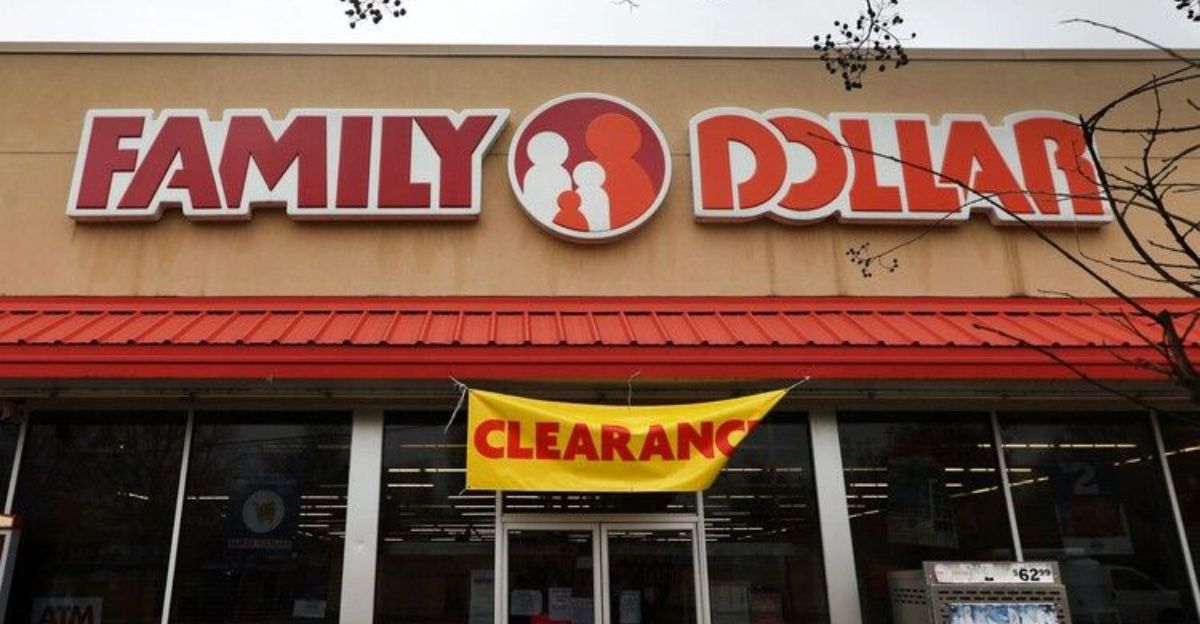
Family Dollar, which was owned by Dollar Tree until being sold for $1 billion in July 2025, also faced rising tariff pressures, along with discount retailer Five Below.
Both chains have been increasingly unable to resist raising prices, shifting the entire discount retail landscape. As Dollar Tree leads the charge, other competitors follow suit, marking a significant shift in how Americans access affordable goods.
International Ripple: How U.S. Tariffs Reshaped Global Supply Chains
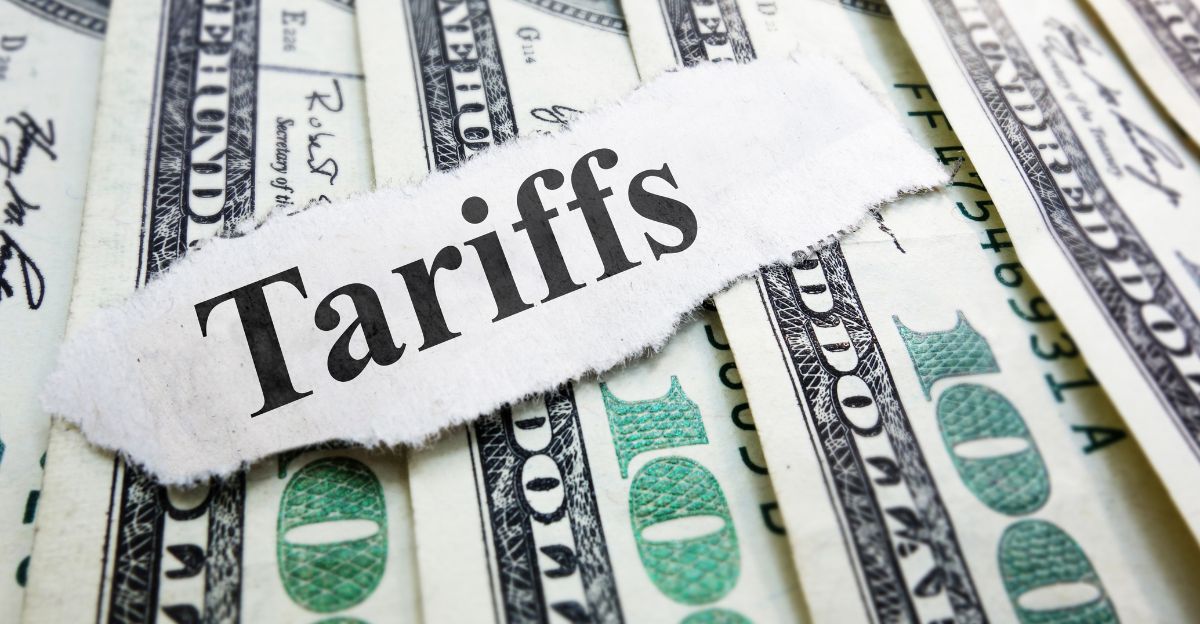
Tariffs on Chinese imports have pushed manufacturers to diversify production to other countries like Vietnam, India, and Mexico.
This shift in global supply chains introduces higher labor costs and longer lead times, which are ultimately passed onto U.S. consumers. Dollar Tree, like many retailers, is adjusting to this costly restructuring of global trade.
Labor Costs: Warehouse and Retail Operations
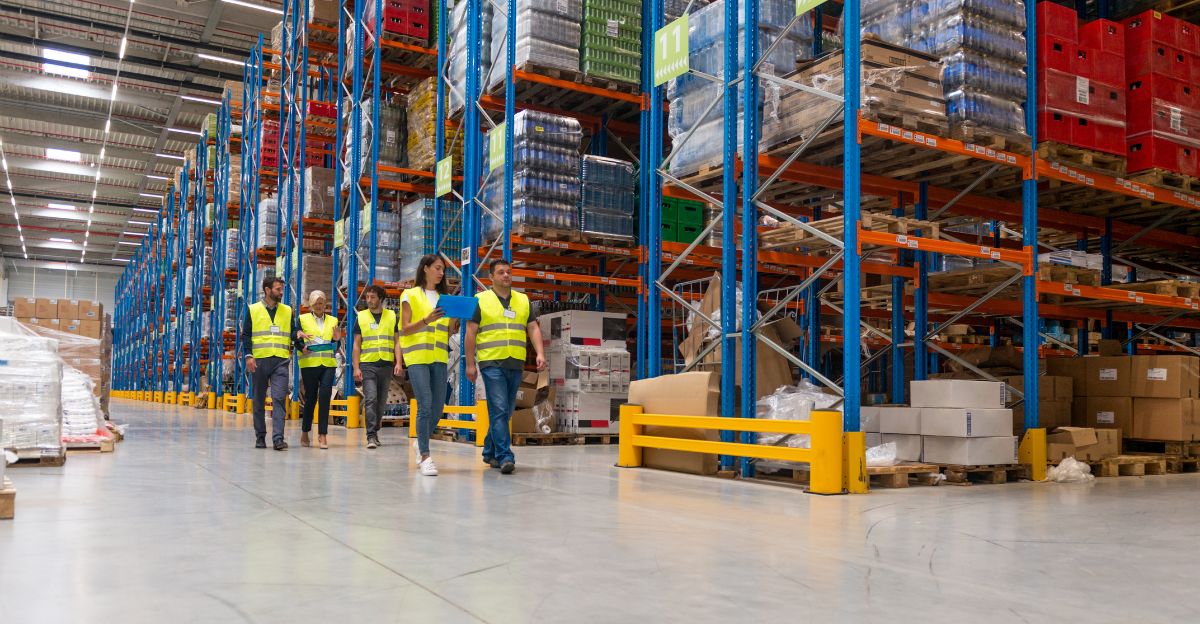
Labor pressures are another key factor. Rising wages for warehouse workers and retail employees in a competitive job market are squeezing Dollar Tree’s margins.
As wages increase, so does the cost of doing business, forcing the company to adjust prices to offset these rising operational expenses.
Political Response: Tariff Impact Debates

U.S. lawmakers have scrutinized the impact of tariffs on American families. Senator Elizabeth Warren has criticized tariff policies for their impact on consumers, arguing that trade policies can disproportionately affect working families.
This debate reveals the growing political divide over how to address the economic consequences of tariffs.
Inflation and Consumer Pressure
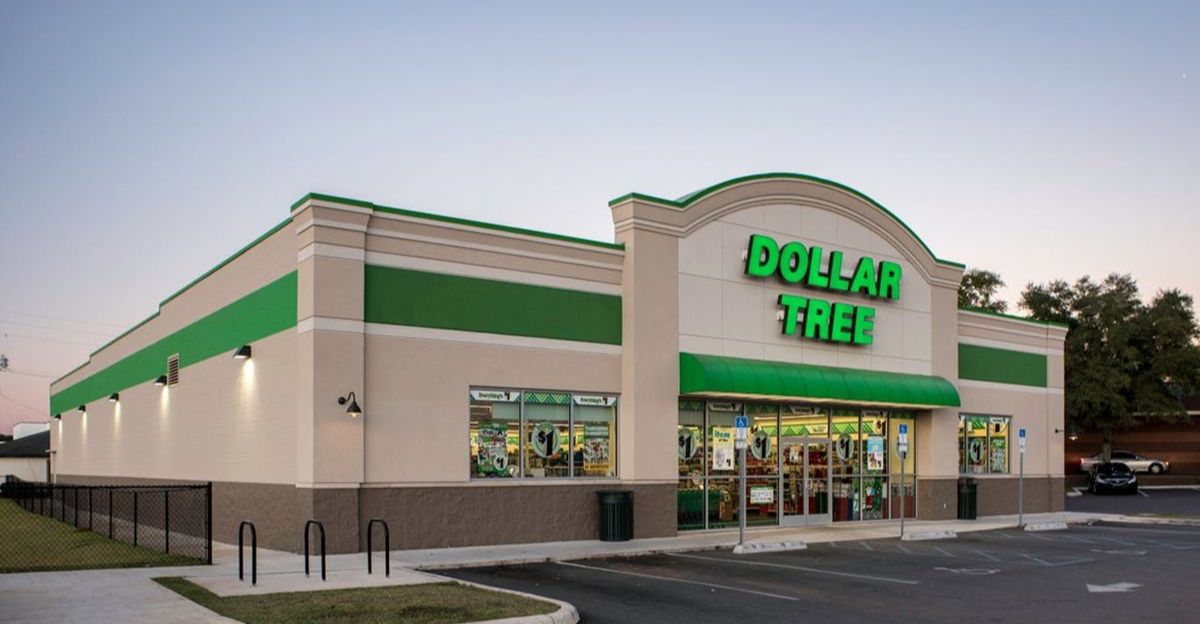
Broad inflationary pressures across the retail sector have driven price increases at Dollar Tree. For households earning under $50,000, these higher prices erode purchasing power.
With the rising cost of goods, shoppers are feeling the squeeze, making everyday essentials harder to afford.
Retailer Countermoves: Walmart and Target Respond
Walmart and Target, with their greater scale and diversified sourcing strategies, have been better insulated from tariff pressures.
Both retailers have adjusted by shifting to private-label goods and tiered pricing strategies, allowing them to continue offering competitive pricing in the face of rising costs.
Quick-Service Restaurant Supply Considerations

Small businesses that rely on discount retailers for supplies face higher operational costs as discount chains increase their prices, potentially leading to price adjustments across various sectors. Restaurants, caterers, and food service operations that previously purchased disposable items, cleaning supplies, and basic kitchen essentials from Dollar Tree now face significant budget pressures.
These businesses must either absorb the higher costs, reducing profit margins, or pass increases on to customers through menu price adjustments. The ripple effect extends beyond food service to salons, daycare centers, and other small enterprises that depend on dollar stores for affordable operational supplies, forcing difficult decisions about pricing and profitability.
Knock-On Industries: Pet Food, Fertilizer, and Cleaning Supplies
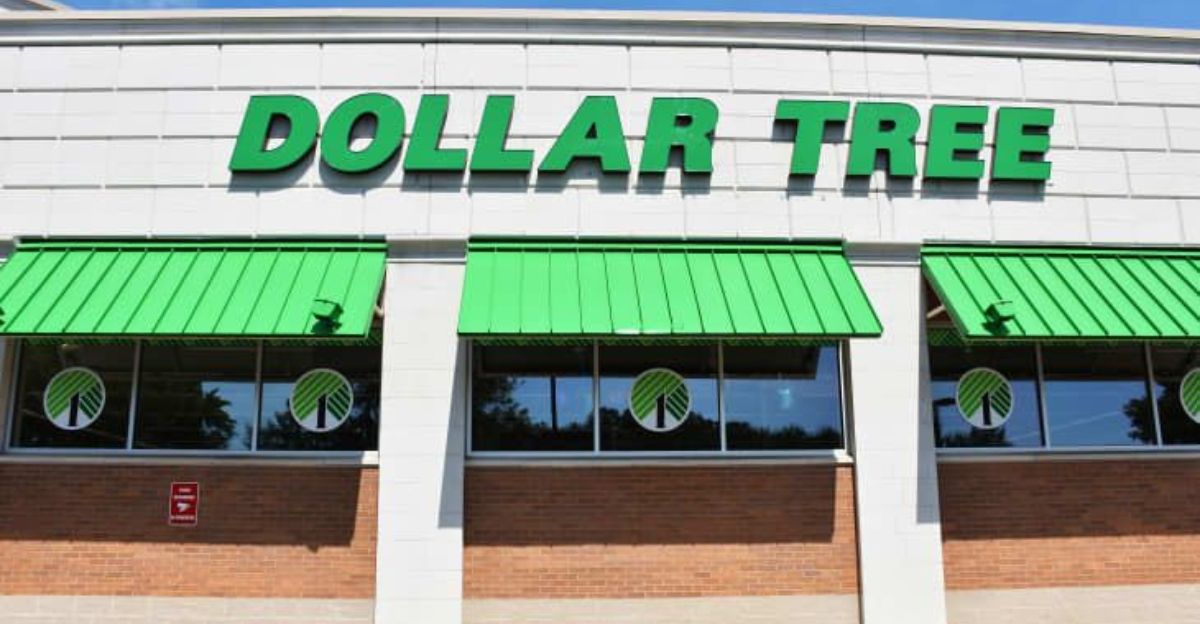
Dollar Tree’s price hikes reflect broader retail trends.
Industries selling pet food, fertilizers, and cleaning supplies face similar cost pressures from tariffs and inflation, forcing consumers to adjust their purchasing across various household expenses.
Global Trade Dynamics
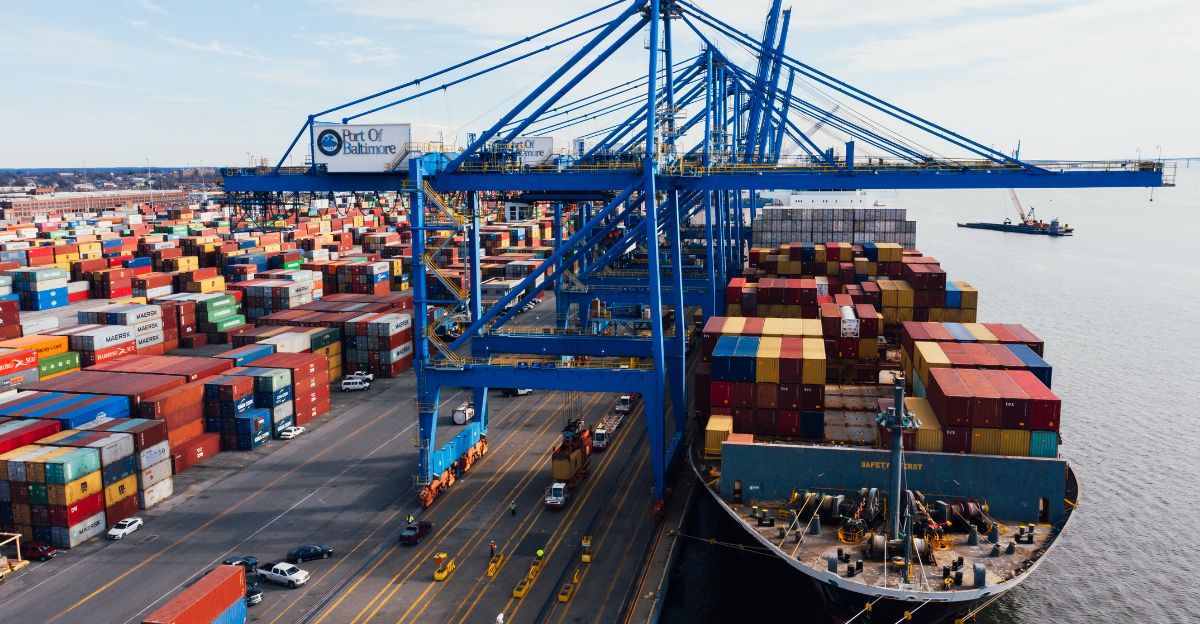
U.S. tariff policies significantly affect international trade relationships, reshaping how retailers source products globally. As tariffs on Chinese imports fluctuate, manufacturers are increasingly diversifying production to countries like Vietnam, India, and Mexico to mitigate costs.
These shifts introduce new complexities, including longer supply chains and variable labor costs across different regions. Retailers across North America must continuously adapt their sourcing strategies and pricing models as trade policies evolve, creating ongoing uncertainty in the discount retail sector and affecting product availability and consumer prices throughout the market.
Consumer Behavior: Shopping Patterns Evolve
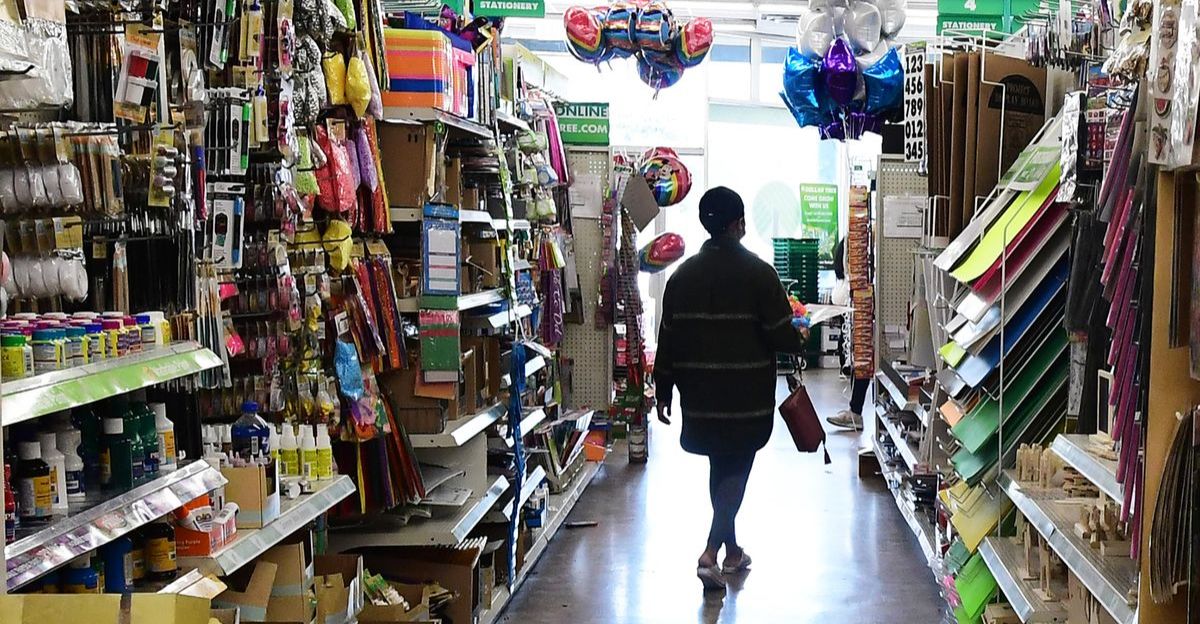
As Dollar Tree raised its prices, consumer behavior showed resilience. Despite higher prices, Dollar Tree reported a 3.0% traffic increase in Q2 2025.
Many shoppers, including those from higher-income brackets, continue to frequent the store, indicating that the demand for value-based goods remains strong, even as the store’s pricing structure evolves.
Cultural Debate: Is the “Dollar Store Era” Over?
The price hikes at Dollar Tree sparked debates on social media. Creators shared “Dollar Tree hauls” showing $1.75 items, questioning whether the store still deserved its original “dollar store” name.
The shifting cultural narrative suggests that Dollar Tree is no longer just a haven for bargain hunters—it now reflects a changing retail economy.
Winners and Losers: Who Benefited?
Winners from the price changes include discount grocers like Aldi and warehouse clubs such as Costco, which have seen increased traffic.
On the other hand, low-income households and budget-conscious shoppers face the brunt of the higher prices. For many, the shift from extreme discounting means fewer affordable options.
Market Performance: Investor Reactions and Stock Performance

Dollar Tree’s stock saw a boost in March 2025 after strong Q4 earnings, rising approximately 6-8% on March 26, reflecting investor confidence in the company’s ability to navigate its new pricing strategy.
While stock prices fluctuated through mid-2025, analysts remained watchful of Dollar Tree’s prospects in the evolving retail landscape.
Consumer Advice: How to Shop Smart in the New Era
With Dollar Tree’s prices no longer the lowest, savvy consumers are adjusting their shopping habits. Experts recommend comparing prices with Walmart and Target, buying in bulk at warehouse clubs, using digital coupons, and shifting to store brands at traditional grocers.
Dollar Tree is still useful for some items, but it’s no longer the go-to bargain destination for all products.
Looking Ahead: What’s Next for Discount Retail?

Looking ahead, analysts predict further evolution in the discount retail sector. As Dollar Tree continues its three-tier pricing model, it’s likely that other chains may follow suit.
Tariff policy remains uncertain, but it’s clear that the $1 store era ended in 2021 when Dollar Tree first raised prices to $1.25. The future of discount retail will be segmented, with varying price levels and product categories.
Final Synthesis: The Ripple Effect Summarized
Dollar Tree’s shift away from its $1 model—which began in 2021 with the move to $1.25 pricing and continued with March 2025’s additional increases to $1.50 and $1.75 on select items—reflects larger economic trends: tariffs, inflation, and labor market pressures.
This change marks the end of a 35-year tradition that concluded in 2021, highlighting the evolving nature of retail. With price hikes hitting budgets across the income spectrum, the question now is how retail will continue to adapt in the face of rising costs.