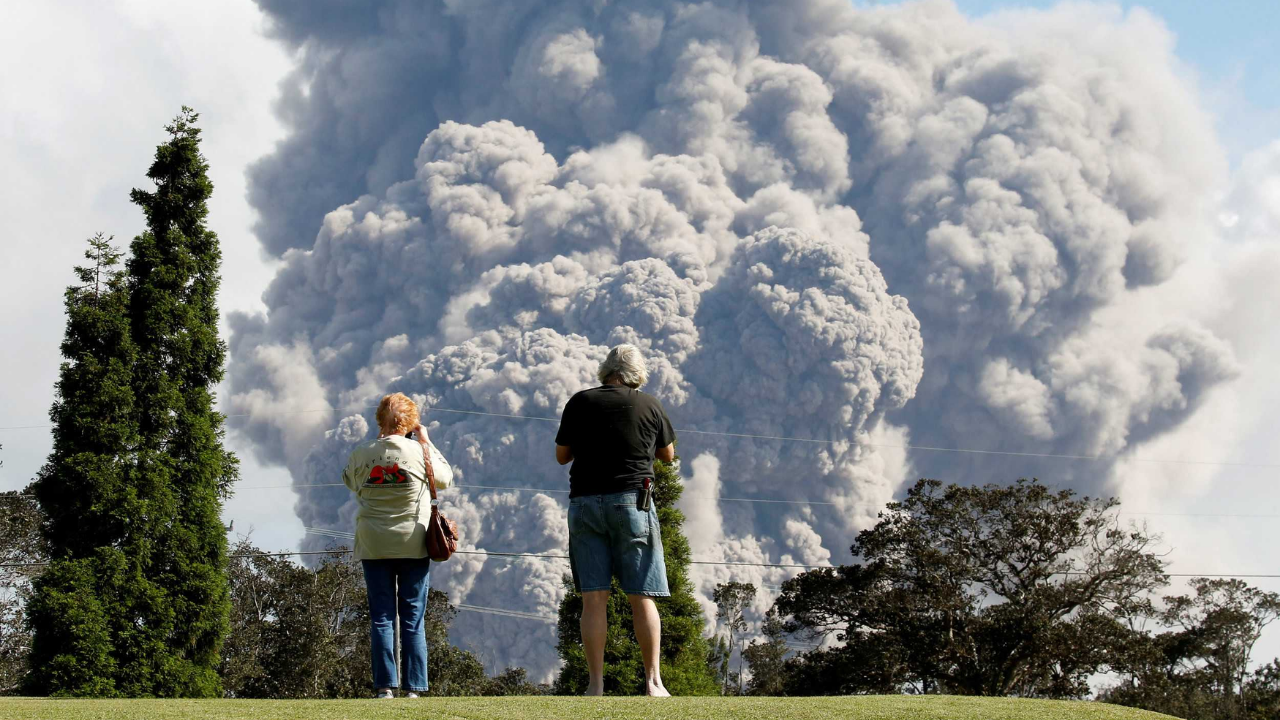
On January 12, 2026, Kīlauea woke. In less than ten hours, the volcano transformed the summit of Hawaii Island into a furnace, hurling molten rock 800 feet skyward in brilliant orange fountains visible for miles. For the first time in 2026, thousands of people felt the ground tremble.
Authorities issued urgent respiratory warnings. A quiet Tuesday morning became a day when nature’s raw power reminded an island why they live on the volcano’s edge.
A Plume Taller Than Mountains
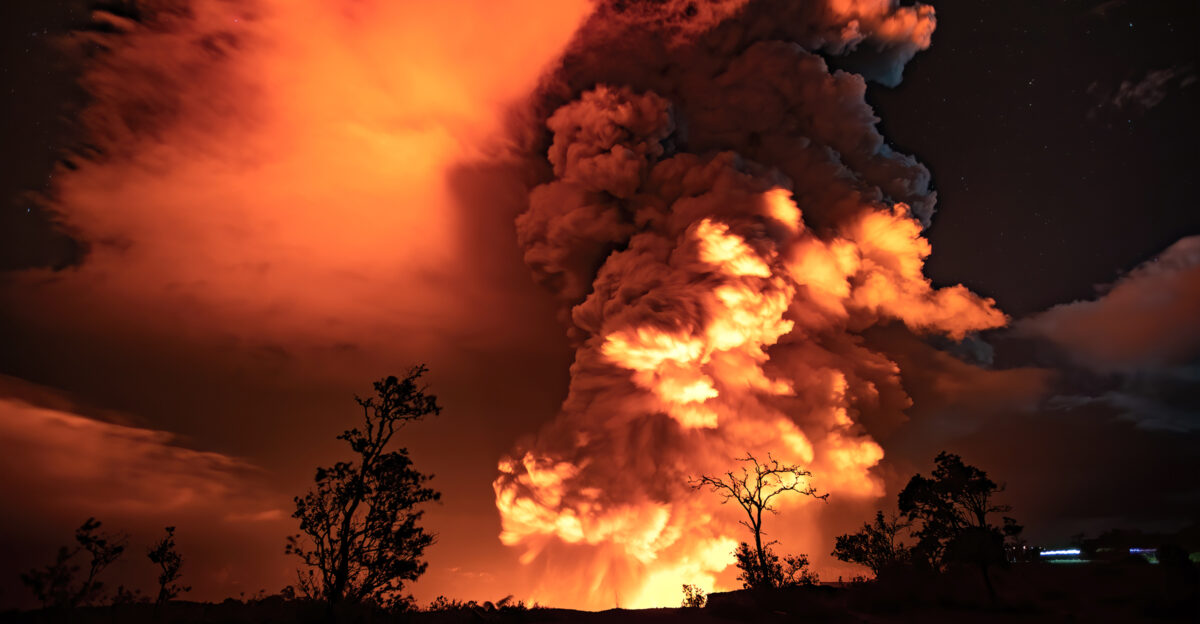
The gas column climbed 13,000 feet—higher than Hawaii’s own Mauna Kea base—turning the sky hazy and golden. Sulfur dioxide poured from the crater at rates reaching 100,000 tonnes per day, colorless but unmistakable to anyone downwind.
The toxic plume drifted southeast, carrying hazardous gases across neighborhoods, schools, and farms where 200,000 Big Island residents live their daily lives.
The Warning Arrives
Hawaii County Civil Defense sent an alert that cut through the awe with urgent clarity: “Fine glass particles may irritate your skin and eyes. Avoid the area if you have respiratory conditions”. The message was direct, not panic-inducing, but real.
For people with asthma, for parents with young children, and for the elderly with heart conditions, the warning meant checking air quality readings before stepping outside.
Nine Hours, Forty Minutes Of Raw Fury
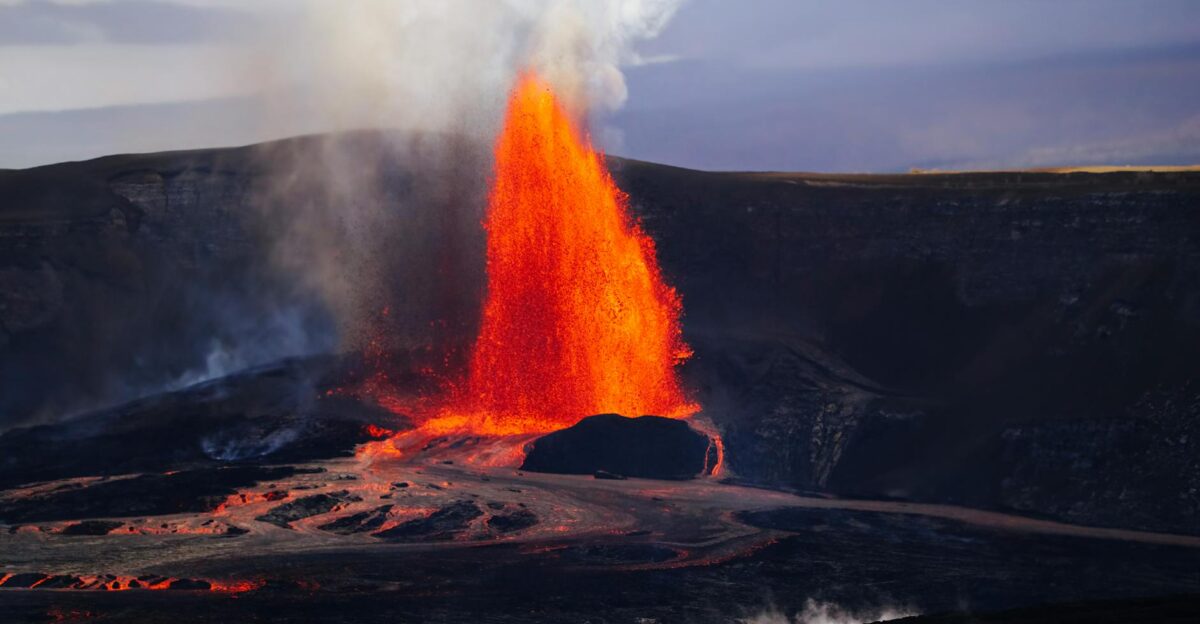
From 8:22 a.m. to 6:04 p.m., the volcano didn’t pause. Lava fountains pulsed upward in waves, ejecting 7.1 million cubic yards of molten rock into the crater below. Geologists watching the tremor recordings saw something unusual: a dramatic shift from the inclined fountains of recent weeks to perfectly vertical jets shooting straight up.
The change told them the volcano’s plumbing had shifted. Crater Rim tourists, who’d driven hours to witness the eruption, watched this transformation unfold live, filming the moment when Earth’s interior showed its face.
Glass Hair And Sharp Edges
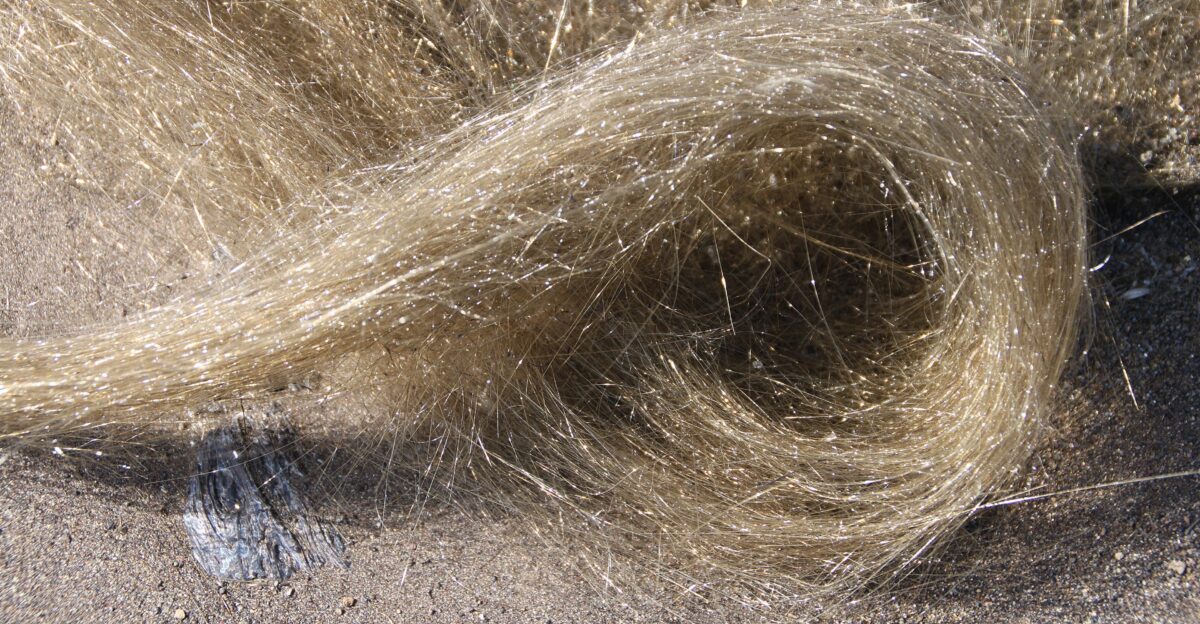
As the lava fountains burst, something unexpected fell from the sky: Pele’s hair—delicate, golden strands of volcanic glass named after the Hawaiian volcano goddess. To the untrained eye, beautiful. To the skin and lungs, a hazard. These strands form when gas bubbles explode within lava fountains, flinging microscopic glass fibers into the air where they cool into sharp, needle-like particles.
Drivers on downwind roads reported reduced visibility. Parents in neighborhoods south of the park kept children indoors. The eruption’s beauty came with a cost.
The Invisible Toll On 200,000 Lives
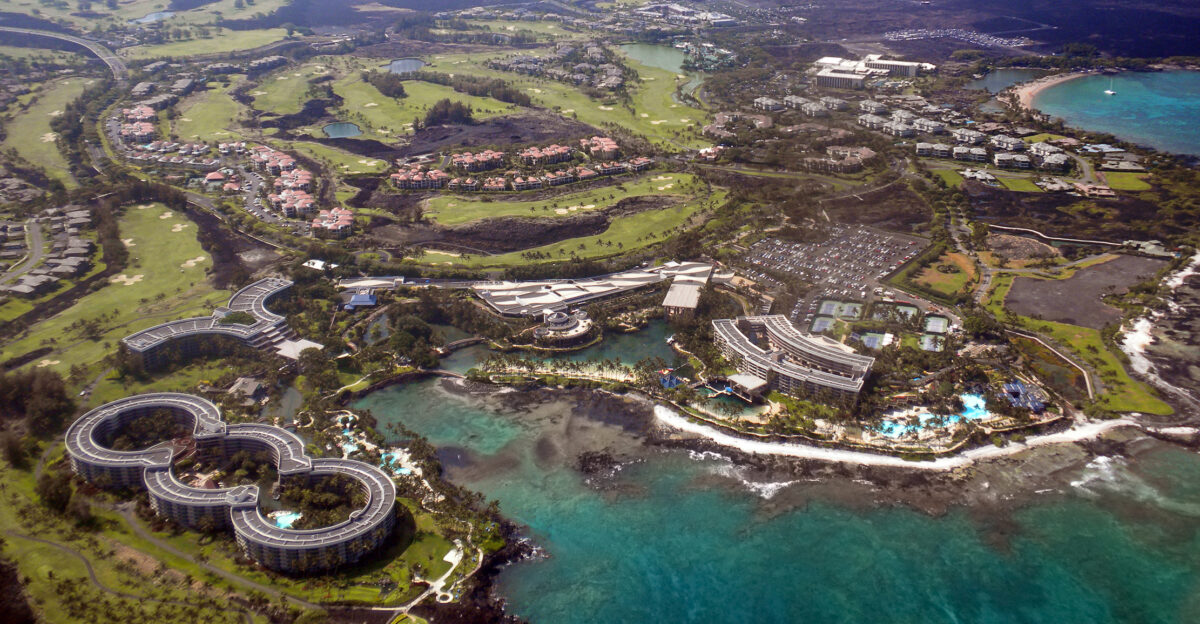
Across Hawaii Island, people with asthma pulled out their inhalers, hoping not to use them. Pregnant women monitored air quality apps with obsessive attention. Heart patients stayed home. Elderly residents in Hilo felt the familiar tightness in their chests return.
For these 200,000 residents—many of whom have respiratory or cardiovascular vulnerabilities—volcanic gas is not a distant natural phenomenon. It is personal.
The Volcano That Refuses To Sleep
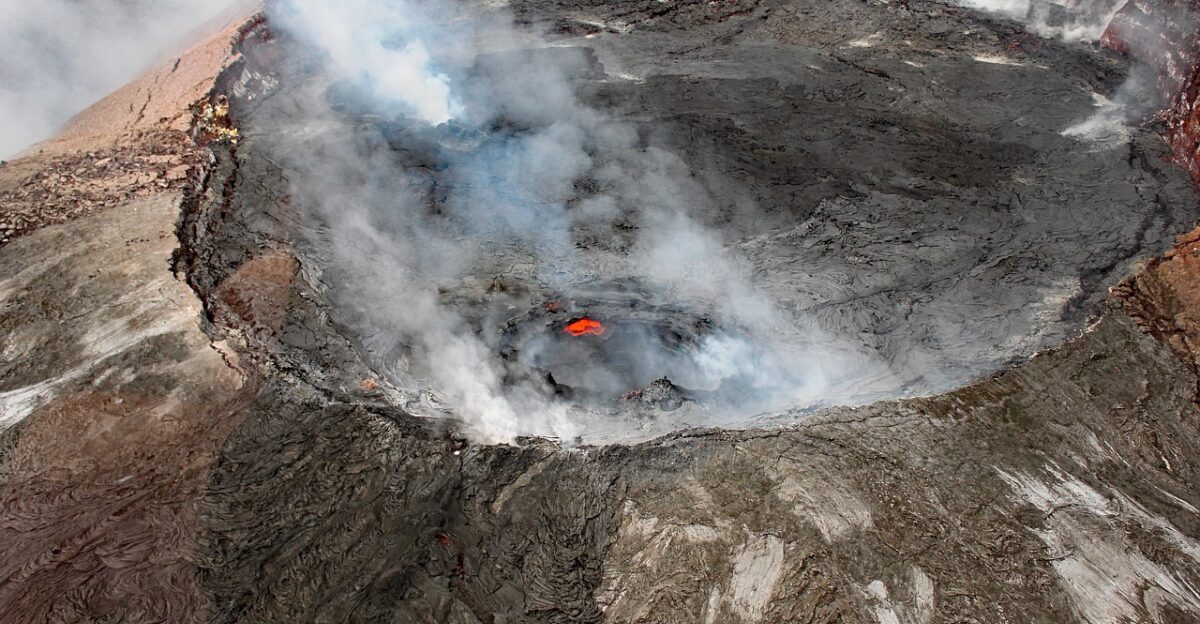
Kīlauea has erupted 61 times since 1823, earning a reputation across volcanology as one of the most restless mountains on Earth. Between 1983 and 2018, it erupted almost without pause—35 years of nearly continuous fire that reshaped landscapes and tested human resilience.
When Kīlauea stopped, people breathed. When it restarted in December 2024, many residents were aware of what was to come. Episode 40 on January 12 marked just the first eruption of what scientists predicted would be many more in this cycle.
Forty Percent Of The Crater, Buried
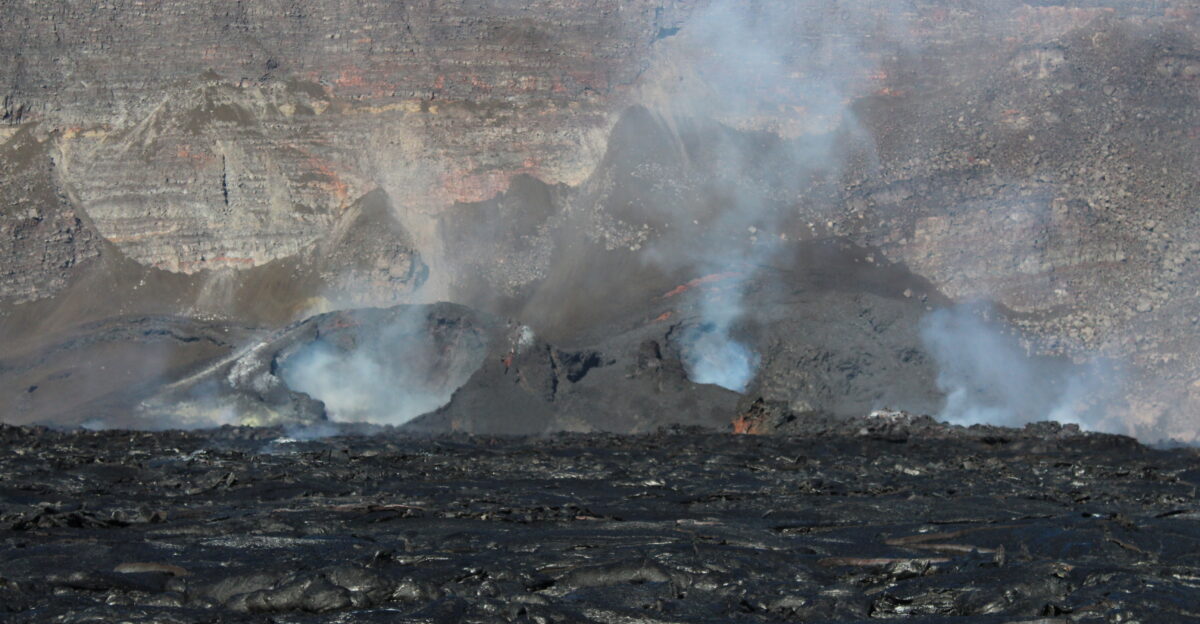
In barely one year, this eruption cycle has covered 223 feet of crater floor with fresh lava across 1.5 square miles of area. That’s 53 billion gallons of molten rock—enough to fill 80,000 Olympic swimming pools. Thirteen of the eruption episodes reached a height of 1,000 feet.
In October, one climbed 1,500 feet, a record. Each episode erases the landscape that came before. Residents watching from the Crater Rim overlook see a crater floor that would be unrecognizable to someone who visited just one year ago.
The Alert Level That Means “Keep Watching”
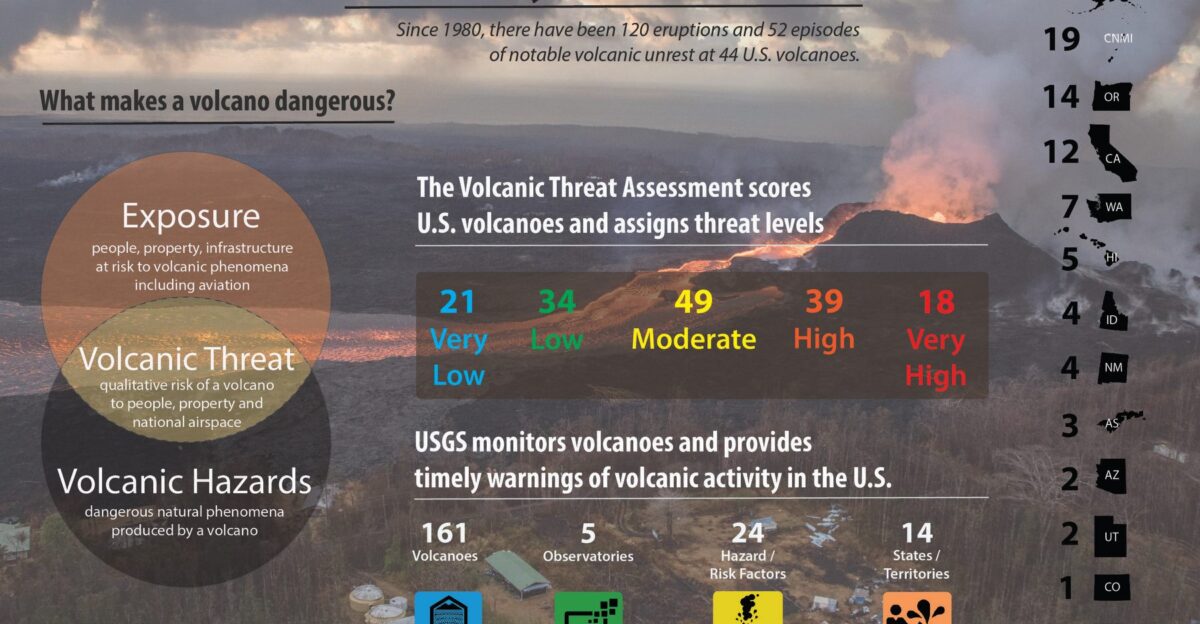
The USGS maintained the volcano at a WATCH alert—not the highest warning level, but the one that indicates something is happening and it will probably happen again. WATCH means eruption is occurring or imminent, with the potential to impact communities, yet confined to a limited zone.
For Kīlauea, it’s a familiar state. For Big Island residents, it means living with uncertainty. Not evacuation zones. Not locked gates. Just the knowledge that two weeks away, perhaps sooner, the ground will likely tremble again.
The Volcano Is Breathing Again
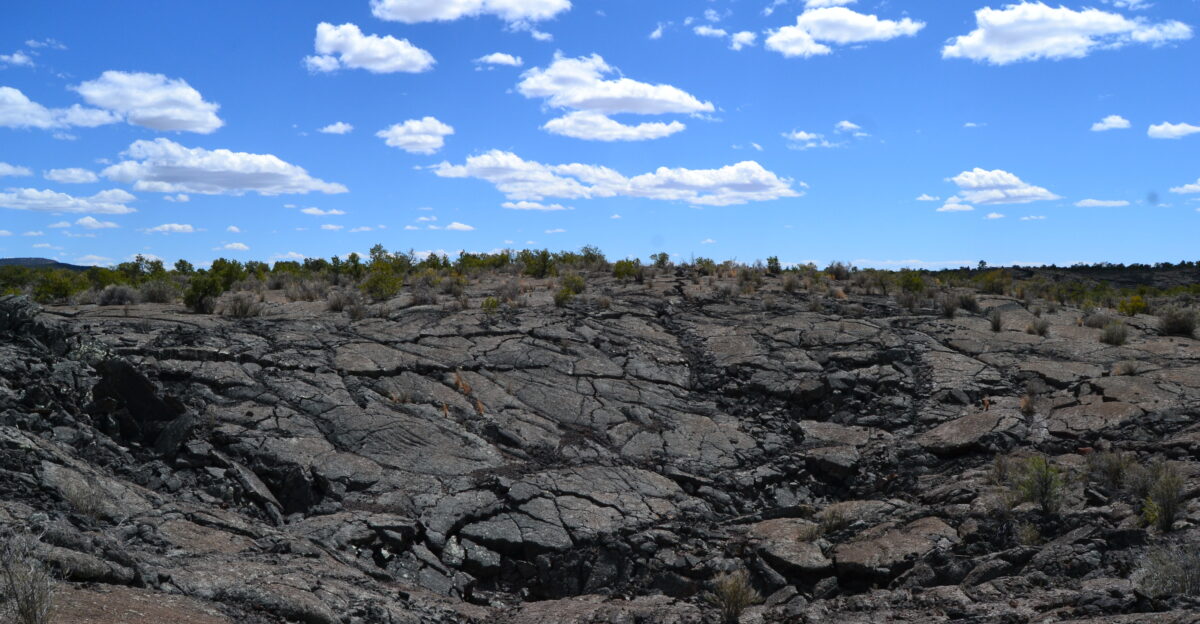
Within hours of Episode 40 ending, scientists detected something ominous: the volcano was inflating. Tiltmeters recorded 1.5 microradians of ground tilt as magma accumulated in the shallow chamber beneath Halemaʻumaʻu. Low-level tremor resumed.
To volcanologists, this is a familiar rhythm. The volcano is recharging. It will erupt again. The only unknown is when.
The Witnesses At The Rim
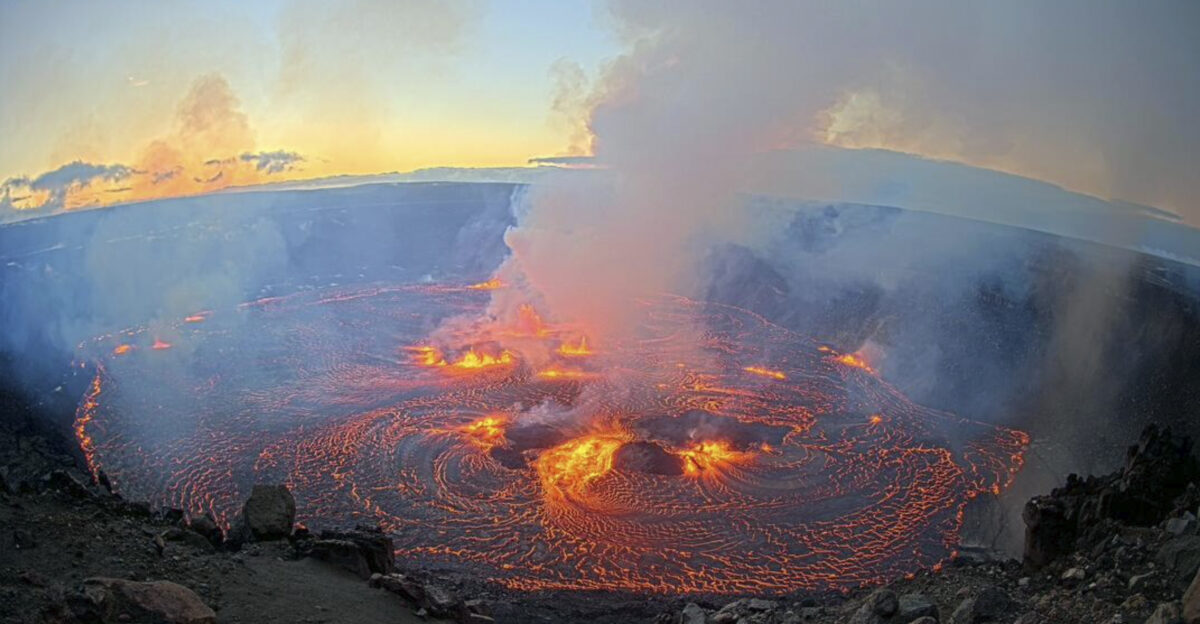
Over 1.6 million visitors come to Hawaiʻi Volcanoes National Park each year. On January 12, some were there. Kīlauea Overlook offered unobstructed views of the fountaining crater. Tourists watched the vertical jets, photographed the orange glow, and felt the rare privilege of seeing the planet’s machinery at work.
They witnessed large rotating whirlwinds—puahiohio—forming above the lava, visible in USGS livestream cameras worldwide. For many, it was a moment of genuine awe that will stay with them forever.
What Volcanic Gas Does To The Human Body
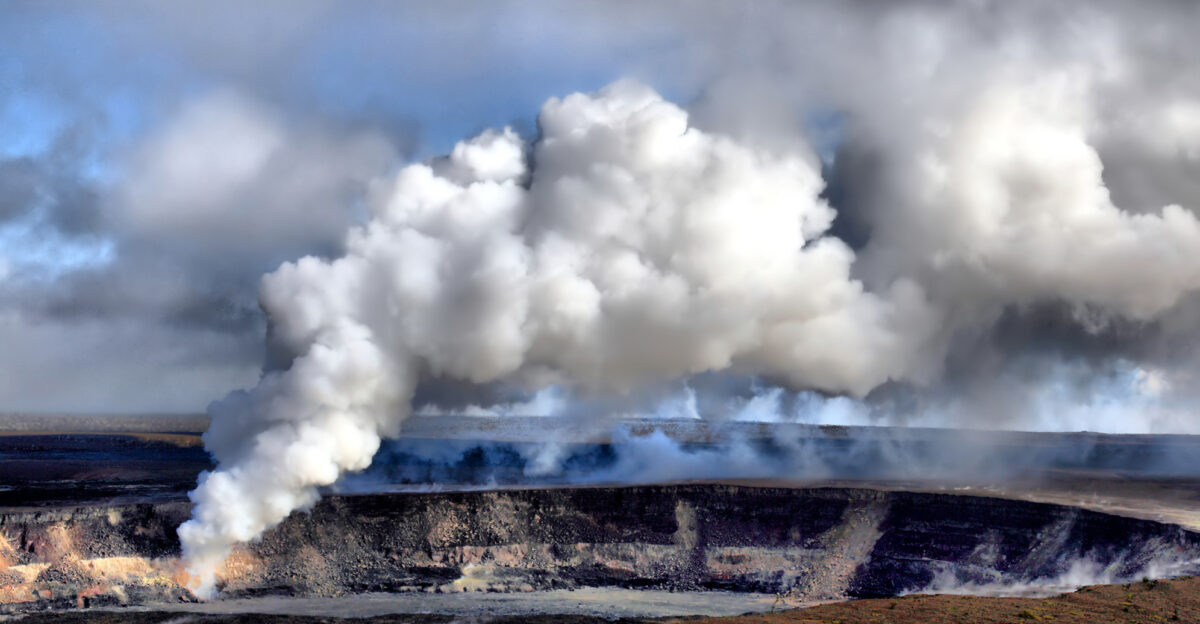
Sulfur dioxide doesn’t just make air smell like rotten eggs. At the concentrations Kīlauea produces, it irritates airways, triggering wheezing and shortness of breath. It constricts airways in people with asthma, sometimes to a dangerously high degree.
Fine sulfate particles formed when it reacts with atmospheric moisture reduce visibility and aggravate lung conditions. Long-term exposure increases rates of bronchitis, cough, cardiovascular disease and stroke among vulnerable populations.
Why No One Left Their Homes
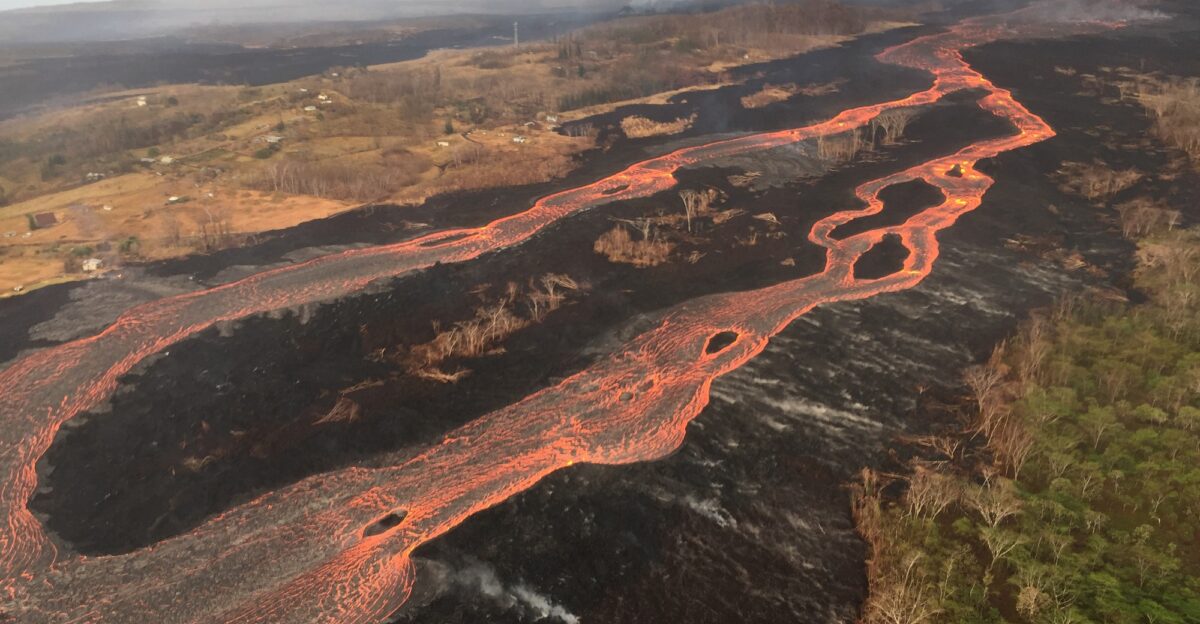
Unlike the 2018 Lower East Rift Zone eruption, which destroyed 700 homes and forced evacuations, Episode 40 confined itself to the summit caldera, deep within the national park. No lava threatened neighborhoods. No ash smothered towns. No evacuation orders came.
Instead, life continued with a different kind of disruption: parents checking air quality indices before school pickup, respiratory therapists warning vulnerable patients, and emergency rooms prepared for increased respiratory visits.
Forecasting The Unknowable
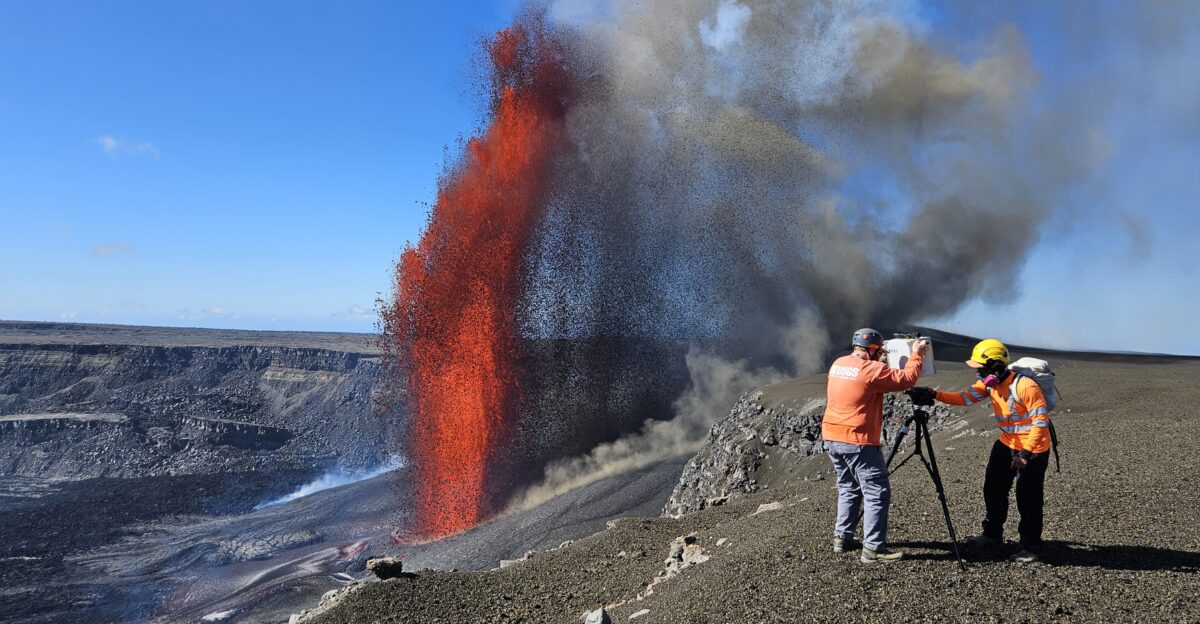
Scientists studying the eruption pattern noticed something useful: the precursory signals preceding Episode 40 provided a multi-day window for predicting when fountaining would begin. Ground deformation, tremor patterns, and gas output collectively narrowed down the eruption window to January 9-14.
When Episode 40 started on January 12, forecasting models proved accurate. This knowledge is saving lives.
The Waiting Game Returns
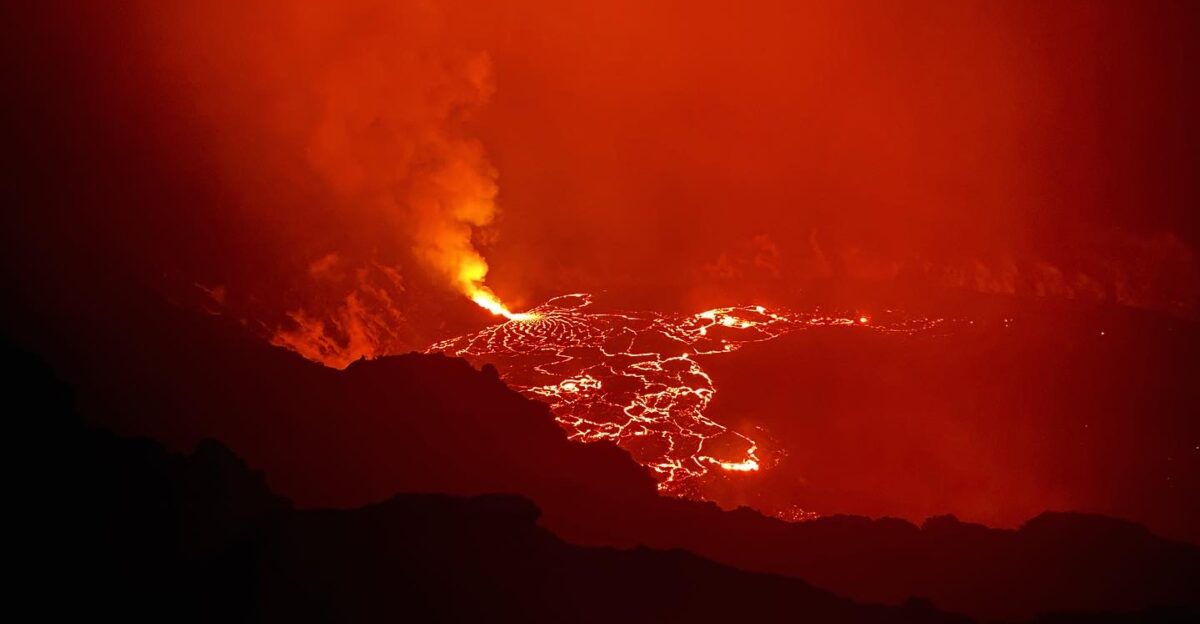
Magma continues accumulating beneath Halemaʻumaʻu. Ground inflation is already resuming. The USGS projects that the next fountaining episode is likely to occur within two weeks, although the precise timing remains uncertain. For Big Island residents, this cycle will repeat many times over the coming months. E
ruptions will come. Alerts will sound. Respiratory-challenged families will retreat indoors. The volcano will be quiet. And then it will wake again. This is the new reality of living beside one of Earth’s most active mountains—not crisis, but constant adaptation.
Sources:
USGS Hawaiian Volcano Observatory Volcanic Activity Notices – January 12–13, 2026
Hawaii County Civil Defense Alert – January 12, 2026
AccuWeather – “Kilauea’s latest eruption sent lava 800 feet high” – January 12, 2026
Big Island Now – “Episode 40 ends after nearly 10 hours of lava fountaining” – January 12, 2026
Big Island Video News – “High Lava Erupts In Kīlauea Episode 40, Alert Message Issued” – January 12, 2026
National Center for Biotechnology Information – “Acute health effects associated with exposure to volcanic air pollution” – December 2009