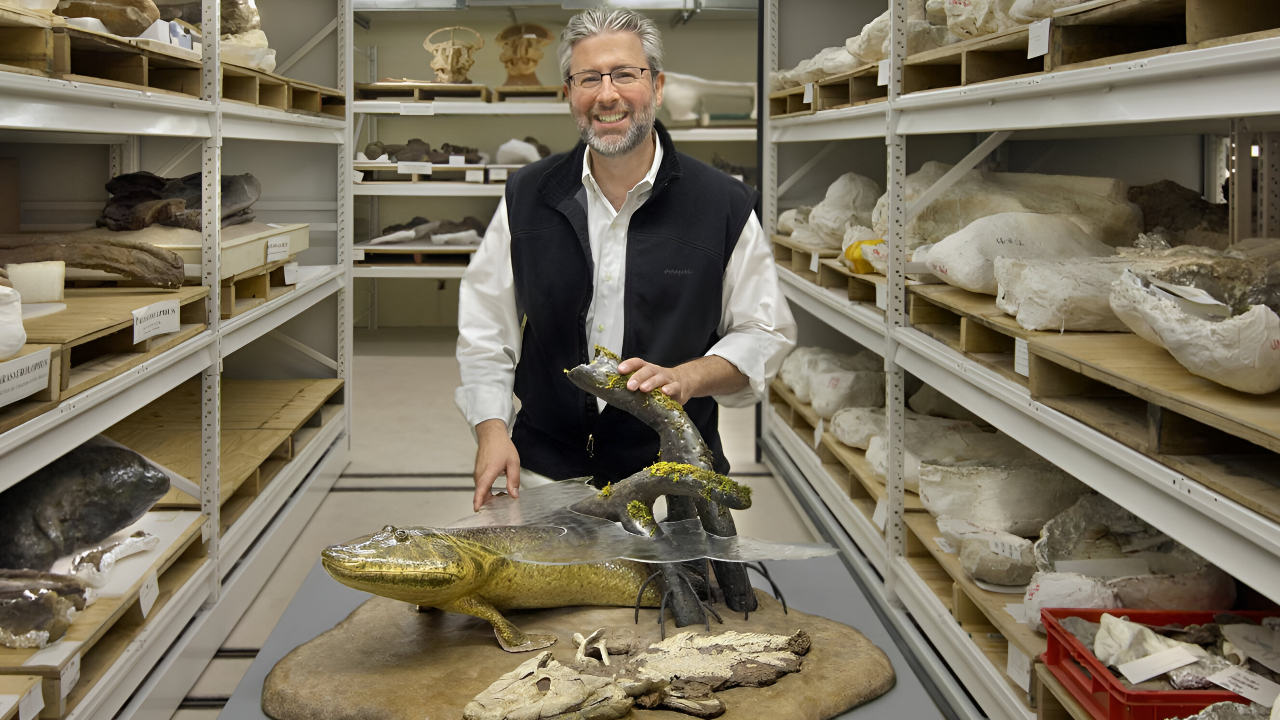
Scientists have uncovered a treasure trove of fossils buried under Arctic mud for about 250 million years. These remains, from ancient sea creatures, include over 30,000 bones, teeth, and fossilized droppings. Found on Norway’s Spitsbergen Island by teams from the University of Oslo’s Natural History Museum and Sweden’s Museum of Natural History, the fossils date back to 249 million years ago. This was just three million years after Earth’s worst mass extinction event. A study in Science from November 2024 shows that complex ocean life returned much faster and stronger than experts once believed.
The discovery challenges old ideas about how life recovers after disaster. For nearly a century, researchers thought marine ecosystems took around eight million years to rebuild after such events. But this site proves they bounced back three times quicker. It reveals a full, working food chain in the oceans soon after the crisis. This finding helps reshape our understanding of nature’s ability to heal from catastrophe.
Digging Up a Quick Ocean Rebound
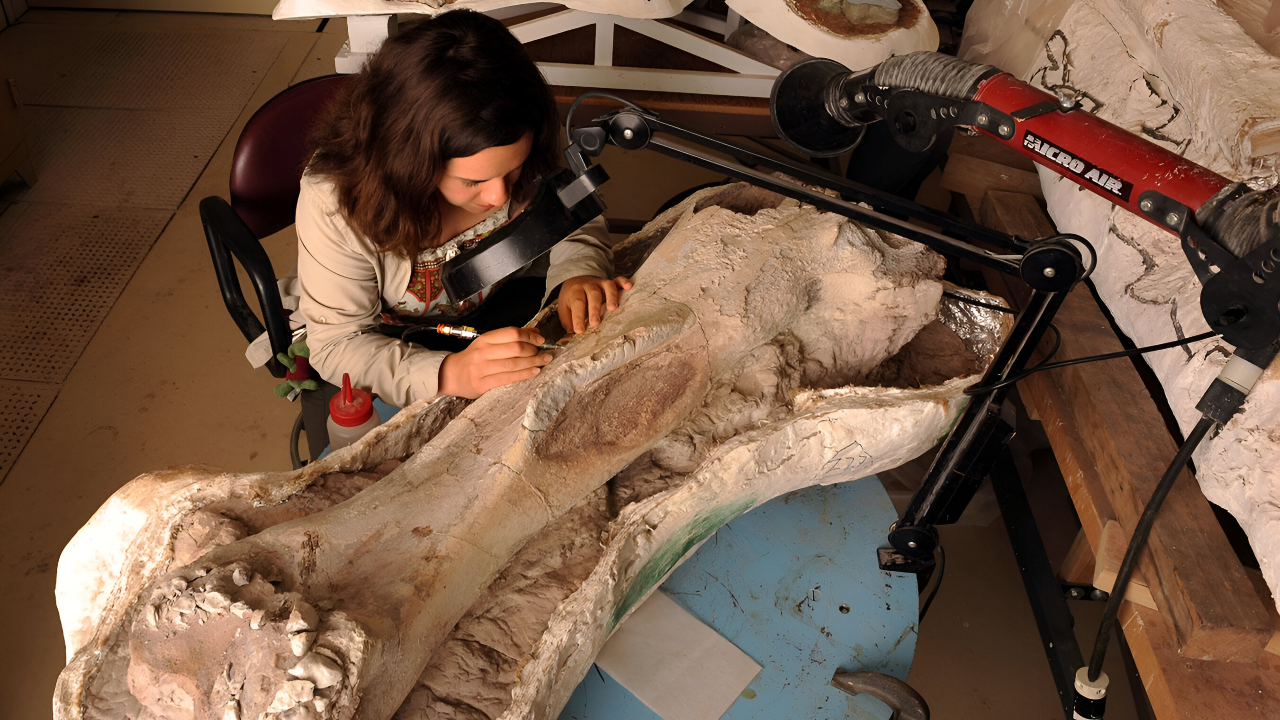
From 2015 to 2024, paleontologists dug up a 36-square-meter bone bed on Spitsbergen. They divided it into one-meter grids and recorded every piece. This detailed work overturned 90 years of assumptions, as noted by Earth.com’s review of the research. The end-Permian extinction, known as the Great Dying, happened 252 million years ago. Massive volcanic eruptions in Siberia released huge amounts of carbon dioxide. This caused extreme global warming, acidic oceans, and low oxygen levels that wiped out over 90% of marine species.
Yet the Spitsbergen fossils show a thriving ecosystem just a few million years later. Instead of a slow, weak recovery, the site holds evidence of a robust marine food web. Scientists now revise models on how quickly ocean life reorganizes after major disruptions. The bone bed’s density highlights surprising speed and strength in biodiversity’s return.
Thriving Life in Warm Ancient Seas
Back then, Earth’s continents formed the supercontinent Pangaea. Spitsbergen sat on the warm edges of the giant Panthalassa Ocean, in a tropical or subtropical climate, very different from today’s icy Arctic. This warm setting let diverse creatures quickly claim empty ecological spots left by the extinction. The Science study details a multi-level food web, from tiny prey to mid-sized hunters and top predators.
Oxygen levels in the local oceans had dropped sharply during the crisis but recovered by 249 million years ago. Higher oxygen supported active, fast-swimming predators that need lots of energy. Recent studies on ancient ocean chemistry confirm oxygen’s key role in rebuilding complex communities. These fossils paint a picture of rapid renewal in a once-devastated sea.
Diverse Predators and Resilient Ecosystems
Top hunters included ichthyosaurs, sleek marine reptiles that ruled the food chain. The Spitsbergen finds, combined with prior research, reveal ichthyosaurs in various sizes and hunting styles. Small ones under a meter long chased squid and soft prey. Larger ones over five meters targeted big animals across different ocean depths. Other reptiles like archosauromorphs and amphibians joined the mix, creating layered predator groups.
This site stands out as one of the richest and densest marine fossil beds from the Early Triassic worldwide. It shows “functional redundancy,” where multiple species filled similar roles as hunters, rivals, or food sources. Such overlap makes ecosystems tough, as they keep core functions going even if some species vanish.
Pre-Adaptations and Modern Lessons
The fossils hint that some reptiles and amphibians adapted to ocean life before the Great Dying struck. Skeletal features like changed limbs and streamlined shapes show early aquatic traits in survivor lineages. Genetic studies back this up. This pre-adaptation meant certain groups were ready to explode in diversity once competitors died out.
The discovery challenges the idea that big evolutionary jumps wait long after extinctions. Instead, it points to ongoing change across the crisis-recovery line. Norwegian and Swedish teams endured harsh Arctic digs over nearly a decade, then labored in labs to clean and study thousands of specimens.
Today’s oceans face similar threats from human carbon emissions, warming, and acidification. The Spitsbergen site offers clues on oxygen, temperature, and biodiversity links. It suggests potential paths for resilience amid climate stress. Future research will probe recovery mechanisms to guide ocean protection efforts.
Sources
Science Magazine – “Recovery of marine ecosystems from the end-Permian mass extinction” – November 2024
Natural History Museum, University of Oslo – Spitsbergen fossil excavation and analysis (2015-2024
Swedish Museum of Natural History, Stockholm – Collaborative paleontological research
Indian Express – “Spitsbergen discovery: Over 30k fossils found in dinosaur era” – November 18, 2025 –
Earth.com – “Marine ecosystem was thriving in the Arctic 250 million years ago” – November 19, 2025
Phys.org – “Oldest oceanic reptile ecosystem from the Age of Dinosaurs found on Arctic island”