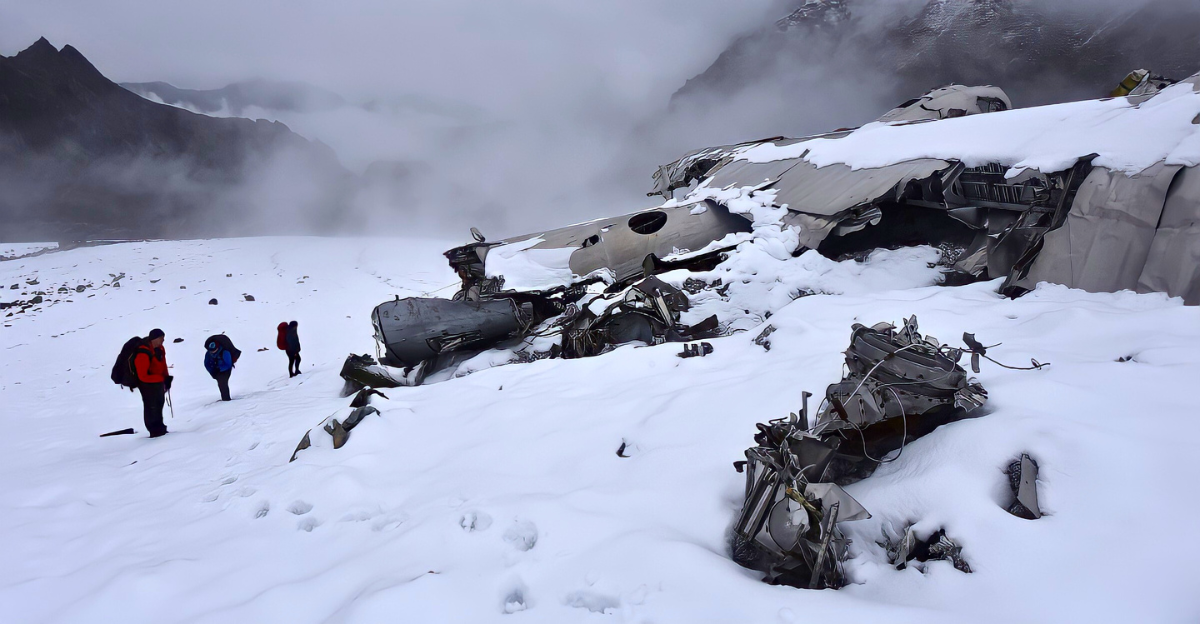
Reuters reports that more than 3,000 WWII planes still lie buried in polar ice, and melting glaciers are now exposing them at record rates. As climate change thins ice sheets by 0.6 m annually, artifacts risk corrosion before teams can document them. Eyeing a Boeing B-17 in Greenland, recovery groups race against nature’s clock.
Private Funding Falls Short of Ambitious Targets
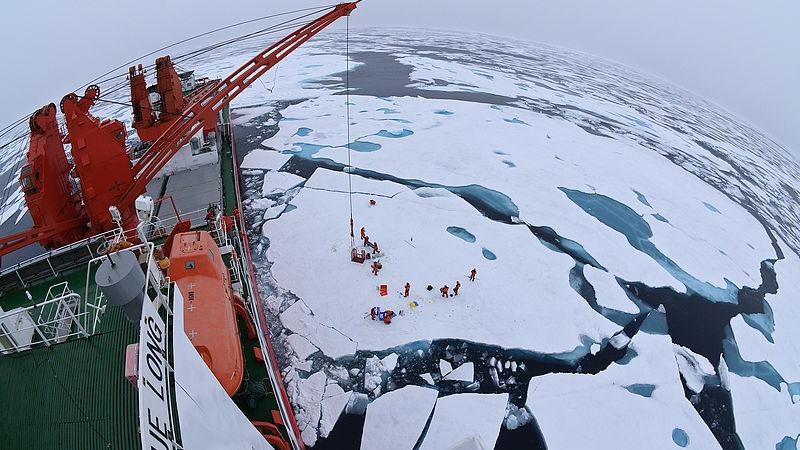
Popular Mechanics notes that private expeditions have spent over $20 million on polar plane recoveries since the 1990s. Today, Arctic Hot Point Solutions has raised $4.2 million—only 38 percent of the $11 million needed for full extraction. With ice melting faster and permitting hurdles rising, sponsors face mounting pressure to deliver results.
Lost Squadron’s 1942 Emergency Landings in Focus
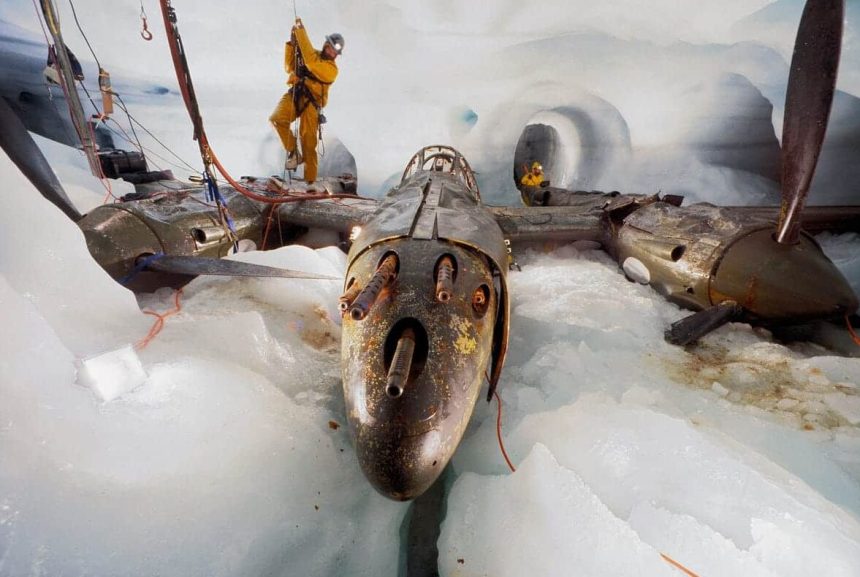
In July 1942, HowStuffWorks explains that eight U.S. aircraft of the “Lost Squadron” crash-landed on Greenland’s Ice during Operation Bolero. Harsh weather grounded rescue flights, forcing crews to overwinter. Seven P-38 fighters surfaced decades later, but both B-17 bombers remained hidden until new radar surveys renewed hope.
Greenland’s Heritage Law Tightens Archaeological Rules
Greenland’s Heritage Law #11/2012 fines unauthorized digs up to DKK 2 million per day, the Greenland Government Gazette records. Permit 2024-281-GEUS now mandates environmental assessments, while the U.S. Defense POW/MIA Accounting Agency insists on a strict chain-of-custody for any found human remains or artifacts.
Breakthrough: B-17 Flying Fortress Found Under 92 m of ice

On June 4, 2025, Arctic Hot Point Solutions confirmed a B-17 Flying Fortress at 66°18′ N, 40°46′ W under 92 m of Ice, Reuters reports. A hot-water probe retrieved MIL-H-5606 hydraulic fluid, stamped .50-caliber ammo links, and a sealed 32 × 20 cm aluminum dispatch box (serial 41-2413-BX). Forensic study now awaits.
Community Weighs Tourism Promise Against Ecological Risks
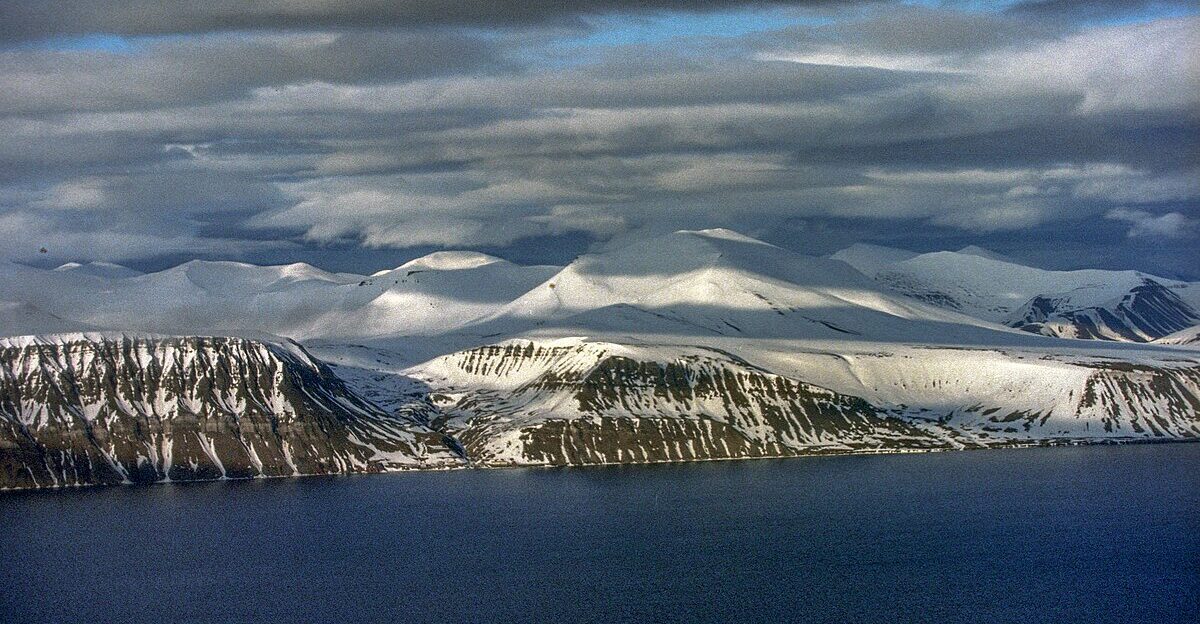
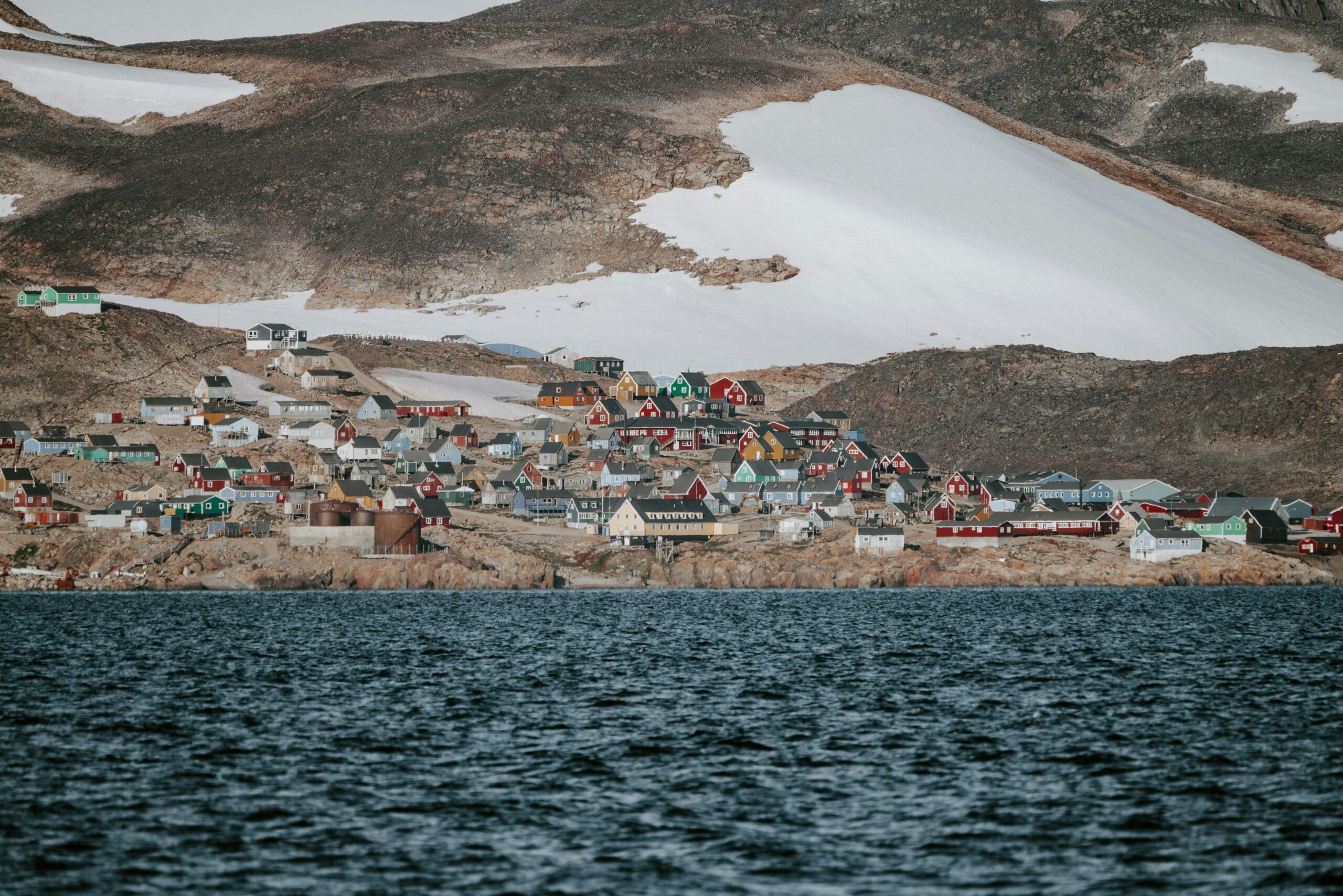
AP News says local authorities have sealed off a 1 km² area around Søren Strøm Fjord. Tour operators and researchers must reroute vessels to protect the site. Residents debate economic benefits from heritage tourism versus environmental risks, as regulators promise tight spill-prevention and wildlife monitoring.
Expedition Co-Leader Hails Discovery as “Time Capsule”
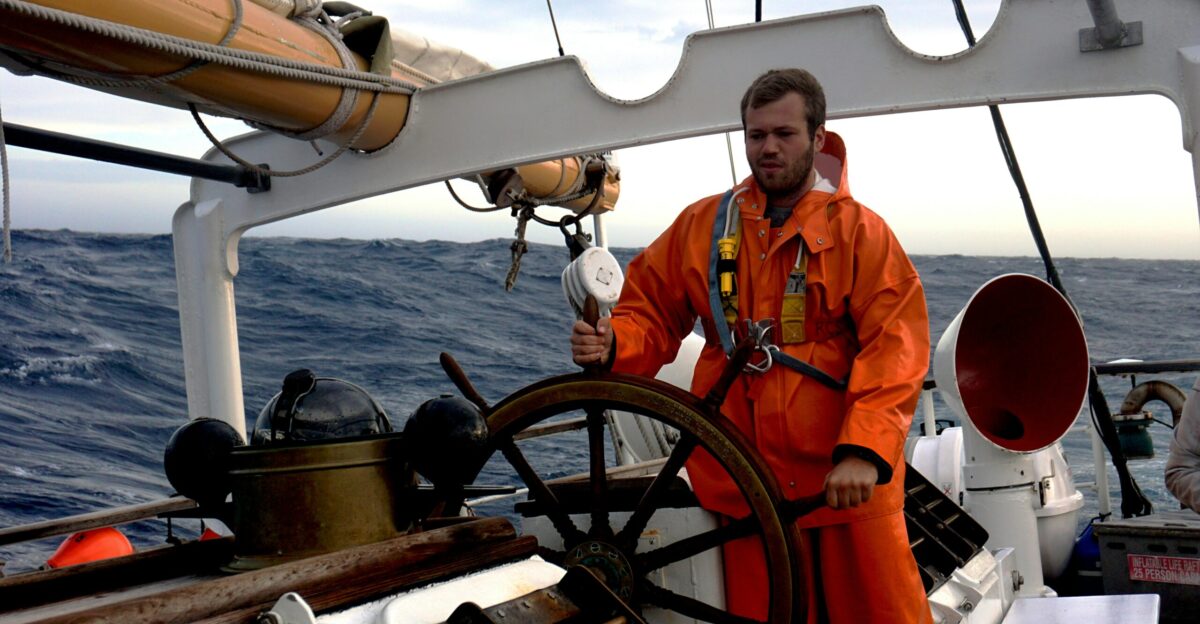
“We’ve tracked this bomber for years,” expedition co-leader Ken McBride told Reuters. He described the sealed dispatch box as “a time capsule from 1942,” containing potential flight logs and film. The U.S. DPAA oversees transport to Dover AFB, where a frozen-state opening is planned for August.
Rival Firm Eyes Permits Citing Glacier Girl Success
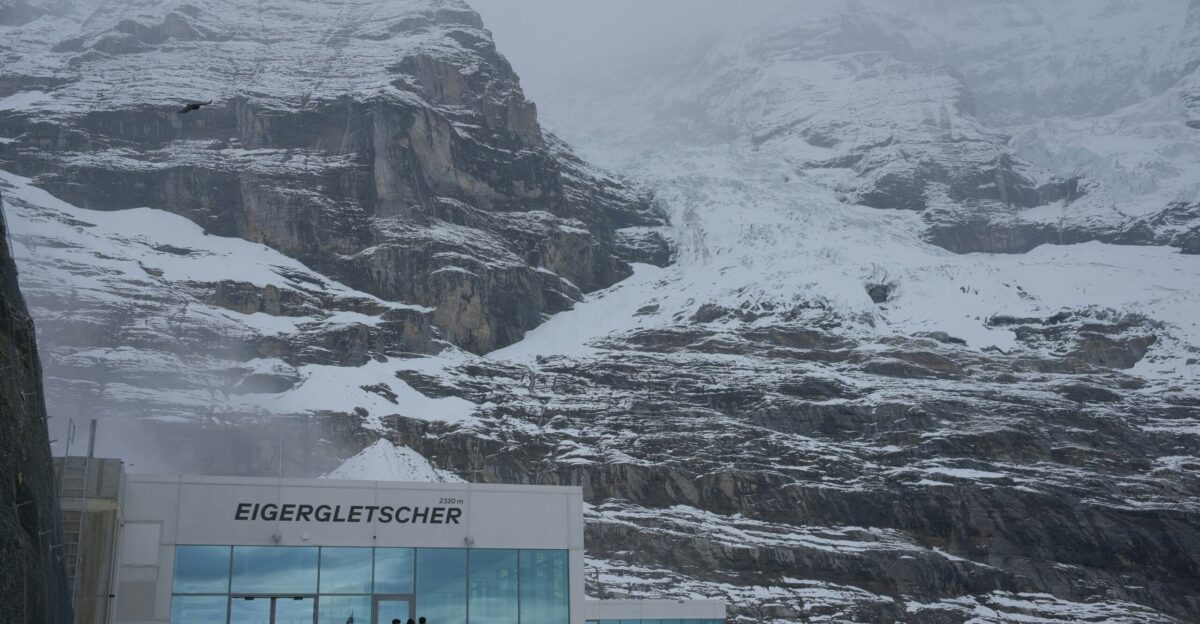
BBC News reveals that Polar Relics Ltd. plans to apply for the same Greenland permits. They cite the 1992 Glacier Girl recovery at 82 m depth and argue for hot-tunnel extraction. Conservationists counter that large-scale digs endanger fragile ice and ecosystems, forcing Danish regulators to mediate competing interests.
Global Thaw Uncovers WWII Wrecks on Multiple Continents
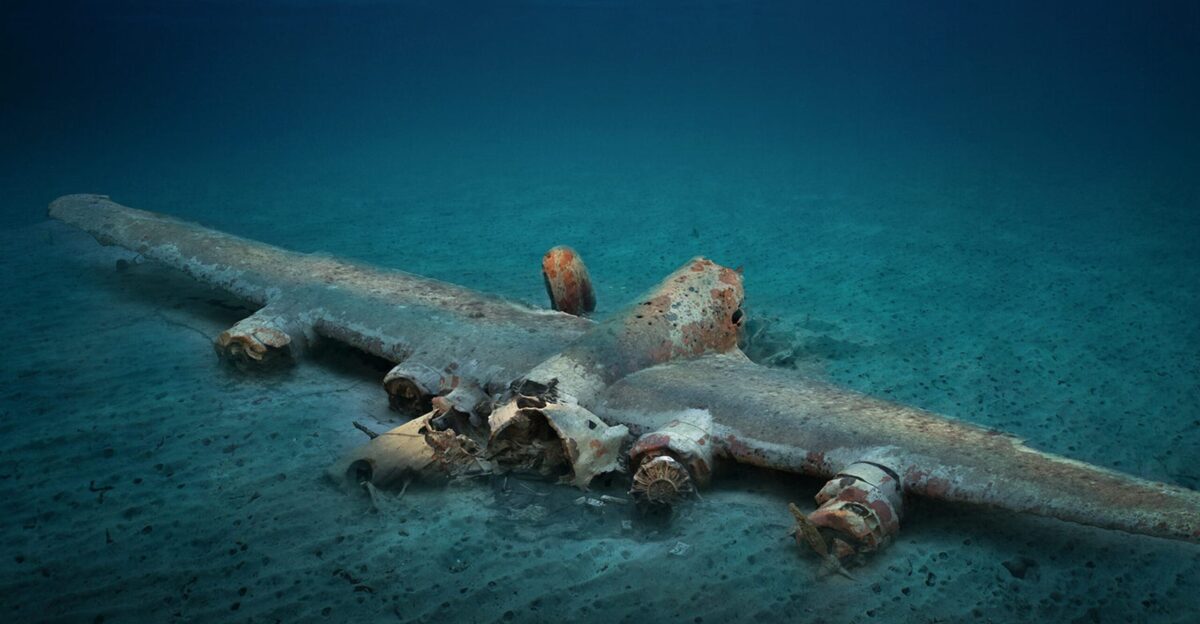
National Geographic highlights over 200 WWII wrecks uncovered worldwide as ice retreats, from Siberia to Antarctica. These findings aid climate research, siting melting rates, and forensic studies. International bodies now discuss unified frameworks for artifact ownership and data sharing among polar nations.
Sealed Dispatch Box Holds Secret Flight Records
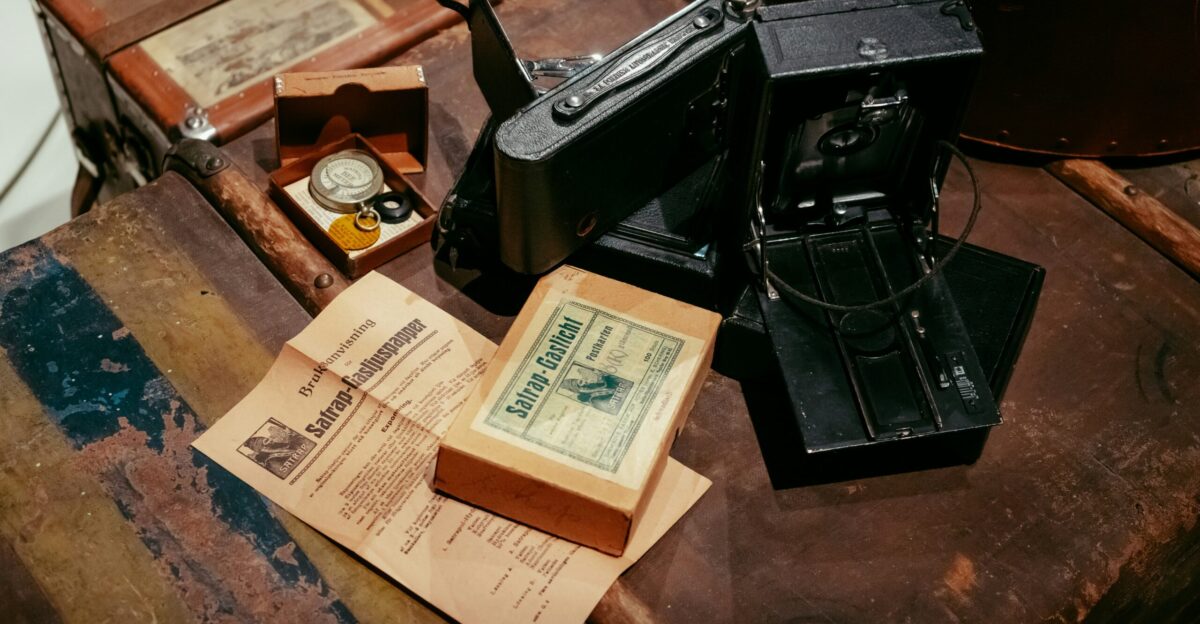
Science Magazine reports that X-rays show folded logbooks, cipher sheets, and undeveloped 35 mm film inside the dispatch box. Specialists warn that the film must be processed at sub-zero temperatures to prevent decay. If developed, these records could map secret Bolero ferry routes supporting the Allied buildup in Britain.
Geologists and Historians Clash Over Recovery Priorities

An internal memo leaked July 1 shows Arctic Hot Point Solutions geologists pushed for macro ice-core samples, while historians demanded immediate artifact recovery. Sponsors threatened to withhold funds without clear deliverables, intensifying factional disputes before the following field season.
New Director Balances Ecology and Archaeology Goals
Mid-June updates from the Greenland Ministry show Jane Håkansson replacing Lars Petersen as project director. With a background in environmental law, she aims to satisfy permit conditions and secure the 2027 hot-tunnel operation, balancing archaeology with ecological safeguards.
Ambitious 2027 Hot-Tunnel Plan Outlined by Engineers
Polar Engineering Journal describes an 18-month hot-tunnel operation, budgeted at $11 million, set to start summer 2027. Modular shelters and heated drills will protect ice integrity, while GEUS-approved waste reinjection systems prevent fjord contamination. The team targets complete airframe extraction by early 2029.
Glaciologist Warns of Thermal Stress Risks to Ice
In the Journal of Glaciology, Dr. Marta Lund cautions that hot-tunnel methods risk creating thermal fractures, accelerating melt around the tunnel throat. She recommends remote sensing to track ice stability and micro-excavation techniques to minimize environmental impact.
Next Chapter Hinges on Permit Reforms in 2027
Will Greenland tighten Law #11/2012 further before the 2027 dig? Reuters speculates that new amendments may mandate joint state-private oversight, biodiversity studies, and community revenue sharing, setting a global precedent for heritage digs in shrinking ice caps.
Parliament Debates Mandatory Heritage Officers on Site

On July 5, parliamentary transcripts show lawmakers debating amendments requiring state-appointed heritage officers on excavation teams. Proposed changes include detailed wastewater management plans and Indigenous stakeholder consent rules to ensure cultural and environmental protections.
Arctic Council Seeks Unified Heritage Framework
The Arctic Council’s June 22 communiqué confirms a 2026 workshop to align heritage laws across circumpolar nations. Canada and Norway, fresh from their polar recoveries, back standard protocols for cataloging wreck sites and emergency response procedures for newly exposed artifacts.
High Insurance Costs for Artifact Exports

Lloyd’s of London bulletins note that under Danish environmental law, exporting artifacts over 5 kg carries fines of up to DKK 2 million per day. Insurers demand proof of full legal compliance and environmental safeguards before underwriting polar recovery missions.
Virtual Reality Offers New Access to Wreck Sites
Smithsonian Magazine reports that virtual reality exhibits of Glacier Girl and other wrecks are gaining traction. Younger audiences prefer immersive digital experiences over physical digs, easing pressure on fragile sites while democratizing access to wartime aviation history.
Greenland’s Find Signals Broader Climate Dilemma
The B-17 discovery under Greenland’s Ice illustrates how climate change accelerates risk and revelation. As frozen records emerge, societies must decide whether to preserve history through invasive digs or embrace digital archives that protect ecosystems and honor the past.