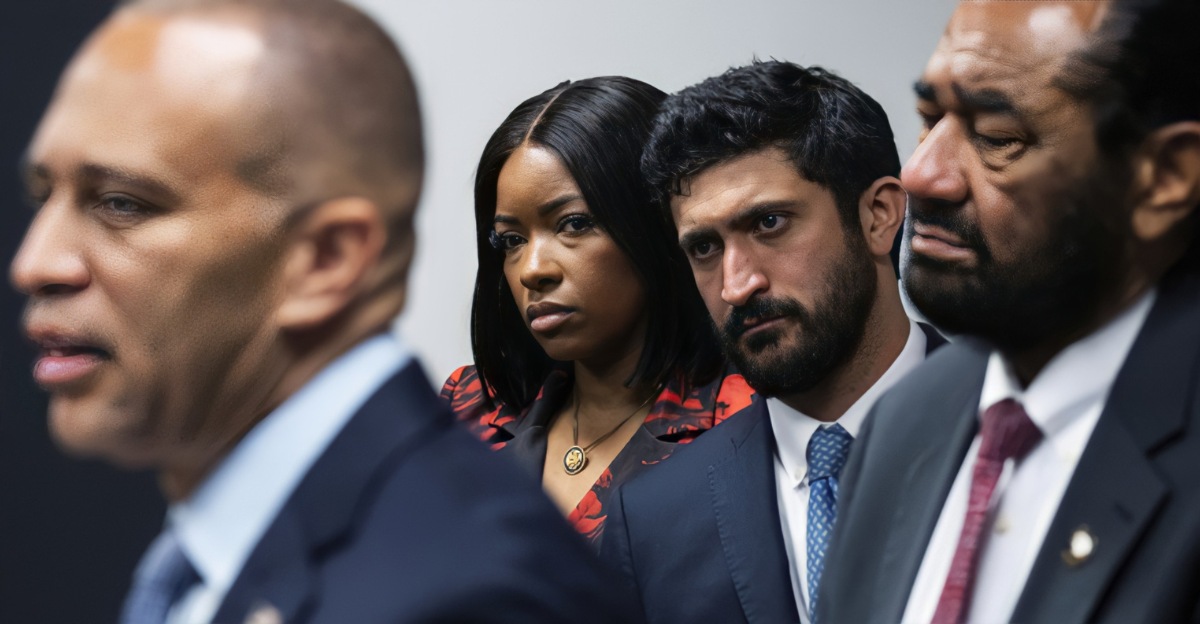
Texas is currently at the center of a fierce political battle as Republican lawmakers rush to redraw congressional maps, targeting the acquisition of five seats. With control of the U.S. House at stake, this move has sparked intense backlash and protests from Democrats.
“This isn’t just about redistricting; it’s about the future of our political representation,” remarked Democratic Rep. Vicente Gonzalez. As both sides gear up for what could be a historic showdown, the fate of Texas’s political landscape hinges on how each party navigates its next moves. The stakes couldn’t be higher for both national and local politics.
Protest in Exile
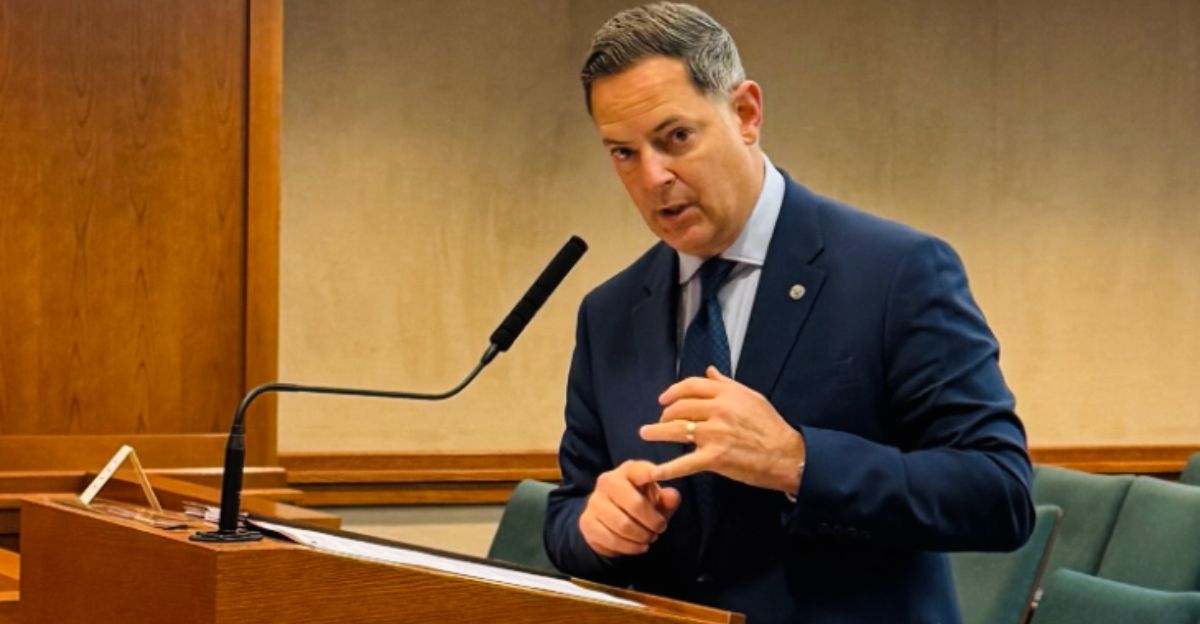
For nearly two weeks, Texas House Democrats have held a strategic absence, staying out of state to deny Republicans the quorum needed for redistricting legislation. This unprecedented protest has paralyzed the legislative session, escalating the ongoing tensions. “We will not sit idly by while our districts are hijacked,” stated Democratic Rep. Rafael Anchia, highlighting their resolve.
Meanwhile, Republican leaders press to expedite efforts to secure additional seats while deadlines loom. This intense standoff draws national scrutiny, as both parties grapple with the implications of their strategies in a time of heightened political division.
The History of Disruption

Texas’s political arena is no stranger to dramatic walkouts during crucial legislative sessions. Lawmakers have effectively used strategic delays to derail controversial bills, especially regarding redistricting: previous clashes, particularly those related to partisan map-drawing, date back a decade. However, the current situation raises the stakes even higher.
Democratic Rep. Celia Israel observed, “The fight is about more than just maps; it’s about making sure every Texan’s voice is heard.” With national political balance on the line, the atmosphere remains charged as both sides brace for what’s to come in this integral confrontation.
The Intensifying Pressure
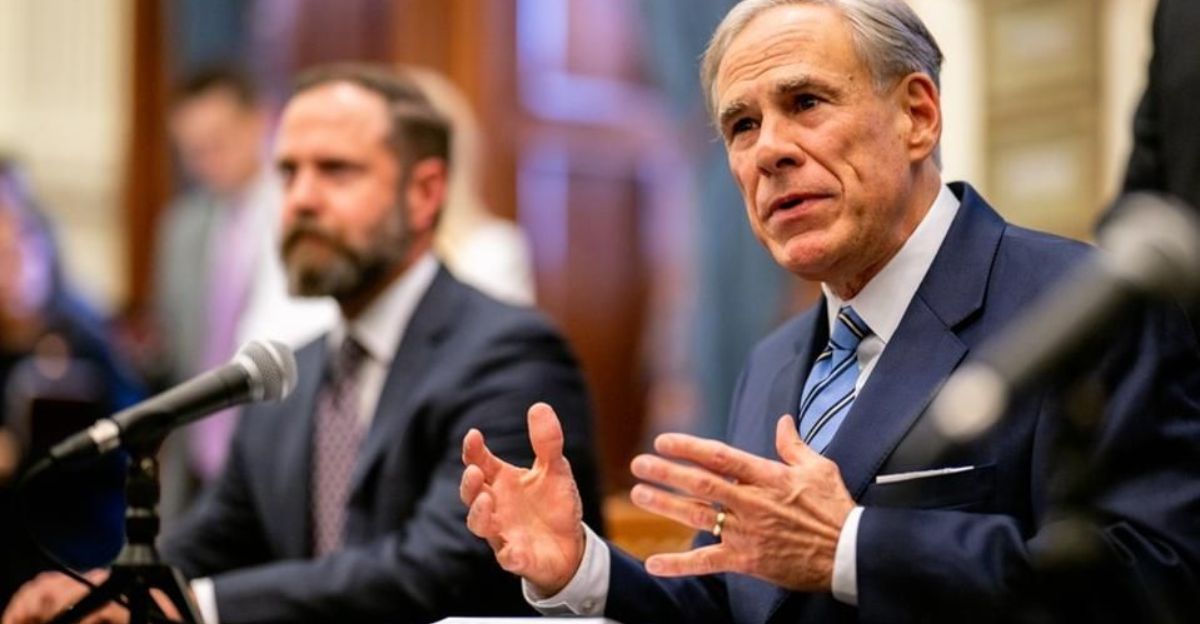
As Republicans push to finalize their new maps, the pressure mounts from all directions. The GOP faces a tight timeline with procedural deadlines rapidly approaching, leading them to double down on their redistricting strategy. Simultaneously, Democrats must weigh the political and legal risks associated with their ongoing absence.
Amid escalating tensions, Texas Governor Greg Abbott has threatened civil arrest for missing lawmakers, further raising the stakes. “It’s hard to lead when the rules change at the last minute,” said a frustrated Republican leader, capturing the intensity of the environment as each party maneuvers through this impasse.
Five Seats Targeted
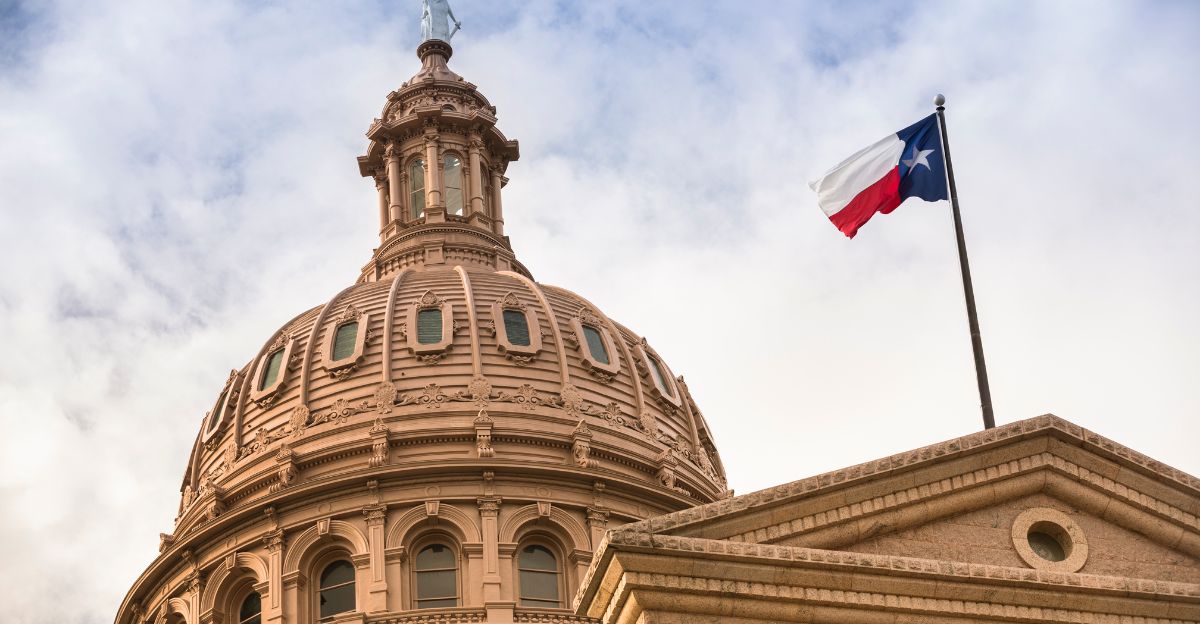
On August 8, Texas Republicans unveiled a consequential congressional map designed to target and flip five Democratic-held U.S. House seats concentrated in urban areas like Austin, Dallas, Houston, and South Texas. Influenced by President Trump’s endorsement, the proposal is seen as a strategic effort to consolidate GOP control ahead of the 2026 midterms.
In response, Democrats are fighting aggressively for the chance to block the vote. “We must protect our districts and their diverse voices,” stated Rep. Cuellar. This pivotal moment has sparked the ongoing crisis, setting a dramatic stage for intense political maneuvering.
District Shakeups Ahead
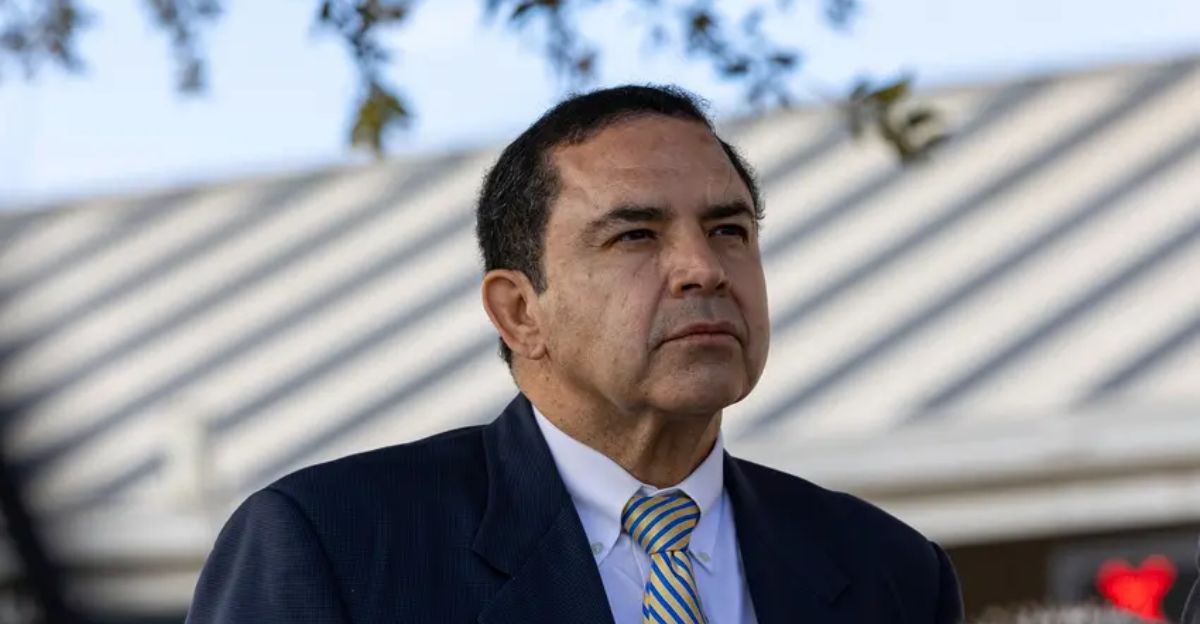
The proposed congressional maps focus on existing Democratic-majority districts, especially in major metropolitan areas and South Texas. This redistricting strategy could significantly shift the political landscape, putting the incumbents, like Henry Cuellar and Vicente Gonzalez, at risk of losing their seats to Republican challengers.
Residents now face uncertainty over their representation and how their concerns will be addressed. “If these maps pass, it’s not just my job on the line; it’s our community’s voice,” shared Cuellar, reflecting widespread apprehension among constituents about what this change might mean for their political representation.
Lawmakers’ Voices
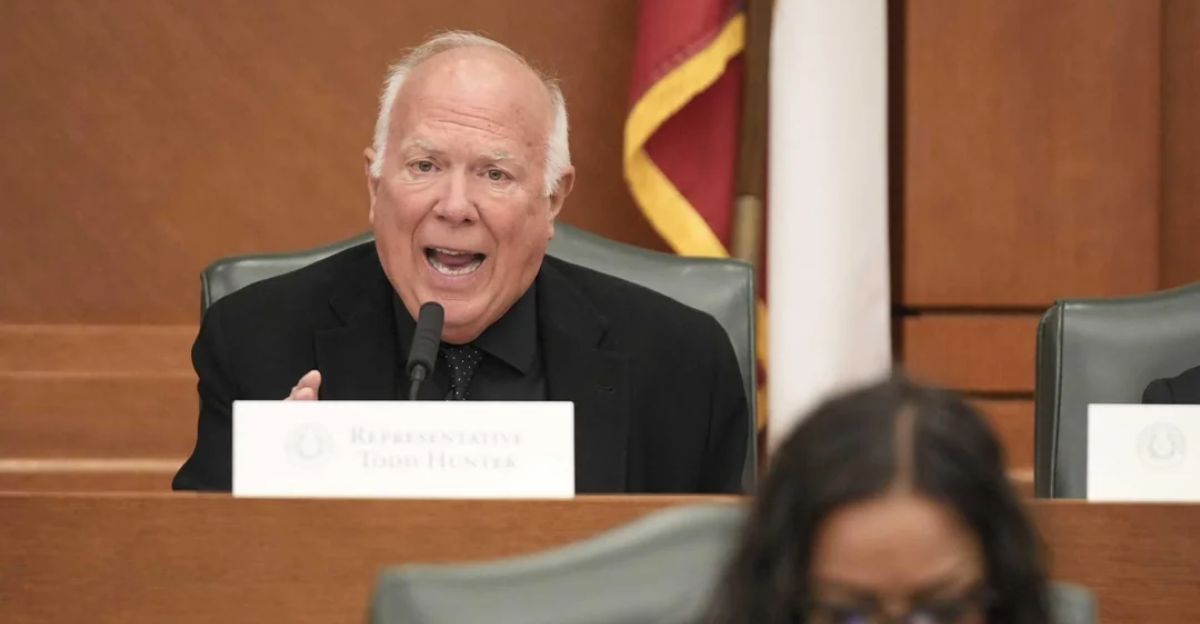
Amid the turmoil, lawmakers from both sides voice their opinions passionately. Democratic Rep. Henry Cuellar stated, “We’re standing up for the voices of our communities. We won’t allow partisan maps to silence us.” In contrast, Republican Rep.
Todd Hunter argued, “These new districts reflect the true will of Texas voters.” Lawmakers are experiencing political fatigue and sleepless nights filled with negotiation as they navigate this treacherous political landscape. As emotions run high, their words illustrate the deep stakes, resonating with those watching closely from the sidelines.
A National Redistricting Race

The battle in Texas has sparked a ripple effect across the nation, triggering a rush among states to redraw congressional maps amid rising partisan tensions. Democratic-controlled states, such as California, are already preparing countermeasures to counter GOP gains by carving out Democratic seats.
“It’s like a game of chess; every move counts,” political analyst Mark Jones commented. As states look for ways to fortify their legislative representation, the implications of these changes could potentially reshape Congress’s balance of power well beyond Texas’s borders.
The Gerrymandering Debate
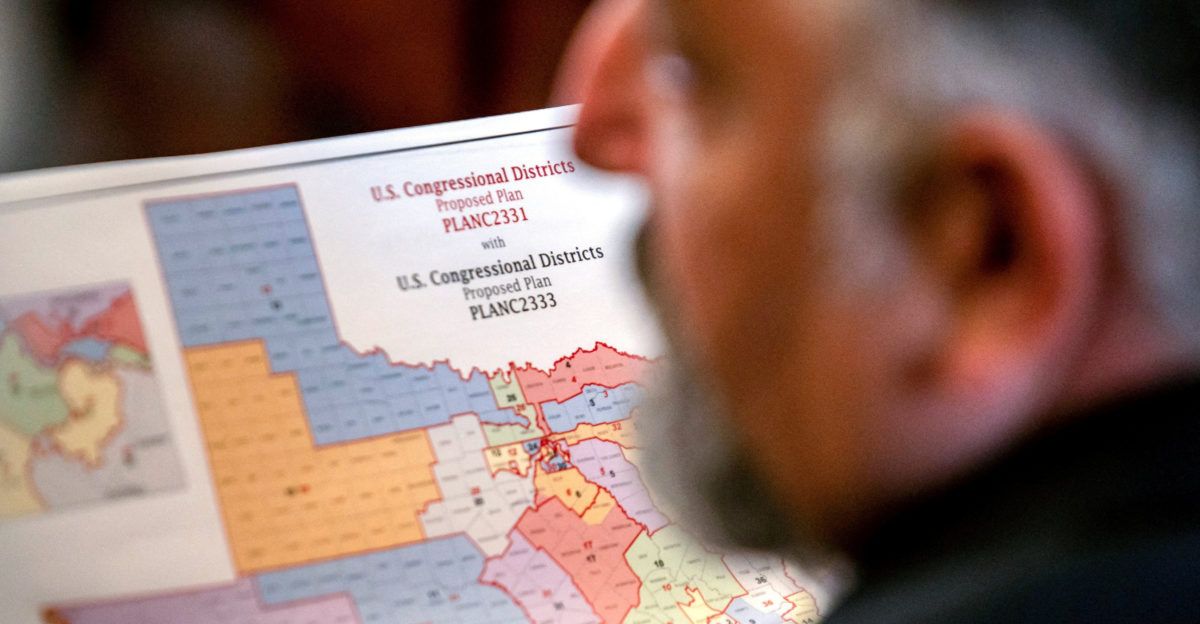
This standoff has reignited a nationwide conversation about gerrymandering practices, with advocacy groups calling for federal legislation to establish limitations on partisan map-drawing. Experts caution that unchecked gerrymandering could undermine the democratic process, raising alarms across the political spectrum.
Texas and California now stand at the forefront of these reform discussions, with many Americans following closely on what could be a turning point in how voting districts are outlined in the future. “We can’t ignore the potential for abuse,” expressed an advocacy group representative, underscoring the urgent need for systemic change.
Brewing Legal Battles
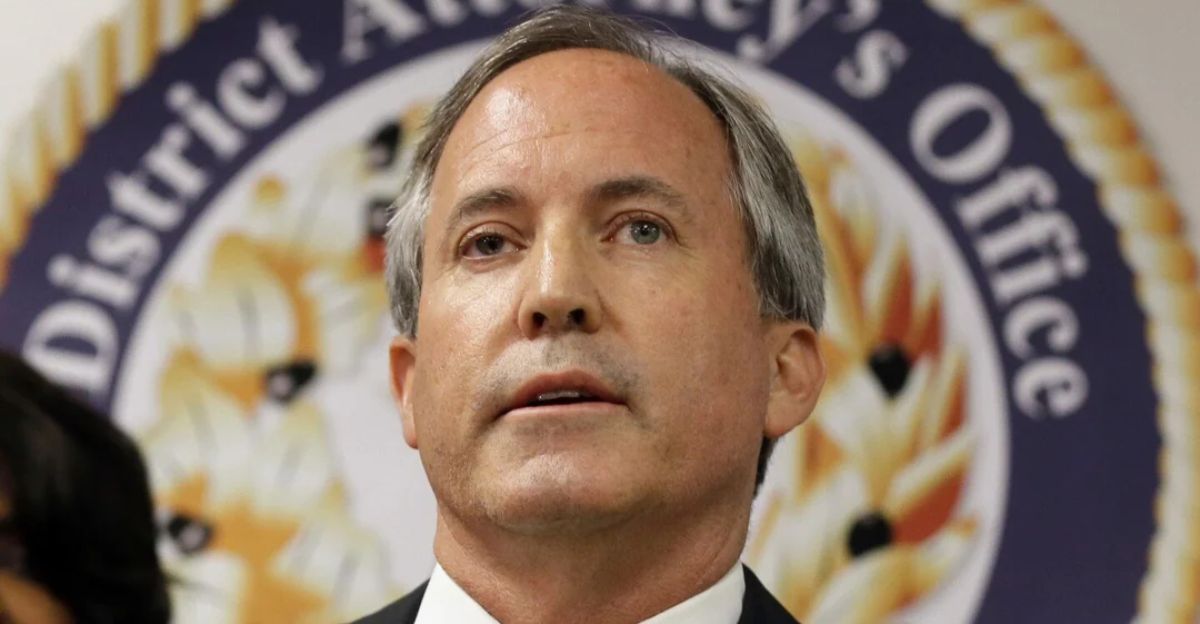
In response to the proposed redistricting maps, Democrats have launched multiple legal challenges, arguing that the changes threaten to dilute minority voting power across the state. Texas Attorney General Ken Paxton, however, has vowed to pursue court orders to declare the seats held by absent lawmakers vacant.
“The legal battles ahead will set significant precedents that echo far beyond Texas,” cautioned a constitutional law expert. As tensions escalate further, the outcomes of these legal challenges could have transformative implications for political dynamics across the nation, proving pivotal in upcoming elections.
Internal Frustration Grows
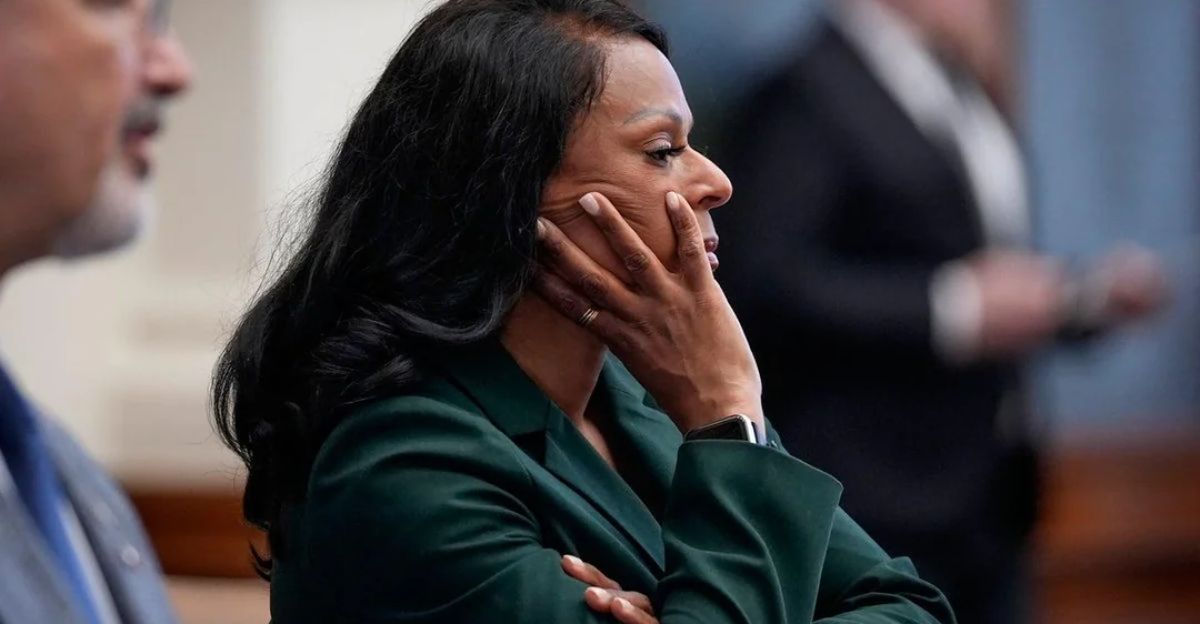
Within the Democratic caucus, internal tensions are palpable as members debate the effectiveness and duration of their walkout. Some advocate for returning to the legislative session to build a robust legal record against the new maps, while others insist on maintaining their absence to press their advantage.
“Every day matters,” expressed frustrated Democratic leaders, revealing the divide that complicates their strategy. On the other side of the aisle, Republican officials voice growing impatience, insisting that legislative business must continue. The interplay of strategy and frustration manifests in heated discussions about the road ahead.
Changing Leadership Dynamics

In response to the ongoing standoff, Texas House Speaker Dustin Burrows has taken a firm position. He has delivered stark warnings to absent Democrats and even threatened the issuance of arrest warrants for those refusing to return. As the tension escalates, Democratic leaders coordinate their efforts remotely, utilizing virtual meetings to maintain unity and strategize their next steps.
“We will not back down,” asserted one Democratic leader. The shifting leadership dynamics on both sides reveal how pressure influences political maneuvering, intensifying the stakes for all parties involved.
Republican Comeback Strategy
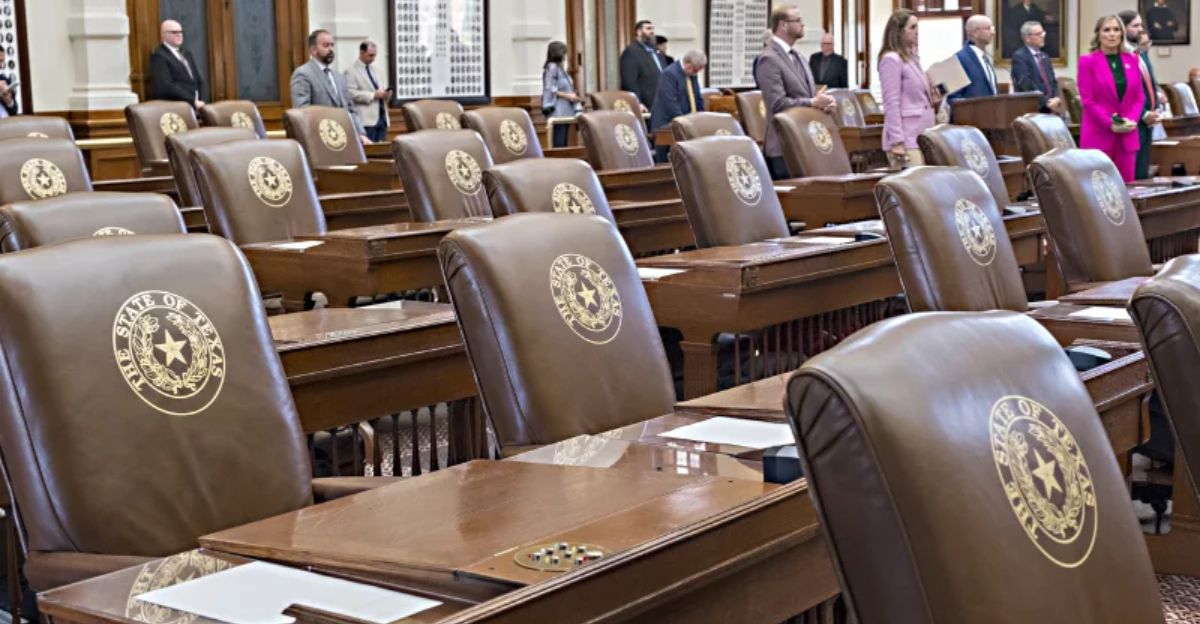
Recognizing the urgency, Texas Republicans have fine-tuned their approach with each special session. They are seeking innovative ways to entice Democrats to return, whether through offers of negotiation or more conciliatory measures. Amid this, they aim to juggle the need for redistricting with the desire to present a united front.
“We want to find common ground, but the stakes are high,” a prominent GOP figure noted. This careful balancing act resonates with decisions that could define the political landscape for years and will be closely watched as efforts continue to unfold.
The Texas Landscape
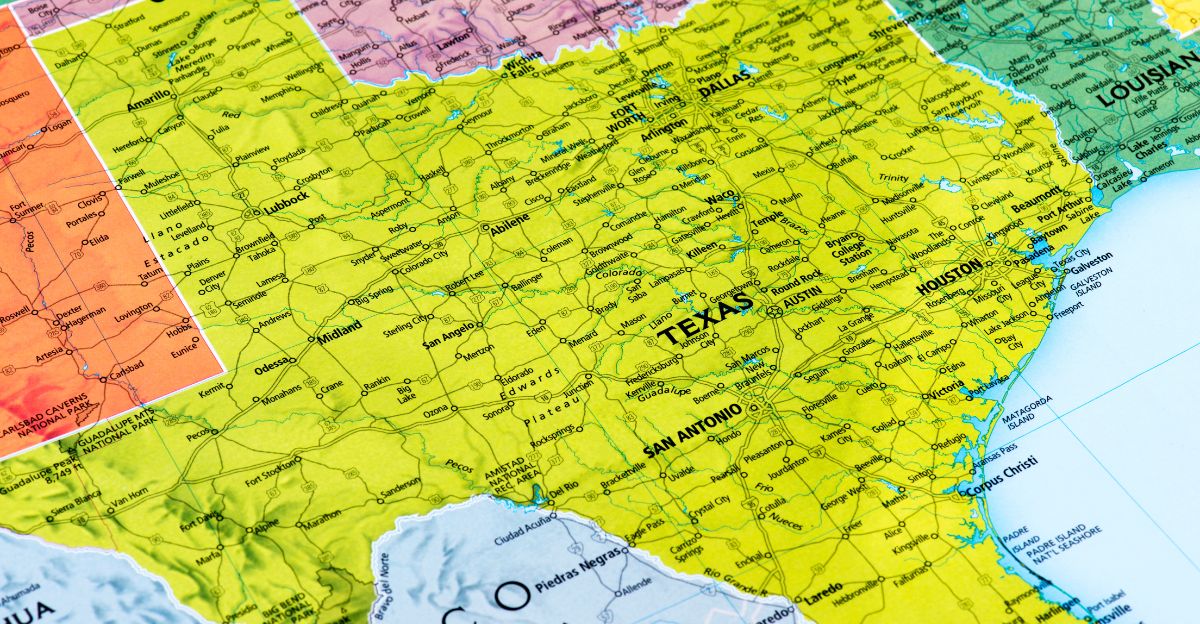
Texas’s vast and diverse demographics complicate the redistricting process. With its rapid population growth, particularly among minority communities, stakeholders are increasingly concerned about fair representation in any proposed maps. From farmers to urban workers, voices across the state emphasize the importance of aligning political representation with the actual makeup of the population.
“Maps should reflect who we are as a state,” said a community organizer from South Texas, urging lawmakers to prioritize equitable representation. The clash over maps thus encapsulates broader societal issues that resonate deeply within the fabric of Texas itself.
Clarity in Data
Data is essential in the redistricting debate, with both parties mining research to support their claims. Republicans tout the latest voting trends favoring them in certain districts, while Democrats cite historical data showing a consistent shift toward progressive candidates in others.
“Numbers don’t lie,” remarked a GOP strategist, asserting the validity of their proposed changes. Both sides increasingly rely on data-driven narratives to bolster their arguments as the battle intensifies. In an age where information plays a pivotal role in decision-making, the interpretation of data becomes a battleground in its own right.
Community Reactions

Local communities express their concerns and hopes for their political futures as political machinations unfold. Town halls and community meetings provide platforms for residents to voice their opinions. “We need representatives who reflect our values and priorities,” expressed a concerned citizen at a town meeting.
The urgency for engagement underscores the importance of grassroots actions amidst state-level decisions, fostering conversations about accountability and representation. These sentiments amplify the stakes as communities aim to safeguard their interests during this turbulent time marked by division and uncertainty.
The Importance of Advocacy
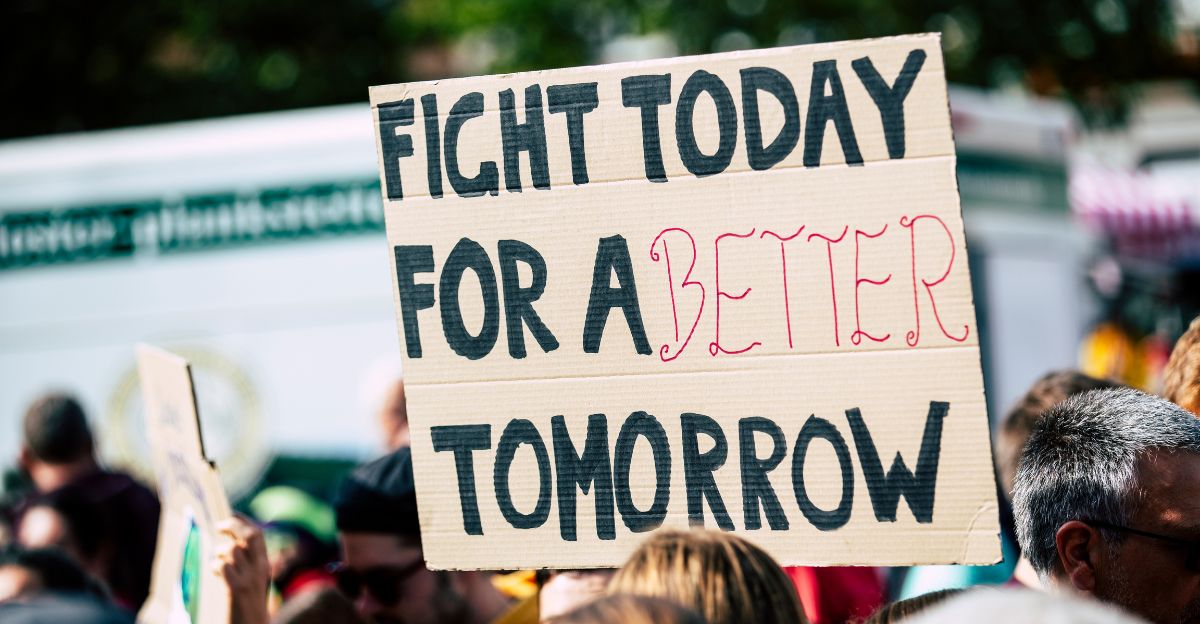
Advocacy groups have mobilized to ensure that marginalized voices are not overlooked in response to the redistricting crisis. They stress the significance of engagement in the political process, encouraging community members to vocalize their needs during this pivotal moment.
“Our democracy thrives on every voice being heard,” stated a representative from a prominent advocacy organization, emphasizing the need for collective action. These groups work tirelessly to connect citizens with lawmakers, reinforcing that the fight for representation is a communal effort that transcends political divides.
Looking Beyond Texas
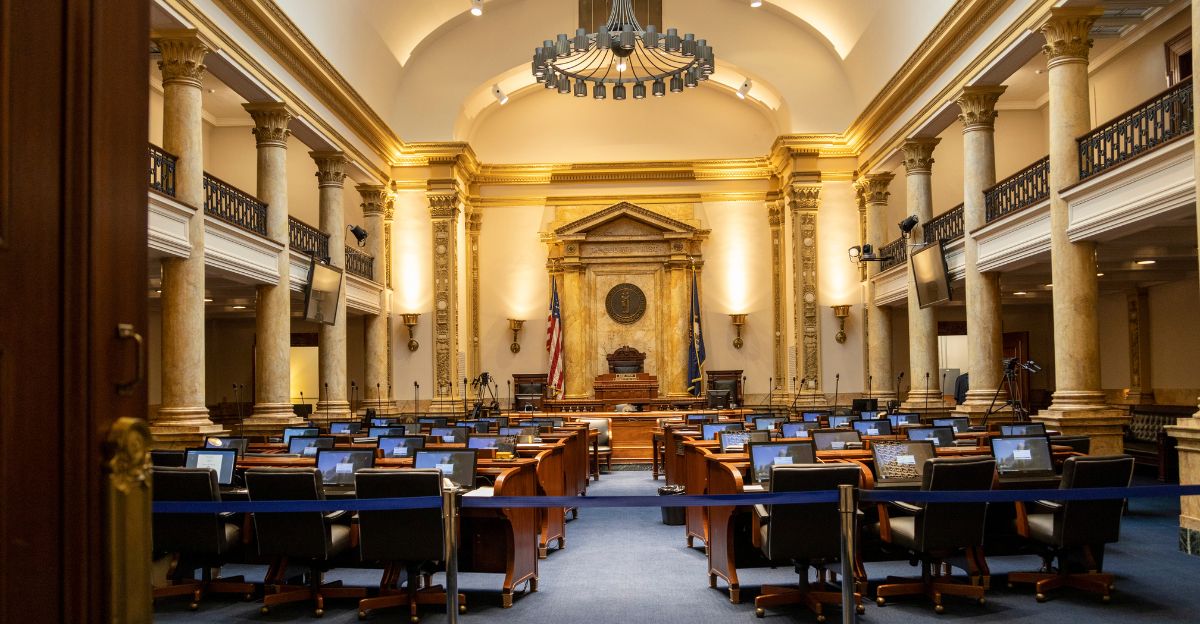
While the immediate battle is focused on Texas, the ramifications extend to the national political landscape. Other states are closely monitoring developments and are eager to adapt their strategies based on the outcomes in Texas. Analysts predict that all eyes will be on how redistricting impacts the upcoming global and national midterms.
“What we see in Texas could set the precedent for a nationwide approach to redistricting,” commented a political analyst, highlighting the broader implications. As this significant moment unfolds, the effects of Texas’s decisions will likely resound across various political arenas.
Anti-Gerrymandering Movements
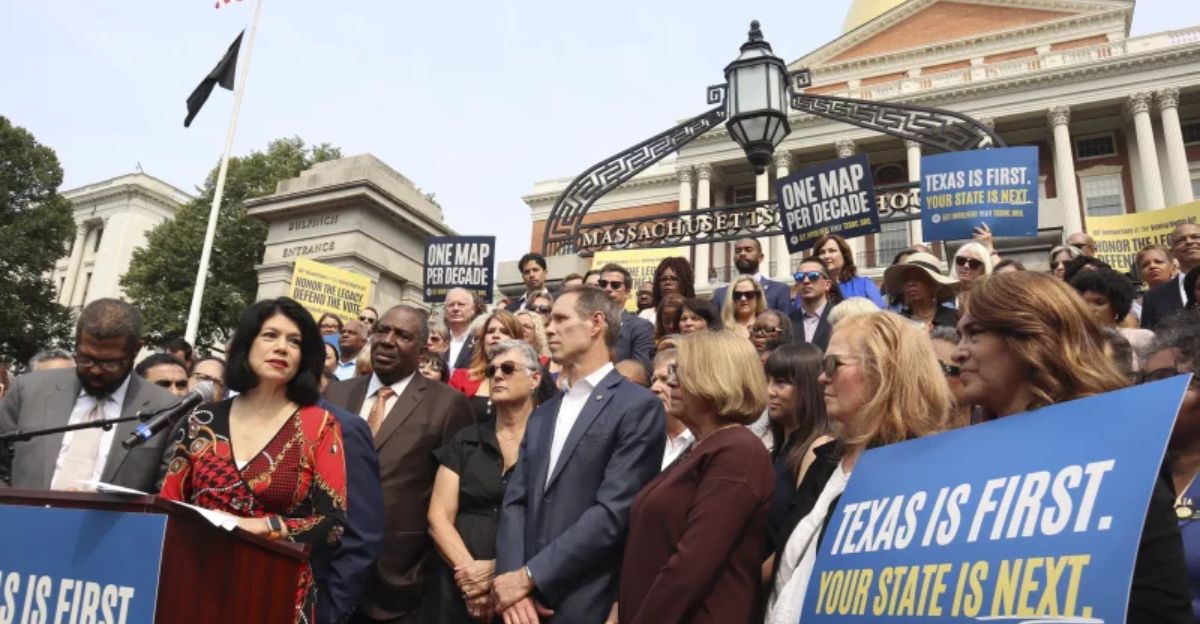
In light of the ongoing standoff, grassroots movements advocating against gerrymandering are gaining momentum nationwide. Citizens rally for fair and transparent redistricting practices, demanding reform prioritizing equity and representation. “Our voices matter, and we deserve fair maps,” shouted a young activist at a recent rally.
With rising support for anti-gerrymandering initiatives across party lines, this moment presents a unique opportunity for systemic changes that could reshape how electoral maps are drawn. The urgency of their advocacy reveals a desire for more equitable practices in shaping democracy.
Reflection and the Path Forward
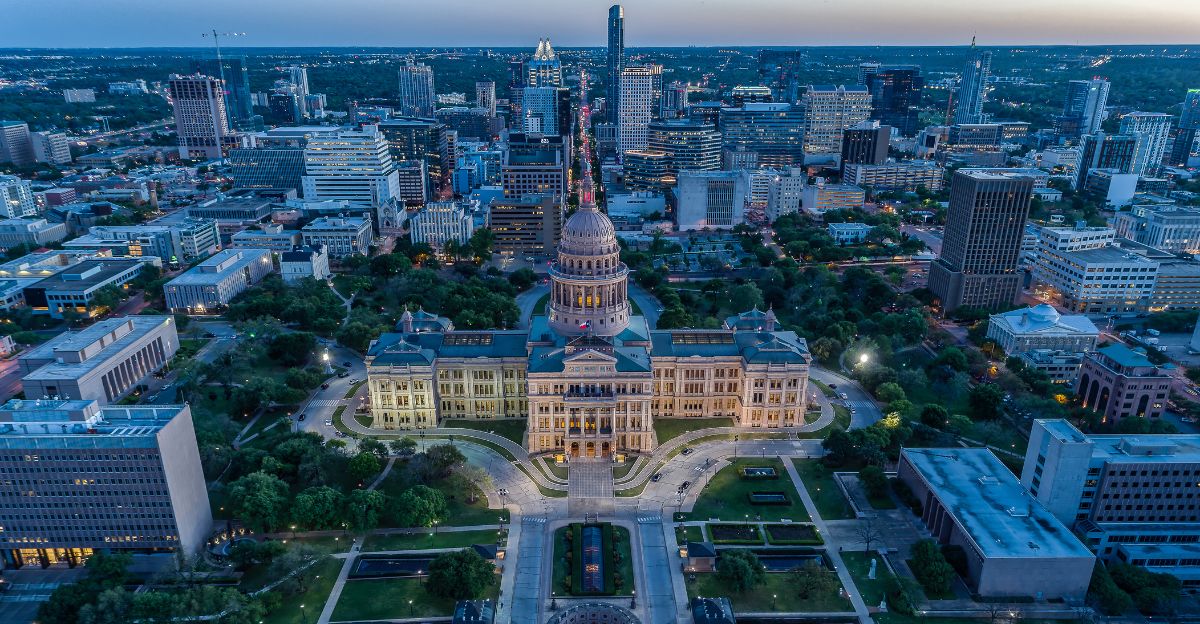
As Texas navigates its tumultuous political landscape, the outcomes of this standoff will yield far-reaching implications. Lawmakers, community members, and advocacy groups must shoulder the responsibility to engage constructively, reflect on history, and work toward equitable representation.
“Our future relies on collaborative efforts across the aisle,” asserted a bipartisan advocate, underscoring the essence of building bridges amid polarization. The current struggle encapsulates a fight over congressional maps and the broader battle for the soul of democracy. How Texas resolves this dilemma could serve as a beacon for other states grappling with similar issues.