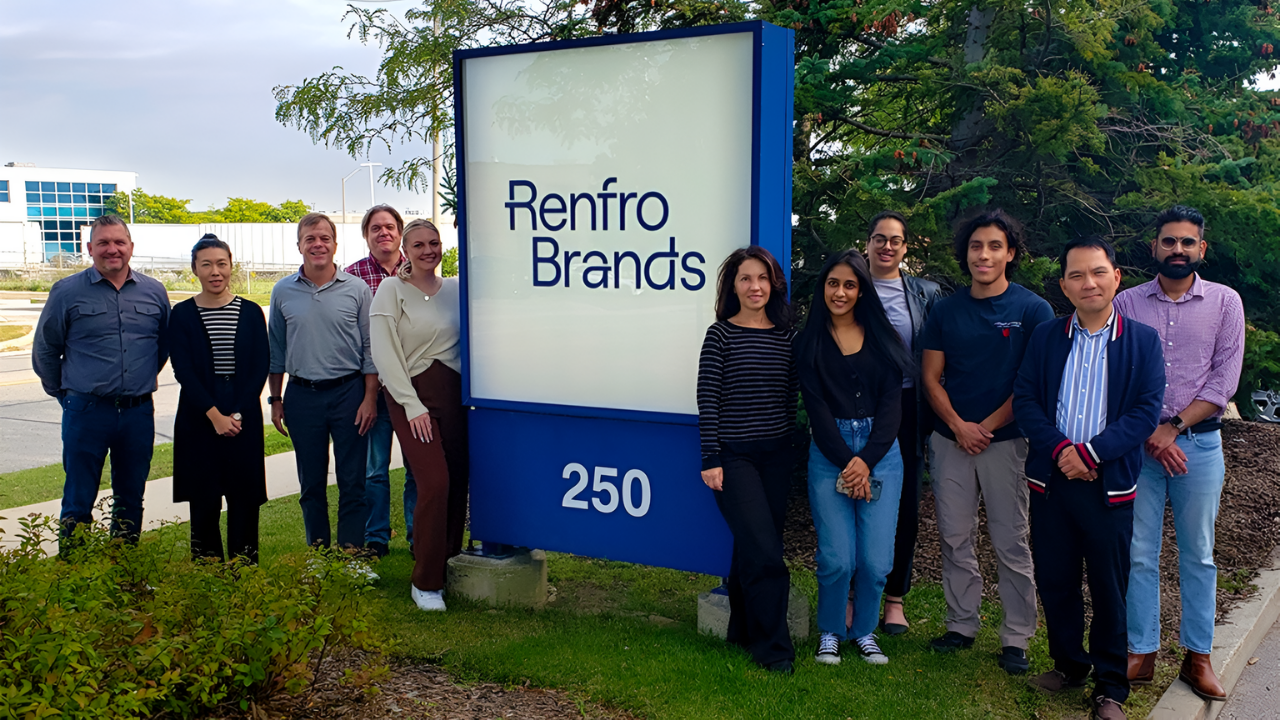
The morning of October 28, 2025, brought a jolt to Fort Payne, Alabama: Renfro Brands, a century-old sock manufacturer and the town’s largest employer, announced it would shutter its local facility by year’s end. The closure, which will eliminate 455 jobs, marks a turning point for a community long known as the “Sock Capital of the World.” For generations, Fort Payne’s identity and economy have been woven tightly with manufacturing, supplying global brands like New Balance and Polo Ralph Lauren. Now, as layoffs loom and families brace for uncertainty, the town faces a profound reckoning with its future.
A Legacy Unravels
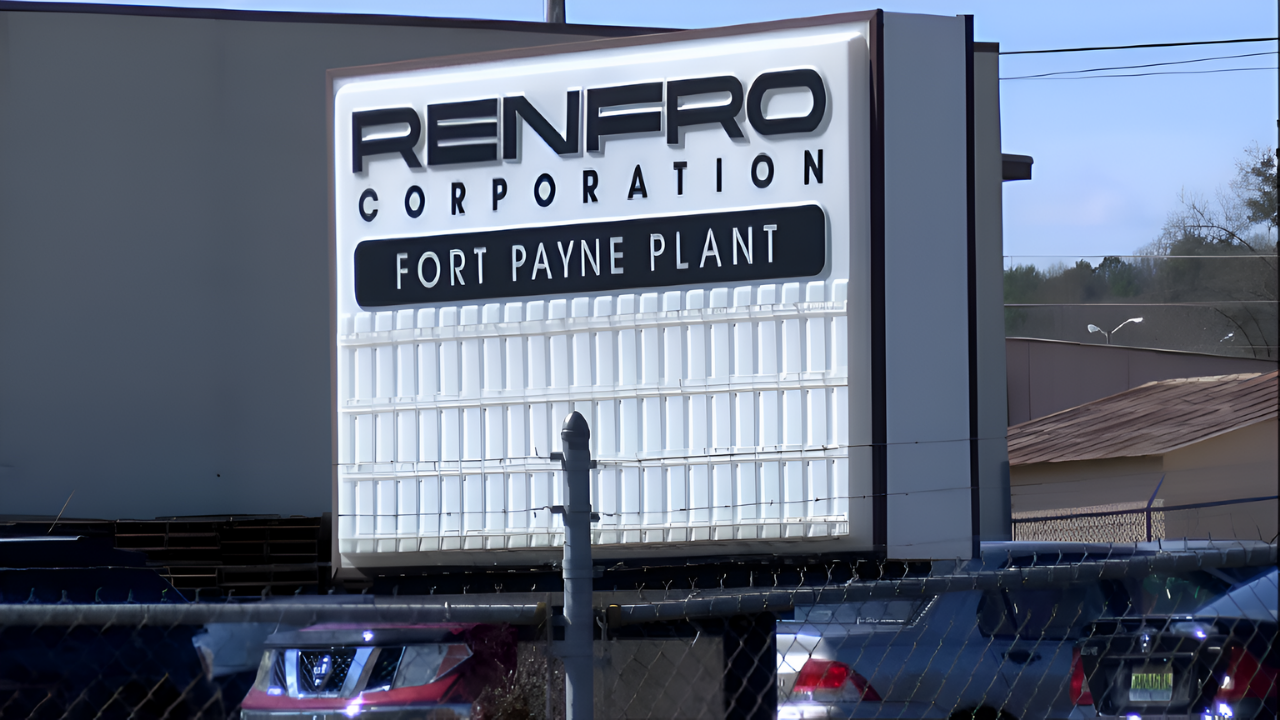
Fort Payne’s manufacturing roots run deep. Since 1921, the town’s mills have powered local prosperity and shaped its reputation far beyond Alabama. The company’s decision to consolidate operations in Cleveland, Tennessee, signals the end of an era. For many workers, the closure is not just an economic blow but a loss of heritage.
Renfro’s move reflects broader pressures facing Alabama’s manufacturing sector. Rising operational costs, fierce competition, and Tennessee’s aggressive incentives have made it increasingly difficult for local factories to stay afloat. Tennessee’s lower taxes and streamlined regulations have attracted manufacturers seeking efficiency and profitability, leaving Alabama struggling to retain its industrial base.
Economic Shockwaves and Local Response

The impact on Fort Payne and DeKalb County is immediate and severe. The loss of 455 jobs will shrink local tax revenues and strain public services, from schools to social programs. While Renfro’s warehousing operations will remain, the plant closure leaves hundreds of families facing hardship just as the holiday season approaches. Local officials have begun mobilizing recovery efforts, seeking to connect displaced workers with new opportunities and attract fresh investment.
The challenge is steep: Fort Payne’s economy is heavily reliant on manufacturing, and diversification will take time. Officials have emphasized the need for state support and new industries willing to invest in the area.
A Statewide and National Trend
Renfro’s closure is part of a larger wave of layoffs sweeping Alabama in 2025. Other manufacturers and logistics firms, including Averitt Express and Federal-Mogul Motorparts, have announced similar cutbacks, contributing to thousands of lost jobs statewide. The trend mirrors national patterns, with more than one million positions eliminated across the U.S. this year as companies turn to automation and outsourcing to cut costs.
Industry experts warn that Alabama’s manufacturing sector is at risk of further contraction unless the state takes decisive action. Alabama must invest in workforce training and offer competitive incentives to retain and attract manufacturers. Otherwise, jobs will continue to migrate to states like Tennessee, which have positioned themselves as leaders in industrial growth.
Globally, the challenges facing Fort Payne echo those in other manufacturing towns. In New Zealand, for example, the textile industry has also grappled with competition from lower-cost regions and shifting market dynamics, forcing communities to adapt or risk decline.
Tennessee’s Manufacturing Boom

While Alabama contends with layoffs, Tennessee’s manufacturing sector is thriving. Renfro’s expansion in Cleveland will create at least 75 new jobs, underscoring the state’s success in attracting companies with business-friendly policies. Tennessee’s incentives and regulatory environment make it an attractive destination for manufacturers. Consolidating operations allows companies to remain competitive in a challenging market.
This shift has frustrated Fort Payne’s leaders, who see Tennessee’s gains as Alabama’s losses. The competition between states for jobs and investment is intensifying, with communities like Fort Payne caught in the crossfire.
Looking Ahead: Uncertain Futures and Policy Debates
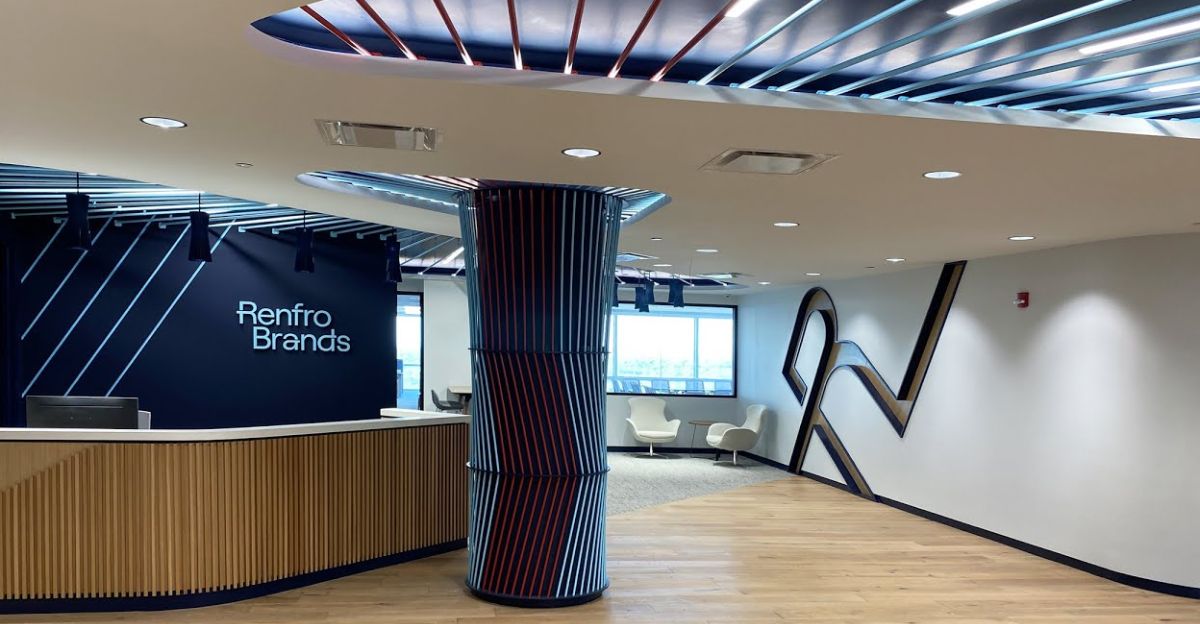
As Renfro’s closure approaches, Fort Payne faces the daunting task of redefining its economic identity. Local officials are exploring incentives to lure new industries, but the path forward is unclear. The loss of a cornerstone employer leaves the town vulnerable to further job losses if alternative sectors do not emerge.
State lawmakers are debating new policies to stem the outflow of manufacturing jobs, including increased investment in workforce development and broader reforms to attract business. Some advocates argue for stronger worker protections and retraining programs to help those displaced by closures.
For Fort Payne, the stakes are high. The end of Renfro’s era is a cautionary tale for manufacturing towns across the U.S.: without proactive planning and adaptation, communities risk being left behind in a rapidly changing economic landscape. As industries evolve and competition intensifies, the challenge for Alabama—and towns like Fort Payne—is to innovate, diversify, and remain resilient in the face of uncertainty.