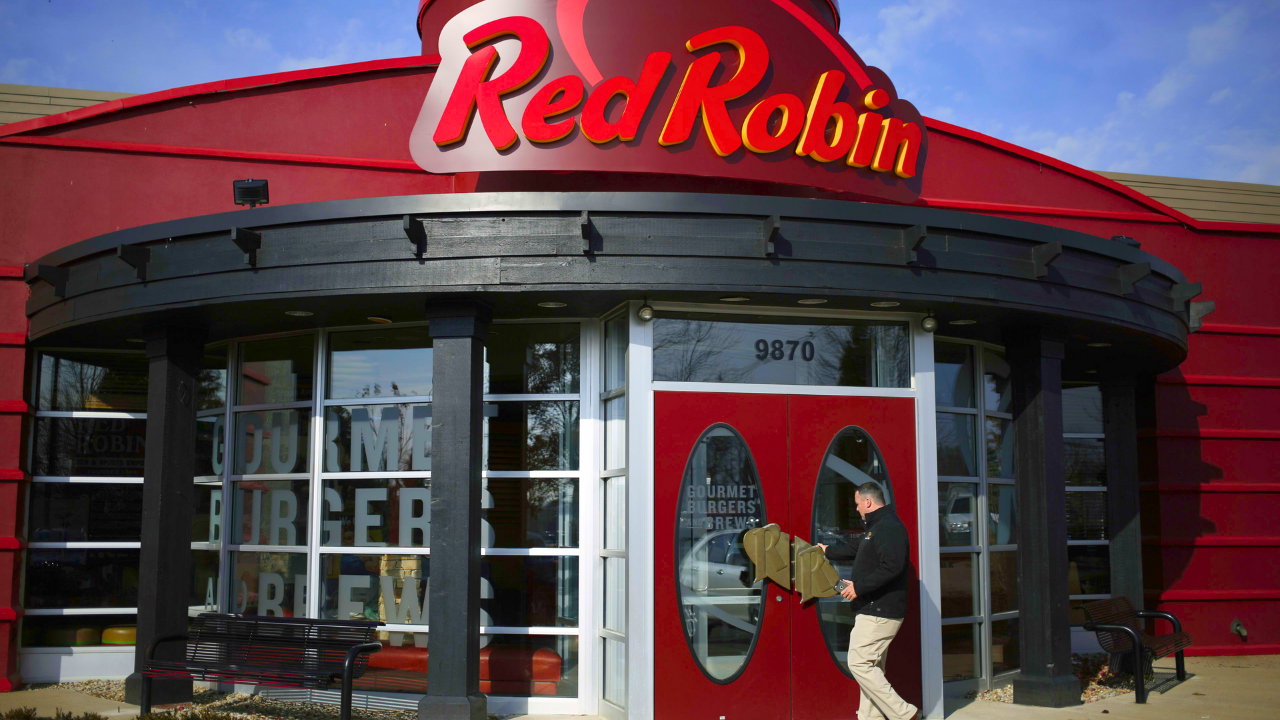
Red Robin, a staple of American casual dining, is preparing to shutter approximately 70 of its restaurants over the next five years—a move that marks the largest wave of closures in the company’s history. This decision comes as these underperforming locations generated approximately $6 million in restaurant-level operating losses in 2024, with 14% of its locations set to disappear. The closures reflect not only Red Robin’s internal financial struggles but also broader challenges facing the casual dining sector, as inflation, changing consumer habits, and fierce competition reshape the restaurant landscape.
Financial Pressures and Changing Consumer Habits
Red Robin’s decision to close dozens of underperforming restaurants is rooted in a combination of economic and operational factors. Inflation has driven up costs for ingredients, labor, and rent, squeezing profit margins across the industry. At the same time, the company has seen a decline in foot traffic, as diners increasingly opt for fast-casual and fast-food alternatives that offer convenience and lower prices. Former CEO G.J. Hart, who stepped down in April 2025, cited shifting consumer preferences as a key reason for the closures. The company’s financial losses have forced a strategic retreat, with Red Robin choosing to close locations as leases expire rather than break them early, aiming to minimize disruption and preserve cash for debt repayment and reinvestment.
Impact on Communities and Employees
The closures will have immediate consequences for Red Robin’s loyal customers and employees. Many families and residents who have relied on their local Red Robin for dining out now face uncertainty, especially in states like Washington, Georgia, and California, where several locations are at risk. Washington state, which has 31 Red Robin locations, is among the states expected to see closures. Workers at the affected locations face job loss and the challenge of finding new employment. For many communities, Red Robin has served as both a gathering place and a local employer, and its departure leaves a void that will be difficult to fill.
Local governments and economic development agencies may respond by offering incentives to attract new businesses to the vacant restaurant spaces or by focusing on retraining and relocating displaced workers. These efforts will be crucial in minimizing the economic fallout and supporting affected communities as they adjust to the changes.
Strategic Restructuring and Industry Ripple Effects
Red Robin’s restructuring plan centers on consolidating its portfolio and reinvesting in higher-performing locations. The company intends to use freed-up cash to pay down debt and revamp its menu, while also ramping up targeted marketing efforts. This slow, deliberate approach is designed to restore financial stability and position the brand for long-term survival. However, the closures are expected to have ripple effects beyond Red Robin itself.
Competitors—especially independent burger joints and fast-casual chains—stand to benefit from the influx of customers seeking alternatives. The retreat of a major player like Red Robin may prompt other casual dining brands to reevaluate their own strategies, potentially accelerating industry consolidation as smaller, less profitable chains face similar pressures. Suppliers and regional distributors will also feel the impact, as reduced orders for beef, produce, and equipment force adjustments across the supply chain. While some may realize cost savings, others—particularly smaller suppliers—could experience disruptions.
Broader Trends: Inflation, Lifestyle Shifts, and Cultural Debate
Red Robin’s contraction is emblematic of larger trends affecting the restaurant industry. Rising inflation has made it increasingly difficult for casual dining chains to maintain profitability, while evolving consumer preferences favor speed, convenience, and healthier menu options. Fast-casual restaurants have gained ground by offering quick service and lower prices, drawing diners away from traditional sit-down experiences.
The closures also spark a broader debate about the role of chain restaurants in American culture. While some critics argue that large chains struggle to adapt to local tastes and sustainability concerns, others lament the loss of familiar gathering spots that have long been part of the community fabric. Red Robin’s downsizing highlights the tension between corporate efficiency and community identity, as companies seek to balance financial survival with their place in local life.
Looking Ahead: Uncertain Future for Casual Dining
As Red Robin navigates its largest-ever round of closures, the stakes extend beyond the fate of a single brand. The company’s efforts to recover under new leadership will be closely watched by investors, competitors, and industry observers. The broader casual dining sector faces ongoing challenges from inflation, shifting consumer habits, and intensifying competition. The outcome of Red Robin’s restructuring will influence not only dining options but also employment opportunities and local economies in the years ahead, underscoring the need for adaptability and resilience in a rapidly changing marketplace.