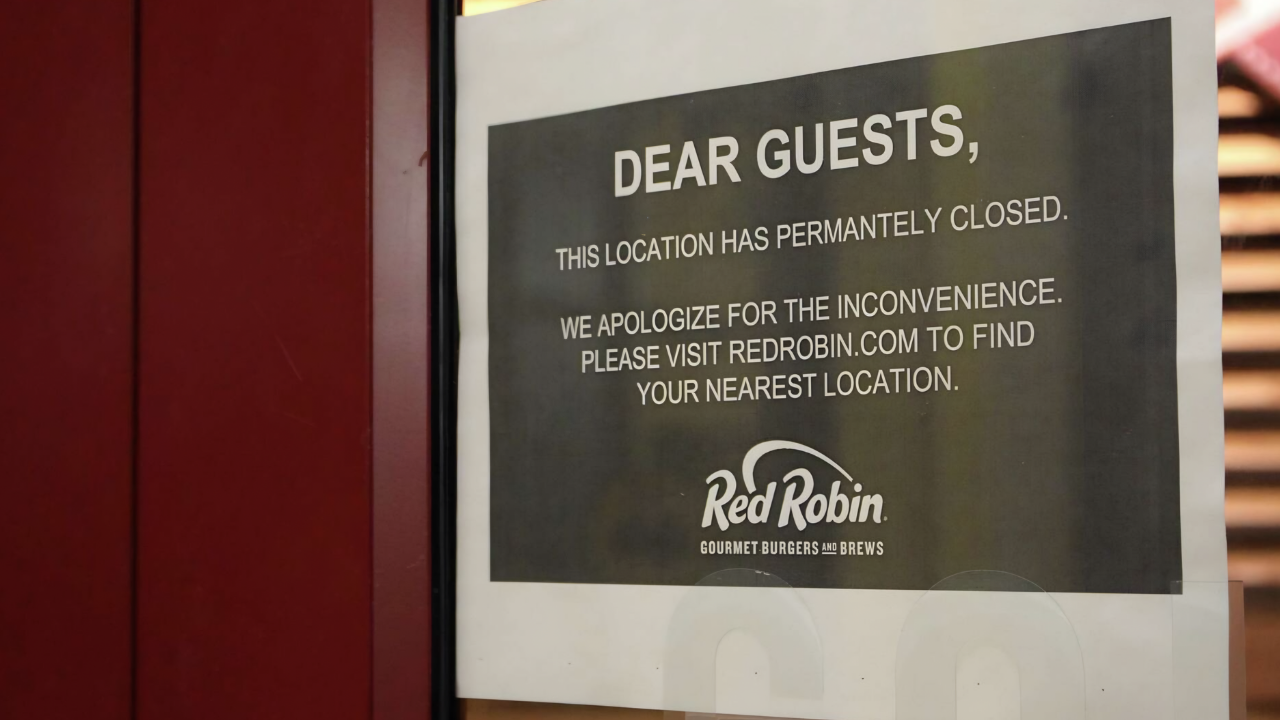
The doors to 70 Red Robin restaurants are about to close. It’s a blow to the casual dining icon, marking the largest shutdown in the company’s history. As the chain grapples with a staggering $6 million loss, the closures are set to unfold over the next five years, signaling a long-term retreat for the once-popular burger brand.
With 14% of its locations disappearing, the company’s future now hangs in the balance. What’s behind the drastic decision, and which beloved locations will face the axe?
Why Is Red Robin Closing So Many Locations?
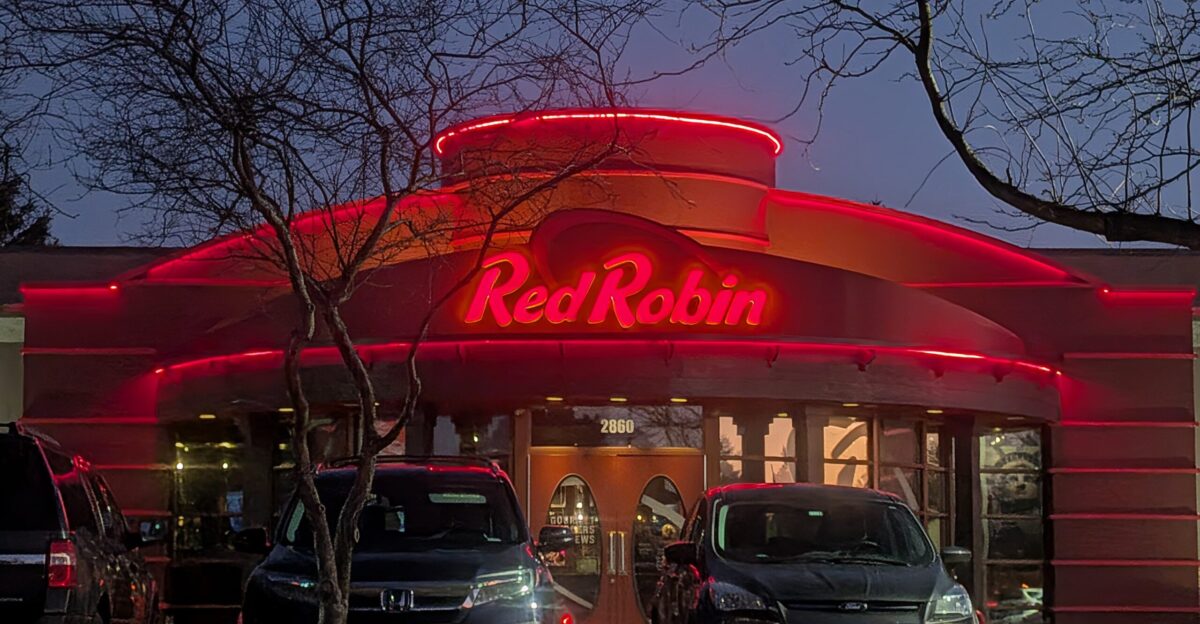
Red Robin’s financial struggles are forcing it to close its doors at 70 underperforming locations. With a $6 million loss in 2024, the company’s decision is rooted in inflation, declining foot traffic, and operational inefficiencies.
Former CEO G.J. Hart, who resigned in April 2025, pointed to shifting consumer habits as key factors. The closures come as the chain faces tough competition from both fast-casual and fast-food alternatives.
Immediate Impact: Consumers Face Fewer Dining Options
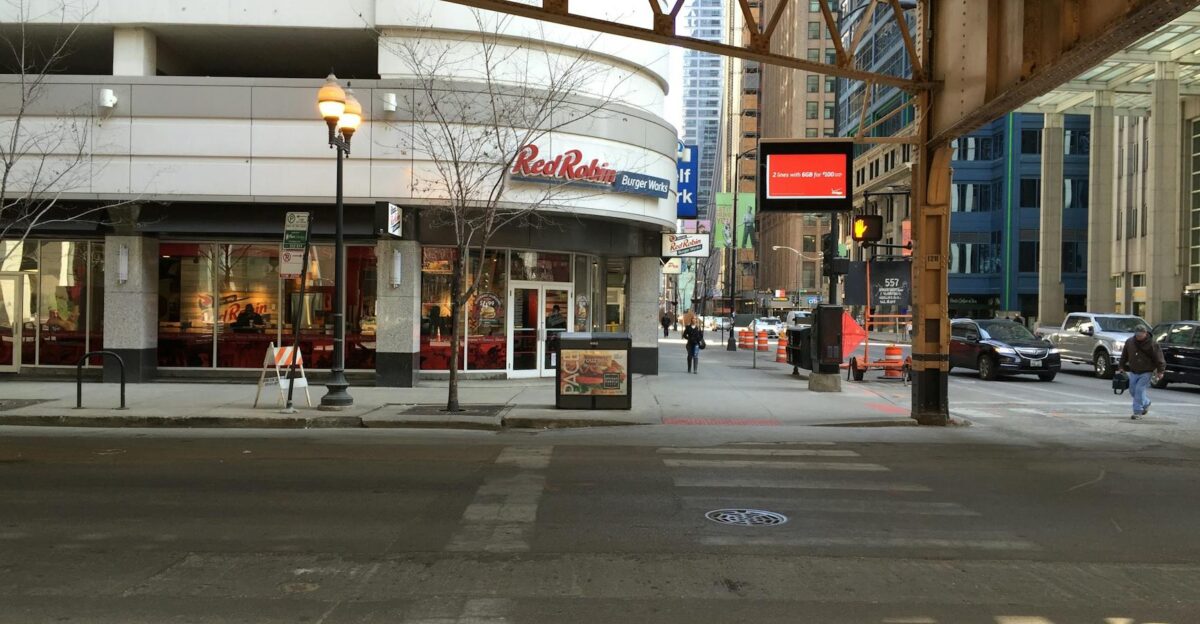
For loyal Red Robin patrons, the closures will eliminate familiar gathering spots. While the list of closures remains largely undisclosed, areas like Washington, Georgia, and California face uncertain futures.
Residents and families who’ve relied on Red Robin for dining out now face the unknown as the company reevaluates its footprint, with some locations already feeling the impact of the closures.
Corporate Response: Red Robin’s Strategic Restructuring
In response to mounting losses, Red Robin is restructuring by trimming its portfolio, focusing on closing restaurants as leases expire rather than breaking leases early.
The company plans to use freed-up cash for debt repayment and reinvestment in higher-performing locations, including retooling the menu and ramping up targeted marketing. This slow-and-steady approach is part of an effort to regain financial stability.
Ripple to Adjacent Markets: Competitors and Substitutes
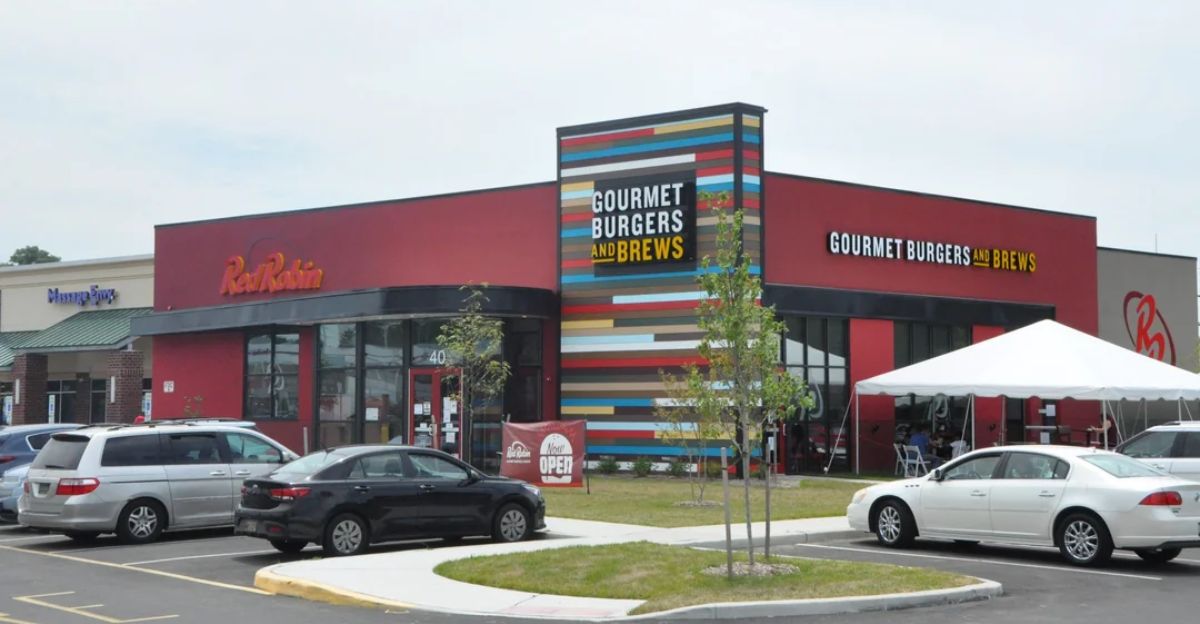
As Red Robin retreats, rival chains may stand to gain. Independent burger joints and fast-casual restaurants will likely see an influx of customers seeking alternatives.
Additionally, the closures could prompt other casual dining brands to rethink their strategies. Industry consolidation may accelerate as smaller, less profitable chains face similar pressure to stay afloat in a changing landscape.
Supply Chain Considerations: Potential Adjustments
The closing of 70 Red Robin locations will have a ripple effect on its suppliers. Reduced orders of beef, produce, and restaurant equipment could affect regional distributors, especially those that serve multiple chains.
These shifts in ordering and logistics will require adjustments across the supply chain, leading to potential cost savings but also disruptions for smaller players.
Human Story: Employees and Local Communities in Limbo
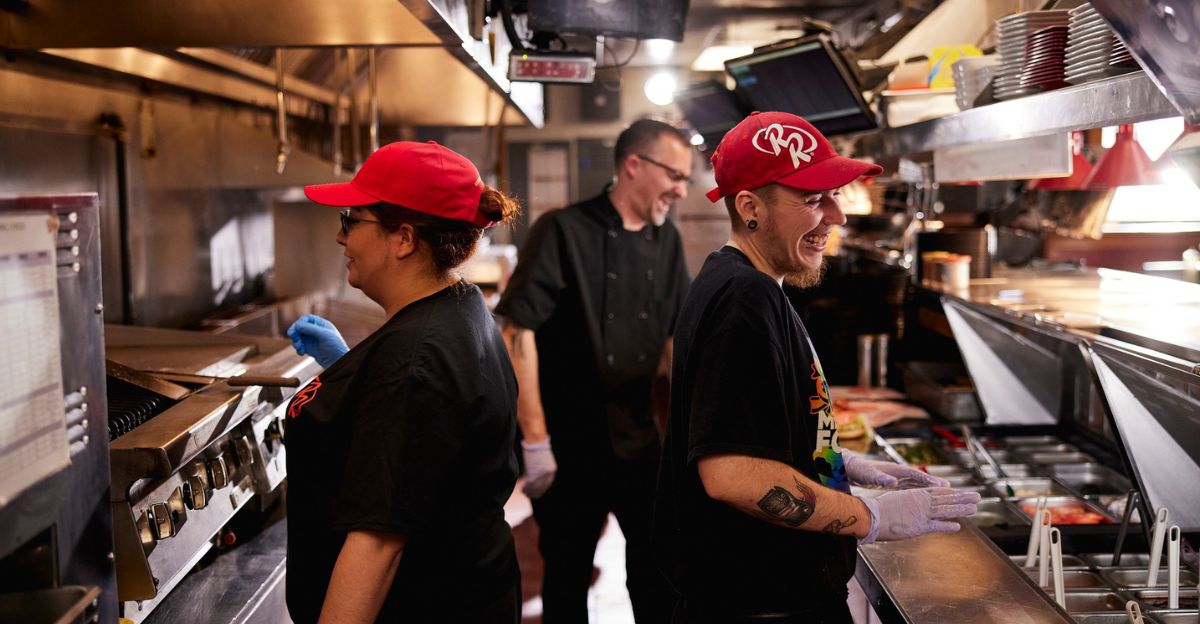
Thousands of workers, especially at the 70 targeted locations, are now in limbo. The uncertainty surrounding their jobs is compounded by the closure of 31 Red Robin restaurants in Washington state.
These closures not only affect workers but also entire communities that relied on Red Robin as a local employer. The company’s actions, though necessary for survival, leave behind a trail of uncertainty for its workforce and the neighborhoods it served.
Potential Local Response: Economic Development Considerations

Local governments in cities affected by Red Robin’s closures may seek ways to soften the blow. Economic development agencies might offer incentives to attract new businesses to fill vacant restaurant spaces, or they may focus on retraining and relocating displaced workers.
Communities will need to act fast to minimize the impact on employment and local economies.
Inflation and Economic Ripple: Broader Financial Consequences
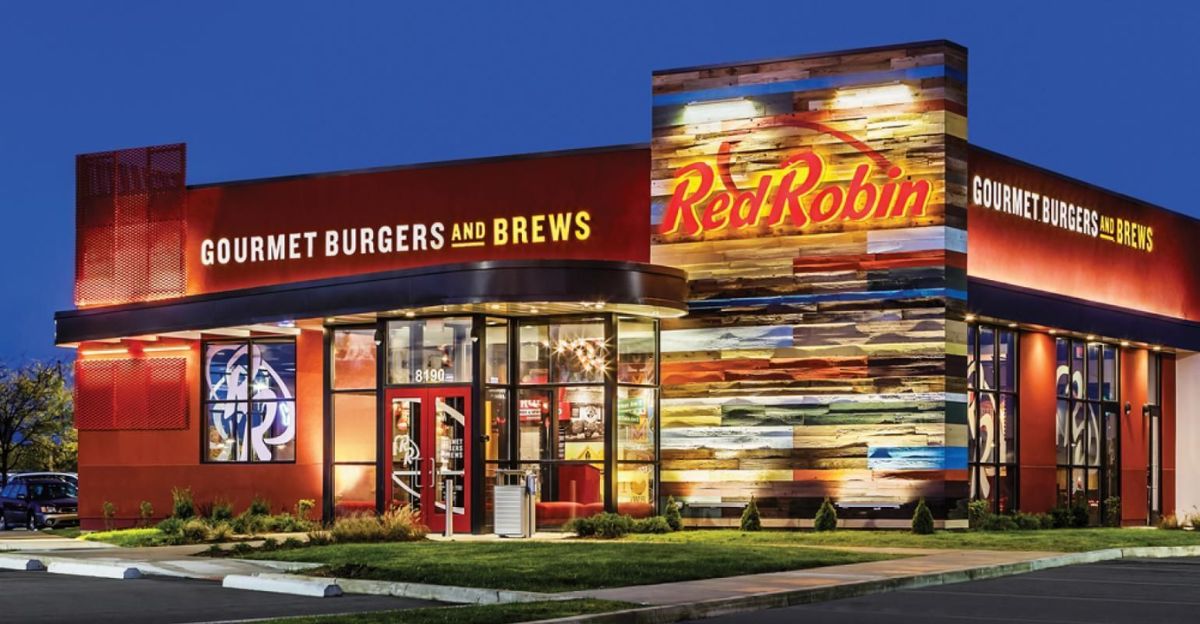
Red Robin’s closure strategy also reflects broader economic challenges in the restaurant industry. Rising inflation has led to increased costs for ingredients, labor, and rent, which have squeezed profit margins for casual dining chains.
Red Robin’s $6 million loss in 2024 underscores how inflation is reshaping the restaurant landscape, forcing chains to adapt or face the consequences.
Lifestyle and Health Changes: Shifting Consumer Preferences
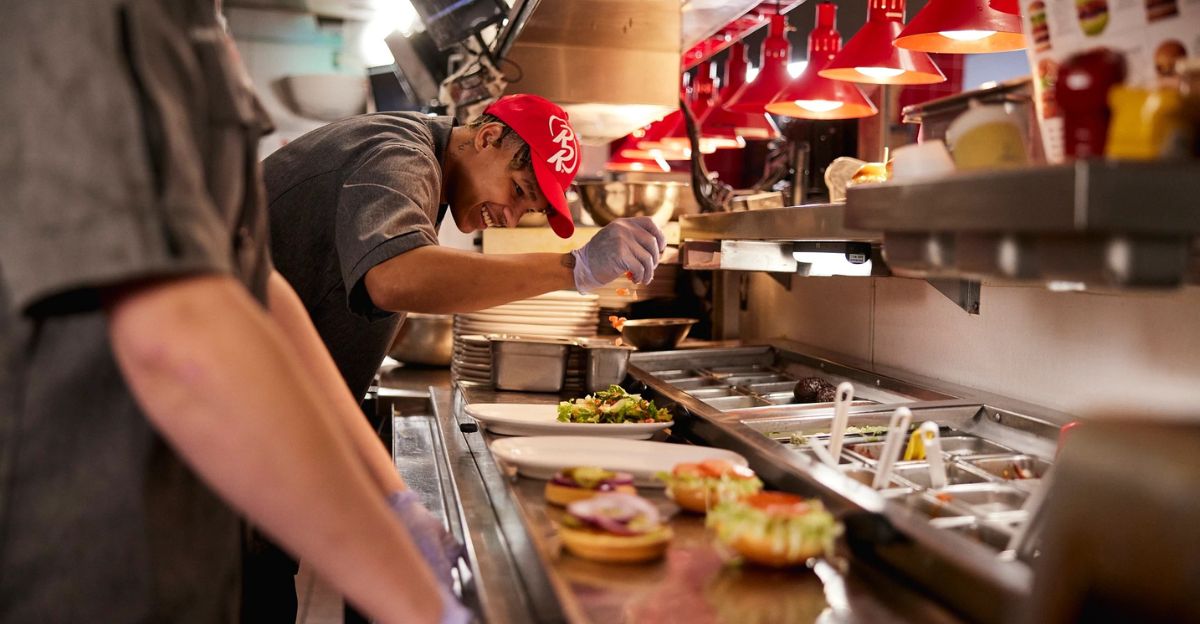
As more consumers opt for healthier, faster dining options, Red Robin’s struggles reflect a broader shift in eating habits. Fast-casual restaurants that offer convenience, lower prices, and healthier menus are gaining in popularity.
Red Robin’s decline signals the changing priorities of American diners who increasingly favor speed and value over the sit-down restaurant experience.
Cultural and Environmental Debate: The Fate of Chain Restaurants
The closure of Red Robin’s locations sparks a debate about the role of large chain restaurants in American culture.
While some argue that these chains fail to adapt to local tastes and sustainability concerns, others mourn the loss of familiar dining spots that have long been a staple of the American restaurant scene. The company’s contraction highlights the tension between corporate efficiency and community identity.
Industry Observations: Adapting to a Changing Market
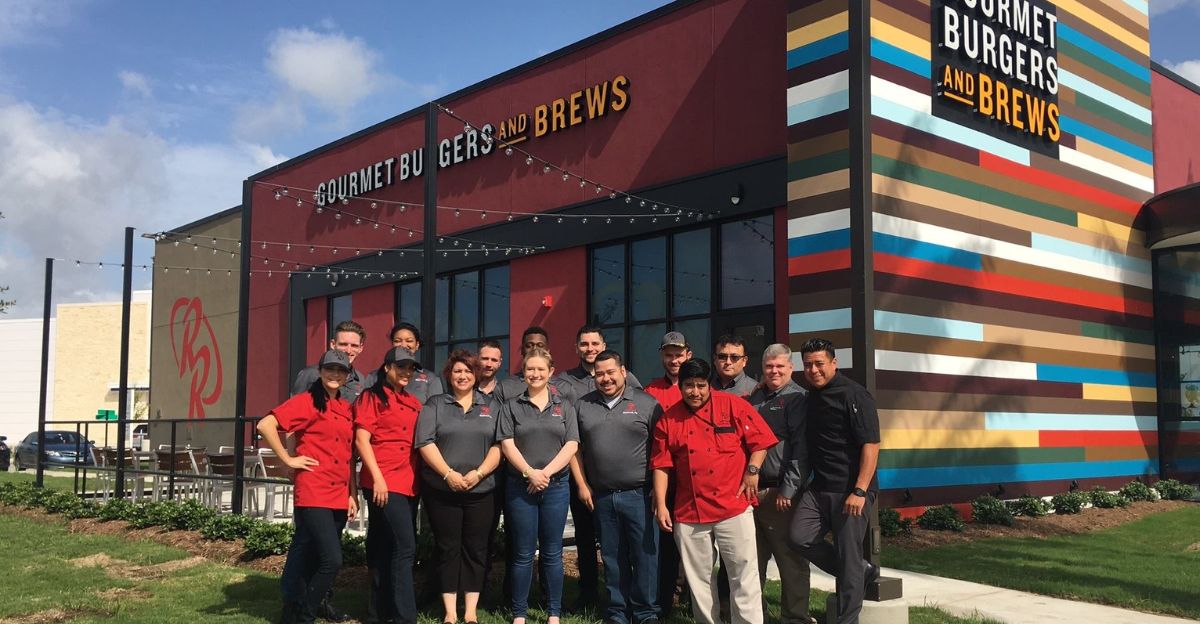
Observers of the U.S. casual dining industry note that Red Robin’s downsizing is not an isolated case. Many other chains are also grappling with how to navigate a landscape shaped by changing consumer preferences and fierce competition.
Red Robin’s closures reflect larger trends in the restaurant sector, where expansion strategies must be reevaluated and adapted to local market conditions.
Unexpected Winners and Losers: Who Benefits, Who Suffers

As Red Robin pulls back, independent restaurants and fast-food chains may benefit from increased traffic. However, suppliers and landlords who lose a key tenant face significant financial repercussions.
Employees at the shuttered locations also find themselves at risk, creating a shifting dynamic in the market where some see opportunity while others face hardship.
Financial Market Speculation and Consumer Advice
Investors are closely watching Red Robin’s restructuring efforts, speculating on the company’s ability to turn things around. For consumers, it’s crucial to stay informed about local closures and consider alternative dining options.
This unfolding situation underscores the importance of adaptability—both for businesses in the restaurant industry and for individuals seeking to navigate an evolving marketplace.
What’s Next? Forward Reflection and Industry Outlook

Red Robin’s historic closures mark a pivotal moment for the casual dining industry. As the company grapples with financial recovery under new leadership, the broader market faces ongoing pressures from inflation, changing consumer habits, and competitive forces.
The impact of these closures will ripple across the industry, influencing not just dining options but also employment opportunities and local economies in the years to come.