
A massive heat dome is descending upon the Central United States this weekend, marking what meteorologists are calling one of September’s most significant temperature surges in decades.
According to the National Weather Service, this atmospheric phenomenon will bring triple-digit heat and potentially shatter records that have stood since the Great Depression era.
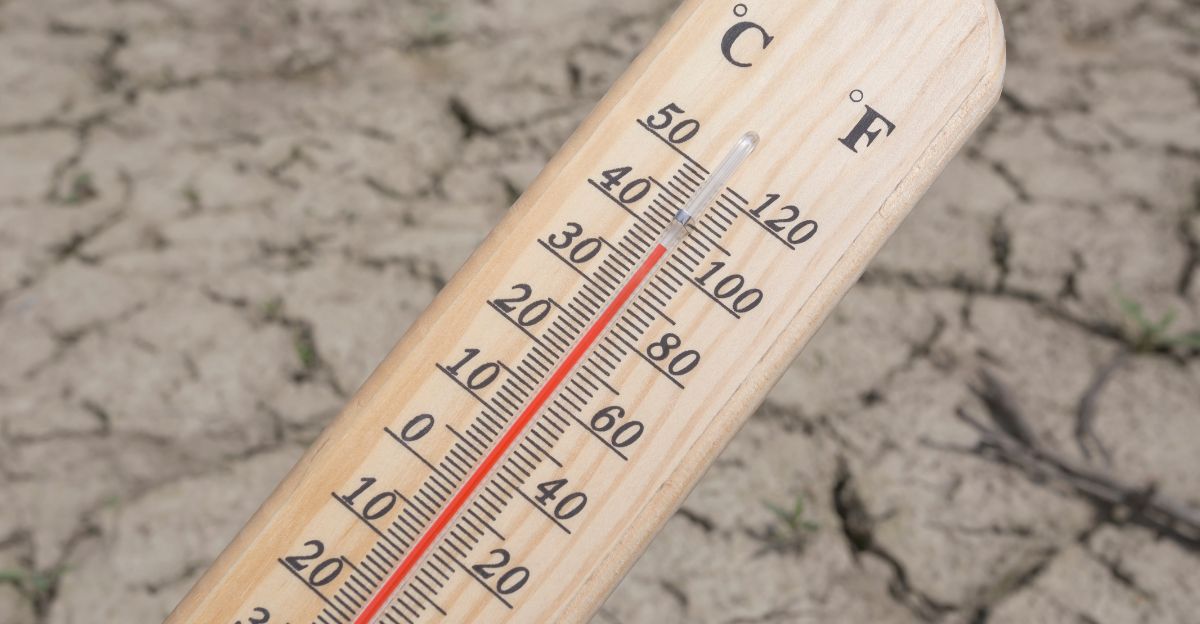
The heat wave represents a dramatic shift from the cooler “false fall” weather that many regions experienced just days ago, as temperatures prepare to soar 10-20°F above seasonal averages across a five-state region.
Escalating Crisis

More than 50 million residents now face Major HeatRisk conditions as the heat dome strengthens through the weekend. Emergency management officials are scrambling to open additional cooling centers while utility companies prepare for unprecedented September energy demands.
The heat wave comes at a particularly vulnerable time, occurring when many communities have already closed seasonal cooling resources. Weather models indicate this could become the most extreme September heat event since comprehensive records began.
Historical Context
The Central Plains and Midwest have experienced few September heat waves of this magnitude, with most comparable events dating back to the Dust Bowl era of the 1930s.
The last time temperatures reached similar extremes during mid-September occurred in 1939, when atmospheric blocking patterns created stagnant high-pressure systems.
These historical heat events typically coincided with prolonged drought conditions and agricultural stress. Modern climate data shows September temperatures have been trending warmer over recent decades.
Atmospheric Setup

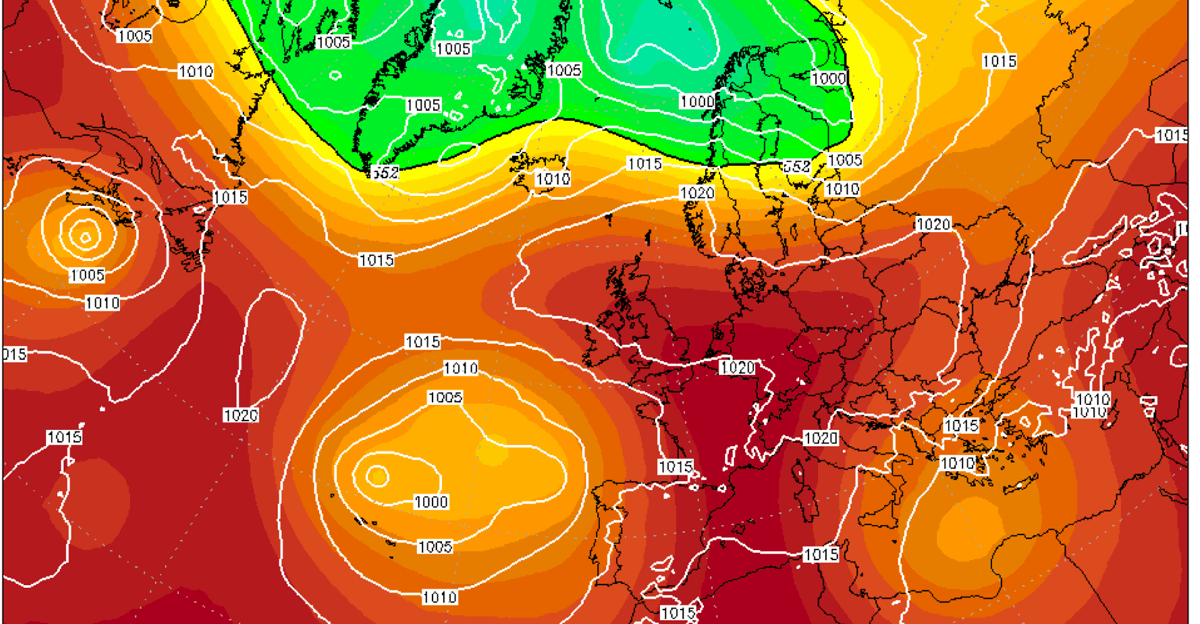
The heat dome formation began developing in early September as a robust high-pressure ridge established itself over the Central United States, creating a “Rex blocking pattern.” This atmospheric configuration has diverted the typical westerly jet stream flow far to the north, trapping hot air masses.
The blocking pattern has shown remarkable persistence, with computer models indicating the high-pressure system could maintain its position for up to ten days. Such prolonged atmospheric stagnation generates the most extreme temperature departures from seasonal norms.
Record Threat Revealed
Des Moines faces a potentially historic Saturday as forecasters predict temperatures could reach 95°F, directly challenging the city’s September 14th record of 96°F set in 1939.
Similar record challenges await Omaha, where temperatures may approach the 97°F record set the same year. St. Louis could see temperatures near 100°F for the first time in September since 2007.
The convergence of multiple cities potentially breaking records simultaneously represents an exceptionally rare meteorological event.
Five-State Impact

The heat wave’s most severe impacts are concentrated across the five-state region, where Major HeatRisk alerts affect urban and rural communities alike.
Kansas City is forecast to experience its first 100-degree day in two years. Agricultural areas are particularly vulnerable, with the heat wave occurring during critical harvest periods for corn and soybeans.
Rural communities often lack the cooling infrastructure available in urban areas, creating additional heat management challenges.
Human Impact

“A pretty impressive stretch of hot weather,” said AccuWeather meteorologist John Feerick as emergency officials prepare for significant public health challenges.
Dr. Peter Hotez warns that “Heat waves accelerate the spread of infectious diseases and create complex health risks.”
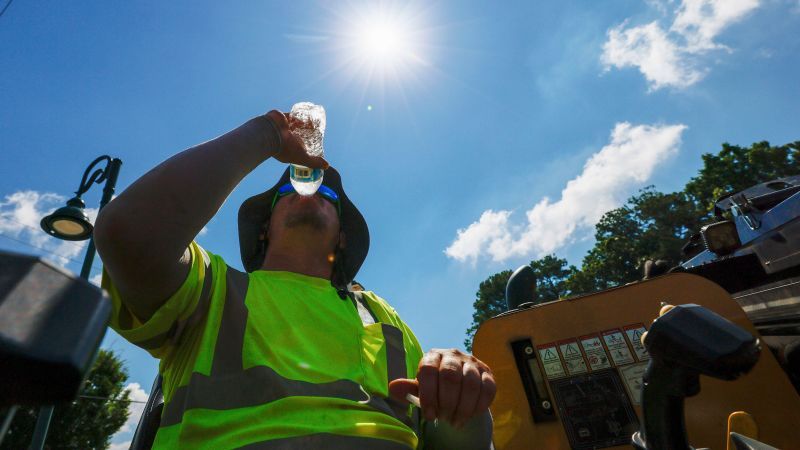
Local authorities are opening cooling centers and implementing welfare checks for vulnerable populations, particularly the elderly. The timing is especially concerning as many communities have already transitioned away from summer heat preparedness protocols.
Energy Grid Strain

Power companies are implementing emergency protocols as electricity demand surges toward summer-level consumption during what should be a season of declining energy use.
Heat waves can drive electricity consumption increases of 35-40% during peak periods, placing significant stress on aging grid infrastructure.
The unexpected September timing creates additional challenges, as utilities typically schedule maintenance during traditionally cooler months. Grid operators are particularly concerned about equipment failures under extreme heat conditions.
Climate Science Context
Climate scientist Michael Mann warns that heat dome events are becoming increasingly common due to human-caused climate change.
“You make the planet hotter, you’re going to have more frequent and intense heat extremes,” Mann explained.
His research indicates that heat domes and similar extreme weather patterns have nearly tripled since the 1950s. The combination of background warming and altered atmospheric circulation creates conditions where heat domes become more intense and longer-lasting.
Temperature Surprise

The most startling aspect is the heat wave’s potential to deliver temperatures up to 20°F above normal in some areas.
This represents “20 degrees above average” conditions that place the event in rare statistical territory for late-season heat.
The Mississippi Valley region is expected to experience the most extreme departures from normal. Such extreme temperature departures indicate this heat wave falls well outside natural climate variability bounds.
Cooling Center Challenges

Public health officials are expressing concerns about the current cooling center capacity during this unexpected September heat emergency.
Recent research suggests many cooling centers provide only transient physiological benefits during multi-day extreme heat events. Many cooling centers operate on reduced schedules during September, assuming the extreme heat season has ended.
This creates potential gaps in emergency response capabilities when vulnerable populations need protection most.
Infrastructure Vulnerability
Transportation systems are implementing heat-related precautions, with rail operators reducing train speeds to prevent track buckling.
Power generation facilities face decreased efficiency as cooling water temperatures rise, potentially forcing output reductions when electricity demand peaks.
The unexpected timing has caught many infrastructure operators unprepared, as maintenance schedules typically assume moderate September weather. Agricultural processing facilities are particularly vulnerable to equipment failures under extreme heat conditions.
Recovery Timeline
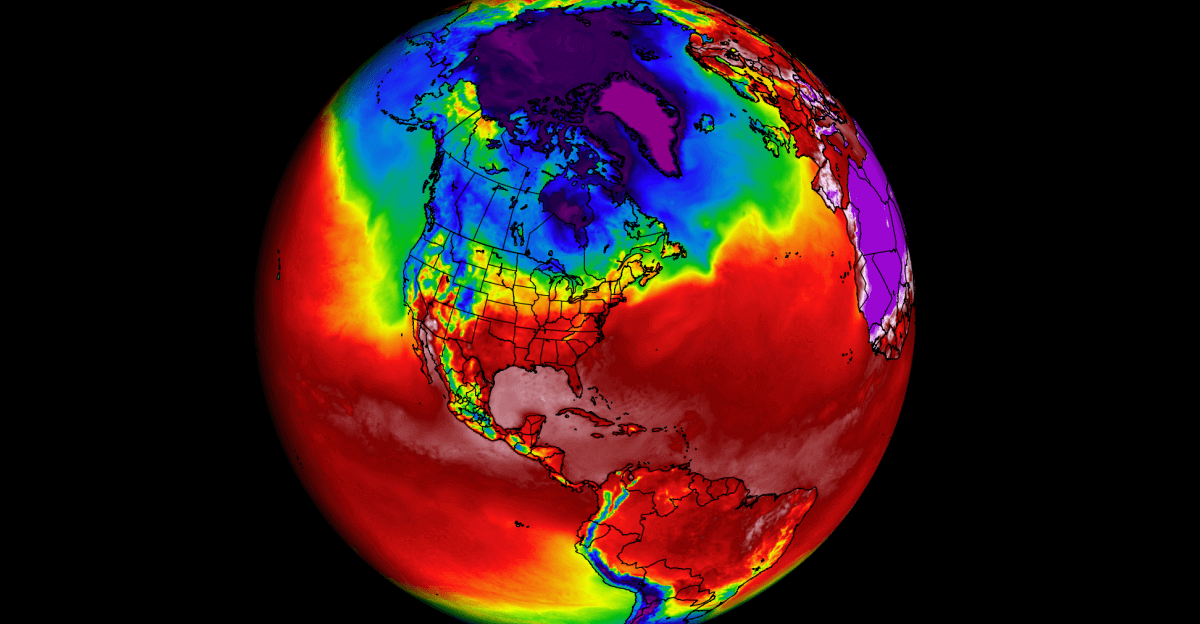
Weather models indicate the high-pressure system will begin weakening by mid-week, potentially allowing cooler air masses to gradually infiltrate the region.
However, above-normal temperatures are likely to persist through September as the atmospheric blocking pattern slowly dissipates.
The transition away from extreme heat may be gradual rather than abrupt. Some models suggest brief periods of near-normal temperatures could alternate with renewed heat surges.
Expert Analysis
Leading meteorologists emphasize that while historically significant, this heat wave reflects broader patterns of increasing temperature extremes linked to climate change.
AccuWeather meteorologist Brandon Buckingham noted the heat dome is “expected to shift north and east,” bringing dangerous conditions to unprepared areas.
Climate attribution studies show heat waves of this magnitude are now several times more likely than in pre-industrial times. The combination of natural variability and human-induced change creates more frequent and intense heat events.
Future Implications
This unprecedented September heat wave raises fundamental questions about seasonal temperature norms and infrastructure adequacy during extreme weather outside traditional timeframes.
Communities must adapt cooling strategies, energy systems, and public health responses to protect vulnerable populations during unseasonable spikes.
The event highlights the growing challenge of “compound extremes,” where multiple climate stressors occur simultaneously. Emergency officials are discussing year-round heat preparedness protocols rather than seasonal approaches.
Policy Response
Federal agencies are reassessing extreme heat preparedness guidelines following increased mortality rates during recent heat waves.
The Biden administration has recommended expanded funding for cooling infrastructure requiring year-round capacity rather than seasonal operations.
Congressional research indicates heat-related emergency response costs have increased by 300% over the past decade. The September timing will likely prompt discussions about extending heat emergency protocols beyond traditional summer months.
International Context
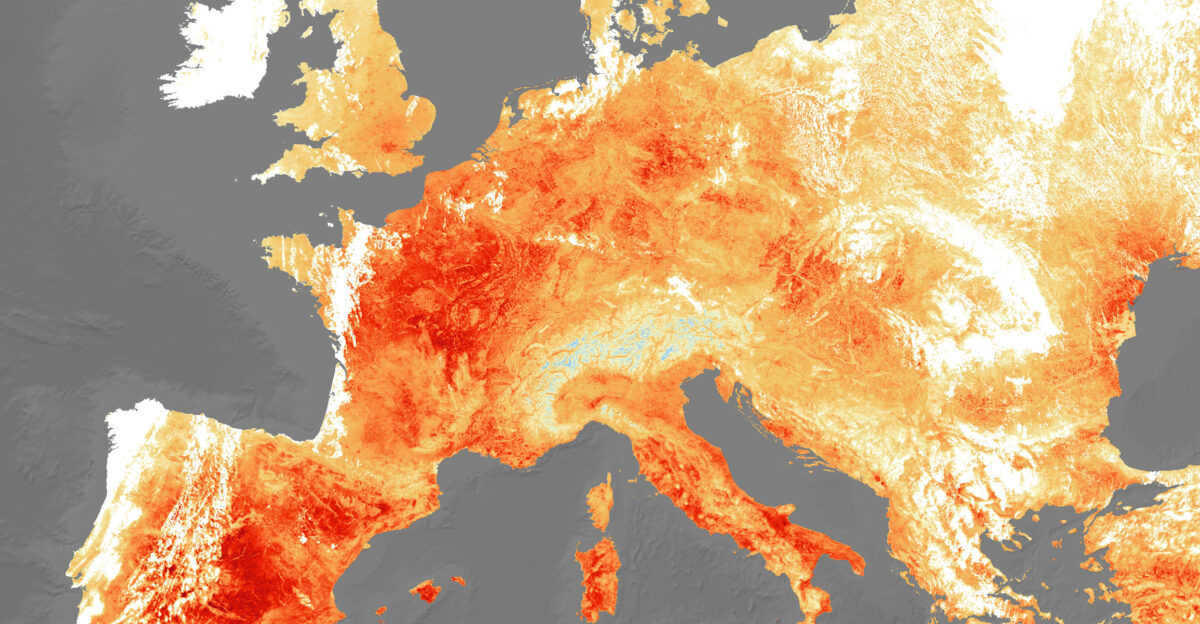
European power grids faced similar challenges this summer as record-breaking heat waves increased energy demand by 14% in some regions.
International climate scientists note that heat dome patterns are occurring simultaneously across multiple continents, creating global challenges for energy and food systems.
The World Economic Forum identifies extreme heat as a top climate risk facing interconnected global supply chains. Simultaneous heat waves across major agricultural regions could trigger lasting food price spikes.
Environmental Cascade

Research demonstrates that prolonged heat waves accelerate soil moisture depletion, creating feedback loops that intensify temperature extremes by up to 50%.
Soil moisture deficits contribute significantly to peak heat wave temperatures, explaining why similar atmospheric patterns now produce more extreme conditions.
This September heat wave occurs when soil moisture levels are already depleted from summer heat. The feedback between land surface conditions and atmospheric heating represents a concerning aspect of climate change impacts.
Societal Transformation

Heat waves are fundamentally changing American life patterns, from work schedules and school calendars to housing design and recreational activities.
The World Economic Forum estimates productivity losses from extreme heat could cost the U.S. economy $2.4 trillion annually by 2030.
Labor-intensive industries are developing new protocols for worker safety during heat emergencies. The psychological impact of unpredictable extreme weather events is emerging as a significant public health concern.
The New Normal

This September heat wave represents more than a meteorological anomaly—it signals an emerging reality where traditional seasonal boundaries dissolve.
As atmospheric patterns shift under climate change influence, society must prepare for heat events challenging infrastructure and human endurance during previously temperate seasons.
The convergence of multiple cities potentially breaking 86-year-old records demonstrates how quickly climate extremes can exceed historical experience. Future generations may view this as a turning point toward year-round extreme temperature readiness.