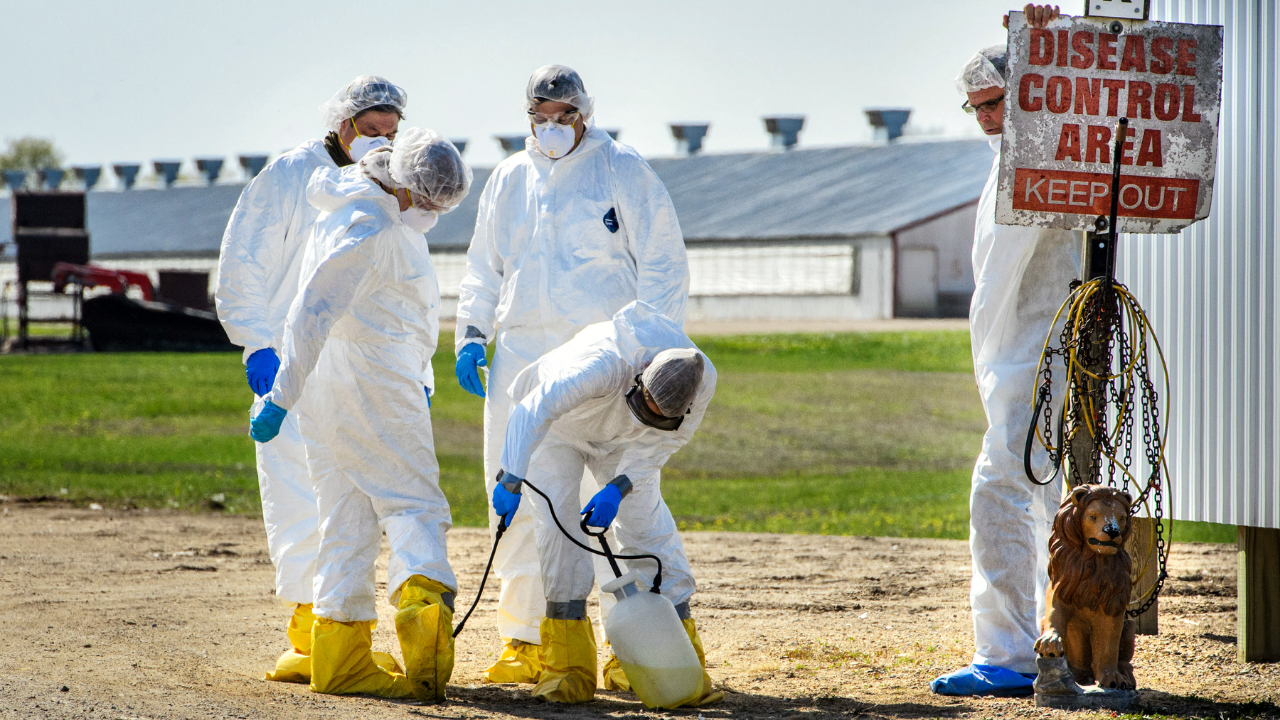
When the H5N1 outbreak accelerated in October 2025, few anticipated how swiftly it would reshape global food systems. Within weeks, nearly 9 million poultry had been culled across farms spanning North America, Europe, and beyond. By December, the virus had infiltrated every continent, even reaching Heard Island—a remote outpost 2,600 miles from civilization. The crisis exposed the fragility of interconnected supply chains and sparked urgent questions about biosecurity, food security, and pandemic preparedness.
The Perfect Storm Behind the Outbreak
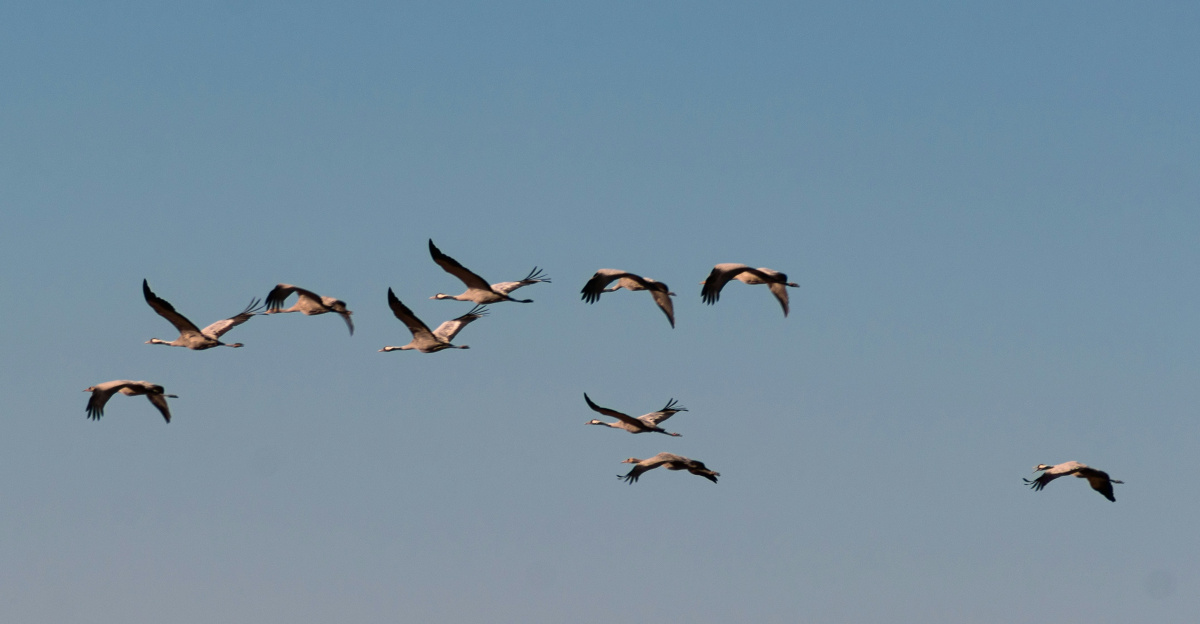
The H5N1 2.3.4.4b strain, which emerged as the dominant variant in 2021, has evolved to spread rapidly across species barriers. Migratory birds, shifting climate patterns, and weakened biosecurity protocols created ideal conditions for explosive transmission. The virus breached traditional containment, affecting not only poultry but also mammals—a development that heightened concerns about zoonotic spillover and human health risks. This convergence of factors transformed what might have remained a localized agricultural problem into a global emergency.
Economic Shockwaves Across Industries
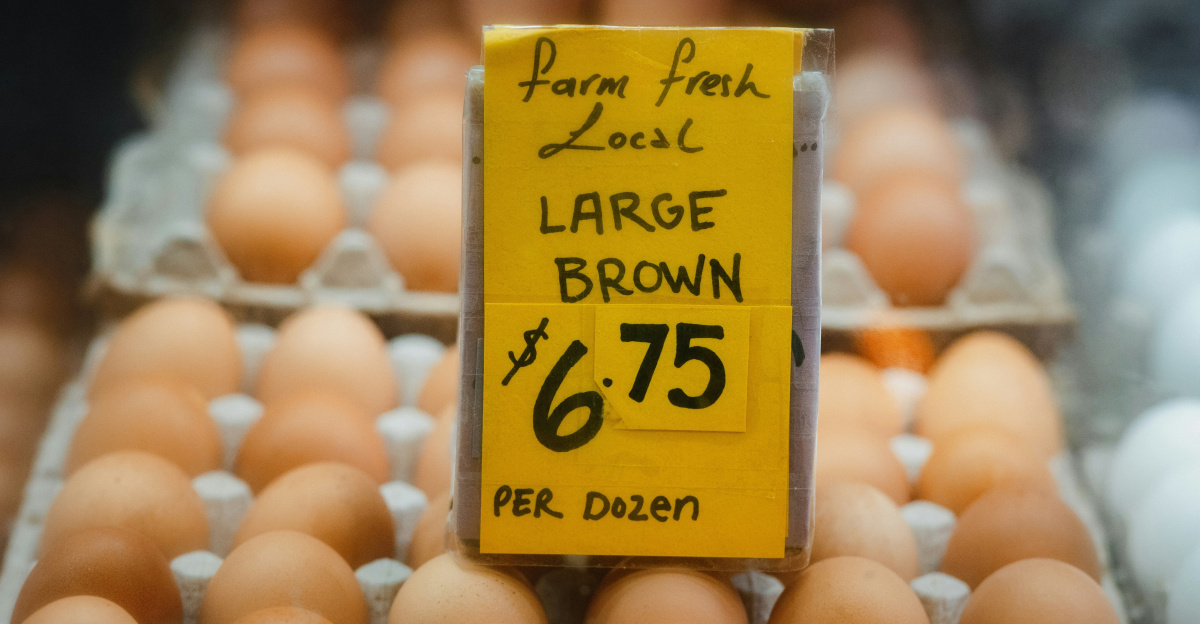
The culling of millions of birds sent ripples through interconnected markets. Egg prices surged dramatically in the United States and globally, with supermarkets implementing purchase limits to manage shortages. Quick-service restaurants and hospitality venues raised menu prices or reformulated offerings as chicken costs climbed. Pet food and livestock feed manufacturers faced acute shortages of poultry by-products, prompting exploration of alternative protein sources including insects and plant-based options. Leather manufacturers, fertilizer producers, and pharmaceutical companies dependent on poultry-derived materials experienced production delays and cost increases. Retailers responded by promoting private-label alternatives, bundling products, and expanding plant-based offerings to retain price-sensitive consumers.
Farmers and Trade Under Siege
Poultry producers, particularly in the United States, Canada, and Germany, endured catastrophic losses. Individual farms culled flocks exceeding 1 million birds, with German farmers describing the experience as economically devastating. Governments implemented emergency biosecurity measures requiring enhanced protocols, stricter movement controls, and worker testing—raising compliance costs significantly. Major poultry exporters like Brazil faced trade restrictions as importing nations tightened borders to contain viral spread. These disruptions forced countries to diversify import sources, creating bottlenecks in global poultry trade and destabilizing established supply relationships.
Developing Nations Face Acute Vulnerability
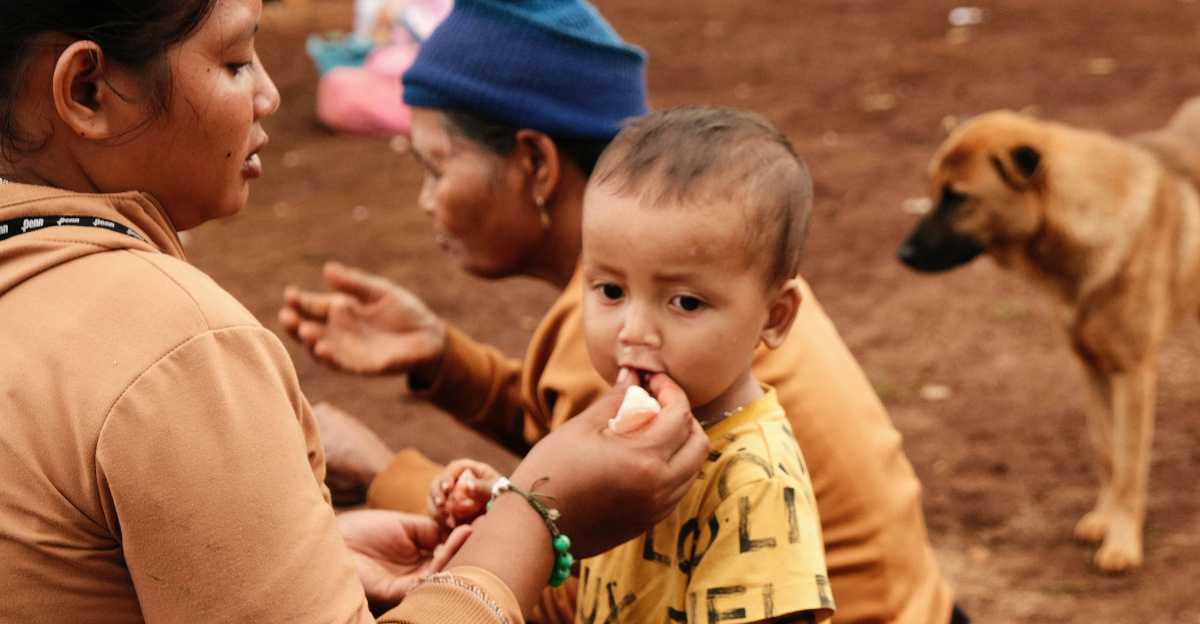
The crisis exposed dangerous disparities in food security. In Africa and Asia, where poultry serves as a primary protein source, populations face heightened malnutrition risks. Cambodia, India, and Bangladesh experienced simultaneous poultry outbreaks and human H5N1 infections, prompting warnings from the World Food Programme about potential humanitarian consequences. These regions lack the infrastructure and resources to implement costly biosecurity measures or absorb price shocks, leaving vulnerable populations exposed to both disease and hunger.
Health Threats and Scientific Response
While human-to-human transmission of H5N1 remains rare, health officials intensified surveillance following cases in household pets, cattle, and dolphins. A human death from H5N5—a related bird flu strain—occurred in the United States in November 2025 with no secondary transmission, underscoring the unpredictable nature of zoonotic viruses. Scientists accelerated vaccine development for both animals and humans, while agencies ramped up monitoring systems. Experts cautioned that without sustained global cooperation and strengthened biosecurity, the crisis could extend well into 2026, perpetuating food insecurity and pandemic risk.
Ecosystem Collapse and Shifting Markets
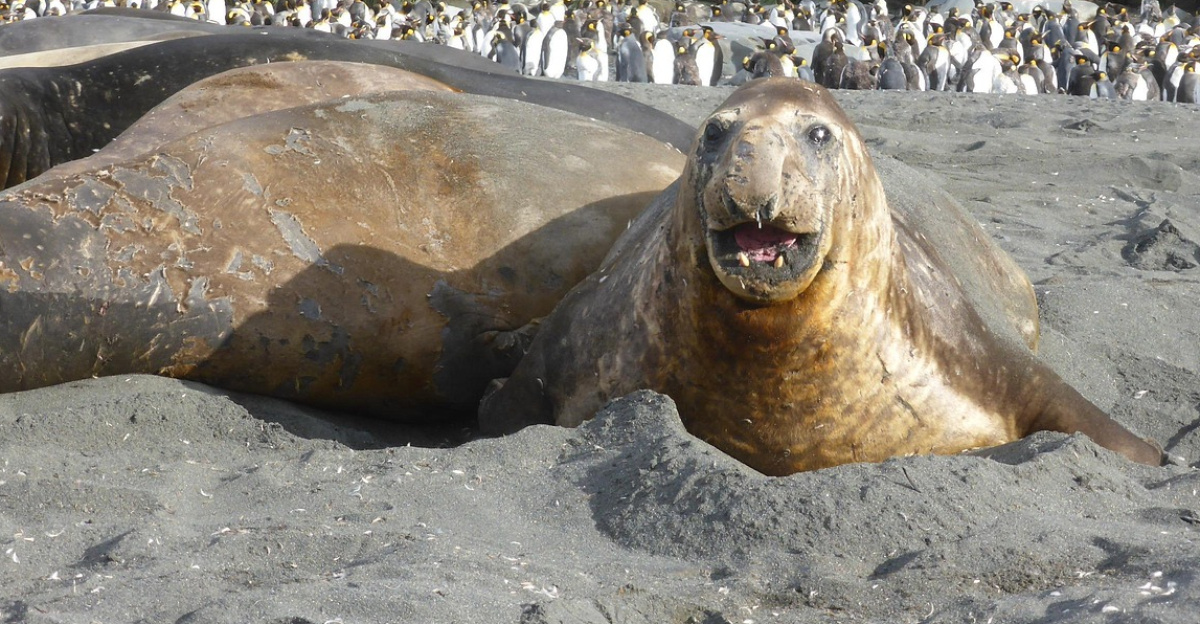
Wild bird populations suffered alarming losses, with seabirds, waterfowl, and raptors dying in massive numbers. The detection of H5N1 in elephant seals on Heard Island demonstrated the virus’s capacity to infiltrate pristine ecosystems, prompting conservationists to demand immediate protective action. Conversely, alternative protein companies experienced surging demand as disrupted supply chains accelerated investment in sustainable protein production. Commodity markets exhibited significant volatility, with futures prices climbing and hedge funds positioning for prolonged constraints. Agricultural stocks showed mixed performance, with traditional poultry producers facing pressure while alternative protein firms benefited from shifting consumer behavior.
A Reckoning on Global Resilience
The H5N1 outbreak crystallized the interconnectedness of modern food systems, economies, and ecosystems. The loss of nearly 9 million birds and the virus’s spread across multiple continents demonstrated how rapidly localized agricultural crises can become global emergencies. As governments scrambled to respond and prices continued climbing, the crisis underscored an essential truth: proactive investment in biosecurity infrastructure, surveillance systems, and supply chain resilience is not optional but fundamental to protecting global stability. The path forward demands coordinated international action, stronger farm protocols, and sustained commitment to pandemic preparedness.
Sources:
WOAH (World Organization for Animal Health) HPAI Monthly Reports; October-December 2025 reporting period
FAO/WHO/WOAH Joint Public Health Assessment Reports (March 2025, July 2025 assessments)
CDC H5 Bird Flu Situation Summary and USDA APHIS Surveillance Dashboard (November 2025 updates)