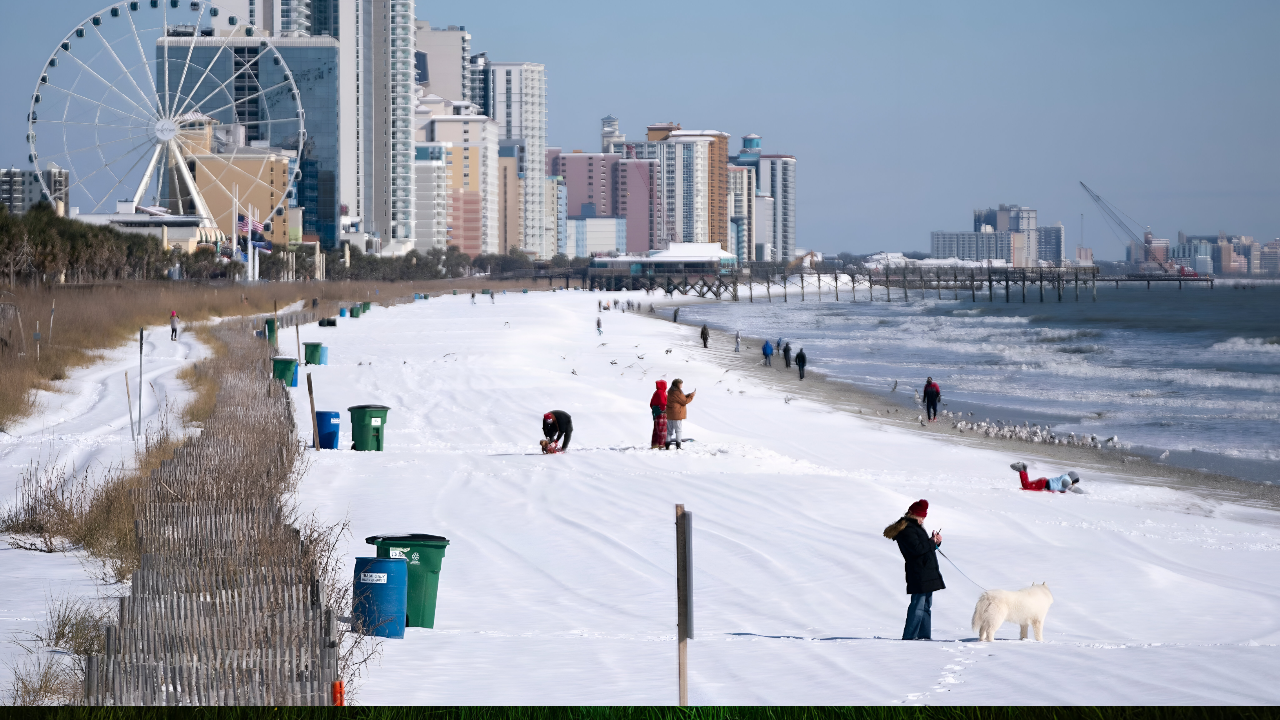
A bone-chilling cold front gripped the eastern U.S. on November 11, 2025, as record-low temperatures swept across the region. Macon, Georgia plunged to a staggering 25°F, breaking a 100-year-old record, while Orlando, Florida shivered at 36°F, the coldest November morning in nearly a decade. In a matter of days, temperatures swung wildly, leaving nearly 200 million Americans wondering how such a drastic change could be possible.
What was causing this intense weather whiplash? The answer lies in the shifting jet stream and a brewing weather anomaly that’s disrupting the nation’s climate.
Why It’s Happening: La Niña and a Destabilized Jet Stream
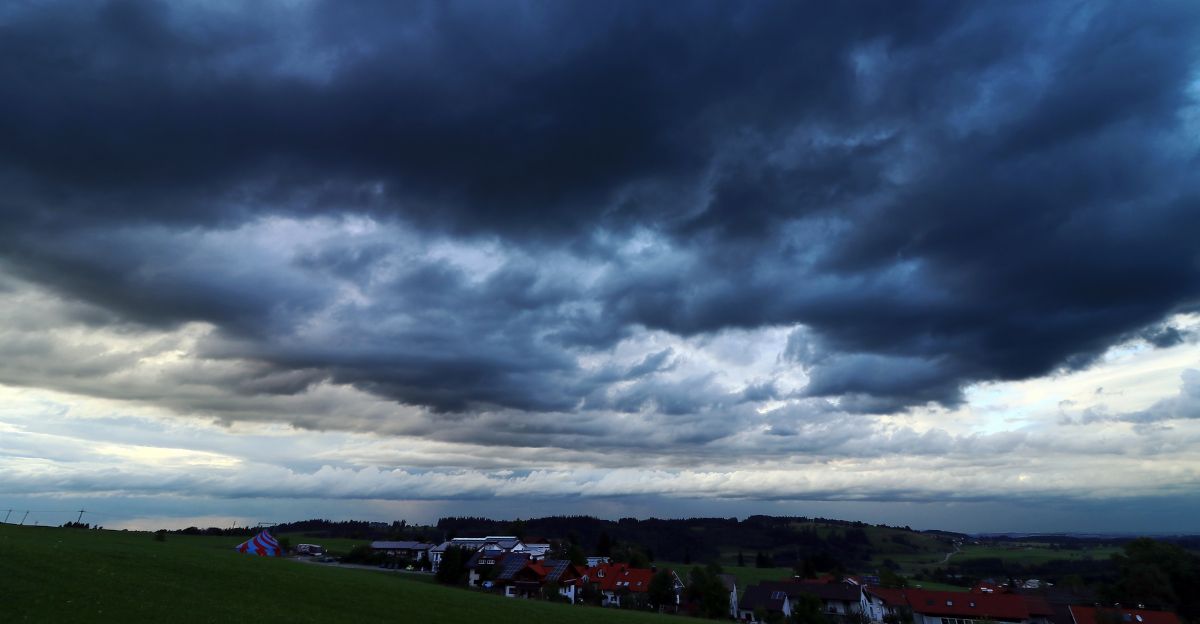
La Niña conditions are at play, fueling cooler, wetter weather in certain parts of the U.S. However, this weak pattern has contributed to extreme fluctuations, with arctic air spilling south earlier than expected.
The jet stream’s erratic movement allows cold air to pour down, then reverse course quickly, creating unpredictable temperature contrasts across vast regions. This dramatic behavior raises questions about the long-term stability of atmospheric conditions.
Direct Consumer Impact: Heating and Cooling Demand Spikes

The rapid shift from frigid cold to warm temperatures is likely forcing Americans to alternate between heating and cooling their homes in a matter of days. In places like Macon, Georgia, where temperatures dropped to 25°F, residents scrambled to stay warm.
Yet, by mid-November, those same regions are expected to see highs approaching 80°F. This drastic back-and-forth can strain power grids and increase utility bills, leaving consumers grappling with unpredictable energy costs.
Retailers and Suppliers May Face Challenges

Retailers may need to adjust as demand for cold-weather products suddenly peaks, only to be followed by a surge in demand for summer items. Home improvement stores could see a rise in purchases of both heating devices and air conditioning units.
Supply chains, already stretched thin, may struggle to pivot as rapidly changing regional needs test their agility. This market volatility could force businesses to rethink their seasonal strategies.
Agricultural Sector: Potential Crop and Livestock Stress
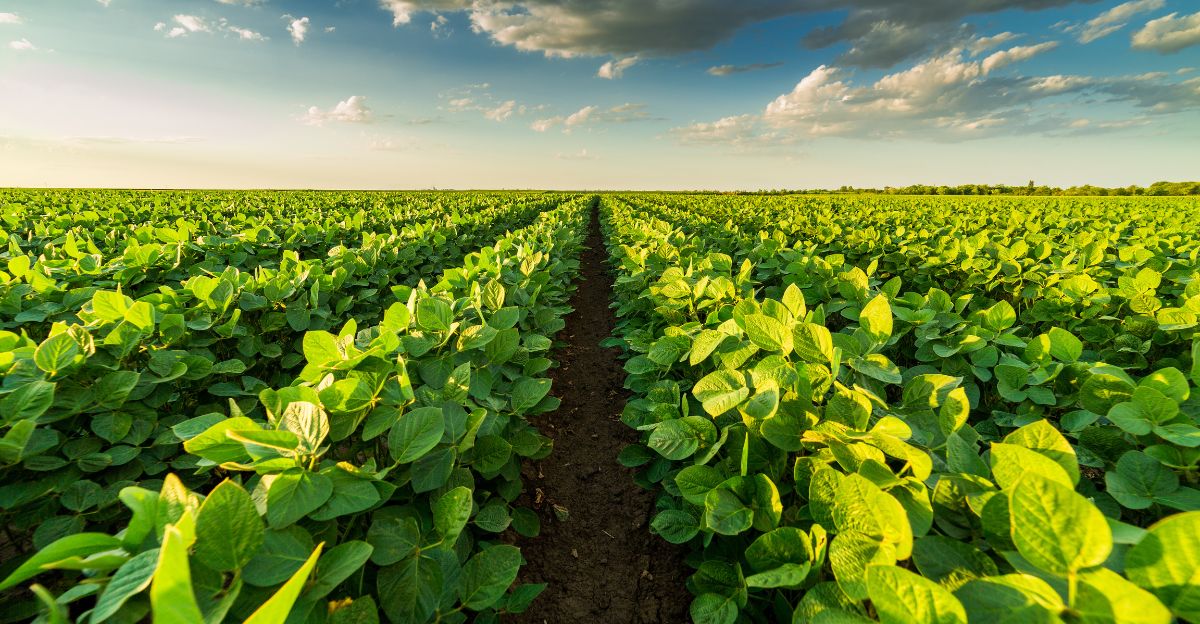
Farmers in the Central and Southern Plains may face crop stress as a result of this weather whiplash. Cold temperatures threatened late-season crops, while a quick warm-up could trigger early growth in fruit trees.
Livestock producers may also experience challenges with cattle and poultry due to the sudden temperature changes. Weather-related agricultural impacts remain a concern as the temperature cycle disrupts farming operations.
Energy Markets: Volatility Increases
Energy markets have reacted to the dramatic weather patterns. The cold snap sent natural gas prices soaring to nearly three-year highs as heating demand spiked, though prices may moderate as warmer forecasts take over.
Utilities are under pressure, with grid infrastructure tested by shifts in demand for both heating and cooling. These fluctuations highlight the vulnerability of energy systems to abrupt weather events, and the market is reacting with heightened volatility.
Human Stories: Vulnerable Populations Face Health Risks

Elderly residents and low-income households are most at risk during dramatic temperature shifts. In Tallahassee, where temperatures dipped to 32°F, cold weather shelters opened to provide refuge.
Emergency rooms may treat cold-related injuries as well as heat-related stress as temperatures swing. Rapid fluctuations can place significant strain on community health systems, particularly among vulnerable populations.
Official Response and Preparedness
Government officials typically work to manage the impact of extreme temperatures. State authorities often issue safety guidelines, while utilities prepare contingency plans to deal with surging power demands.
Emergency management agencies work to ensure that resources are allocated to vulnerable communities during severe weather events.
Economic Ripple Effects

The swift shift in weather affects more than just households—businesses may feel the pressure too. Utility companies could see strain on grids, and food prices may be affected if agricultural impacts occur.
Grocery stores could face supply chain disruptions, especially with fresh produce. These disruptions can add to ongoing economic challenges.
Business Strategies and Sector Adjustments

Businesses may adjust to sudden demand shifts by repositioning stock and adjusting staffing levels. Retailers could see changes in sales patterns for heating and cooling devices, while sectors such as HVAC and home improvement may experience demand surges.
Companies may also adjust pricing strategies to manage these sudden spikes, ensuring they can meet demand without sacrificing margins.
Hospitality and Restaurant Sector: Potential Rapid Shifts

Restaurants and hotels may face challenges as they try to adapt to fluctuating consumer preferences. Cold-weather comfort foods may be popular during the arctic phase, only to be replaced by summer favorites like salads and cold drinks when temperatures soar.
HVAC systems may require adjustments, and the sector could develop long-term strategies to handle similar volatility in the future.
Knock-On Industries: Inventory and Production Considerations

Other industries, like apparel and pet care, may face challenges as demand fluctuates between cold- and warm-weather goods. Supply chains, already strained by ongoing disruptions, could be stretched further by unexpected demand shifts.
Manufacturers may need to keep up, potentially pivoting production lines and inventory strategies to match rapidly changing seasonal needs of consumers.
Global Market Impacts

International markets could be impacted as well. Grain buyers may watch U.S. crops to gauge how temperature shifts will affect harvest yields.
Shipping costs could rise as logistics companies adjust routes around regions affected by extreme weather. These disruptions can have ripple effects on global food markets, impacting trade and aid programs worldwide.
Public Health and Adaptation

Public health agencies typically release guidance on how to adapt to sudden temperature changes. There can be increases in both cold- and heat-related health conditions as people struggle to keep up with shifting temperatures.
Healthcare providers often urge people to be vigilant about their health during volatile weather shifts.
Climate Debate Intensifies
Environmentalists point to events like this as evidence of broader climate shifts. While meteorologists hesitate to attribute specific events to climate change, the increasing frequency of extreme temperature swings raises questions.
Public debate continues about whether these weather extremes are part of a natural cycle or a signal of longer-term climate change patterns.
Winners and Losers: Early Observations

Several industries may benefit from weather whiplash. HVAC contractors, energy companies, and manufacturers of climate-control appliances could see heightened demand.
However, farmers and businesses that rely on stable seasons may face challenges, as crop losses and inventory disruptions pose potential difficulties. This event may highlight which industries are better positioned to handle increasingly erratic weather.
Financial Markets May React

Financial markets often respond to weather-driven volatility. Commodity traders may react to uncertainty in natural gas and agricultural futures, and insurance companies sometimes see stock impacts due to concerns over weather-related claims.
As investors adjust to shifting conditions, the financial sector may prepare for further disruption.
Consumer Advice: Practical Steps to Navigate the Whiplash
For consumers, rapid temperature shifts require preparation for potential energy and health impacts. Sealing air leaks in homes and installing programmable thermostats can help manage fluctuating temperatures.
Stocking up on emergency supplies and considering energy-efficient upgrades are long-term strategies that can help navigate unpredictable weather patterns.
Winter Outlook: Uncertainty Ahead
Looking ahead, NOAA’s winter outlook predicts that La Niña conditions will continue to influence weather patterns, with cooler-than-average temperatures expected across northern regions.
However, the southern U.S. may experience warmer-than-average temperatures. Meteorologists warn that extreme temperature swings could continue, making it difficult for residents to predict what each new season will bring.
Synthesis: A Test of Resilience
The extreme cold-to-warmth event of November 2025 reveals how interconnected major industries are with the weather. The strain on utilities, agriculture, and retail highlights the importance of resilience in adapting to rapid changes.
As climate patterns continue to evolve, businesses, policymakers, and individuals may need to invest in strategies to cope with ongoing volatility and build adaptable, resilient systems.