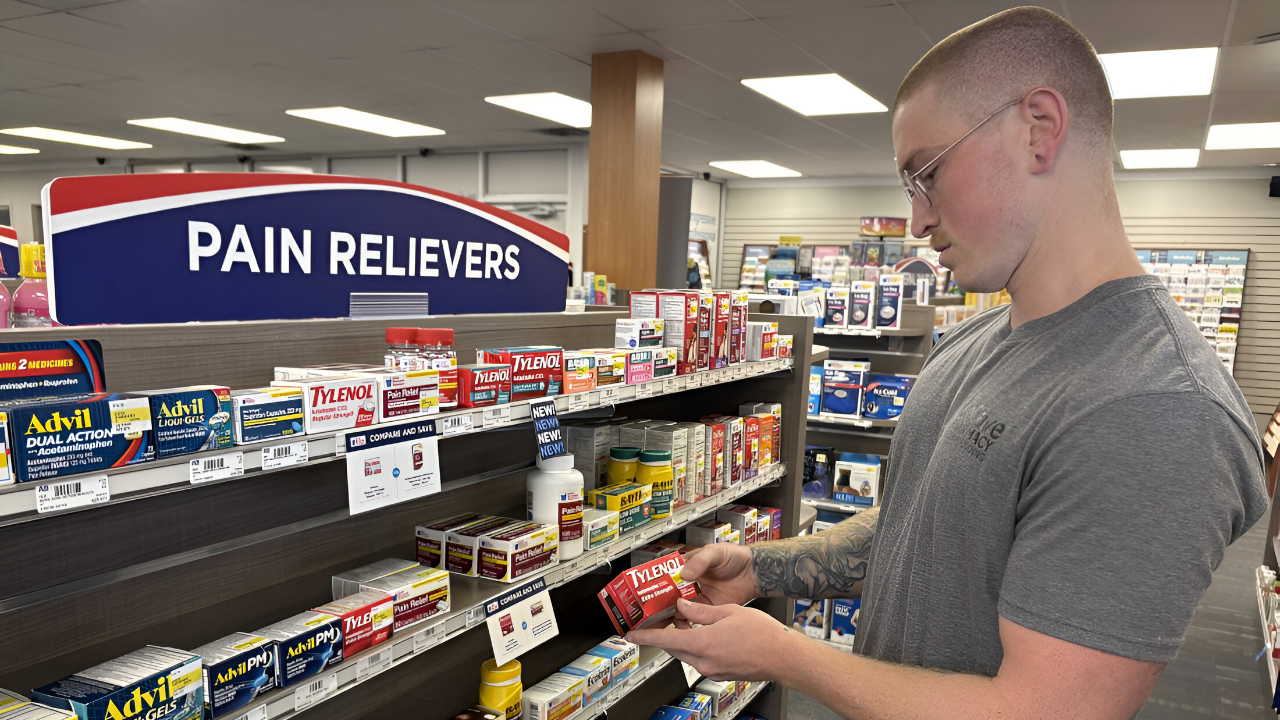
In a year marked by political turbulence, few expected Tylenol—a staple in medicine cabinets worldwide—to become the center of a corporate and public health storm. Yet, in November 2025, Kimberly-Clark announced a $48.7 billion acquisition of Kenvue Inc., the company behind Tylenol, Band-Aid, and Listerine. The deal followed months of plummeting Kenvue shares, triggered by White House warnings about a possible link between acetaminophen (Tylenol’s active ingredient) and autism. What began as a struggling spinoff ended as a high-stakes acquisition, leaving Wall Street and consumers grappling with the fallout.
Political Claims Ignite a Firestorm
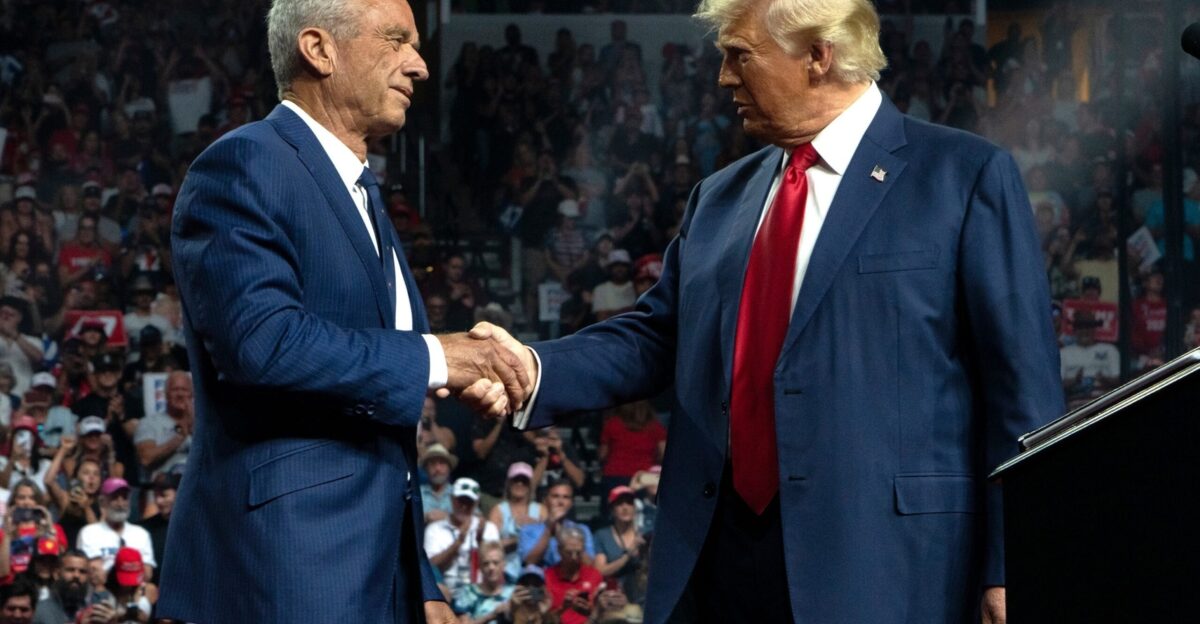
The controversy erupted in September 2025, when President Donald Trump and Health Secretary Robert F. Kennedy Jr. publicly raised concerns about acetaminophen’s safety during pregnancy. Trump asserted that the drug “can be associated with a very increased risk of autism,” while FDA Commissioner Dr. Marty Makary announced new label warnings about potential neurological risks. Kennedy, though more cautious, described the evidence as “very suggestive,” stopping short of declaring a definitive link.
The FDA’s response was swift but nuanced. It initiated formal procedures to update acetaminophen labels, warning of a possible association with neurodevelopmental conditions. However, the agency also acknowledged that a causal relationship had not been established, reflecting the scientific uncertainty surrounding the claims. The move marked a rare instance of the FDA acting under direct political pressure, despite the absence of conclusive evidence.
Scientific Evidence and Medical Consensus
The scientific community responded with skepticism. A major 2024 study published in JAMA, which compared siblings exposed and unexposed to acetaminophen in utero, found no increased risk of autism, ADHD, or intellectual disability. Some researchers at Mount Sinai argued that certain studies do show correlations, but emphasized that methodology is critical and that causation remains unproven.
Leading medical organizations, including the American College of Obstetricians and Gynecologists, continued to recommend acetaminophen as the safest pain reliever for pregnant women, citing the dangers of untreated fever during pregnancy. The World Health Organization reiterated that “no consistent association has been established” between acetaminophen and autism. Many experts warned that discouraging acetaminophen use could lead to greater harm if pregnant women avoid treating pain or fever.
Legal and Market Fallout

The political uproar quickly spilled into the courts. In late October, Texas Attorney General Ken Paxton filed a lawsuit against Kenvue and Johnson & Johnson, alleging that executives concealed the drug’s autism risks. Texas invoked consumer protection laws, seeking to halt Tylenol marketing to pregnant women and block dividend payments. The state’s aggressive legal strategy opened the door for similar lawsuits nationwide.
Meanwhile, Kenvue was already struggling. Spun off from Johnson & Johnson in 2023, the company faced declining sales and leadership turmoil. By mid-2025, quarterly sales had dropped 4 percent year-over-year, and activist investors were demanding a sale or restructuring. The political controversy accelerated Kenvue’s decline, with shares falling nearly 40 percent in six months.
Kimberly-Clark’s Calculated Gamble
Amid the chaos, Kimberly-Clark saw opportunity. The company’s $21.01 per share offer represented a 46 percent premium over Kenvue’s battered stock price, but was still well below pre-controversy valuations. For Kimberly-Clark, the acquisition was a strategic move to expand into higher-growth, higher-margin consumer health categories. Kenvue’s portfolio—featuring Tylenol, Band-Aid, Listerine, Aveeno, and Neutrogena—offered strong brand recognition and consumer loyalty across pain relief, wound care, oral care, and dermatology.
The companies projected $2.1 billion in combined annual growth, driven by $1.9 billion in cost reductions and $500 million in new revenue, offset by $300 million in reinvestment. Kenvue shareholders would receive cash and Kimberly-Clark stock, ultimately owning about 46 percent of the merged entity. The combined company would boast annual revenues of roughly $32 billion and adjusted EBITDA of $7 billion.
Uncertain Road Ahead
Despite the deal’s strategic logic, risks abound. Dozens of lawsuits alleging prenatal acetaminophen exposure caused autism or ADHD are pending in state courts, even after a federal judge dismissed similar claims in 2023 for lack of scientific foundation. Legal analysts note that new FDA label warnings could bolster plaintiffs’ cases, regardless of whether causation is ultimately proven.
The acquisition also reshapes the consumer health landscape, creating a formidable competitor to industry giants like Haleon, Unilever, Procter & Gamble, and Reckitt Benckiser. Yet, the outcome hinges on unpredictable variables: further political intervention, evolving scientific evidence, and the trajectory of ongoing litigation.
As Kimberly-Clark bets billions on Kenvue’s brands, the stakes extend far beyond corporate balance sheets. The deal’s success—or failure—will reverberate through the consumer health industry, influence public trust in over-the-counter medicines, and test the resilience of science-based regulation in an era of political volatility.