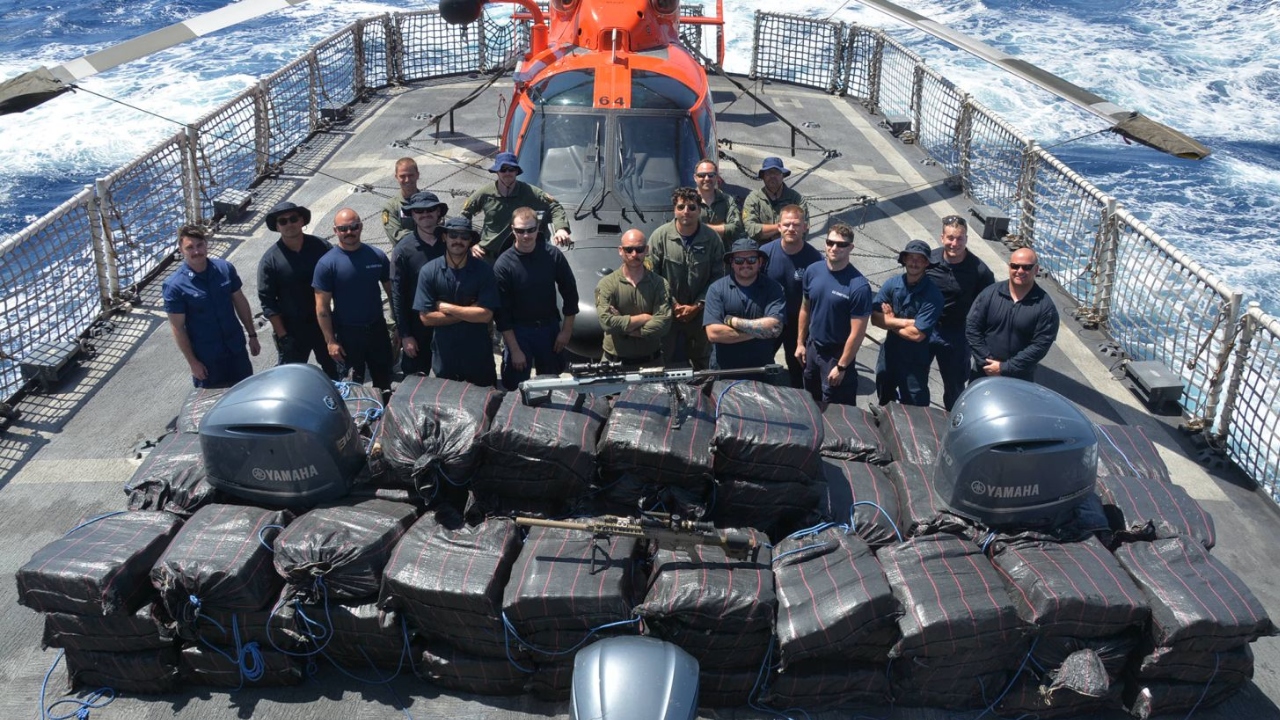
On November 11, 2025, Panama made a historic drug bust, seizing a staggering 13.2 tons of cocaine in Pacific waters. The intercepted shipment marked one of the country’s largest drug seizures since 2007, sending shockwaves through authorities.
This operation highlights the increasing pressure on Panama to combat the growing influence of international drug cartels. As traffickers shift tactics, authorities struggle to keep up with the evolving methods used to smuggle narcotics across the region.
The US Connection
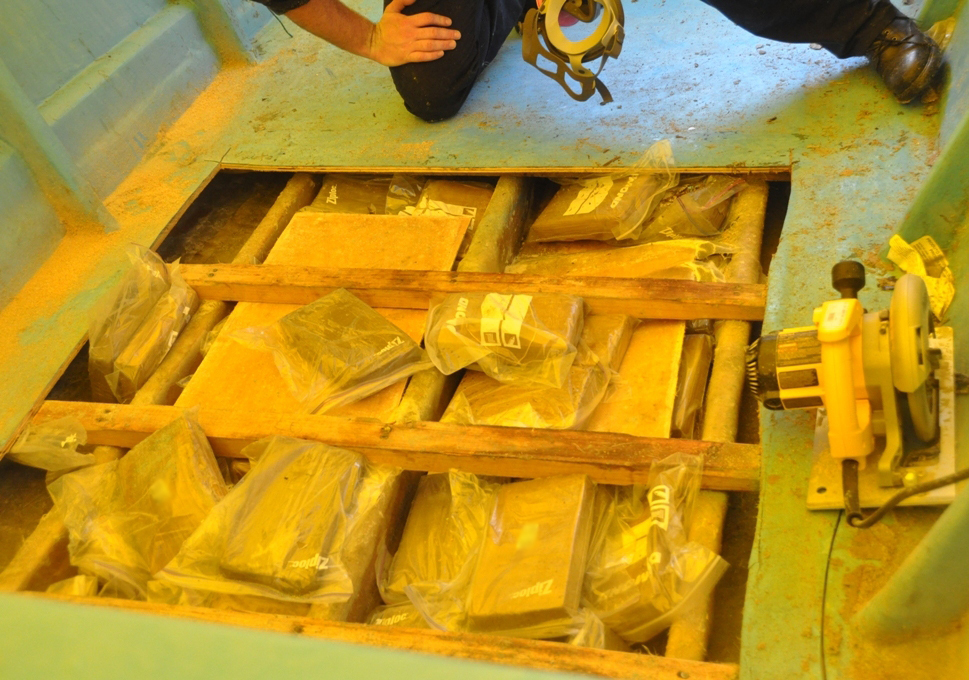
The cocaine was destined for the United States, the largest consumer of the drug globally. US authorities, already battling an escalating crisis, had seen record-breaking seizures in recent months, intensifying their focus on Panama’s role in the cocaine trade.
With a growing demand for cocaine in the US, drug cartels are becoming more innovative in their methods. This seizure is a stark reminder that the battle against narcotics trafficking is far from over, with Panama sitting at the heart of the issue.
Panama’s Strategic Role
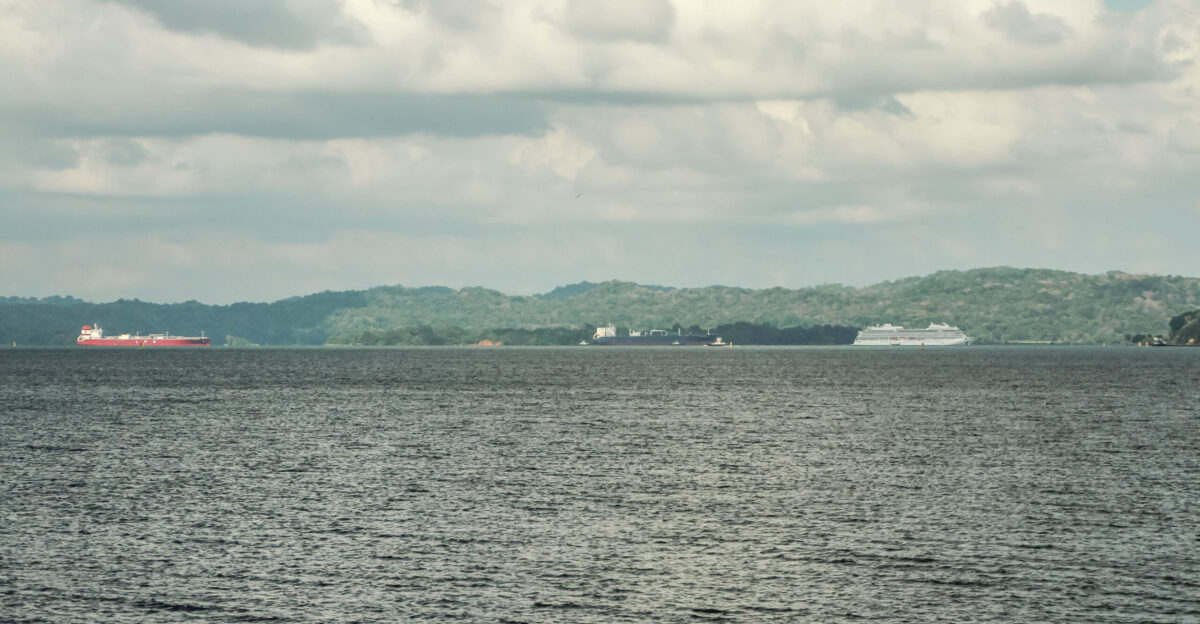
Panama’s location makes it a key transit point for drugs coming from South America, particularly Colombia. The country’s busy maritime routes attract traffickers, who use the waters to funnel large shipments of narcotics into North America.
Over the years, Panama has become a hotspot for drug interceptions. While authorities have stepped up their efforts, the sheer volume of trafficking remains a constant challenge, especially as new methods of smuggling emerge regularly.
Increased Pressure on Authorities
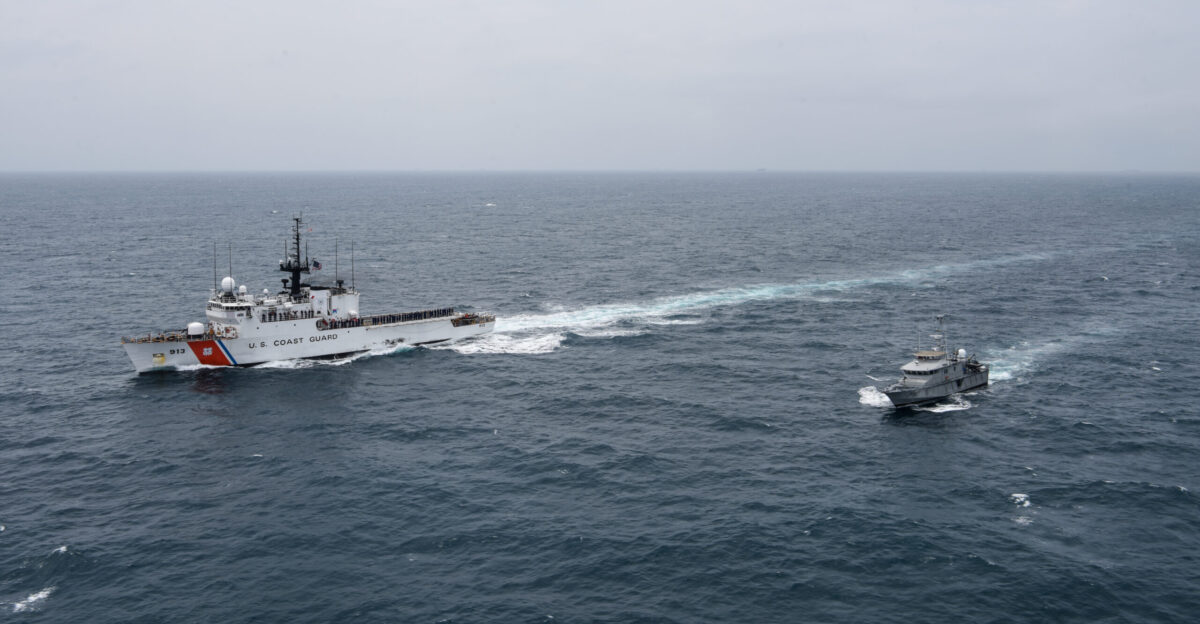
The 2025 seizure adds to the mounting pressure on both Panamanian and US authorities. In 2024, Panama seized substantial amounts of cocaine, reflecting both the heightened enforcement efforts and the rising scale of the trafficking problem.
As the fight against drug smuggling intensifies, the ability of law enforcement agencies to disrupt these global networks is tested. The success of these operations is critical, but so far, cartels continue to adapt, finding new routes and methods to evade capture.
A Massive Operation
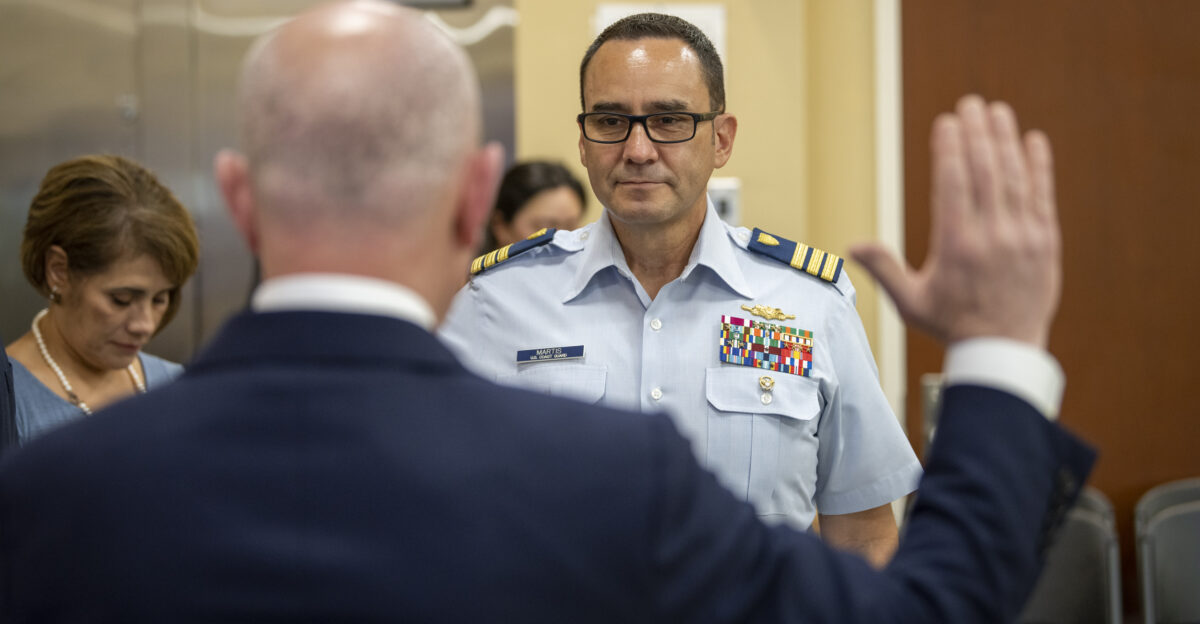
Panamanian officials confiscated 13.2 tons of cocaine from a ferry in the Pacific. This massive shipment, totaling 29,101 pounds, was one of the largest busts in Panama’s recent history. Authorities quickly arrested 10 individuals connected to the operation.
The operation, which unfolded off Panama’s Pacific coast, showcased the complexity of drug smuggling. Authorities were able to prevent a significant amount of cocaine from reaching US streets, but the larger problem remains — traffickers are always looking for new ways to move their product.
A Key Transit Point
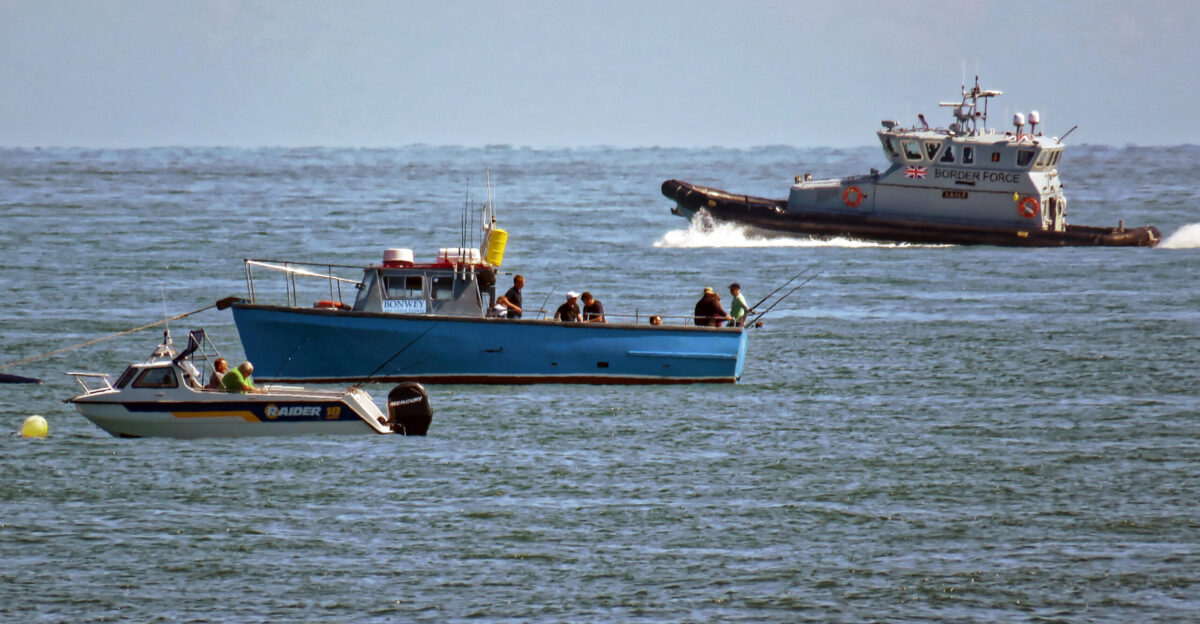
The seizure took place off Panama’s Pacific coast, a region heavily targeted by drug traffickers. With nearly 12,000 packages of cocaine intercepted, this operation underscores the logistical challenges authorities face in tackling maritime drug smuggling.
Panama’s role as a critical nexus in the drug trade is well known. With extensive coastlines and access to vital international shipping lanes, the country is often at the center of efforts to disrupt illegal drug shipments heading toward the US.
Arrests Reveal Global Network
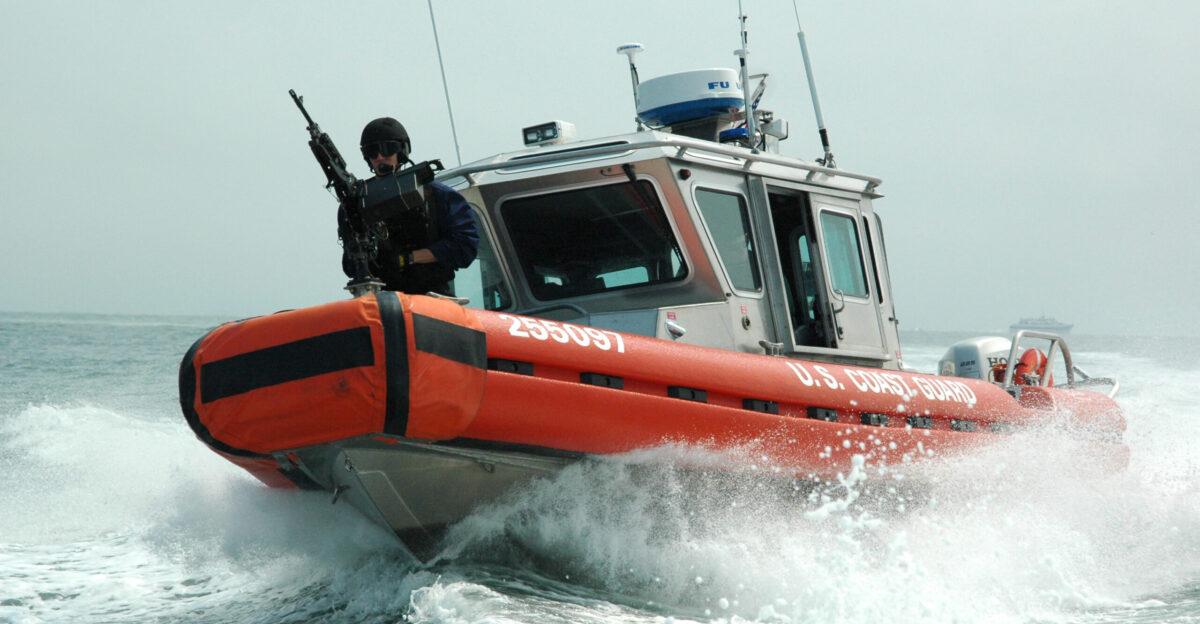
Ten individuals were arrested during the operation, hailing from Venezuela, Ecuador, and Nicaragua. The diverse nationalities involved highlight the international scope of the trafficking network, stretching across borders and involving multiple countries.
These arrests reflect the growing complexity of international drug trafficking. As the cartels become more sophisticated, law enforcement must cooperate across borders to dismantle these networks, which continue to operate with increasing boldness.
Regional Anti-Drug Efforts
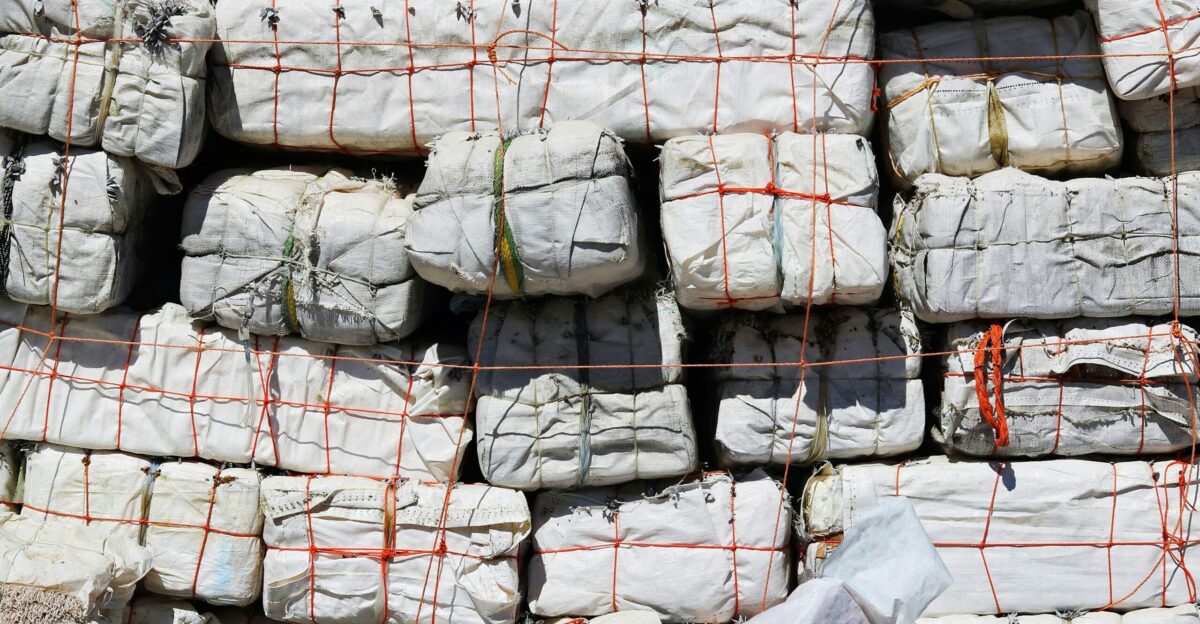
Latin American countries, including Panama, are ramping up their anti-narcotics campaigns in an effort to curb the growing influence of traffickers. The US military has also increased its presence in the region, supporting these operations with both personnel and equipment.
This competition to demonstrate effectiveness has led to significant cooperation between Latin American nations and the US. Yet, despite these efforts, the scale of the drug trade continues to grow, posing a persistent challenge for law enforcement agencies on both sides of the border.
Maritime Seizures on the Rise
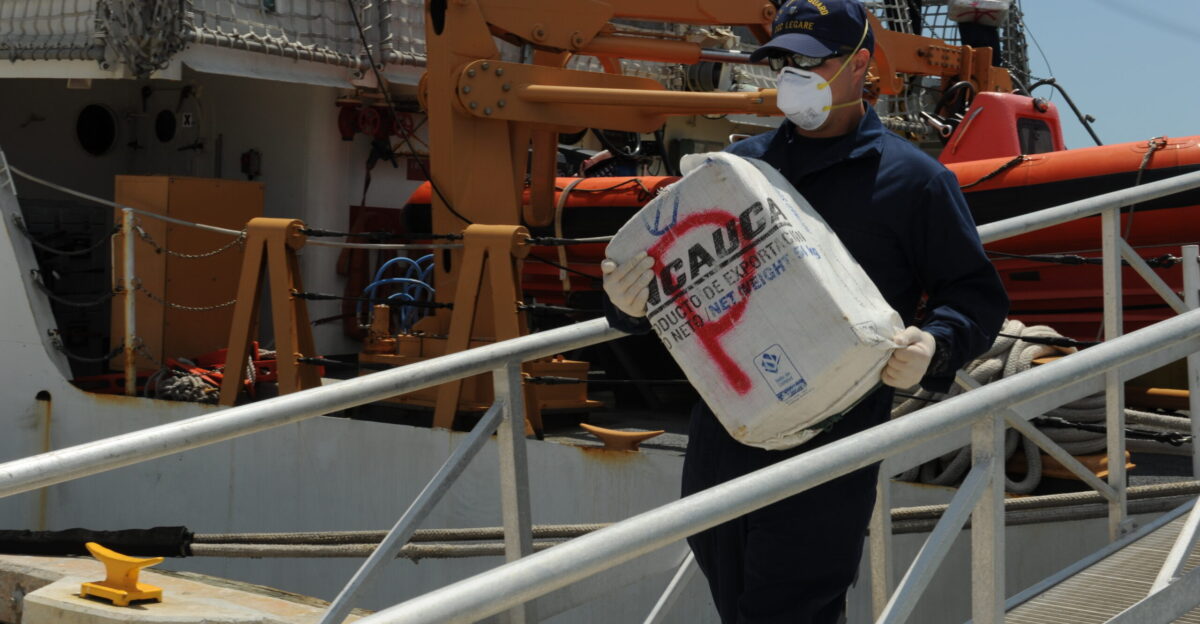
The Panama ferry bust is part of a wider, global trend in maritime drug seizures. Recent large-scale busts have occurred in Spain, France, and Pakistan, emphasizing the international nature of drug trafficking via the sea.
Authorities across the globe are facing similar challenges, with traffickers constantly adapting their strategies. This shift toward using maritime routes, often aboard slow-moving vessels, reflects the cartel’s determination to find new methods of evasion, even in highly monitored areas.
Record Year for US Coast Guard
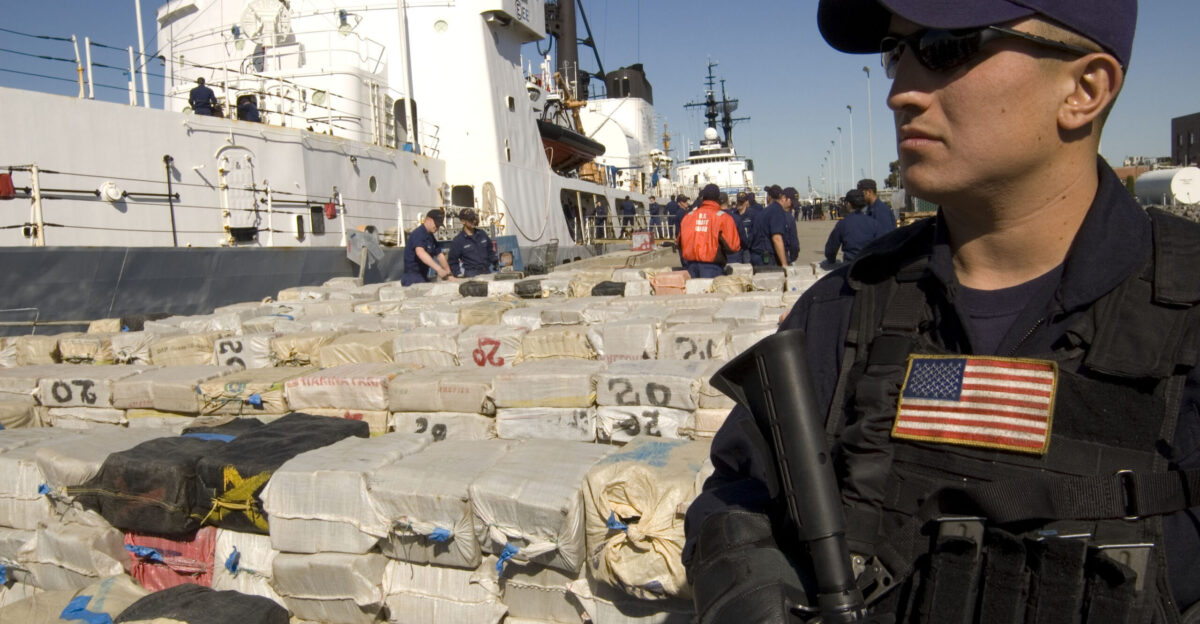
The US Coast Guard had its largest-ever cocaine haul in fiscal year 2025, seizing over 510,000 pounds of cocaine in the Eastern Pacific and Caribbean. This record-breaking year underscores the scale of the fight against drug trafficking.
The increase in seizures, however, has not led to a decrease in the availability of drugs on the streets. Despite these impressive numbers, cartels continue to find new methods of smuggling, leading some to question the effectiveness of current interdiction strategies.
The Persistence of Traffickers
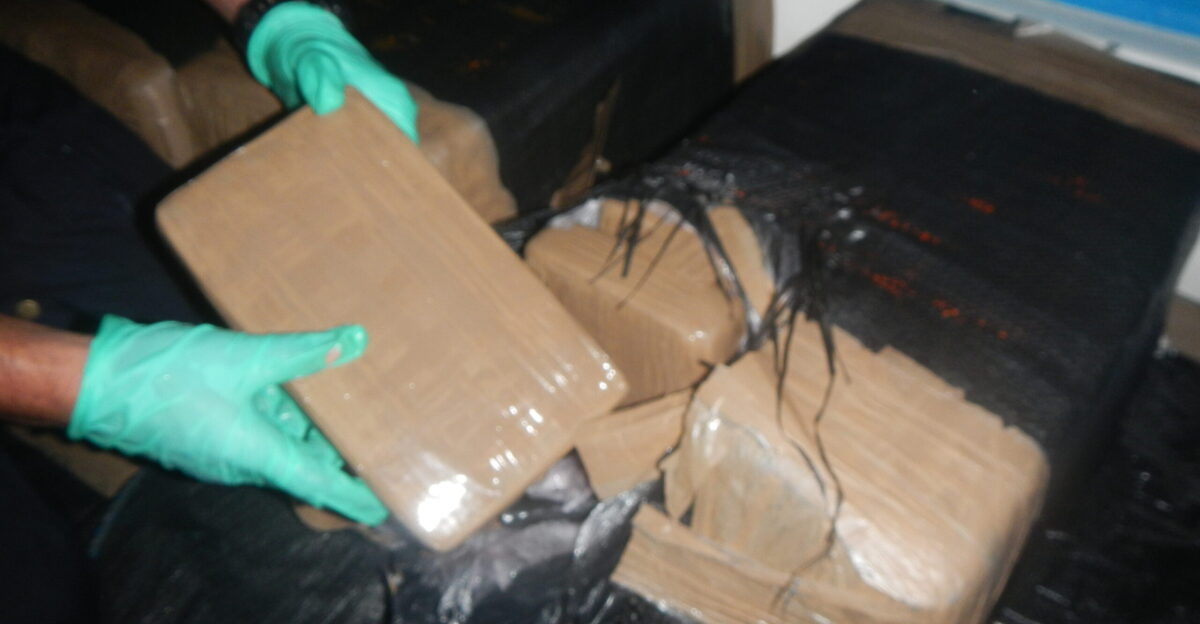
Despite record-breaking seizures, authorities are growing frustrated by the ongoing flow of drugs. Law enforcement officials in Panama and the US acknowledge that after each successful bust, traffickers quickly adapt and attempt to circumvent new enforcement measures.
The resilience of these criminal organizations is a daunting challenge. While significant efforts have been made to disrupt the drug trade, the underlying problem remains: the demand for drugs in the US and other countries continues to fuel these illegal activities.
Shifting Strategies in Anti-Drug Campaigns
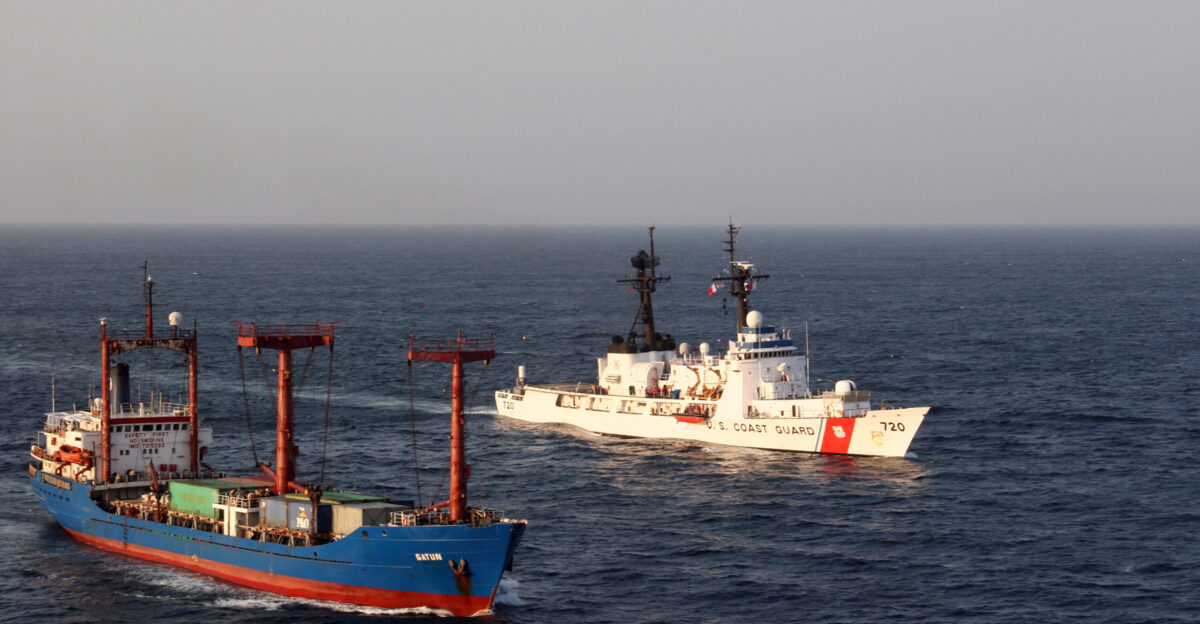
Panama’s law enforcement agencies are adapting their strategies in response to evolving trafficking tactics. Increased cooperation with the US and other regional partners has led to improved intelligence sharing and operational coordination.
These changes reflect the growing complexity of the fight against drug trafficking. Law enforcement agencies are shifting toward more proactive measures, focusing on intercepting shipments before they can reach international waters, but the battle remains ongoing.
Investing in New Technologies
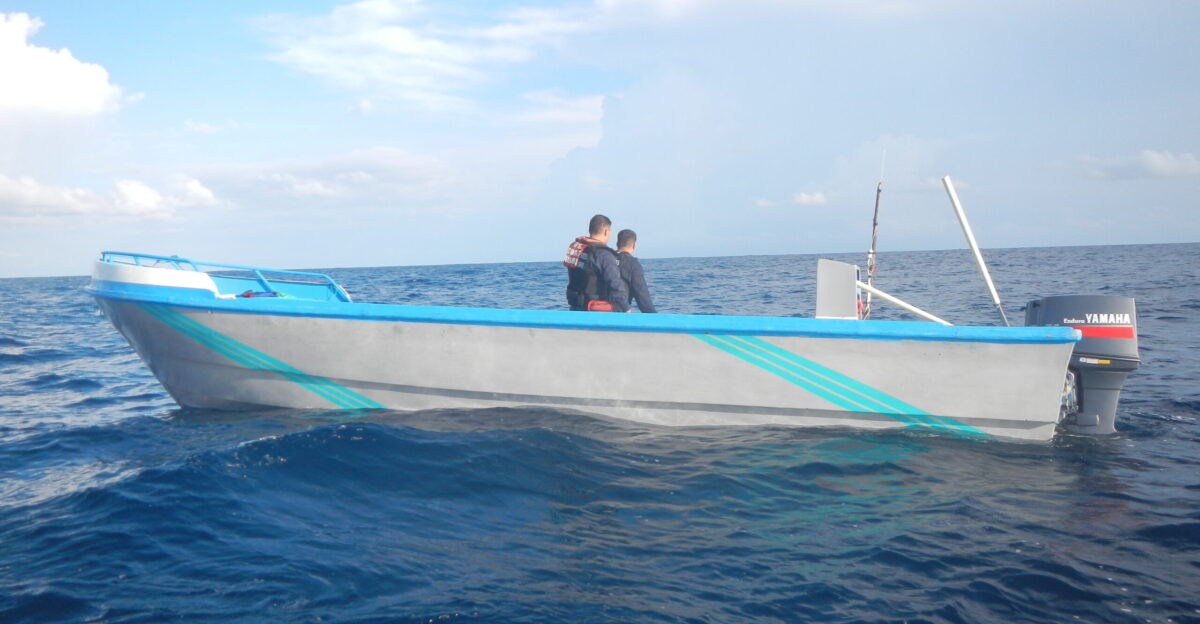
In an effort to stay ahead of traffickers, Panama has invested in new technologies and training programs for its law enforcement agencies. Maritime surveillance and rapid-response teams are now a key part of the country’s strategy to combat drug smuggling.
These technological advancements are critical in ensuring that authorities can react quickly and efficiently to intelligence on trafficking activities. However, the rapidly changing tactics of traffickers continue to present significant challenges.
The Challenge of Dismantling Networks
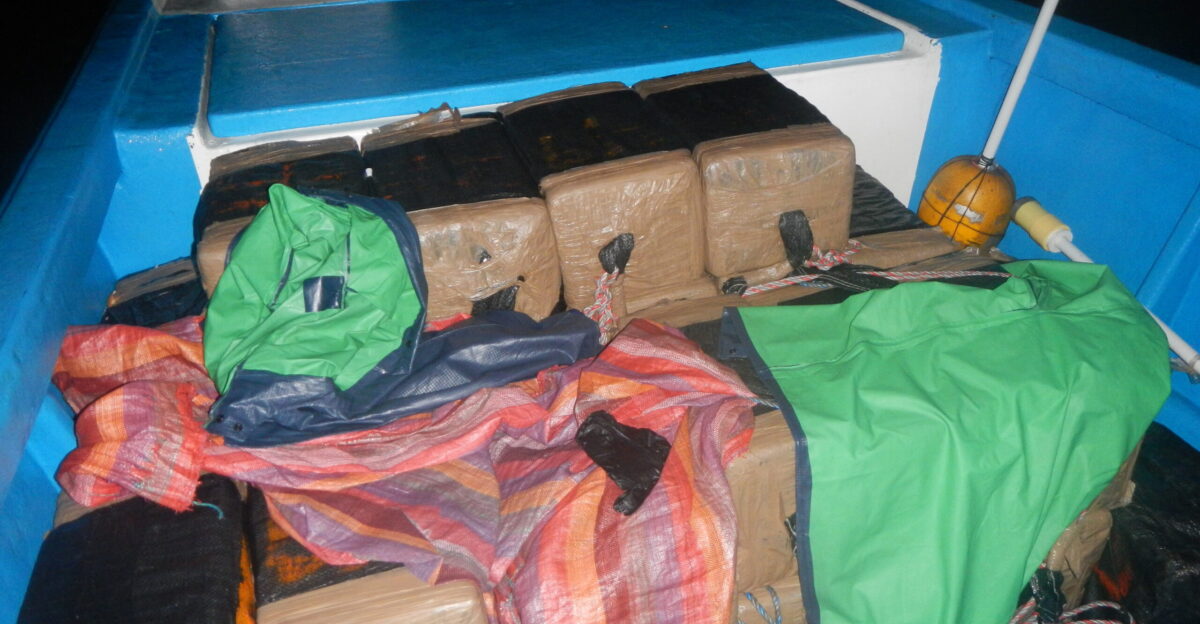
Experts argue that while large seizures disrupt trafficking supply chains, they rarely dismantle the criminal organizations responsible. The high profitability of the US cocaine market keeps traffickers highly motivated, and they continuously innovate in their methods.
The sheer volume of drugs entering the US means that authorities must find more than just a stopgap solution. Experts suggest that broader strategies addressing demand reduction and tackling corruption within enforcement agencies are crucial to curbing the flow of narcotics.
The Future of Drug Enforcement
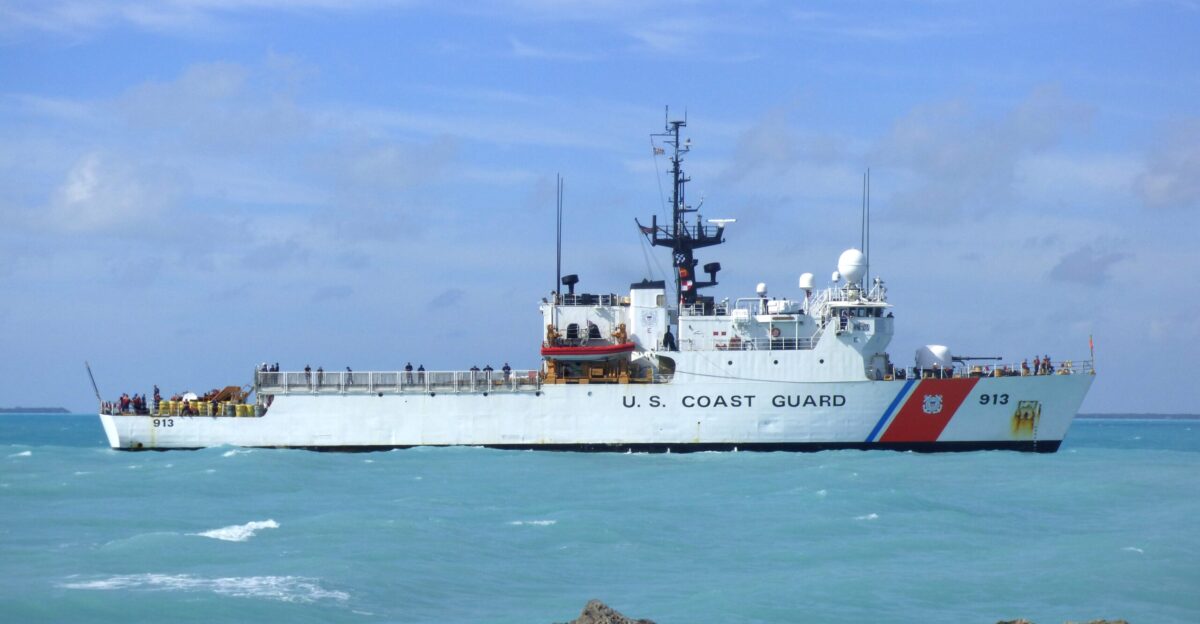
Looking ahead, officials are considering expanded cooperation across the region and new tools to address the complex problem of drug trafficking. While enforcement remains the priority, the question arises: Can enforcement alone curb the flow of cocaine?
More holistic approaches may be needed. These include addressing the root causes of drug addiction in the US, providing better support for affected communities, and tackling the corruption that often hinders effective law enforcement in Panama and other countries.
Geopolitical Implications
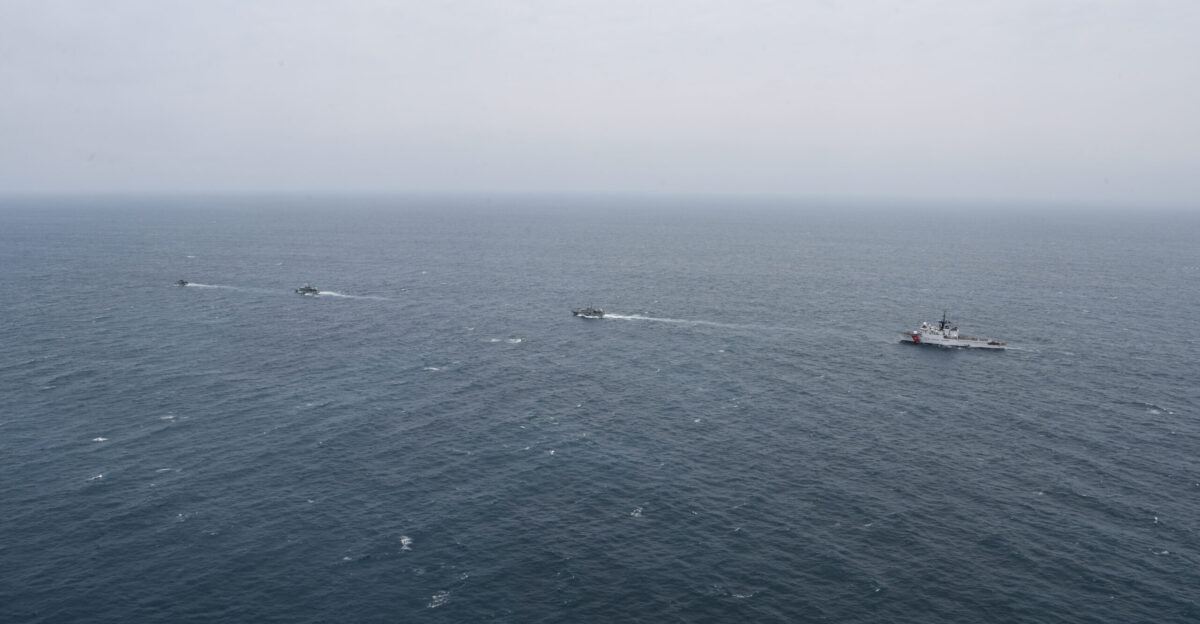
The US military’s presence in Latin America, aimed at curbing drug trafficking, has sparked political tensions, particularly with Venezuela. Leaders in some countries accuse Washington of using the fight against drugs as a pretext for broader geopolitical objectives.
This dynamic is complicated by the shifting political landscape in Latin America. As the US increases its anti-drug operations, tensions rise, with some countries questioning the broader goals behind these missions.
Ripple Effects Across the Globe
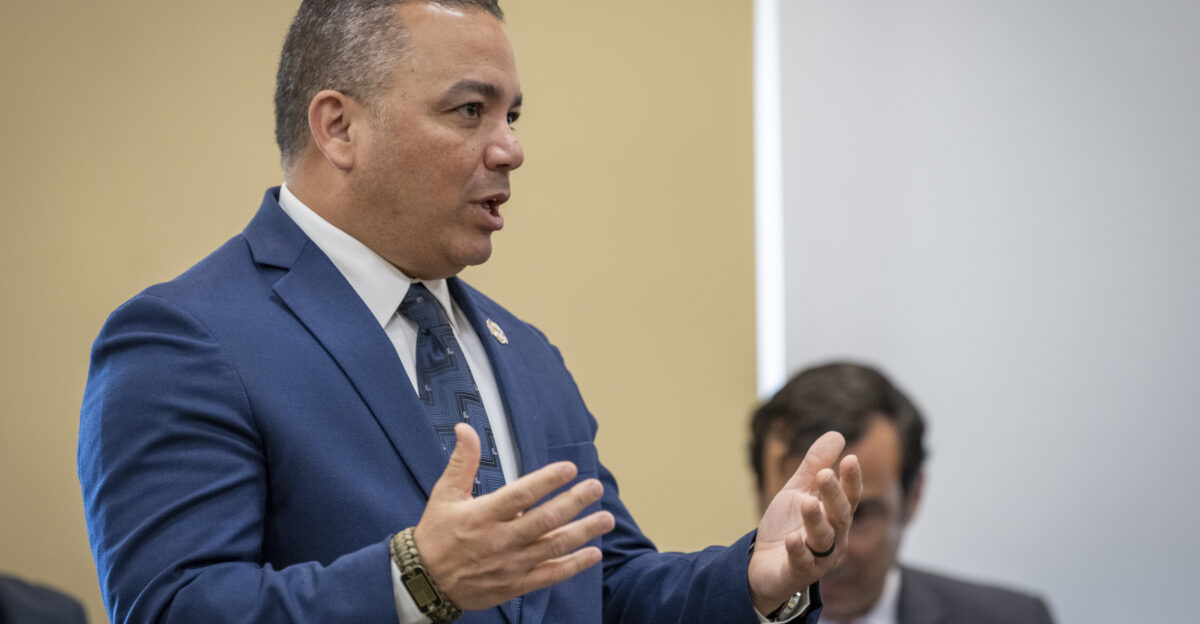
Panama’s massive cocaine bust reverberates internationally, prompting countries worldwide to reevaluate their drug enforcement strategies. From Europe to Asia, traffickers are shifting their routes, making it more difficult for authorities to track shipments.
As these international efforts continue, the success of each seizure prompts further changes in cartel behavior. The ongoing cat-and-mouse game between traffickers and authorities underscores the difficulty of tackling the global drug trade in a comprehensive way.
Legal and Environmental Issues
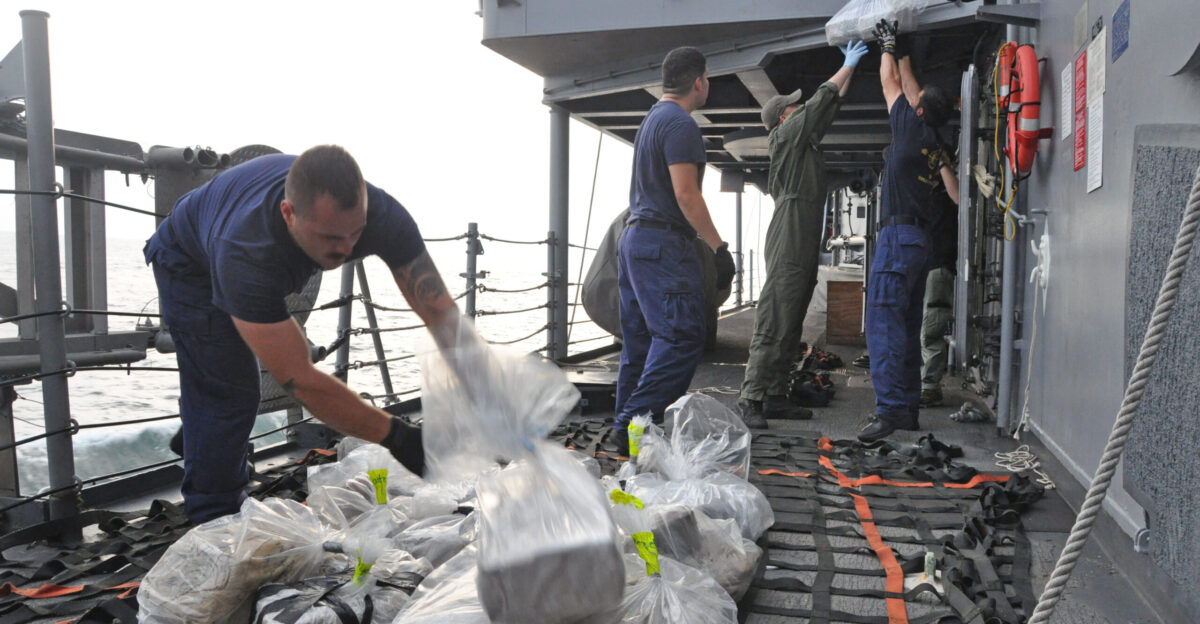
The global rise in maritime drug seizures brings with it complex legal challenges, particularly concerning jurisdiction. The involvement of multiple countries in a single operation raises questions about prosecution and how best to handle large quantities of seized narcotics.
In addition to legal concerns, environmental issues have also arisen. The disposal of drugs, especially large amounts like the 13.2 tons seized in Panama, poses a significant challenge for authorities, who must carefully manage the environmental impact of these operations.
Evolving Public Perception
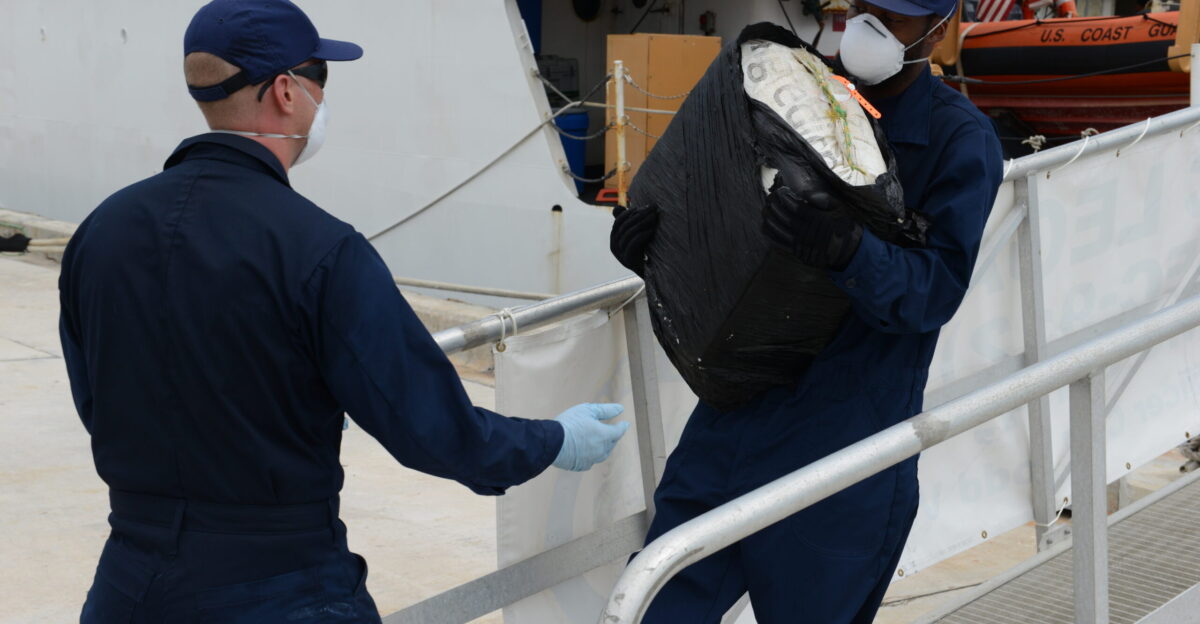
Public perception of the drug trade and its enforcement is changing. In both Panama and the US, there is growing pressure to not only increase arrests and seizures but also to provide more comprehensive solutions, including prevention programs and rehabilitation efforts.
As communities become more vocal in demanding action, governments are under increasing pressure to adopt a broader, more effective approach. These efforts include tackling both supply and demand and addressing the social issues that contribute to drug abuse.
The Ongoing War on Drugs
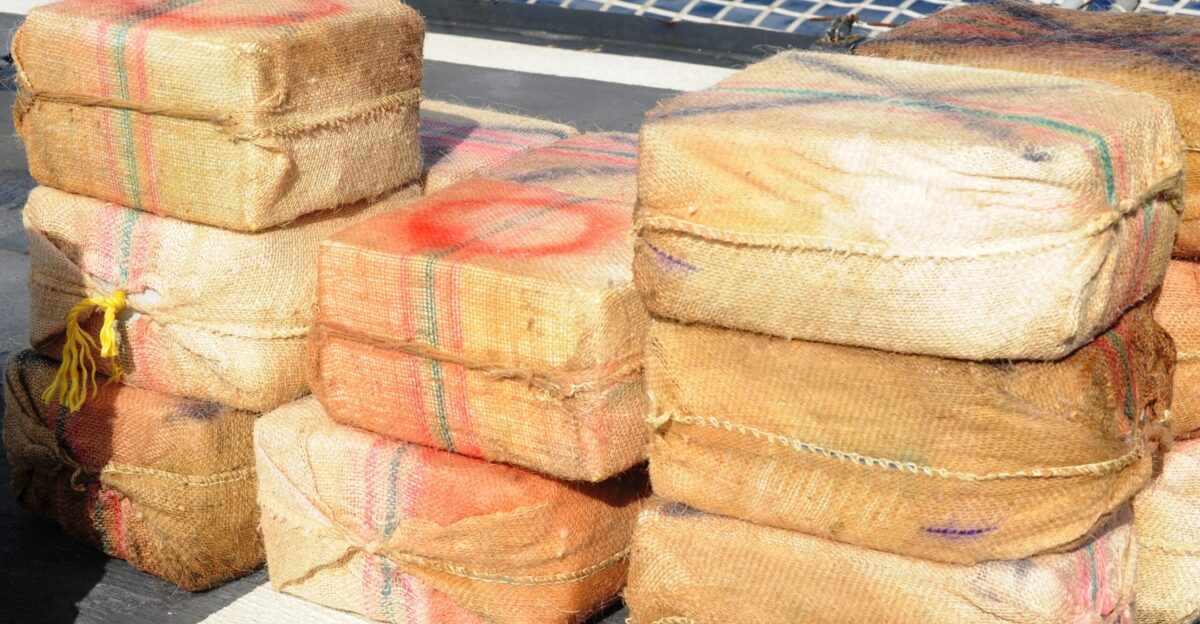
The seizure off Panama’s coast is a vivid reminder of the ongoing battle against transnational drug trafficking. While enforcement efforts are intensifying, the stakes continue to rise, posing new challenges for governments, traffickers, and communities alike.
As cartels adapt to new methods and law enforcement agencies ramp up their efforts, the future of the war on drugs remains uncertain. With both sides locked in a high-stakes game, the outcome will depend on the strategies employed and the international cooperation involved.