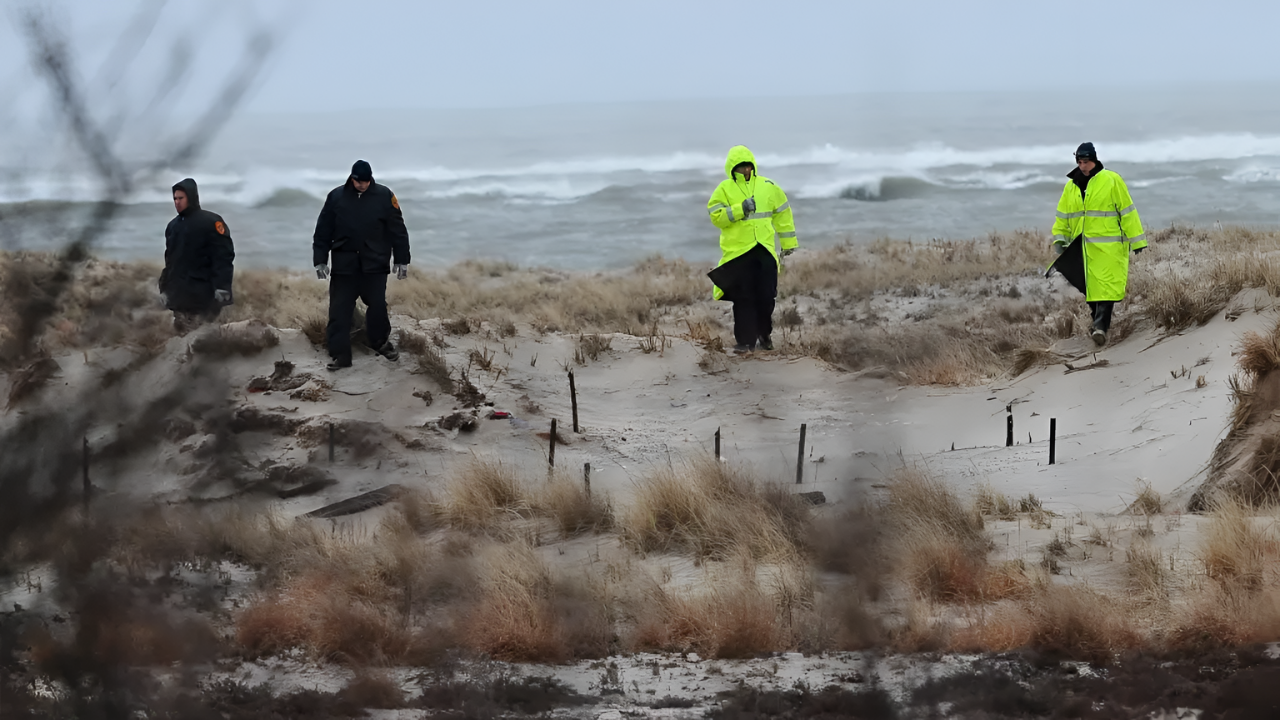
A sudden and violent surge of water struck Argentina’s Atlantic coastline on January 12, 2026, transforming a crowded summer beach day into a disaster zone within seconds. The phenomenon, known as a meteotsunami, claimed one life and injured at least 35 people across four beaches in Buenos Aires Province during peak holiday season, when thousands of residents and tourists were swimming or gathered along the shore.
Moments of Chaos and Impact
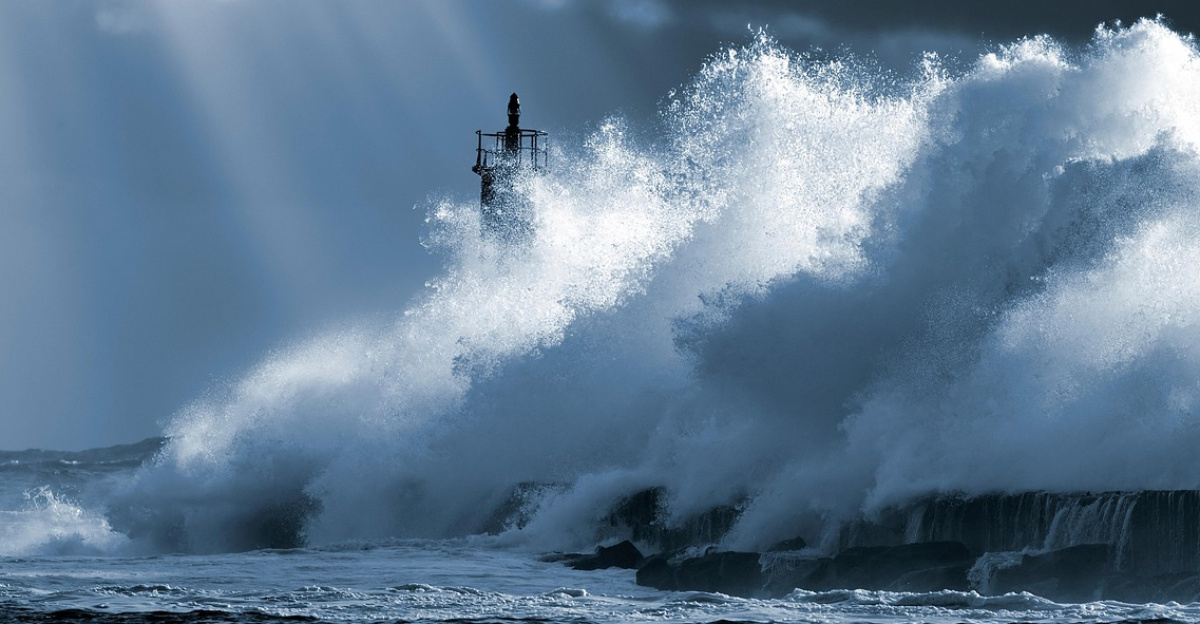
The surge occurred at approximately 4:15 p.m. local time, when the sea suddenly receded, exposing large stretches of seabed before returning with extreme force. Lifeguard Maximiliano Prensky reported that nearly 5,000 people were in the water at the time, leaving virtually no opportunity for evacuation. The meteotsunami impacted Santa Clara del Mar, Mar Chiquita, Camet, and Mar del Plata almost simultaneously, with Santa Clara del Mar experiencing the most severe effects. The near-simultaneous impact across multiple locations amplified confusion and hindered coordinated response efforts.
Heatwave Heightened the Danger
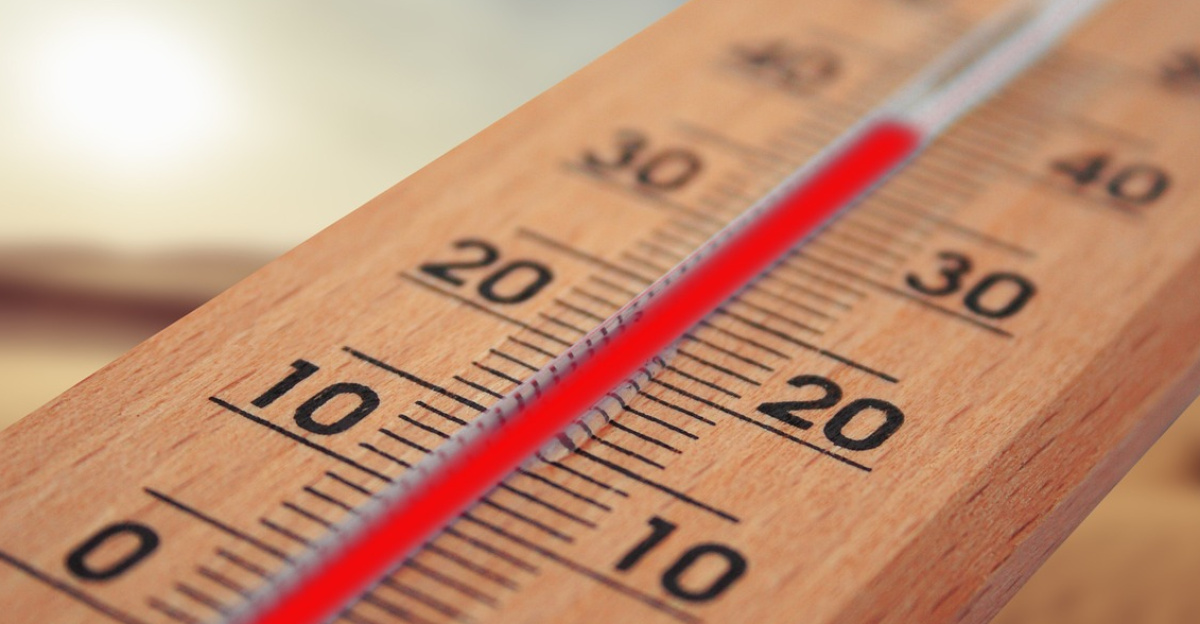
The timing intensified the disaster’s toll. The surge struck on one of the hottest days of Argentina’s summer, with temperatures between 38 and 40 degrees Celsius. Beaches were at or near full capacity as families sought relief from the heat, significantly increasing the number of people exposed when the wave arrived. In certain low-lying coastal areas, the rushing water pushed inland up to 15 meters, sweeping across sand, rocks, and walkways. Beach furniture, umbrellas, and personal belongings were dragged away or destroyed, contributing to injuries among people who believed they were safely positioned well above the waterline.
Witness Accounts and Tragic Loss
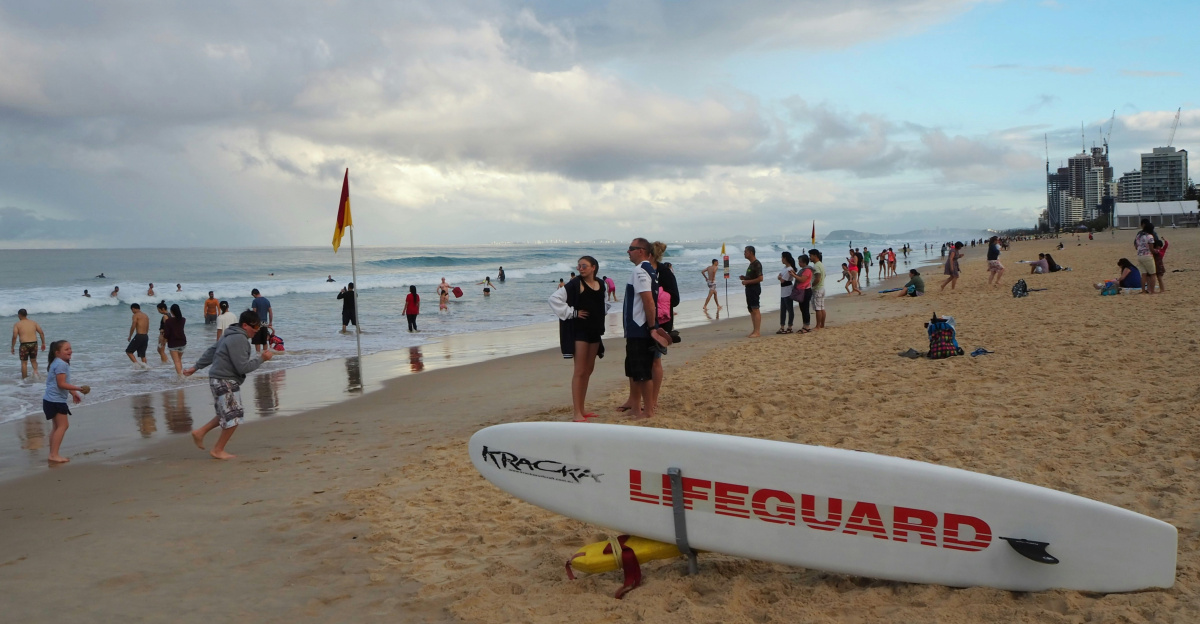
Several lifeguards and beachgoers described a frightening visual just before impact. One lifeguard reported seeing a “black whirlpool” appear offshore as the sea pulled back, followed by a powerful wall of water. Many witnesses stated they had never seen anything similar, emphasizing the unusual and disorienting nature of the phenomenon compared to normal storm-driven waves. Video footage from the beaches shows waves racing across the sand, knocking people off their feet and scattering beach equipment within seconds.
The fatality was identified as Yair Manno, a 29-year-old man from Mar del Plata who was visiting family after having lived in France. According to Provincial Civil Defense, Manno was near fishermen at the Mar Chiquita lagoon when the surge swept him into rocks, causing fatal injuries. Lifeguards and emergency responders reached him quickly and attempted resuscitation, but he was pronounced dead shortly afterward. At least 35 people were treated for injuries including cuts, bruises, and blunt-force trauma. One individual suffered a heart attack during the panic and required hospitalization.
Understanding the Meteotsunami Phenomenon
A meteotsunami differs fundamentally from seismic tsunamis. Rather than resulting from earthquakes or underwater landslides, it stems from rapid atmospheric pressure changes, wind shifts, or intense weather systems that displace large volumes of water. In Argentina, the phenomenon is sometimes referred to as a “virazón,” describing a sudden and violent shift in wind direction, often from northwest to southeast. This abrupt change can generate a meteorological tide capable of producing dangerous surges. Authorities stated that such events are rare and not fully understood, even in regions familiar with abrupt coastal weather shifts.
Aftermath and Lessons for the Future
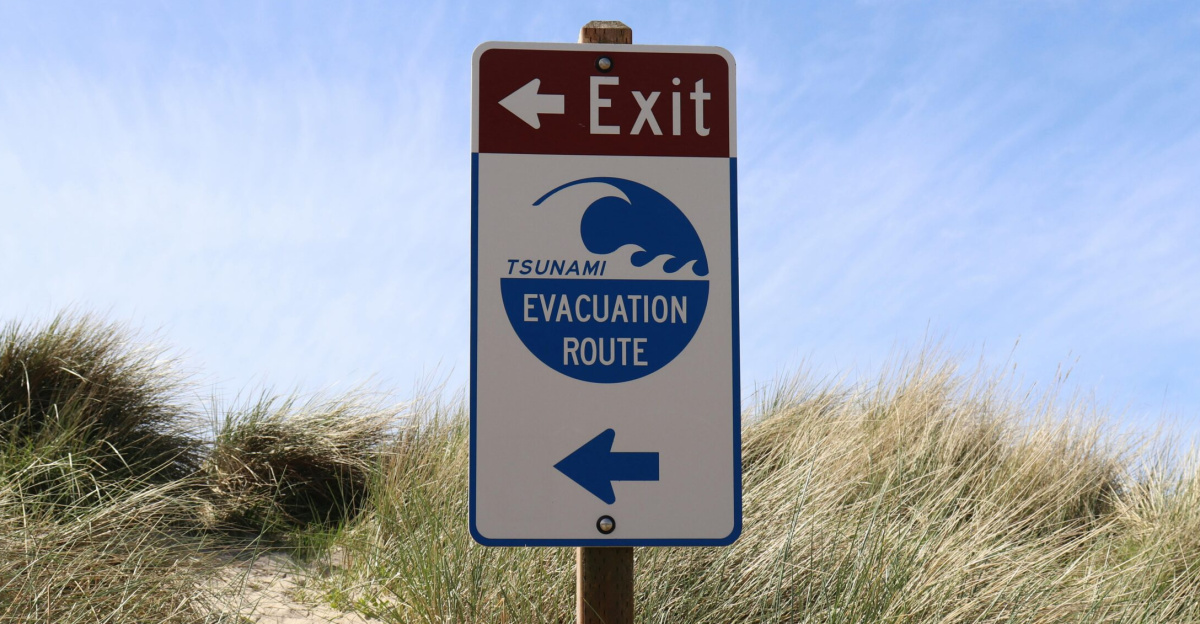
Unlike seismic tsunamis, which can trigger alerts through earthquake monitoring networks, meteotsunamis develop from fast-moving atmospheric conditions that may not raise alarms until the event is already unfolding. Fabián García, head of Civil Defense for Buenos Aires Province, described the meteotsunami as an unforeseeable event, stating that there were no meteorological or scientific studies that predicted the surge. Current forecasting tools are unable to reliably anticipate the precise timing and location of meteotsunamis. The rapid onset leaves little opportunity for evacuation, especially when beaches are crowded and the first visible sign is the sudden retreat of the sea.
Following inspections, affected beaches were gradually reopened with increased lifeguard patrols and additional signage warning about sudden atmospheric hazards. While officials stressed that such events remain extremely rare, they acknowledged the need for heightened awareness during periods of extreme heat and unstable weather conditions. The disaster highlighted how densely populated beaches can become vulnerable within seconds when rare natural phenomena occur. Experts note that meteotsunamis have occurred in other parts of the world, including the Mediterranean, the United States, and the Great Lakes region, demonstrating that weather alone can generate tsunami-like waves. As climate variability increases, researchers and emergency planners face growing pressure to better understand and communicate the risks of rare but devastating atmospheric-driven coastal hazards.
Sources:
People.com, “1 Dead and at least 35 Injured After ‘Meteotsunami’ Wipes Through Argentine Beaches,” January 13, 2026.
Weather.com, “Deadly Meteotsunami Slams Beach In Argentina,” January 14, 2026.
Independent.co.uk, “Deadly meteotsunami smashes into Argentina coast as beachgoers scramble,” January 13–14, 2026.
Associated Press (via Crónica, La Nación, Clarín), January 12–13, 2026.
Mercopress, “Gigantic wave kills one Argentine beachgoer near Mar del Plata,” January 12, 2026