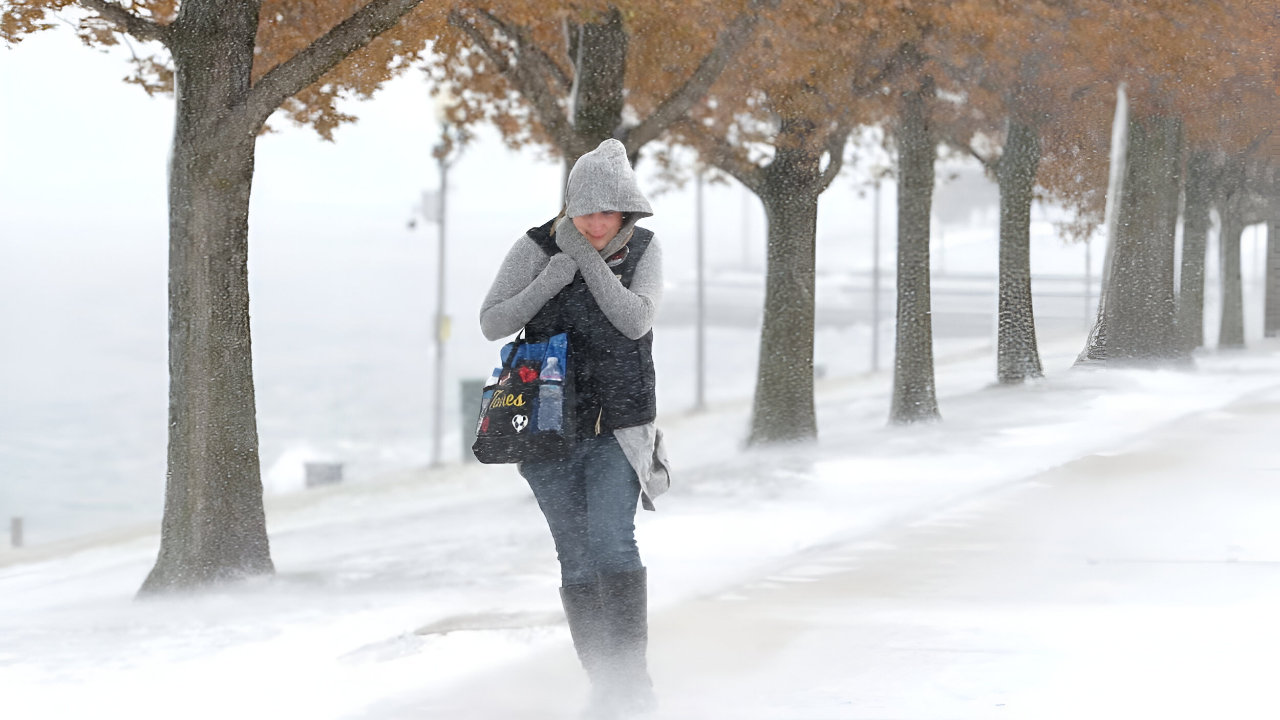
More than 170 million Americans in 35 states prepared for a rare, intense cold in November 2025. Freezing temperatures broke records in major cities, and deep snow hit the Great Lakes.
Airports experienced delays, and demand for energy increased rapidly.
Despite these problems, experts said this was only the beginning—the main atmospheric disruption was still to come. What event could cause such widespread chaos?
Winter’s Early Whisper
Over 100 million Americans faced weather advisories, including freeze warnings and winter storm watches.
Thanksgiving travel plans were disrupted, schools closed, and Florida issued its first freeze warning in five years. The Gulf states got their lowest November temperatures since 1985.
While meteorologists tracked the Arctic blast, forecasting models indicated that something even more unusual was forming above—an event that experts called rare and very early for the season.
The Polar Vortex Explained
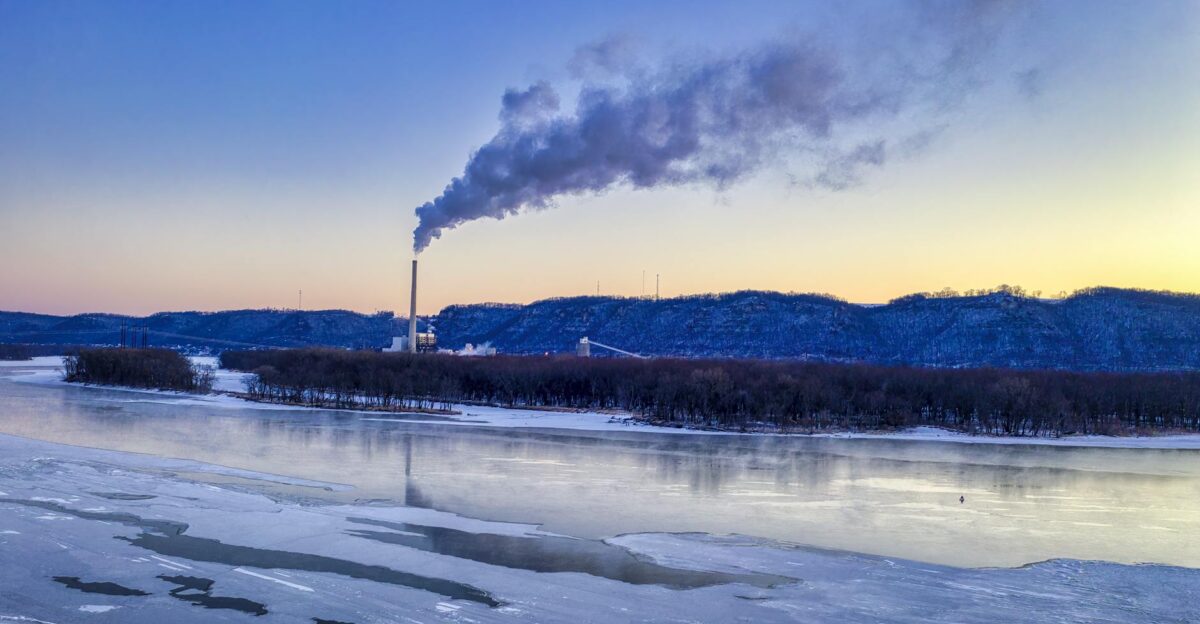
The polar vortex is a swirl of cold air above the Arctic, held in place by strong winds high in Earth’s atmosphere.
Normally, it contains Arctic cold. But sometimes, especially later in winter, it weakens. This lets frigid air spill into the US. It almost never happens in November; only a few such early disruptions have been recorded in 70 years.
In 2025, signs of an unusually early shift began to appear.
Tightening the Pressure
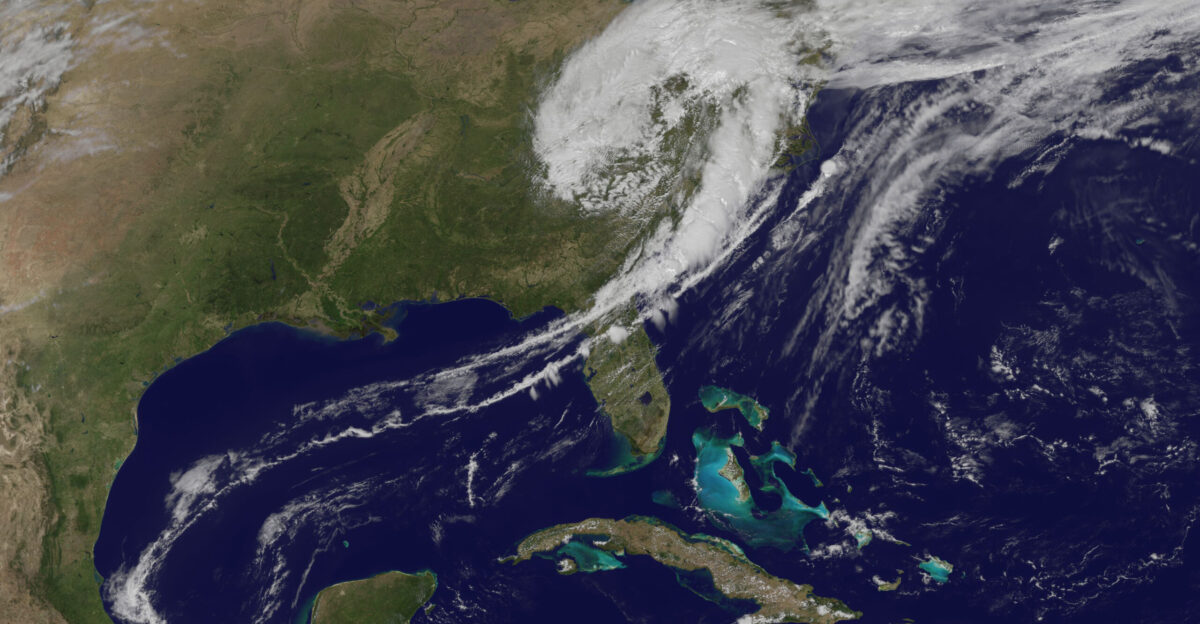
Forecast systems spotted pressure changes in the stratosphere during early November. Europe’s top meteorology center saw a strong high-pressure system over Greenland.
Canadian and American models agreed: stratospheric winds were weakening and the polar vortex looked ready to split, pushing cold air further south.
Judah Cohen at MIT said signals were clear—something rare and powerful was building in the atmosphere. What exactly was causing this?
Rare Early Stratospheric Warming
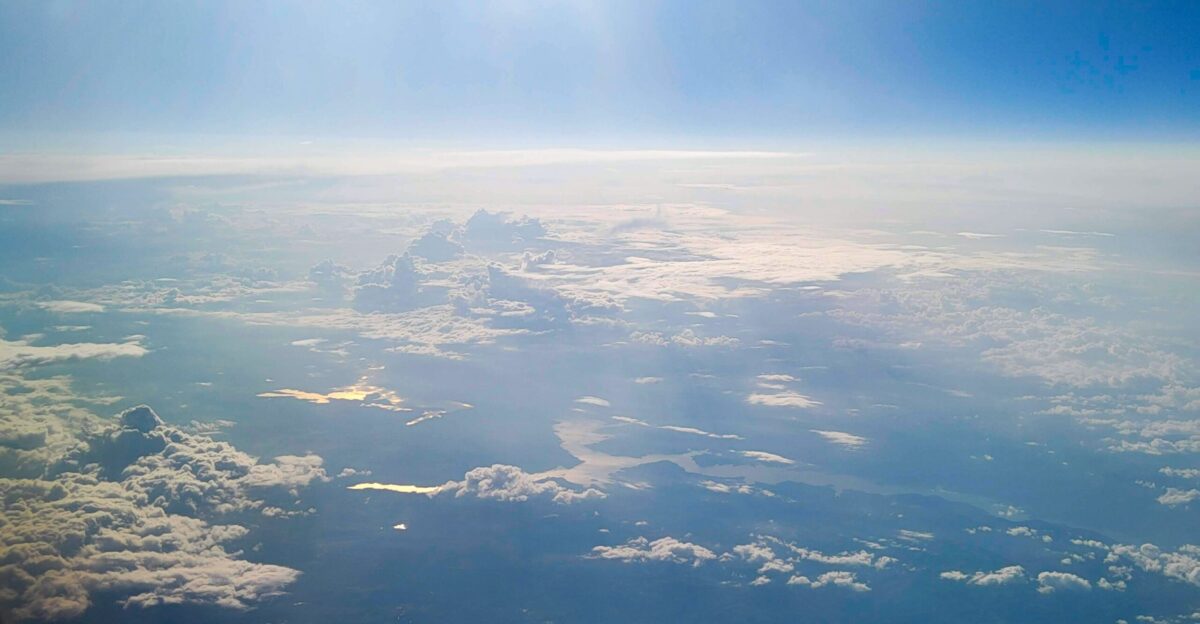
Experts confirmed a rare early Sudden Stratospheric Warming (SSW) event for November-December 2025, possibly the earliest ever seen.
“There may be a disruption to the polar vortex due to an unusually early Sudden Stratospheric Warming event,” said Judah Cohen from MIT.
Temperatures rose 30–50°C in the stratosphere, weakening the vortex to record low strength for this time of year, potentially shaping the entire winter.
Northern Impact Zone
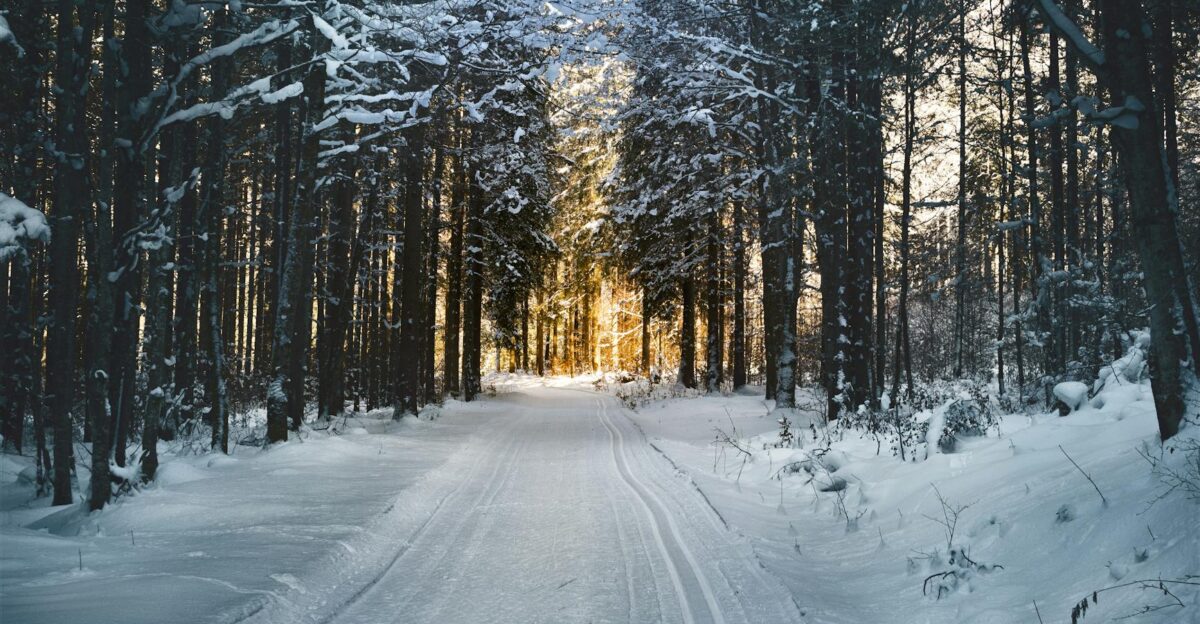
Northern states, including Montana, North Dakota, Minnesota, Wisconsin, and Michigan, saw the worst impacts.
These states experienced freezing temperatures 15–25 degrees below normal, accompanied by deep snow. Heating use increased by 30–50% above usual levels.
Schools activated emergency protocols; utility crews prepared for strain on systems. The costs for heat, energy, and farming rose rapidly as agencies monitored the widening impact of the cold wave.
Central Plains Preparation
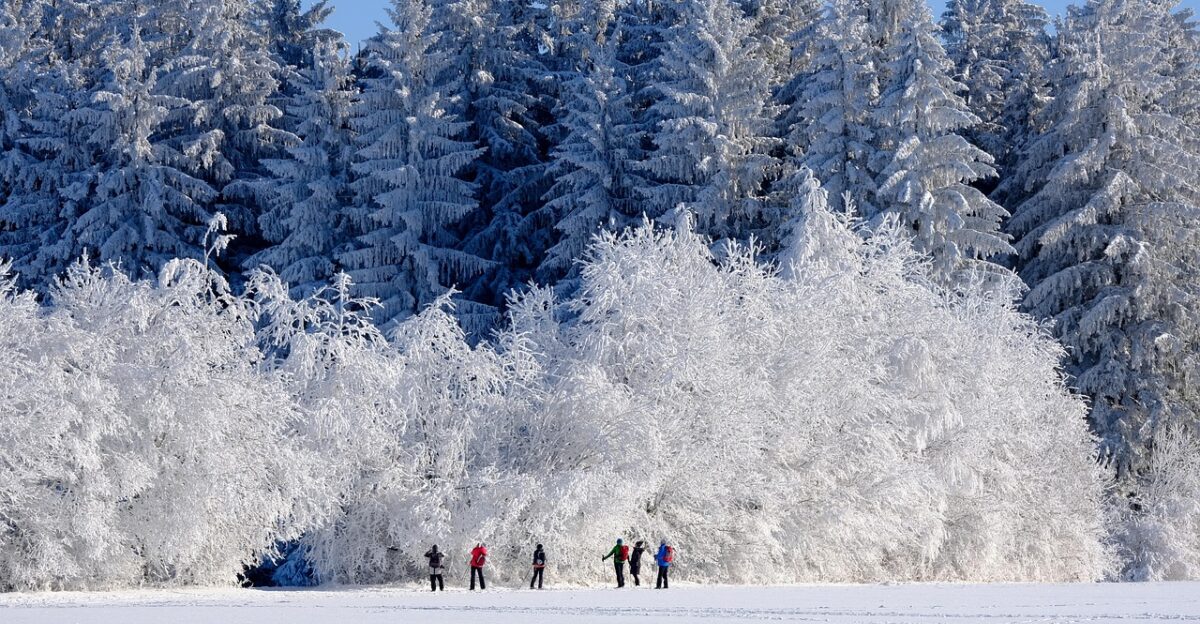
Central states, such as Nebraska, Kansas, and Texas, were hit with cold temperatures 10–20 degrees below normal and frequent freeze warnings.
Farmers hurried to protect livestock and crops. Cities like Denver and Dallas activated emergency centers, and gas stations experienced increased customer traffic.
Thanksgiving travel was disrupted by snow and ice. People rushed to gather supplies, and the usual mild late November quickly shifted to one of urgent preparedness.
Eastern Establishment Impacts
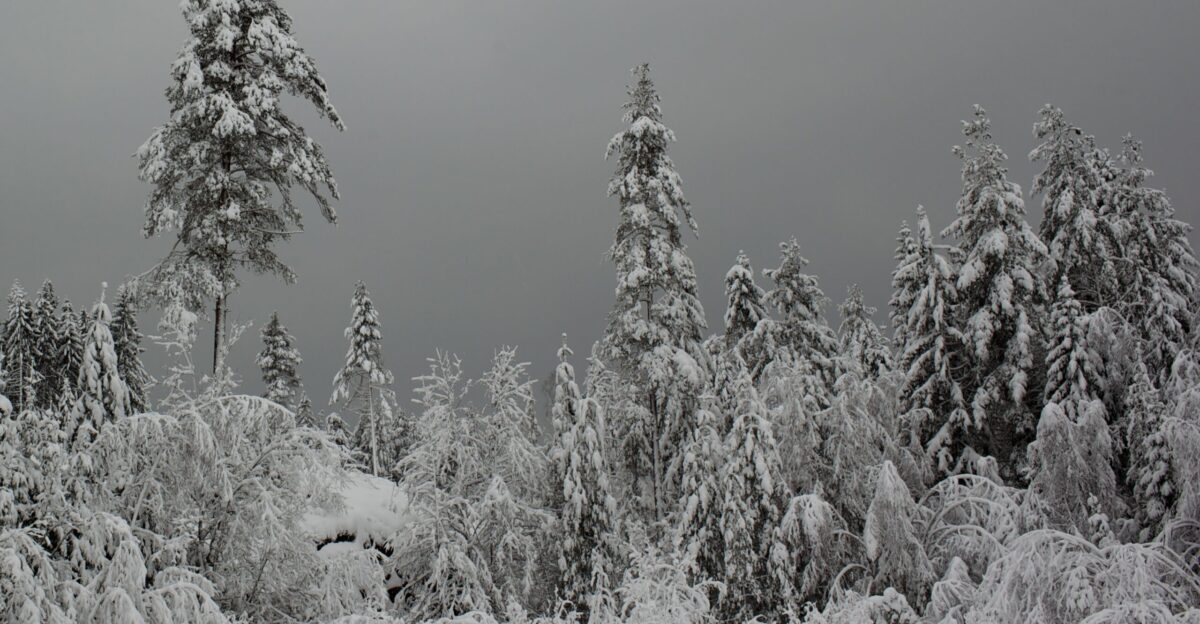
Eastern cities from Boston to Atlanta faced delayed commutes and higher energy use as cold air spread.
Over 60 million residents in this corridor experienced disruptions due to snow and power demand. Power companies made extra energy available, while the delivery of heating oil accelerated.
Shipping delays affected holiday shopping. Both markets and retailers worried about supply-chain stress as winter storms threatened key regions.
Atmospheric Mechanics Revealed
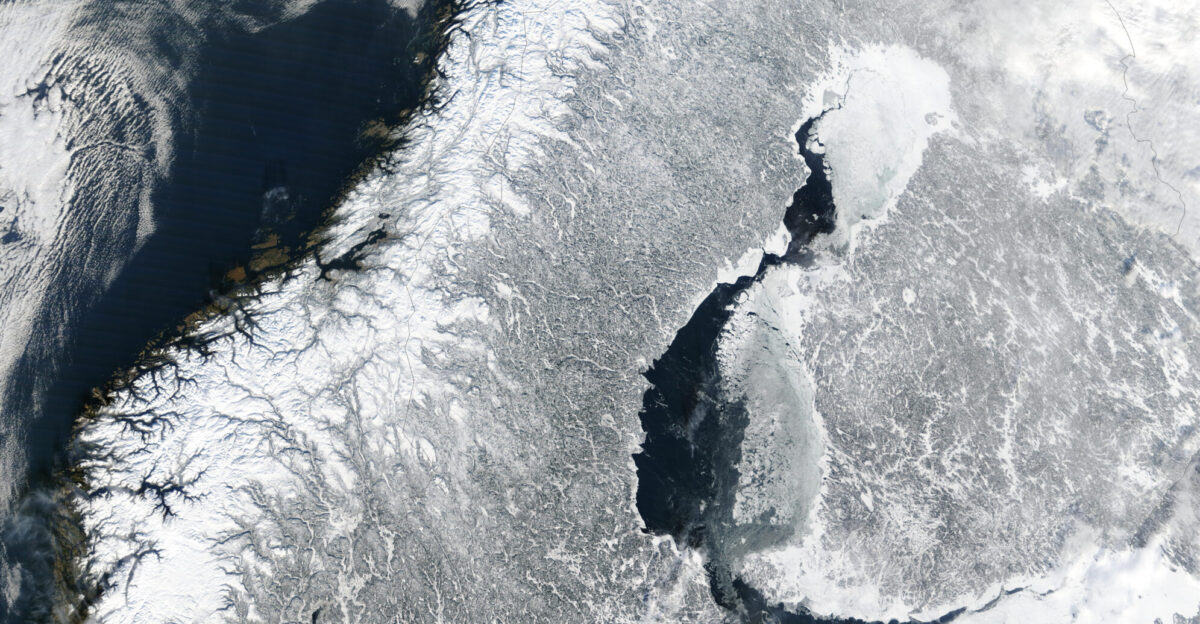
Unusual wind patterns and strong high-pressure over Greenland sent energy upward, causing the stratosphere to warm and the vortex to weaken.
Temperatures in the stratosphere surged 50°C in just days. This allowed Arctic air to flow south, altering winter’s pattern.
Judah Cohen called this a “critical juncture”—how the stratosphere changes in November could reshape months ahead.
Seasonal Redefinition
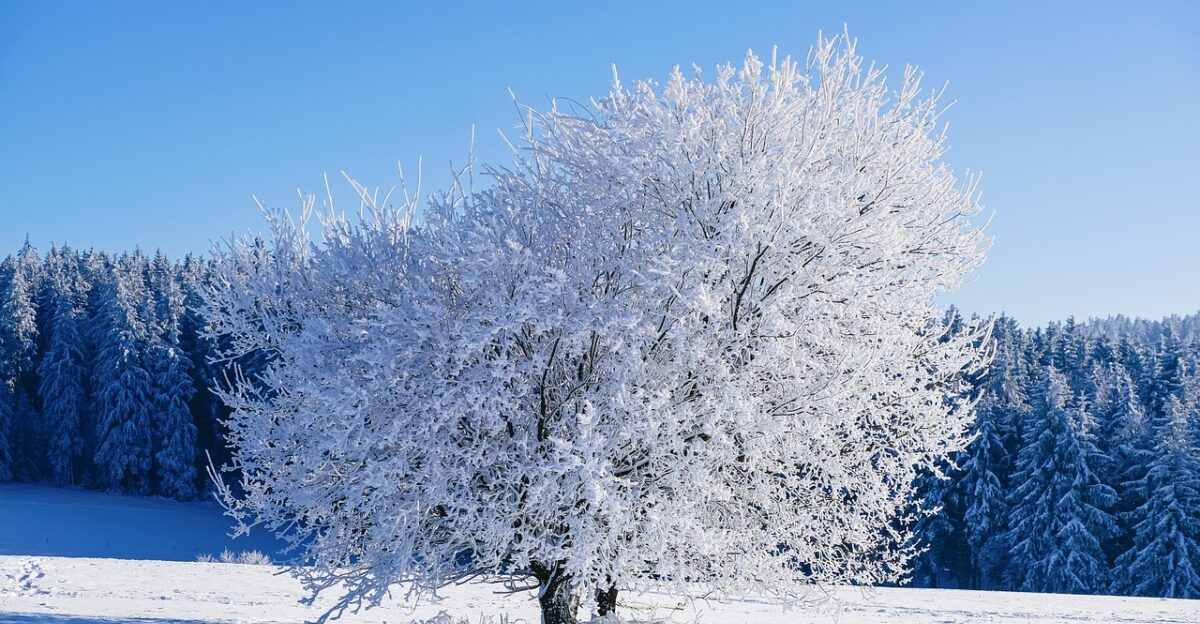
Weather experts believe that an early disruption of the polar vortex can set the stage for a much colder winter overall. If the vortex split succeeds, more Arctic air could swing down through January, February, and March.
The Climate Prediction Center’s outlook predicted colder months ahead.
Meteorologists focused the conversation on whether this November event might turn 2025–2026 into a truly tough winter, not just a short cold snap.
Energy Sector Tensions
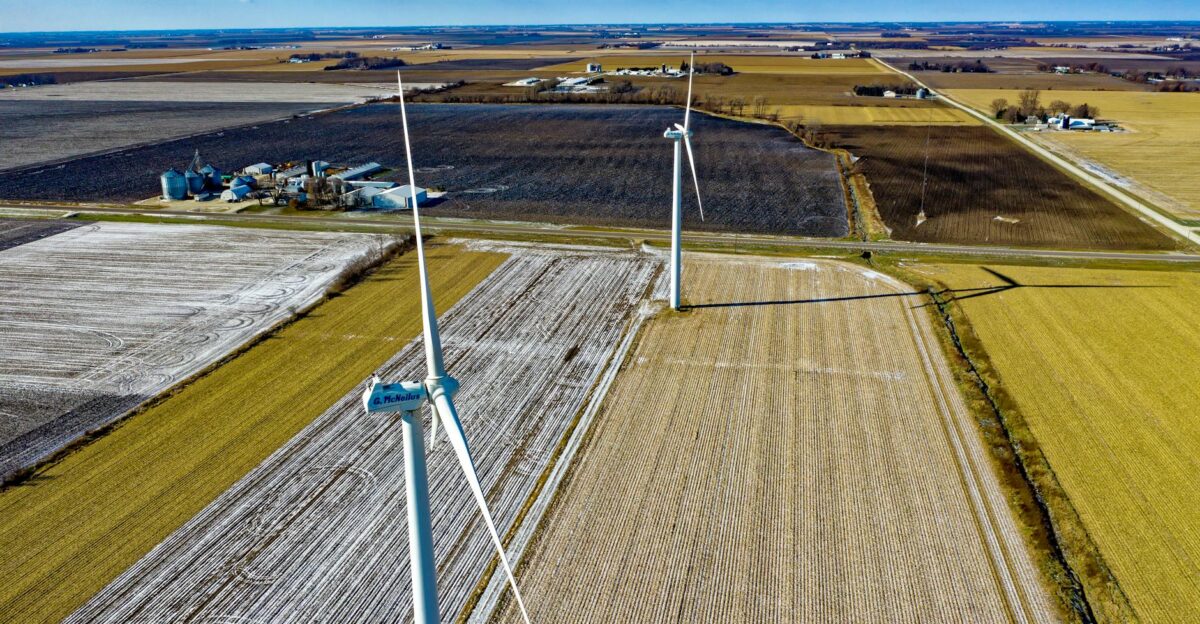
Power companies felt early strain. Midwest and Northeast grids handled winter-demand levels months ahead of normal.
Gas and LNG terminals changed their plans. Renewable energy firms got less wind power from the Arctic pattern. Coal plants increased output. NERC issued conservation alerts.
Experts questioned whether grids could cope with all winter if the cold persisted and started so early, challenging infrastructure readiness.
Transportation and Supply Chain Ripples
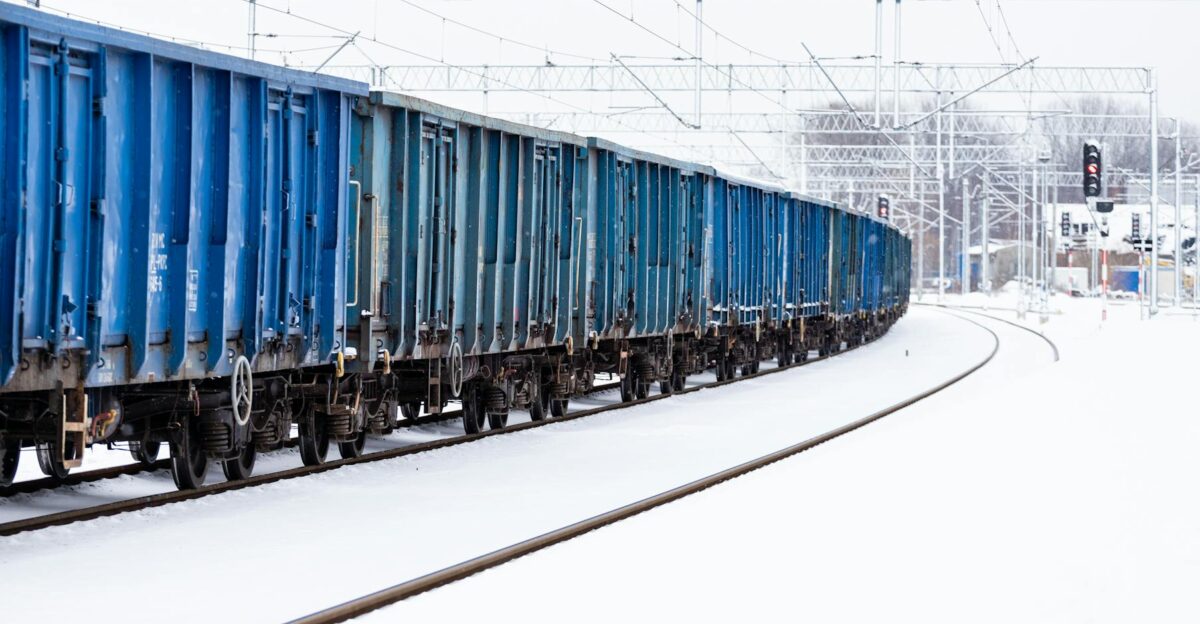
Shipping and travel faced big problems. Truckers changed routes, airlines delayed flights, and Thanksgiving travelers faced snowstorms.
Retailers worried about frozen goods, and supply-chain costs continued to climb. Agriculture took steps to fight frost. The USDA watched crops as ports prepared for snow impacts.
Experts estimated losses of $2–5 billion, while markets reflected the risks associated with severe cold and delays.
Historical Rarity Documented
Looking back through 70 years of weather records, only a handful of early November stratospheric warming events have been recorded.
The years 1957, 1963, and 2009 had similar rare disruptions. Data scarcity makes the recent event stand out even more, according to meteorologists such as Judah Cohen.
Forecasters agree: this is an extraordinary moment, with little precedent for what may come.
Model Consensus and Skepticism
Forecast models from Europe, Canada, and the US all predicted the major disruption, which increased confidence among forecasters.
Still, extended forecasts come with uncertainty. Small shifts could change which areas get the worst cold. Some analysts warned that the impacts could be stronger than expected.
Economic and agricultural markets responded, but experts cautioned that no one could know the winter’s exact severity.
Winter’s Uncertain Frontier
As November draws to a close, big questions remain. Will the early warming make 2025–2026 a record cold winter, or was it just a tough start?
Forecasts give probabilities but not certain answers. How winter unfolds affects millions—shaping energy use, agriculture, and public safety.
The polar vortex event serves as a reminder to expect surprises and prepare for the extremes that nature may bring.