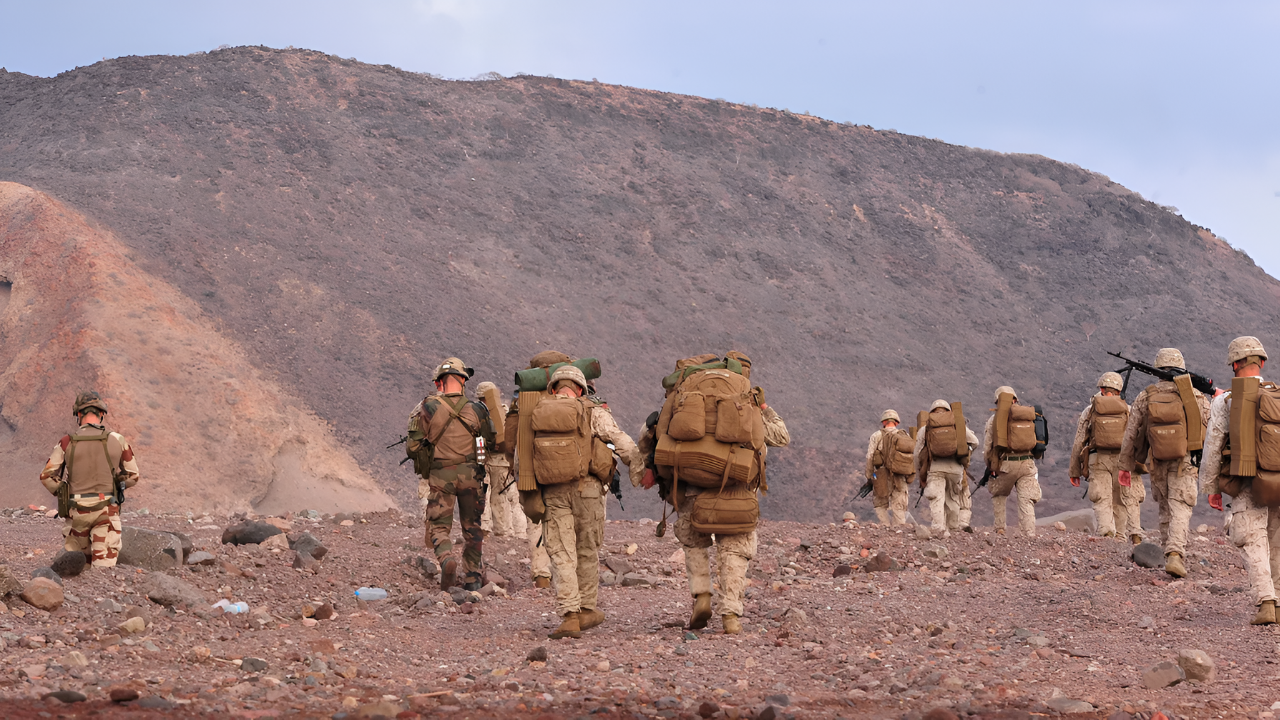
U.S. special operations forces executed a high-stakes raid deep in Somalia’s Cal Miskaad mountains, targeting a fortified ISIS command center described as a critical hub for “external operations responsible for the deployment of jihadists into the United States and across Europe,” according to AFRICOM statements.
Over 100 U.S. operators joined roughly 200 Puntland Counter-Terrorism Forces, neutralizing senior commanders and destroying ISIS funding networks. The operation underscores the persistent link between overseas terror cells and domestic threats. While headlines focus on foreign strikes, questions linger about the management of domestic recruitment networks.
The raid’s implications stretch across continents, raising concerns closer to home. Here’s what’s happening as analysts unpack the strategic impact and operational successes of Operation Hilaac.
What’s Going On?
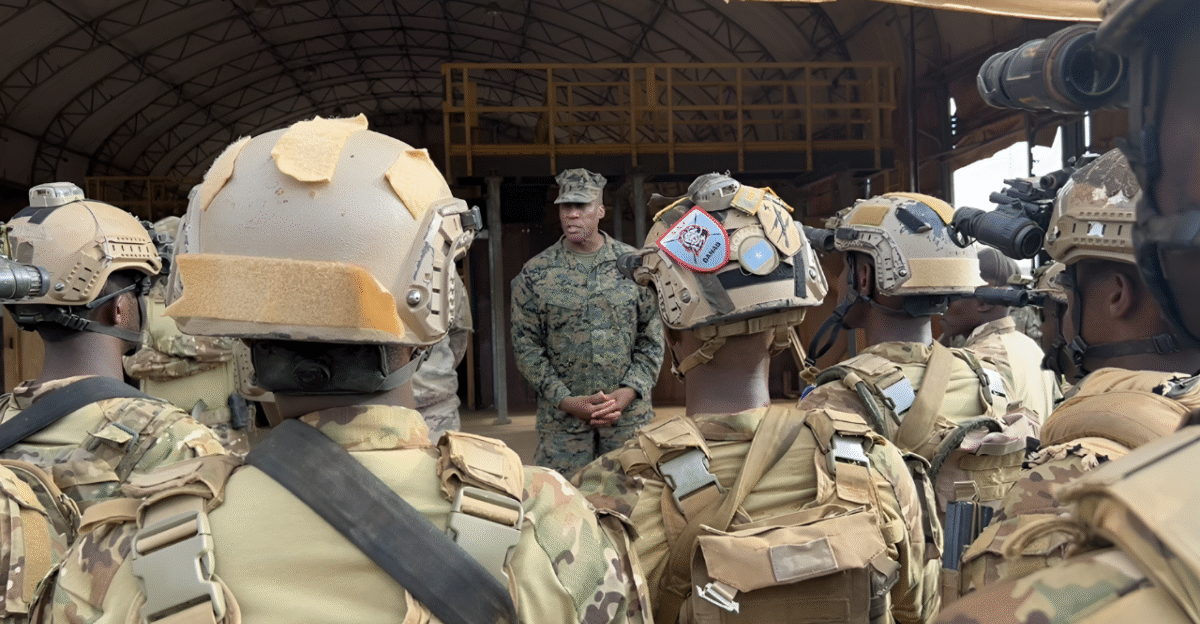
The raid killed several senior ISIS-Somalia leaders, disrupted weapons caches, and destroyed gold-mining equipment essential to terror operations. Intelligence analysts estimate ISIS-Somalia maintains roughly 1,600 fighters, many of whom are foreign recruits. These fighters enhance the group’s operational capabilities and support attacks abroad.
While the strike is visible, U.S. agencies quietly monitor domestic recruitment networks linked to Somalia-based ISIS cells. Observers note the contrast between the dramatic overseas operation and the often unseen domestic interventions, highlighting a gap in public perception.
The operation demonstrates that dismantling terror networks requires both direct action against overseas strongholds and careful intelligence-led prevention at home.
Who Was Involved?
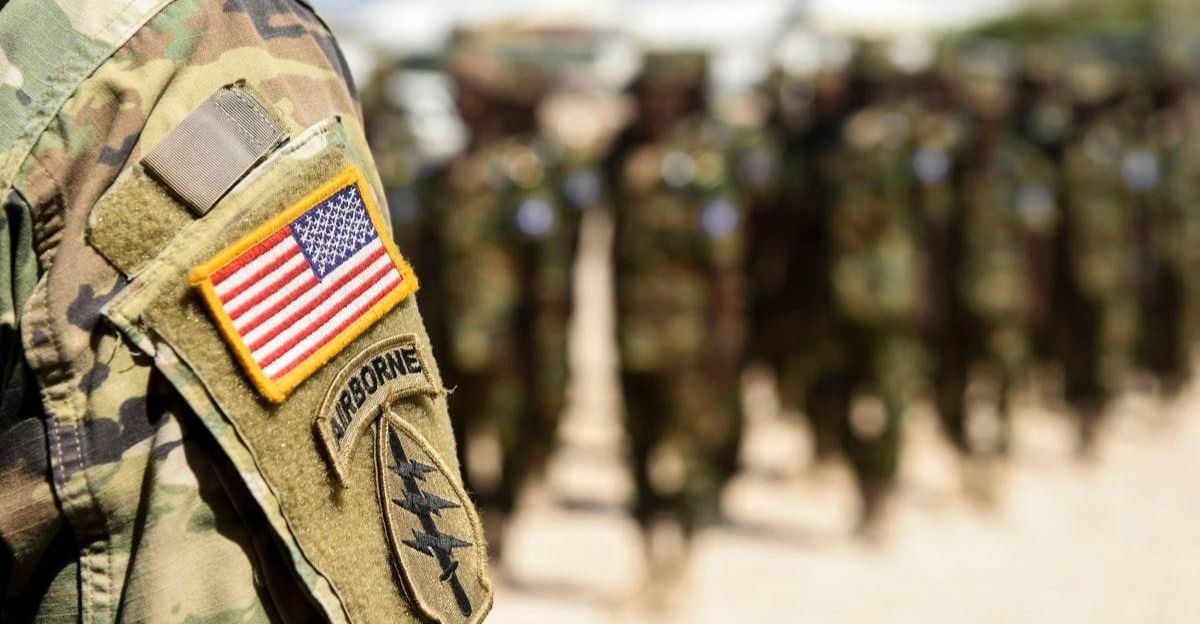
U.S. Special Operations forces led the assault, supported by MH-60 Black Hawks and MQ-9 Reaper drones providing air cover. About 200 Puntland Counter-Terrorism Forces joined the mission, forming a joint operation known as Operation Hilaac.
The assault specifically targeted operational lieutenants of the network previously led by Ahmed Maeleninine, a top ISIS recruiter killed earlier in 2025. AFRICOM highlighted the ongoing connection between Somalia-based cells and potential threats to the United States, underscoring the strategic priority of neutralizing leadership nodes.
This joint effort illustrates how U.S. forces leverage local partnerships and advanced military technology to achieve precise outcomes without reported U.S. casualties.
The Somali Terror Threat

ISIS-Somalia hosts fighters from Syria, Ethiopia, and multiple North African nations. Many train in the remote Cal Miskaad cave systems, funded by illicit gold-mining operations. These networks enable the group to export terror plots abroad, maintaining a pipeline for attacks in the United States.
Foreign fighters contribute specialized expertise, strengthening the group’s operational reach and sustaining its funding streams. Analysts emphasize that disrupting these overseas operations directly affects the group’s ability to execute plots internationally.
As U.S. and partner forces target these networks, the complexity of managing both international and domestic threats becomes increasingly clear, blending military strategy with intelligence-led oversight.
Recent U.S. Domestic Threat Cases
The threat extends beyond Somalia. Several Americans recently attempted to join ISIS-Somalia. Abdisatar Hassan of Minnesota was arrested in February 2025 while trying to travel, Michael Teekaye Jr. of Maryland was intercepted in October 2024, and Karrem Nasr was stopped in late 2023.
These cases highlight the domestic pipeline linking U.S. residents to overseas ISIS-Somalia operations. The FBI maintains that such arrests, though low-profile, effectively prevent attacks before they materialize, demonstrating the agency’s commitment to public safety.
The contrast between highly visible overseas raids and subtle domestic interventions illustrates the layered approach U.S. authorities take to counterterrorism.
How the Raid Was Carried Out
Operators inserted via helicopters under cover of darkness, supported by drone surveillance. Preparatory precision airstrikes softened enemy positions, allowing ground forces to engage fortified cave complexes effectively.
The mission successfully destroyed logistical hubs, including gold-mining infrastructure, without reported U.S. casualties. Analysts describe the raid as a strategic disruption of ISIS-Somalia’s operational capacity and funding streams.
This operation exemplifies the integration of advanced technology, joint coalition forces, and precise execution to neutralize threats while minimizing risks to personnel.
Domestic Counterterrorism Efforts
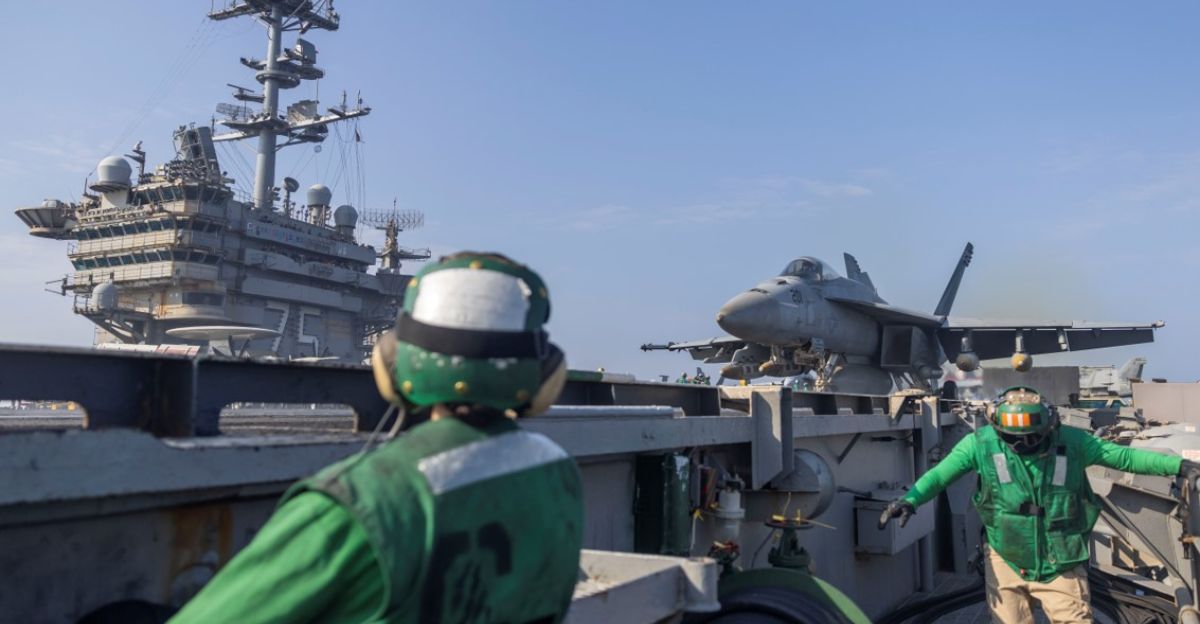
Contrary to perceptions of inaction, the FBI maintains a robust domestic counterterrorism posture. Joint Terrorism Task Forces (JTTFs) actively monitor at-risk communities, preventing plots before they escalate. Operations include undercover work, electronic surveillance, and international coordination.
While overseas raids draw attention, domestic efforts are intentionally discreet to protect investigations and sources. High-profile arrests of individuals like Hassan, Teekaye, and Nasr demonstrate the effectiveness of these silent interventions.
Experts note that preventing attacks domestically relies on both hard enforcement measures and community-focused programs, though critics highlight gaps in funding for the latter.
Strategic Takeaways
The November 25 raid eliminated key field commanders, disrupted funding, and denied safe havens in Somalia. Simultaneously, domestic law enforcement continues to dismantle support networks quietly.
The contrast between visible overseas strikes and discreet domestic operations underscores the complexity of modern U.S. counterterrorism. Successful defense against ISIS-Somalia combines direct military action abroad with intelligence-driven prevention at home.
This multi-layered approach highlights the commitment and resources required to safeguard both international and domestic security, balancing operational visibility with strategic impact.
A Multi-Layered Defense
The raid in Somalia represents a decisive blow to ISIS-Somalia’s leadership and financial network, while U.S. domestic agencies continue to prevent attacks quietly but effectively. Together, these efforts form a comprehensive defense strategy addressing threats both abroad and at home.
Understanding the nuanced balance between high-profile operations and low-visibility prevention reveals the strategic sophistication of U.S. counterterrorism. It also underscores the human and financial stakes involved, from overseas military deployments to domestic monitoring programs, reinforcing the ongoing need for vigilance, coordination, and sustained investment in security infrastructure.
Sources:
AFRICOM Press Releases 2025
Garowe Online
DOJ U.S. Attorney’s Office District of Minnesota
DOJ U.S. Attorney’s Office District of Maryland
U.S. Treasury OFAC
FBI Congressional Budget Justification
Sahan Post