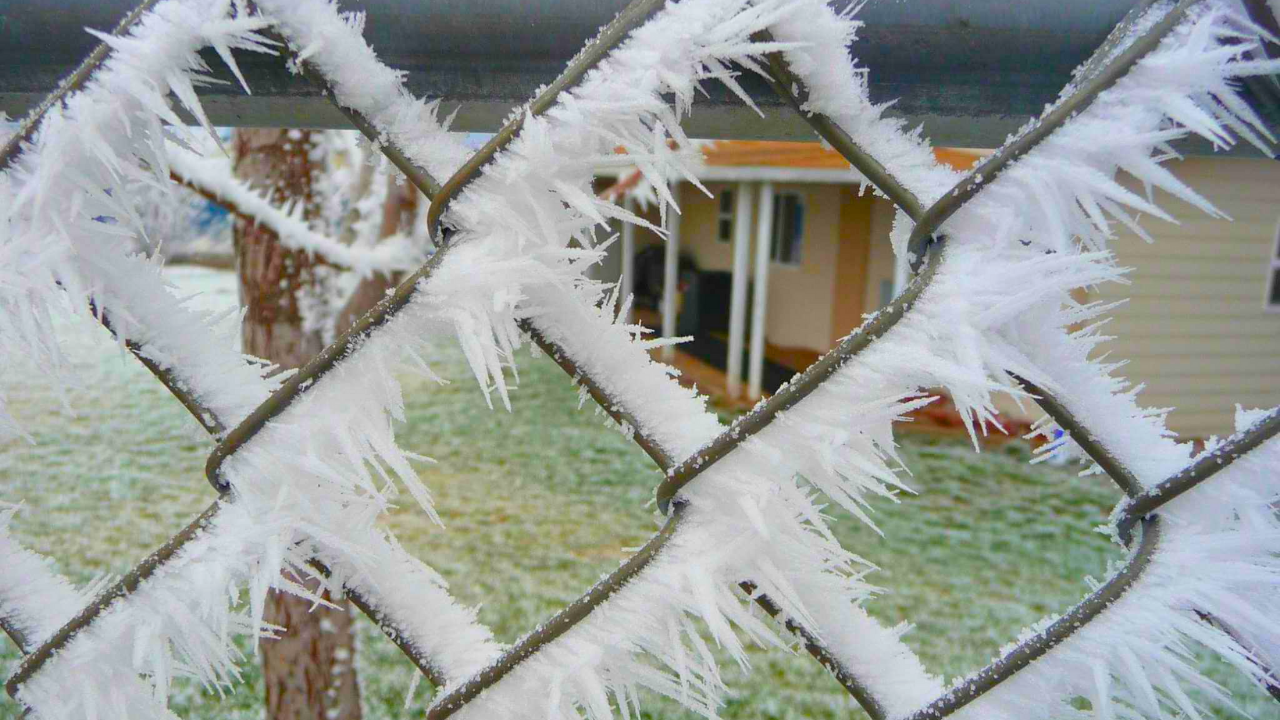
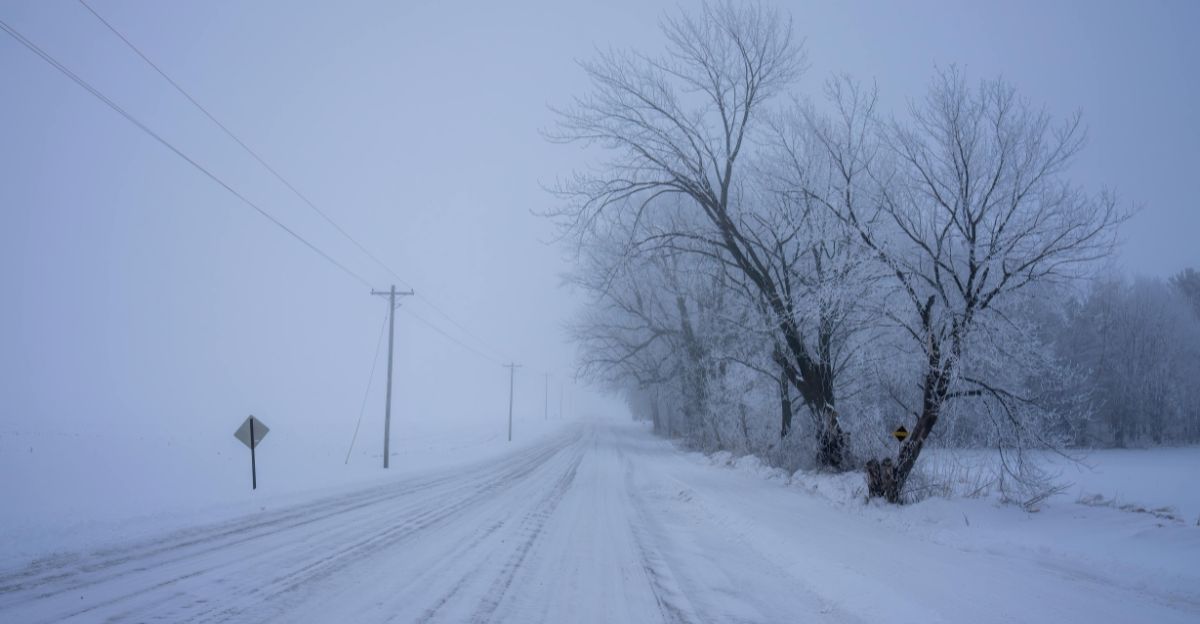
The icy mist envelops the morning commute as freezing fog blankets the highways of northern Virginia and southern Maryland. Visibility drops to a perilous quarter mile, making roads almost invisible. Drivers squint through the haze, unaware of the black ice silently forming on bridges, overpasses, and sidewalks.
It’s a rare, dangerous phenomenon: supercooled droplets freeze instantly, creating an invisible, deadly hazard. The National Weather Service issues urgent warnings, but the damage has already begun. How many will slip through the fog before the danger is fully realized?
Arctic Blast Fuels Freezing Fog
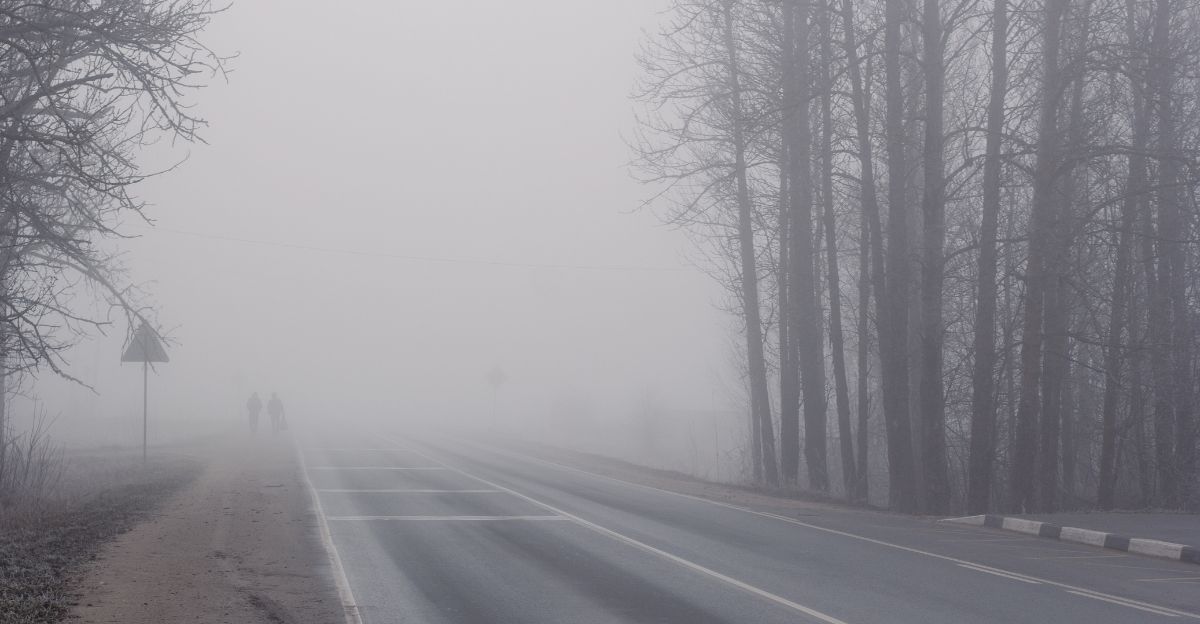
As a powerful arctic blast swept southward, temperatures plummeted below 32°F, setting the stage for freezing fog. Supercooled water droplets formed and froze instantly on surfaces, including roads and sidewalks.
This weather phenomenon turned typical winter fog into a deadly risk for commuters, while frigid air continued to pour into the region throughout the day.
Reduced Visibility and Hazardous Roads
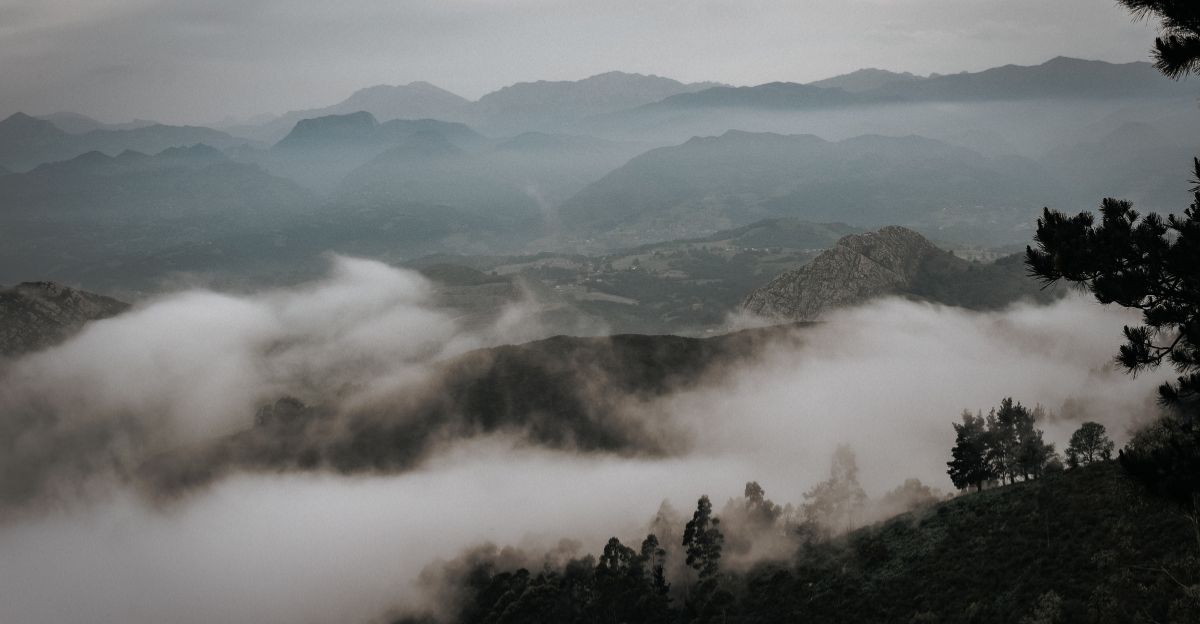
For drivers in affected areas, such as Maryland, North Carolina, Washington D.C., and Virginia, freezing fog made roadways nearly invisible, with black ice forming rapidly on bridges, overpasses, and streets.
NWS experts warned that this thin, slippery glaze posed a serious danger, especially for motorists navigating the busy I-95 corridor. Road conditions remained treacherous, requiring extra caution for anyone venturing out.
Immediate Response to Dangerous Conditions
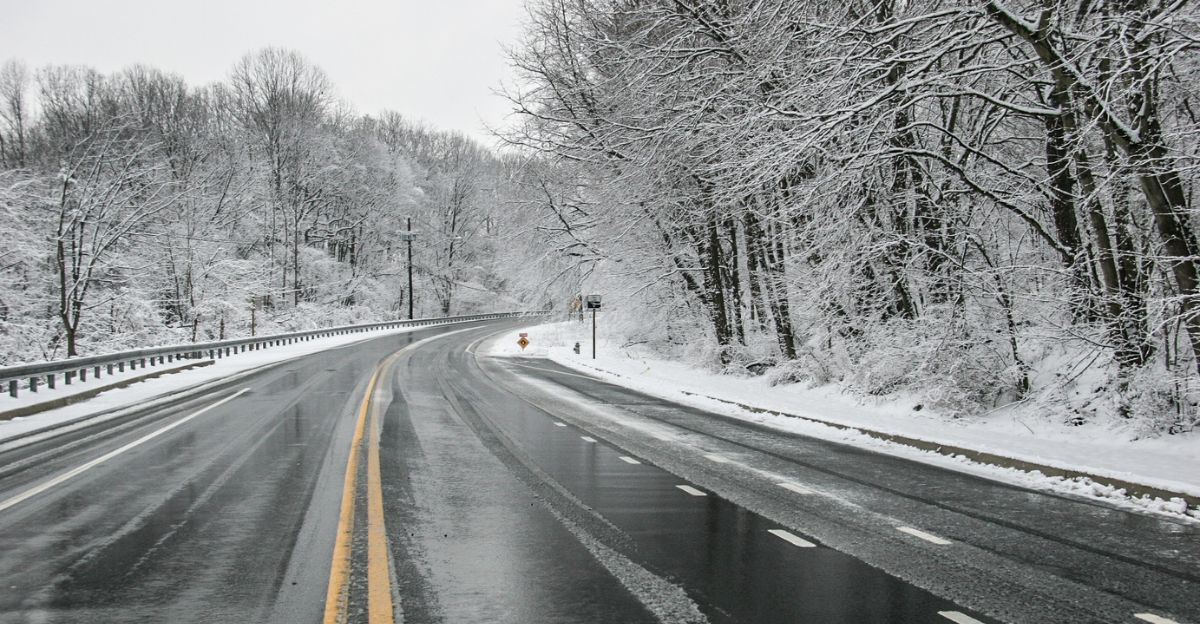
In response to the winter weather advisories, transportation crews in Maryland and Virginia remained on high alert. Salt trucks and road crews were deployed to treat the roads and combat the icy buildup.
Despite their efforts, the weather still posed significant risks, particularly for the morning commute, where visibility and traction remained issues on major thoroughfares.
Airlines and Railroads on High Alert
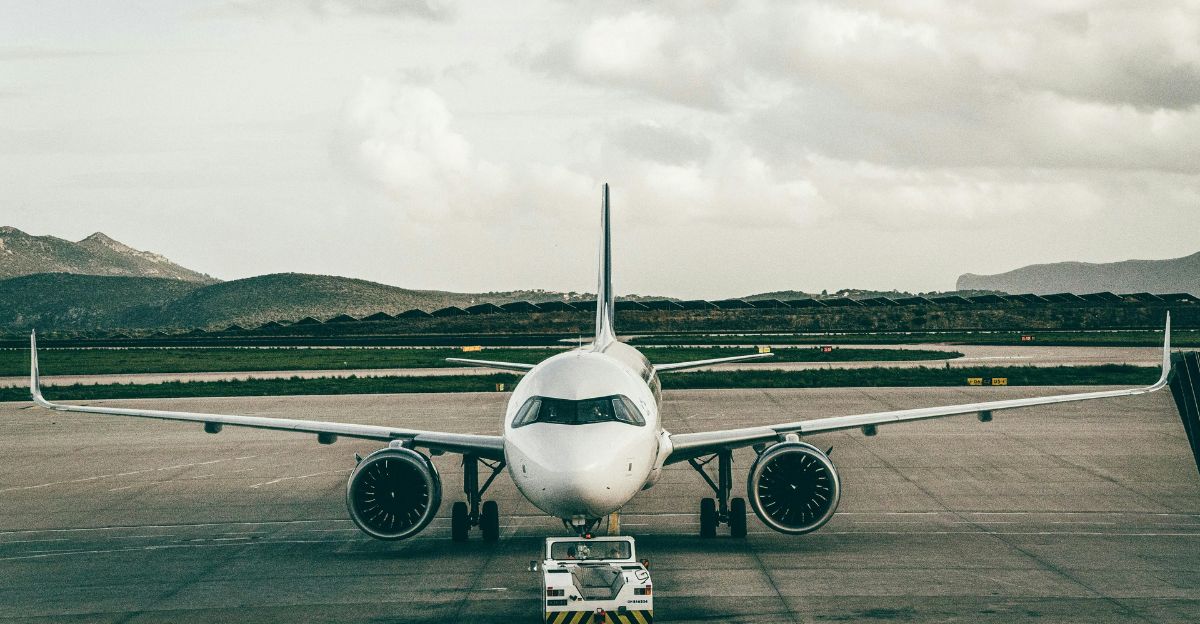
Airports in the region faced delays as winter weather and freezing fog affected visibility during takeoffs and landings. Rail services along the Northeast Corridor also monitored conditions closely, anticipating potential impacts to platforms and overhead lines.
The combination of fog and plunging temperatures caused ripple effects throughout the transportation network.
Northeast Cities Brace for Record Cold
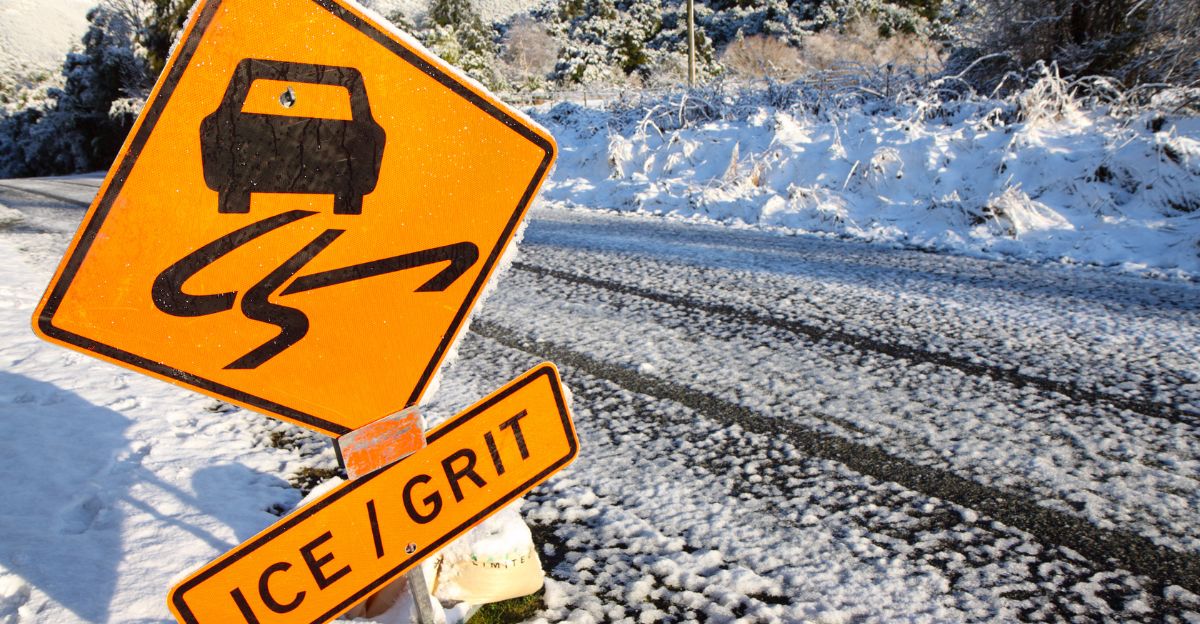
As the arctic air mass continued its descent into the Northeast, cities like New York, Boston, and Philadelphia braced for record-setting cold.
With temperatures dipping into the teens, these cities faced their coldest December days in recent memory, raising concerns about public safety and infrastructure.
Road Crews Work Through the Night
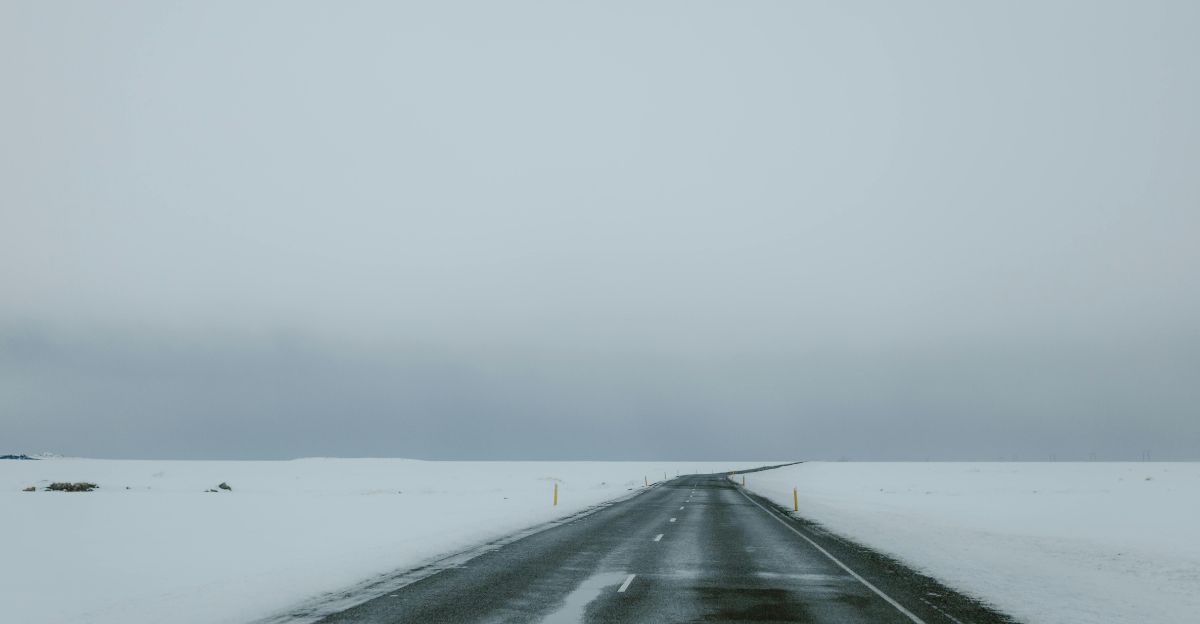
Overnight, highway crews worked to treat roadways as black ice continued to form. Emergency responders remained on alert for accidents, which became a higher risk due to slippery conditions.
Authorities urged extreme caution, particularly on secondary roads, where black ice is harder to spot and more dangerous.
Calls for Better Winter Infrastructure
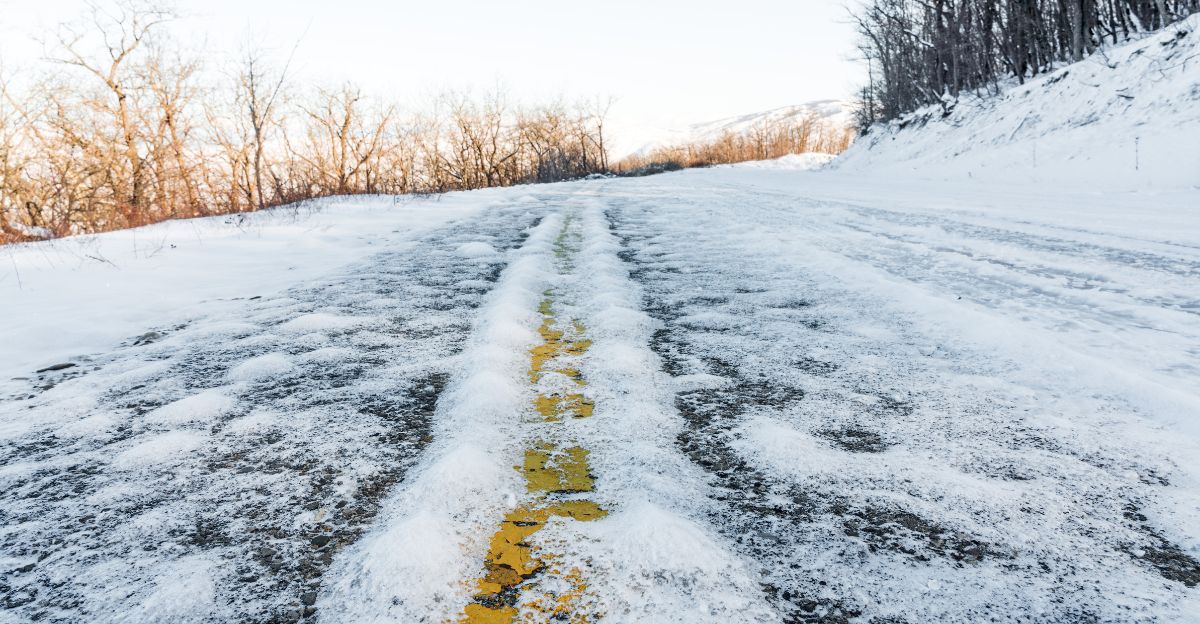
Local officials used this event as a reminder of the need for better winter infrastructure. They pushed for the installation of smart sensors that could detect ice on bridges and the expansion of salt reserves to better prepare for such extreme weather.
As the storm continued, it became clear that infrastructure would face increasing pressure in the coming years.
Energy Demand Surges Across the Northeast

With temperatures dropping drastically, energy demand in the Northeast surged. Power grids were tested as millions of people cranked up their heating systems to combat the cold.
Natural gas supplies were put under strain, and homeowners saw market prices rise as the region braced for a prolonged period of freezing temperatures.
Retailers Respond to Cold Snap

As the region faced frigid conditions, retailers adjusted their inventories to meet the demand for winter gear, de-icing products, and heating supplies.
The early-season cold meant that stores in the Mid-Atlantic and Northeast were prepared for a surge in sales for snow gear, keeping the retail sector busy during the chilly start to December.
Travelers Adjust for Weather
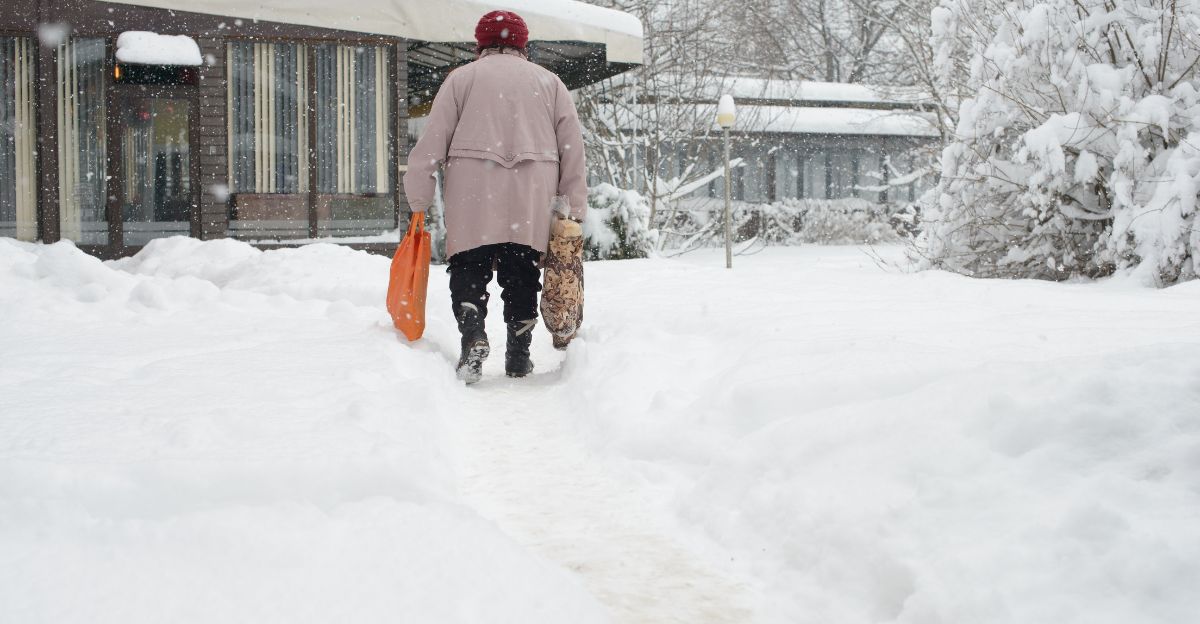
Travelers along key routes had to quickly adapt to the extreme weather. Many adjusted their plans in response to the deteriorating conditions, either delaying trips or opting for local accommodations to stay off the roads.
The hospitality industry, especially in areas along major interstates, saw the impact of the storm as people heeded warnings to stay safe.
Risk of Auto Incidents and Insurance Claims
The icy conditions heightened the risk of minor collisions and fender-benders, potentially driving business for auto repair shops and insurers.
Road salt and de-icers also saw a significant uptick in demand as municipalities and businesses scrambled to treat slick surfaces ahead of worsening weather.
Broader Arctic Outbreak Affects Operations
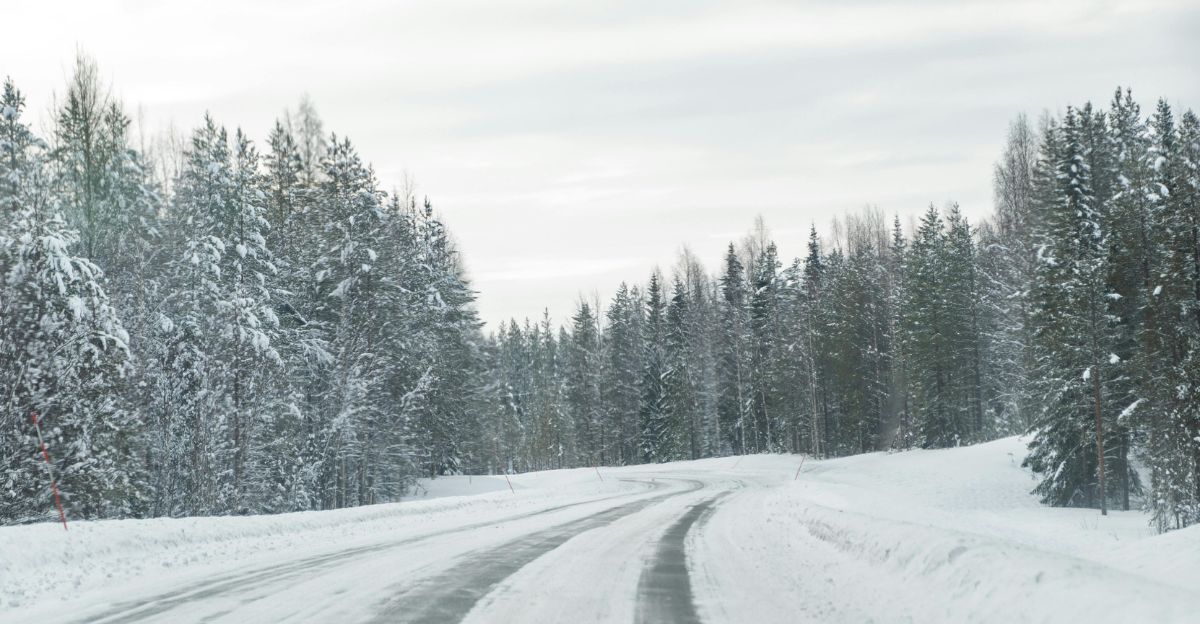
The freezing fog was just one component of a larger arctic outbreak that impacted operations across the Northeast.
Transportation and logistics networks faced potential disruptions as icy conditions spread, affecting delivery schedules. The reach of this cold snap stretched far beyond the initial fog event.
Health Risks Rise During the Cold Snap
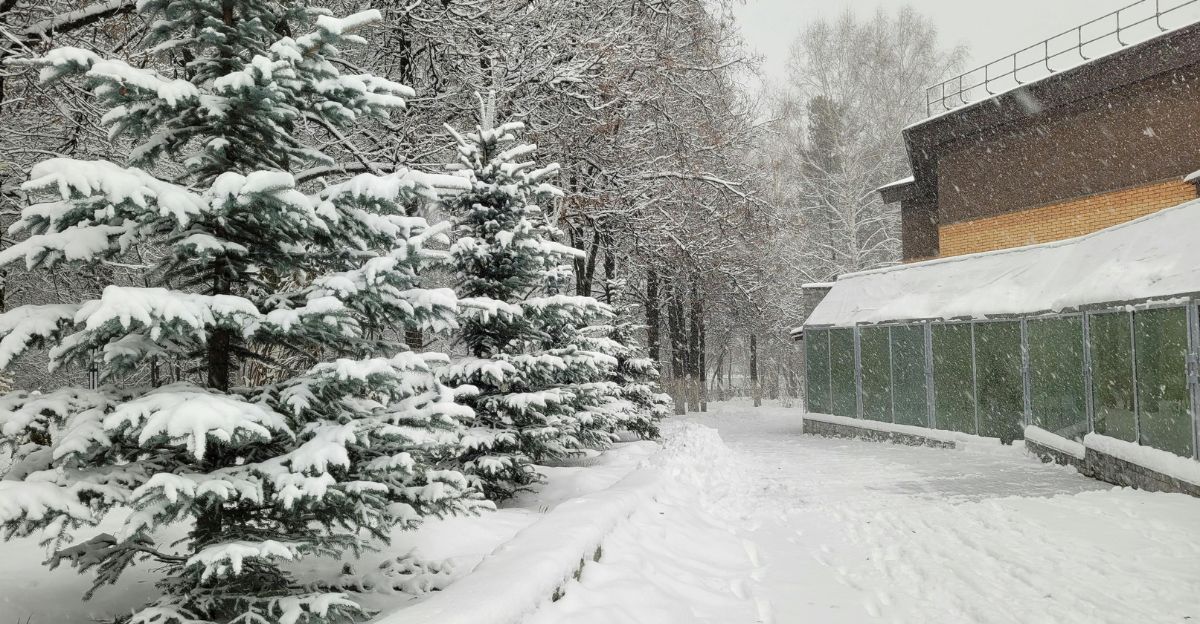
Public health officials warned that the freezing temperatures and icy surfaces posed health risks, especially to vulnerable groups such as the elderly and those with pre-existing conditions.
Falls caused by hidden ice were a major concern, and local agencies urged people to stay indoors as much as possible during the coldest periods.
Intensifying Climate and Infrastructure Debates
As the freezing fog and arctic blast wreaked havoc, conversations about climate change and infrastructure resilience became more urgent.
Scientists pointed to La Niña conditions as contributing factors, while public discussions centered on how cities can better prepare for extreme winter events like these.
Cold-Weather Businesses See Increased Demand
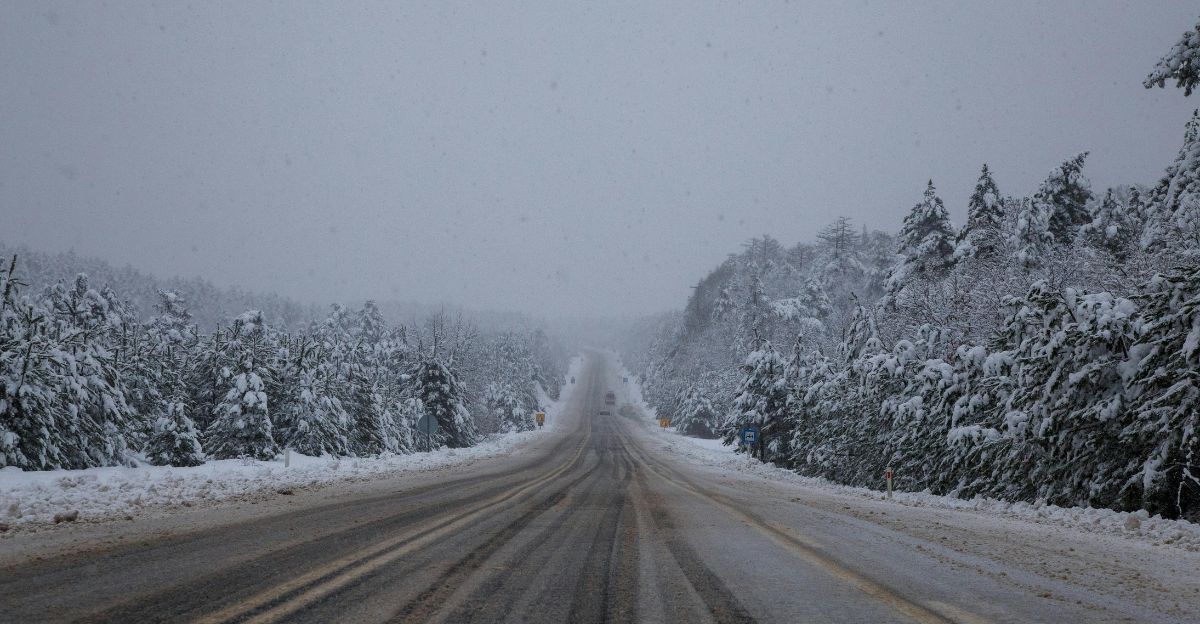
Several cold-weather industries, including those involved in snow removal, heating services, and winter apparel, saw a boost in business as temperatures plummeted.
However, other sectors, such as outdoor attractions, faced challenges with decreased foot traffic due to the extreme conditions.
Wall Street Watches Energy Sector Impact
Investors began to pay close attention to energy markets as the arctic blast pushed up demand for natural gas and heating oil.
Analysts predicted potential volatility as cold weather continued to affect energy prices and consumption in the Northeast and beyond.
Tips for Drivers and Residents
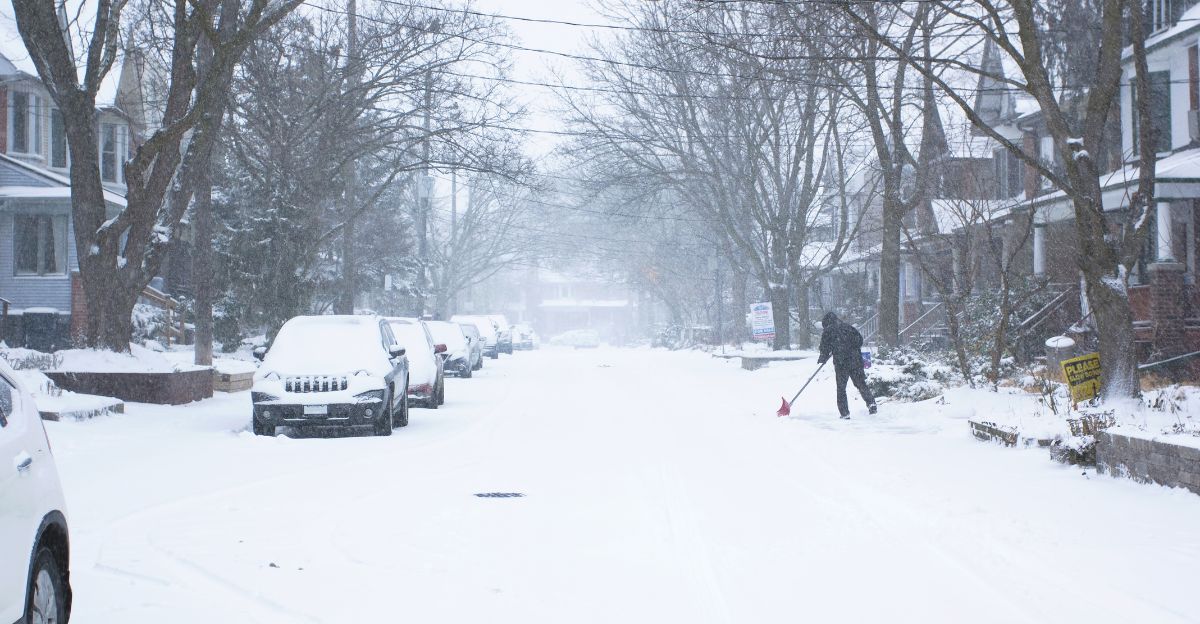
For those living in the affected areas, officials offered practical advice to stay safe during the freezing fog and arctic blast.
Drivers were encouraged to slow down and maintain extra braking distance, while homeowners were reminded to take preventive measures, such as insulating pipes and checking for de-icing supplies.
Forecasting a Cold Start to Winter
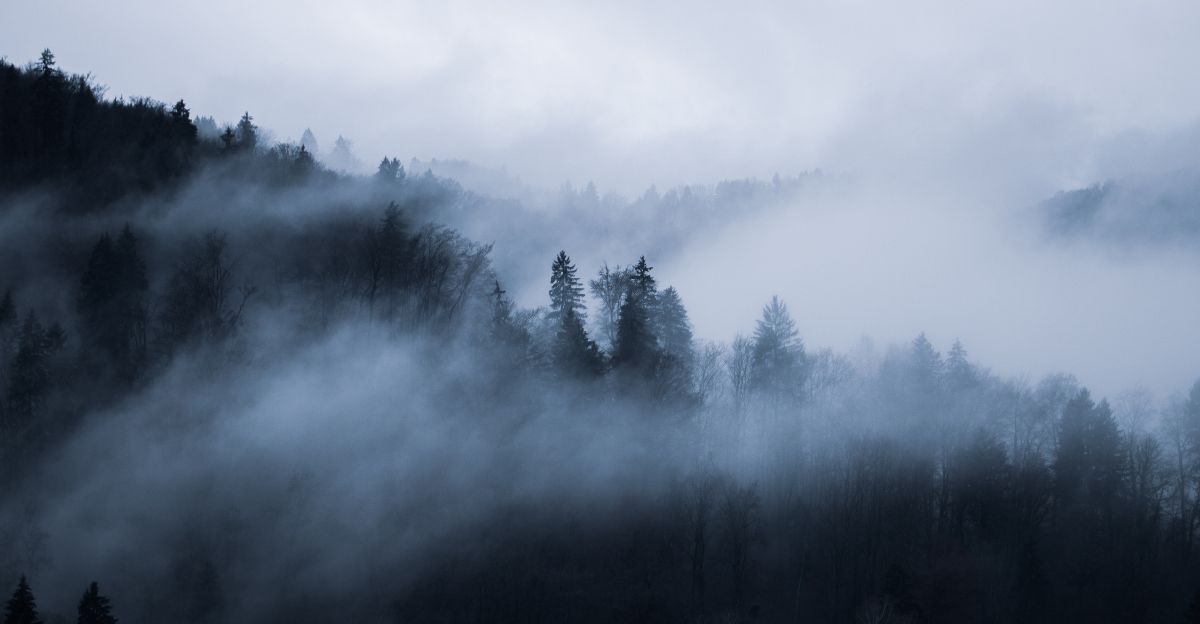
The events of December 7–9 served as a stark reminder of the unpredictable nature of early winter.
Forecasters warned that more arctic air surges could follow in the weeks ahead, bringing further freezing conditions and potential disruptions to daily life across the Northeast and Mid-Atlantic.
Winter Weather Strains Regional Resources
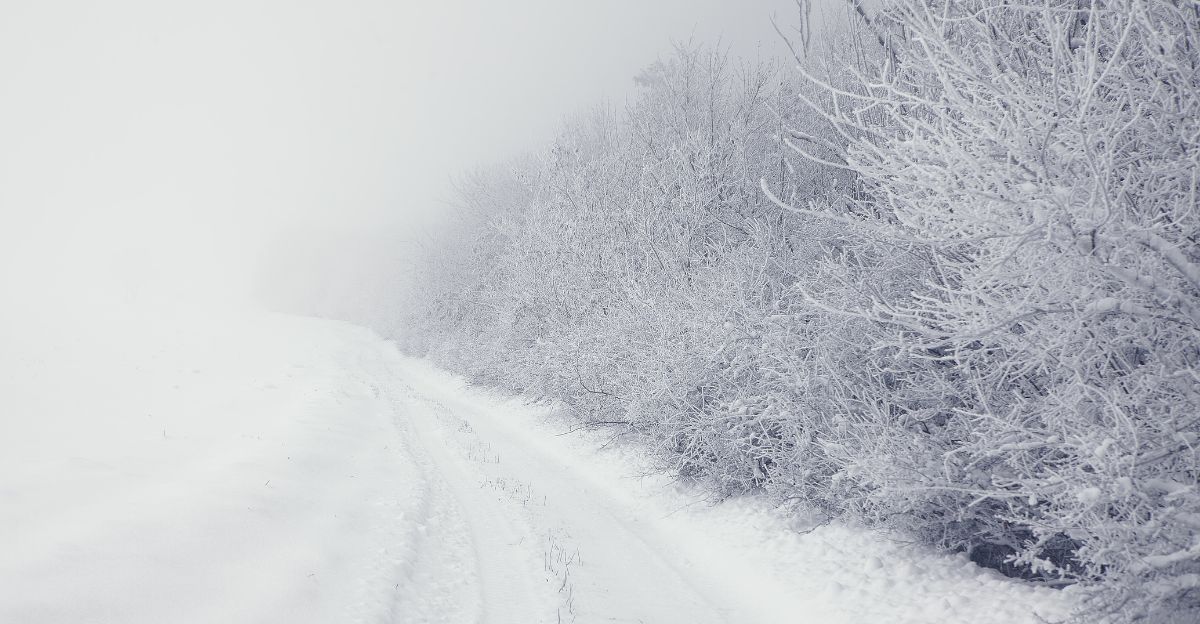
The combination of freezing fog and an arctic blast tested the region’s resources, from transportation to energy systems.
As the Northeast faced record lows, the challenges posed by these winter weather events highlighted the strain placed on both infrastructure and emergency services during extreme cold snaps.
Sources:
National Weather Service (NWS) Freezing Fog Advisories and Arctic Outbreak Forecasts, December 7–9, 2025
NOAA Climate Prediction Center Winter 2025–26 Outlook and La Niña Analysis
American Red Cross Winter Weather and Cold Emergency Safety Guidance
AccuWeather Arctic Outbreak and Polar Vortex Analysis; Weather Prediction Center Arctic Forecasts