Something extraordinary was found in the rocks of the Grand Canyon, one of the world’s most famous natural wonders, with its iconic layers. Scientists think this discovery could change our understanding of the origins and evolution of animal life.
Giovanni Mussini Leads a New Fossil Revolution
A team of scientists from the University of Cambridge in the UK and the United States made this discovery.
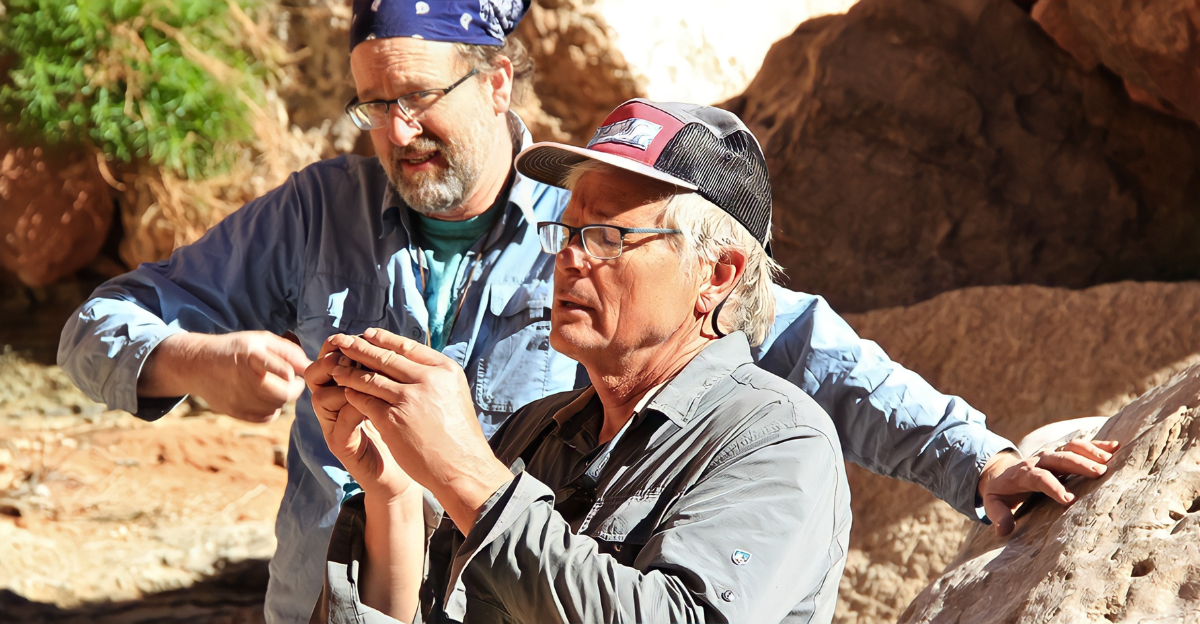
The leader was a student named Giovanni Mussini. He worked with other experts in fossils and the study of ancient animals, allowing a comprehensive approach to examining the tiny fossilized treasures.
Mussini said, “These rare fossils give us a fuller picture of what life was like during the Cambrian period.”
Perfect Place for Finding Rare Fossils
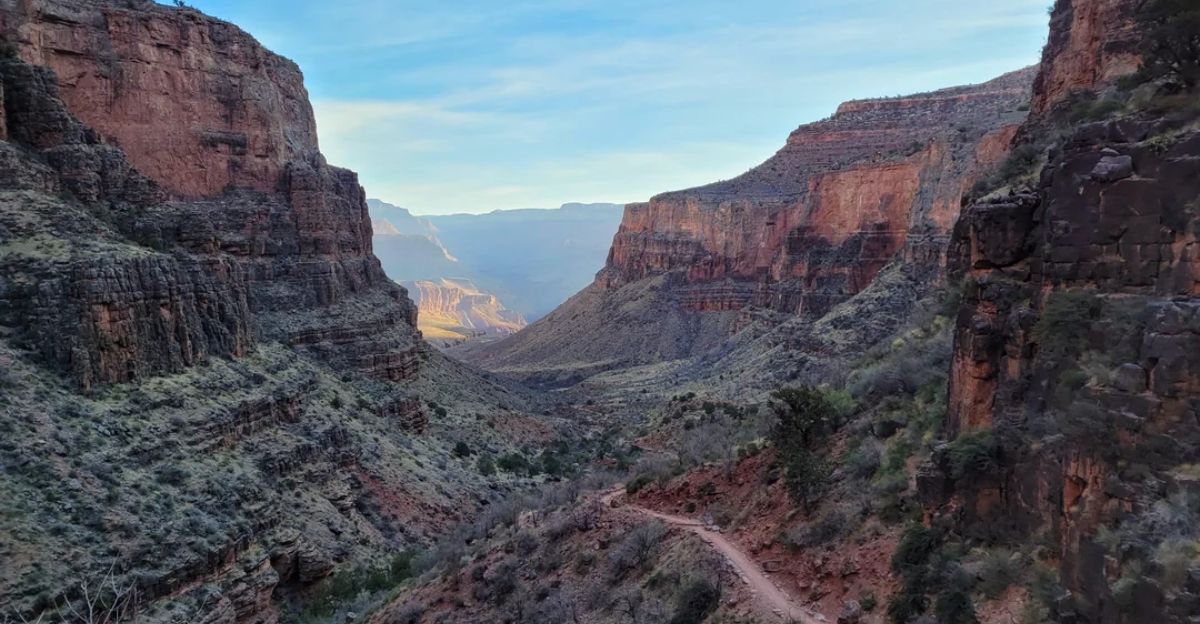
The team found thousands of tiny fossils from the Cambrian period, about 500 million years ago, in a layer of the Grand Canyon called the Bright Angel Formation.
These included animals with hard shells, like most fossil finds, and scarce soft-bodied animals like worms, mollusks, and crustaceans.
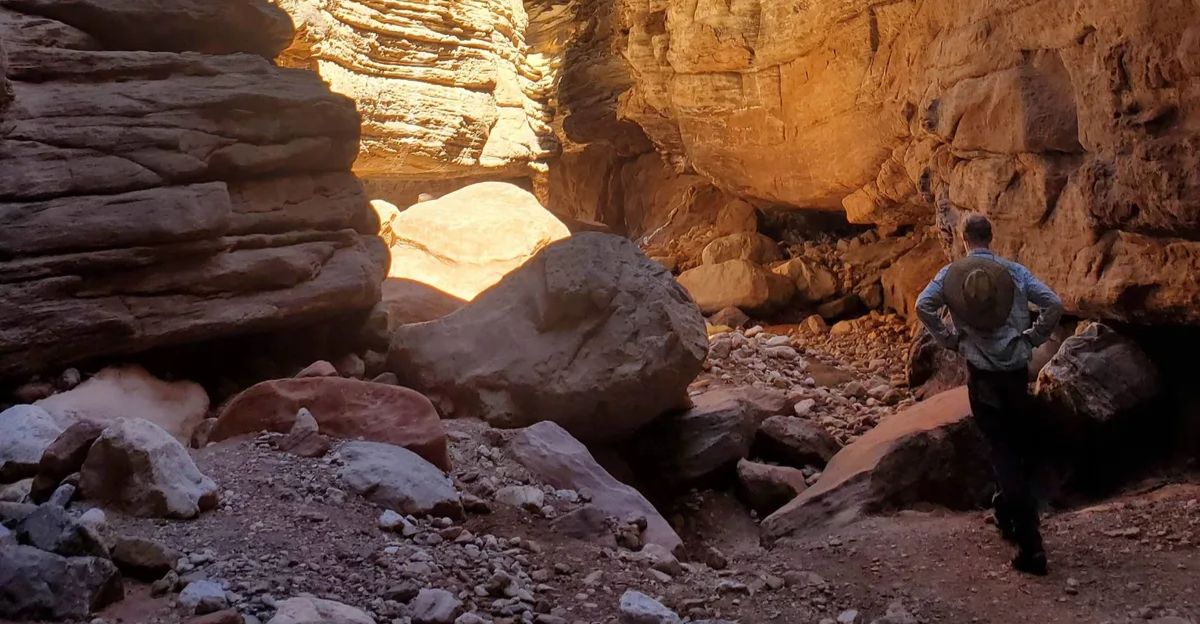
Mussini pointed out, “Surprisingly, we haven’t had much of a Cambrian fossil record of this kind from the Grand Canyon before… But the geology of the Grand Canyon… suggested to us that it might be just the sort of place where we might be able to find some of these fossils.”
Oldest Animal Life Discovered Recently
The fossils were collected during a 2023 expedition along the Colorado River.
When the scientists looked at the mud and rock samples in the lab, they realized they had found fossils from the “Cambrian explosion,” when animal life became very diverse.
Mussini explained the importance of this timing and type of preservation: “With these types of fossils, we can more effectively investigate their morphology, appearance, and lifestyle in much greater detail, which is unattainable with just the hard parts”.
Fossils From an Ancient Sea in the Canyon
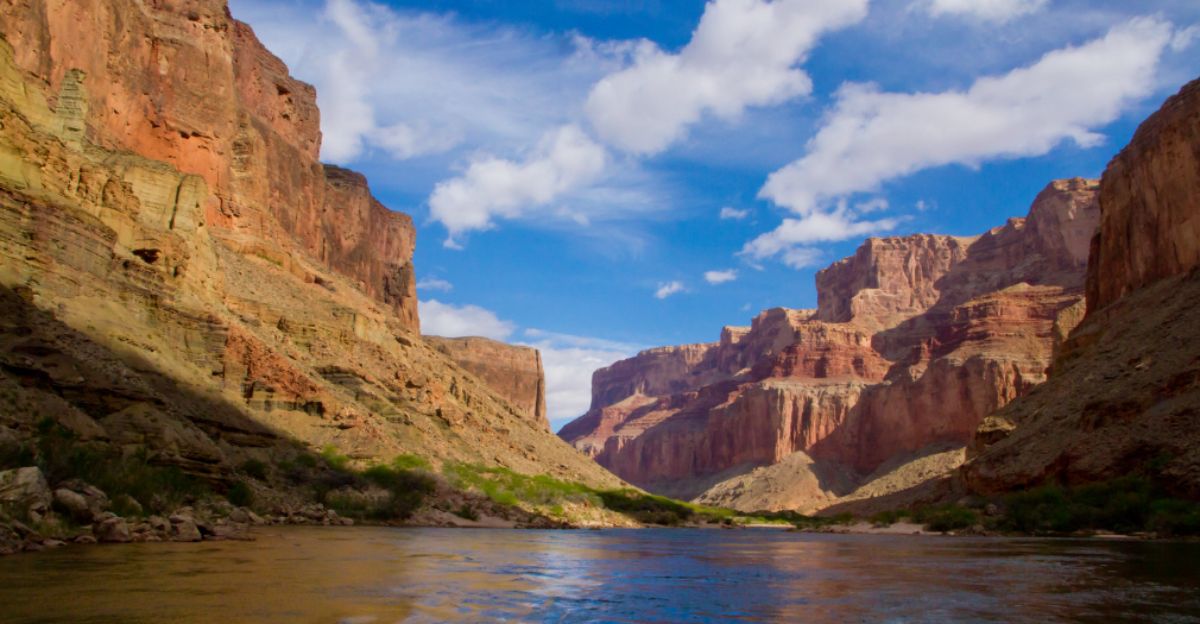
All these fossils came from the Bright Angel Formation in the Grand Canyon.
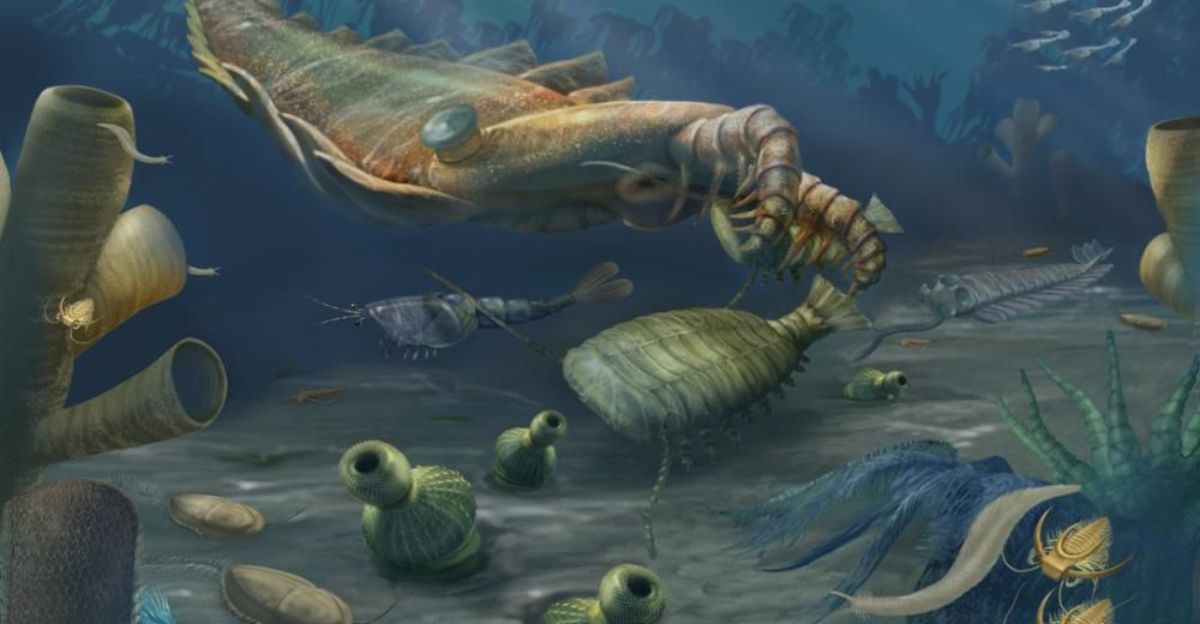
Millions of years ago, this was under a warm, shallow sea near the equator. The combination of depth, temperature, oxygen, and nutrients fostered diversity and extraordinary fossil preservation.
Mussini described it as follows: “The Grand Canyon was much closer to the equator than it is today, and conditions were perfect for supporting a wide range of life.”
Why This Discovery is Important
The find is important because it allows us to see animals in a rich, healthy sea, not just in harsh environments.
The variety of soft-bodied fossils shows that animals tried new ways of eating and living. It also helps us better understand how early animals became more complex and learned to survive in different ways.
Mussini said, “We can see from these fossils that Cambrian animals had a wide variety of feeding styles used to process their food, some of which have modern counterparts, and some that are more exotic”.
How Scientists Got the Fossils Out of the Rock
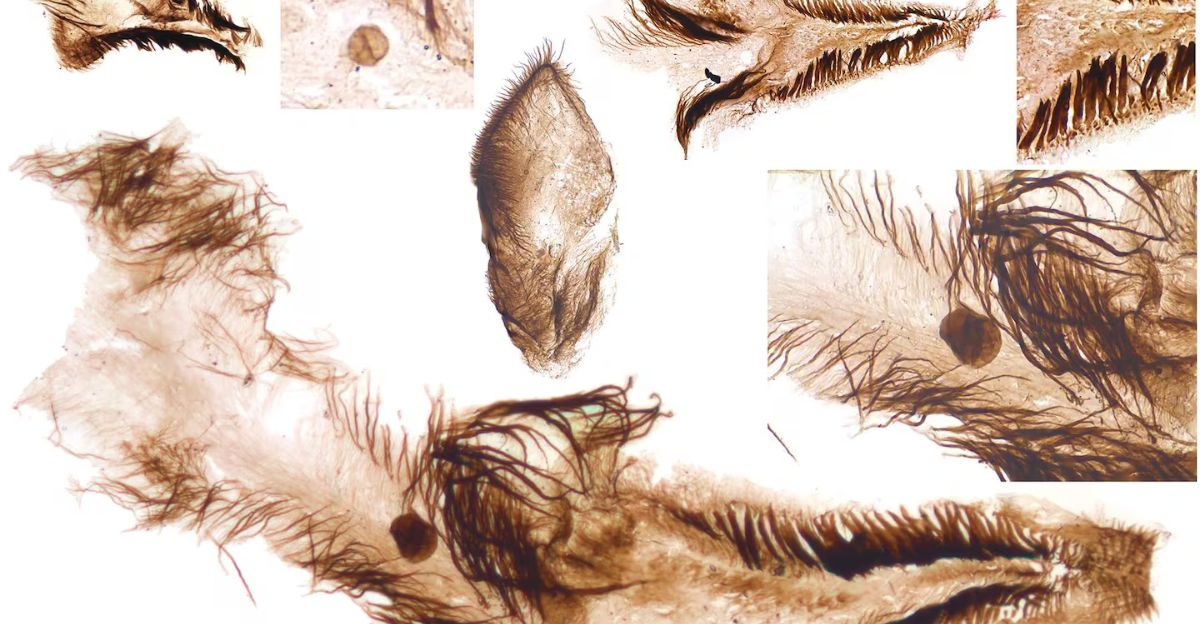
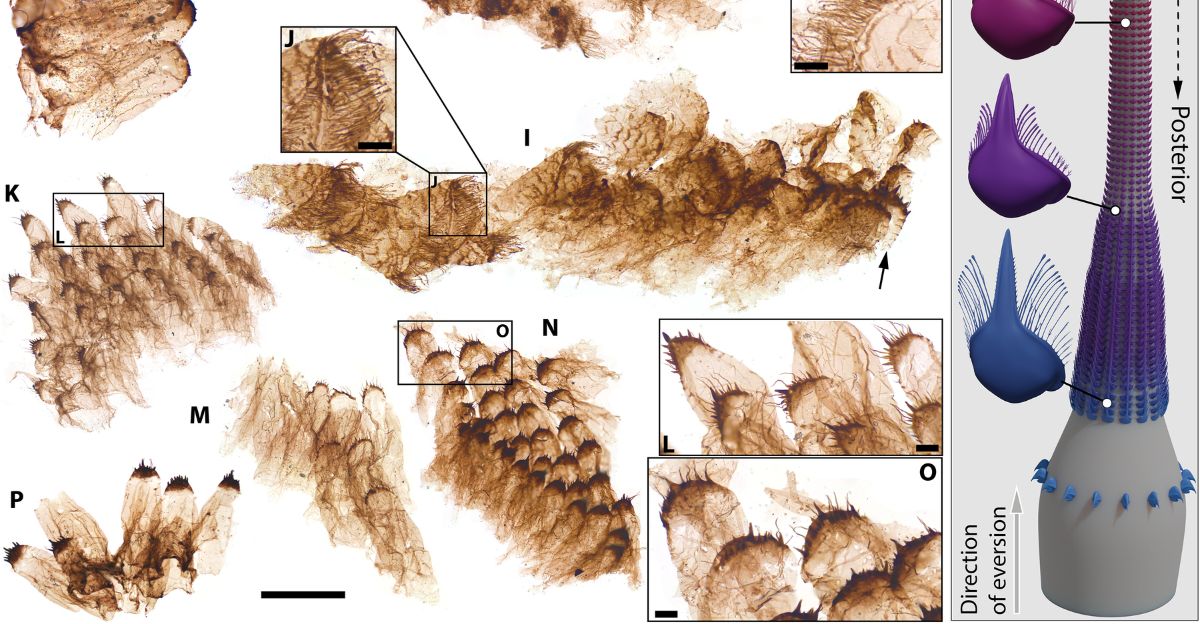
The research team used hydrofluoric acid to break up the rocks and special microscopes to look at the tiny fossils. Many had complicated body parts for eating and moving, which were advanced for their time. Mussini remarked, “These were cutting-edge ‘technologies’ for their time, integrating multiple anatomical parts into high-powered feeding systems.”
By using special chemicals and high-powered microscopy, scientists could see the body parts and behaviors of these ancient animals more clearly than ever before.
A Never-Seen-Before Ancient Worm Discovered
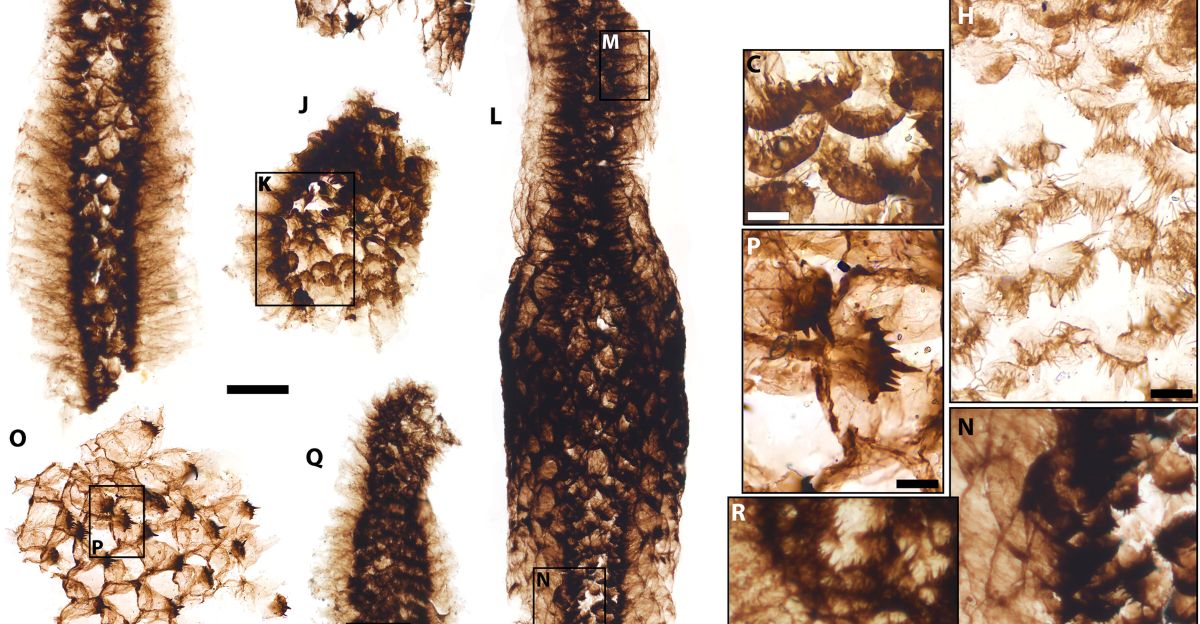
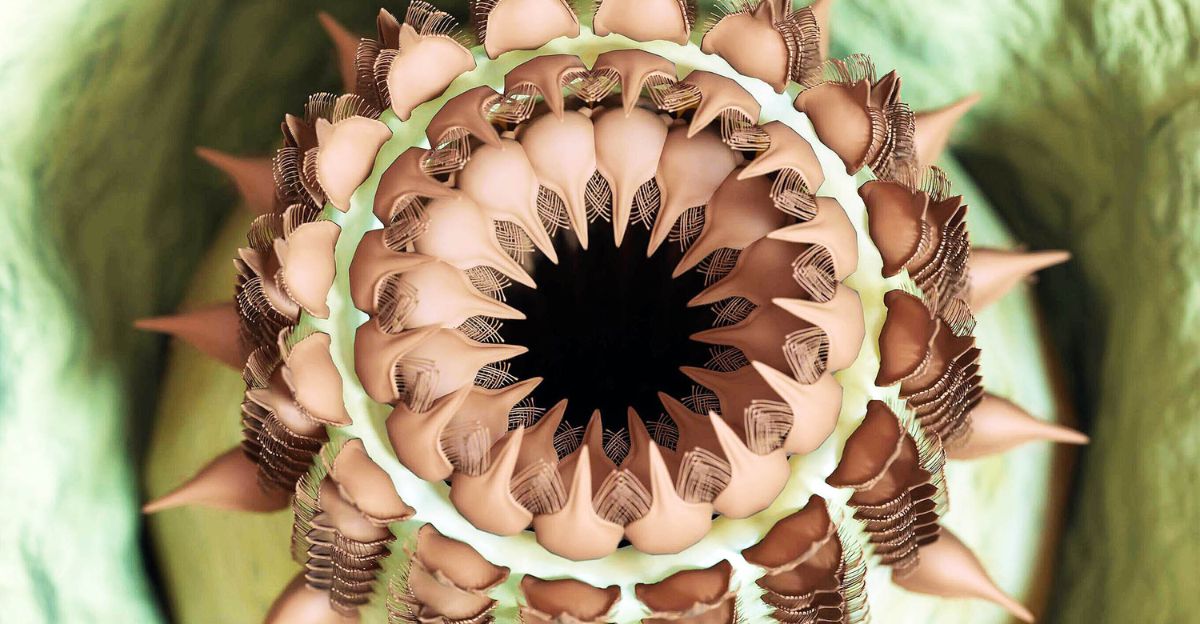
One special animal they found was a new species of worm called Kraytdraco spectatus. It had hundreds of teeth and was likely a predator and scavenger, sweeping food particles into its mouth.
Stanford’s Professor Erik Sperling noted, “The emergence of predators initiated these escalating arms races, leading to a proliferation of diverse survival strategies.”
What These Fossils Tell Us About Ancient Seas
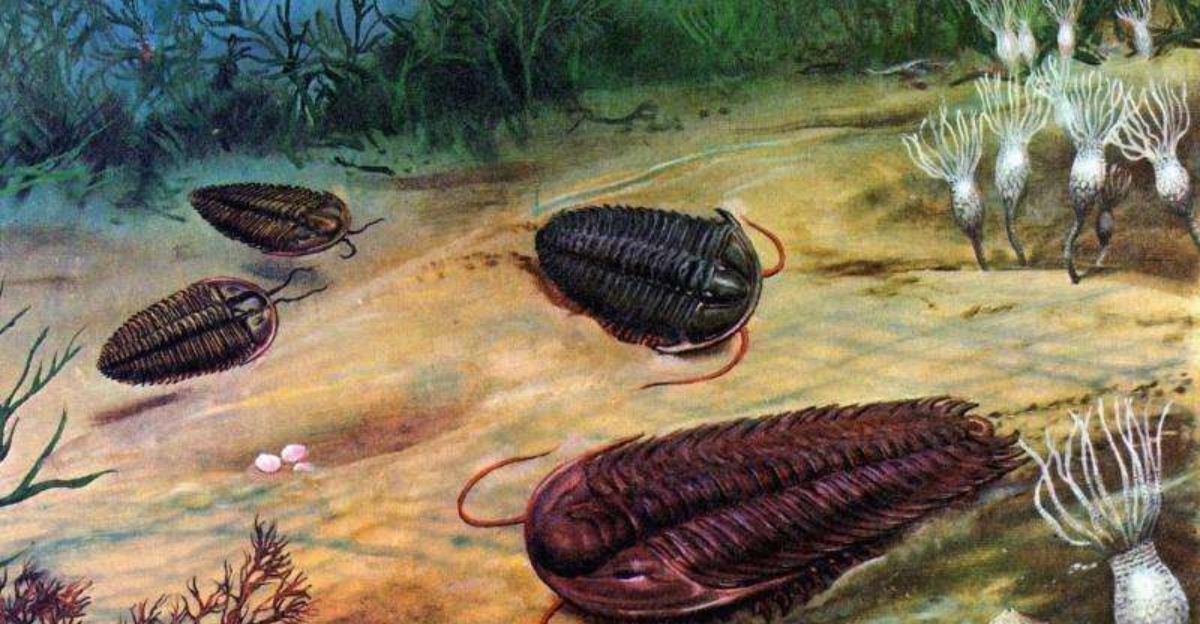
They found worms, early mollusks, and crustaceans, similar to today’s marine species.
These creatures had many ways of eating and living, showing that the sea was full of life and a complex food web. Researchers could even spot food remnants and varying feeding behaviors, which means the “evolutionary arms race” was well underway 500 million years ago.
This helps connect what we know about these old creatures to animals alive today.
How Delicate Fossils Stayed Safe for Millions of Years
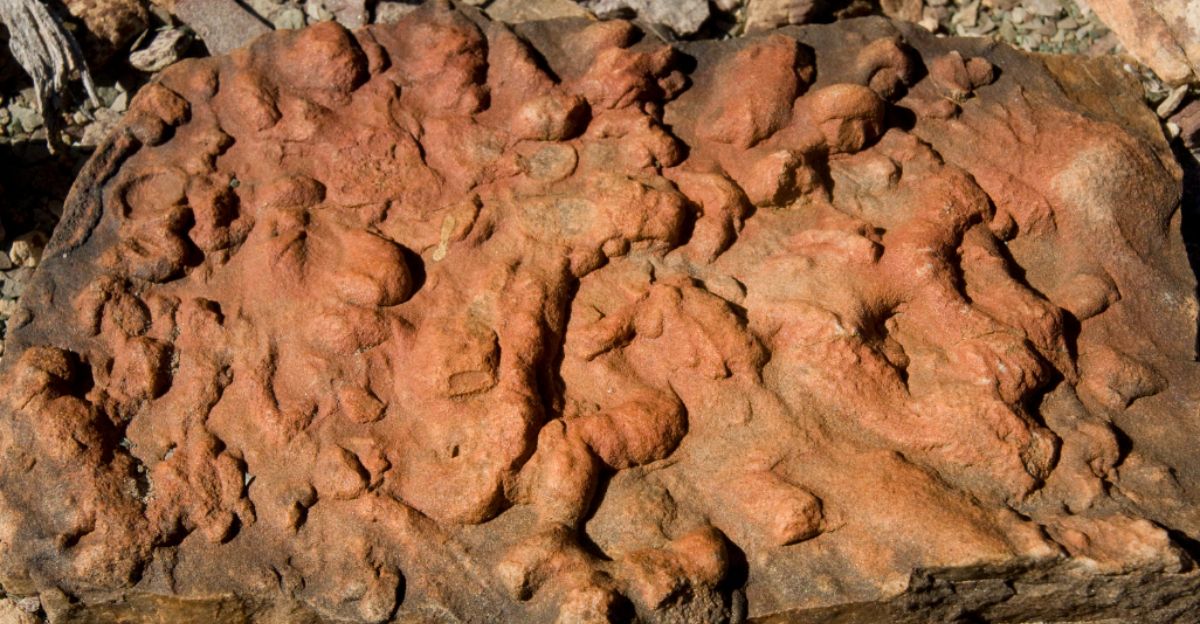
Fossils of soft-bodied animals are scarce because their bodies usually rot before they can become fossils. Special conditions in the Bright Angel Formation like fine mud, the right amount of oxygen, and fast burial, made it possible for these delicate remains to survive hundreds of millions of years.
These discoveries make the Grand Canyon as important as famous fossil sites in Canada and China.
However, the Grand Canyon fossils are exceptional because they show even more kinds of animals and give us new information, making them a new standard for studying early animal life.
Why The Canyon Is Great For Finding Fossils
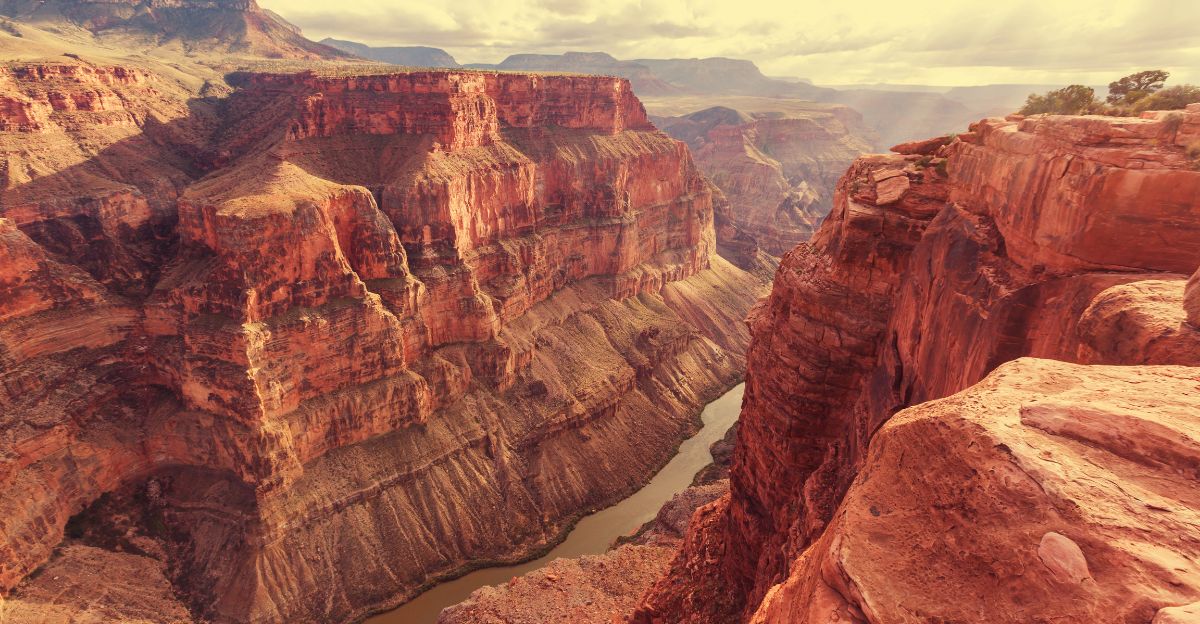
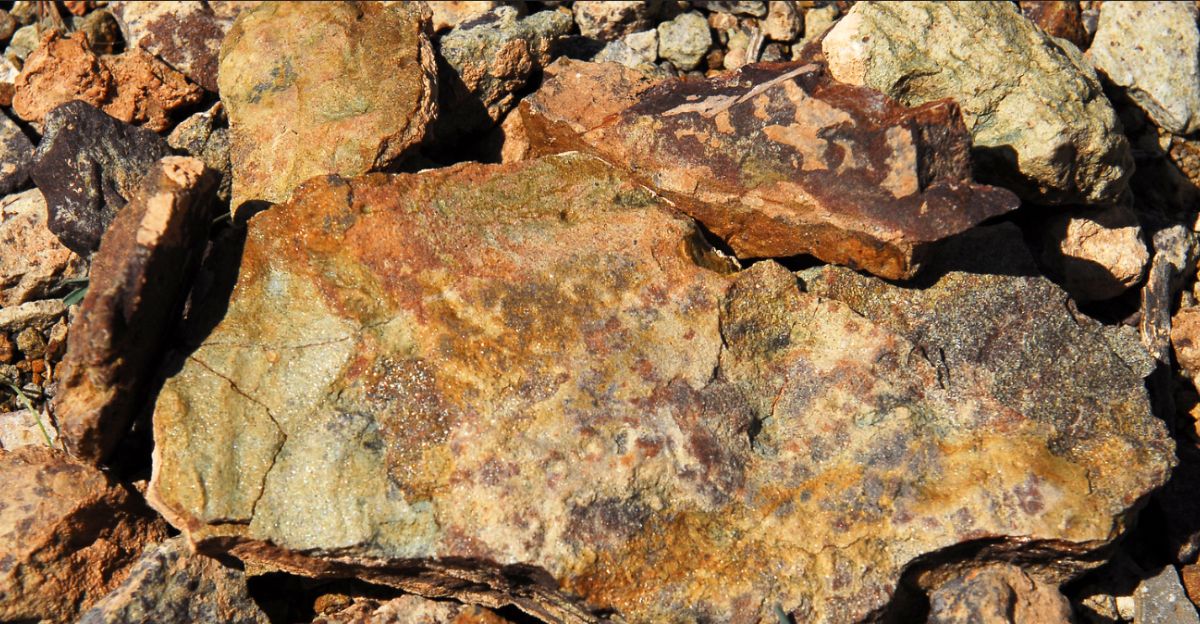
The Grand Canyon is known for its unique rocks, and some of these rocks, called the Bright Angel Formation, are good at preserving fossils.
These rocks are made of soft, clay-filled mud that quickly covered up dead animals, helping both hard and soft body parts turn into fossils.
Because these rocks break apart easily, they kept the fossils safe and made it easier for scientists to find and study them.
Rich Seas Led to Lots of New Animal Types
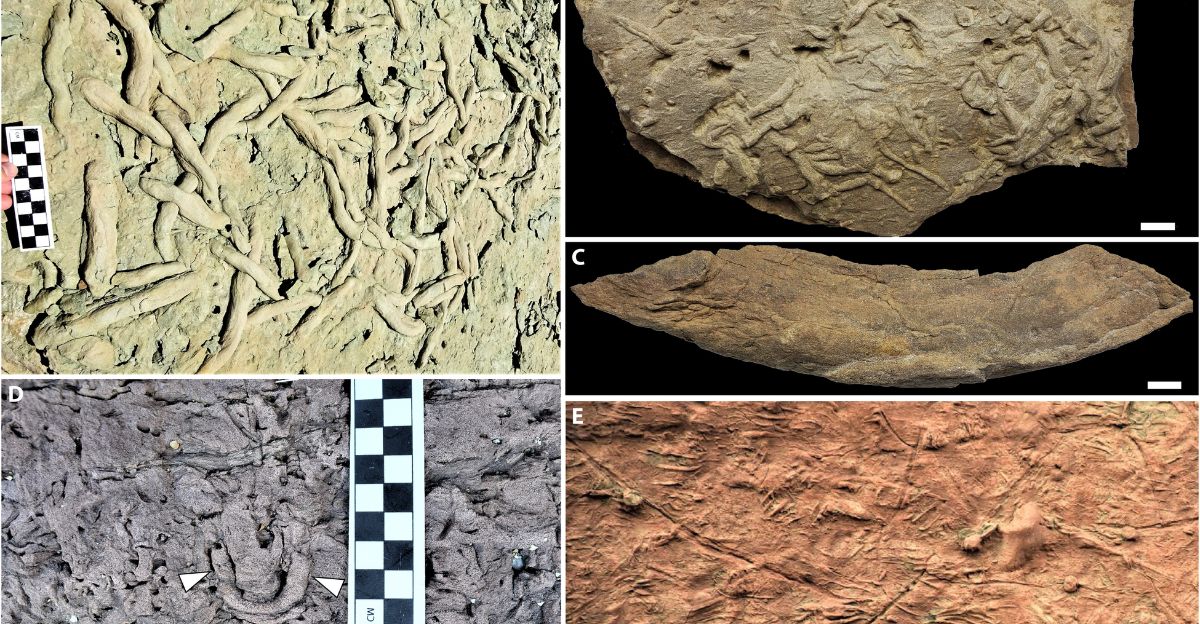
The Grand Canyon fossils show that seas with lots of nutrients and oxygen helped with evolutionary experimentation by trying out new body shapes and ways of eating or protecting themselves.
Because the environment was so rich, these animals could develop new features quickly and take genetic “risks” with their evolution.
This is when basic animal body types and predator-prey relationships first appeared, things we still see in animals today.
It shows that early animals were inventive and quickly adapted to their world.
Bigger Impact on Evolutionary Theory
Until now, many experts have thought that animal life has become diverse, mostly in harsh environments.
But this discovery suggests that places with “just right” conditions, like good food, oxygen, and safety, may have played a big part in the history of life’s diversity.
A Glimpse at “Evolution’s Second Album”
Scientists call these Grand Canyon fossils a look at “evolution’s second album” because they show what happened after the first big burst of new animal life.
Instead of just a few types of animals, there were many new shapes and ways of living, showing lots of variety and change in the ancient seas after the first explosion of life.
Future Directions and Challenges
The Grand Canyon fossils are already leading to new scientific studies and ideas.
Scientists want to use new tools to figure out how these animals are connected to creatures alive today.
There are still challenges, such as piecing together full creatures from tiny parts, but there’s a lot of excitement about what future discoveries might show.