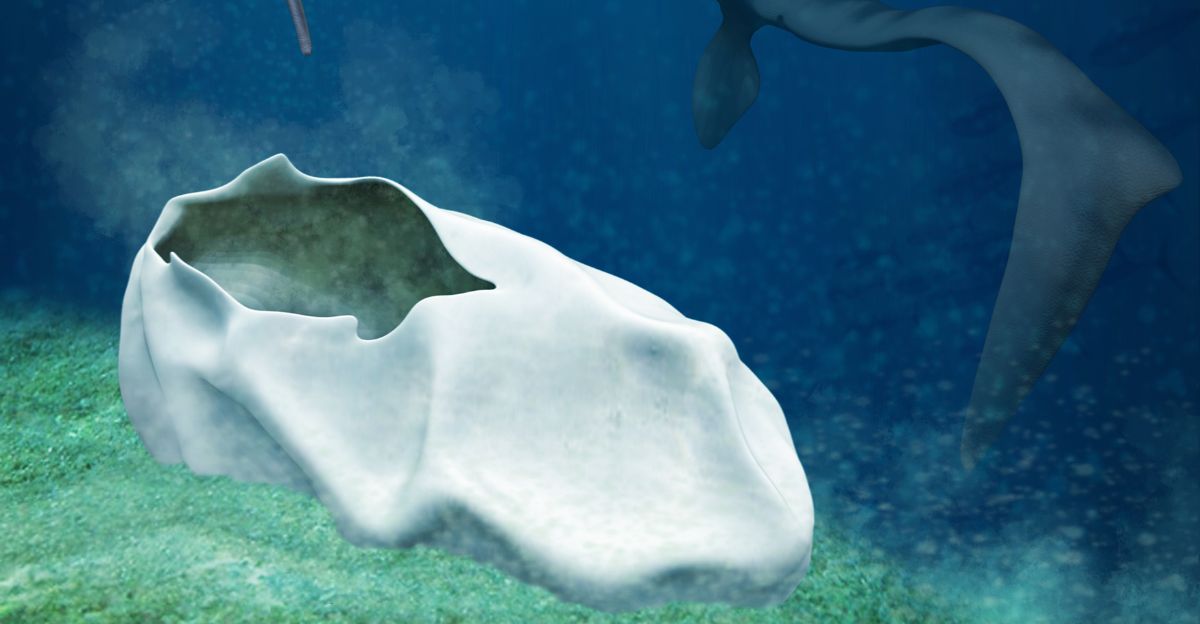
A discovery in Antarctica has amazed the scientific world. This fossilized egg bigger than a football has been found in the icy wilderness of Seymour Island. Measuring more than 11 by 7 inches, it is the largest soft-shelled egg ever seen from prehistoric times, shaped oddly like a deflated football. For paleontologists, finding an egg of this size in such a well-preserved state is extraordinary, especially given the tough climate of Antarctica that usually prevents good preservation.
Researchers quickly began investigating what large ancient animal could have laid this fossil. The mystery surrounding its origins has sparked global excitement, as the finding could reshape our understanding of ancient giants that lived in the polar regions.
Antarctic Treasure
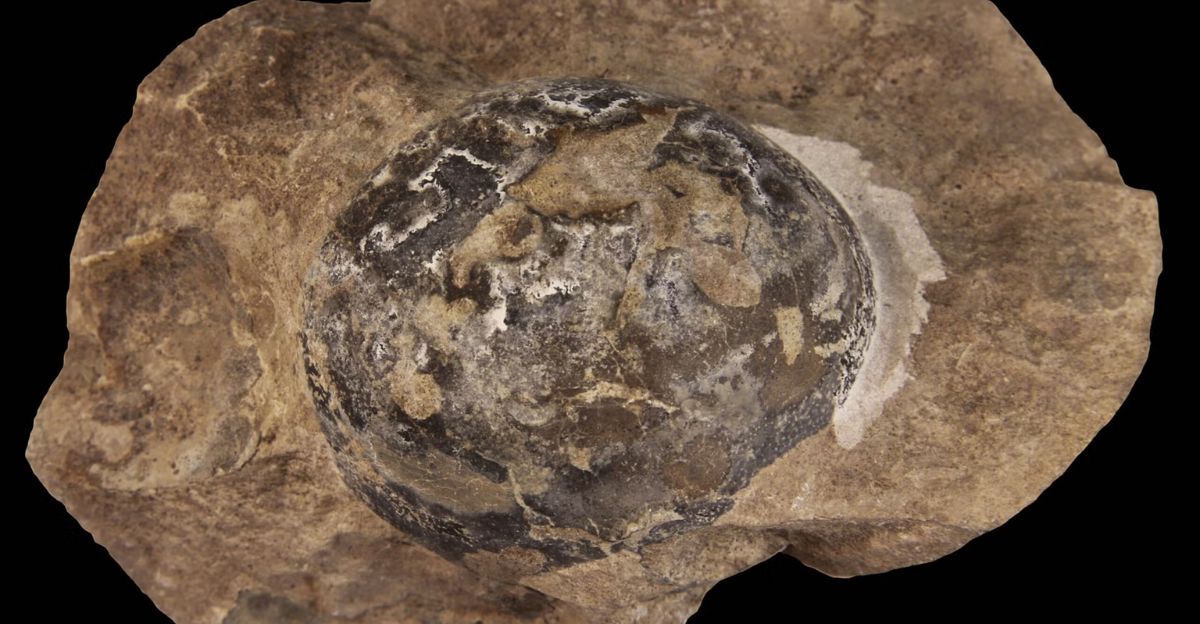
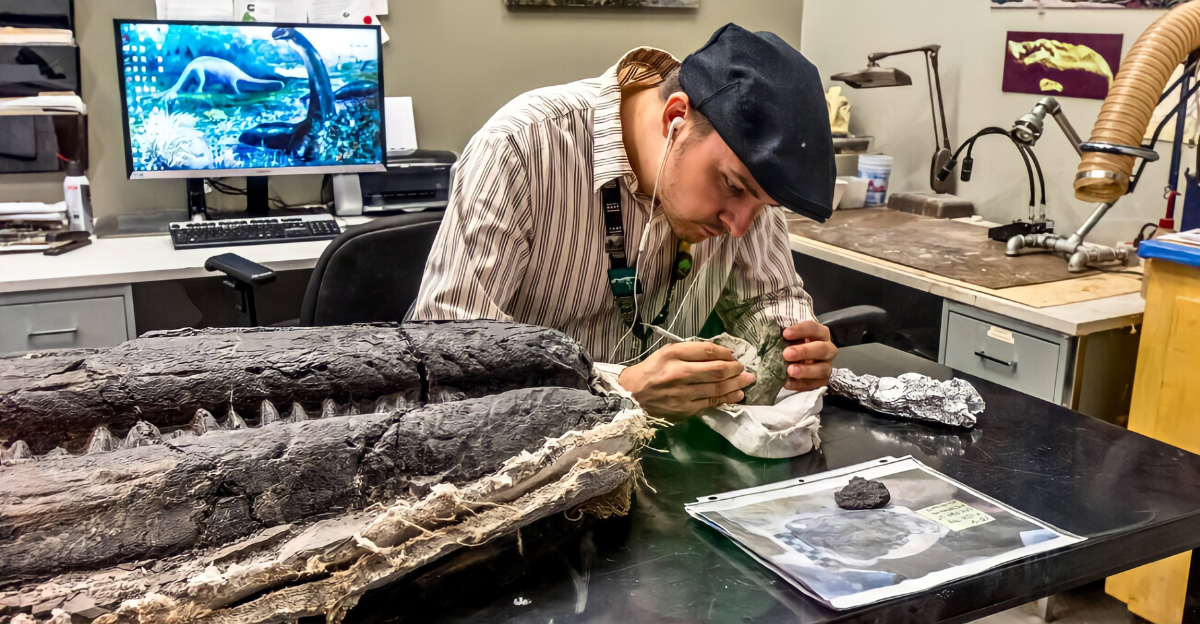
The egg was found on Seymour Island during a Chilean research mission in 2011, but surprisingly, it sat unstudied in the National Museum of Natural History in Santiago for almost a decade. This egg, nicknamed “The Thing” because of its strange look and mysterious background. Its unique anatomy made classification difficult and no one was quite sure what kind of creature had produced such an odd, soft-shelled egg.
Museum curator David Rubilar-Rogers said, “The strangeness of its shape was enough to collect it and take it to camp.” Experts say the punishing climate helps preserve ancient relics, allowing such rare specimens to survive through millions of tumultuous years.
Marine Reptile Mysteries
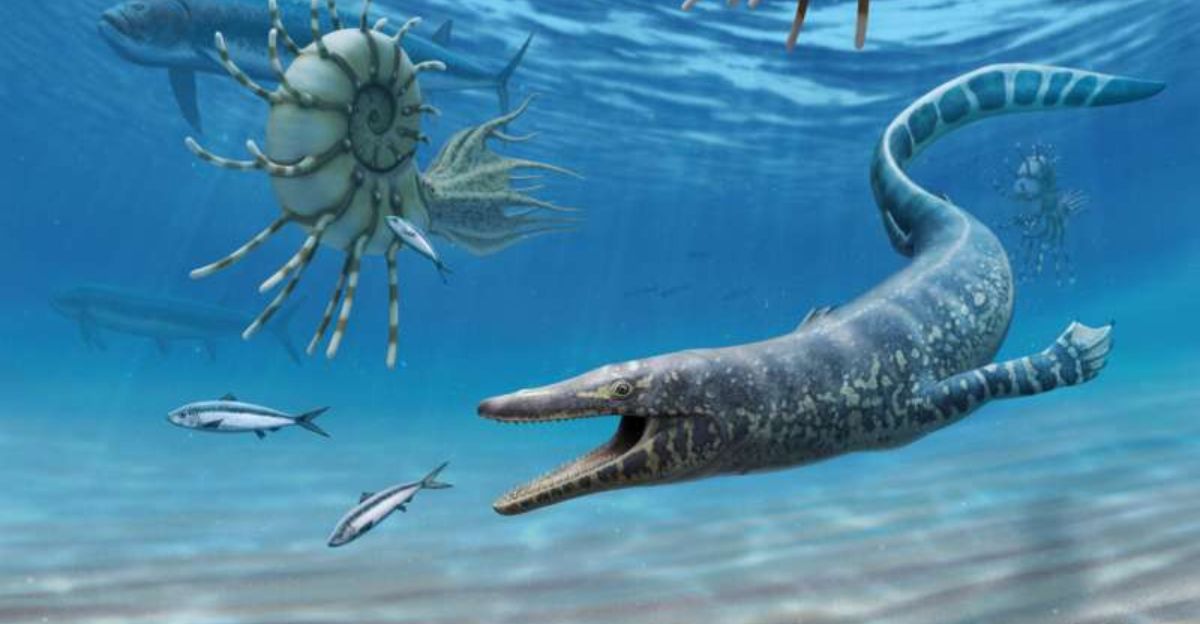
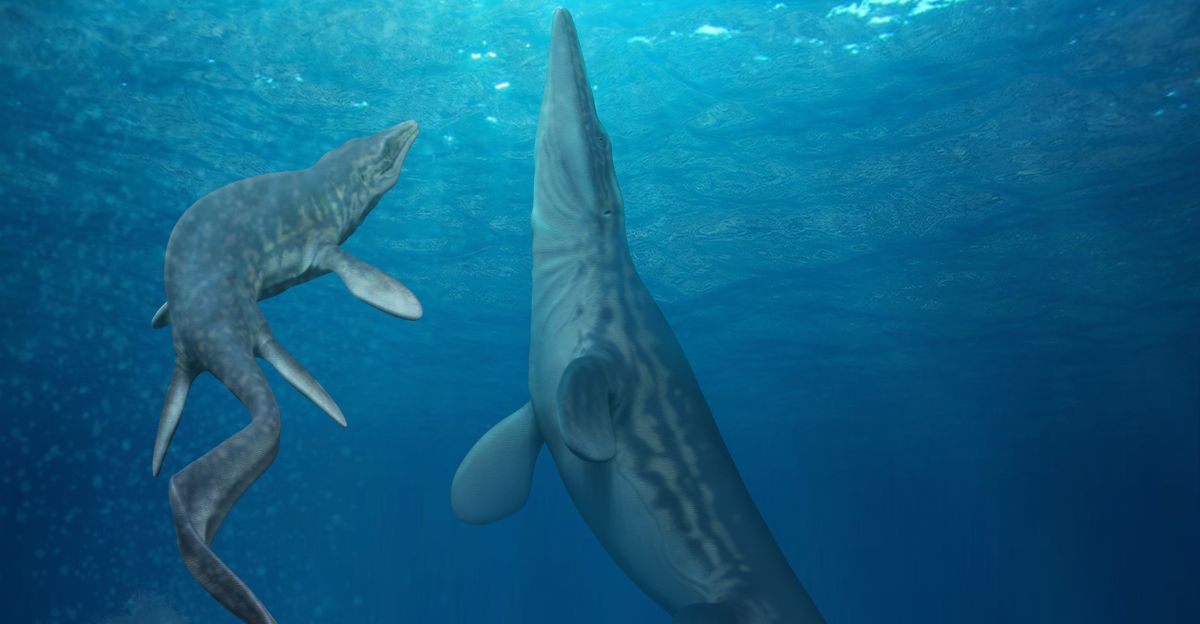
Nearby the fossilized egg, scientists also uncovered skeletons of enormous ancient marine reptiles, including a giant mosasaur named Kaikaifilu hervei. These ocean-dwelling reptiles were among the rulers of the southern seas during the late Cretaceous period. Researchers strongly suspect a connection because the egg was found so close to these remains and dates to the same era.
Large marine reptiles like mosasaurs were the dominant force in these ecosystems, thriving despite freezing polar conditions. “It is most similar to the eggs of lizards and snakes, but it is from a truly giant relative of these animals,” said Lucas Legendre, a paleontologist who studied the egg in detail.
The Deflated Football
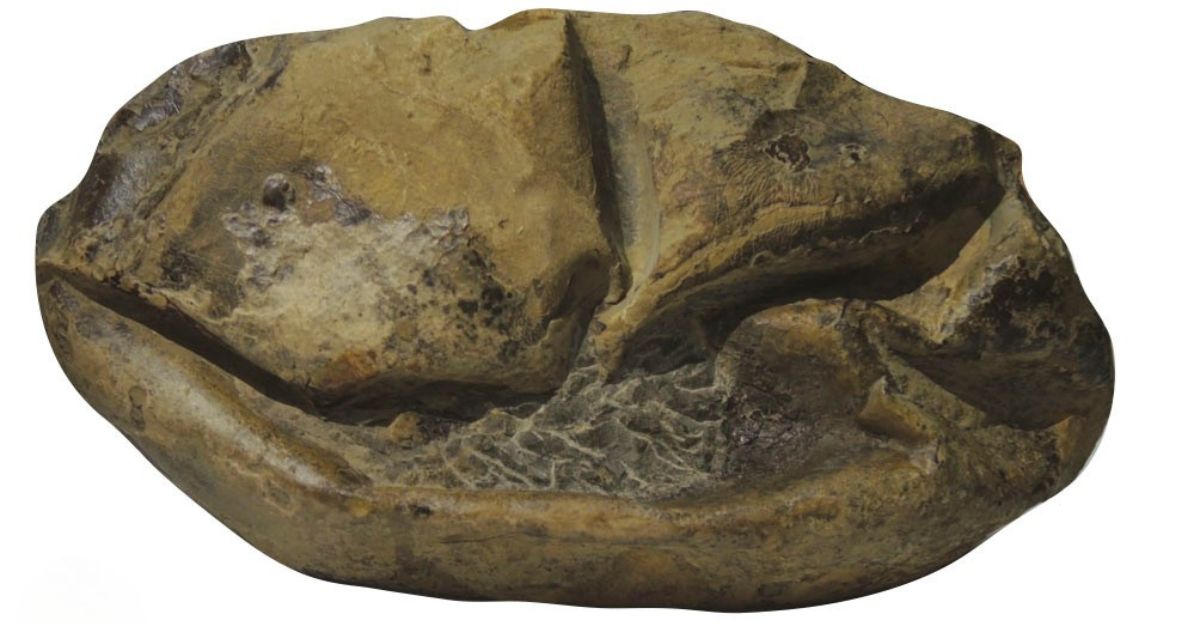
The egg’s soft, deflated appearance was one of the first things that baffled scientists and museum goers. This wasn’t the hard-shelled dinosaur egg most expected, it had a thin, leathery membrane much like the eggs laid by modern lizards and snakes. Using modern analysis techniques, researchers showed that the egg was designed for rapid hatching, likely exposing newborn creatures almost immediately to harsh environments, a very different strategy from the slow, protected incubation we see in birds and dinosaurs.
Julia Clarke explained, “This egg is exceptional in both its size and its structure.” Analysis techniques, such as X-ray microtomography, have been essential in revealing these unique features of structure and composition.
Rethinking Reproduction
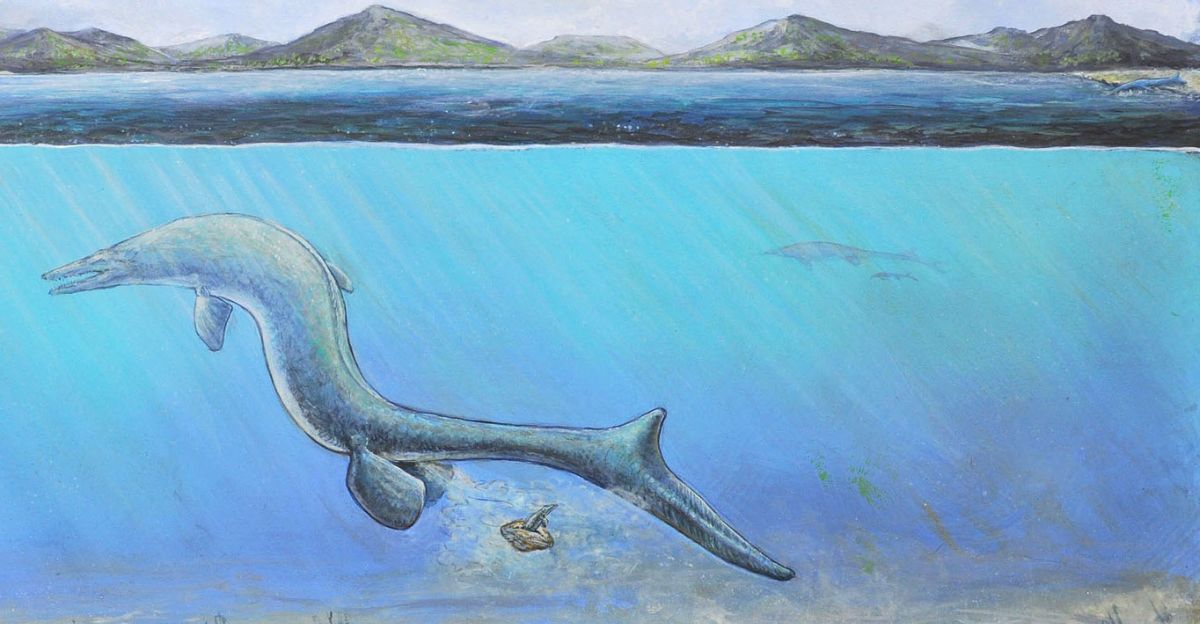
The biggest surprise from this Antarctic egg is what it tells scientists about ancient marine reptile reproduction. Most experts previously thought these animals only gave birth to live young, a method called viviparity. The fossil egg proves otherwise, showing that some ancient marine reptiles laid soft-shelled eggs.
Clarke noted, “There’s no known egg like this.” This insight has forced researchers to revise many assumptions about how ocean giants like mosasaurs lived and reproduced. This discovery will likely lead to new hypotheses about parenting and growth strategies for marine reptiles in prehistoric seas.
Local Impact
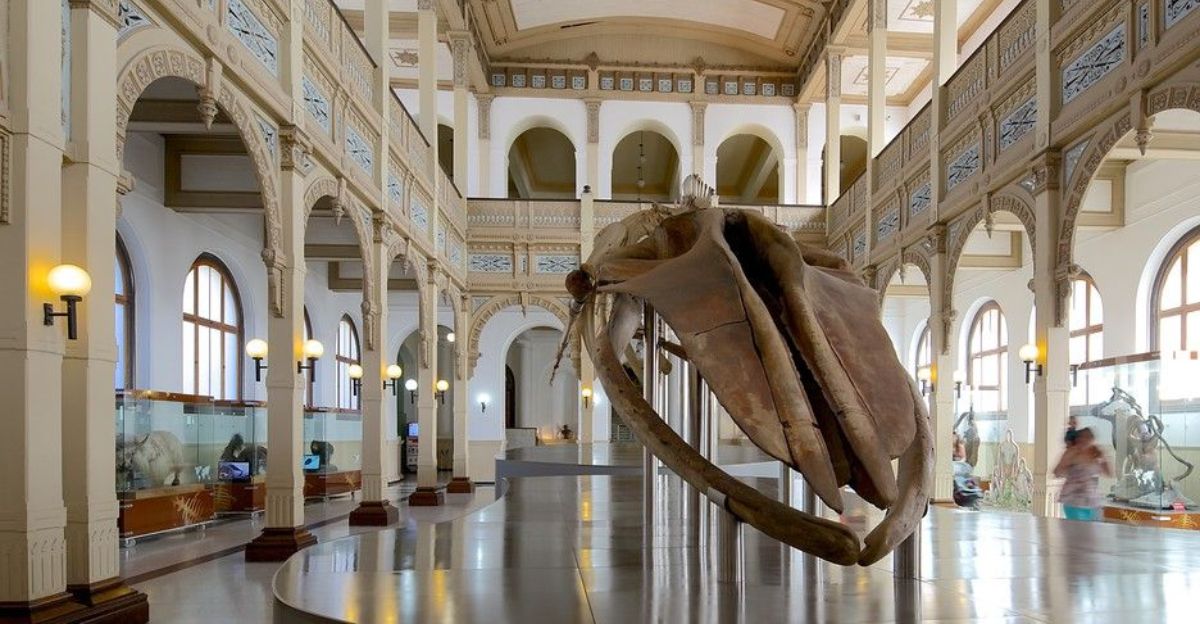
The National Museum of Natural History in Santiago, where the egg was stored, immediately became the center of lively scientific discussion and new research partnerships. Chilean paleontologist David Rubilar-Rogers described the find as revolutionary for South America and paleontological science worldwide. The museum has since used the egg as a central exhibit to excite visitors of all ages and launched educational programs to get students involved in paleontology.
This fossil is now a national symbol, helping raise interest in the planet’s distant geological history and encouraging more teachers to focus on Earth sciences in classrooms.
Global Ripples
News of the egg’s discovery spread quickly beyond Chile, sparking new international collaborations and research expeditions to Antarctica. Institutions like the University of Texas at Austin and Princeton University began working together to hunt for more fossils and unlock Antarctica’s ancient secrets. The find shifted how governments and organizations fund polar research, with new resources targeted to analyze fossil eggs and their ecological context.
Julia Clarke’s laboratory emerged as a leader in these studies, sharing data and methods across borders. The egg discovery has energized the field of paleontology and encouraged scientists to ask new questions about adaptation and survival in extreme habitats.
Biodiversity Puzzle
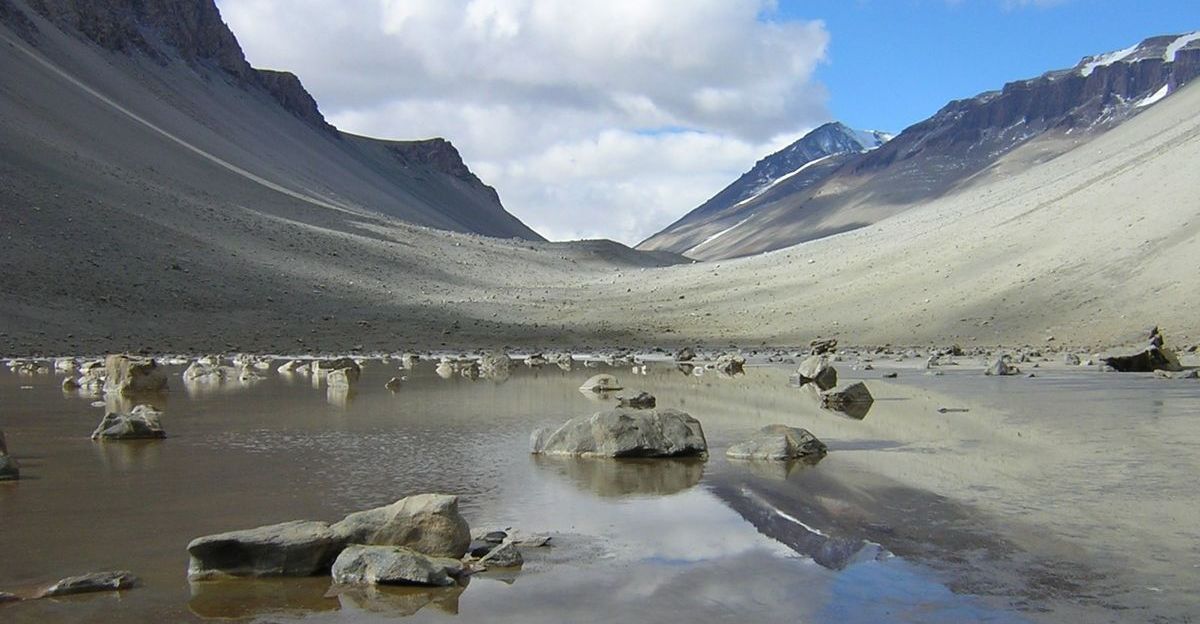
Analysis of fossils from the region suggests ancient Antarctica was home to a bustling ecosystem. Researchers found that the egg and nearby skeletons could indicate nursery sites where baby marine reptiles and other aquatic creatures grew up. Evidence from fossil layers reveals major changes in biodiversity after the Cretaceous extinction event, in which up to 70% of species disappeared.
These Antarctic fossils help scientists study how ancient life coped with mass extinctions and shifting climates. The findings serve as a valuable record for anyone interested in how ecosystems responded to global disasters millions of years ago.
Science Reinterpreted
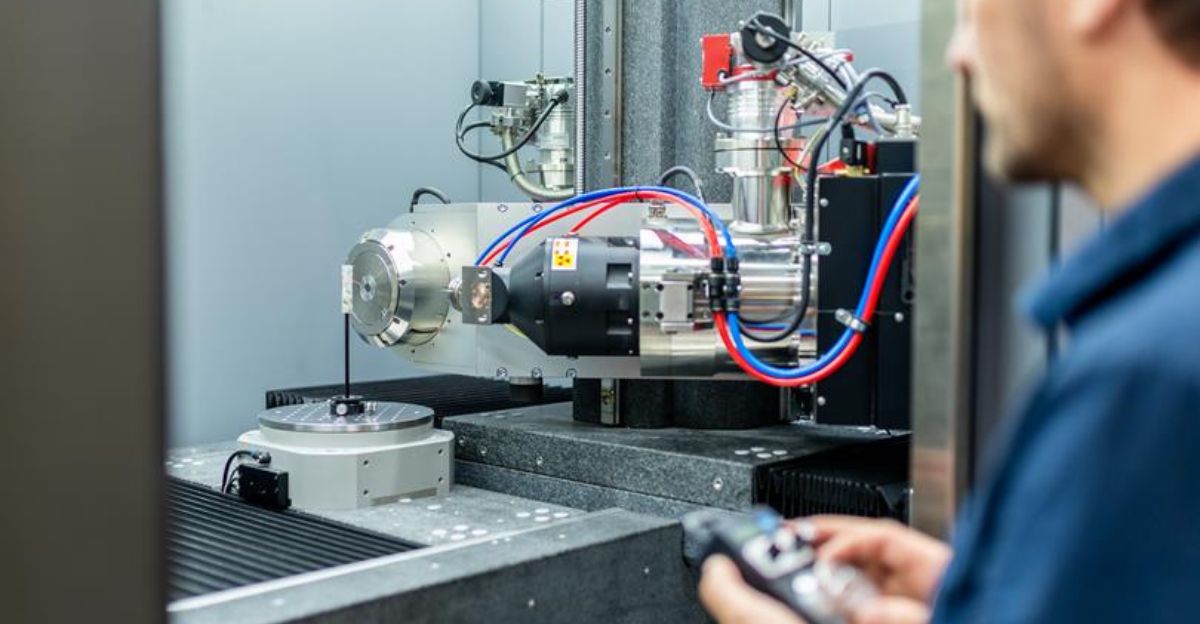
The techniques used to study the Antarctic egg have changed the way scientists interpret old fossils. Advanced analytical tools, such as X-ray microtomography, help reveal intricate details of eggshell structure and ancient animal relationships. These innovations revealed that reptiles produced a much wider variety of eggs than anyone had guessed.
The ongoing study of soft-shelled fossil eggs has reframed longstanding scientific theories about how marine giants adapted to changing environments and how evolutionary branches spread over time. With more data coming in from ongoing analyses, experts are optimistic that fresh breakthroughs are just around the corner.
Size Surprise
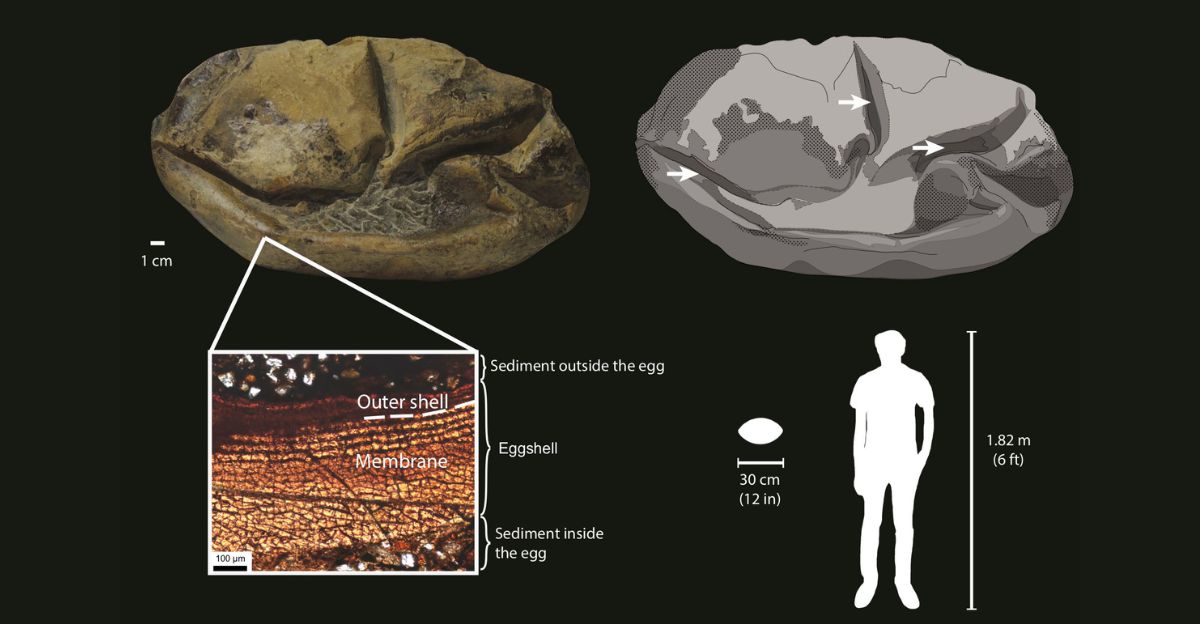
In terms of sheer size, the Antarctic egg is a showstopper. It is second only to the extinct Madagascan elephant bird’s egg, once considered the world’s largest, for any known animal, alive or dead.
The find has sparked new investigations into the links between body size, egg size, and evolutionary success among prehistoric animals, challenging scientists to rethink past models of how giants thrived in ancient oceans.
Skepticism and Debate
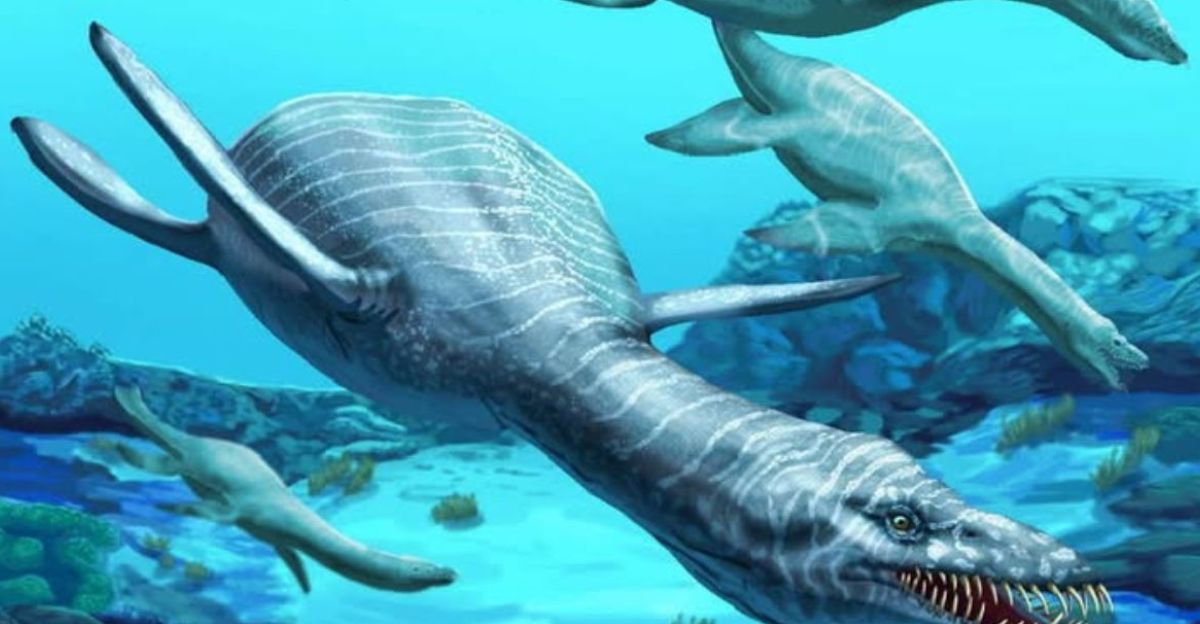
While many researchers agree that a giant marine reptile likely laid it, some remain unconvinced, pointing out that no direct bones from a mosasaur or similar creature were found inside the egg. A minority suggests dinosaurs or other large reptiles as possible parents, sparking friendly rivalries within the paleontology world.
“The absence of embryo remains makes the identification challenging,” said Lucas Legendre, a leading paleontologist on the team. By openly questioning each other’s ideas, experts keep research rigorous and ensure all possibilities are investigated.
Ownership and Access
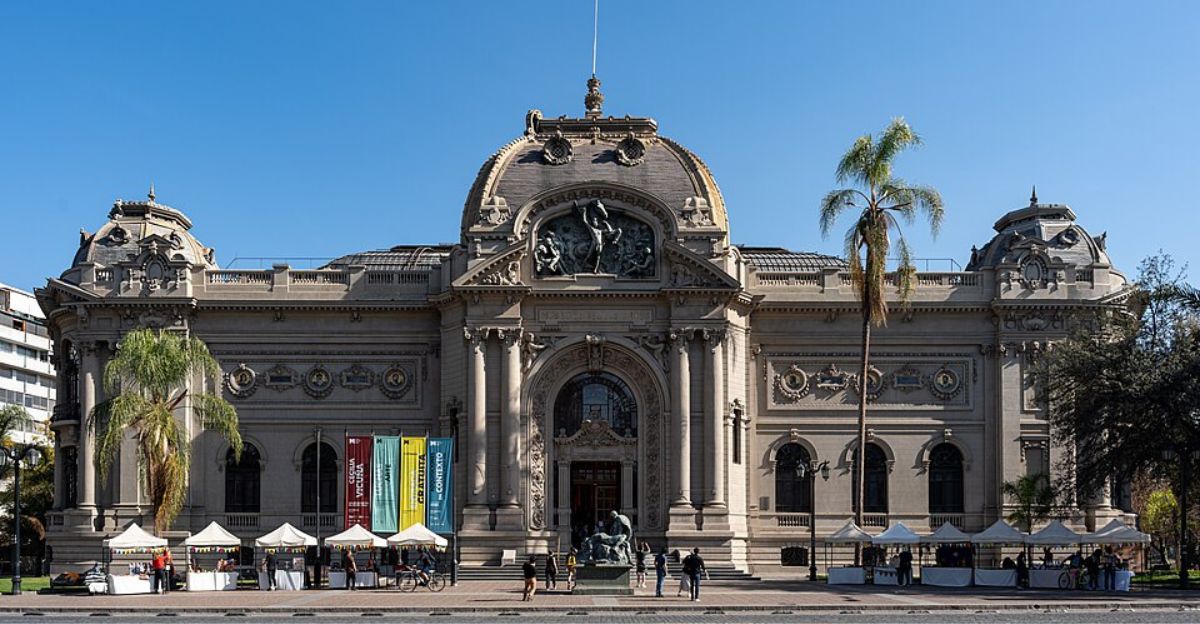
The egg was collected by Chilean scientists and kept in Santiago’s National Museum, but soon experts from faraway universities wanted to examine it too. Thanks to strong international cooperation, teams shared data and materials, leading to more detailed analyses. Still, the issue of scientific ownership remains: who should be allowed to make discoveries public or control research direction?
“We need clear ways to collaborate, share fossils, and keep science open,” urged David Rubilar-Rogers, museum curator. Museum curators now advocate for fairer policies and better regulations to protect such rare fossils while keeping science moving forward.
Community Response
The discovery of fossil eggs energised Chile’s paleontological community, encouraging more local expeditions and public awareness. Educational campaigns and museum exhibits began showcasing the egg and other Antarctic finds, making science current and exciting for everyone.
Chile’s government leaders showed their support by promising greater research and STEM education resources, recognising how fossil inspires young students. International praise led to new grants for paleontology and increased museum funding, creating a positive feedback loop that draws more people into the field. “This incredible find means more opportunities for research and education, not just here but worldwide,” said David Rubilar-Rogers.
Scientific Momentum
Fueled by new funding and better technology, research into Antarctic paleontology is moving faster than ever before. Advances in microscopy, imaging, and data analysis have provided clearer views of fossil structure, layering, and composition.
Specialists continue to build on previous discoveries, reconstructing scenes of ancient Antarctica with every improved study. As more experts connect their skills, the result is a richer, more accurate portrait of a region once teeming with life.
The Next Big Find
The dramatic discovery of the football-sized egg has motivated researchers to plan new expeditions, with teams preparing to return to Antarctica. With upgraded equipment and stronger international partnerships, experts hope to unearth more fossils and prove additional theories about giant reptile reproduction, growth, and nursery habitats.
“The goal is to deepen understanding of how these creatures lived and cared for their young,” said Julia Clarke. Renewed exploration aims to reveal if other soft-shelled eggs, or maybe even embryos, are hidden in Antarctic rock layers.
Regulatory Watch

With each major find, more attention is paid to the rules guiding scientific work in Antarctica. Lawmakers and scientists now discuss how specimens should be documented, preserved, and shared among nations, aiming for fairness and transparency.
Museums and research bodies hope updated rules will ensure new discoveries are scientifically accessible while respecting the historical significance and global nature of these finds. “Stronger regulation is needed so science remains open, collaborative, and ethical,” stressed museum curators and paleontologists.
Industry Crossroads
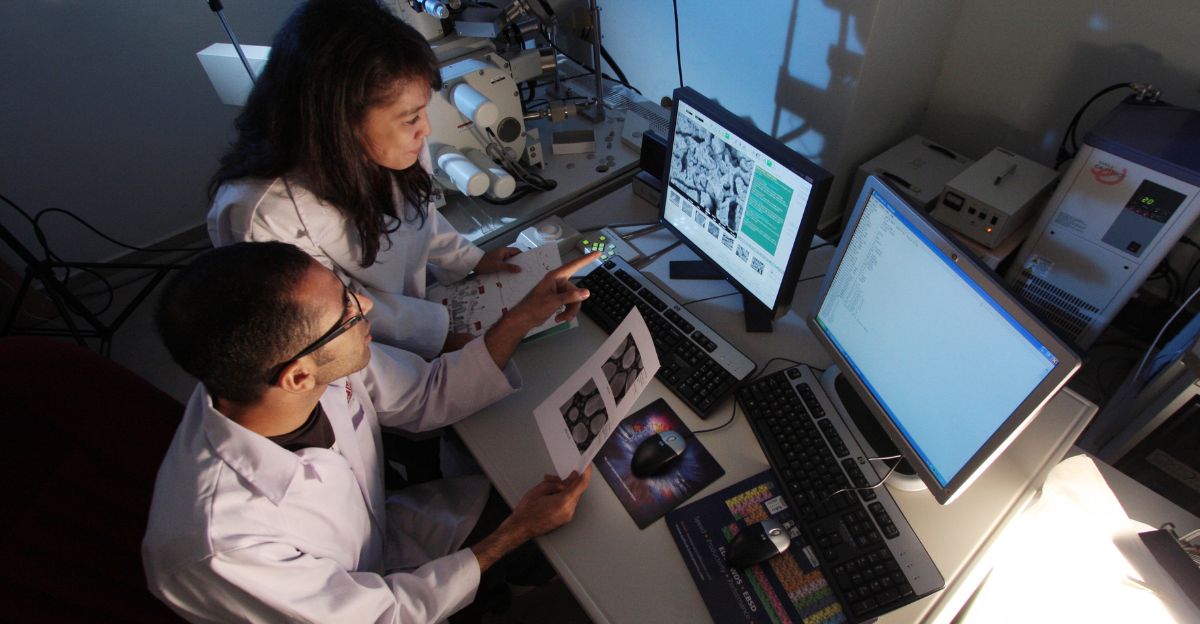
New fossil imaging techniques, for instance, are now used in medical diagnostics and aerospace engineering. Materials scientists study how fossils withstand the test of time, applying those principles to improve the durability of fragile objects and technical equipment.
“The lessons learned here go far beyond ancient reptiles,” noted Lucas Legendre. The connection between evolutionary biology and climate research strengthens, providing better models for adaptation and future environmental change.
Public Buzz

Since the egg’s discovery, myths and facts about its origin have filled social media, with some viral posts exaggerating its size or the creature that laid it. Scientists have responded by appearing in interviews, podcasts, and museum webcasts to share accurate information and correct misunderstandings.
Julia Clarke and her team appear regularly in public forums, saying: “Fact-checking and careful communication are essential in science.” Their efforts have resulted in record-breaking online interest, with museum websites experiencing unprecedented traffic as people worldwide seek the real story behind the Antarctic egg.
Historic Echoes
Previous misclassifications serve as warnings for today’s scientists, emphasizing the need for thorough reviews, transparency, and cross-institutional collaboration. “Learning from past mistakes makes discovery stronger,” said museum officials. These historic lessons now guide best practices, ensuring fossils are preserved and studied as accurately as possible.
What’s Next?
Ultimately, the Antarctic fossil egg has dramatically widened our perspective on ancient marine reptiles and how they lived. The egg’s local and global impacts span education, science, policy, and public engagement, drawing experts and everyday people into the fascinating story of Antarctica’s prehistoric giants.
“This changes how we see ancient life on Earth,” said Julia Clarke, reflecting on her team’s work. With researchers planning further expeditions, everyone eagerly awaits the next chapter, which promises even more astonishing revelations beneath the Antarctic ice.