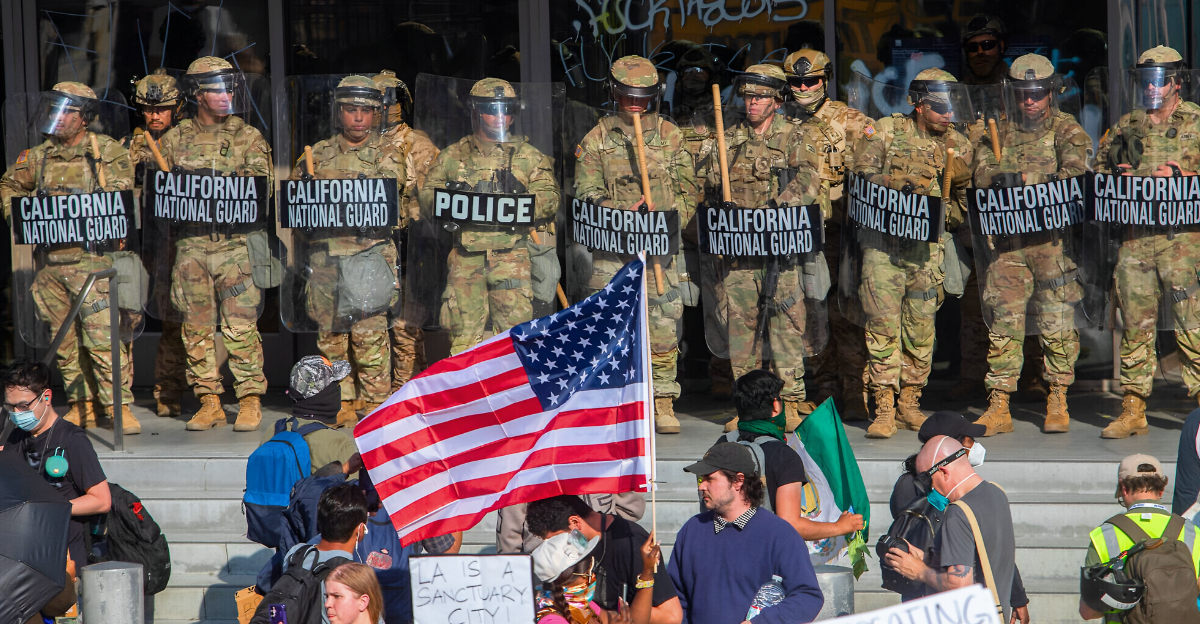
According to Reuters, a federal judge in California has issued an injunction blocking the Trump administration’s use of military troops for law enforcement in Los Angeles. The ruling halts the deployment of roughly 4,700 service members under Task Force 51. Allegations center on misuse of the Posse Comitatus Act, raising questions about separating military and civilian authority. What comes next in this high-stakes showdown?
Federal vs. State Tensions Escalate
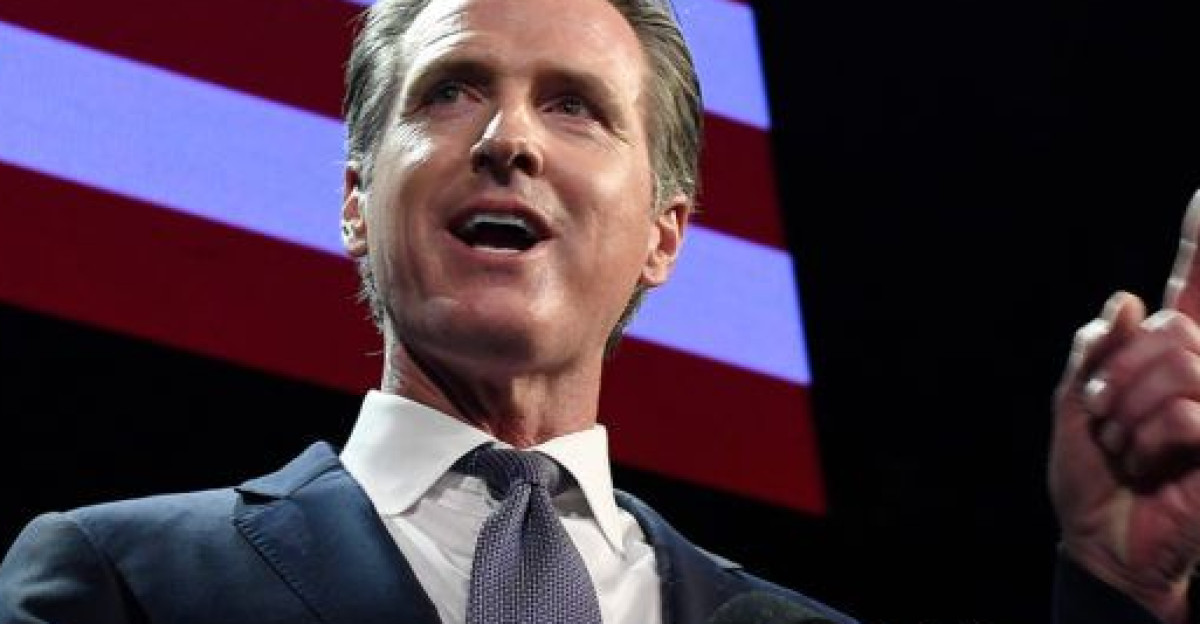
The Associated Press reports that tensions have surged between federal authorities and California officials over domestic troop deployments. Since June, 4,000 National Guard and 700 Marines have patrolled Los Angeles streets amid protests. California leaders have warned of overreach, citing civil liberties and state sovereignty risks. Now, both sides prepare for appeals that could redefine executive power. How will higher courts respond?
Century-Old Law Under Spotlight
BBC coverage explains that the Posse Comitatus Act of 1878 bars military involvement in civilian law enforcement without explicit congressional approval. Enacted post-Reconstruction, it aimed to curb federal troops’ use against U.S. citizens. Over the past 147 years, only rare exceptions, like natural disasters, have permitted military support. This case tests those longstanding boundaries. Can a president override such entrenched limits?
Local Leaders Unite Against Militarization
Politico indicates that California’s lawsuit, filed June 9 by Governor Newsom and AG Bonta, cited unlawful federalization of state troops. Local mayors and civil rights groups have joined calls for removal, citing arrests and traffic control by armed personnel. Business leaders worry about economic fallout, while activists protest militarized policing. Could this coalition tip the balance?
Judge Issues Central Ruling With Stay
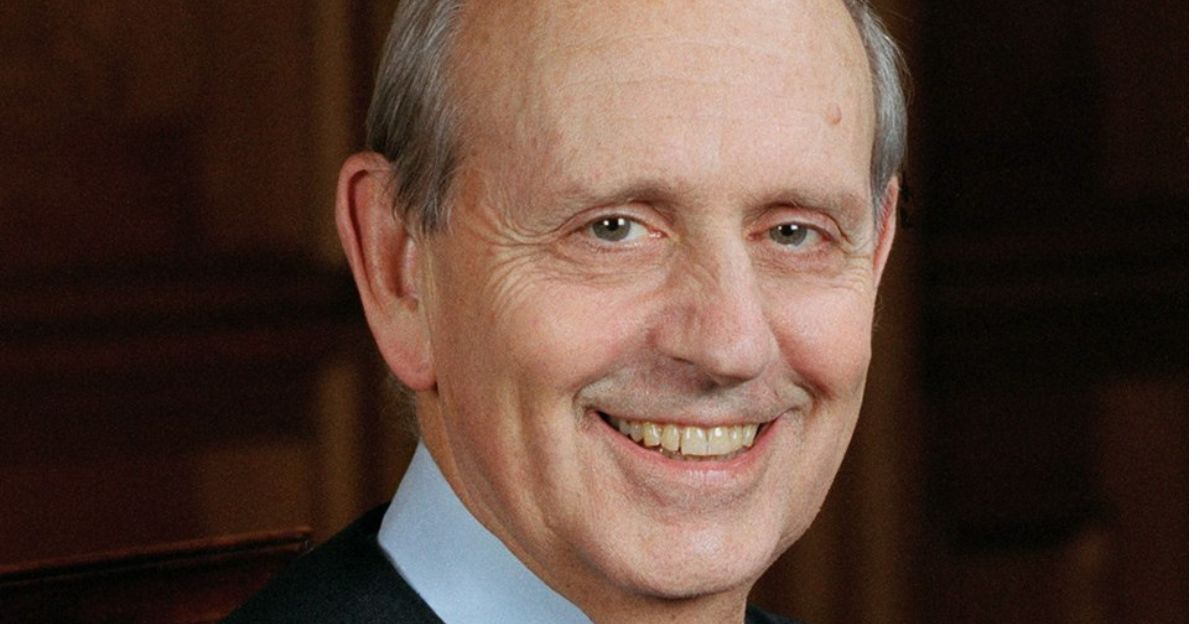
On September 2, Judge Charles R. Breyer—appointed by President Clinton—ruled the deployment violated the Posse Comitatus Act and issued a 10-day stay through September 12 pending appeal, Reuters confirms. He permanently enjoined the use of National Guard and Marine forces for law enforcement in Los Angeles. This watershed ruling changes the rules for domestic deployments.
Troops Remain Despite Partial Withdrawal
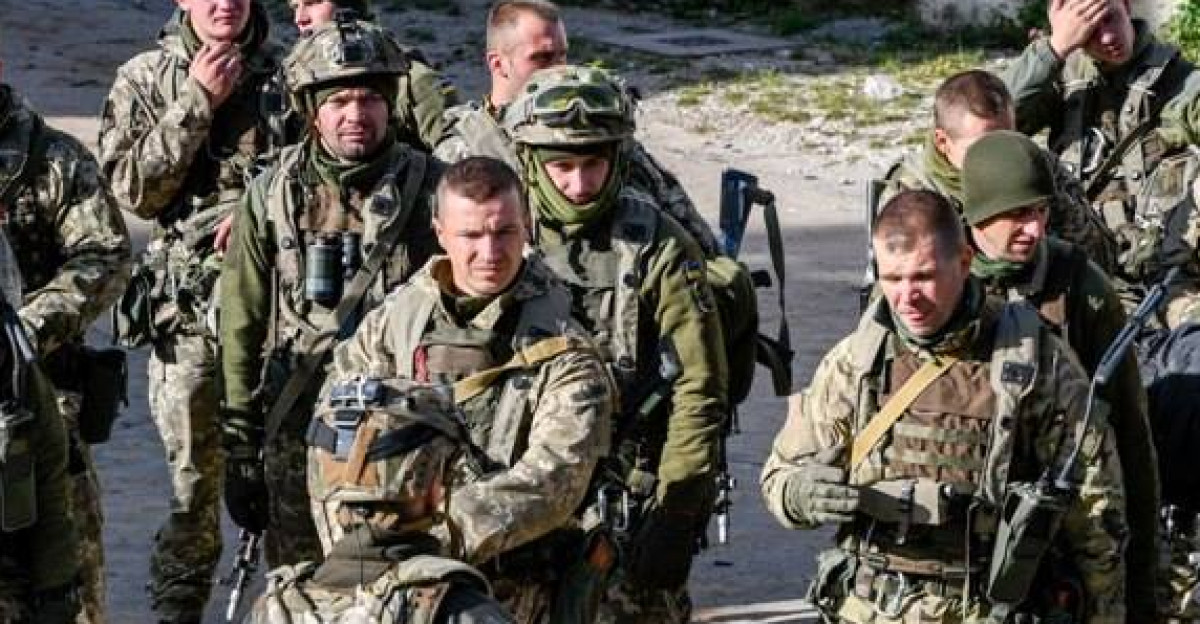
NBC News reports that Los Angeles County saw the withdrawal of uniformed troops from patrol zones, ending checkpoints at MacArthur Park and Skid Row. About 300 Guard members remain in L.A., and deployments were extended into November. Community groups were free to resume protests, yet some residents worry about policing gaps in crime-hotspot neighborhoods left by departing forces.
D.C. Lawsuit Raises Voter Intimidation Concerns
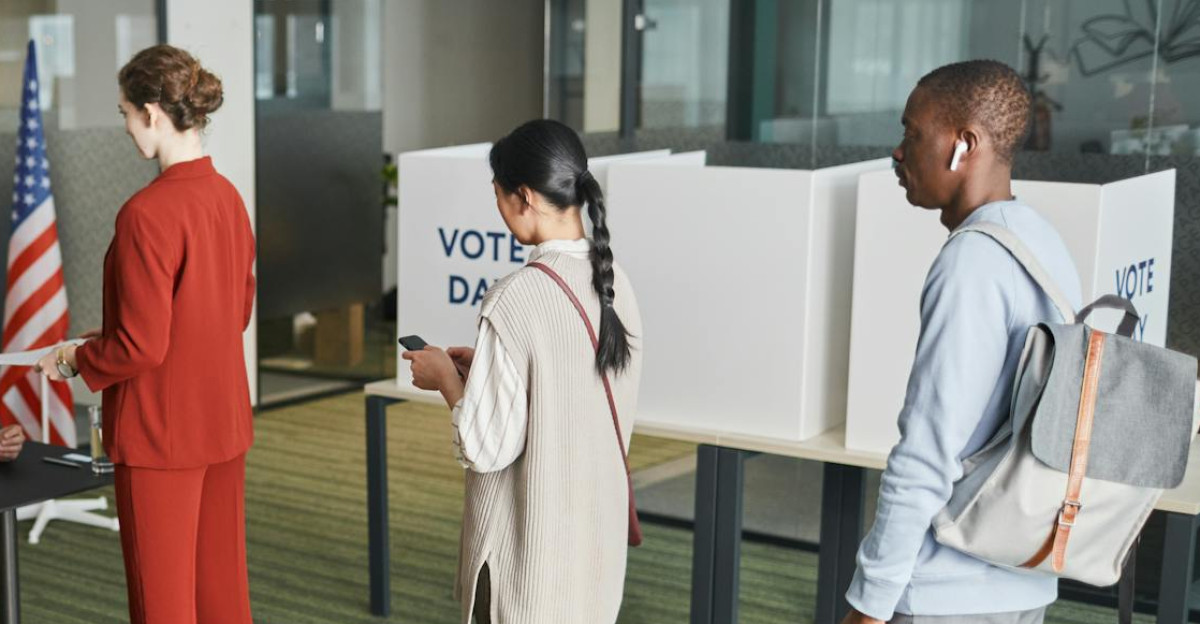
A separate suit filed in Washington, D.C., alleges the troop presence could chill voter participation ahead of the election, arguing armed forces patrolling polling places intimidate citizens, AP News states. Civil-rights groups are monitoring possible enforcement actions during early voting. Will courts block any military-adjacent election activities?
White House Claims Success, Threatens Chicago
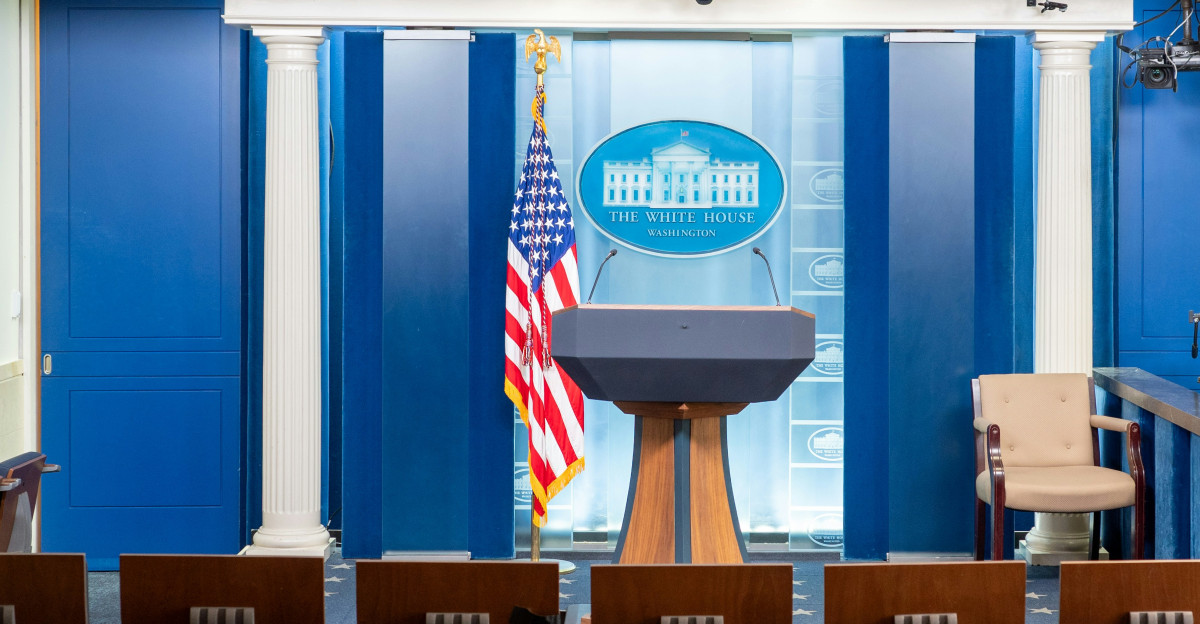
Time magazine notes that the White House asserts that deployed troops “restored order” amid June protests, citing a 40 percent drop in arrests after their arrival. Reuters adds that administration officials have threatened similar deployments to Chicago if local leaders request federal assistance. Critics warn that this signals broader plans to militarize urban law enforcement.
Congress Weighs New Military Restrictions
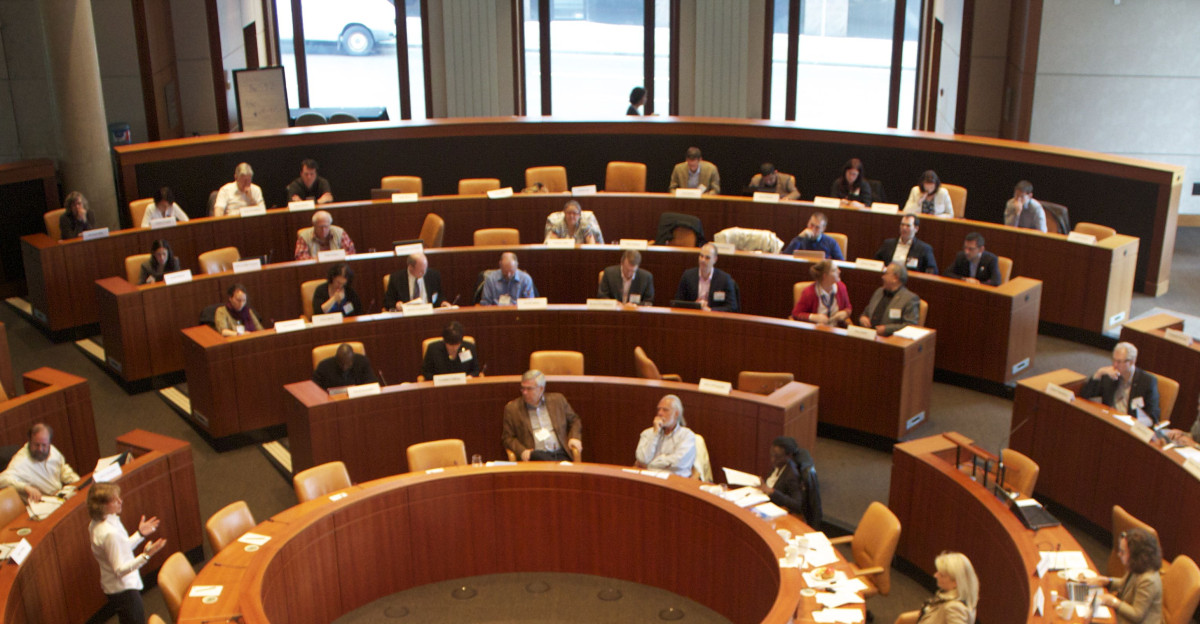
In Washington, Military.com reports that lawmakers are considering clarifying the Insurrection Act to address modern unrest. Senators across parties propose bills requiring congressional sign-off for domestic troop use. Meanwhile, DOD reviews internal guidelines on National Guard activation. The Pentagon’s next directives could reshape the post-Posse landscape.
Pentagon’s Four-City Expansion Plans Exposed
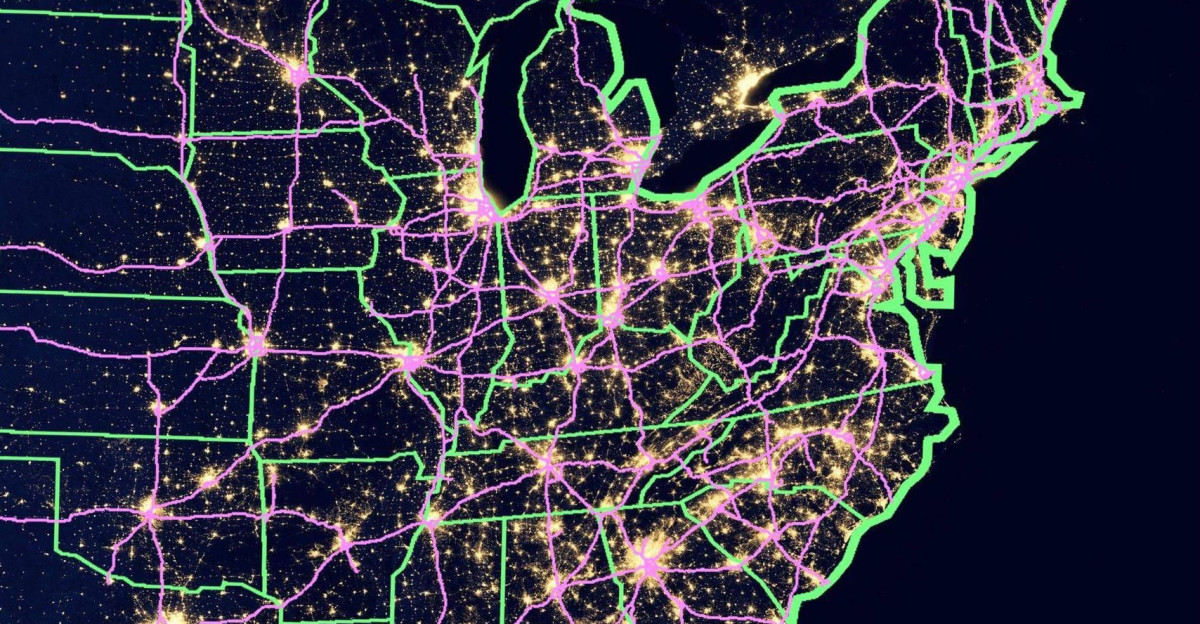
PBS NewsHour discovered Internal Pentagon memos dated July 2025 that revealed plans to station troops in four additional U.S. cities if the L.A. deployment proceeded. The documents showed readiness orders for Chicago, Miami, Houston, and Seattle. This wider strategy underscores federal intent to militarize protest responses nationwide.
Guard Officers Express Mission Confusion
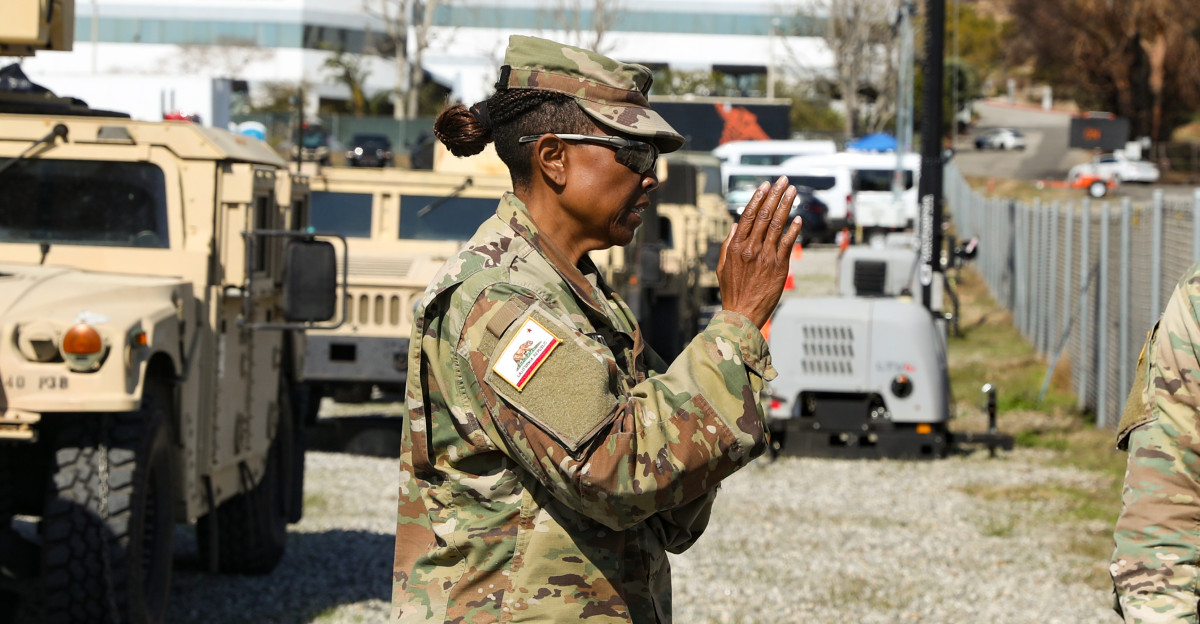
The Los Angeles Times learned from leaked August briefings that California Guard officers expressed confusion at sudden federal orders. One lieutenant in internal meetings said, “We train for disasters, not law enforcement. ” State Guard leaders lobbied for clearer mission definitions, fearing legal exposure and morale issues.
Newsom Appoints Civilian Oversight Panel
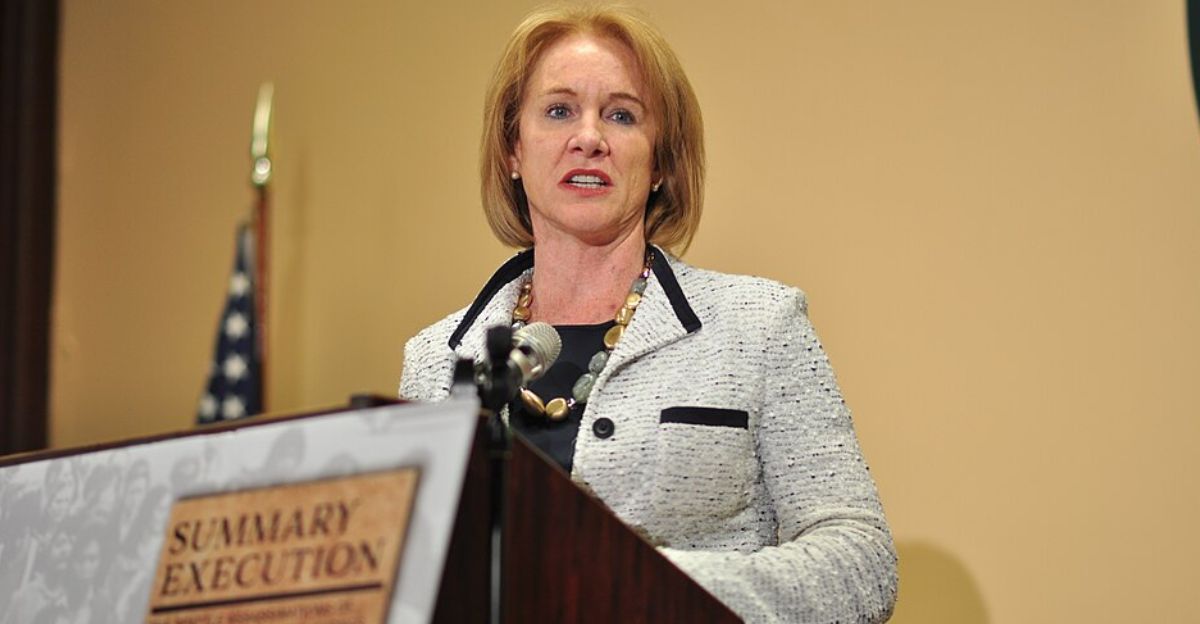
California’s press office announced that Governor Newsom appointed a civilian oversight panel to coordinate with the LAPD following the injunction. Headed by former U.S. Attorney Jenny Durkan, the board will audit state and local security protocols to prevent future federal-state clashes.
LAPD Unveils Post-Military Strategy
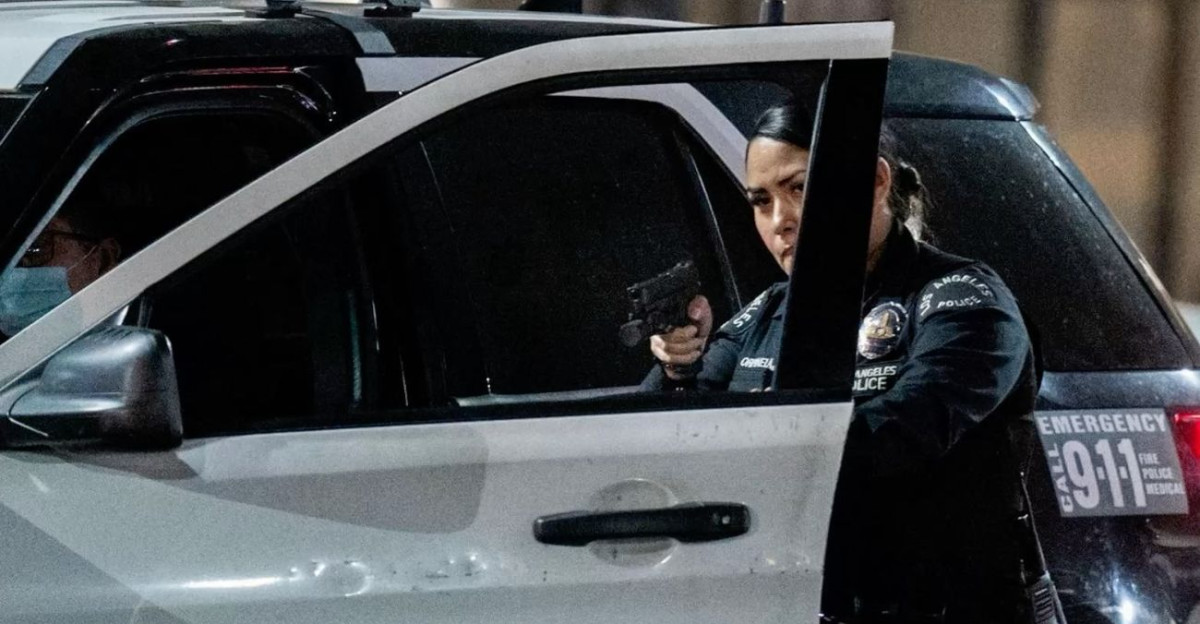
CBS News reports that the LAPD unveiled a 60-day plan to boost foot patrols and community liaisons in key districts. The department reallocates funds from overtime to technology investments, including drone surveillance and nonlethal crowd-control tools. Officials hope to fill the void left by troops.
Legal Scholars Predict Broader Impact

Constitutional scholar Sarah Eskens warns this ruling could spur litigation against past federal deployments, including border missions, Reuters reports. “Courts may revisit decades of precedent,” Eskens told the news service. She predicts battles over Insurrection Act thresholds and executive authority limits.
High Court Showdown Looms Pre-Election
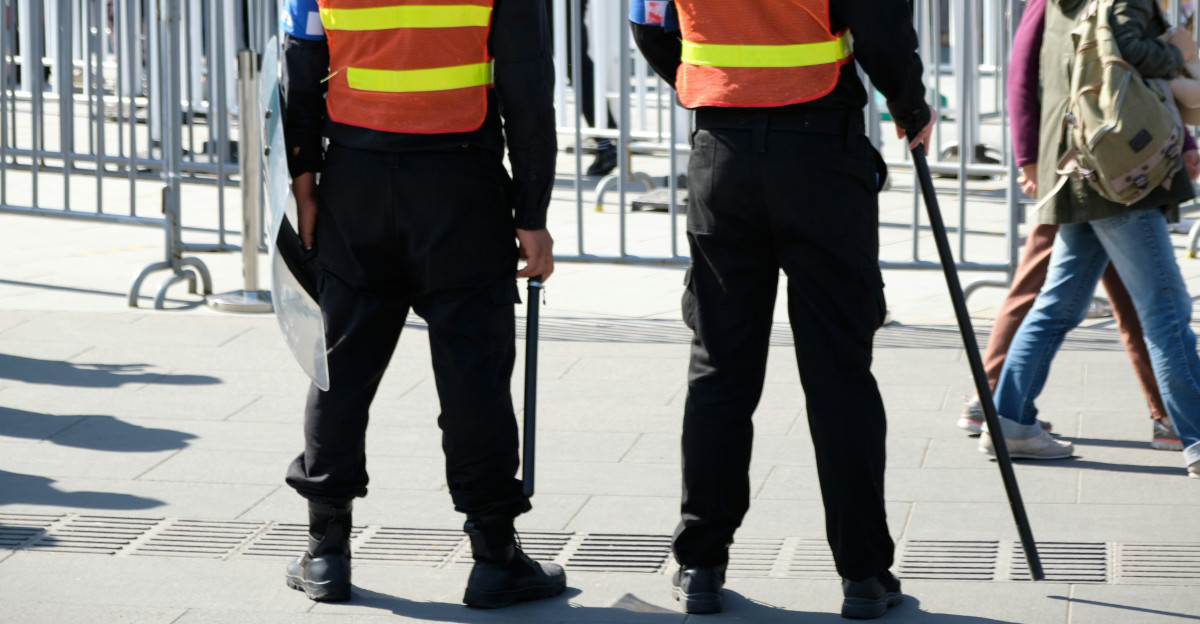
As Trump vows to appeal to the Ninth Circuit—and possibly the Supreme Court—just weeks before voting begins, observers question whether courts will curb presidential power over domestic troops, Politico notes. Key questions include the allowable scope of “emergencies” and the separation of military and civil policing.
Partisan Battle Lines Form

The Hill observes that Republican lawmakers accuse Democrats of politicizing public safety while Democrats decry executive overreach. House hearings next month will probe Justice Department directives. This partisan tug will influence midterms and security policy debates.
International Allies Monitor U.S. Precedent
BBC coverage shows that Australian lawmakers monitor U.S. precedents amid debate on using ADF troops for domestic disaster relief. Canada’s provinces similarly review guard activation laws. The L.A. case may ripple beyond U.S. borders, affecting allied civil-military frameworks.
Environmental Groups See First Amendment Win

AP News reports that environmental activists note militarized responses can hamper protests against oil pipelines. Legal advocates argue the ruling protects First Amendment rights and could enable more environmental demonstrations without fear of military intervention.
Generation Gap Emerges on Military Patrols
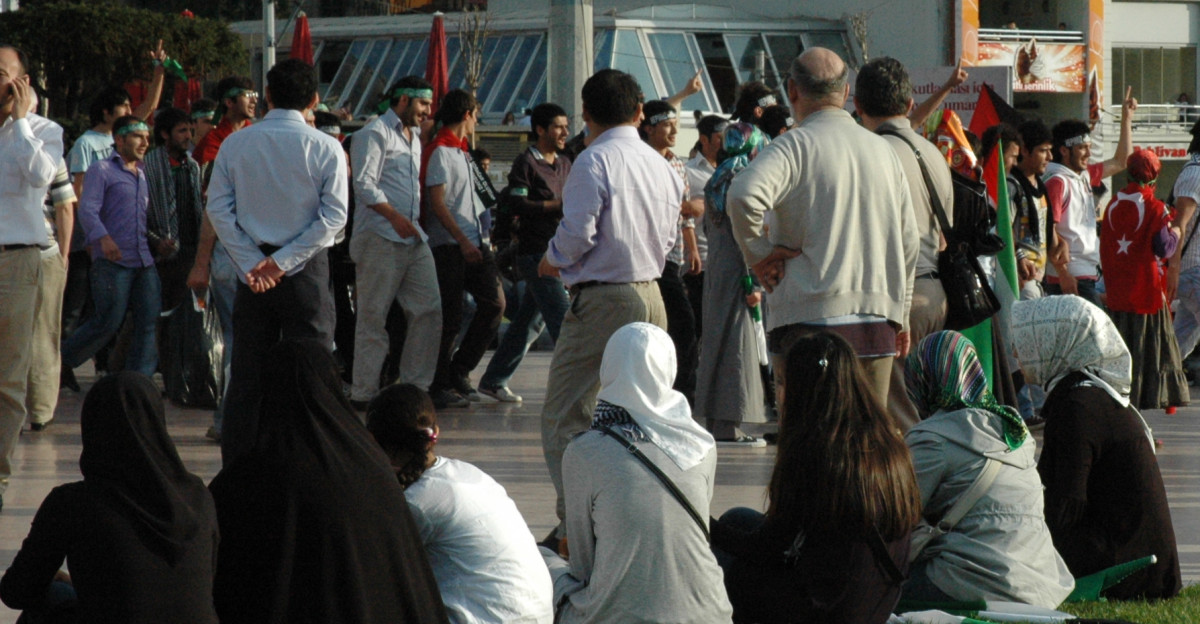
According to Pew Research Center polling, generational divides shape views on soldiers in cities. Surveys show 65 percent of Gen Z oppose military patrols at protests versus 45 percent of Baby Boomers. Younger voters increasingly prioritize civil liberties over force, signaling long-term cultural change.
Constitutional Balance at Crossroads
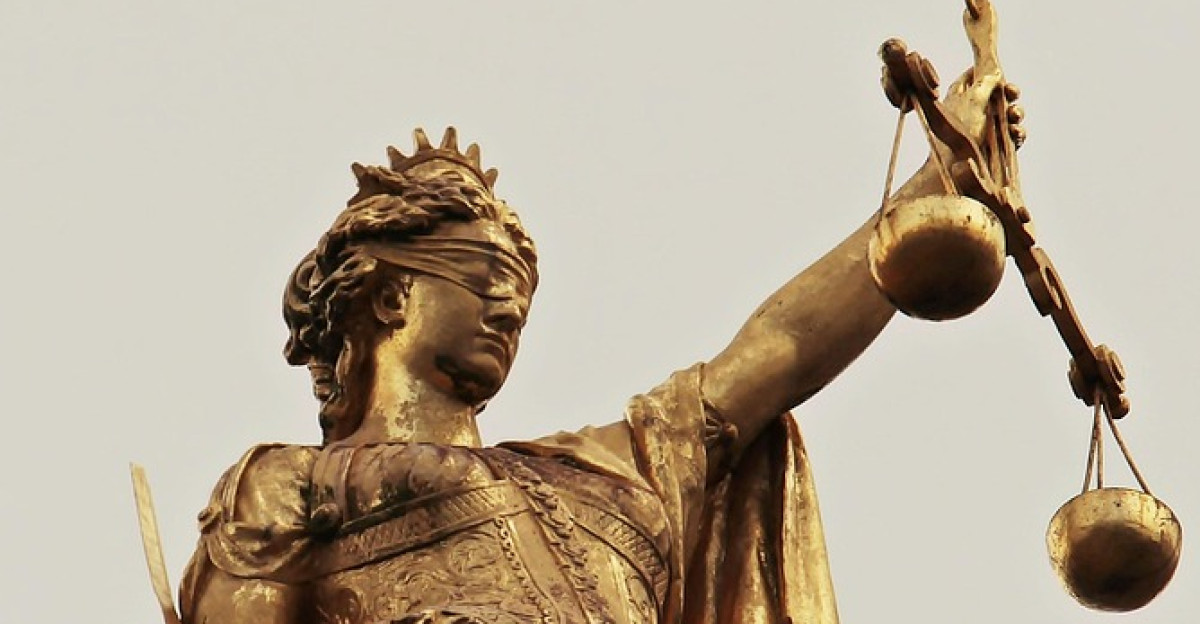
Reuters analysis suggests that the L.A. decision underscores the enduring tension between security and freedom. As emergencies evolve, so must legal guardrails. This landmark case challenges assumptions about presidential power and may redefine civil-military relations for generations to come.