
On October 22, 2025, Ukrainian forces struck the Saransk Mechanical Plant in the Republic of Mordovia with a precision drone strike that penetrated more than 700 kilometers into Russian territory. The assembly sector, which produced vital munitions components including detonators and initiation units, was the focus of this attack, which was spearheaded by the 1st Separate Center of Unmanned Systems Forces.
One of Ukraine’s deepest confirmed hits, the secondary explosion that followed destroyed almost 6,500 square meters of the plant. Now representing major vulnerability is the Saransk factory, a Rostec state corporation-led establishment essential to Russia’s military-industrial apparatus. This action challenges the assumed invulnerability of Russia’s artillery supply system and redraws battlefield borders, marking not only a tactical victory but also a strategic shift in drone warfare capabilities.
The Historical Background of Deep Drone Attacks
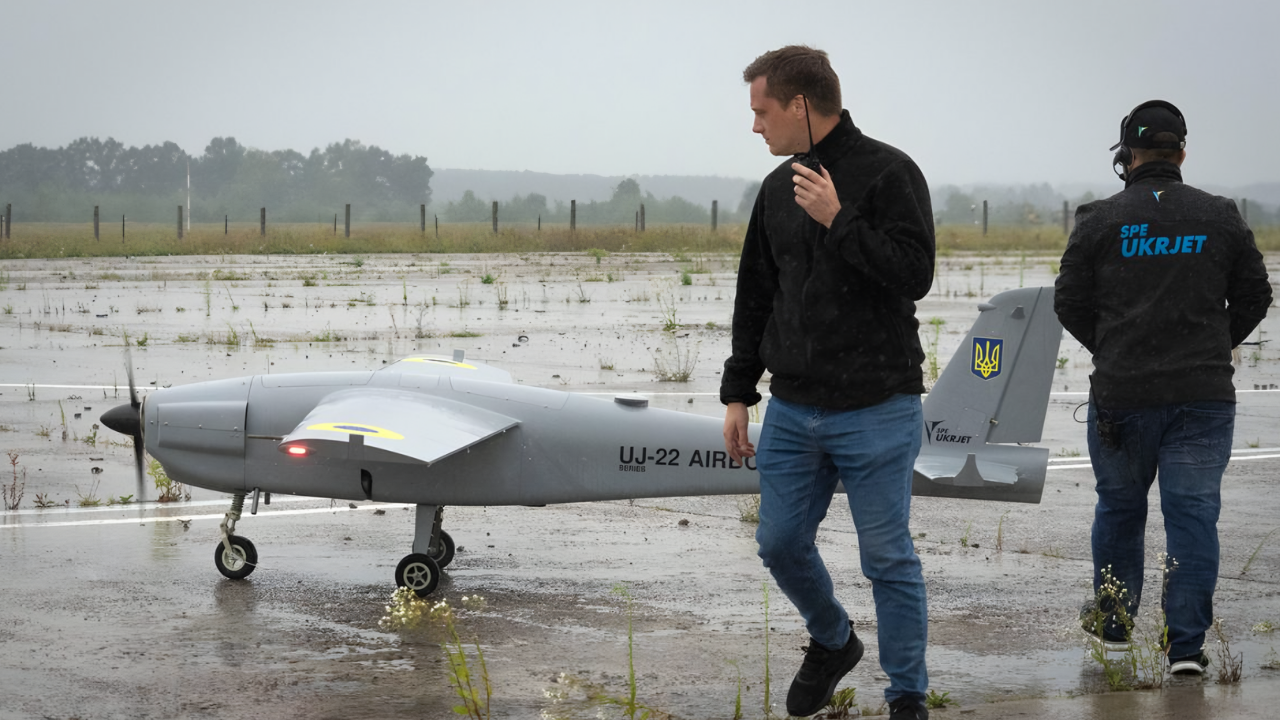
Due to geography and air defenses, Russian military installations behind the frontlines were historically thought to be safe from drone attacks. This paradigm is broken by the Saransk strike. The limited Ukrainian reach was evident in earlier attacks, which mostly occurred within 200–300 km of the border. This 700 km penetration, however, is comparable to the distance between Detroit and Washington, D.C., demonstrating a revolutionary advancement in unmanned systems warfare.
It continues a trend in which no Russian industrial site is inaccessible, building on previous ultra-deep strikes like the Plastmass plant explosion in Chelyabinsk, 1,800 kilometers from Ukraine. This previously unheard-of range marks a turning point in the use of operational drones and changes both sides’ strategic calculations.
Saransk Mechanical Plant Anatomy
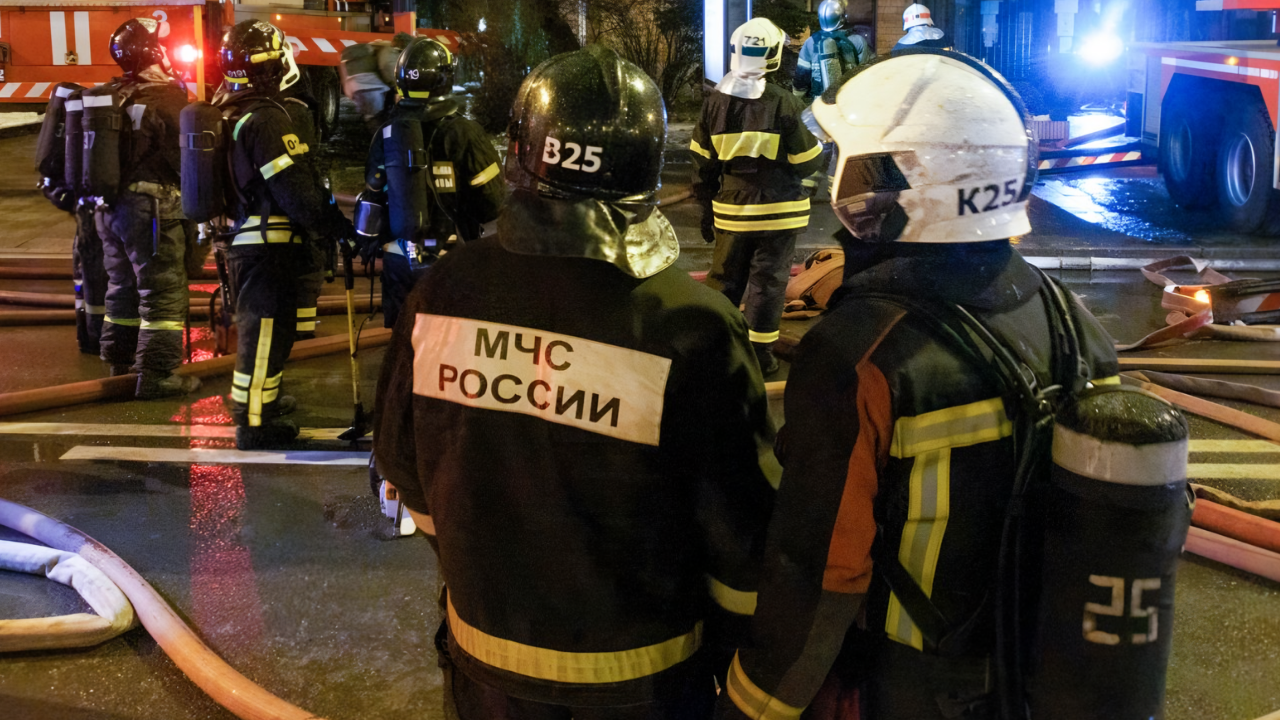
The Saransk Mechanical Plant manufactures advanced military parts such as rocket fuel, detonators, mining kits, gunpowder, and anti-personnel engineering ammunition. It is a Rostec subsidiary that supports an estimated 2-3 million artillery shells a year, making it essential to Russia’s arms production.
Its temporary closure in 2020 for safety violations is indicative of production processes that are high-risk. The facility is still unapproved by the US and EU despite its military importance, revealing weaknesses in global arms control. The strike hit a crucial node in Russia’s production of explosive ordnance by precisely targeting munitions initiation components close to the Atemar settlement assembly section.
Implications of the Deep Strike for Strategy
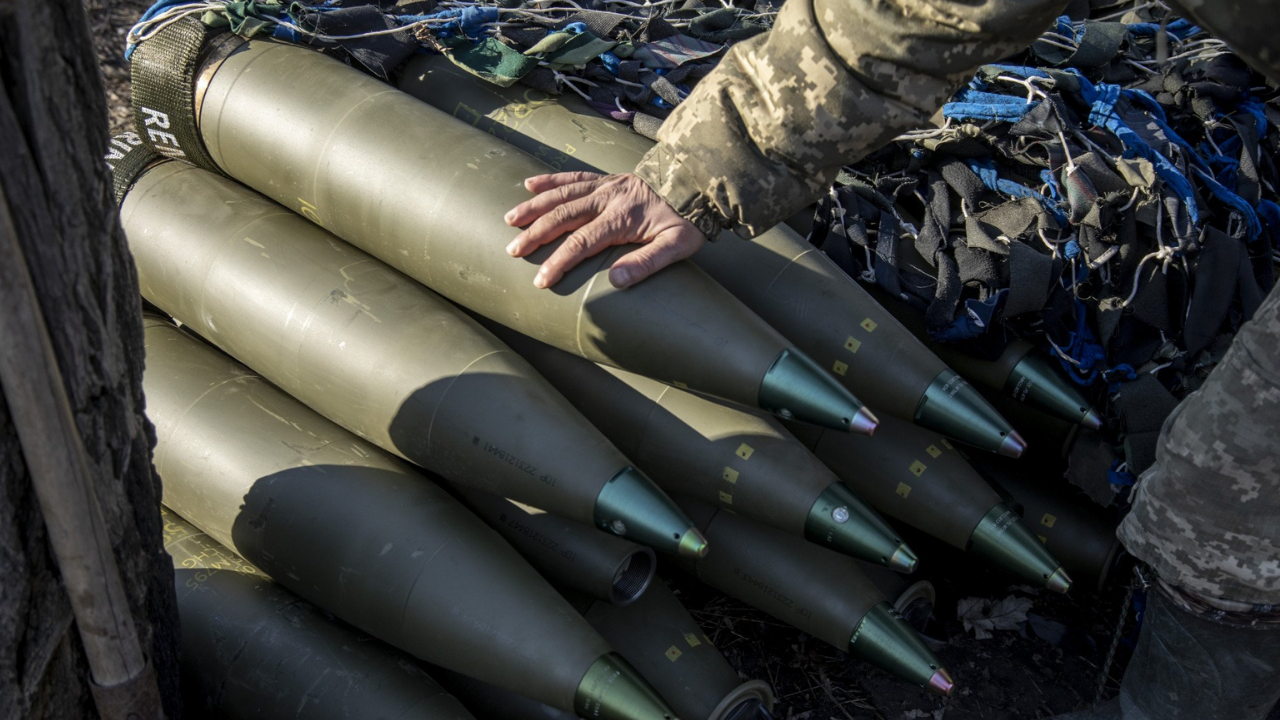
Russia’s artillery supply chain, which is essential to maintaining front-line operations marked by ceaseless artillery barrages, is disrupted by the Saransk strike. The area of a Walmart Supercenter, which is packed full of detonators and explosive charges, would be destroyed if 6,500 square meters (about 70,000 square feet) of explosives infrastructure were destroyed. With fires visible on social media, this secondary detonation demonstrates the operational scope and tactical accuracy.
Manufacturing could be delayed by weeks or months as a result of this disruption, putting additional strain on Russia’s already fragile military-industrial complex as it reroutes production and restocks in response to ongoing Ukrainian attacks.
Ukrainian Navigation and Drone Technology
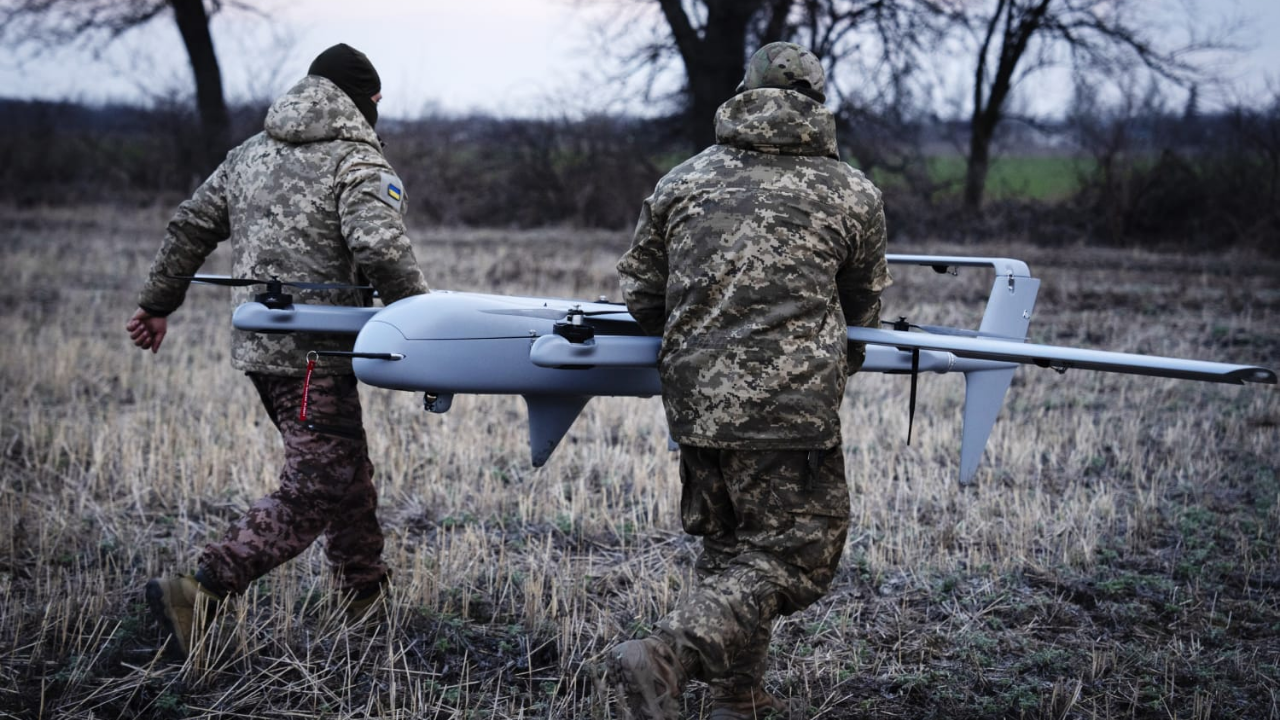
The capacity to carry out a coordinated, ultra-deep strike demonstrates impressive developments in Ukrainian drone endurance, stealth, and navigation. Over 700 kilometers, evading advanced Russian air defenses requires advanced technology, most likely involving electronic countermeasures, satellite guidance, and low-observable profiles.
Growing from the 14th Drone Regiment, the 1st Separate Center of Unmanned Systems Forces exhibits quick innovation in unmanned warfare by converting drones from tactical reconnaissance instruments into strategic bombers that can cause systemic damage deep within enemy territory.
Moral and Psychological Aspects
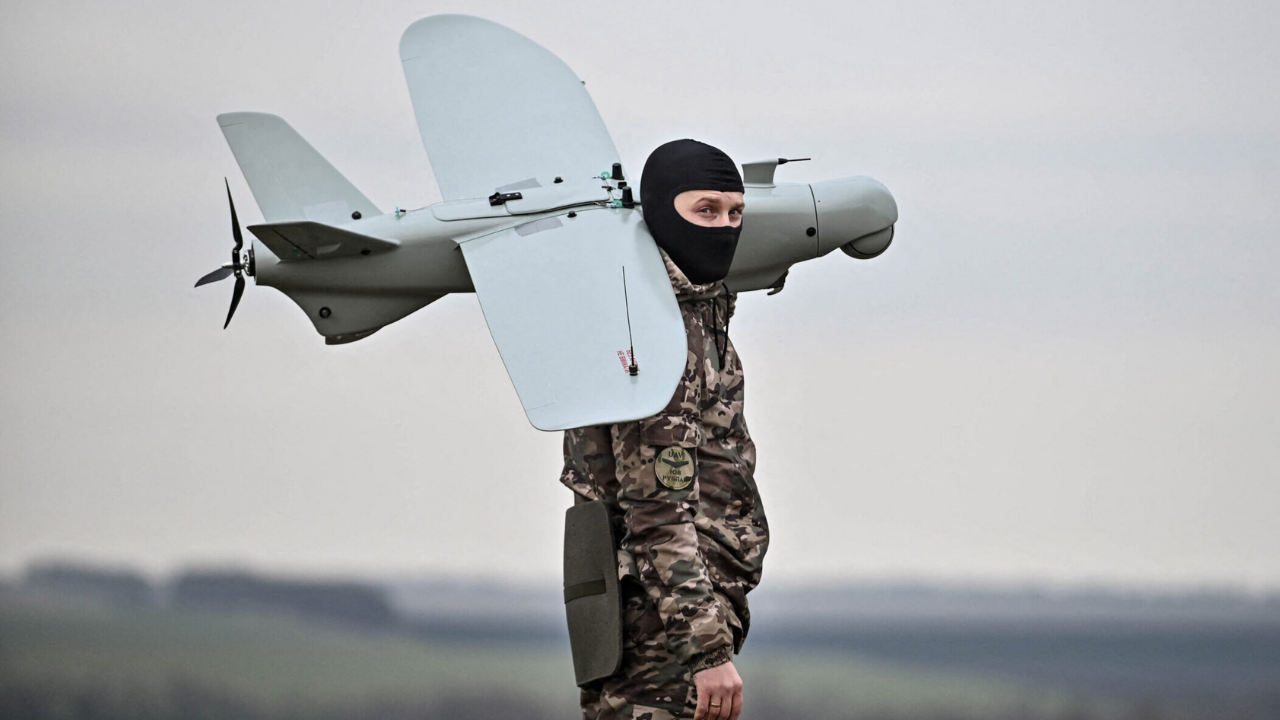
Ukraine is reversing the psychological narrative of invulnerability and bringing the terror of the war closer to Russia by striking deep within Russian heartlands. With each detonator and explosive charge destroyed, fewer landmines pose a threat to Ukrainian civilians, particularly children, and Russian employees working in military installations. Beyond the immediate harm, the psychological effects reverberate, eroding trust in the security of “rear-area” areas that were previously thought to be impervious to direct assault.
This change alters the conflict’s mental landscape by undermining morale and sending the message that no industrial site is inaccessible.
Wider Geopolitical Repercussions
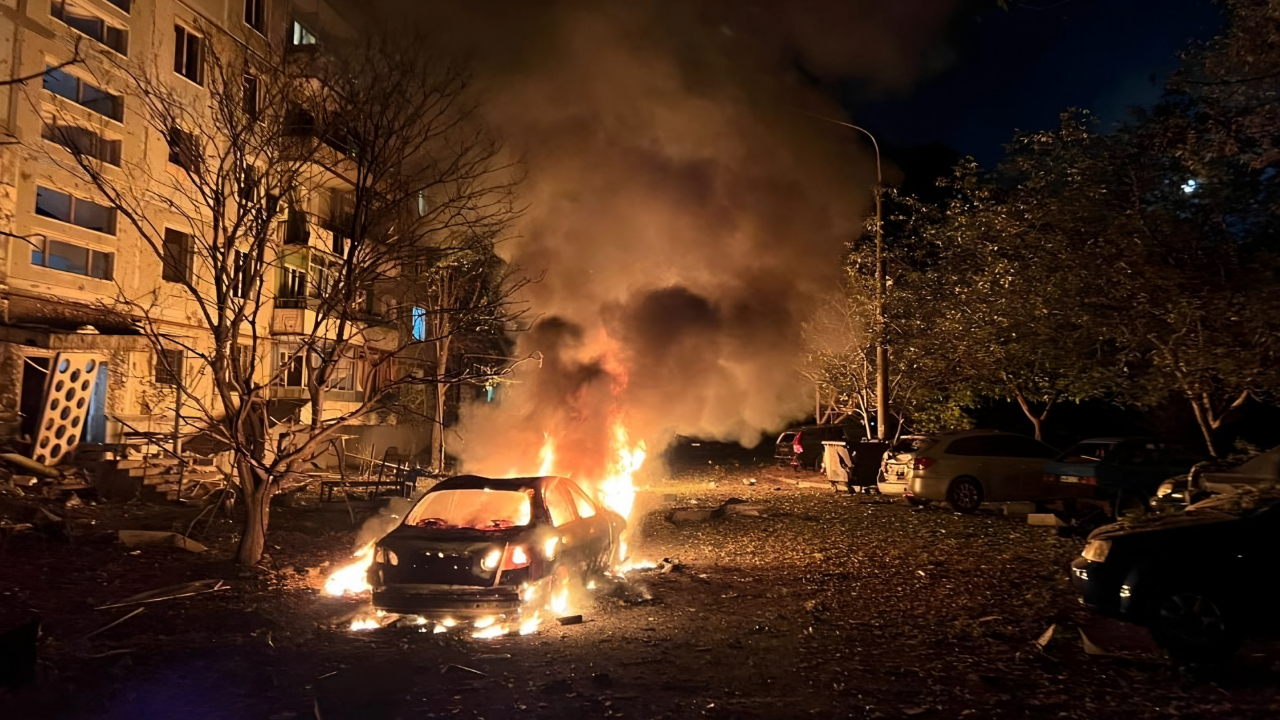
Ukraine’s increasing ability to carry out coordinated deep strikes across several Russian regions is demonstrated by the strike’s timing and coordination, which simultaneously targeted the Dagnotech oil refinery in Makhachkala, Dagestan.
This undercuts ammunition production and deteriorates Russia’s fuel supplies that support Caspian Fleet naval bases, demonstrating both technological prowess and strategic foresight. The knock-on effect makes it more difficult for Russia to maintain protracted military campaigns on multiple fronts and jeopardizes Moscow’s operational logistics in the area. The Kremlin leadership may be forced to reconsider internal defense postures and resource allocation as a result of such precision strikes.
Alternative Views on Drone Combat
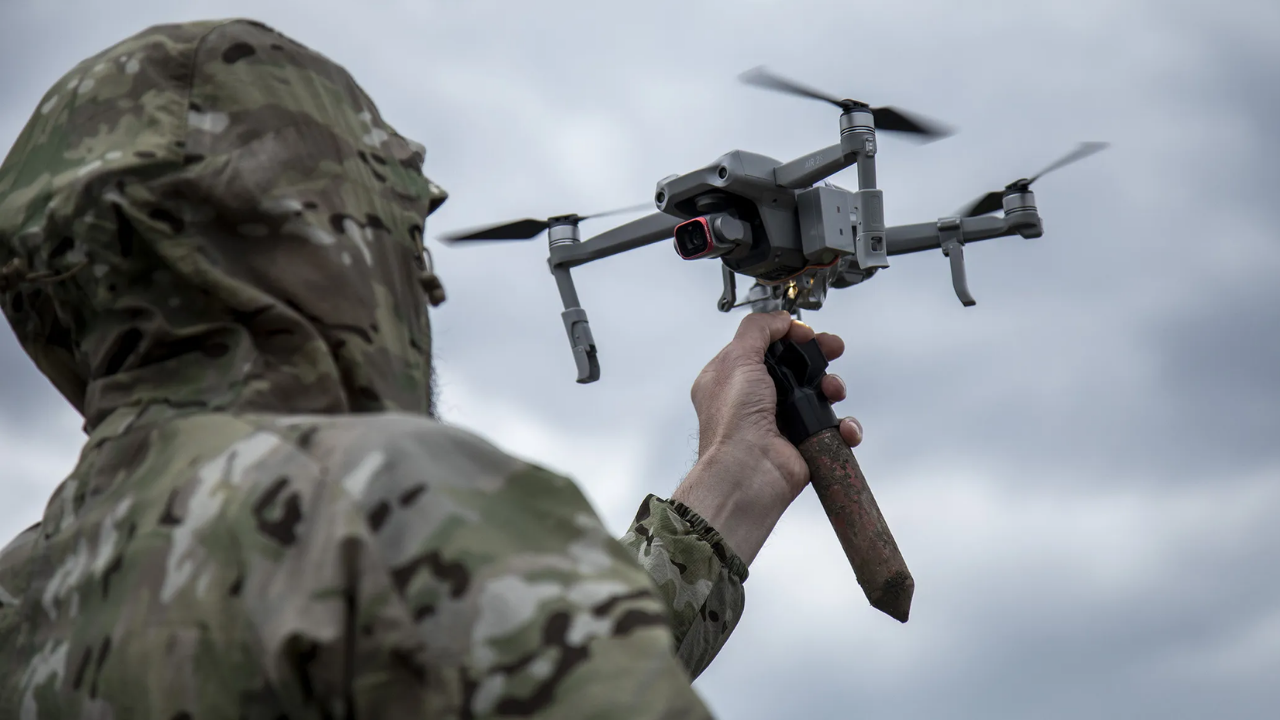
Drones, according to conventional wisdom, could only be used for tactical strikes or short-range reconnaissance. This is called into question by Ukraine’s operational shift, which presents drones as strategic disruptors with the ability to remotely destroy industrial capacity.
Russia’s large geographic area, which once protected it, is now a liability because it increases the number of susceptible targets. This runs counter to the notion that security is a natural consequence of territorial depth. The strike is a prime example of the evolution of “hybrid warfare,” in which drones play a pivotal role in determining the sustainability of war rather than just increasing force.
Industrial and Economic Consequences
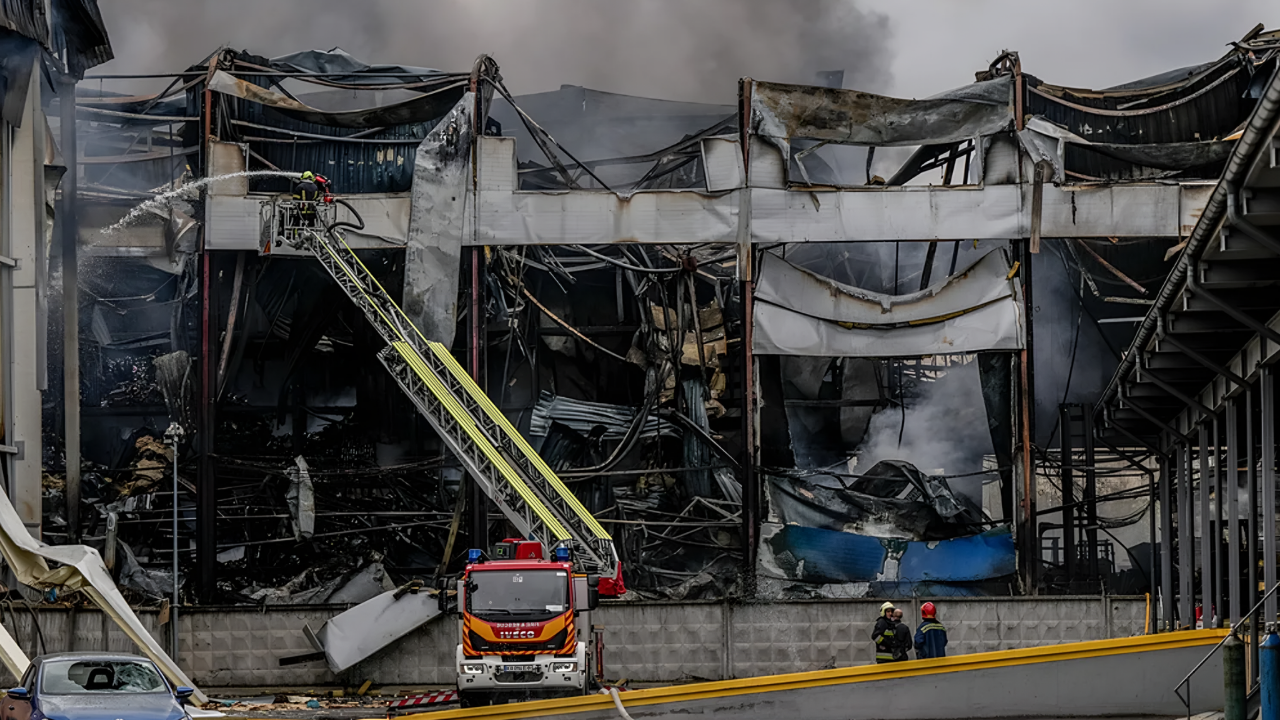
The destruction of the Saransk facility causes long-term economic strains in addition to immediate military harm. After the 6,500 square meters of destruction, the restoration and safety certification procedures will be expensive and take longer to complete. Operational halts and increased scrutiny may be imposed on Russia’s uncontrolled arms production environment, which has a history of safety violations.
The manufacturing of munitions is also affected by disruptions in supply chains that feed the production of detonators, which could raise costs, lower output quality, and compromise readiness, all of which would weaken Russia’s war effort as a whole.
Independent Impact Measures and Verification

Artyom Zdunov, the governor of Mordovia, confirmed enterprise damage but no civilian casualties after secondary explosions and fires were widely reported on Russian social media. Since such openness is uncommon, Ukrainian claims are given more weight. The extent of the damage is probably confirmed by satellite imagery, which clearly shows the facility’s footprint was affected.
An estimated 1.6 acres of vital production infrastructure were destroyed, according to analysts, and it is shocking to think that thousands of explosive components were present, which would have intensified the explosion. The legitimacy of Ukraine’s strategic deep-strike claims is increased by this independent confirmation.
Ukrainian Military Adaptability and Innovation
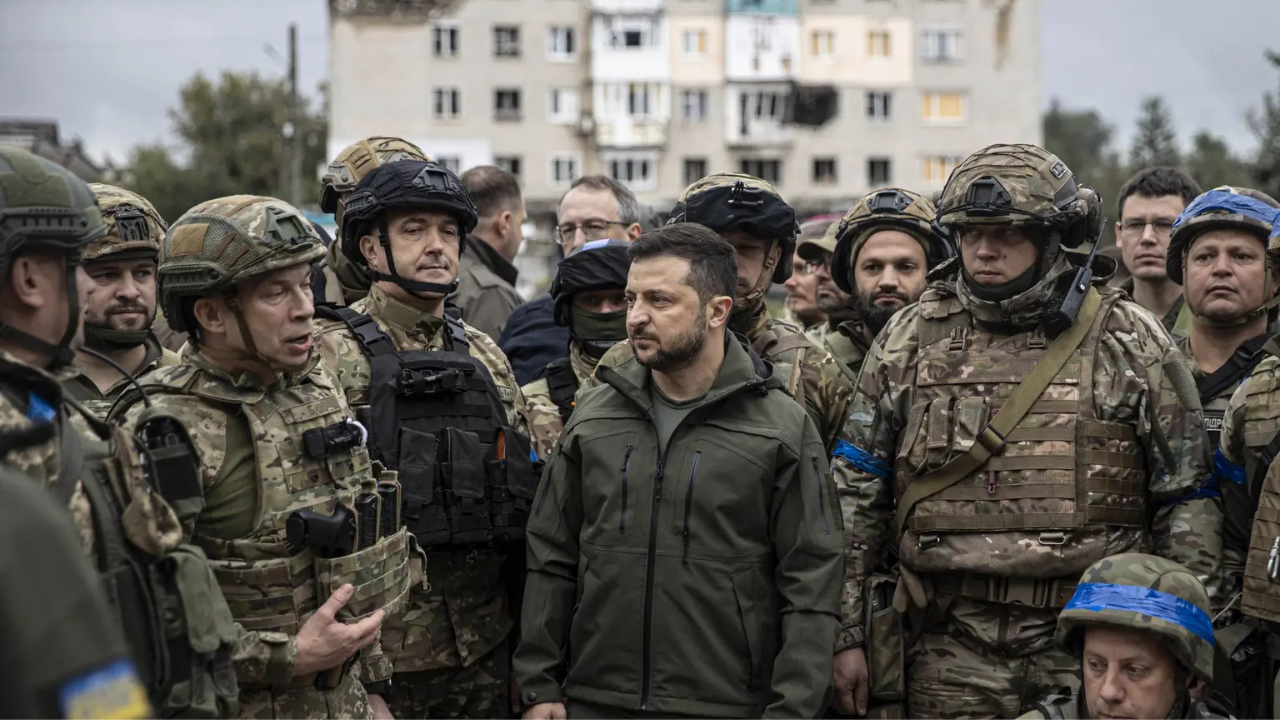
The operation is an example of Ukraine’s quick innovation and adaptation in the use of drones during conflict. Accelerated R&D cycles and battlefield learning are indicated by the shift from tactical drones with short range to precision strikes with long range.
By taking advantage of asymmetric advantages over the technologically superior Russian military, Ukrainian forces have become leaders in operational drone warfare. Other countries keep a close eye on this innovation, which stresses decentralized control, agile deployment, and technological integration. It may have an impact on future international military doctrines that go beyond the current conflict.
Russian Defensive Response Difficulties
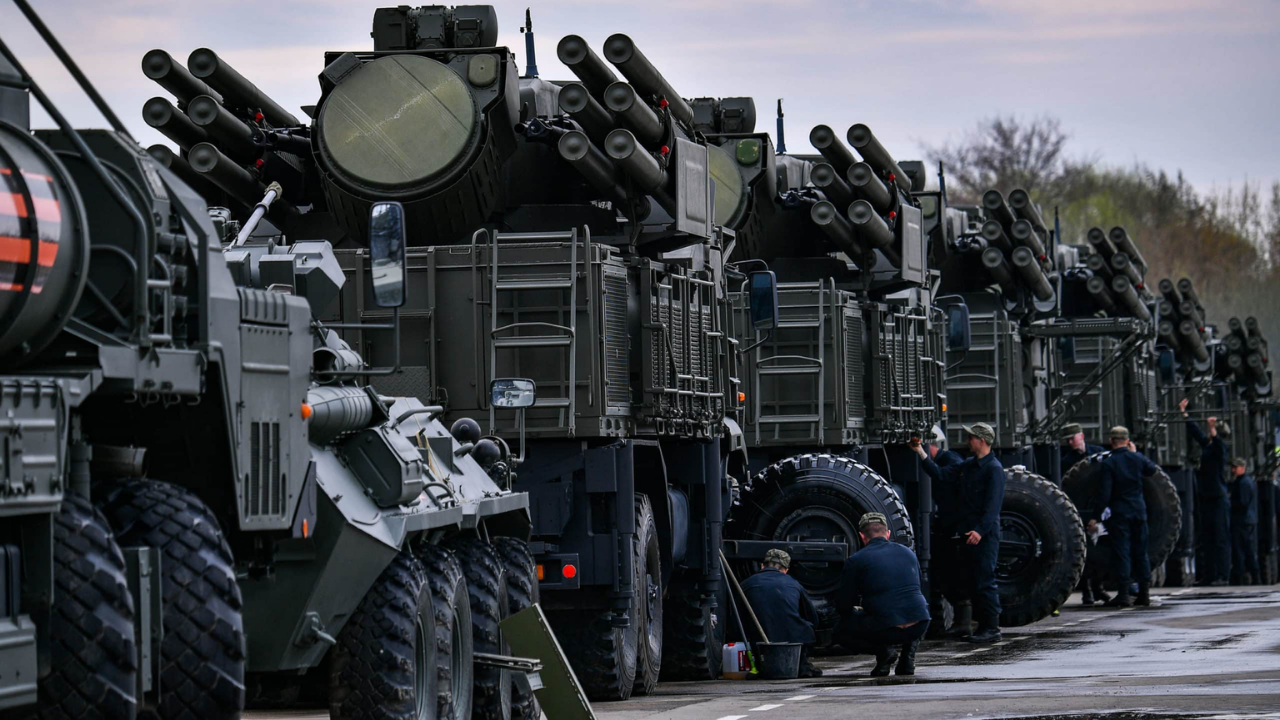
Such long-range drone incursions present new difficulties for Russia’s layered air defense system, which is built for layered protection. Small, low-flying unmanned systems with lower radar signatures are difficult to intercept with conventional radar and missile batteries designed for manned aircraft interception.
The Saransk strike reveals weaknesses in Russian airspace sovereignty by exposing gaps in detection and interception. This forces Moscow to shift resources away from frontline defense and either make significant investments in anti-drone systems or reevaluate the strategic importance of safeguarding distant industrial assets.
Unexpected Analogies and Mashups in the Industry
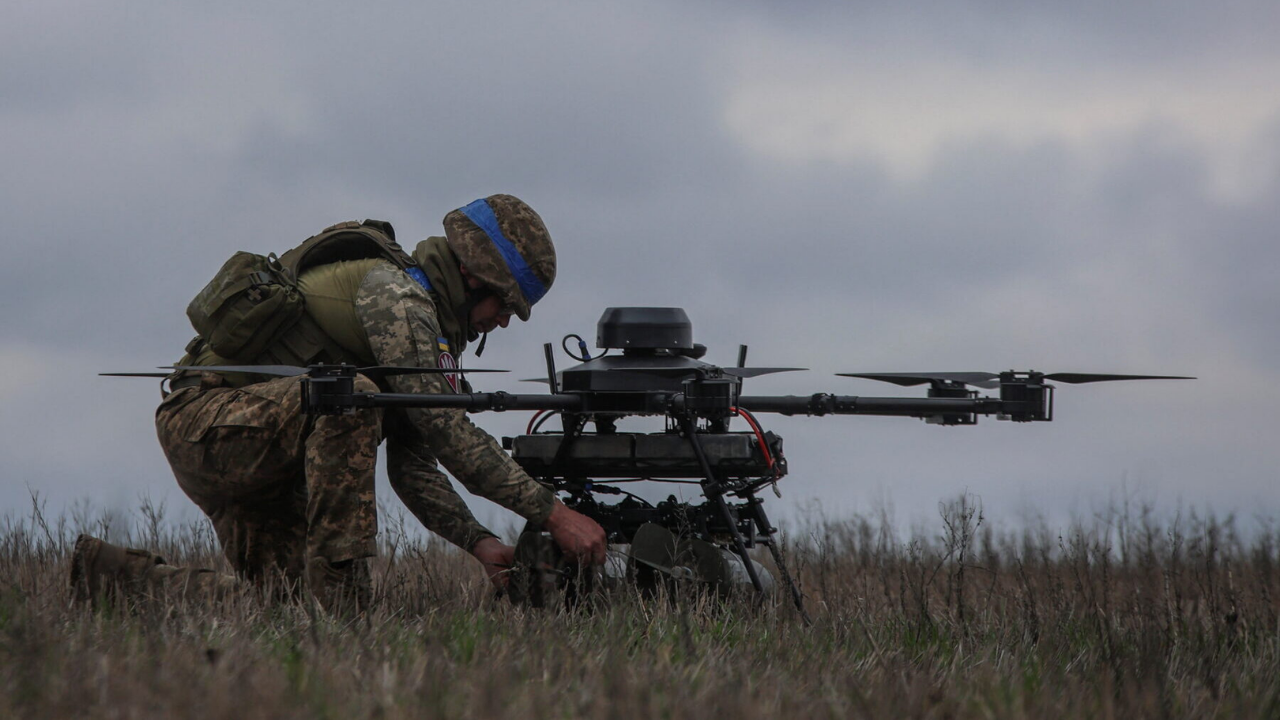
Similar to cyberattacks that remotely destroy enemy infrastructure, this strike is as complex as non-military industrial espionage. Drones are now used in conventional warfare in ways that combine aspects of electronic and kinetic warfare, much like digital sabotage.
A possible model for cross-industry applications such as supply chain resilience planning and infrastructure security outside of military contexts is the Saransk explosion, which provides a case study for maximizing operational disruption through the combination of unmanned aerial technology and precise timing.
Future Trends and Theoretical Hypotheses
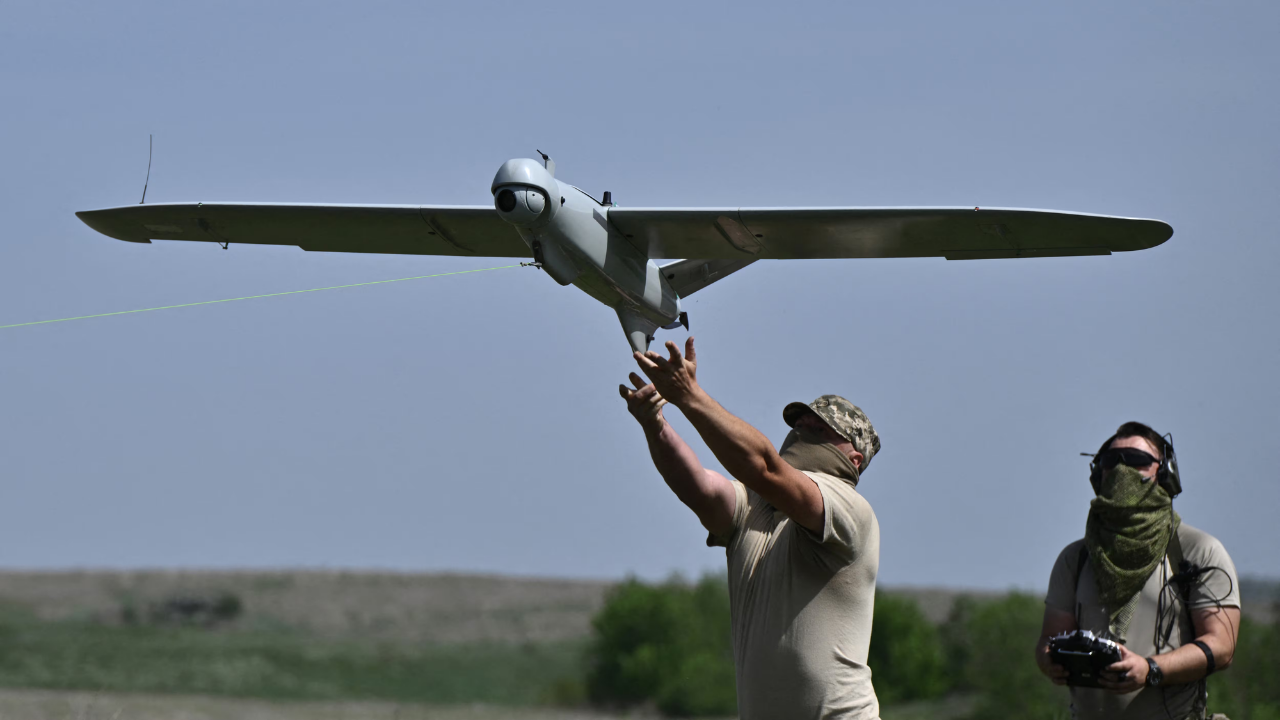
The attack raises the possibility of future developments in which drones become more lethal through the use of swarm tactics or payloads with nuclear capabilities. According to theory, a continuous drone presence might force a total reorganization of the military-industrial landscape, redistributing production to more mobile, smaller, and dispersed units that are more difficult to target.
Deeper AI integration for autonomous target selection and real-time battlefield adaptation is also being discussed; this could normalize such ultra-deep strikes in future conflicts and drastically change the global strategic calculus.
Redefining the Military Environment in Russia
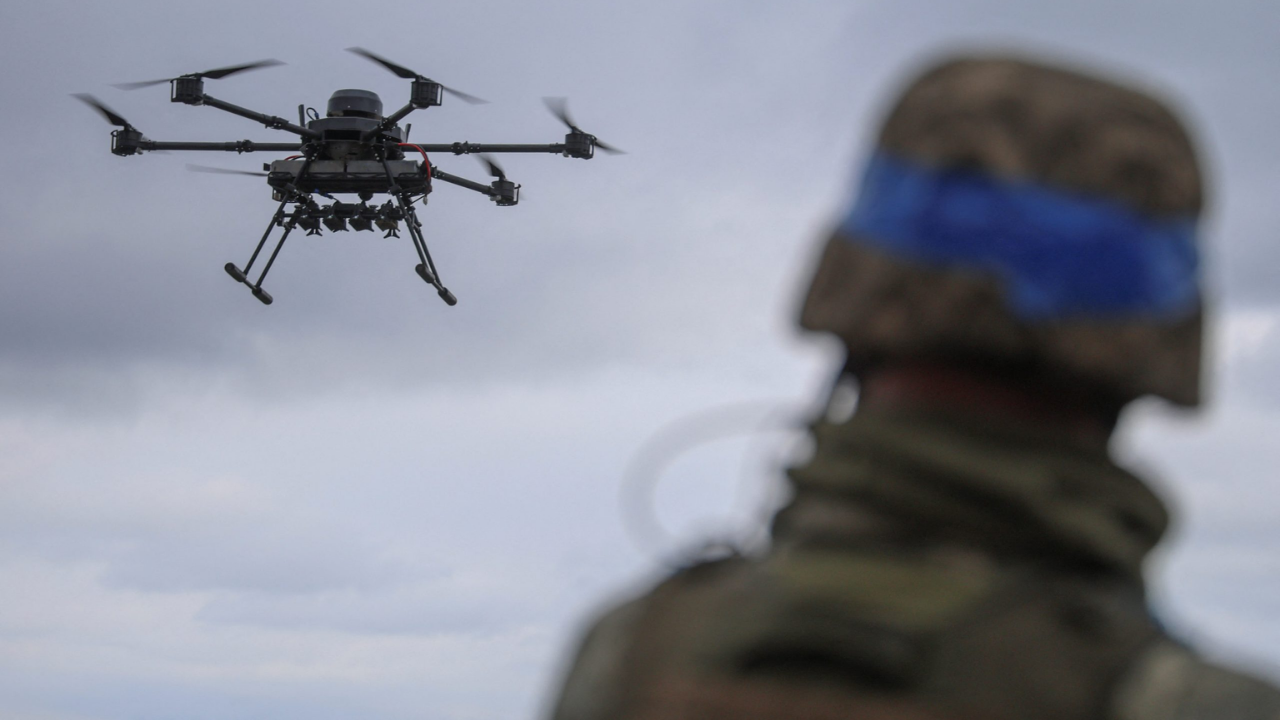
The 700-kilometer drone attack on the Saransk Mechanical Plant marks a turning point in the conflict between Russia and Ukraine by highlighting Ukraine’s strategic and technological advancements and highlighting the weaknesses in Russia’s military-industrial complex.
This attack rewrites drone warfare doctrine, questions presumptions about territorial defense, and permanently disrupts Russia’s ammunition supply chain. The capacity of Ukraine to carry out such operations represents a transition from defensive reactivity to aggressive strategic innovation, indicating significant changes in the nature of contemporary warfare and the inevitable internal deterioration of Russia’s war machine.