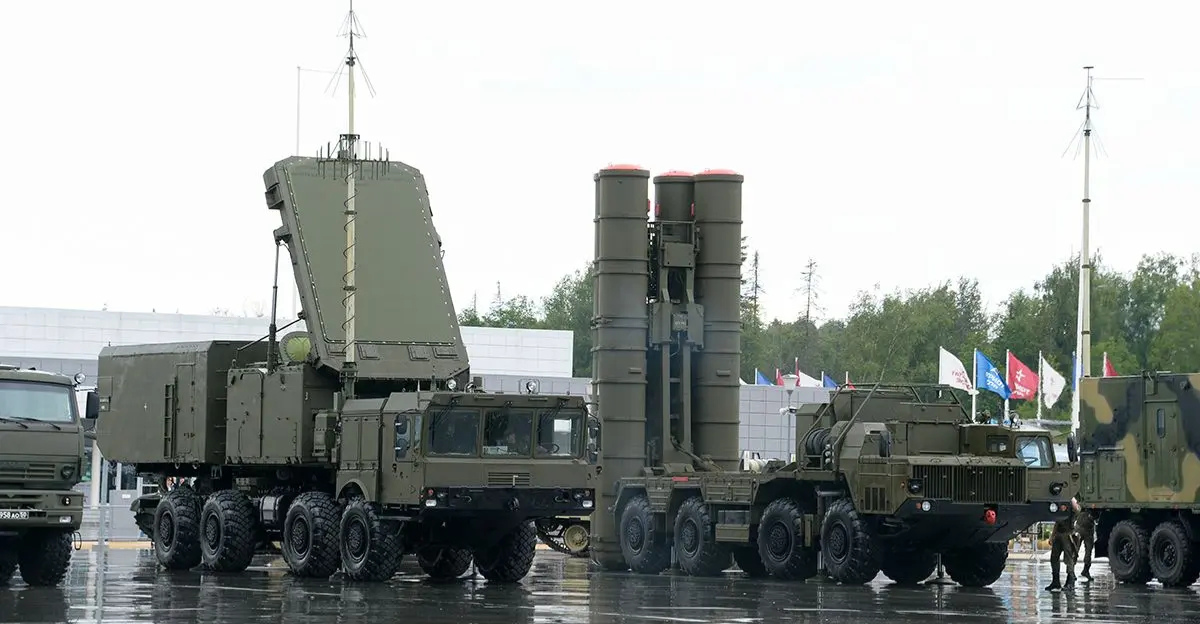
Putin’s “invincible” $100 million radar shield in Crimea was debunked by the recent Ukrainian drone attack on October 26, 2025. Three vital Russian radar stations, including parts of the elite S-400 “Triumf” air defense system, were destroyed by Ukraine’s Main Intelligence Directorate (HUR) and its “Ghosts” drone unit. Over the course of five days, this extraordinary operation destroyed Russian air defense assets valued at between $425 and $470 million, revealing deadly weaknesses in Russia’s multi-layered surveillance system on the Black Sea peninsula.
Drones, which cost between $1,000 and $50,000 apiece, circumvented Russian missile defenses and destroyed radars meant to identify aerial threats hundreds of kilometers away.
Crimea’s Air Defense Network’s Historical Background
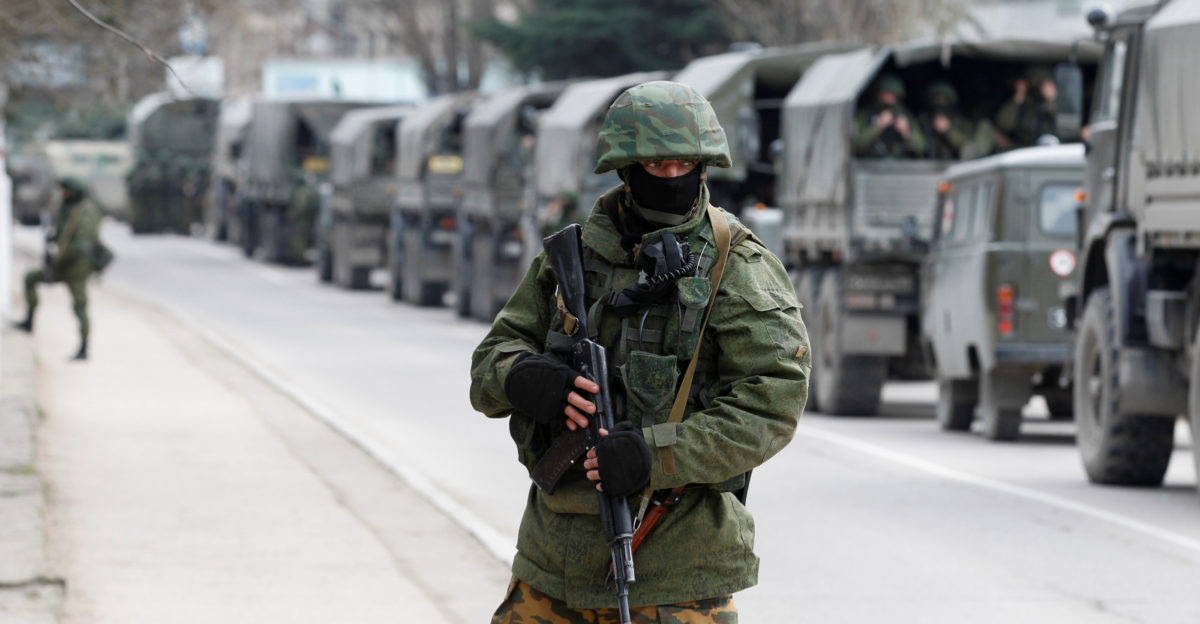
Since Crimea was annexed in 2014, Russia’s military strategy has placed a strong emphasis on air defense, with the S-400 “Triumf” system hailed as an almost impenetrable stronghold. The S-400, which was sold worldwide to China, India, and Turkey, was valued between $500 million and $1.25 billion per battery and was known for its unbeatable detection capabilities over several hundred kilometers.
The costly Nebo-SVU and Nebo-U radar systems, which are intended to combat stealth technologies like the F-35, were added by Russia. These systems prevented NATO and Ukrainian advanced strikes before 2025. The October strikes represent the first confirmed destruction of the S-400’s 96L6 radar in Crimea and the first significant breakdown of Russia’s multi-layered air defense system there since the escalation of the invasion in 2022.
The Drone Unit “Ghosts” and Tactical Innovation
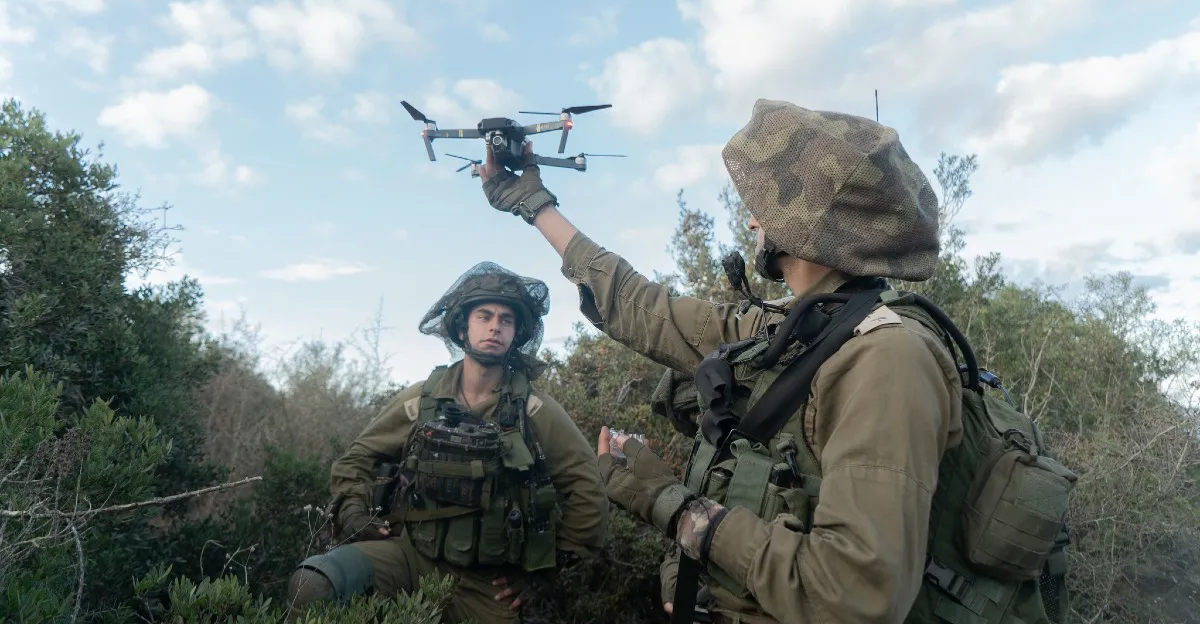
By employing inexpensive drones to breach heavily guarded airspace in Crimea, Ukraine’s “Ghosts,” a specialized drone unit under the Main Intelligence Directorate, pioneered tactical innovation. This unit takes advantage of the fundamental paradox of radar defense, which is that while it detects threats, it uses other systems to neutralize them.
By flying low and maneuvering deftly, Ukrainian drones avoid S-400 missiles and hit radars before countermeasures take effect. These operations transform a low-cost aerial assault into a strategic game-changer by utilizing sophisticated drone swarm tactics, artificial intelligence, and real-time intelligence from ground scouts. These drones cost between $1,000 and $50,000, and their strikes destroy systems worth millions of dollars, resulting in one of the highest cost-effectiveness ratios in military history.
A Comprehensive Analysis of the October 23–27 Strikes
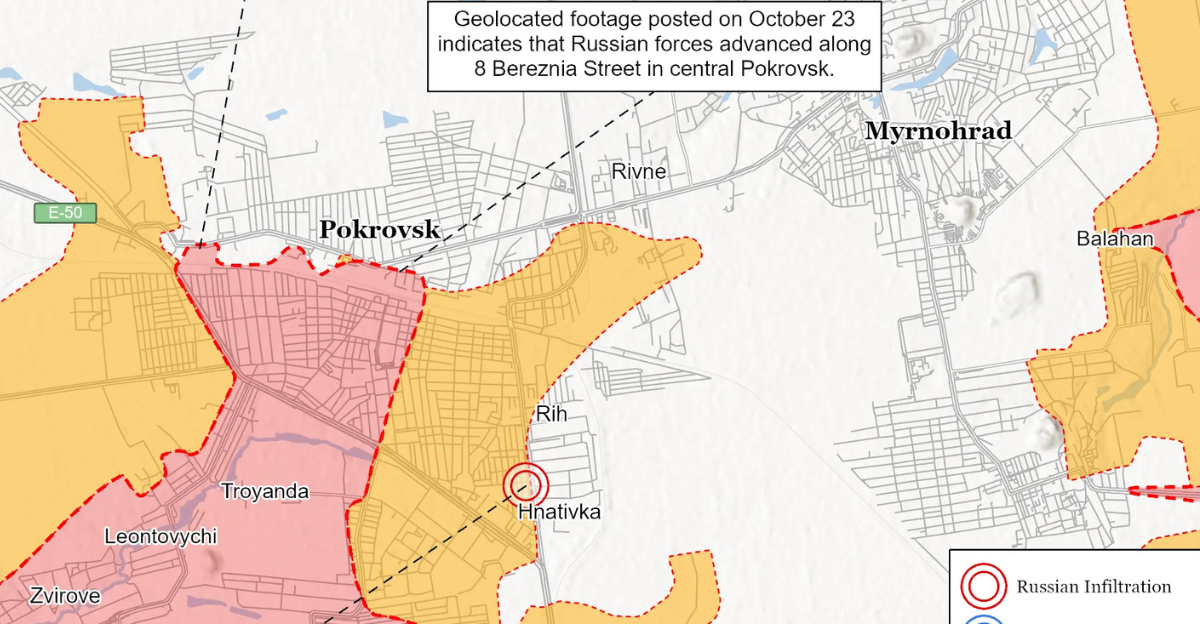
Russia’s Crimean radar network was destroyed by several strikes between October 23 and October 27. Notably, two $100 million Nebo-SVU radars were destroyed in different operations. Ukraine’s “Chornyi Lis” brigade used precise artillery coordination to destroy the $45 million Buk-M3 self-propelled launcher. On October 26, while deftly dodging Russian air defense missiles, the “Ghosts” attacked a BK-16 landing craft and three radar stations (S-400 96L6, P-18 “Terek,” and 55Zh6U “Nebo-U”).
On the Black Sea coast of Crimea, these coordinated operations created satellite-like surveillance blind spots that stretched 200–300 kilometers, depriving Russia of the ability to efficiently monitor or intercept aerial threats across a crucial front.
Russian Defense’s Strategic Financial Impact
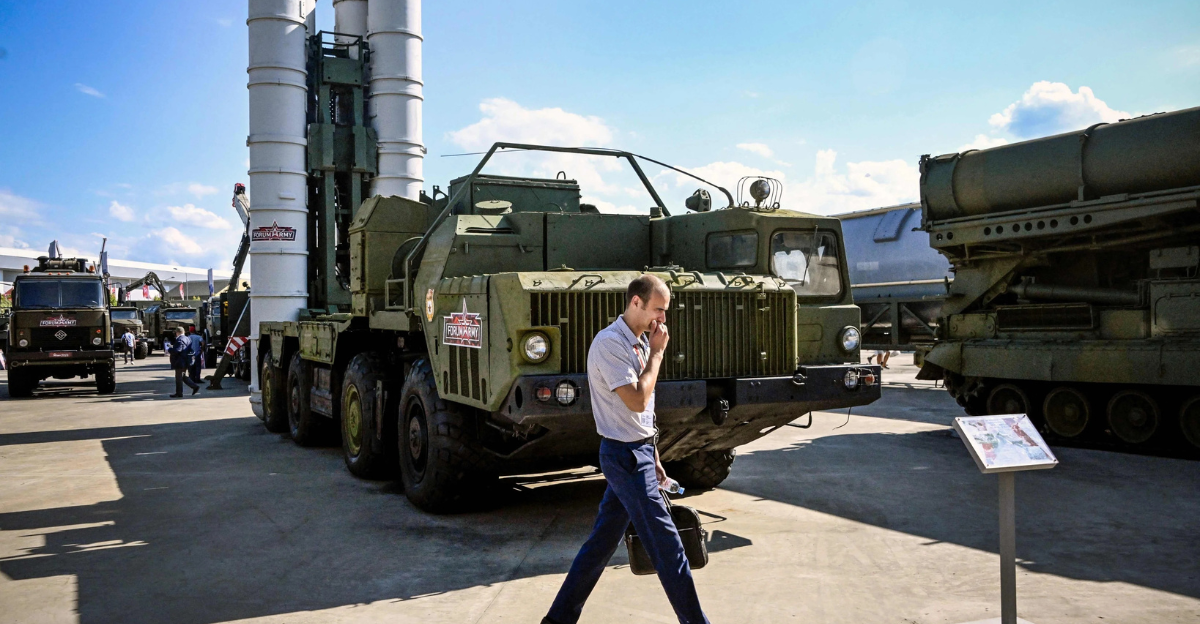
Moscow’s expensive efforts to fortify Crimea are seriously undermined by the quick destruction of $425–470 million worth of Russian air defense equipment in just five days. When compared to the estimated $100,000 total cost of Ukrainian drone deployment, the $100 million valuation of the Nebo-SVU radar and the $45 million cost of the Buk-M3 show a startling disparity.
Conventional military economics are challenged by this 4,700:1 return on investment, with a best-case ratio of 23,500:1 using the least expensive drone models. Each destroyed radar network segment increases attritional damage, reducing operational airspace safety and raising risks for Russian naval and missile platforms in the Black Sea, while Russian air defense replacement costs put a strain on an already overburdened military budget.
Strikes Create Operational Blind Spots
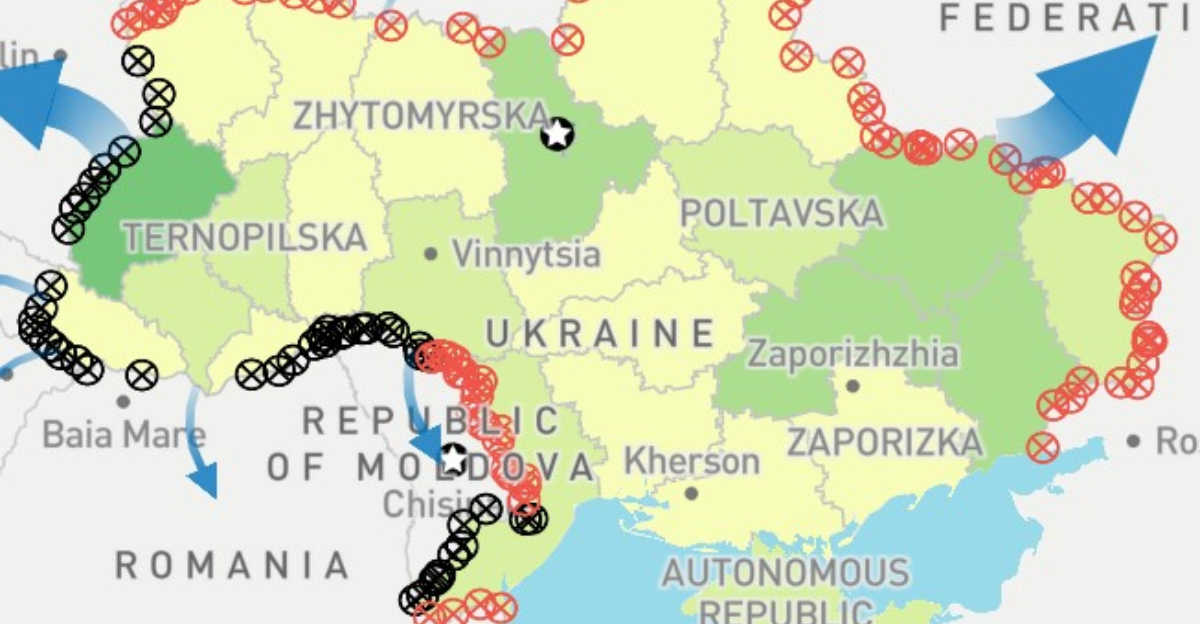
Crimean borders now face a surveillance gap of roughly 600–700 kilometers in northern air approaches due to the destruction of Nebo-U and Nebo-SVU radars. Both the P-18 “Terek” radar’s 250–300 km detection range and the S-400 96L6 radar’s 300–340 km surveillance range are rendered inoperable.
Altitude blind spots up to 40 kilometers in height have been caused by the disruption of overlapping coverage zones for medium-altitude Buk-M3 systems, each of which has a 70 km engagement radius. When taken as a whole, these losses result in the neutralization of at least 15–20% of Crimea’s air defense radar assets, which reduces Russia’s capacity to track and combat aerial threats in real time and increases the survivability of Ukrainian missile and air operations.
The Revolution in Cost-Effectiveness of Drone Warfare
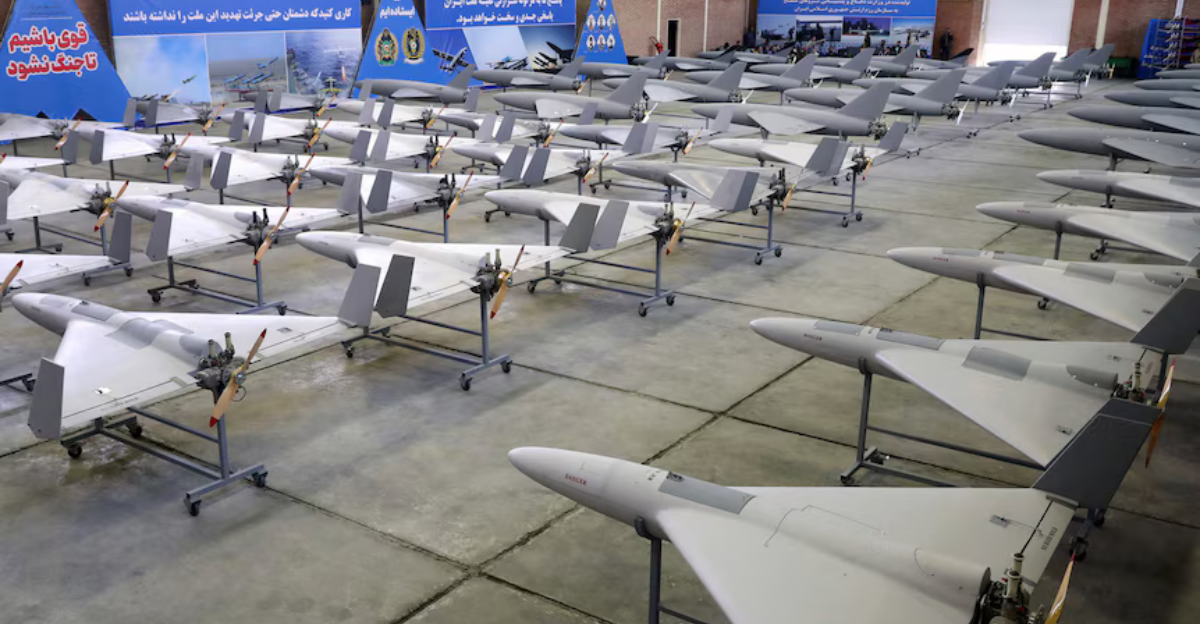
In military economics, the Ukrainian drone campaign represents a turning point. Ukraine destroyed state-of-the-art radar and missile systems valued at millions of dollars using drones that only cost thousands of dollars. In certain instances, the cost-exchange ratios surpass 1:20,000, indicating a change in which low-cost, flexible technology surpasses costly legacy systems.
This change forces a global doctrinal rethink and threatens Russia’s monopoly on expensive layered air defenses. Uncertainty now exists for nations like China and Turkey that depend on these systems for national defense. The success of Ukrainian drones may portend a future battlefield where quantity, accuracy, and creativity outweigh traditional quantitative material superiority.
Strategic and Psychological Domino Effects
Troop morale and Kremlin decision-making are significantly impacted by the systematic deterioration of Russia’s Crimean radar network. The defeat weakens Russian psychological fortitude and denigrates Putin’s “invincible” defense theory. Recurring losses of valuable assets show off Ukraine’s operational prowess and undermine Russian confidence in the resilience of layered air defenses.
This psychological pressure detracts from offensive operations by influencing Russian air defense redeployments, risk assessments, and resource allocation. Additionally, it raises Ukrainian spirits and supports their developing strategic narrative of technological asymmetry, which has second-order effects on military strategy and public opinion in a protracted conflict.
Contesting the Conventional Air Defense Theory
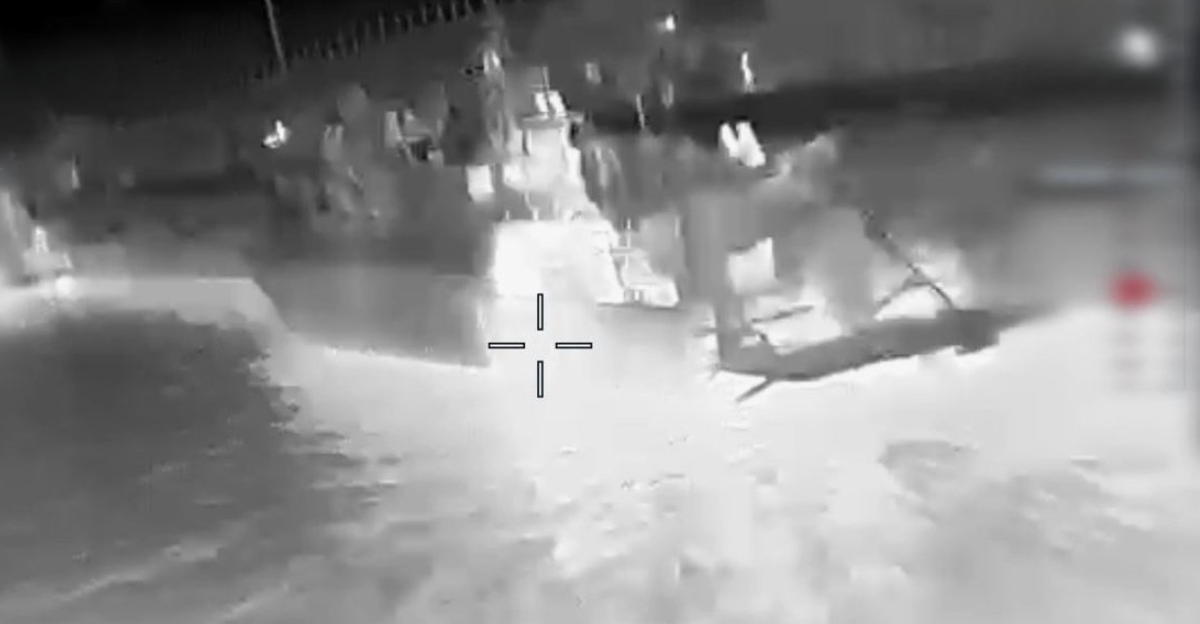
The long-held belief that radars with large detection ranges automatically provide effective airspace protection is called into question by the strikes. They highlight the “defender’s dilemma,” which is that radars can identify threats but are unable to defend themselves; instead, they rely on other resources, which turn into top targets.
Ukraine took advantage of this by giving priority to radar-killer drones that were invisible to the systems they were targeting and operated at low altitude and speed. This unconventional strategy exposes the weaknesses of fixed assets in dynamic drone combat, challenging Russian air defense’s dependence on technological superiority and layered integration. It calls for new defense strategies that take into consideration asymmetric aerial threats and the ongoing evolution of electronic warfare.
This Campaign’s Firsts in Technology and Tactics
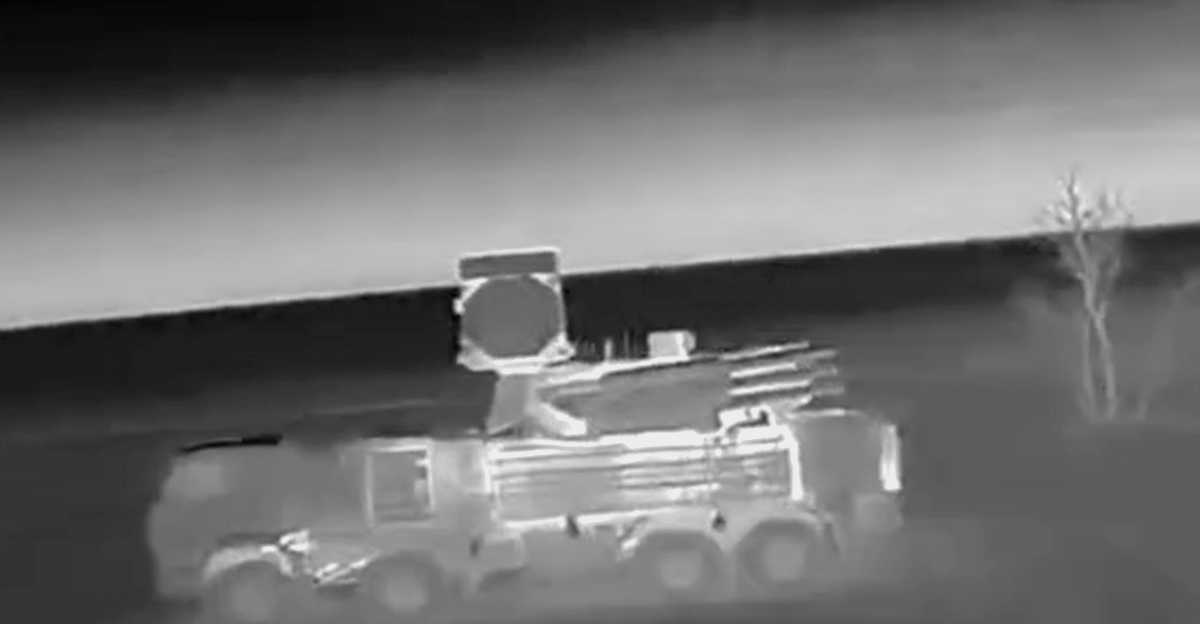
The “Ghosts” drone unit successfully penetrated Crimean airspace, eluding sophisticated Russian missile defenses that can detect aircraft from hundreds of kilometers away. Ukraine’s operation is an example of both tactical and technological innovations. Counter-stealth surveillance capabilities were disrupted for the first time when two $100 million Nebo-SVU radars were killed in 48 hours.
Global claims of invincibility are refuted by the campaign, which is the first confirmed destruction of the S-400 96L6 radar in Crimea. Common $5,000 drones were transformed into strategic battlefield game-changers by these strikes, signaling a tactical revolution that will redefine modern aerial warfare and shift the advantage to precise ISR coordination and agile drone swarms.
Effects on Missile and Naval Operations in Russia
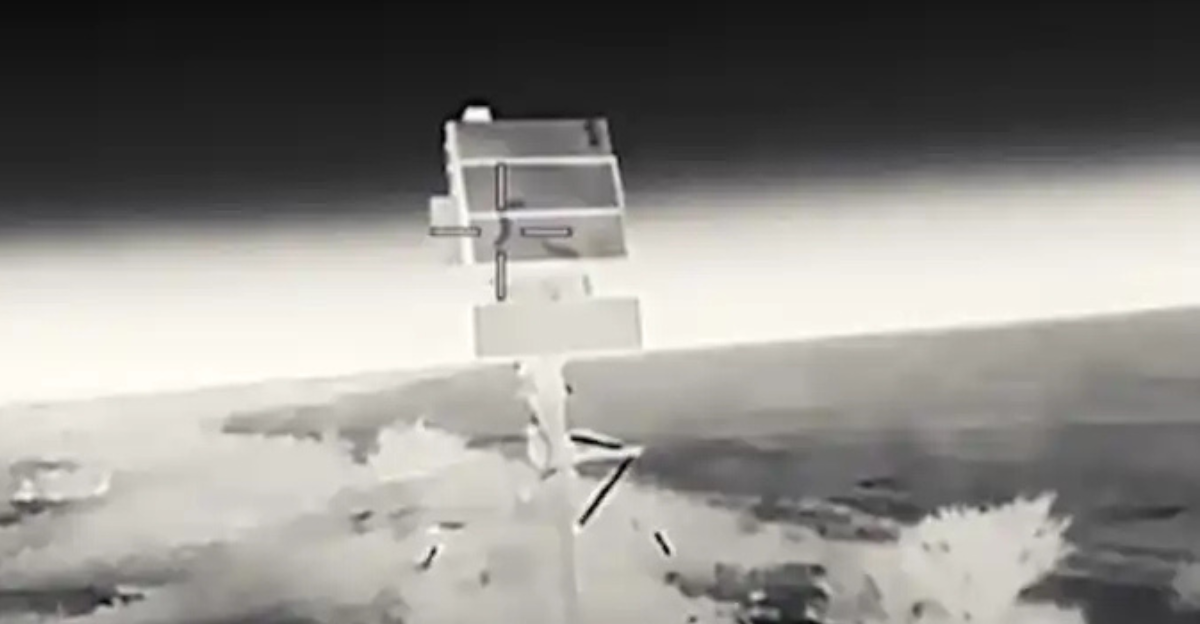
Additionally, nebos are essential for maritime surveillance over the Black Sea; if they are destroyed, Russian naval early warning is cut in half. Long-range cruise missiles like Storm Shadow and ATACMS are more likely to launch surprise attacks due to this degradation, which also puts naval assets at risk and complicates ballistic missile early warnings by 60%.
Missile approaches become more stealthy due to the compromise of Russian satellites and ground-based systems, which slows down the response times of Russian coastal and naval defenses. Ukrainian operational windows for follow-up attacks by air, sea, and special forces are increased by this weakening of integrated air and maritime defense in Crimea, highlighting the cascading effect that extends beyond the loss of radar assets to the operational efficacy of the entire theater.
Potential Future Situations and Dangers for Russia
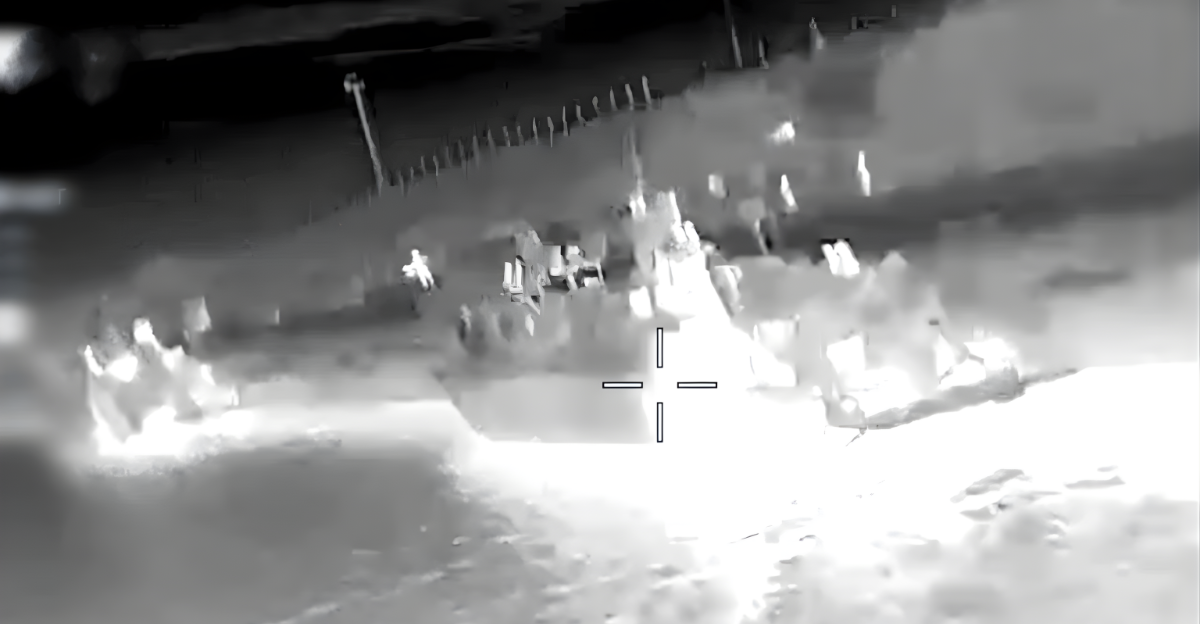
If the Ukrainian campaign goes unchecked, Russia will suffer a number of terrible consequences. In six to eight weeks, the entire radar network in Crimea might become unusable due to persistent degradation, leaving the peninsula vulnerable to surprise attacks and unmonitored airspace. Russia might try moving its radars, but doing so runs the risk of supply disruption or ambush.
Increased blind spots may cause Russia to lose faith in missile-based defense, reallocate limited systems to Crimea at the expense of other fronts, and hasten the political fallout from defense failures at home. When taken as a whole, this significantly shifts the strategic momentum in favor of Kyiv and NATO allies, possibly compelling concessions or escalating the conflict.
Putin’s Defense Was Never Unbeatable
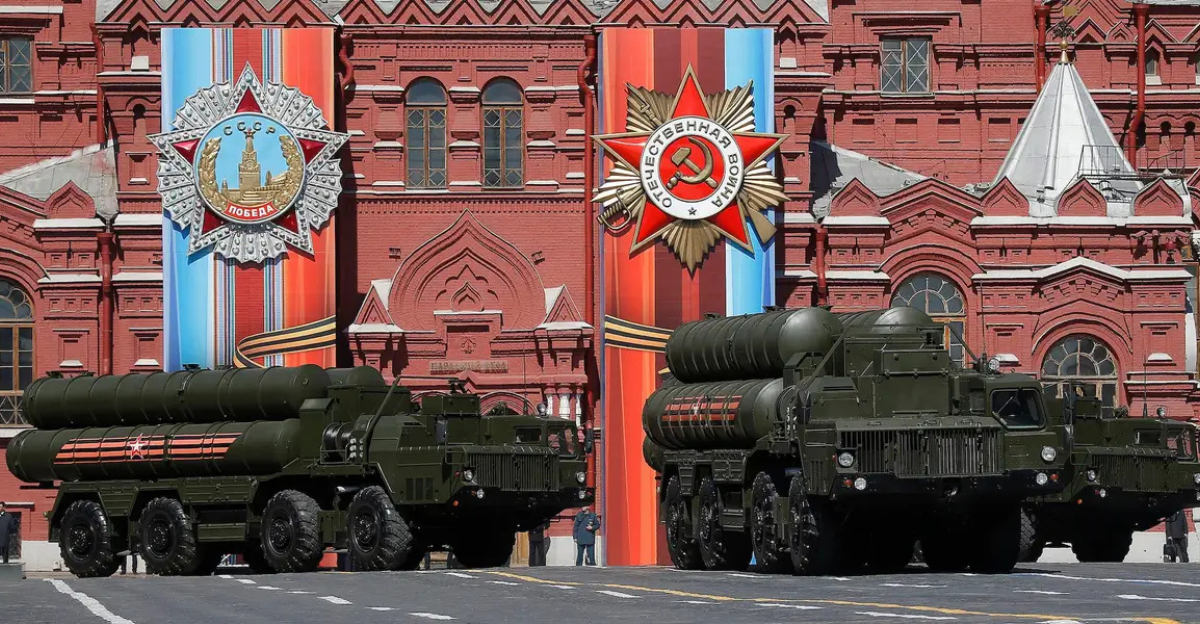
Russia’s multi-layered defense system was sold as unbeatable, but it was predicated on the shaky premise that multiple systems work in perfect unison. The strikes in Ukraine demonstrate how interdependency made these systems vulnerable. Exploitable Achilles’ heels resulted from the conflict between strong sensor reach and susceptible radar nodes. From this unconventional perspective, the myth of “invincibility” was never feasible given the expense and limitations of technology.
The Crimean campaign serves as an example of how economic asymmetry and tactical innovation, unconventional drone warfare, are surpassing technical parity in contemporary conflicts. This causes the paradigm to change from expensive hardware dominance to strategic innovation and adaptation as factors that determine victory.
Historical Reflections and Novel Approaches to Warfare
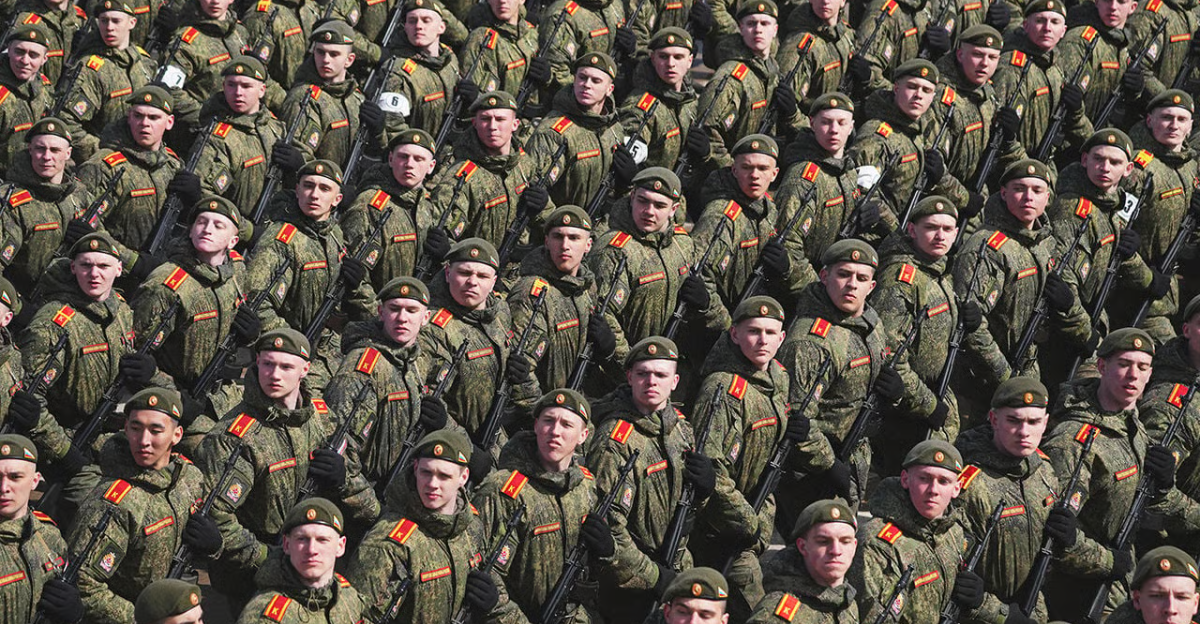
This episode reflects historical paradigm shifts, such as the devastating trench warfare caused by the emergence of tanks during World War I and the evolving air combat doctrines of radar during World War II. Drone attacks in Ukraine are redefining air defense by rendering stealth manned aircraft obsolete in favor of swarms of low-cost aerial bots that surgically destroy capital assets.
This forces the modernization of doctrine, technology, and command structures and upends decades of global defense investments. It highlights asymmetry as a recurring trend in modern warfare, similar to how low-cost cyberattacks compromised high-value digital infrastructure. Thus, the destruction of the Crimean radar network represents a turning point in drone-age military history, signifying changes akin to those of the nuclear or missile eras.
The Invincible Shield’s Breakage
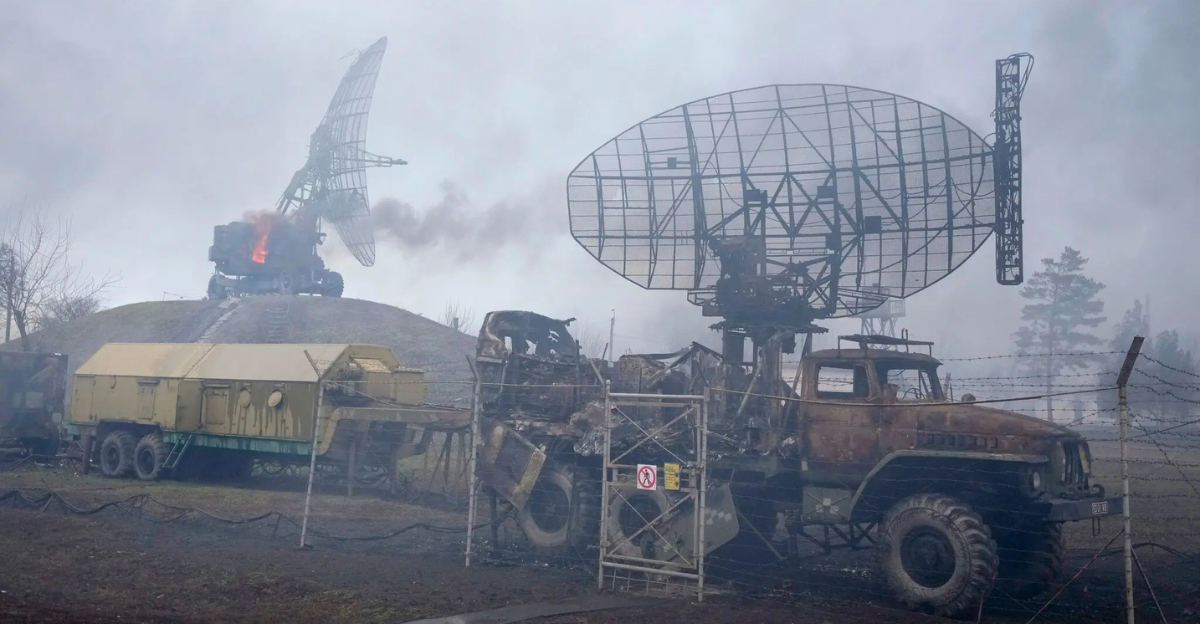
Putin’s story of an unbeatable $100 million defensive shield is shattered by Ukraine’s drone warfare that destroyed Crimea’s radar network between October 23 and 27, 2025. Ukraine redefines cost-effectiveness, operational reach, and airpower dynamics by using inexpensive drones to destroy costly S-400 and Nebo radars valued at tens of millions each.
The ensuing blind spots impair Russian maritime and aerial surveillance, reducing the combat efficacy of Kyiv’s adversary and enhancing Ukrainian strategic maneuvering. By changing paradigms from hardware dominance to asymmetric technological warfare, this operation demonstrates tactical inventiveness. It reveals the limitations of layered defense, making Russia, as well as international purchasers of its air defense, face the fact that, in the drone era, invincibility is a myth.