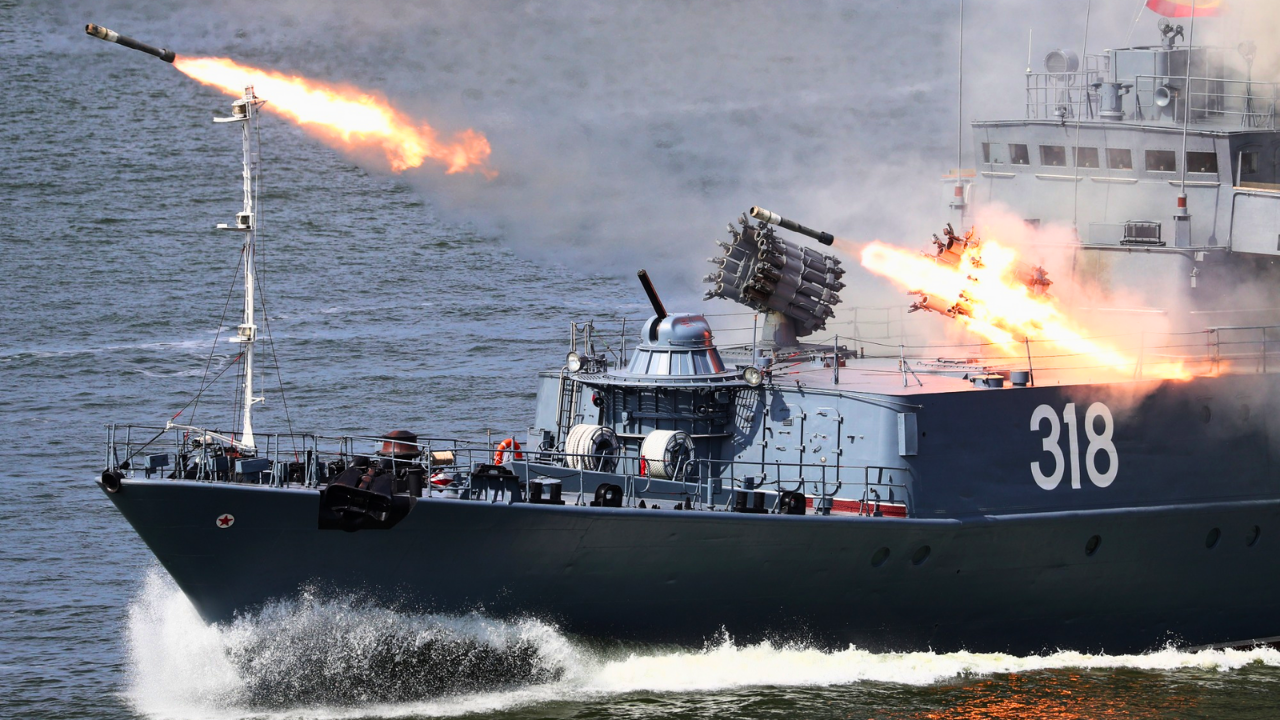
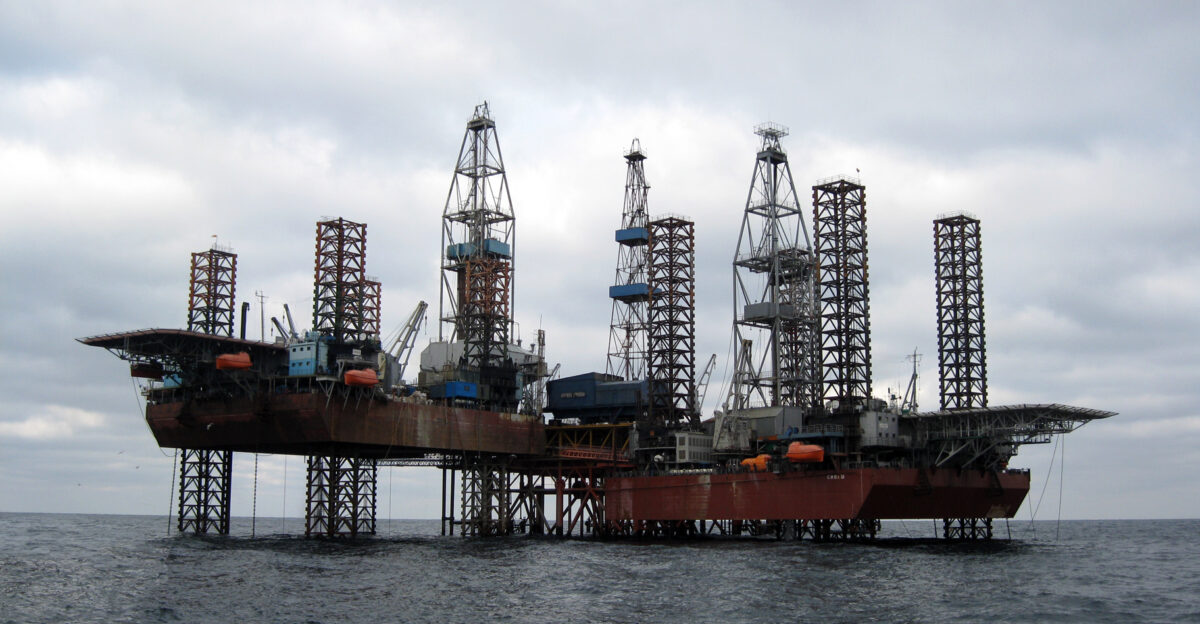
Thick gray foam billowed around the Sivash offshore platform as Ukrainian unmanned vessels and kamikaze drones surged forward. On November 3, 2025, the Ukrainian Navy launched a coordinated attack on this Russian-occupied rig off Crimea, shattering its radars and sensors in a matter of minutes. The strike, executed with precision drone swarms, marked a dramatic escalation in the Black Sea conflict and signaled a new era of naval warfare.
Turning the Tide in the Black Sea
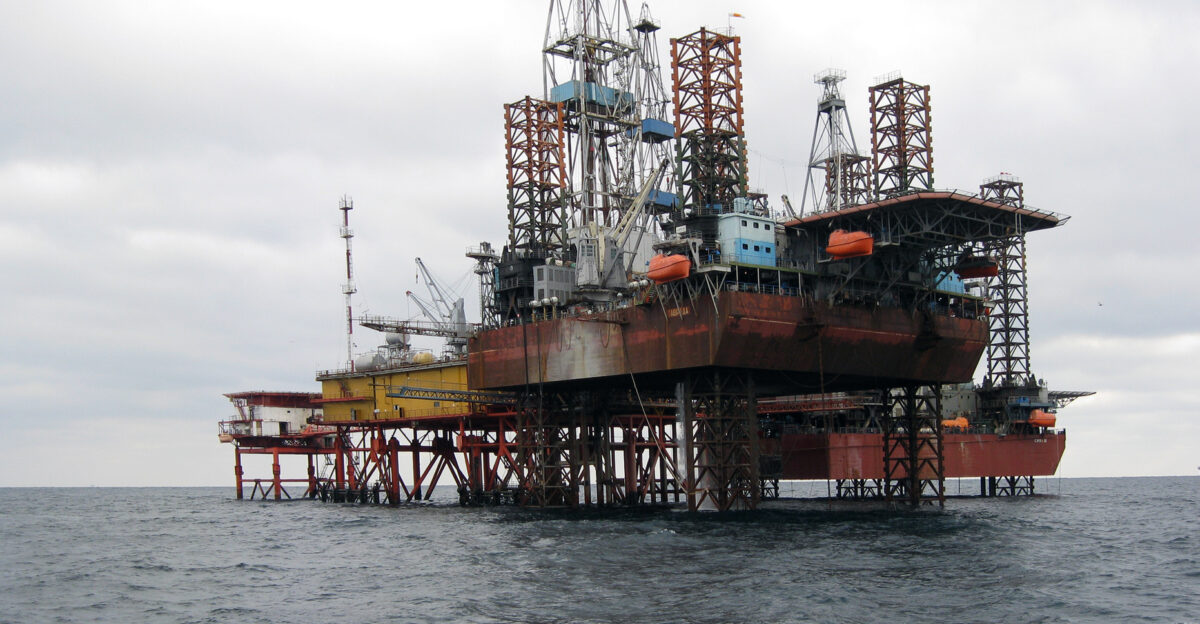
The Sivash platform, once a civilian oil rig, had been transformed by Russian forces into a heavily fortified surveillance hub. Outfitted with advanced radar, optical sensors, and radio-reconnaissance equipment, it played a central role in monitoring maritime activity across the northwestern Black Sea. Since Russia’s annexation of Crimea in 2014, the so-called Boyko Towers—offshore platforms like Sivash—have been at the heart of Moscow’s efforts to control the region’s waters. Although Ukraine claimed to have regained control of some platforms in 2023, the area remained fiercely contested.
Ukraine’s decision to target Sivash was both tactical and symbolic. By striking a key node in Russia’s surveillance network, Kyiv aimed to disrupt Moscow’s ability to track naval movements and respond to threats. Ukrainian forces reported eliminating Russian personnel and destroying reconnaissance equipment, underscoring the operation’s significance for Ukraine’s ongoing campaign to regain operational freedom in the Black Sea.
A New Arsenal: Drones and Unmanned Vessels
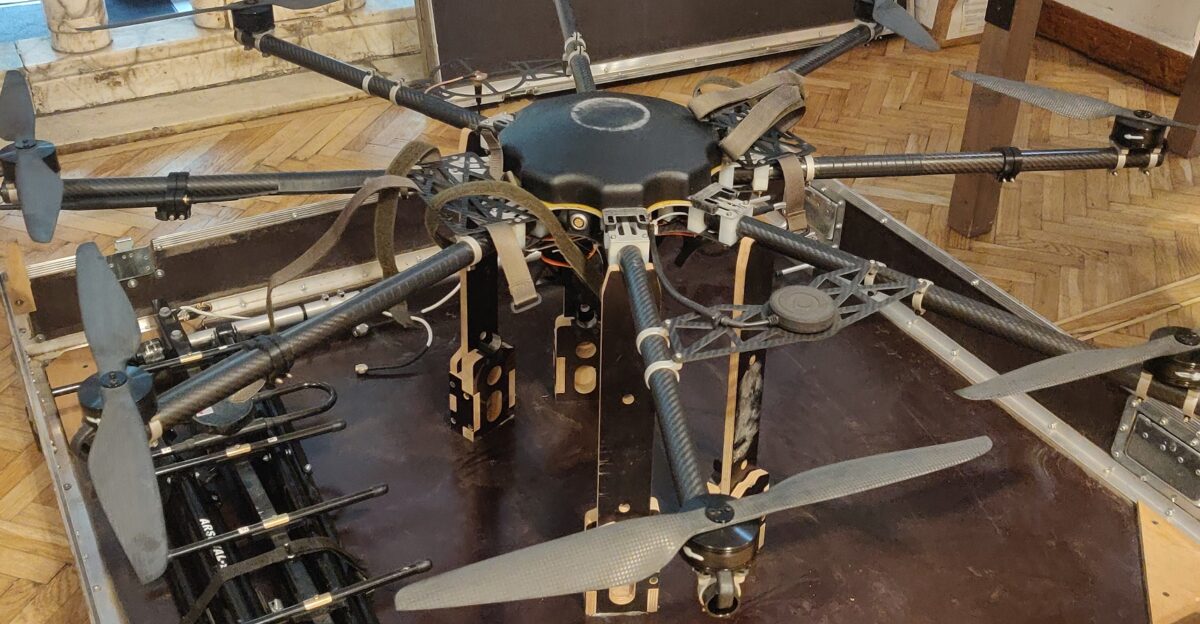
The attack on Sivash showcased Ukraine’s growing reliance on unmanned systems. The operation combined unmanned surface vessels (USVs) with swarms of first-person-view (FPV) kamikaze drones, coordinated in real time by aerial spotters. This innovative approach overwhelmed the platform’s defenses and rendered its military capabilities non-operational. Ukrainian officials described the strike as a major blow to Russian power in the region.
Military analysts note that Ukraine’s use of drone swarms and USVs represents a significant evolution in naval tactics. Unmanned systems are reshaping the modern battlefield, with parallels emerging in other contested maritime regions. In the Red Sea, similar drone warfare tactics have forced major navies to rethink their defensive postures, demonstrating how these technologies are leveling the playing field and making previously secure assets vulnerable.
Local Impact and Human Stakes
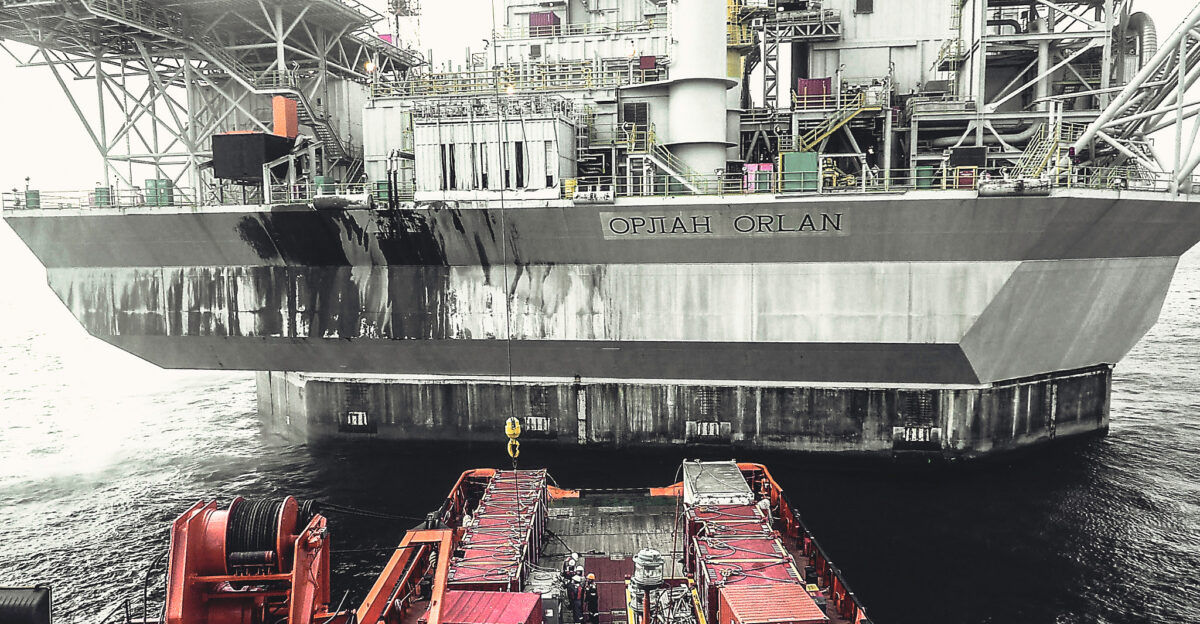
For those living along Ukraine’s southern coast, the destruction of the Sivash platform’s surveillance systems brought a sense of relief—and renewed hope for improved naval security. Russian state media responded by releasing footage claiming Ukrainian losses, but independent analysts found these claims misleading. The psychological impact of the operation was evident: Moscow’s grip on the Black Sea appeared less certain, and concerns about the vulnerability of offshore installations intensified.
Broader Trends and Global Context
The Sivash strike was not an isolated event. Within 48 hours, Ukraine reportedly disabled a key radar component of a Russian S-400 “Triumf” air defense battery in Crimea, further eroding Russia’s layered defenses. These attacks are part of a broader Ukrainian strategy to degrade Russian surveillance and response capabilities, mirroring tactics seen in other contested maritime regions.
Globally, the use of drones and unmanned vessels in naval conflict is on the rise. In the Red Sea, for example, drone attacks have forced major navies to reconsider their defensive strategies. What’s happening in the Black Sea is part of a worldwide trend where unmanned systems are leveling the playing field and making previously secure assets vulnerable.
Looking Ahead: Uncertain Waters
The destruction of the Sivash platform has shifted the balance in the Black Sea, at least temporarily. Ukraine’s success has prompted both Kyiv and Moscow to reconsider their naval doctrines. Ukraine is doubling down on drone innovation, while Russia faces mounting pressure to counter these emerging threats.
Yet the future remains uncertain. Russia retains significant resources and the capacity to adapt. As both sides race to develop new technologies and tactics, the Black Sea is likely to remain a volatile front—where each operation sets the stage for the next. The stakes are high, and the outcome will shape not only the regional balance of power but also the future of naval warfare worldwide.