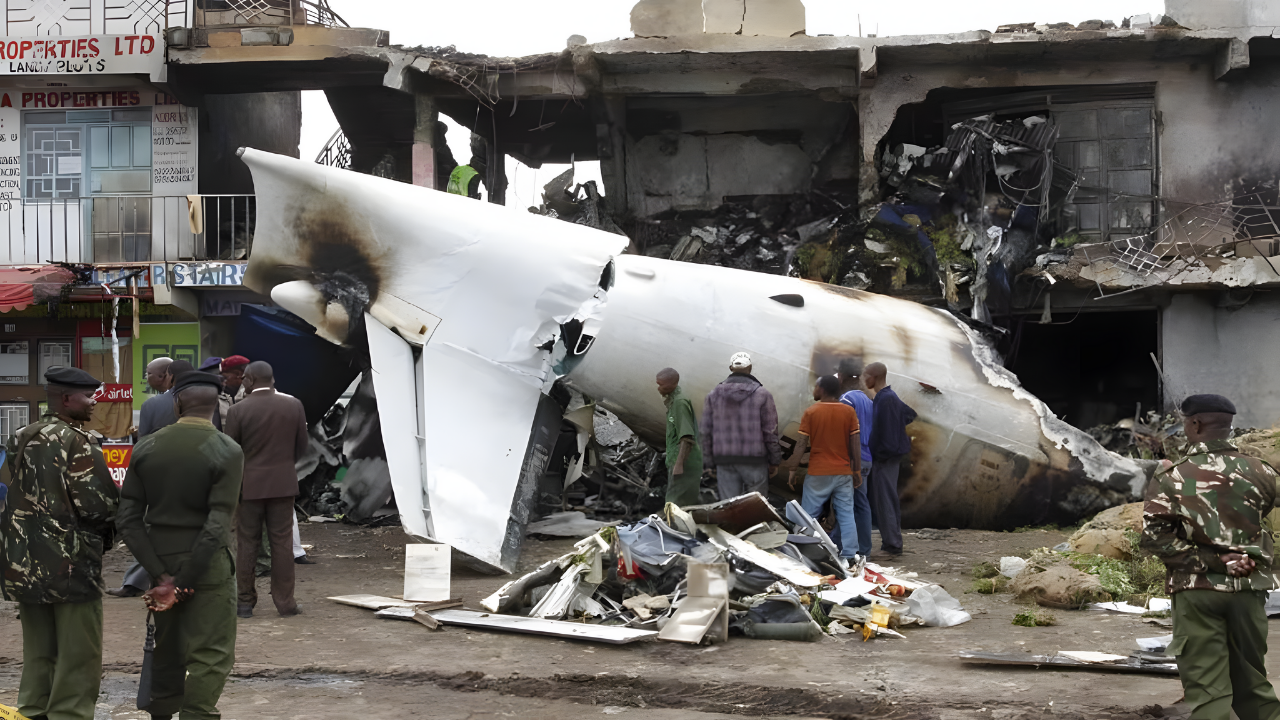
Sudan’s civil war entered a more dangerous phase earlier this month, after two rapid shocks exposed the fragility of the state and its foreign backers. On December 8, the Rapid Support Forces seized the Heglig oil facility, the backbone of Sudan’s energy economy. One day later, a Russian-made Il-76 cargo aircraft crashed at Port Sudan, killing all crew members aboard.
Together, the events underscored mounting military, economic, and humanitarian pressures as the conflict stretches into its third year. The consequences reach far beyond Sudan’s borders.
Strategic Oil Infrastructure Falls
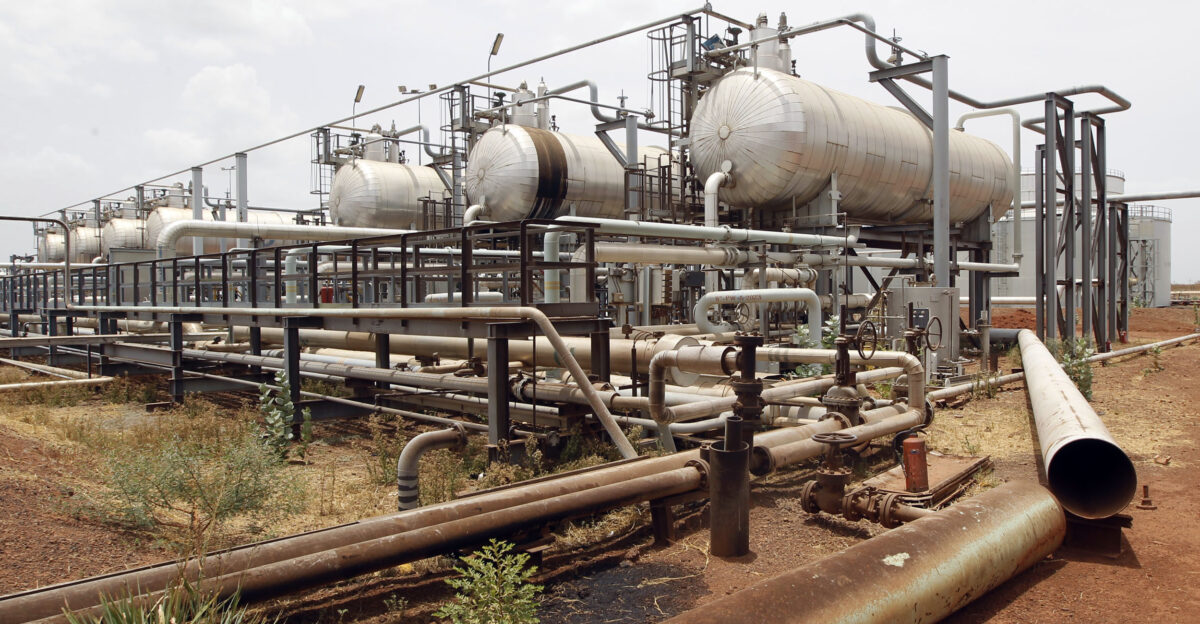
Heglig is Sudan’s largest oilfield and its primary crude processing hub, making it one of the most strategically important assets in the country. Before fighting erupted in April 2023, the facility processed about 130,000 barrels per day, including crude from South Sudan that was exported through Red Sea ports. The site includes roughly 75 wells, pipelines, storage tanks, and processing facilities operated by the Greater Nile Petroleum Operating Company, according to government data cited by international energy analysts.
The oilfield’s importance extends beyond energy output. Based on pre-war production levels and global crude prices, Heglig generated an estimated $2.9 billion annually in economic value. Its capture on December 8 placed that revenue stream in jeopardy, immediately destabilizing Sudan’s most reliable source of foreign currency.
Revenue Shock for Sudan and South Sudan
![Contains modified Copernicus Sentinel data [2024], processed by <a rel="nofollow" class="external text" href="https://twitter.com/Pierre_Markuse">Pierre Markuse</a>
<p>Fire and smoke at the Al Jaili oil refinery 70 kilometers north of Khartoum, Sudan - July 25th, 2024
</p><p>Image is about 8 kilometers wide
</p>
Follow me on <a rel="nofollow" class="external text" href="https://twitter.com/Pierre_Markuse">X!</a> and <a rel="nofollow" class="external text" href="https://mastodon.world/@pierre_markuse">Mastodon!</a>](https://aws-wordpress-images.s3.amazonaws.com/ruckus/wp-content/uploads/2025/12/fire-and-smoke-at-the-al-jaili-oil-refinery-70-kilometers-north-of-khartoum-sudan-july-25th-2024-53885094691-cropped.jpg)
The seizure of Heglig carries consequences well beyond the battlefield. Sudan depends on oil exports to finance imports, stabilize its currency, and fund basic state functions. South Sudan, which is landlocked, relies entirely on Sudanese pipelines to export its own crude. With the facility under RSF control, both governments face severe fiscal strain at a moment when alternatives are limited.
Energy analysts estimate that prolonged disruption could cost the two countries more than $2 billion per year in lost petroleum revenue. For South Sudan, the risk is existential, as oil accounts for the vast majority of government income. For Sudan, the loss compounds an already collapsing economy, accelerating shortages of fuel, food, and medicine while reducing leverage in international negotiations.
Military Aircraft Lost at Port Sudan
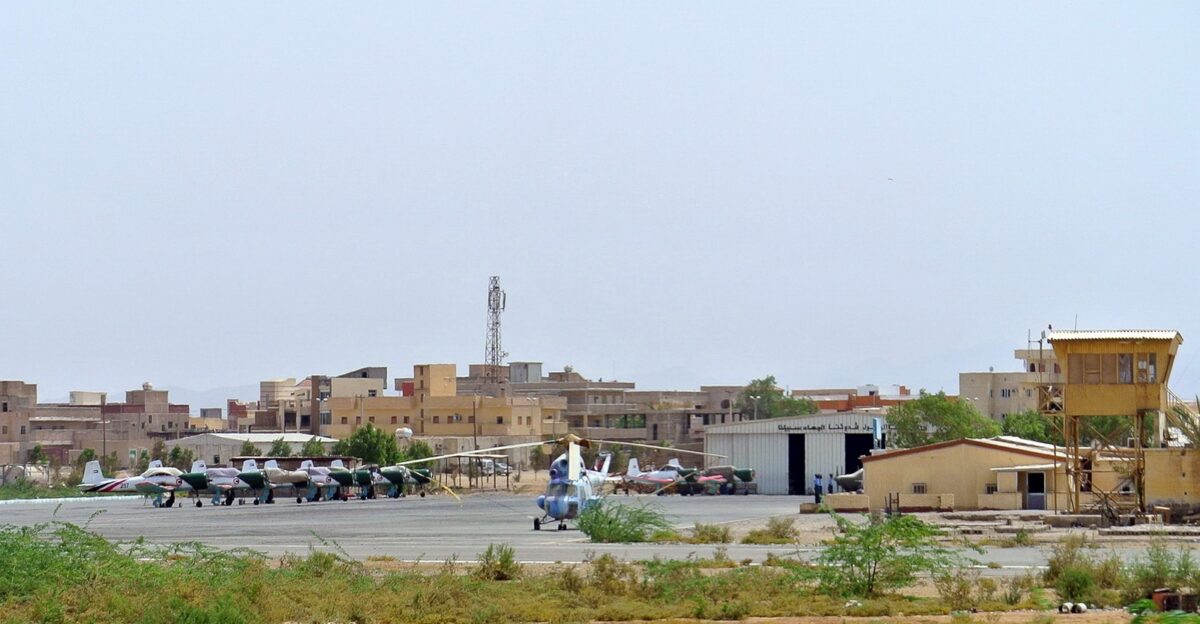
Just one day after Heglig fell, a Russian-made Il-76 cargo aircraft crashed at Osman Digna Air Base near Port Sudan on December 9, killing all crew members aboard. The Il-76 is a heavy transport aircraft supplied to Sudan’s military as part of Russian defense cooperation, highlighting Moscow’s role in supporting government forces.
Russia has provided aircraft, advisors, and logistical support tied to Red Sea operations, making the crash symbolically significant. While the cause has not been publicly detailed, the incident exposed vulnerabilities in Sudan’s air operations as RSF territorial advances continue. It also illustrated how foreign-supplied equipment and personnel remain exposed to the volatility of a widening conflict.
Humanitarian Crisis Deepens
The war began in April 2023 as a power struggle between the Sudanese Armed Forces, led by General Abdel Fattah al-Burhan, and the Rapid Support Forces under Mohamed Hamdan Dagalo, known as Hemedti. Since then, it has escalated into nationwide violence. Death toll estimates range from 62,000 to 150,000 based on multiple research models, but the scale of civilian suffering is undisputed.
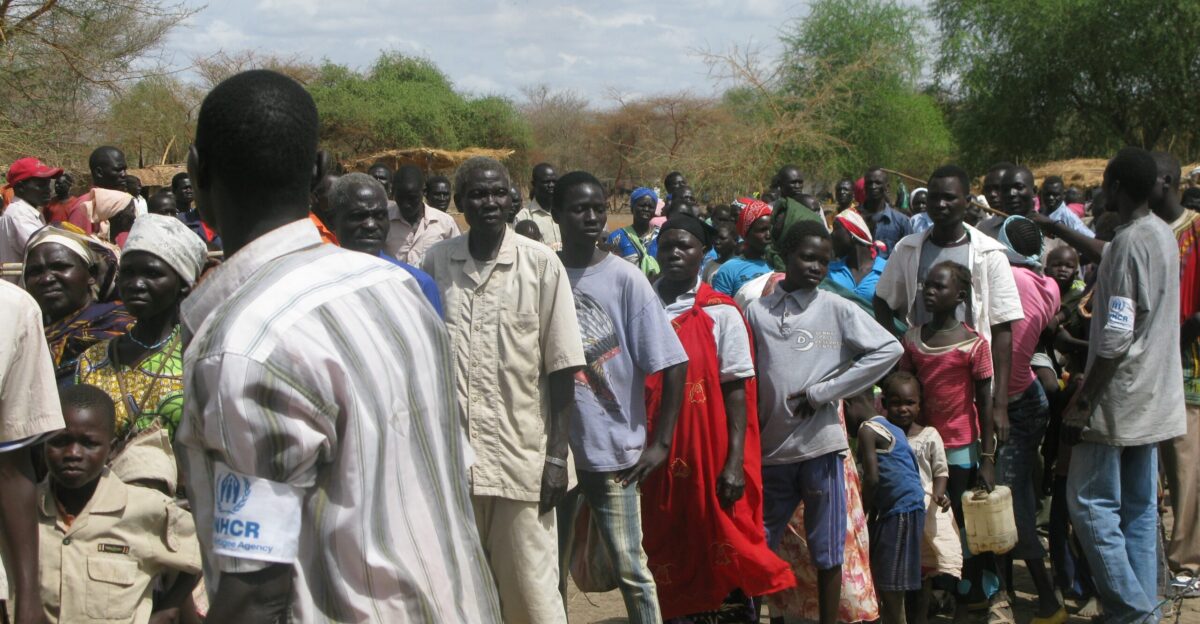
More than 12 million people have been displaced, with 3.5 million fleeing the country, according to UN figures current as of February 2025. Food insecurity is catastrophic. According to the Integrated Food Security Phase Classification system, 19.2 million people face acute food insecurity as of December 2025, including 375,000 living in famine conditions. Medical groups report disease outbreaks and the collapse of health services.
RSF Gains and Russia’s Risk
The RSF’s capture of Heglig reflects its evolution from a Darfur-based militia into a force capable of seizing and holding strategic economic assets. Each territorial gain weakens state authority and deepens fragmentation across Sudan’s political and military institutions. Government forces have struggled to reverse these advances, shifting largely into a defensive posture.
For Russia, the situation is increasingly precarious. Moscow has sought influence through arms transfers, advisors, and negotiations over Red Sea access. However, RSF momentum and the loss of key infrastructure raise doubts about the durability of those investments. The Il-76 crash underscored how Russian interests are directly exposed to battlefield instability, with little guarantee of long-term returns.
Economic Collapse and Global Stakes
Sudan’s economy has been in freefall since the war began. According to the World Bank’s May 2025 economic update, real gross domestic product contracted 12 percent in 2023 and was projected to decline another 3.5 percent in 2024 and 0.7 percent in 2025. Inflation averaged 230 percent in 2023, while the currency depreciated 125 percent on parallel markets after April 2023.
The loss of Heglig accelerates these trends by cutting off oil revenues that provide the government’s main source of hard currency. At the same time, international accountability efforts continued. On December 9, 2025, the International Criminal Court sentenced former Janjaweed commander Ali Kushayb to 20 years in prison, a ruling with symbolic weight as Sudan’s war grinds on.
Sources:
“RSF seizes key Heglig oilfield as it pushes to expand.” Al Jazeera, December 8, 2025.
“Despite promising the U.S. a ceasefire, RSF captures Sudan’s largest oilfield.” Business Insider Africa, December 9, 2025.
“Sudan’s paramilitary RSF says it captures key oil hub Heglig.” Xinhua News Agency, December 8, 2025.
“Sudan Economic Update, May 2025.” World Bank, 2025. (Document: IDU18b7d5a2312da5145c919745152f8a9a9936f)
“ICC sentences Darfur Janjaweed militia leader to 20 years.” Reuters, December 9, 2025.
“ICC sentences Sudan militia-leading ‘axeman’ Rahman to 20 years.” Al Jazeera, December 9, 2025.