Smoke curls above shattered streets as a Ukrainian soldier moves past destroyed buildings, ducking under fallen power lines while artillery echoes nearby. Pokrovsk, once a bustling industrial hub, now lies in ruins, yet fighting continues.
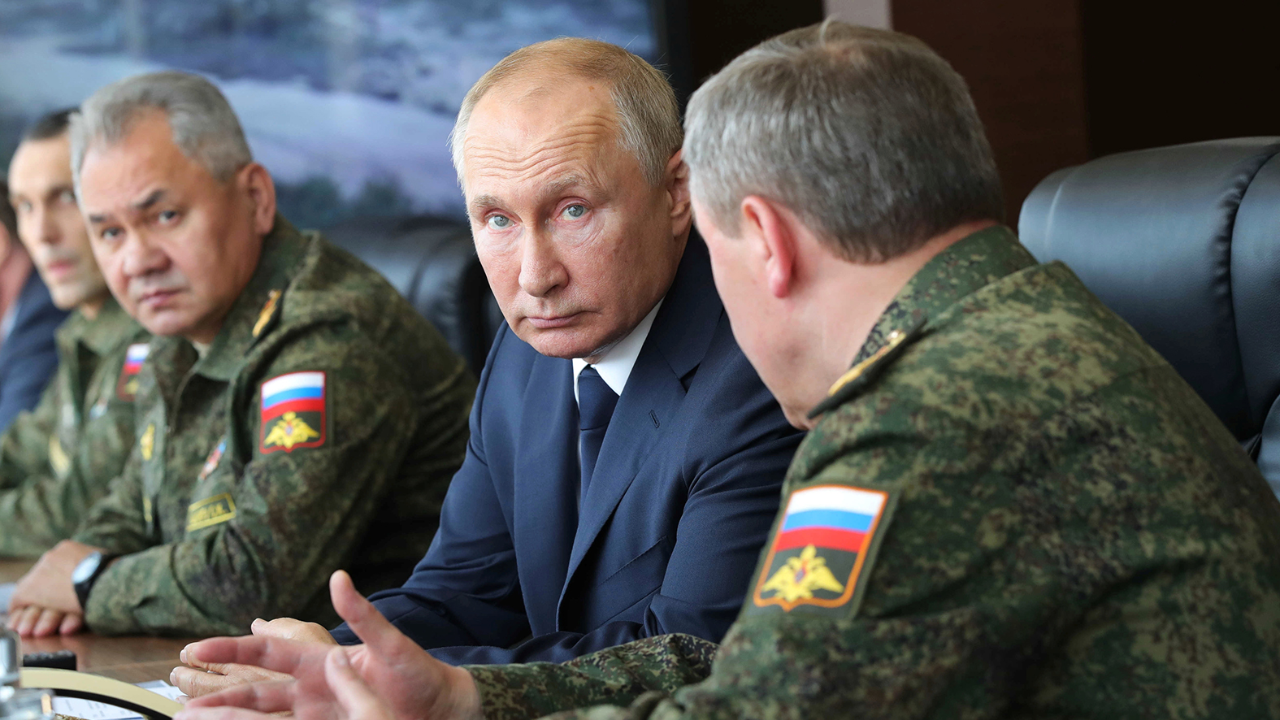
General Mykola Malomuj told Kyiv Independent that Putin has ordered full control by November 15, deploying roughly 17,000 troops. Amid rubble, Ukrainian defenders transform streets into strongholds, showing that even a city “no longer truly exists” can still resist.
Ghosts in the Rubble
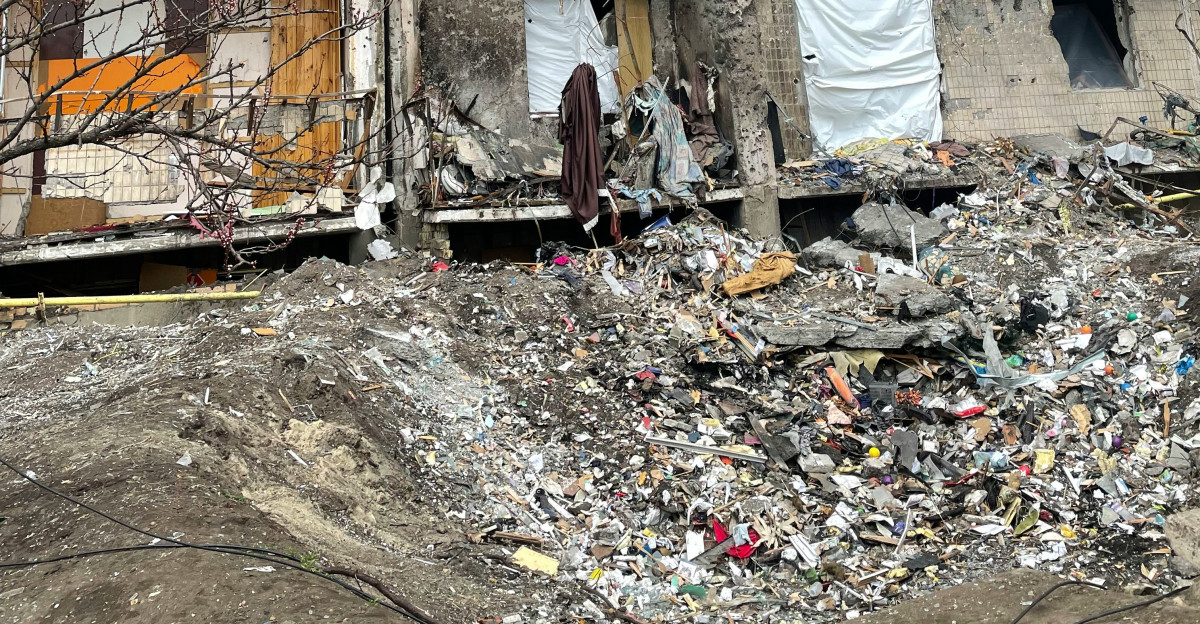
Only around 1,200 civilians remain from a prewar population of 60,000, according to UN OCHA, and they move cautiously to avoid artillery and drones. Ukrainian troops hold pockets of control, creating a patchwork battlefield that shifts block by block. Residents shelter in basements or gutted buildings, while soldiers patrol above.
Even amid devastation, the city pulses with life, reminding the world that survival can thread through rubble and ruin.
Daily Life on the Edge
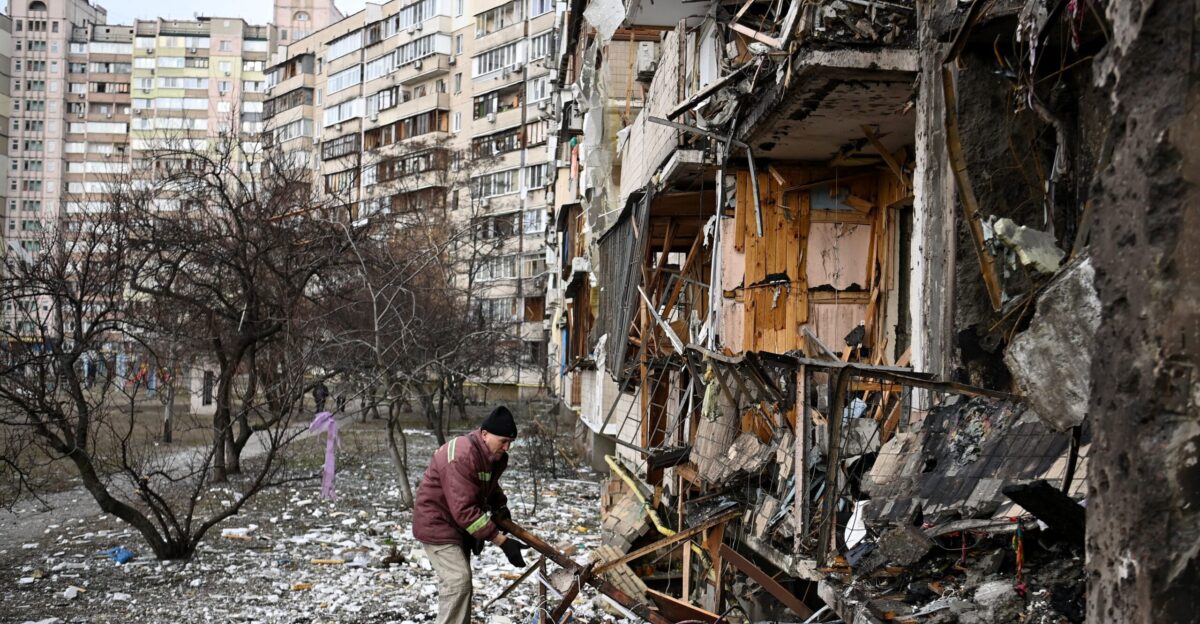
Families ration limited food and water while makeshift clinics provide sporadic medical care, Kyiv Independent reports. Children play among rubble while adults navigate danger cautiously. Artillery and drone attacks make each movement a challenge, turning survival into a tactical endeavor.
Ukrainian defenders and civilians share a fragile rhythm: small routines, fleeting moments of normality, and careful coordination all sustain life. In Pokrovsk, daily survival is tactical, and tactics become survival.
Russian Troop Build-Up
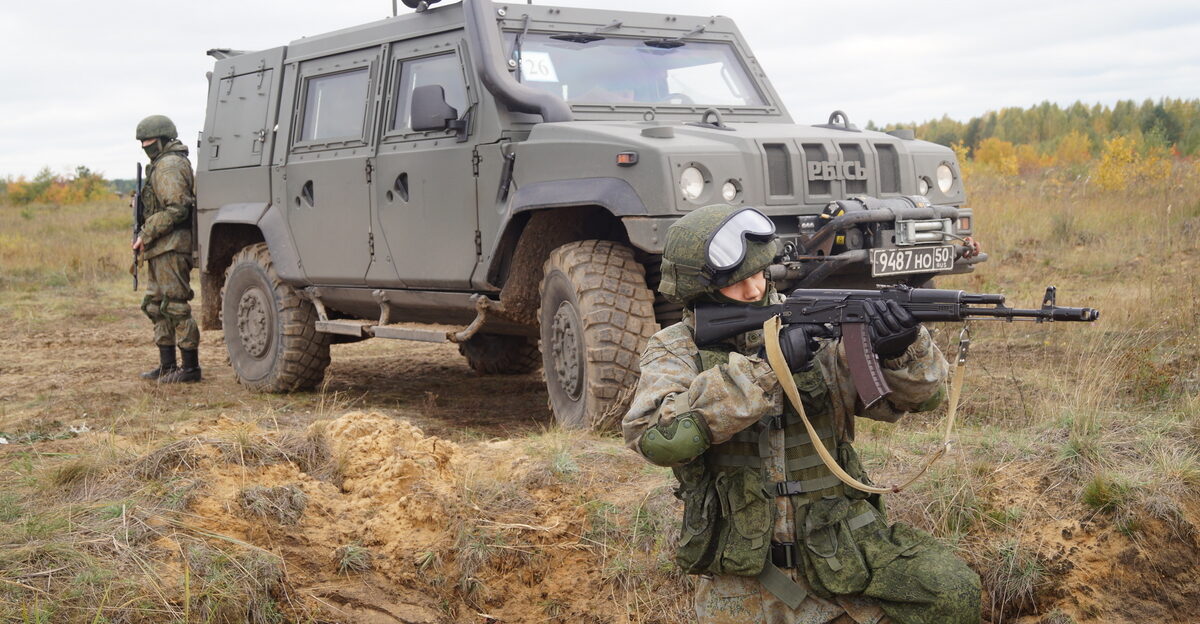
Approximately 17,000 Russian troops have concentrated around Pokrovsk and Mirnograd, according to ISW. Armored columns aim to cut Ukrainian supply lines, while defenders launch counteroffensives. Near Dobropillia, Ukrainian forces reportedly captured over 50 Russian soldiers according to Kyiv Independent.
Streets and industrial zones are contested constantly, with each advance met by ambushes and drones. In this urban landscape, the city itself dictates strategy, turning every street corner into a potential battleground.
Heavy Losses on Both Sides
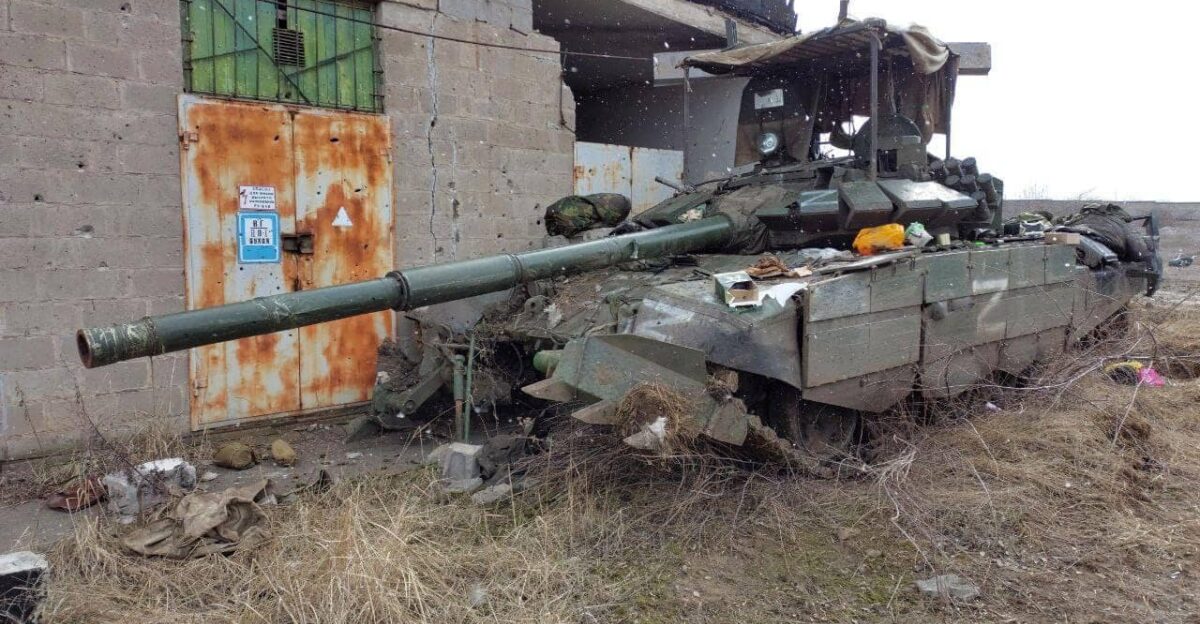
The Ukrainian General Staff, cited by Kyiv Independent, estimates over 1,200 Russian casualties in a single week, alongside 150 armored vehicles and 200 drones destroyed. Satellite imagery confirms widespread destruction across major avenues.
Ukrainian forces hold key zones, forcing Russian troops into costly advances. Pokrovsk’s streets, littered with wreckage, tell a story of attrition and resilience, illustrating the human and military toll of a city determined not to fall.
Why Pokrovsk Matters
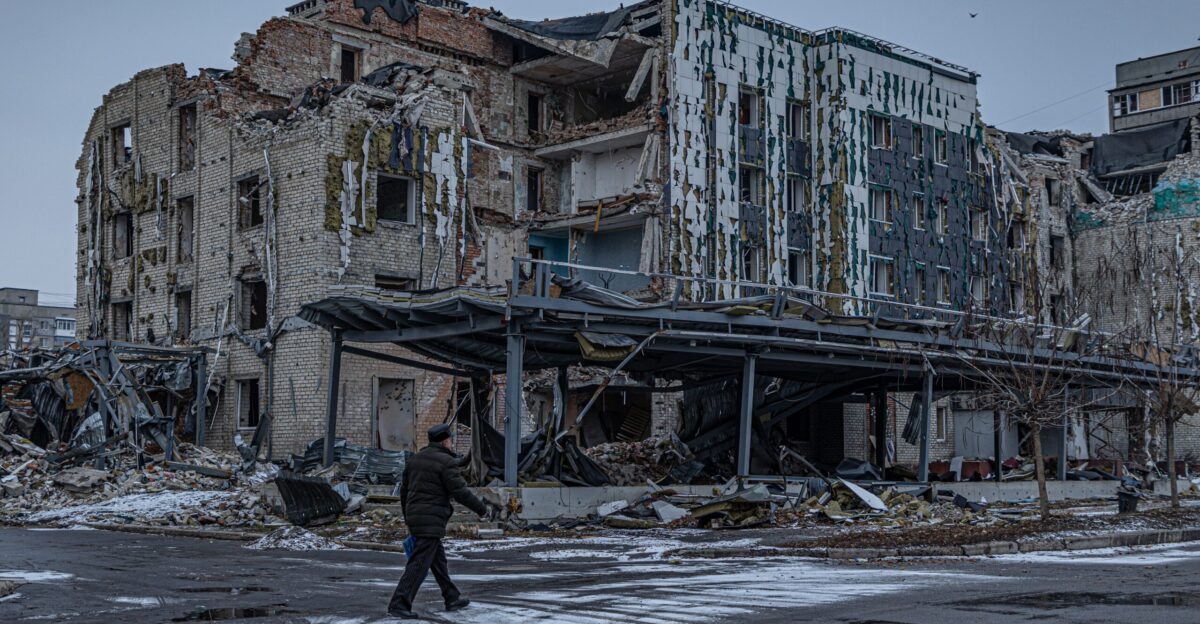
Pokrovsk sits at a critical junction connecting Donetsk with Chasiv Yar, Kostyantynivka, and onward to Dnipropetrovsk, according to Reuters analysts. Control of the city would dominate key supply corridors, while losing it would force Ukrainian troops into more challenging terrain.
Geography turns the city into a strategic prize: even nearly destroyed, Pokrovsk shapes military tactics and decisions, proving that location can outweigh infrastructure in war.
The November 15 Deadline
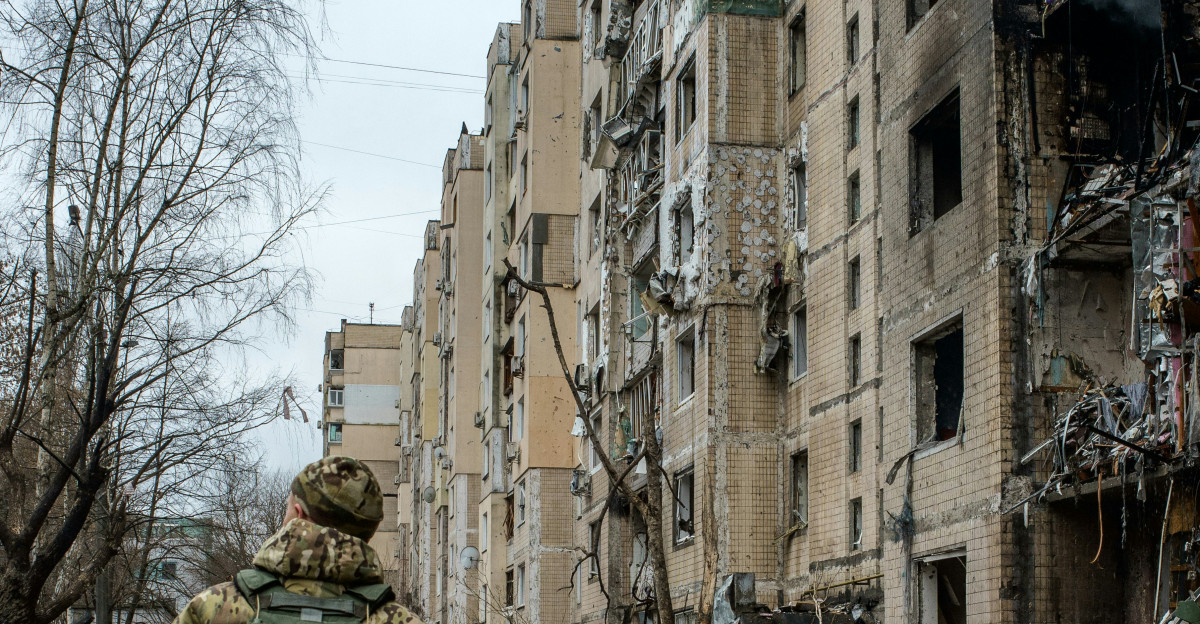
Russian forces face a November 15 deadline, according to ISW and BBC. General Malomuj told Kyiv Independent that public timelines signal political urgency. Ukrainian defenders use the city’s rubble to slow advances, turning each day into a contest of endurance and strategy.
Timing and terrain converge, making every hour crucial as both sides brace for high-stakes outcomes in a city that refuses to surrender.
Zelensky Visits the Front
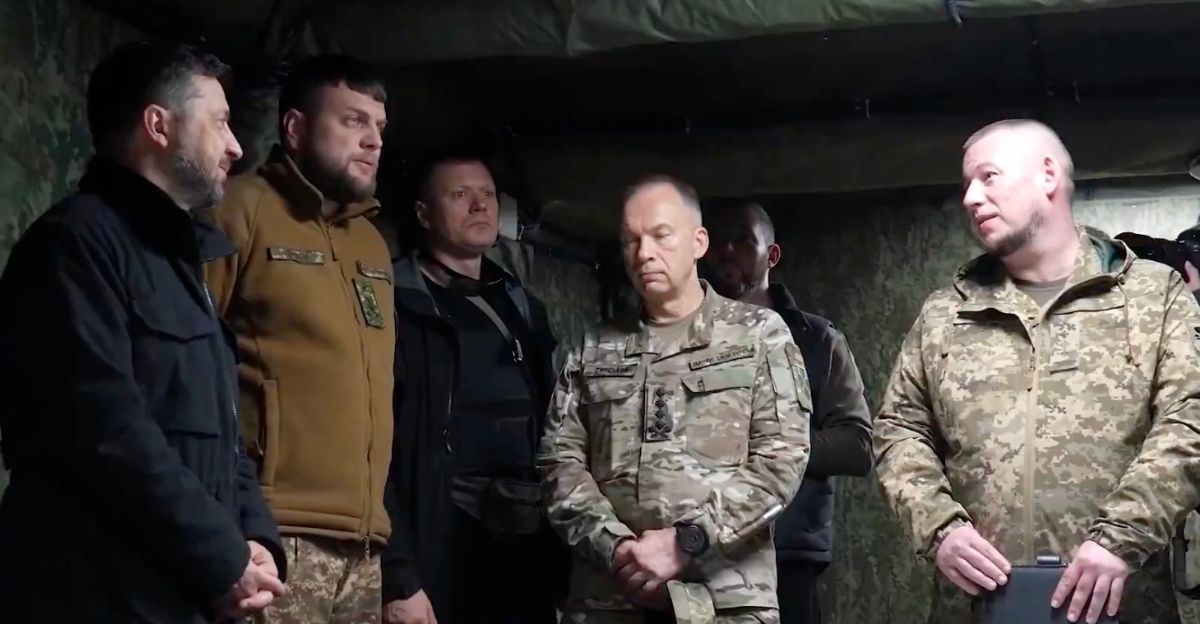
President Volodymyr Zelensky visited troops near Pokrovsk in early November, according to Kyiv Independent, praising soldiers defending “the city that refuses to die.” Troops reported morale boosts as he toured shattered streets, emphasizing both tactical and symbolic significance.
Pokrovsk’s battle is not just about territory; it represents Ukrainian resilience. Leadership, morale, and strategy converge on every block.
Collapsed Infrastructure
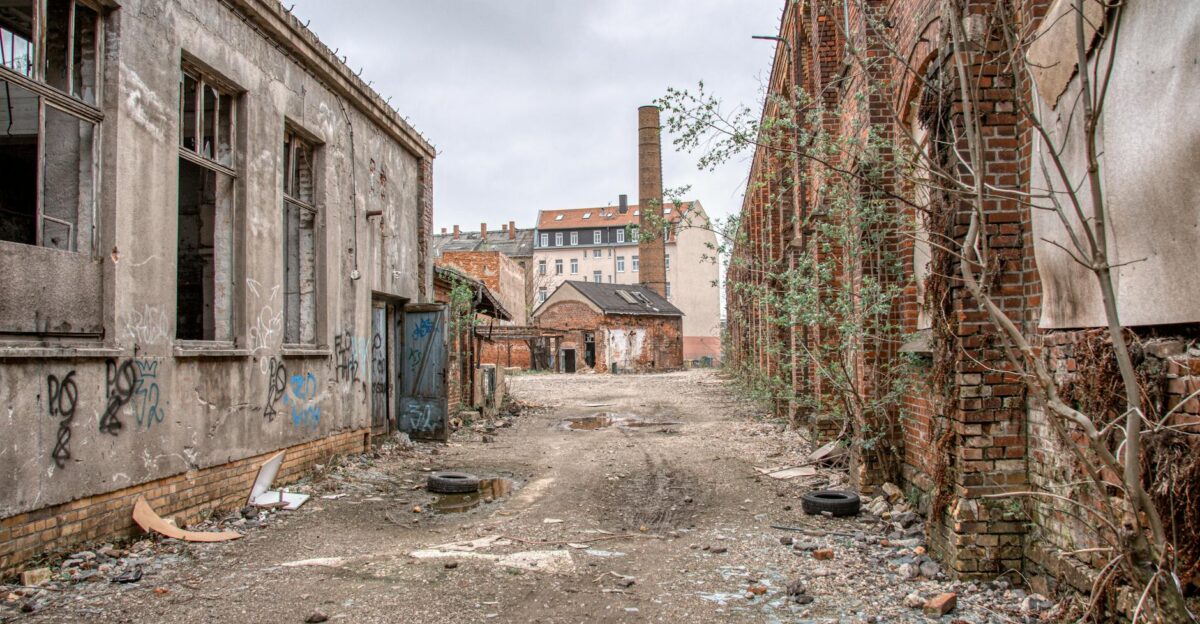
Transport arteries are broken. Reuters reports rail yards and roads are mostly unusable, halting the movement of goods and industrial supplies. Factories dependent on these routes face delays, while businesses reroute through longer, riskier paths.
Even in ruins, Pokrovsk’s infrastructure is pivotal: losing it would disrupt eastern Ukraine’s economy and complicate humanitarian operations. The city’s broken streets remind the world that urban warfare affects industry, commerce, and civilian life far beyond frontline clashes.
Steel Production Threatened

The Metinvest coking coal mine, ten kilometers west, suspended operations in January, according to Kyiv Independent and Reuters. Before suspension, it supplied nearly all of Ukraine’s coking coal, vital for steel production. Analysts warn that output could drop from 7.5 million to under 3 million tons annually, affecting construction and exports.
The battle’s stakes extend beyond military lines: even a few city blocks determine industrial output and global supply chains, making Pokrovsk critical far beyond its borders.
Supply Chains Under Pressure
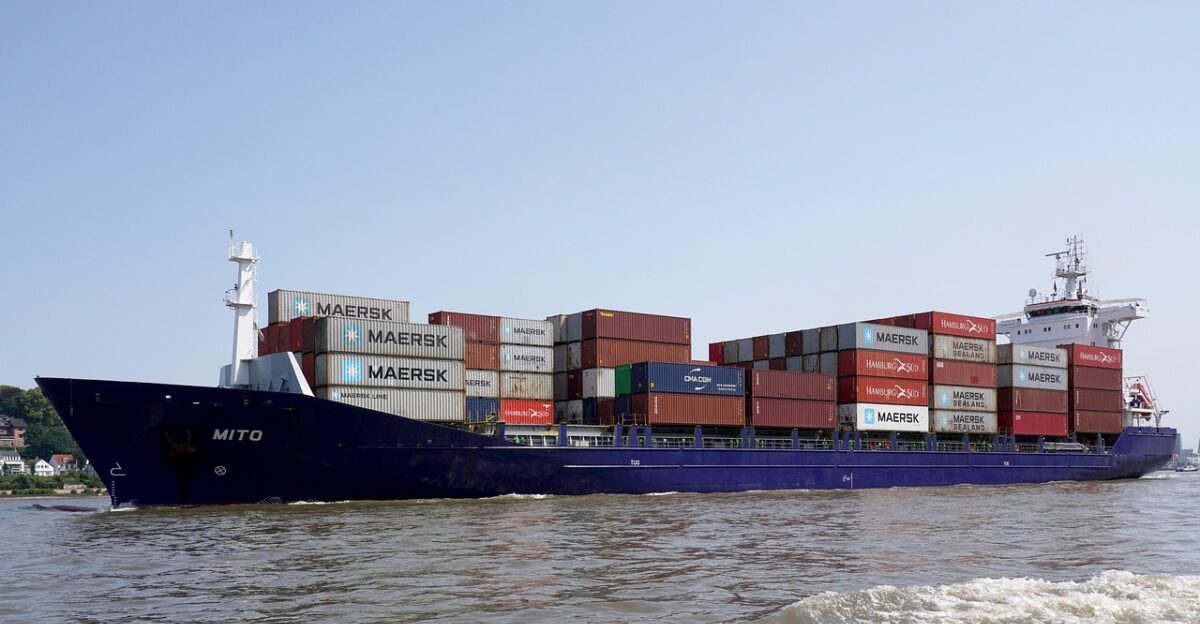
International markets keep adjusting as Ukrainian exports face delays. Reuters and Bloomberg analyses highlight rerouted steel and grain shipments at higher costs. European manufacturers dependent on Ukrainian steel face uncertainty, while logistical challenges ripple worldwide.
Each blocked rail line and damaged road adds complexity to supply chains, showing how localized urban combat can influence industries and markets far from the frontline.
Civilians in the Crossfire

Life for remaining residents is perilous. Reuters reporters describe families moving cautiously among rubble to avoid artillery and drones. Makeshift shelters serve as kitchens, bedrooms, and clinics. Ukrainian defenders and civilians share streets and survival strategies, blending combat and daily life.
Even amid devastation, human resilience persists, reminding observers that a city reduced to rubble can still sustain life and hope.
Mounting Economic Strain
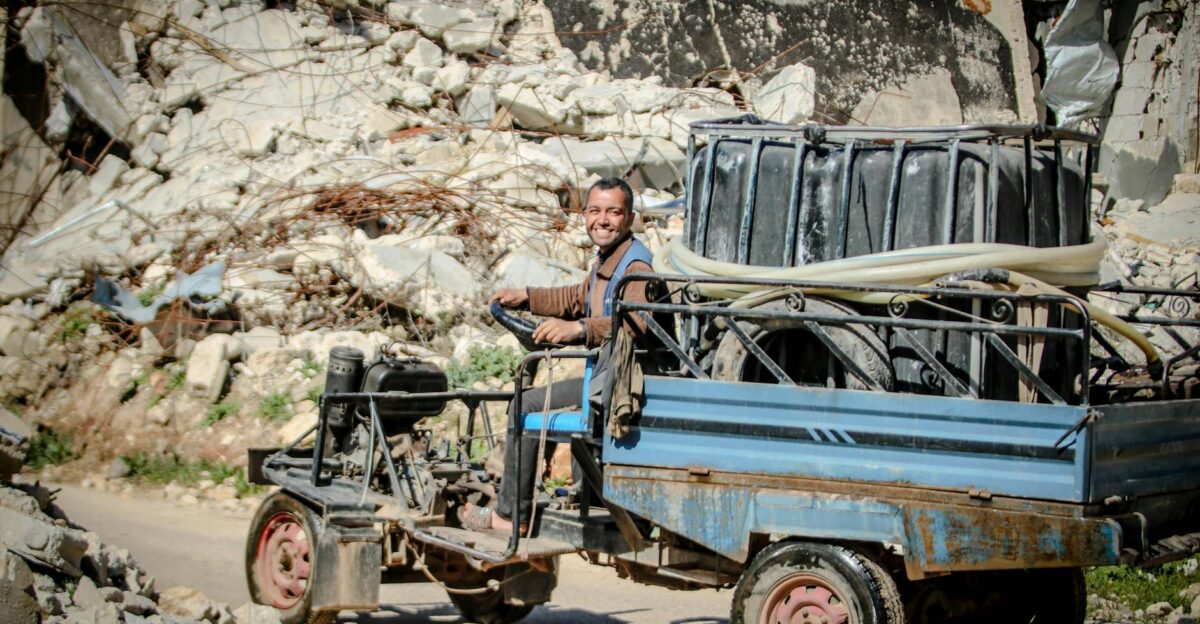
Ukraine’s reconstruction costs are estimated at roughly $400 billion since 2022, per World Bank. Lost coal and steel output adds fiscal pressure, while prices for basic goods rise. International aid remains critical but limited.
Pokrovsk exemplifies the intersection of economic fragility and human ingenuity during war, showing that even amid widespread destruction, recovery efforts and adaptive strategies persist.
Business Adaptation
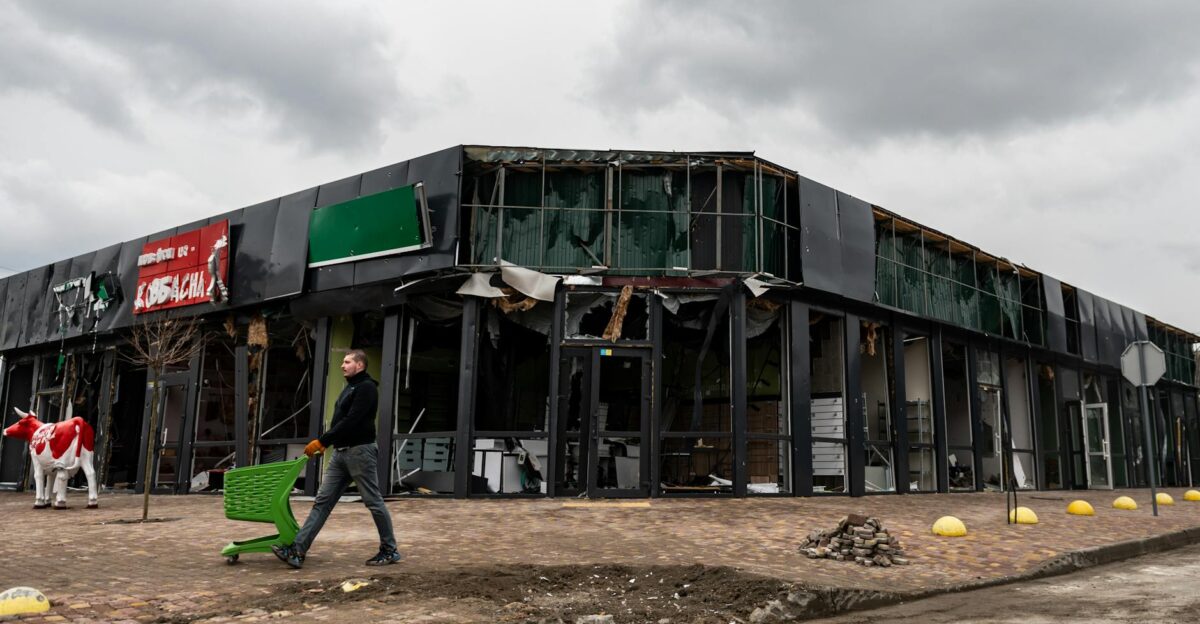
Displaced businesses are finding ways to survive. Cafes, shops, and workshops relocate west or pivot online, according to Kyiv Independent. Some directly serve displaced populations, offering essentials and support.
In Pokrovsk, survival extends beyond defense: it includes the ability to continue daily life and maintain community connections in a city scarred by near-total destruction.
Hotels and Humanitarian Hubs
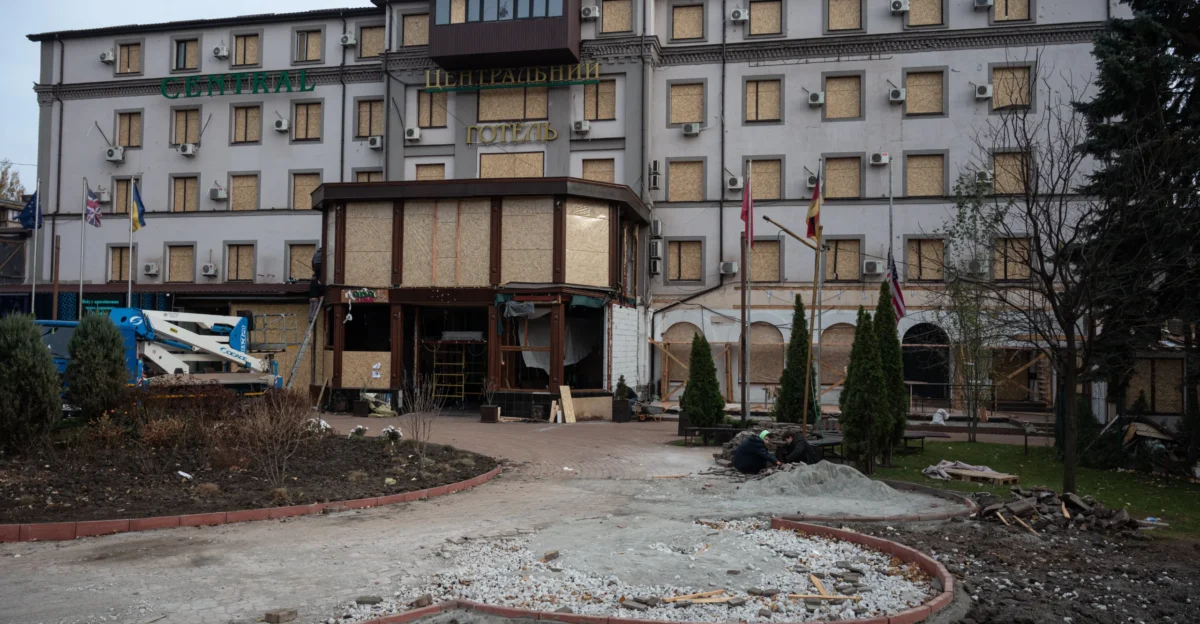
Hotels and restaurants now house refugees and aid workers. Tourist demand has vanished, but displaced families and soldiers rely on these facilities for shelter and meals. Staff operate under constant threat, highlighting the civilian role in survival.
The city’s human infrastructure demonstrates that beyond military strategy, compassion and improvisation sustain communities amid ongoing conflict, weaving civilian resilience directly into the broader struggle for Pokrovsk.
Industrial Ripple Effects

Destruction affects downstream sectors: construction, chemicals, and manufacturing. Fertilizer production depends on coal; steel plants rely on coking supplies. Bloomberg and Reuters note delays and adaptive strategies like relocation or recycling.
Each adjustment shows that even amid destruction, human ingenuity mitigates some impacts. Industry persists in fragmented ways, maintaining hope for recovery and demonstrating resilience of human systems in a city reduced to rubble.
Global Market Implications

Pokrovsk’s fall would reverberate internationally. Reuters reports European manufacturers adjusting supply chains and commodity markets reacting to the reduced exports. Grain and steel volatility affects pricing globally.
The city’s fate illustrates how a localized conflict can ripple worldwide, demonstrating that modern economies are interconnected and vulnerable to urban warfare, even in cities that have largely ceased to function in normal ways.
Health and Trauma

Displacement and combat create urgent health challenges. UN OCHA highlights overcrowding, limited medical care, and rising mental health needs. Children and adults face trauma and uncertainty. Aid agencies provide essential services, but gaps remain. Survival is intertwined with psychological tolls.
Pokrovsk illustrates that war impacts more than buildings or supply chains: it touches bodies, minds, and communities, showing the human cost that persists long after the first strike.
Countdown to the Deadline
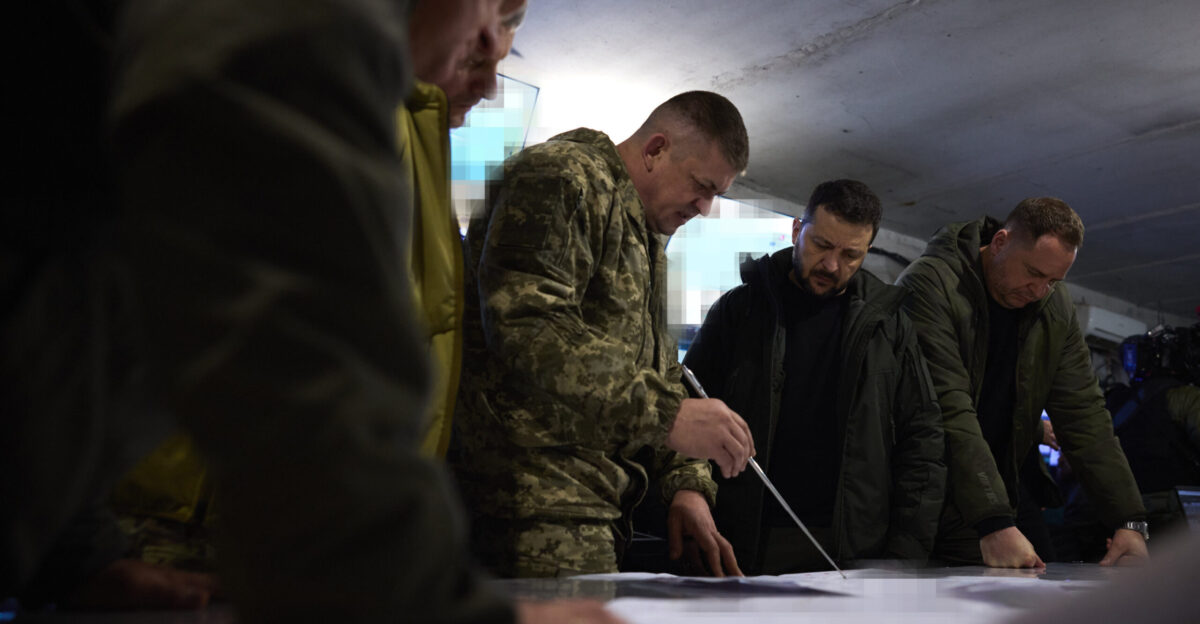
With less than two weeks until November 15, fighting intensifies. ISW and BBC report contested streets change hands daily. Ukrainian commanders prioritize supply routes while Russian forces push for symbolic gains.
The coming days may define the battle’s outcome, influencing morale, strategy, and the wider conflict. Even in ruins, Pokrovsk remains central to the unfolding war narrative.
Defiance Amid Ruins
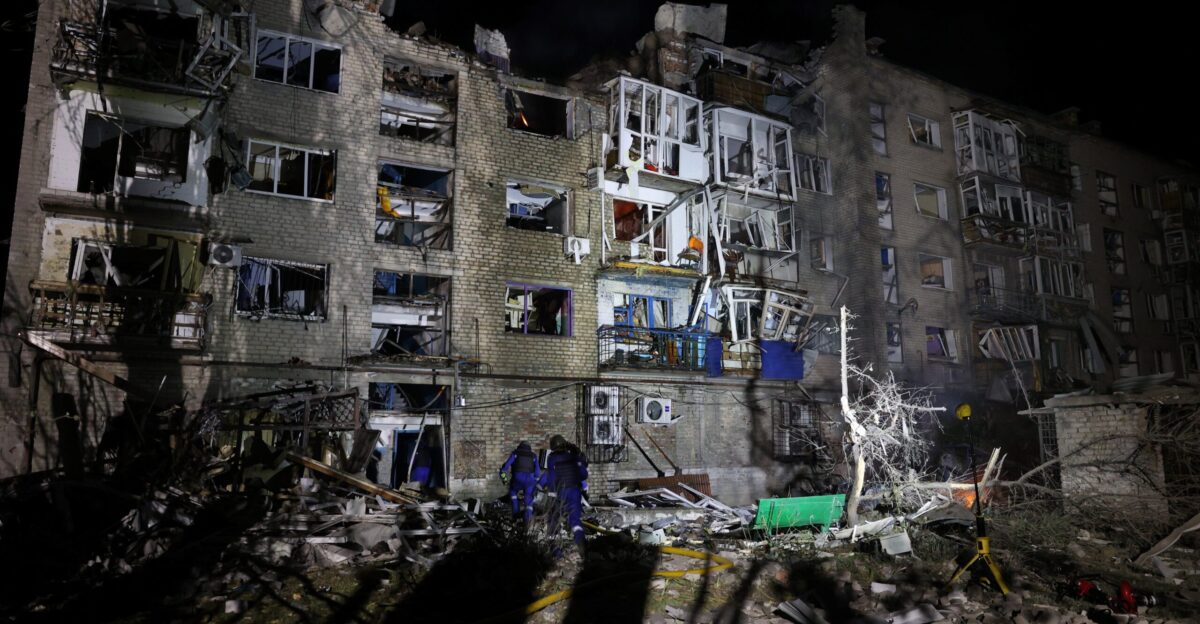
Pokrovsk has become a symbol of resistance. General Malomuj told Kyiv Independent that Russia seeks dominance, yet Ukraine’s hold demonstrates resilience amid destruction. The battle is tactical and symbolic: each block, each street, each basement counts. Residents, soldiers, and makeshift hospitals persist, showing that even near-total ruin cannot erase determination.
Pokrovsk exemplifies how urban warfare shapes both military outcomes and human stories, leaving a mark on strategy and conscience alike.