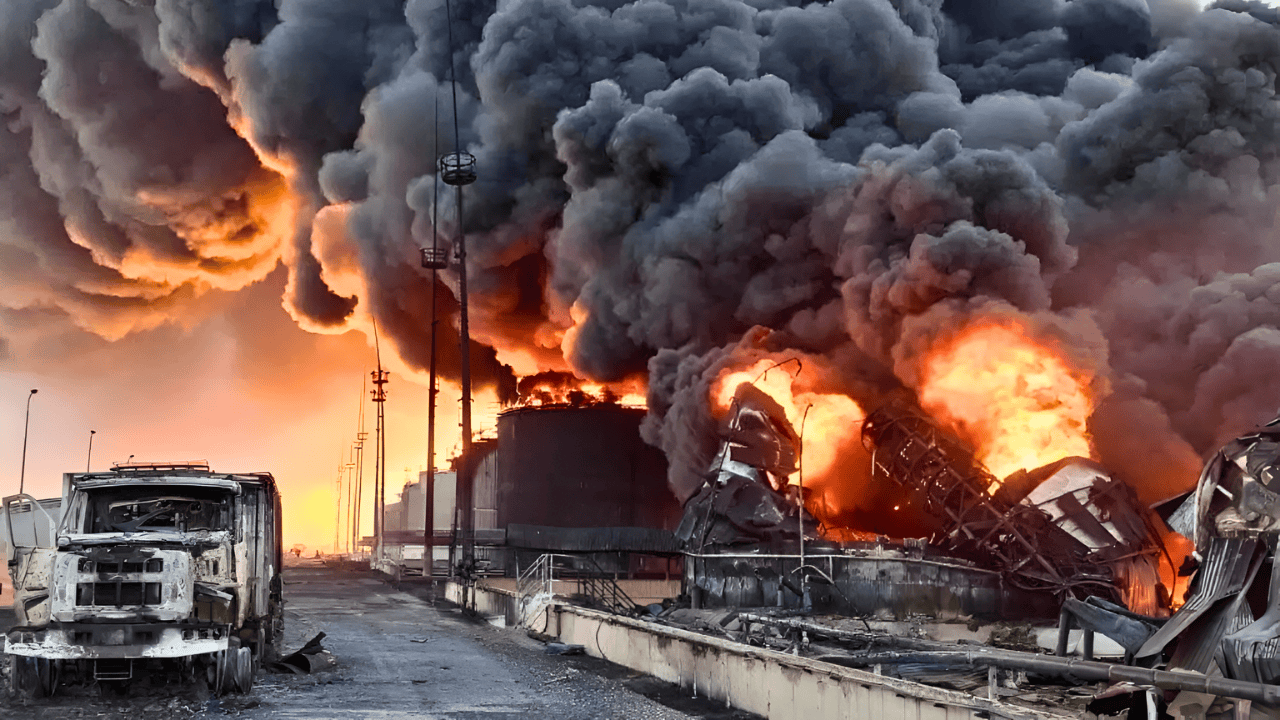
On November 16, 2025, Ukrainian forces struck Russia’s Novokuibyshevsk oil refinery in Samara Oblast for the sixth documented time. Located 900 kilometers from the front, the facility erupted in explosions and flames, escalating Ukraine’s energy infrastructure campaign.
Russian air defenses reported intercepting 23 drones; however, several drones managed to penetrate their defenses. Damage assessments remain ongoing as Russian officials confirm the strike and Ukraine’s General Staff claims operational success based on confirmed impacts.
Strategic Asset Profile
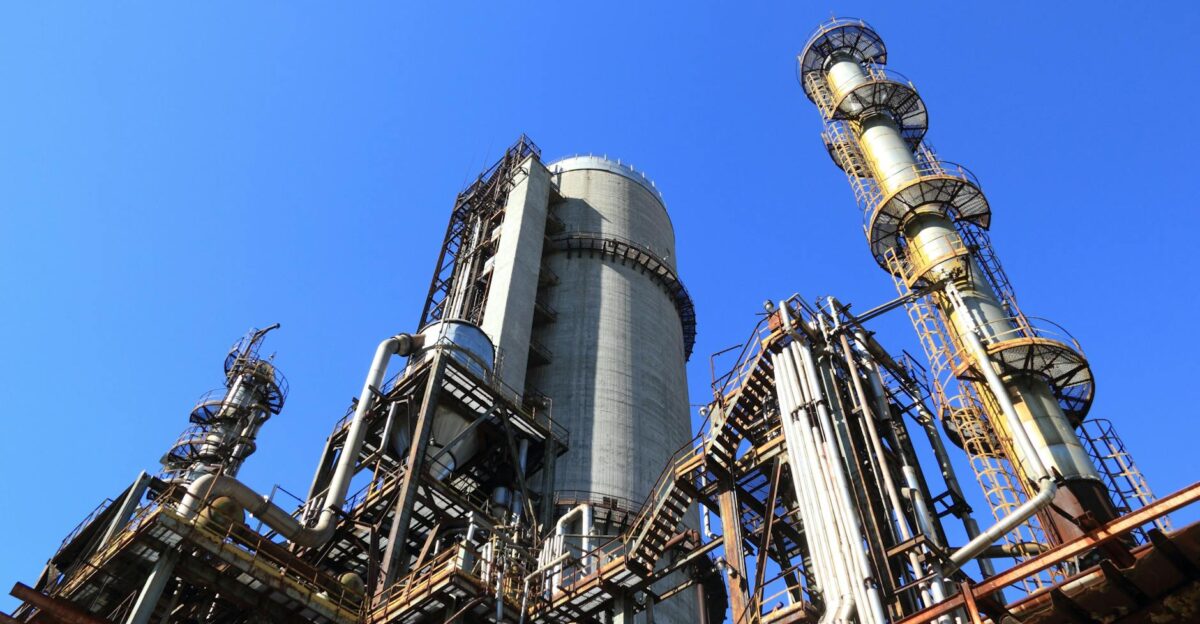
The Novokuibyshevsk refinery ranks among Russia’s 10 largest, with an annual capacity of 8.8 million metric tons (approximately 176,000 barrels daily). Operating under Rosneft, Russia’s largest oil company, it processes crude from Orenburg, West Siberia, and Samara regions.
The facility produces gasoline, diesel, jet fuel, and specialized products meeting ISO 9001 standards. Output is directly supplied to civilian markets and Russian military operations, particularly aviation fuel for Su-27 fighters and Tu-22 bombers, which require TS-1 kerosene.
Immediate Impact and Operational Status
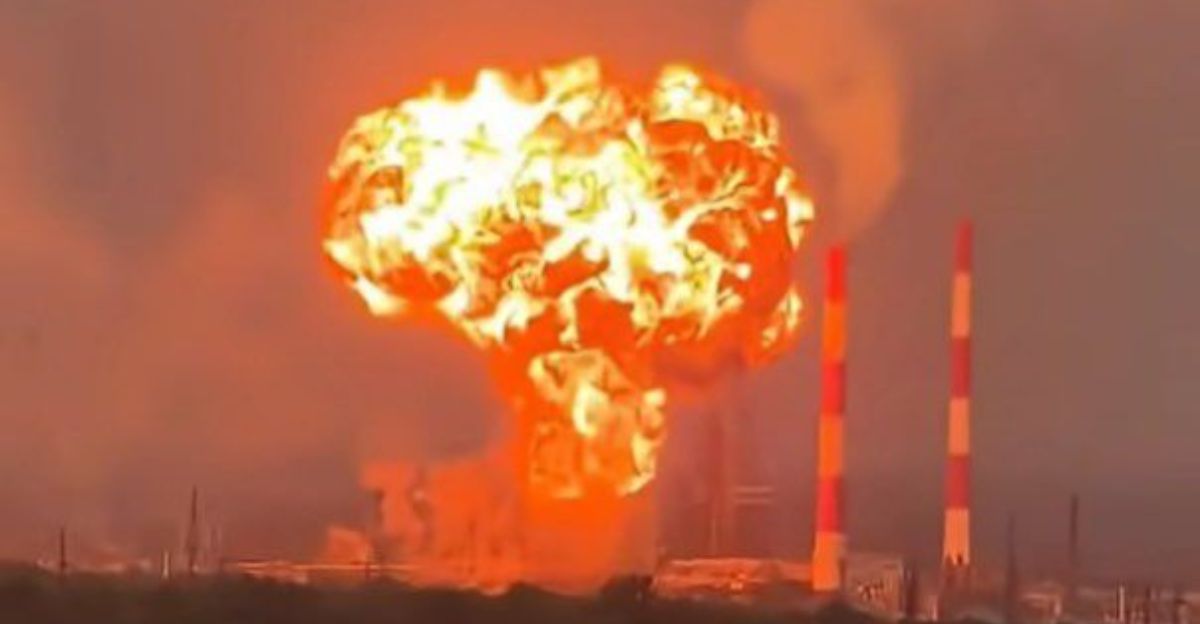
The November 16 strike resulted in explosions and fires, necessitating a damage assessment. A prior October 2025 attack had forced a complete shutdown. The current operational impact depends on the severity of the damage, which is being evaluated by Rosneft. Previous attacks required weeks to months for restoration.
Russia’s refineries were operating below full capacity before attacks began, providing limited spare capacity. The extent of operational disruption remains contingent on ongoing damage assessments and repair timelines established by Russian authorities.
Advanced Weaponry: The Bars Drone-Missile
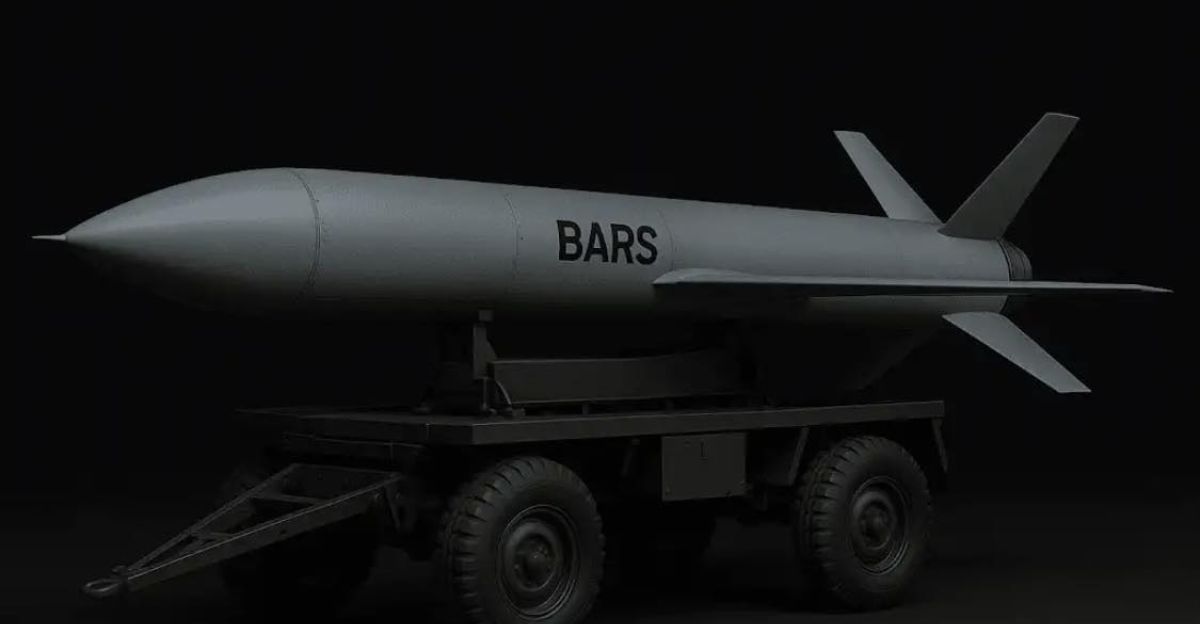
Ukraine confirmed deploying the Bars jet-propelled drone-missile system during this strike. The Bars combines cruise missile precision with UAV flexibility, featuring 800-kilometer range and 50-100 kilogram warhead capacity. Its turbofan jet engine and fixed-wing design make interception difficult for conventional air defense.
Ukraine’s defense officials described it as suitable for ground or air launch. The system significantly extends strike depth beyond traditional drone capabilities, complicating Russian air defense planning and targeting calculations.
Targeting Pattern: Sixth Strike
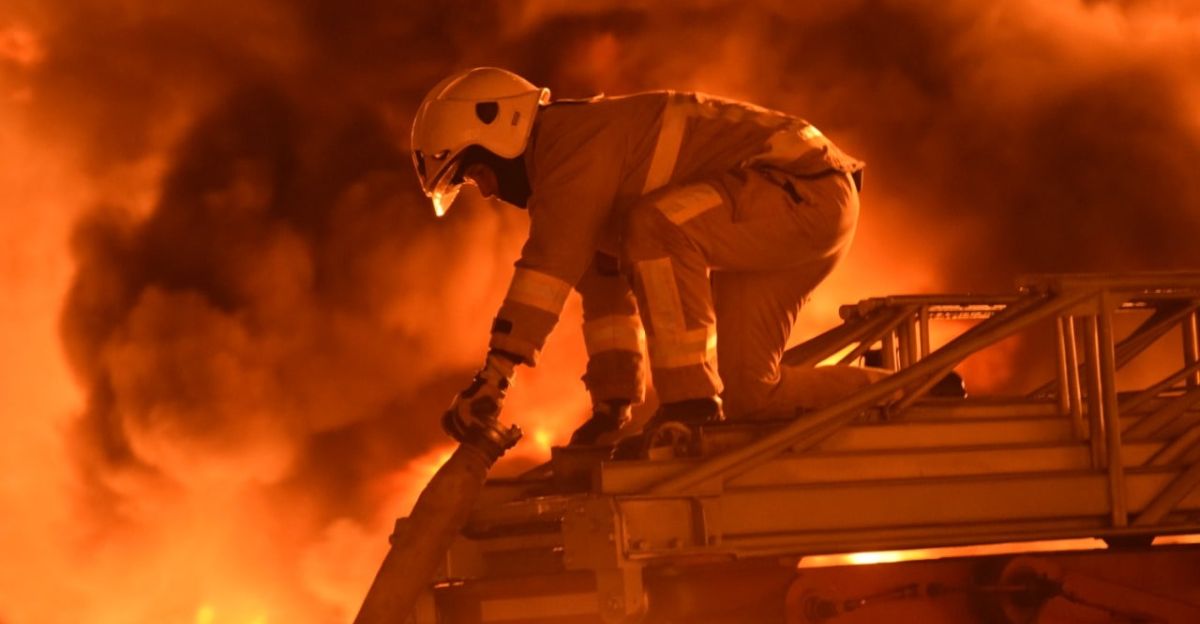
This represents the sixth documented Ukrainian strike on Novokuibyshevsk, highlighting its strategic importance in Russia’s energy architecture. Previous attacks occurred throughout 2024-2025. Concentrated targeting suggests detailed Ukrainian knowledge of repair capabilities and recovery timelines.
By focusing on single high-value targets, Ukraine aims for comprehensive degradation through cumulative damage rather than diffuse attacks. This strategy reflects an understanding of Russian logistics dependencies and repair resource constraints. Persistent targeting indicates the facility’s critical importance to military operations and domestic fuel distribution.
Russian Air Defense Response
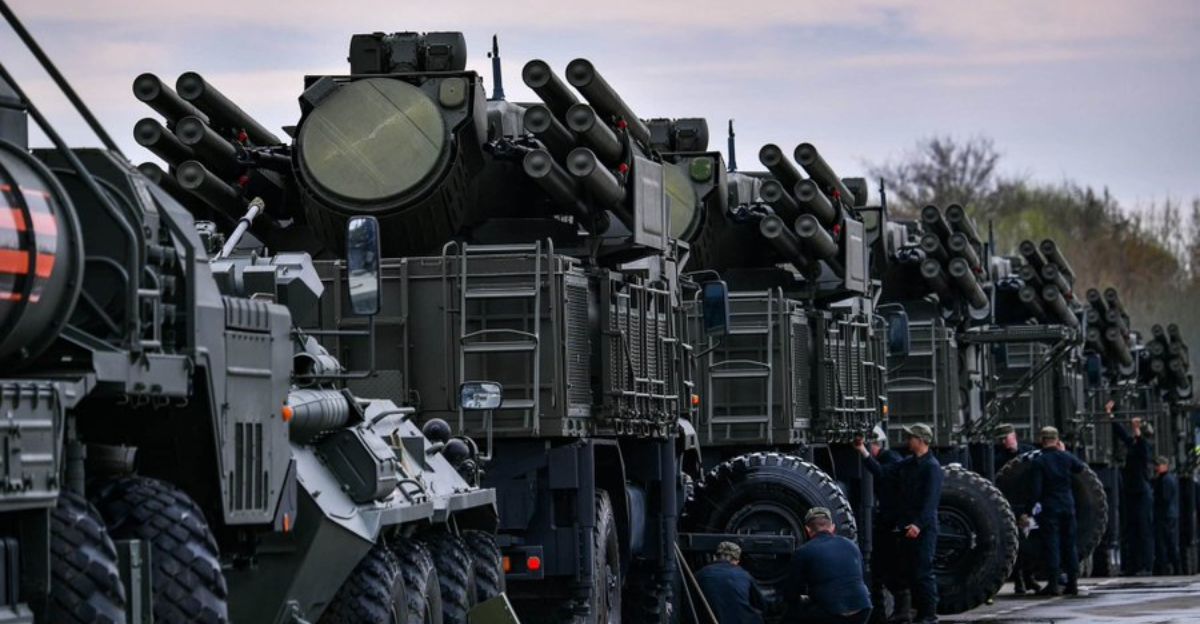
Russia’s Defense Ministry claimed to have intercepted 23 Ukrainian drones over Samara Oblast during the overnight operation, but despite these defensive measures, Ukrainian strikes successfully reached the Novokuibyshevsk facility. This penetration ratio mirrors patterns observed in previous 2025 attacks, where Russian defenses intercept a significant number of drones while accepting some strikes.
Continued penetration suggests insufficient coverage density, Ukrainian evasion tactics, or combined factors. This operational dynamic reflects broader challenges defending extended energy infrastructure networks against sustained, coordinated drone campaigns across vast territories.
Official Confirmations and Narratives

Russian officials confirmed the attack: Samara Oblast Governor acknowledged regional infrastructure damage, Russia’s Defense Ministry reported drone interceptions, and local residents documented explosions and fires. Ukraine’s General Staff publicized drone footage emphasizing operational success and advanced capabilities.
Both sides characterized the incident within their broader war narratives—Russia framing it as largely intercepted, Ukraine as successful capability demonstration. Independent sources including Reuters and Kyiv Independent corroborated basic attack facts while noting full damage assessment remained incomplete.
Fuel Supply Chain Implications
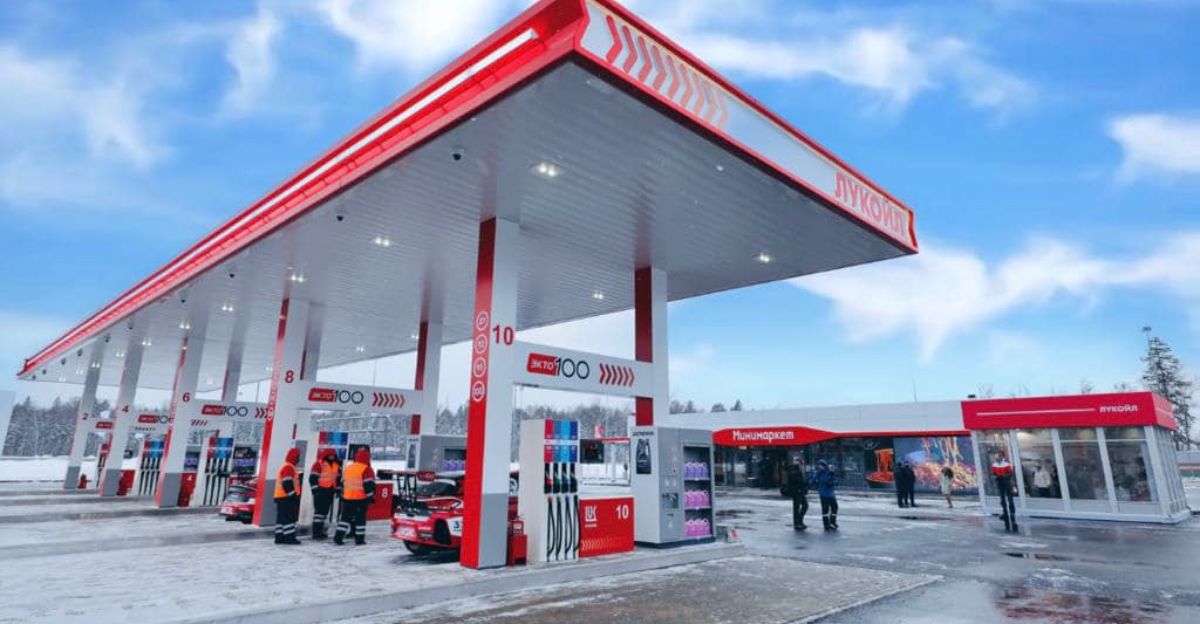
Novokuibyshevsk’s primary output supplies regional transportation, aviation, industrial, and military sectors. Jet fuel (TS-1) constitutes critical inventory for Russian Aerospace Forces. Diesel and gasoline serve civilian and military ground transportation across the region. Any operational disruption affects broader fuel distribution networks in southern Russia.
Previous refinery strikes created regional shortages despite spare capacity activation. Extended outages would intensify pressure on alternative refineries to absorb demand or accept rationing, particularly for military-grade aviation fuels requiring precise technical specifications.
Refining Capacity and Redundancy Assessment
Russia’s total refining capacity reaches 6.6 million barrels daily, though pre-2025 utilization averaged 85 percent, leaving limited surge capacity. Ukrainian strikes across 2024-2025 have temporarily disabled approximately 20 percent of nameplate capacity at peak moments.
Actual national throughput reduction remains modest—3-6 percent year-on-year—due to restart of idle units and crude redistribution. March 2024 disruptions translated to only 6 percent effective output loss after spare capacity activation. This differential reflects Russia’s pre-existing redundancy designed for maintenance scheduling and contingency management.
Regional Supply Dynamics

While national redundancy provides mitigation, regional bottlenecks are emerging. Reports document approximately 20 percent monthly fuel shortfalls in southern Russia by late 2025, creating rationing in multiple regions including Crimea. Novokuibyshevsk serves the Volga region, where military, civilian, and transportation demand compete for limited supplies.
Regional quality degradation accompanies capacity losses—secondary units produce high-value products whose damage reduces output quality and nameplate capacity. Transportation sectors experience cost pressures from fuel availability uncertainty and quality specification requirements, particularly for military-grade aviation fuels.
Environmental and Infrastructure Considerations
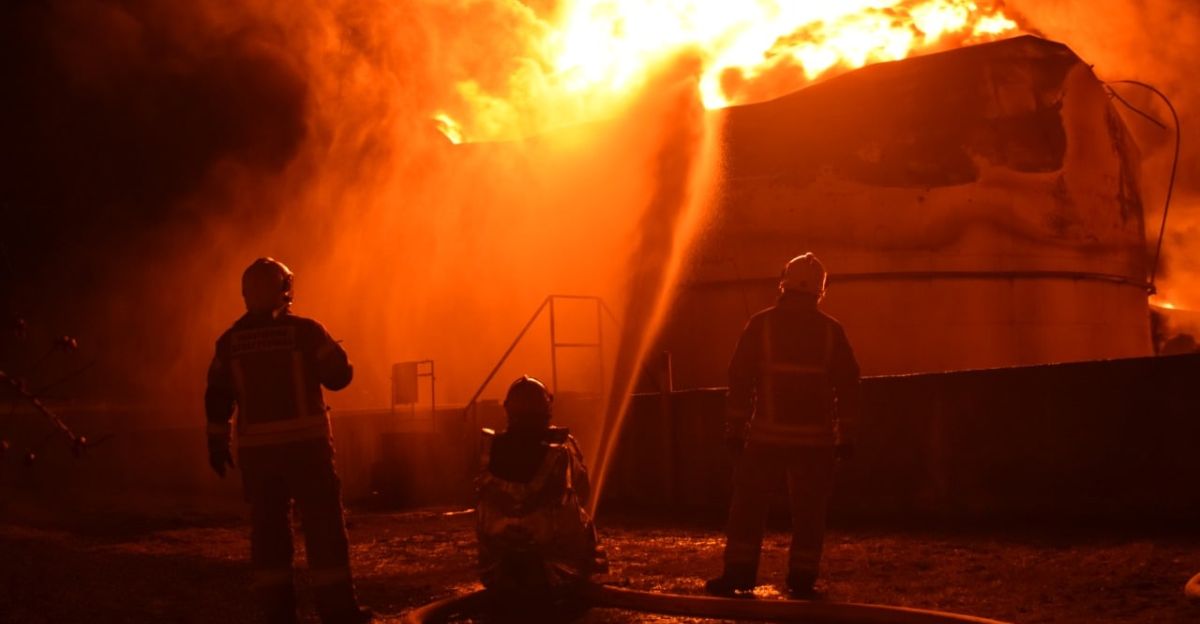
Oil refinery explosions inherently pose environmental risks through the release of hydrocarbons, emissions of volatile organic compounds, and potential groundwater contamination. Novokuibyshevsk’s location near populated areas of Samara Oblast raises air quality concerns. Russian authorities typically suppress pollution reporting from military-related industrial damage.
Independent environmental assessments require atmospheric monitoring and soil/water sampling, which are currently unavailable to the public. Precedents from previous refinery strikes suggest localized air quality degradation and long-term impacts, although specific environmental damage quantification for November 16 remains pending a technical assessment by Russian authorities.
Global Energy Market Positioning

International energy markets monitor Russian refinery attacks for supply-side impacts on crude and refined fuel exports. Russia exports approximately 2-2.5 million barrels daily of refined products and crude, representing substantial revenue.
Current export reductions stand at 3-6 percent year-on-year despite headline capacity damage claims of 20-40 percent. Market volatility stems from uncertainty regarding future attack trajectories and repair timelines. Alternative suppliers including India and Middle Eastern producers benefit from Russia’s constrained supply, though global prices remain relatively stable given substitution availability.
Long-Term Strategic Degradation
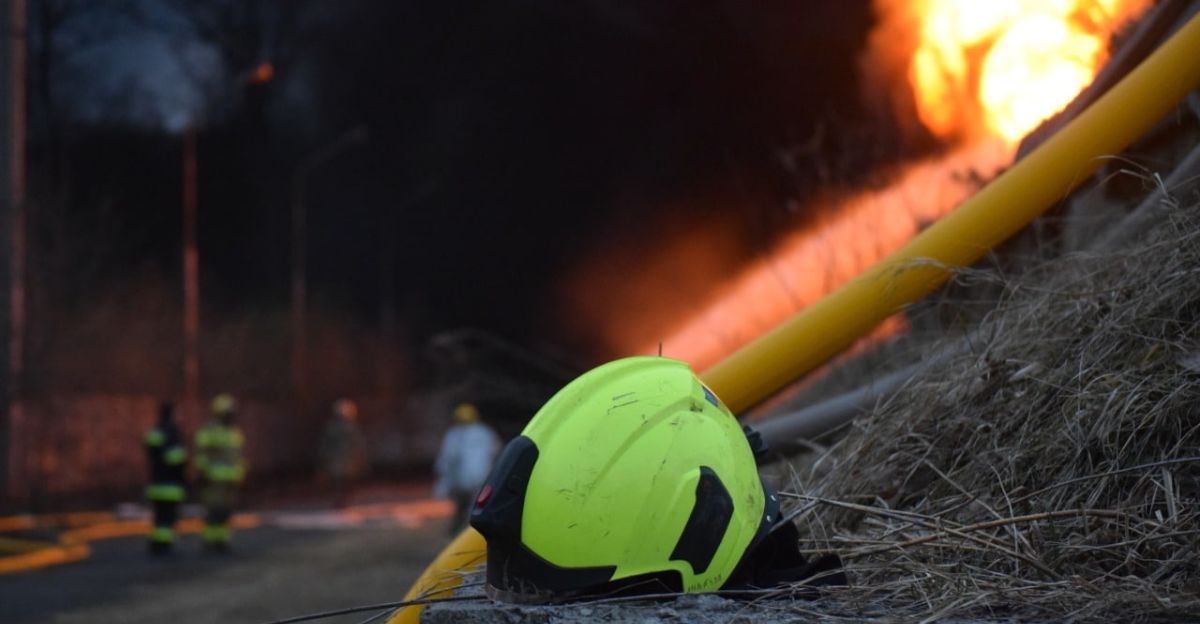
Continued Ukrainian strikes at current rates will gradually erode Russia’s redundancy cushion, potentially transforming temporary disruptions into structural refining limitations. Analysis suggests that sustained losses of 3-6 percent will converge toward 10-15 percent or higher over 12-24 months if attacks intensify.
Quality product erosion—exceptionally high-grade aviation fuels—will compound challenges as secondary units accumulate damage. Russian military operations depend on stable fuel supply; progressive degradation directly constrains force projection and sortie rates. Export revenue losses reduce military procurement resources.
Damage Control and Recovery Operations
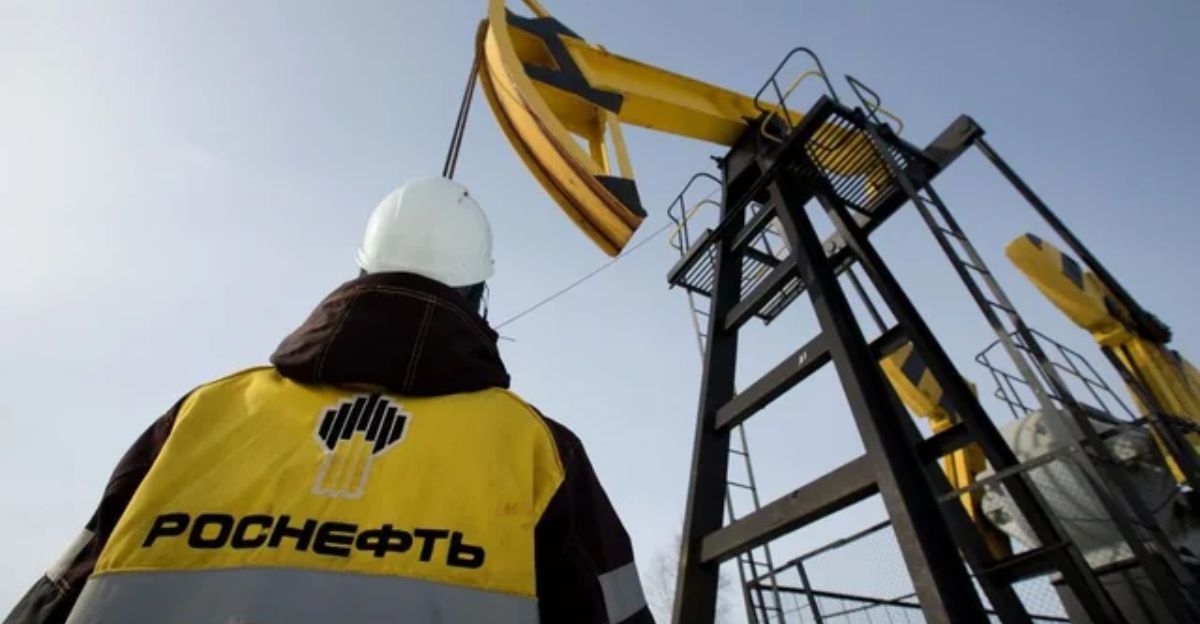
Rosneft employs rapid repair protocols following strikes, targeting partial restoration within weeks and full capacity within months. Repair timelines vary based on damage severity. The facility has experienced multiple repair cycles in 2024-2025, indicating damage remains repairable but attack frequency prevents full restoration between strikes.
Rosneft maintains spare parts inventory and coordinates repair crews between facilities. International sanctions limit access to advanced refining technology and specialized components, potentially extending repair timelines. Russian officials have not disclosed specific damage assessment data or restoration estimates for November 16 damage.
Military Implications and Strategic Trajectory

Sustained fuel supply disruptions directly impact Russian military operational tempo and sustainability. Combat aircraft, armor formations, and logistics vehicles depend on uninterrupted fuel; degraded throughput forces consumption rationing or mission restrictions. Novokuibyshevsk supplies Tu-22M bombers and fighters supporting Ukraine operations; fuel constraints reduce sortie rates.
Ground logistics similarly depend on diesel; fuel rationing cascades throughout supply chains affecting ammunition transport and unit readiness. Ukrainian strategists recognize energy infrastructure as force-multiplier targeting. As Ukraine advances long-range capabilities like Bars, refinery vulnerabilities become increasingly consequential to military planning and force sustainability calculations.