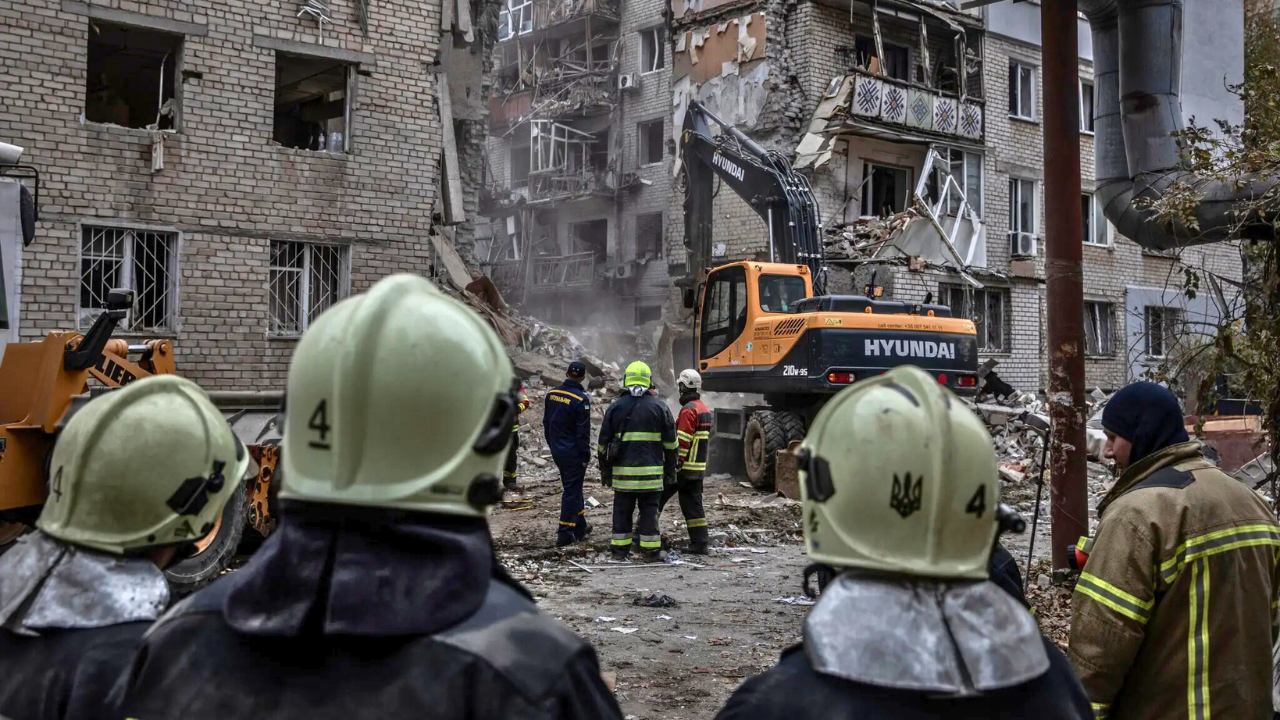
Just after 2:58 a.m. on November 3, 2025, a wave of Russian Shahed-131/136 drones struck Ukraine’s Mykolaiv region, igniting a massive supermarket and plunging twelve settlements into darkness. The attack shattered windows, damaged vehicles, and sent residents scrambling for safety as firefighters battled flames under an orange-lit sky. This coordinated strike marked a new escalation in Russia’s campaign against civilian infrastructure, transforming a routine night into one of fear and disruption for thousands.
Escalating Civilian Strikes
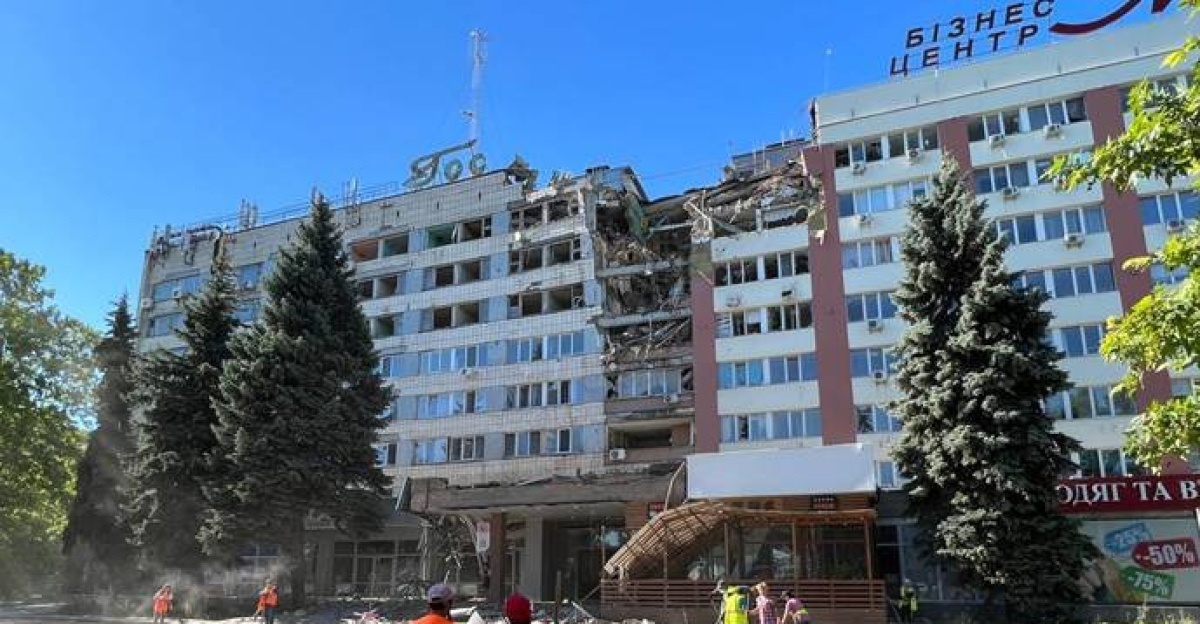
The Mykolaiv assault is part of a growing pattern of Russian attacks targeting non-military sites across Ukraine. Supermarkets, power grids, and residential buildings have increasingly come under fire, with the aim of destabilizing daily life and eroding civilian resilience. Human Rights Watch reports that civilian casualties in early 2025 have surpassed those from the same period in 2024, while UN monitors confirm a systematic strategy of targeting essential infrastructure. Moscow’s approach appears designed to exhaust communities and apply political pressure on Kyiv by inflicting sustained hardship.
Immediate Impact: Food and Power Disrupted
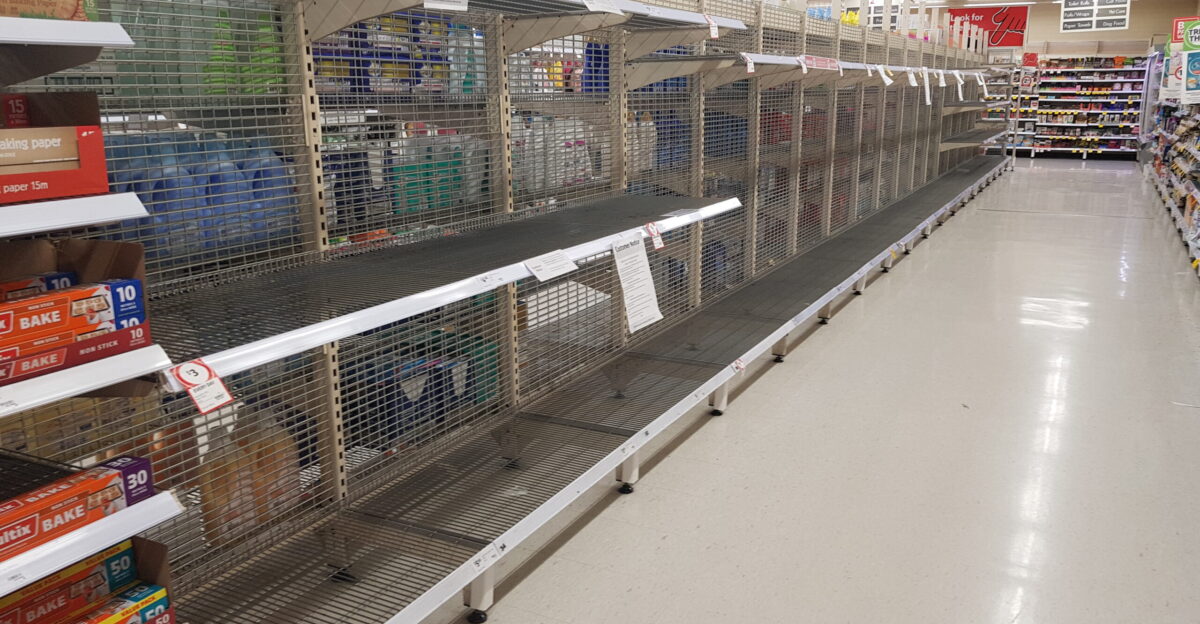
The destruction of the 2,000-square-meter supermarket instantly deprived thousands of residents of access to basic goods. With the main store gone, smaller shops in the area faced overwhelming demand, leading to shortages of bread, produce, and other staples. The simultaneous power outages across twelve settlements compounded the crisis, interrupting refrigeration and food storage. For families already coping with wartime scarcity, these disruptions made securing even simple meals a daily challenge.
Ukrainian emergency teams responded swiftly, working through the night to restore electricity. Power was returned to all affected communities within hours, demonstrating the country’s growing resilience and rapid-response capabilities. Years of experience repairing grid damage have strengthened these systems, but each new attack tests their limits, highlighting the ongoing tension between readiness and vulnerability.
Supply Chain Strain and Economic Fallout
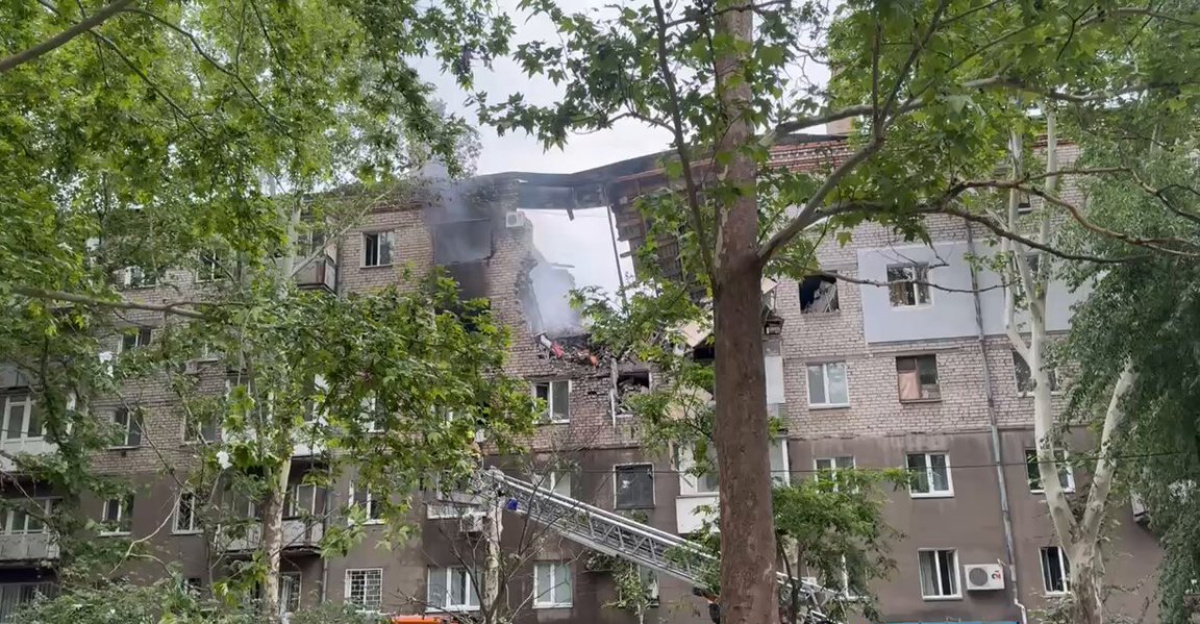
The loss of a major retail hub in Mykolaiv has placed significant strain on the region’s food-supply chain. Truck routes, warehouse logistics, and inventory management all suffer when a central node is destroyed. Other stores are likely to experience shortages and price increases as distribution networks adjust. For smaller villages dependent on central retailers, these disruptions quickly escalate from logistical issues to humanitarian concerns.
The November 3 attack was part of a broader wave of strikes targeting Ukraine’s food-distribution infrastructure. Just hours earlier, Russian drones destroyed an 11,000-square-meter warehouse in Pavlohrad, burning tens of millions of hryvnias worth of snacks and food products. Combined with the supermarket fire and widespread power-outage spoilage, these attacks eliminated approximately $10 million in Ukrainian food supply across multiple regions within 48 hours. Such coordinated strikes threaten national food security by undermining access, affordability, and stability, especially as winter approaches.
Human and Economic Costs
Remarkably, there were no casualties in the Mykolaiv supermarket fire, a result attributed to alert systems and rapid evacuations. The inferno destroyed the building but spared lives, thanks to improved warning networks. However, the economic impact is severe. Dozens of employees lost their workplace overnight, and suppliers, farmers, and transporters face cascading losses. The attack leaves a significant void in local commerce, with recovery efforts now focused on rebuilding both infrastructure and livelihoods.
Each strike on commercial infrastructure drives up costs for consumers and governments. Lost inventory, repair expenses, and reduced tax revenue all strain Ukraine’s wartime economy. The supermarket fire alone is estimated to have caused between $500,000 and $2 million in damages, illustrating how economic warfare compounds physical destruction. When markets burn, communities lose both jobs and local stability.
Policy Response and Community Resilience
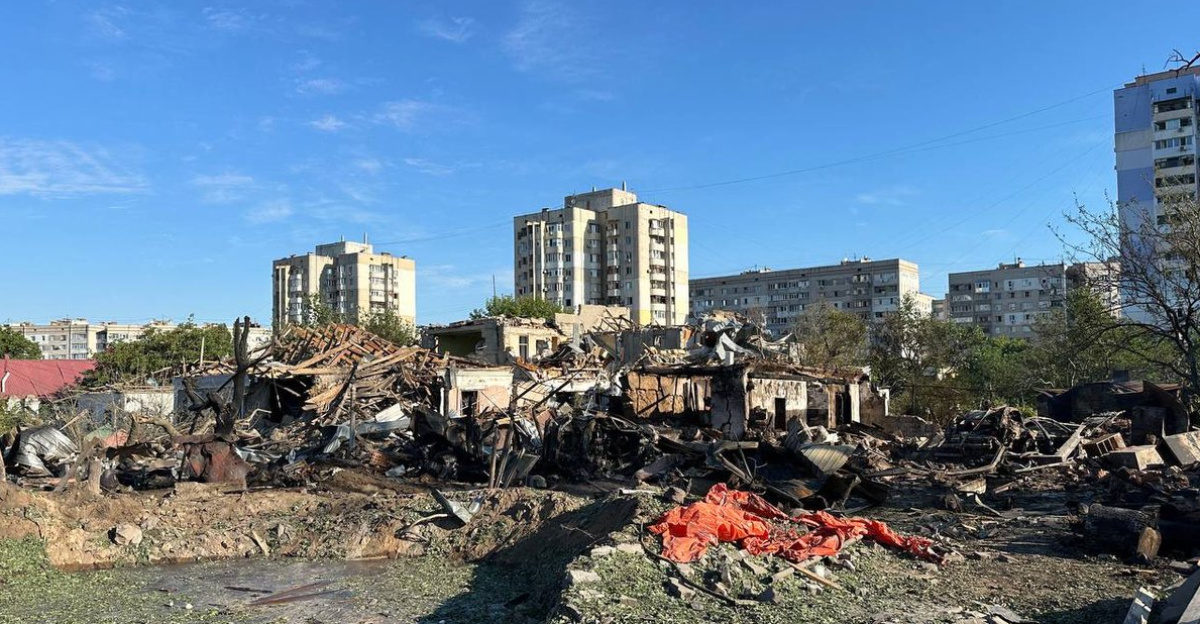
In response to escalating attacks, Ukrainian officials are accelerating civilian-protection measures. Emergency-response drills, reinforced energy infrastructure, and pre-positioned repair crews are now standard practice. The swift reconnection of twelve settlements after the Mykolaiv strike underscores a new phase in governance under fire: resilience by design. Investments are being made not only in defense but also in the systems that keep daily life functioning amid ongoing threats.
Interrupted access to food and refrigeration raises urgent public-health risks. Without reliable electricity, perishables spoil, and families turn to lower-nutrition substitutes. Children and the elderly are especially vulnerable to diet disruption and exposure to cold during energy outages. Even in the absence of direct casualties, the secondary health effects of such attacks can be severe and long-lasting.
International Reaction and Future Outlook
Governments and rights groups have condemned the targeting of civilian infrastructure in Ukraine. Human Rights Watch, UN monitors, and Western officials cite mounting evidence of deliberate attacks on non-military sites. Russia’s use of Shahed drones has quadrupled in 2025, with the Mykolaiv strike among the largest coordinated swarms to date. Each incident intensifies calls for accountability and stronger air-defense support for Ukraine.
Images of burning supermarkets and darkened neighborhoods have spread rapidly across global media, amplifying awareness of the war’s impact on ordinary Ukrainians. The pattern of targeting civilian lifelines—food, energy, water—has reshaped international conversations about the conflict’s humanitarian dimensions and the ethics of modern warfare.
As Ukraine adapts with stronger defenses and faster recovery, global support remains critical. The struggle now extends beyond territory, focusing on the protection of food, energy, and the very structure of daily civilian life. The stakes are high: every attack tests the resilience of communities and the systems that sustain them, making the future of Ukraine’s civilian infrastructure a central front in the ongoing conflict.