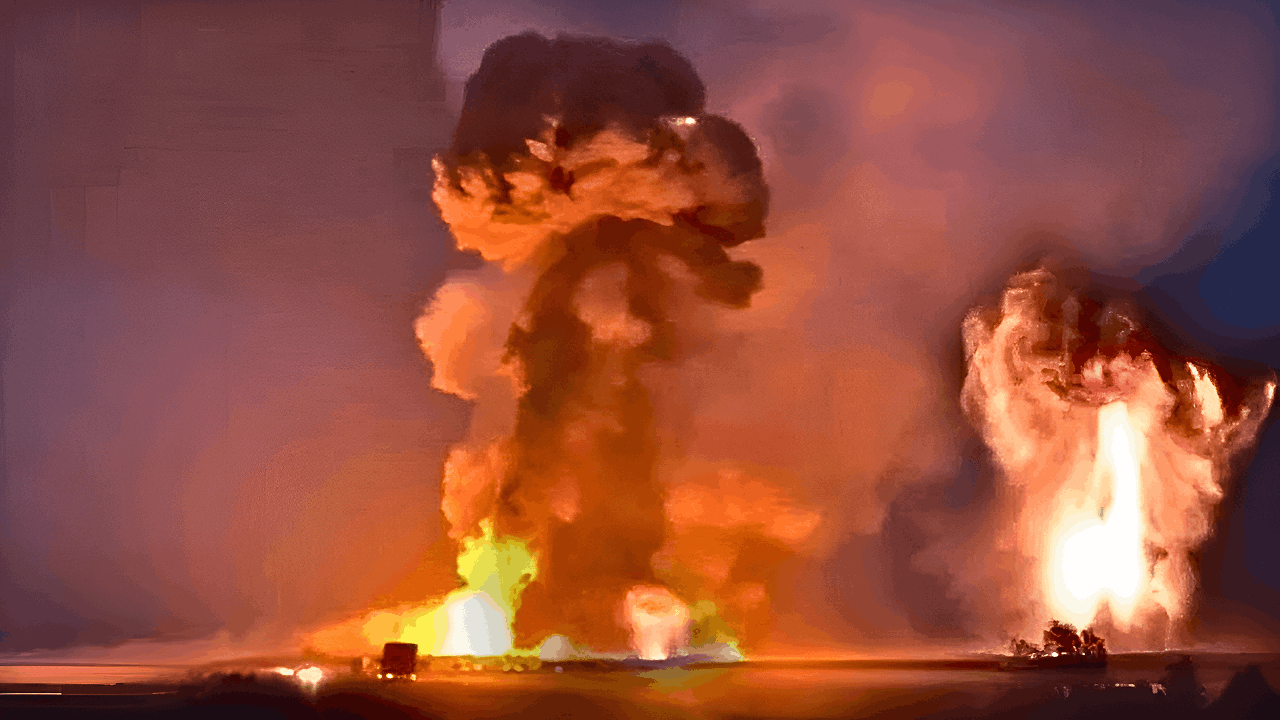
On Oct. 23, 2025, Ukraine unleashed a large drone swarm – reports cite 139 UAVs striking 10 Russian regions that night. Among the hits were two deep targets: Rosneft’s Ryazan Oil Refinery and a munitions depot near Valuyki, Belgorod.
The attack shattered Moscow’s sense of rear-area security and raised alarms about critical infrastructure.
Ryazan Refinery’s Strategic Role
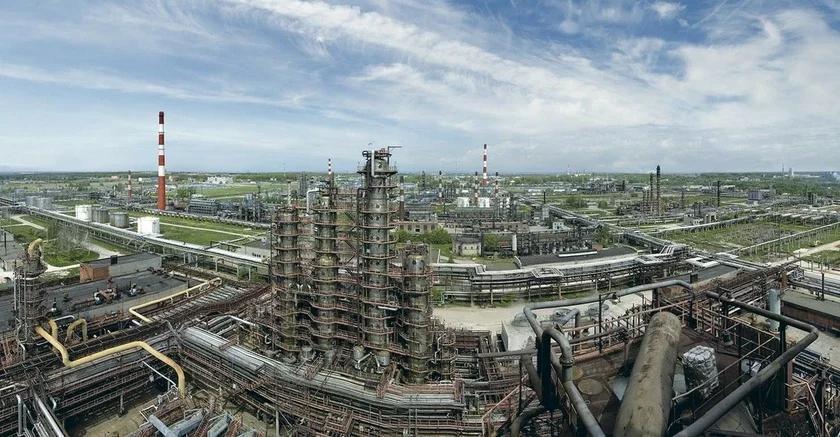
The Ryazan Oil Refinery is Russia’s fourth-largest, processing about 13.1 M tons of crude in 2024 (≈5 % of national capacity). Located ~200 km southeast of Moscow, it supplies fuel to Moscow Oblast and central military units.
Its sudden shutdown cut key fuel flows to the capital and front-line units, intensifying pressure on Russia’s war logistics.
Fuel Output Central to War Effort
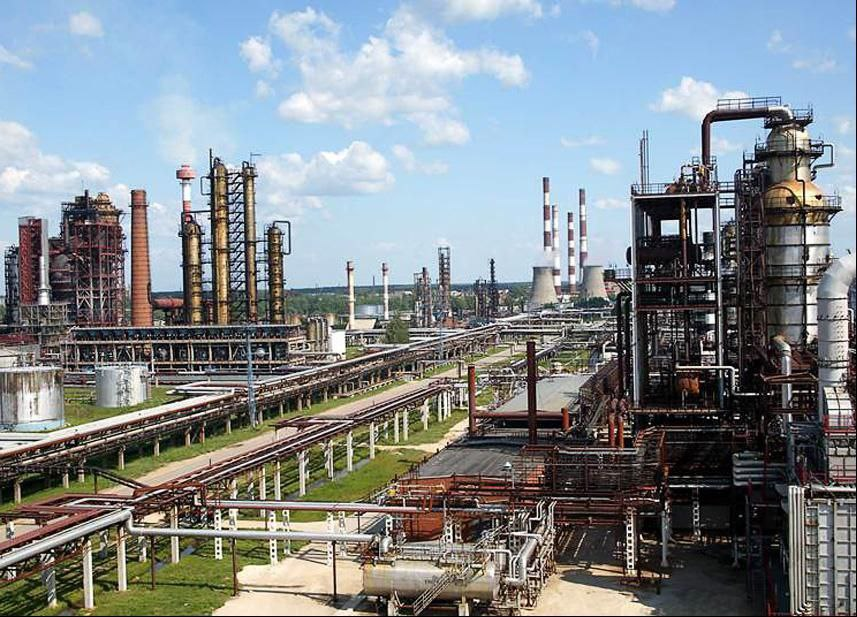
Ryazan’s output is vital for both civilians and the military. In 2024, it produced 2.2 M tons of gasoline and 3.4 M tons of diesel. These fuels power regional transport and Russian convoy operations across central Russia.
Disrupting this refinery’s production could throttle troop movements and supply trains supporting the front.
Sustained Strikes on Oil Network
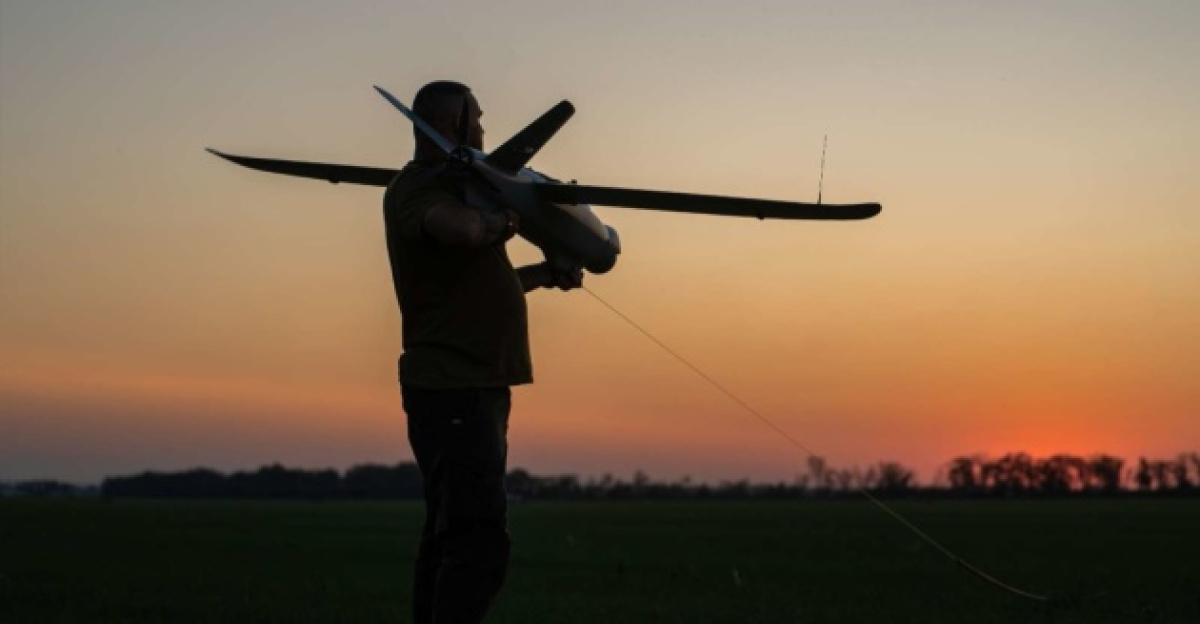
Since summer 2025, Ukraine has heavily targeted Russia’s fuel sector. Financial Times sources report that Ukrainian drones have struck at least 16 of Russia’s 38 refineries since August, pushing diesel exports to their lowest level since 2020.
These campaign strikes have choked Russia’s refining output, fueling a nationwide fuel crunch and economic strain.
Dual Strike Shakes Defense
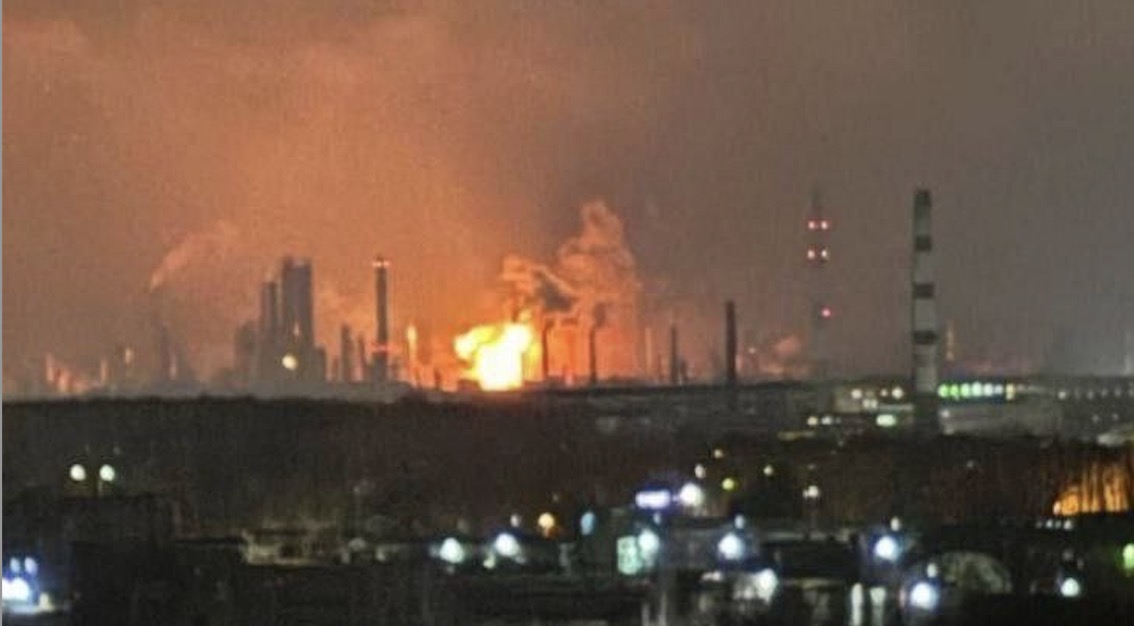
On Oct. 23, Ukrainian forces struck both the Ryazan refinery and the Valuyki ammunition depot. Explosions ignited a large fire at the refinery. The ammo depot was obliterated, triggering detonations of stored shells.
Ukraine’s General Staff hailed the operation: “The implementation of measures continues… To be continued… Glory to Ukraine!”
Operational Fallout at Ryazan
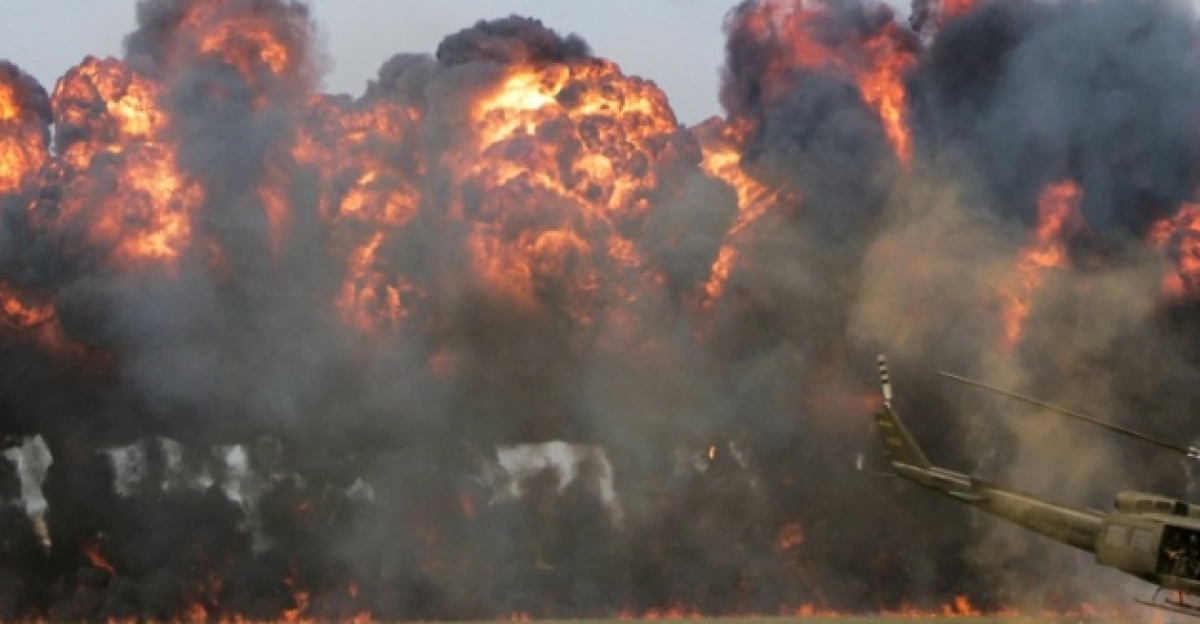
The strike at Ryazan crippled key units. A primary distillation train (80,000 bpd) caught fire and was halted, and adjoining units like the reformer and hydrotreater also went offline.
Local officials warn these outages threaten fuel deliveries to Moscow Oblast and central Russia. They note similar refinery attacks have already caused regional fuel shortages, amplifying transport and industry bottlenecks.
Local Shock and Firefights

Ryazan residents reported hearing explosions and seeing plumes of black smoke. Geolocated videos show fires engulfing fuel tanks and a 20-meter flame atop a cracking tower.
In Belgorod, secondary blasts from the ammo depot sent shockwaves through nearby towns. Emergency crews battled the blazes for hours, as social media lit up with footage of fires and alarms.
Rosneft Silent as Plants Falter

Rosneft, owner of Ryazan, refused to comment on the damage. Analysts note that another Rosneft refinery – Novokuibyshevsk in Samara – also halted operations after a recent Ukrainian drone strike.
These hits on Rosneft assets highlight systemic risks. Industry experts warn Russia’s top oil company now faces mounting threats to its critical infrastructure.
Authorities Warn of Shortages
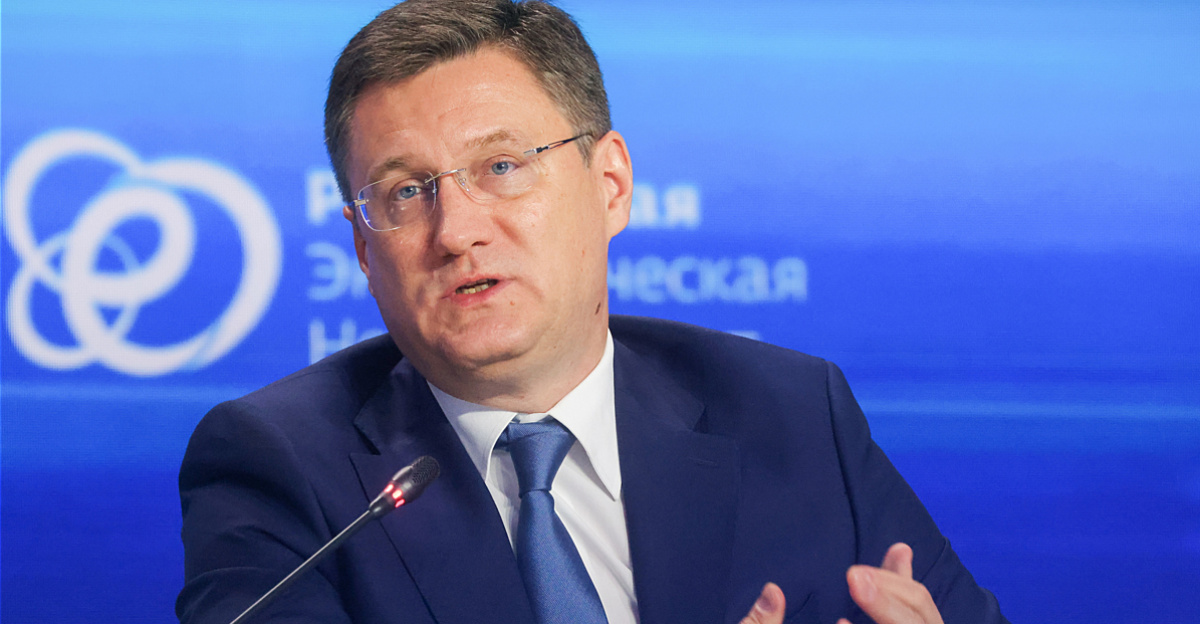
Moscow admits a supply squeeze is unfolding. Deputy PM Alexander Novak told reporters fuel stocks are “under control” nationally but conceded “some regions are experiencing shortages”r.
To cope, the government has banned most diesel exports until year-end. Still, officials and economists warn that further refinery losses will make gasoline and diesel even scarcer and pricier for Russian consumers.
Logistics Hub Destroyed
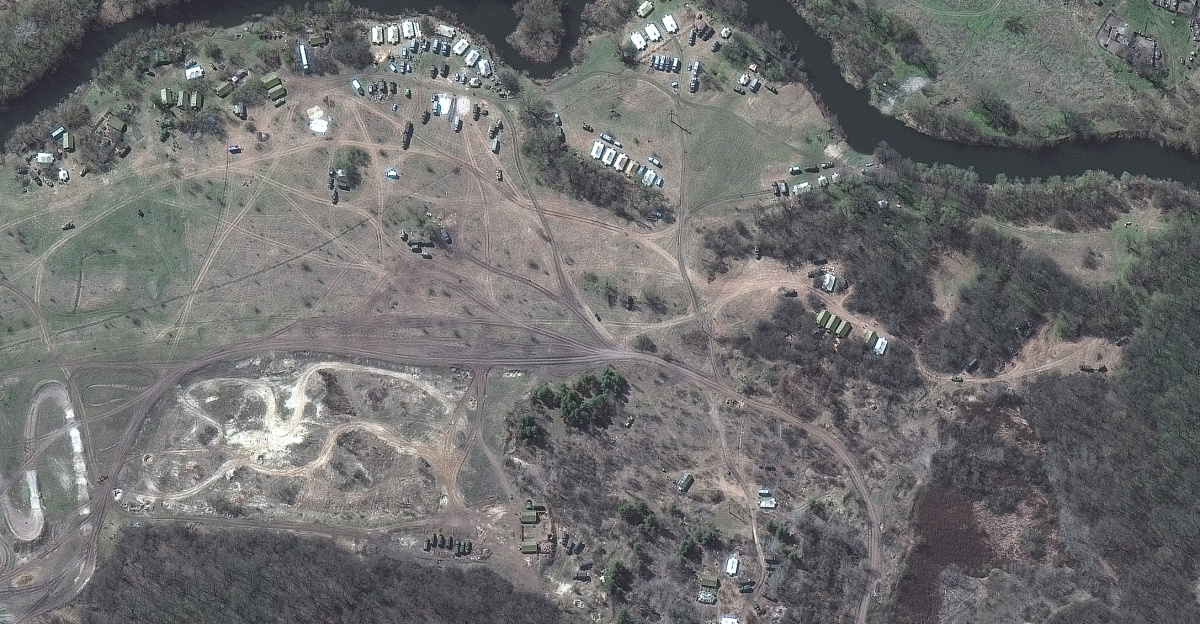
The Valuyki ammunition depot – a major logistics node for Russia’s Belgorod forces – was destroyed in the overnight raid.
This simultaneous strike on both fuel and ammunition magnifies the blow to Russia’s rear-area supply lines. Analysts note that frontline units now face acute shortages, since both fuel deliveries and munitions haulage have been severely disrupted.
Official Dismissals and Doubts

Ryazan Governor Pavel Malkov blamed a “fire…due to the fall of UAV debris” at “one of the enterprises”, never mentioning the refinery by name. He claimed local air defenses shot down all drones.
This ambiguity has frustrated locals and experts. Many suspect officials are downplaying the strike on Ryazan’s key fuel facility, eroding trust in official statements.
Rosneft’s Crisis Strategy Questioned
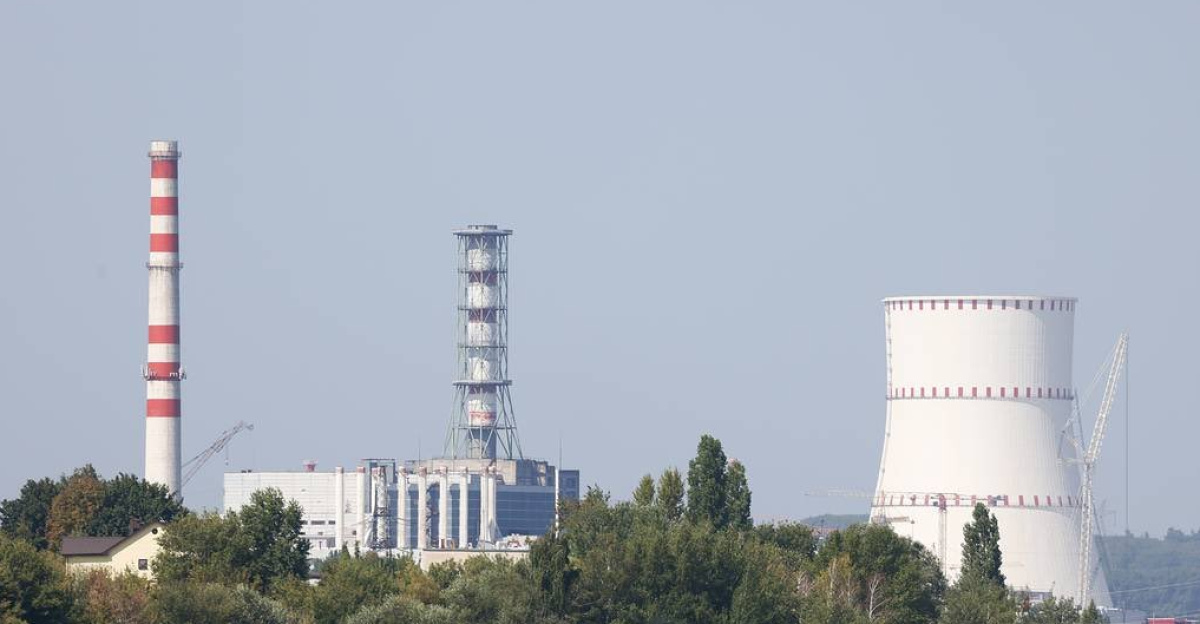
Industry analysts say Rosneft’s silence on recovery plans is telling. They note the Ryazan plant had already shut part of its capacity in February and again in September 2025 after earlier strikes.
With renewed attacks, experts wonder if Rosneft has a coherent strategy to defend and rebuild its assets amid the war.
Restart Efforts Underway
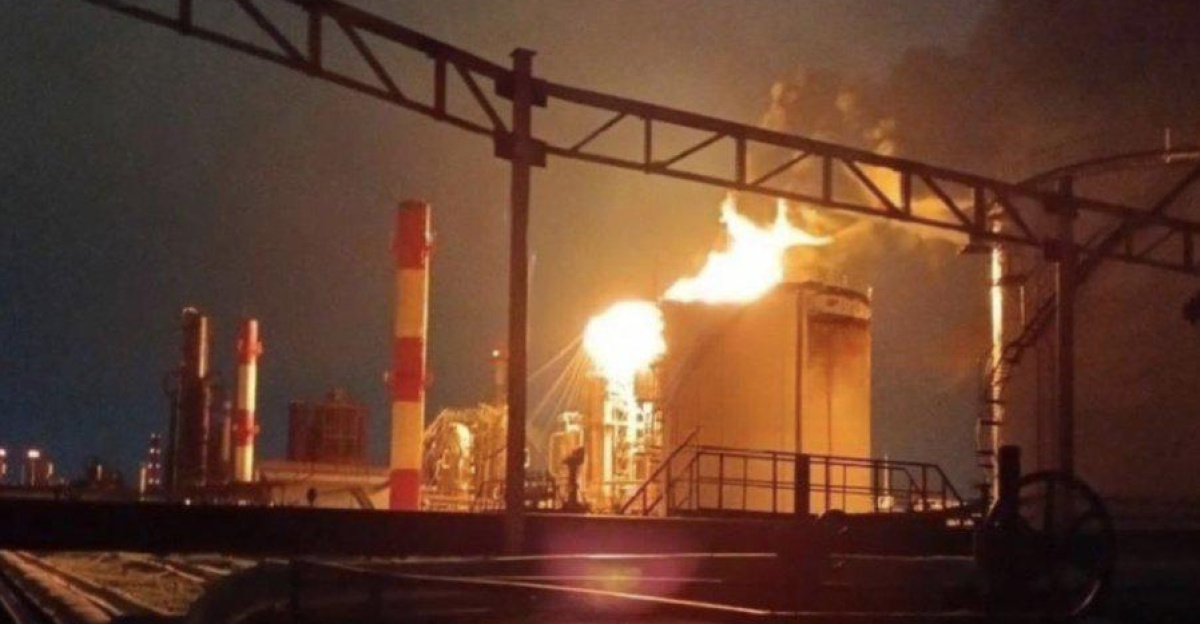
Ryazan’s operators are scrambling to restore production at reduced rates. Sources report the plant is “still processing oil, but at a reduced volume” after firefighters contained the blaze.
Repair crews have stabilized damaged units, but officials caution that full recovery may take weeks, especially if Ukraine’s drone campaign continues to threaten the site.
Analysts Warn of Energy Crisis
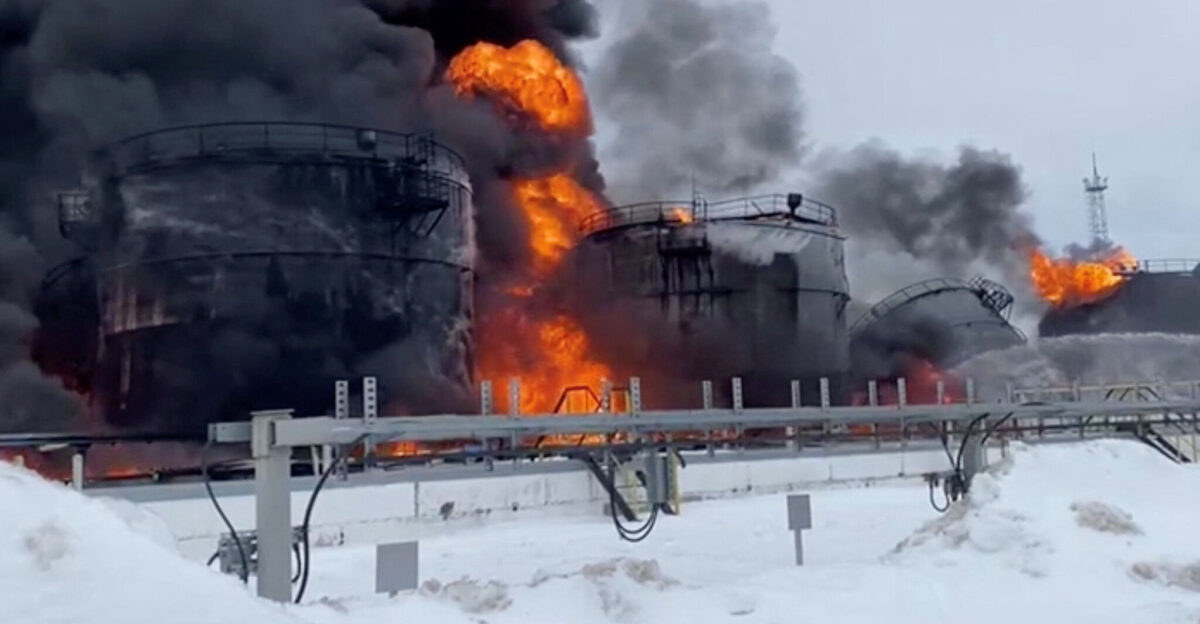
Experts caution that continued refinery strikes could cripple Russia’s fuel logistics. Berlin-based energy analyst Thomas O’Donnell observes: “Not only is the supply down, but the supply is being affected in the regions contiguous with Ukraine… so now it has to come from farther distances”.
These longer supply routes increase transport costs and strategic vulnerability across Russia’s economy.
Moscow’s Security Dilemma
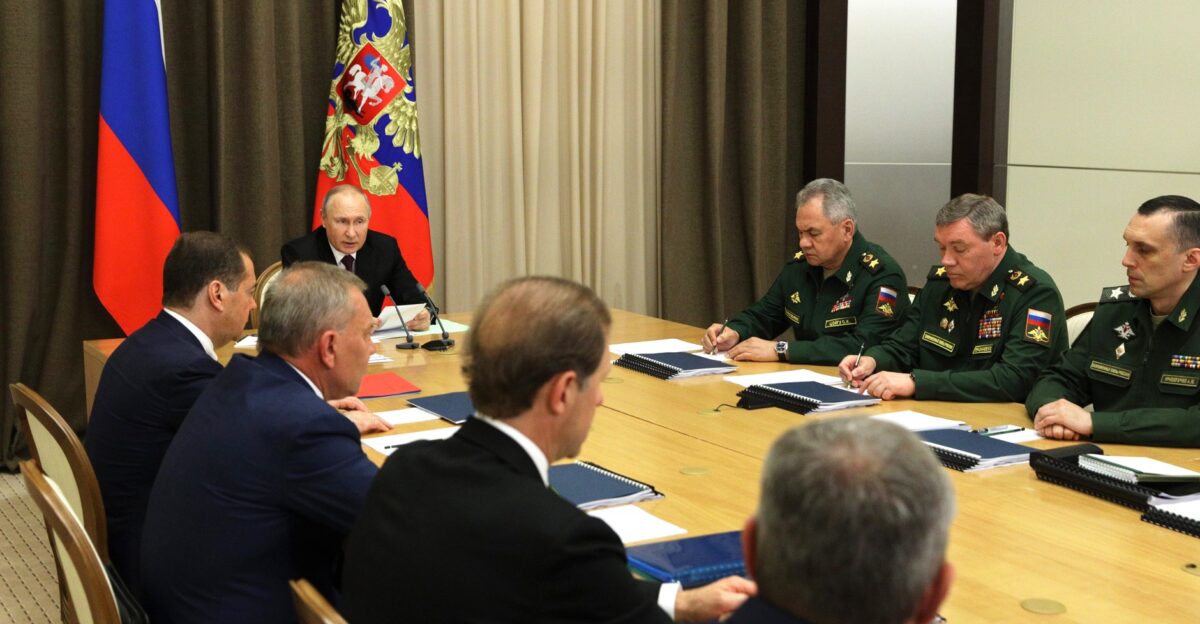
Hitting central Russia forces the Kremlin into a security bind. Protecting home-front infrastructure has become urgent, and officials now face questions about why border regions were vulnerable.
The attack undermines Putin’s narrative of invulnerability. Politically, Moscow must now explain the breach, while deciding how to bolster air defenses without abandoning operations at the front.
Hitting Home: Political Ripples
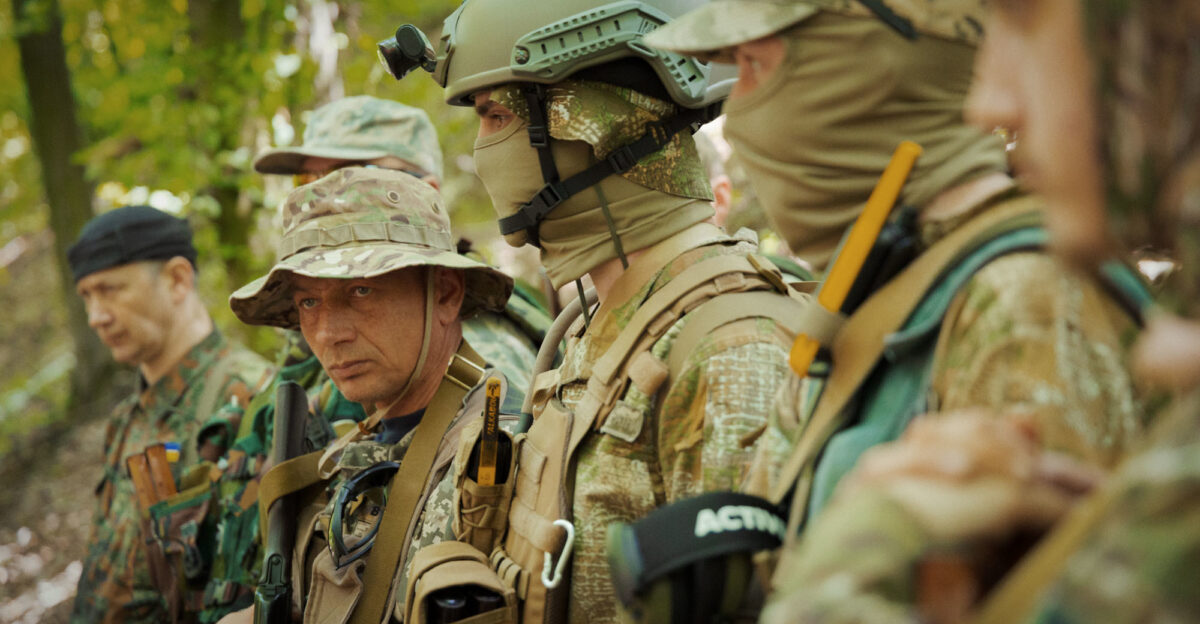
Ukraine’s ability to strike deep Russian targets may influence Moscow’s domestic politics. The strikes strain the Kremlin’s image of impenetrability and could shift public debate on the war. Opposition voices and social media are calling out the fuel shortages.
Officials worry that empty gas pumps and supply chaos could stir unrest, making civil defense and transparent communication pressing issues.
Global Markets Take Note
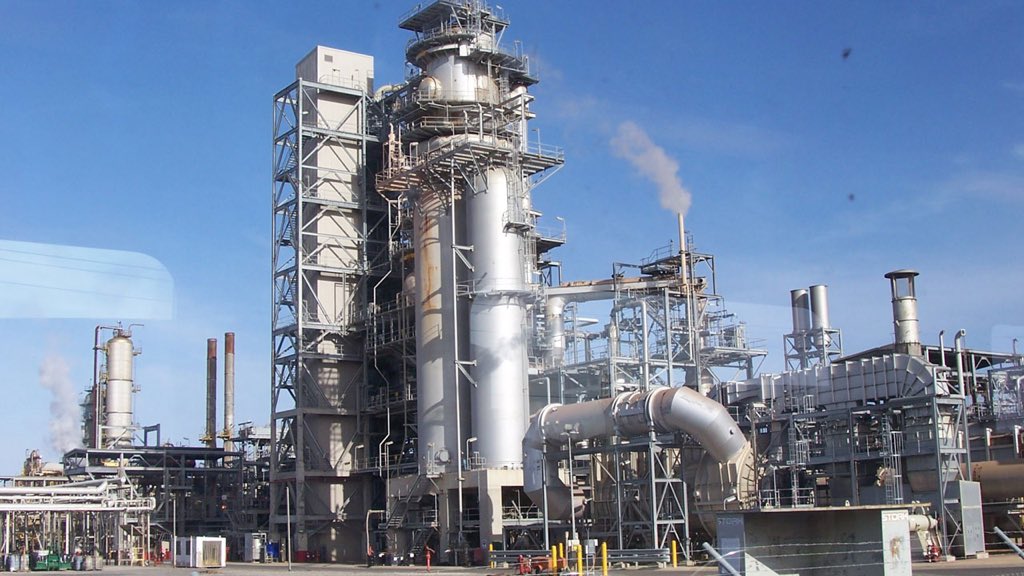
International energy markets are watching closely. With about 5 % of Russia’s refining capacity offline, traders warn fuel supply could tighten worldwide. Reports even suggest Russia may import more gasoline from Asia to cover deficits.
Any prolonged outage at major refineries risks driving global oil prices up and disrupting international fuel chains.
Environmental and Legal Fallout

Refinery fires also carry risks beyond energy. Burning oil releases toxic soot and chemicals, polluting the air and water around Ryazan. Russian law requires agencies like the Emergency Ministry to investigate such industrial incidents.
Experts say repeated strikes now put pressure on regulators to strengthen safety protocols and cleanup measures for future emergencies.
Public Angst Grows
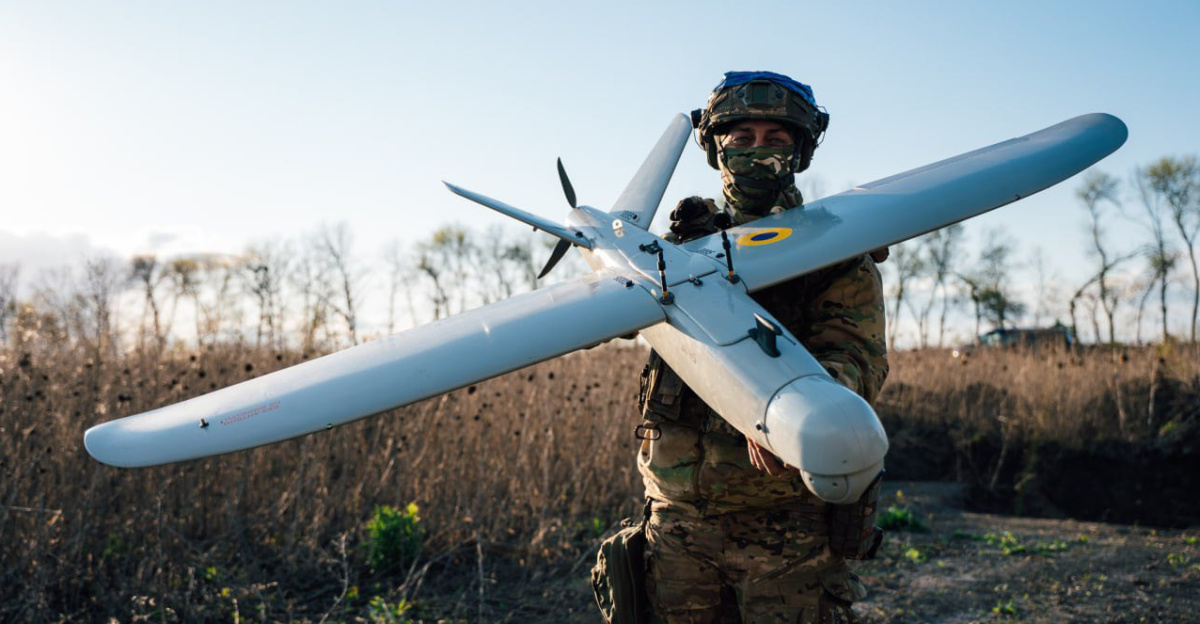
The strikes have eroded a long-held sense of safety. Across Russia, social media is awash with fear and frustration. As one Kyiv Post report noted, Ukraine’s drone campaign “has cut deeply into production of retail fuels, triggering supply chain shortages and even empty fuel stations, and angering motorists”.
Public calls are rising for stronger civil defense and openness about the attacks.
Turning Point in Warfare
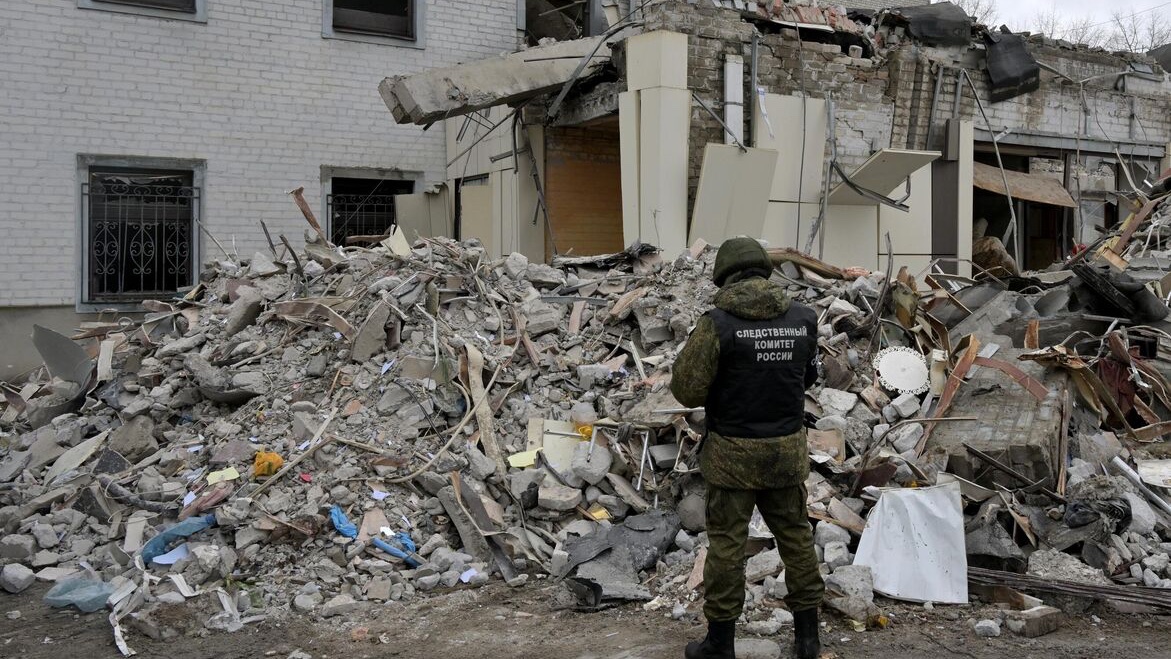
Ukraine’s coordinated strikes on Ryazan and Belgorod mark a turning point in the conflict. The operation shows that critical infrastructure — not just front lines — has become a battlefield. It underscores how modern warfare targets supply chains and energy nodes.
For both sides, the event signals that securing infrastructure is now as crucial as controlling territory.