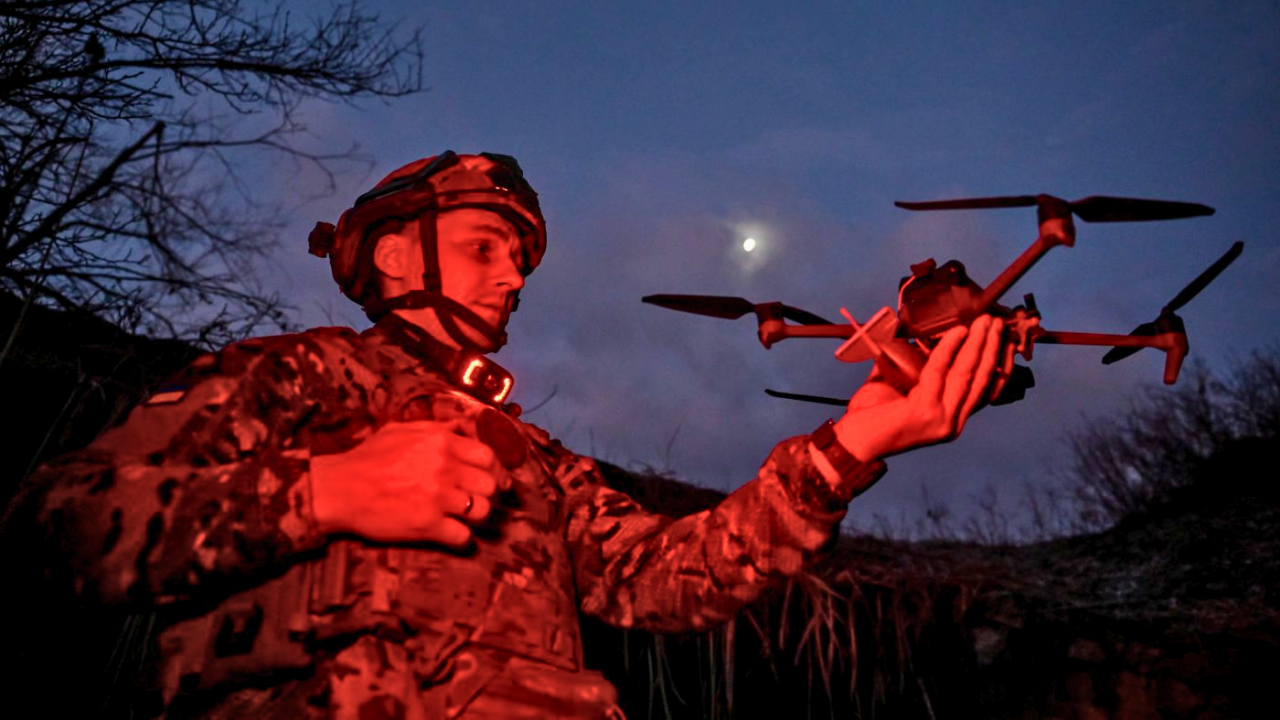
On May 2, 2025, a Ukrainian MAGURA V5 naval drone near Novorossiysk locked onto a Russian Su-30 fighter and fired an R-73 missile, destroying the aircraft in what Ukraine’s Main Directorate of Intelligence calls a historic first.
The drone, controlled by the Main Directorate of Intelligence’s special unit Group 13, tracked the jet despite its capability to exceed 2,100 km/h, proving that even Russia’s most advanced fighters are vulnerable to low-cost naval threats, according to Reuters reporting.
The Su-30 Was Russia’s Pride—Until A Boat Took It Down
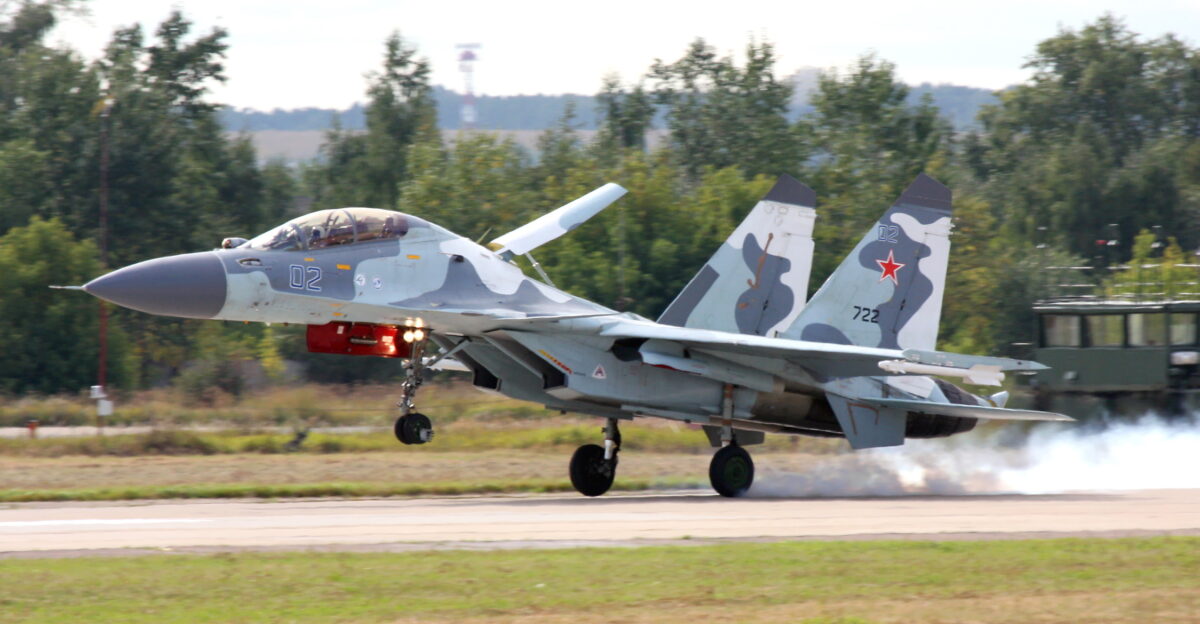
The Su-30 multirole fighter, measuring 72 feet in length with a 48-foot wingspan, reaches Mach 2 at an altitude of 56,000 feet and costs approximately $50 million per unit, according to estimates from defense analysts.
Belonging to the Black Sea Fleet’s naval aviation, the aircraft was conducting operations near what Russia considered a secure rear area. The loss adds to mounting casualties for Russia’s high-value combat fleet in the Black Sea region, Naval News reported.
Meet The $250,000 Hunter That Changed Naval Warfare
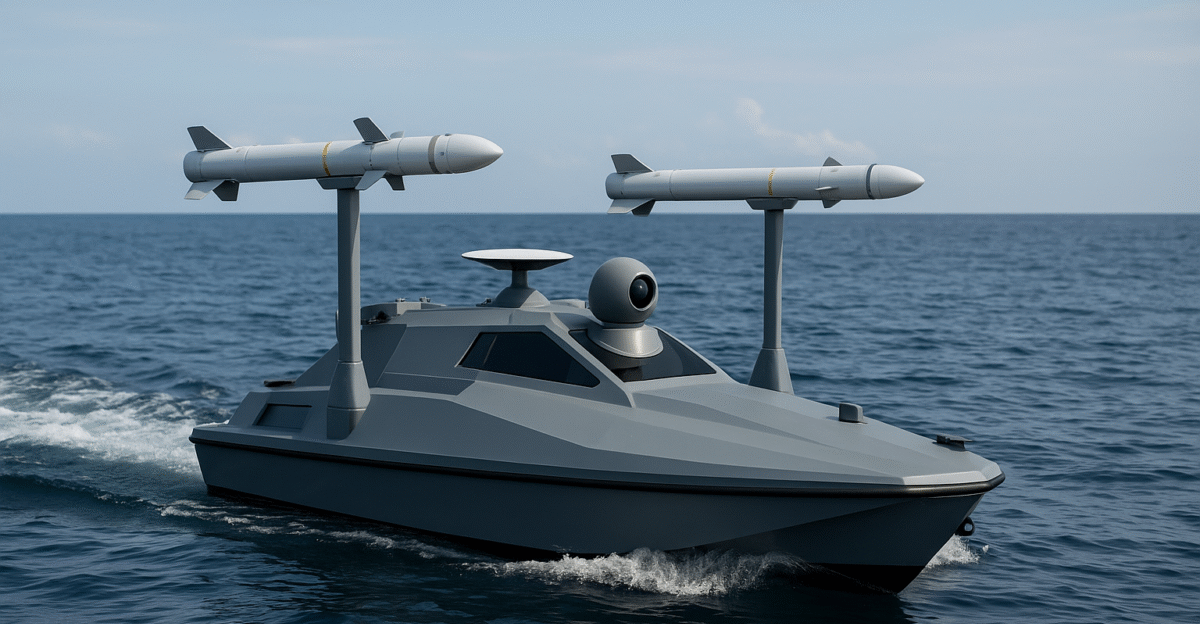
The MAGURA V5 Maritime Autonomous Guard Unmanned Robotic Apparatus stretches just 5.5 meters and cruises at 40 km/h, accelerating to 78 km/h in combat, according to specifications revealed at Turkey’s IDEF 2023 exhibition.
Its low-radar-cross-section composite hull makes it nearly invisible. With an 800-kilometer range and 60-hour endurance, the drone carries a 320-kilogram payload and operates autonomously far from Ukrainian coastlines.
A Russian Missile, Repurposed By Ukrainian Engineers
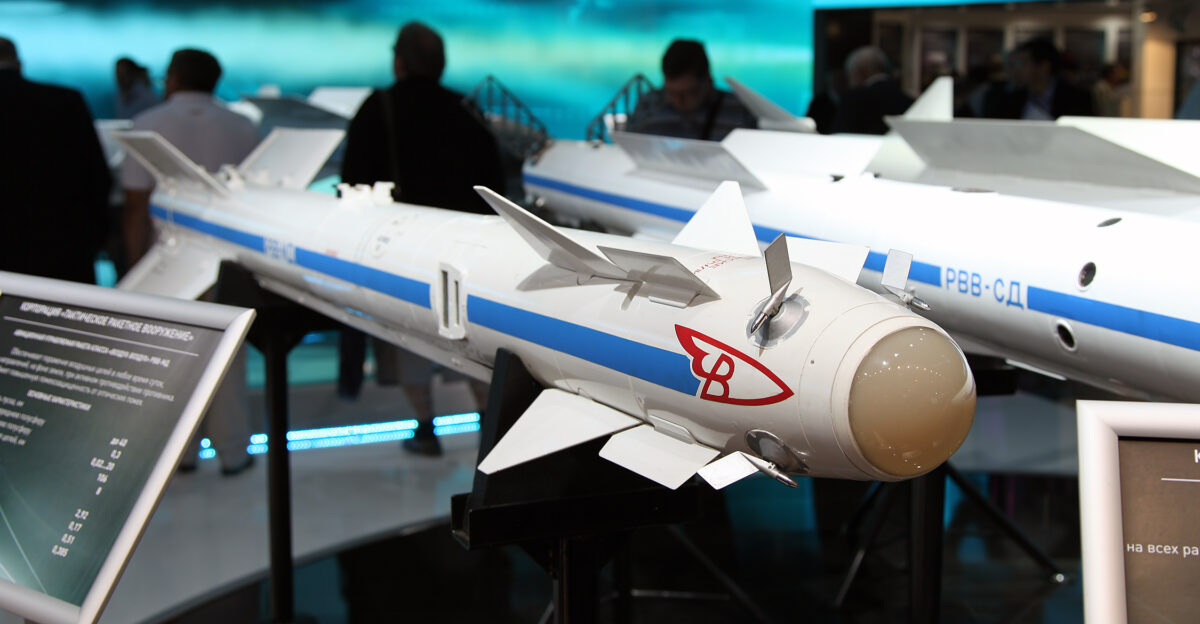
The weapon was an R-73 infrared-guided short-range air-to-air missile, adapted by Ukrainian engineers for sea launch, according to multiple defense publications. Weighing 230 pounds with an 18-mile range, the missile engages targets up to 60 degrees off-boresight.
Ukraine calls these adapted weapons “Sea Dragon” when launched from naval drones, transforming aircraft missiles into ship-based air defense systems that effectively threaten low-flying targets.
The Secretive Unit That Built A Naval Revolution
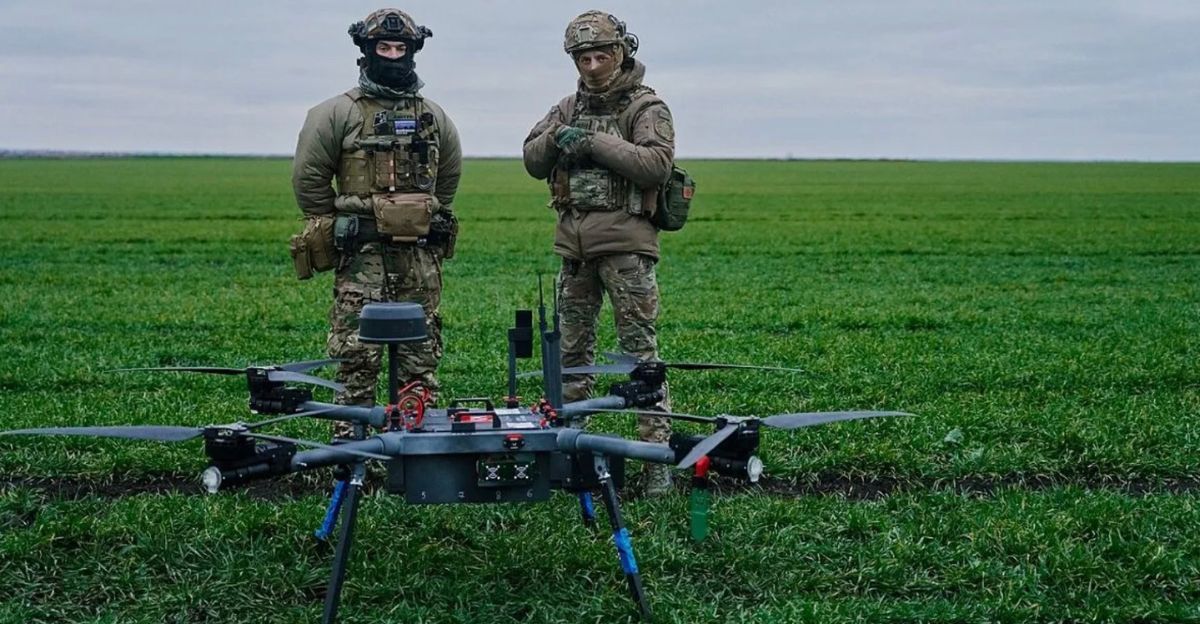
Group 13, Ukraine’s specialized unmanned systems unit within the Defense Intelligence, has operated MAGURA V5 drones since 2023, according to the unit’s Wikipedia page and reports by the BBC. The unit’s commander, call sign “Thirteenth,” told the Kyiv Post his team started from zero but built something that changed the war at sea.
Group 13 has claimed nine Russian vessels destroyed and now adds a fighter jet to its operational record.
Russia’s Black Sea Losses Keep Piling Up
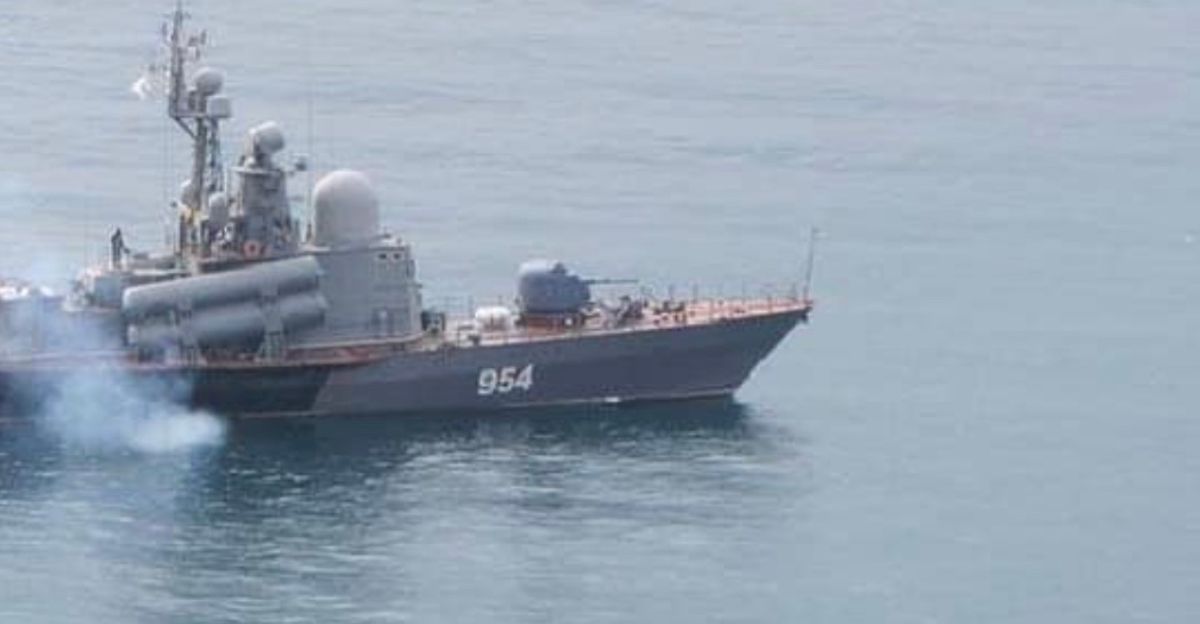
The May 2 strike marks the eighth major Russian asset destroyed by MAGURA V5 drones since November 2023, Ukrainian intelligence officials stated. Previous successes include sinking the missile corvette Ivanovets in February 2024, the patrol ship Sergey Kotov in March 2024, and downing a Mi-8 helicopter on December 31, 2024.
Ukrainian intelligence estimates total Russian asset losses from these strikes at approximately $400 million, according to internal assessments.
The Staggering Math Of David Versus Goliath
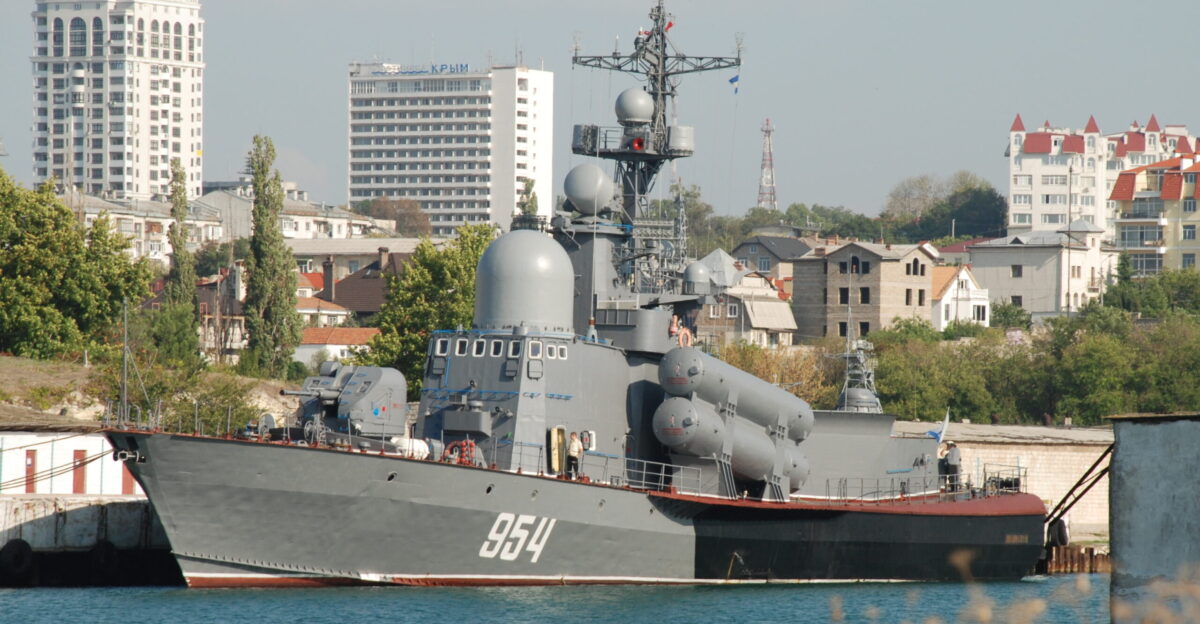
The cost-exchange ratio favors Ukraine by roughly 200 to 1—a $250,000 drone destroying a $50 million fighter jet, according to defense economists. When comparing the entire MAGURA program against total Russian losses, the ratio reaches approximately 2,000 to 1.
Group 13’s commander noted that the Russian missile boat Ivanovets alone cost more than all drones produced by Ukrainian intelligence since early 2023, the BBC reported.
Russia’s Safe Harbors Aren’t Safe Anymore

Novorossiysk serves as a critical logistical hub for the Black Sea Fleet, previously considered secure from surface threats, according to military analysts. The successful strike challenges Russian air superiority assumptions and forces commanders to reconsider operational patterns.
Following the attack, Novorossiysk’s mayor declared a state of emergency after Ukrainian drones damaged a grain terminal and residential buildings, injuring five civilians, according to NDTV reporting from the scene.
How A Slow Boat Caught A Supersonic Jet
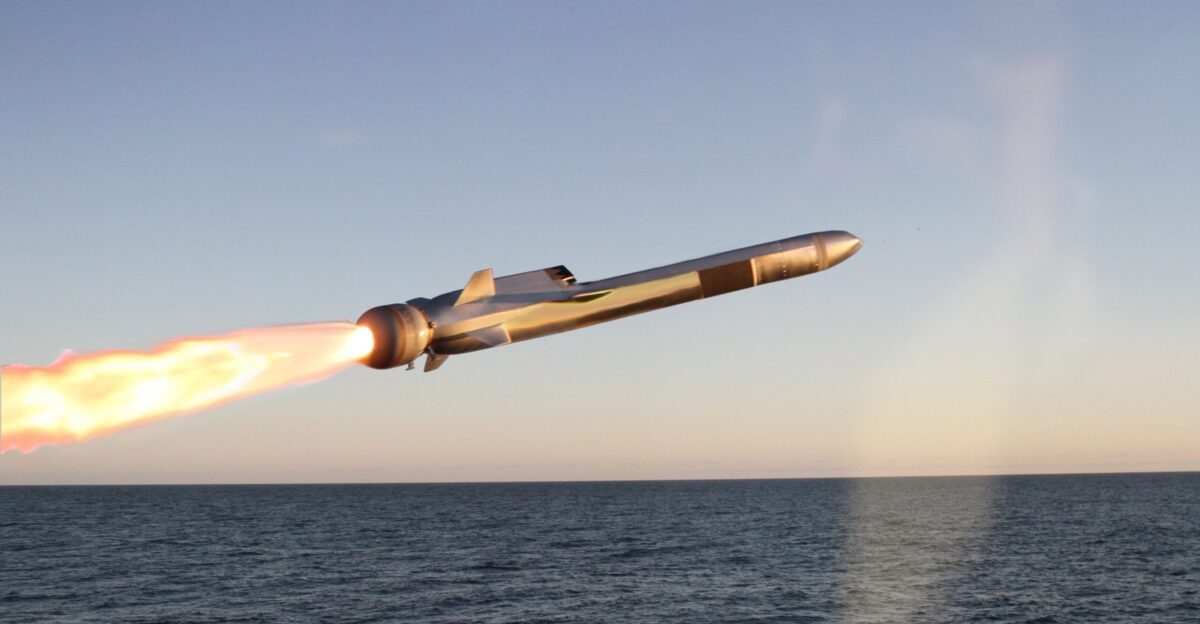
Military analysts question how a 40 km/h drone could down a 2,120 km/h fighter. The likely scenario involves the Su-30 flying low to intercept the USV with cannons or rockets, placing it within the R-73’s range, according to Naval News analysis.
The drone’s advanced targeting systems, including dual-view electro-optic gyroscopes and laser rangefinders, enable precise tracking against fast-moving aerial targets, defense technology experts explain.
Kyiv’s Intelligence Agency Declares Historic Achievement
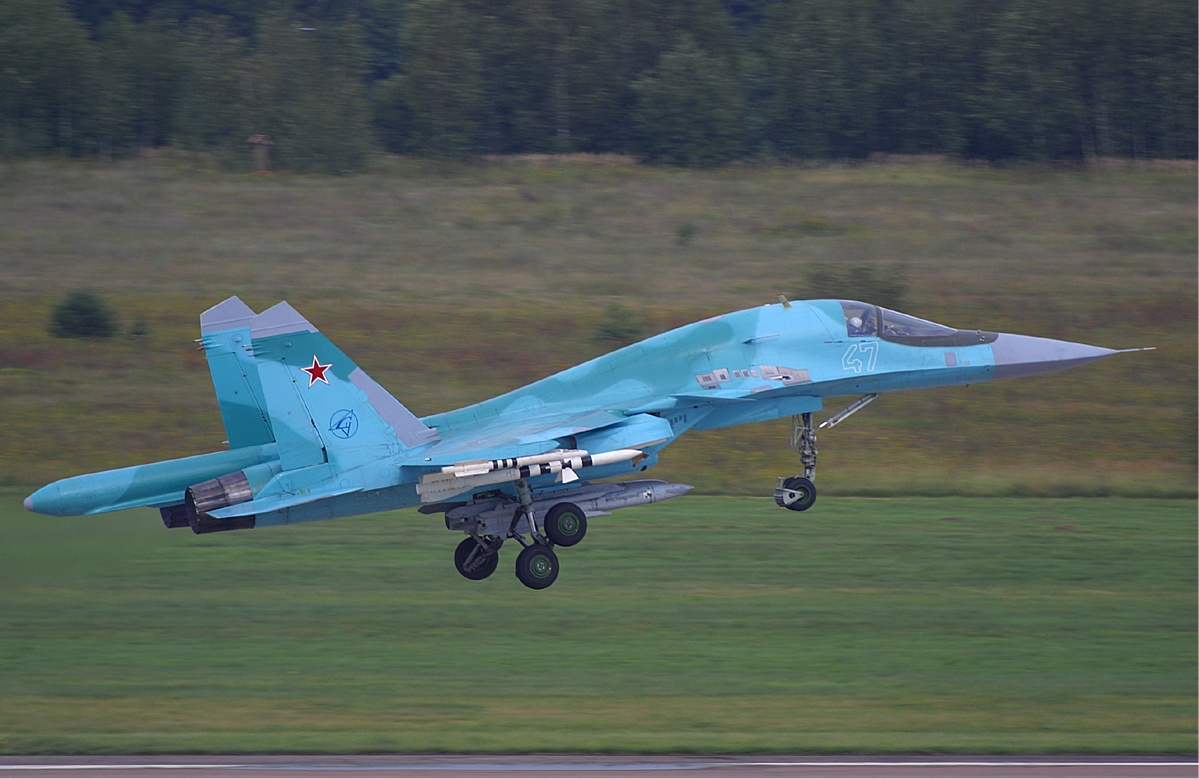
“This marks the first time in history a combat aircraft has been taken down by a maritime drone,” Ukraine’s Main Directorate of Intelligence announced on May 3, 2025.
The statement emphasizes that the achievement redefines naval warfare by expanding drone roles from reconnaissance to active air defense, demonstrating Ukraine’s ability to convert inexpensive naval platforms into multi-domain threats, according to the official HUR statement reported by Reuters.
Naval Experts Say This Reshapes Maritime Combat
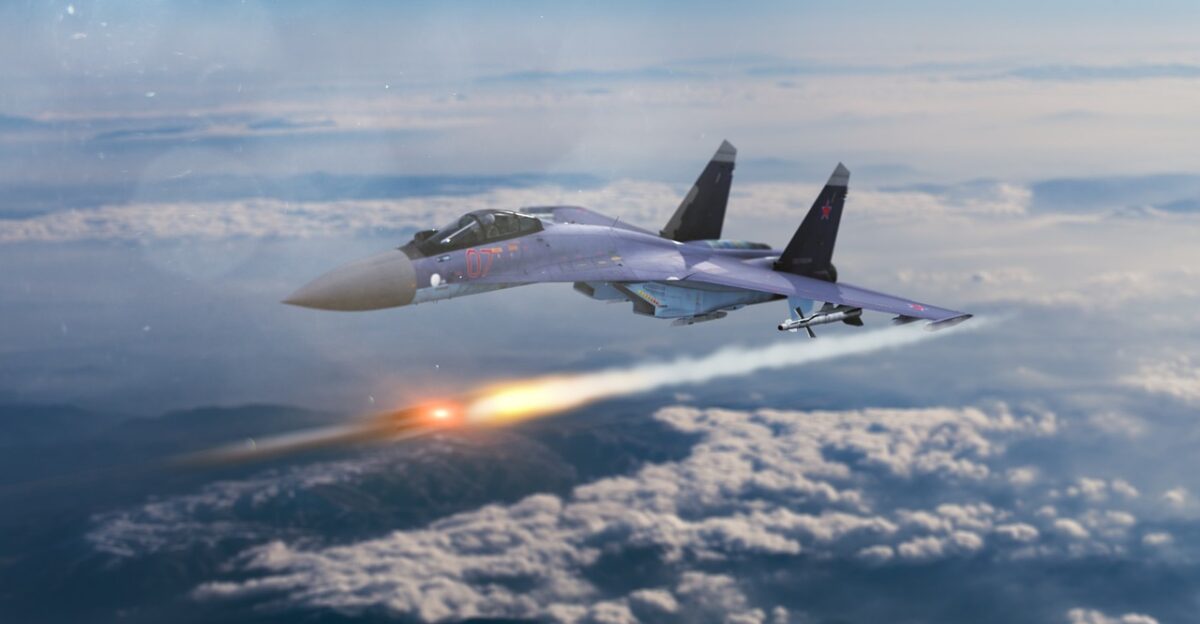
Warfare analysts note the engagement represents the first sea-based mobile air denial platform using AI-guided naval drones. The success suggests global navies will monitor these developments closely as uncrewed platforms assume larger maritime combat roles.
Russia may need to keep its jets further away and use standoff weapons rather than engage directly against surface threats, according to Naval News’ military assessment.
Russian Pilots Now Fear Attacks From Below
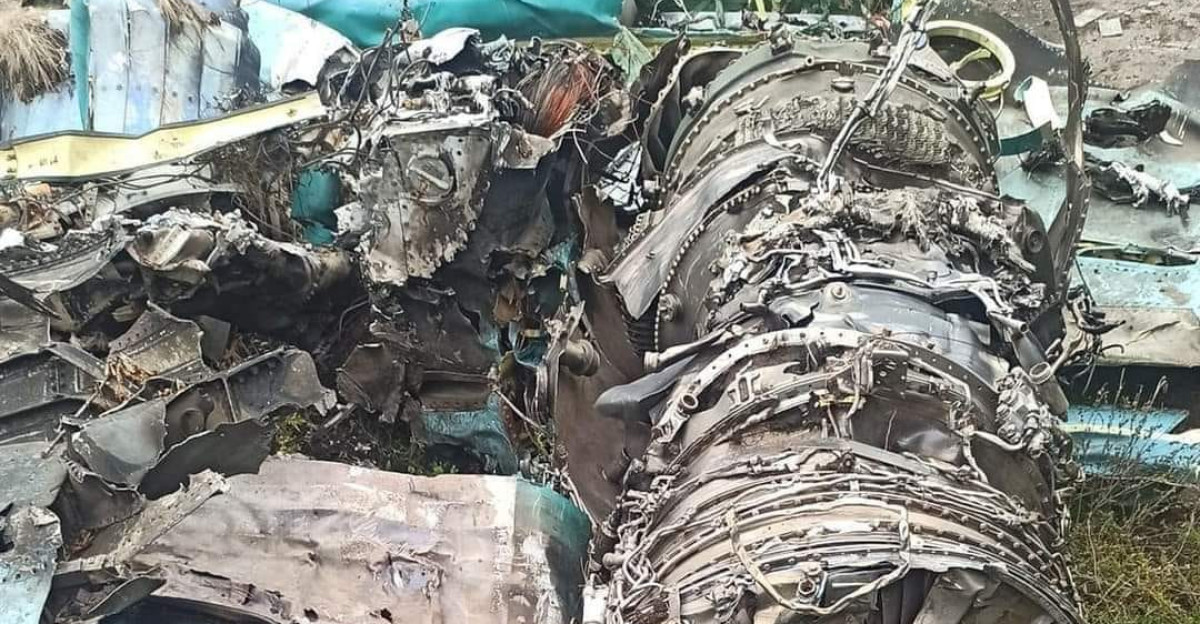
Russian pilots face threats from below, even over water they considered secure, creating psychological pressure that affects mission planning, according to military psychology experts. Families of naval personnel and pilots confront unpredictable dangers from autonomous systems operating undetected for 60 hours.
Cumulative losses of 10 to 15 vessels and aircraft over 18 months have reduced Black Sea Fleet operational capacity by an estimated 15 to 20 percent, Ukrainian intelligence assessments claim.
Ukraine’s Drone Fleet Keeps Growing And Evolving
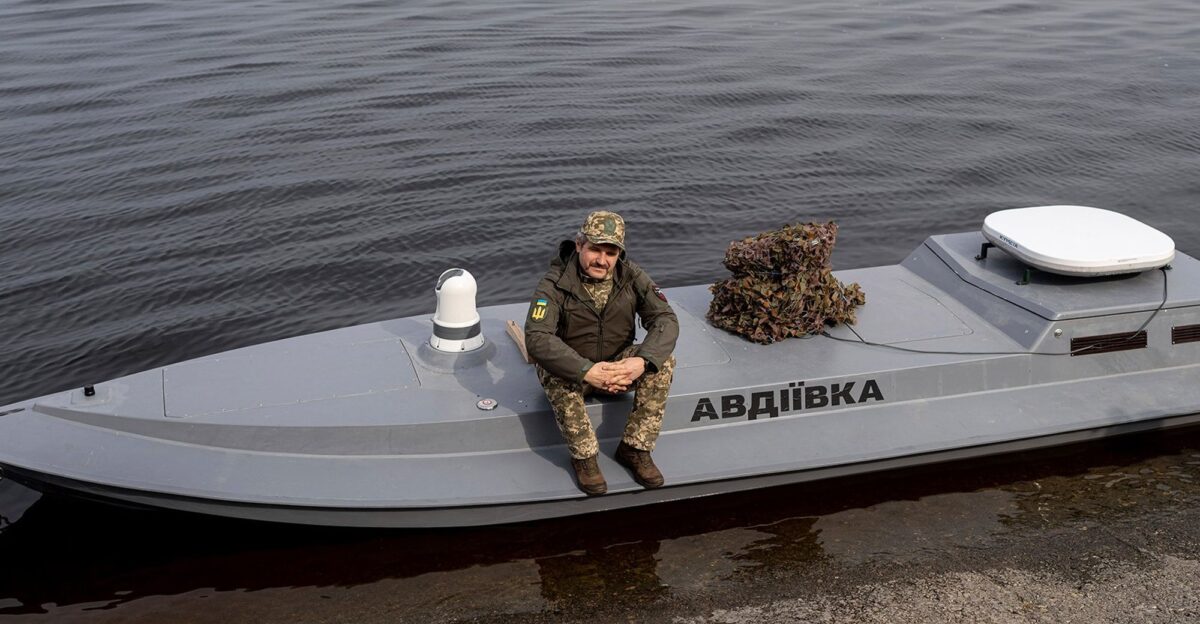
Ukraine’s drone fleet continues to expand, with United24 fundraising campaigns supporting at least 30 MAGURA V5 systems, as reported by CNN in 2023. The rapid evolution from the 2023 reconnaissance platform to the 2025 air-denial asset suggests further capabilities may emerge.
Group 13’s commander stated that his unit is continually developing new tactics, potentially including swarm formations that significantly enhance combat effectiveness against multiple targets, according to Azov media reports.
The Black Sea Becomes Warfare’s Future Laboratory
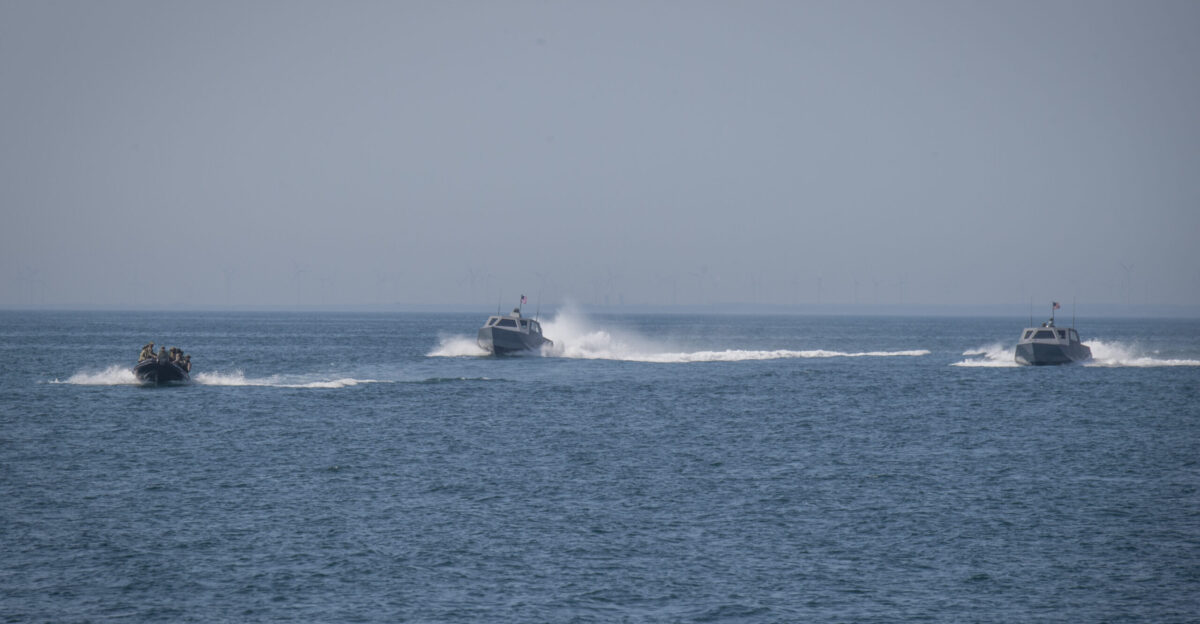
The Black Sea has become a laboratory for the future of maritime conflicts, where $250,000 drones sink corvettes and down fighter jets; defense analysts observe. Russia’s inability to develop effective countermeasures nearly two years after MAGURA V5 first entered combat suggests the advantage may persist.
Military observers note this strike proves Russia’s Black Sea dominance is now deeply compromised by inexpensive, autonomous technology.
Sources
- Defence Intelligence of Ukraine (HUR) Official Statement May 2–3, 2025
- Reuters Reporting on May 3, 2025 incident
- Kyiv Independent May 2, 2025 Su-30 engagement.
- Naval News Technical analysis of Magura V5 platform
- BBC Reporting on Group 13 operations, commander interviews
- United24 Media / Ukrainian Government Documentation of MAGURA V5