
In July 2024, Ukrainian forces launched a covert operation deep inside Russian territory, destroying one of three Oreshnik intermediate-range ballistic missiles at the Kapustin Yar fabrication site. Authorized by President Volodymyr Zelenskyy and kept secret for 16 months, the strike eliminated a third of Russia’s hypersonic missile stockpile.
“The mission showcased Ukraine’s intelligence and operational capabilities,” officials said. Its success exposed weaknesses in Moscow’s strategic deterrent and sent shockwaves across Europe, prompting urgent reassessments of regional security and military preparedness. Here’s what’s happening next…
Coordinated Intelligence and Operational Secrecy
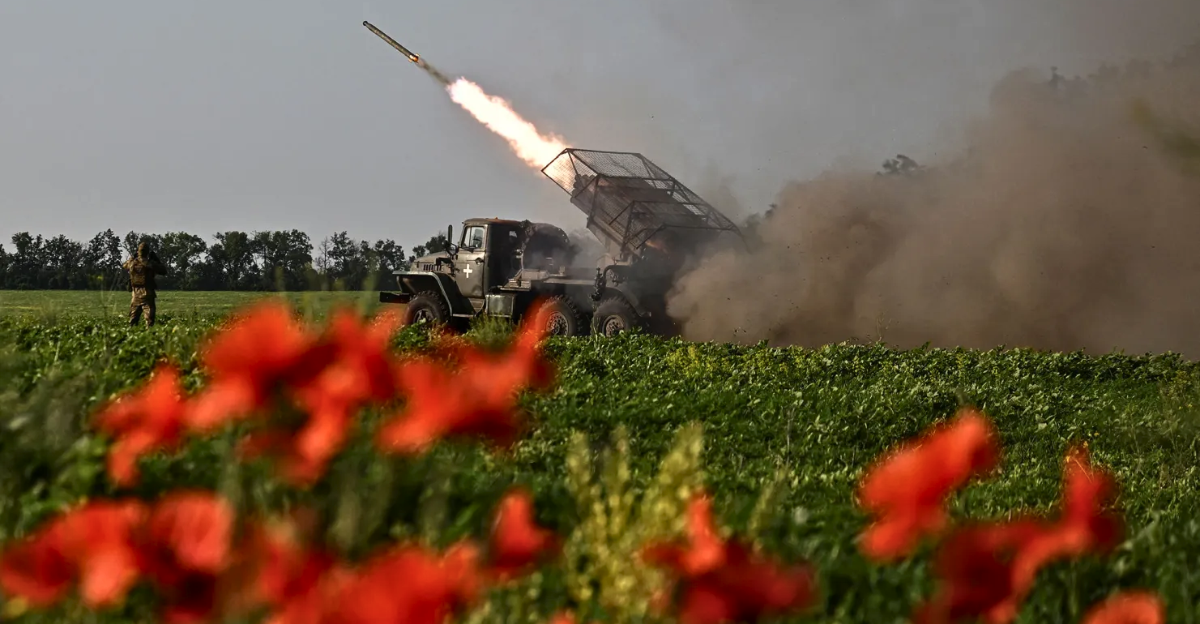
The operation was orchestrated by Ukraine’s Security Service (SBU), Main Intelligence Directorate (HUR), and Foreign Intelligence Service (SZRU). Only Zelenskyy and select foreign leaders knew the details.
Ukraine’s elite intelligence networks, built since 2014, transformed Cold War-era structures into agile forces capable of deep penetration. HUR’s access to Russian military circles, aided by classified Western-shared documents, provided actionable intelligence. Operational security remained airtight until the strike was publicly confirmed last month in October . This precision set the stage for a mission with historic impact.
Targeting Russia’s Advanced Missile Program

The Oreshnik missile, produced at the Votkinsk Plant, is a technological leap for Russia. Each missile can reach 5,500 kilometers and carry six MIRVs, deploying up to 36 warheads.
Though nuclear-capable, Russia used it conventionally in a November 2024 strike on Dnipro. Planned deployment in Belarus would have put much of Europe at risk. By striking during fabrication, Ukraine avoided in-flight interception challenges while striking a critical strategic vulnerability. The mission forced Moscow to reassess its missile deployment timeline.
Western Technology and Russian Vulnerabilities
Despite sanctions, Russia relies on Western technology for missile production. German Siemens and Heidenhain systems, alongside Japanese Fanuc equipment, enter Russia through Chinese intermediaries.
In 2024, Russia imported $3 million in Heidenhain components and invested $11 million in CNC tools, expanding Votkinsk’s workforce by 2,500. These supply chains are critical weaknesses. Ukrainian officials urge broader sanctions, emphasizing that economic pressure can directly delay Russia’s military capabilities by up to two years.
Execution and Impact of the Strike
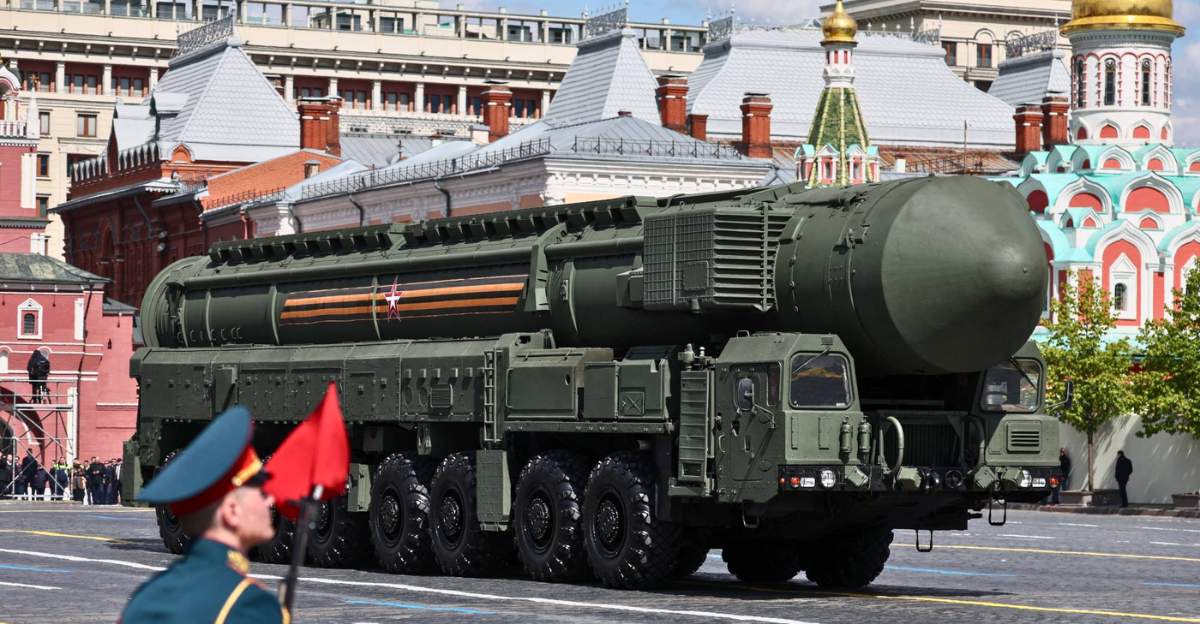
Ukrainian Bober drones, carrying 20-kg warheads and equipped with thermal imaging and Starlink communications, flew over 1,000 kilometers to strike under cover of darkness.
The Kapustin Yar operation destroyed one Oreshnik missile, reducing Russia’s hypersonic arsenal by 33%. It was Ukraine’s deepest incursion into Russian territory and the first pre-emptive destruction of a hypersonic missile. The strike undermined Russian claims of “impossible to intercept” weapons and sent a strong signal to European analysts about pre-deployment vulnerabilities.
Regional Reactions and Strategic Implications
EU border states responded swiftly. Poland, Estonia, Latvia, and Lithuania cited deteriorating security, withdrew from the landmine ban treaty, and intensified military preparations. Poland began training all adult men, while Baltic leaders warned against underestimating Russian missile threats.
Russia’s production capacity limits were also exposed. Only six Oreshnik missiles can be built annually, rising to 25 if ICBM output is halted. With each missile costing $30–40 million, the loss of one is a significant setback.
Looking Ahead: Shifting the Balance
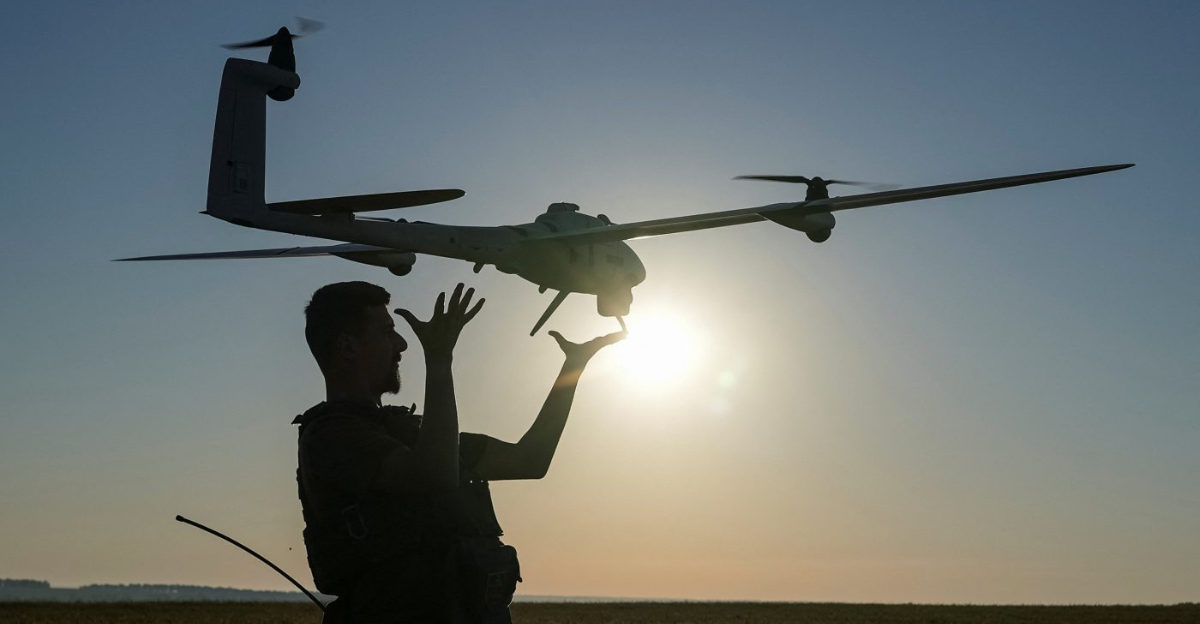
The Kapustin Yar strike reshaped the strategic landscape. By degrading Russia’s hypersonic arsenal and exposing supply chain vulnerabilities, Ukraine demonstrated the effectiveness of intelligence-driven, precision operations.
As Belarus prepares to host Oreshnik missiles, European security stakes remain high. NATO and EU leaders face urgent decisions on sanctions, defense readiness, and deterrence. Ukraine’s mission serves as a stark reminder: even advanced weapons are vulnerable, and strategic foresight can redefine conflict outcomes.