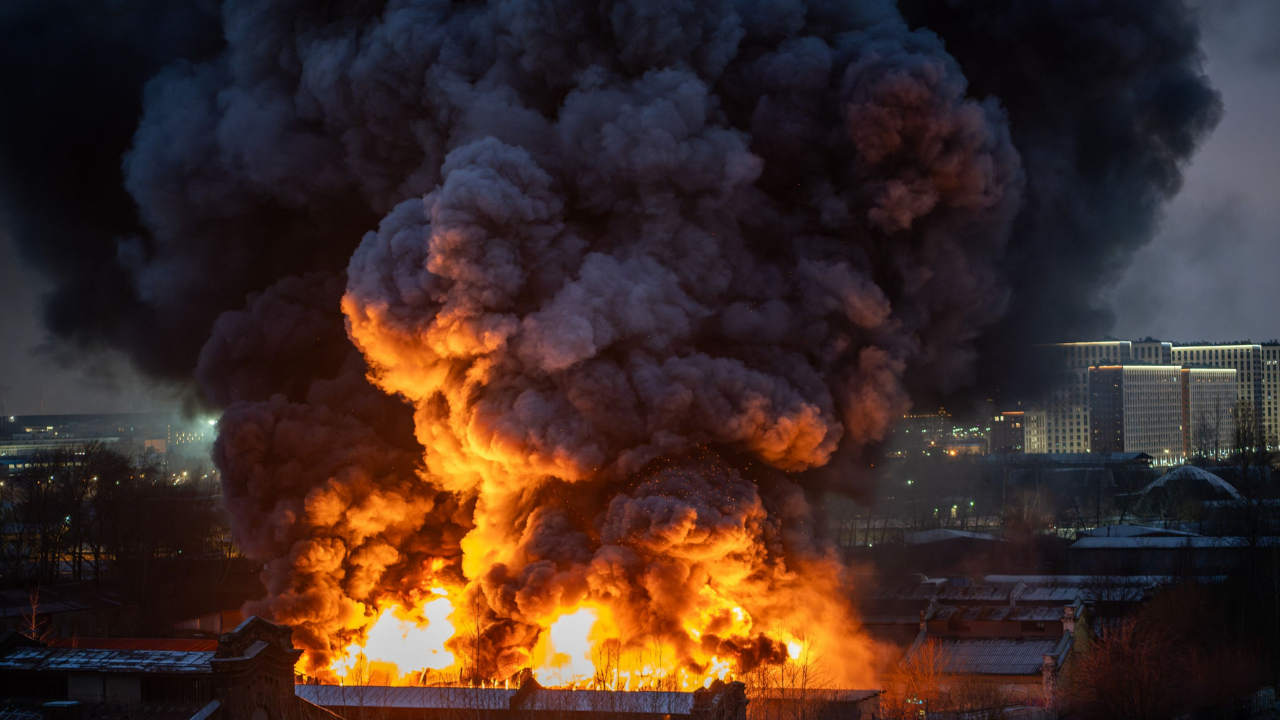
Russia is confronting its most serious fuel crunch in decades, as a sustained campaign of Ukrainian drone strikes on refineries erodes supplies, drives up prices and forces the Kremlin to reorder its wartime energy priorities.
Mounting Strains on Russia’s Fuel Supply
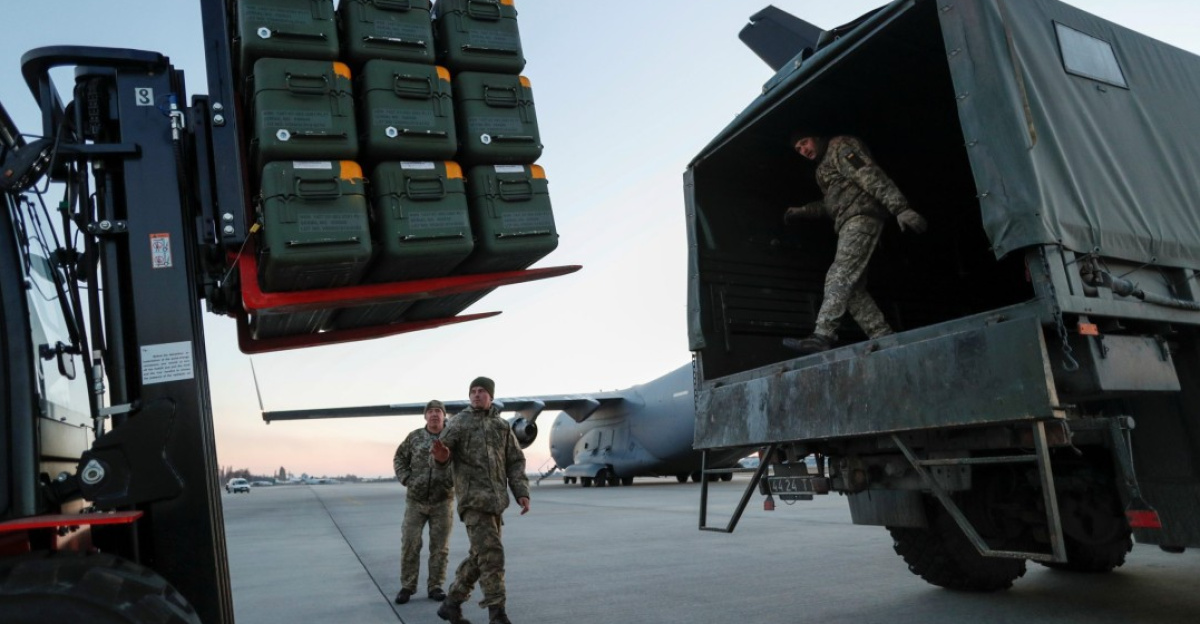
Across southern Russia and occupied territories, gas stations have stopped selling fuel altogether, while wholesale prices have jumped by an estimated 40–50% since January. Diesel and aviation kerosene are increasingly scarce, prompting regional rationing and long queues at filling points. In late November, President Vladimir Putin signed emergency measures aimed at redirecting more fuel to the domestic market and stabilizing supplies, underscoring how far the situation has deteriorated. Officials describe this as the worst gasoline shortage in many years, driven not by a single disruption but by cumulative damage to key parts of the oil industry.
Ukraine’s Expanding Energy Campaign
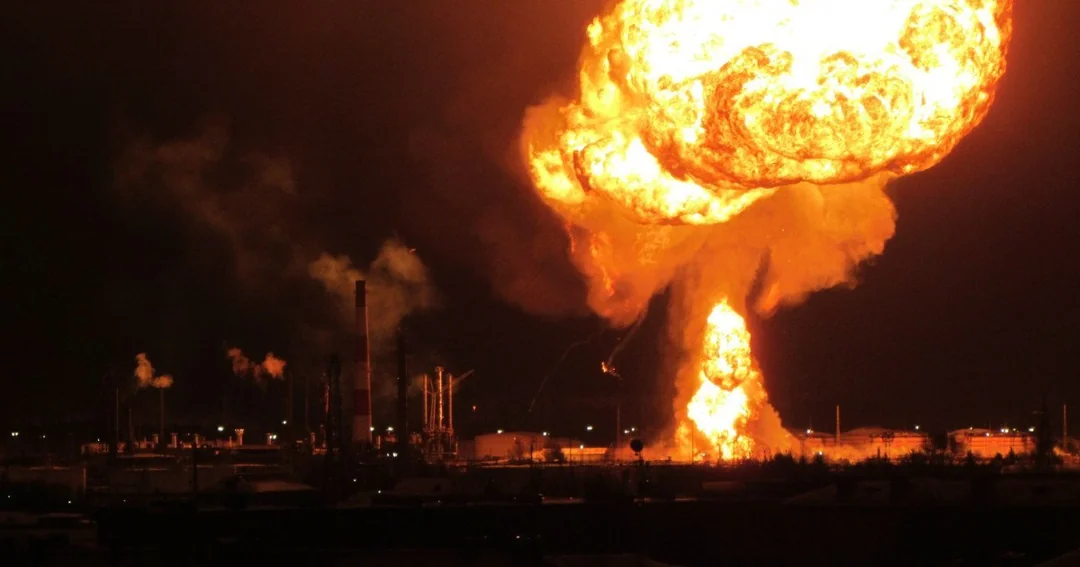
Ukrainian forces have steadily intensified strikes on Russian energy infrastructure through 2025, using long-range drones to hit refineries further from the front lines. In August alone, drones reportedly struck ten petroleum plants in southern Russia, temporarily knocking out around 1.1 million barrels per day of refining capacity. By September, Moscow had extended existing gasoline export restrictions through year-end, a clear signal that domestic supply was under pressure. Analysts say these attacks are part of a deliberate strategy to erode Russia’s ability to fuel its military, transport goods and heat homes, turning energy infrastructure into a central battleground alongside the front itself.
Afipsky Refinery at the Center of the Storm
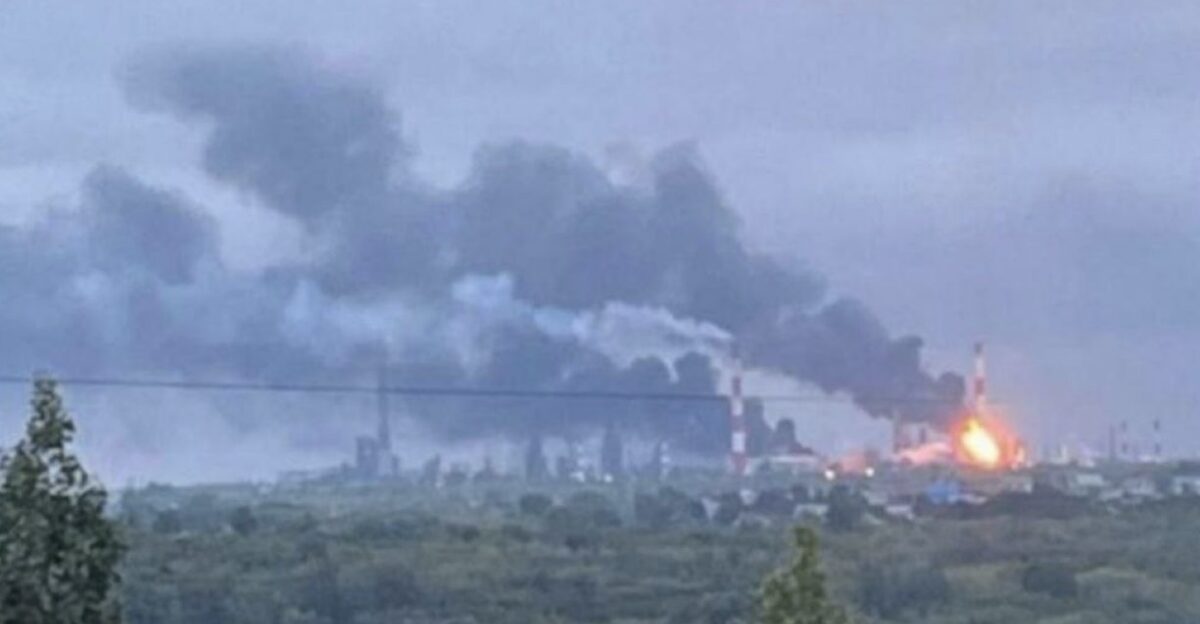
One of the most strategically important targets has been the Afipsky Oil Refinery in Krasnodar Krai, roughly 200 kilometers from active front lines. Built in the Soviet era and heavily upgraded over the past decade and a half, Afipsky plays a crucial role in producing diesel and aviation kerosene that support both Russian military operations and logistics networks supplying troops in Ukraine. Between 2010 and spring 2025, the Russian government and affiliated companies invested about 217 billion rubles in modernizing the plant, lifting its processing capacity to around 9.1 million tons a year and cementing its place in Russia’s fuel system.
That prominence has made Afipsky a repeated target. Before November 2025, the refinery was hit by Ukrainian drones three times: twice in August and once in late September, each time triggering fires and forcing temporary shutdowns of parts of the facility. These attacks fit a wider pattern of Ukrainian strikes focused on refining capacity rather than crude production, aiming to inflict maximum disruption on ready-to-use fuels without necessarily cutting overall oil output. The repeated blows have underscored the vulnerability of even heavily defended industrial sites inside Russia.
The November 29 Strike and Its Fallout
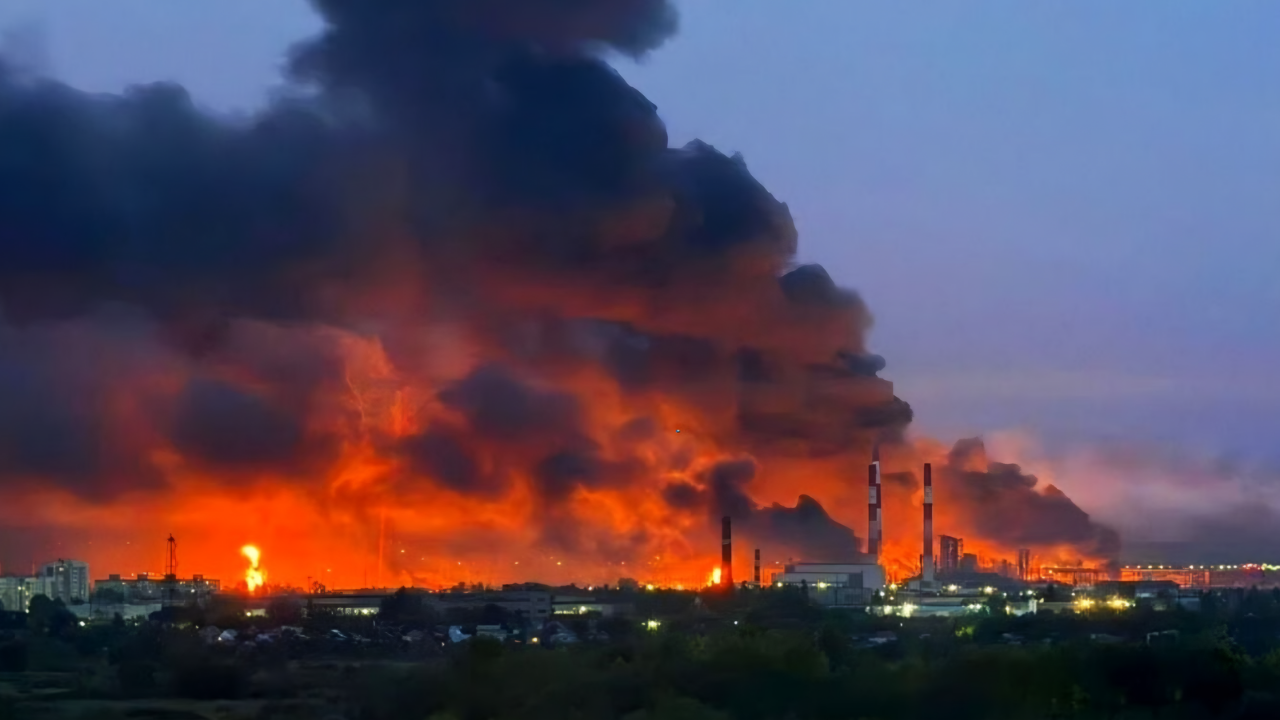
On the night of November 28–29, Ukrainian drones mounted a fourth confirmed attack on Afipsky this year. Russian regional authorities reported explosions and a fire that spread across roughly 250 square meters of the plant. Emergency crews brought the blaze under control, but official briefings acknowledged damage to unspecified technological equipment. The incident came just as winter fuel demand was rising, raising concerns about the refinery’s ability to maintain stable output during the peak heating season.
Although Russian officials have minimized the impact, the size of the fire and the frequency of recent strikes suggest sustained pressure on the site’s operations. Damage to processing units or critical control systems can have knock-on effects along supply chains, especially when alternative capacity is already strained by earlier attacks. The November strike appeared to coincide with what Ukrainian and Western analysts describe as more precise targeting aimed at critical components, signaling further refinement of Ukraine’s drone campaign.
Economic, Military and Social Repercussions
The tightening fuel market is now affecting multiple layers of Russian society and the broader economy. Retail prices for gasoline and diesel have surged, while shortages have left farmers, truck drivers and small businesses struggling to secure enough fuel to operate normally. Reports from affected regions describe households running low on heating fuel and transport companies cutting back services. The squeeze comes on top of broader economic challenges, with some projections suggesting revenue from oil and gas exports could be down by as much as a third by November compared with earlier levels.
On the battlefield, dwindling supplies of diesel and aviation fuel threaten to constrain Russian military mobility, complicate logistics and reduce the tempo of air operations. Any sustained disruption to fuel flows risks slowing resupply efforts, limiting the movement of armored units and making it harder for Russia to sustain large-scale offensives through winter. Internationally, Russia’s difficulties are feeding into global energy markets, adding volatility to prices and prompting importers to diversify away from Russian supplies. Governments that back Ukraine are also watching closely, as the effectiveness of these strikes could influence future military assistance and strategic planning.
Inside Russia, the combination of higher prices, local shortages and perceptions of mismanagement is fueling public frustration. Opinion within some regions hardest hit by the crisis has reportedly turned more critical of the authorities’ handling of energy and the war. While the domestic political impact remains uncertain, the intertwining of military setbacks, economic pressure and social discontent creates a more fragile environment for the Kremlin. As winter progresses, the evolution of Ukraine’s targeting campaign and Russia’s capacity to repair and protect its refineries will help determine not only the course of the conflict but also the stability of Russia’s energy-dependent economy.
Sources
BBC News – Ukraine oil refinery attacks analysis
Kyiv Independent – Afipsky Oil Refinery strike reports
Reuters – Putin fuel decree and energy policy
Institute for the Study of War – Military campaign assessments
Moscow Times – Russian fuel crisis coverage
CNN – Ukraine-Russia energy war reporting
Forbes – Fuel crisis economic analysis
Wikipedia – 2025 Russian fuel crisis overview
Pravda – Ukrainian military strike confirmations
Newsweek – Russia fuel shortage reports
CSIS – Strategic analysis of Ukraine war implications
Odessa Journal – Refinery strike pattern documentation