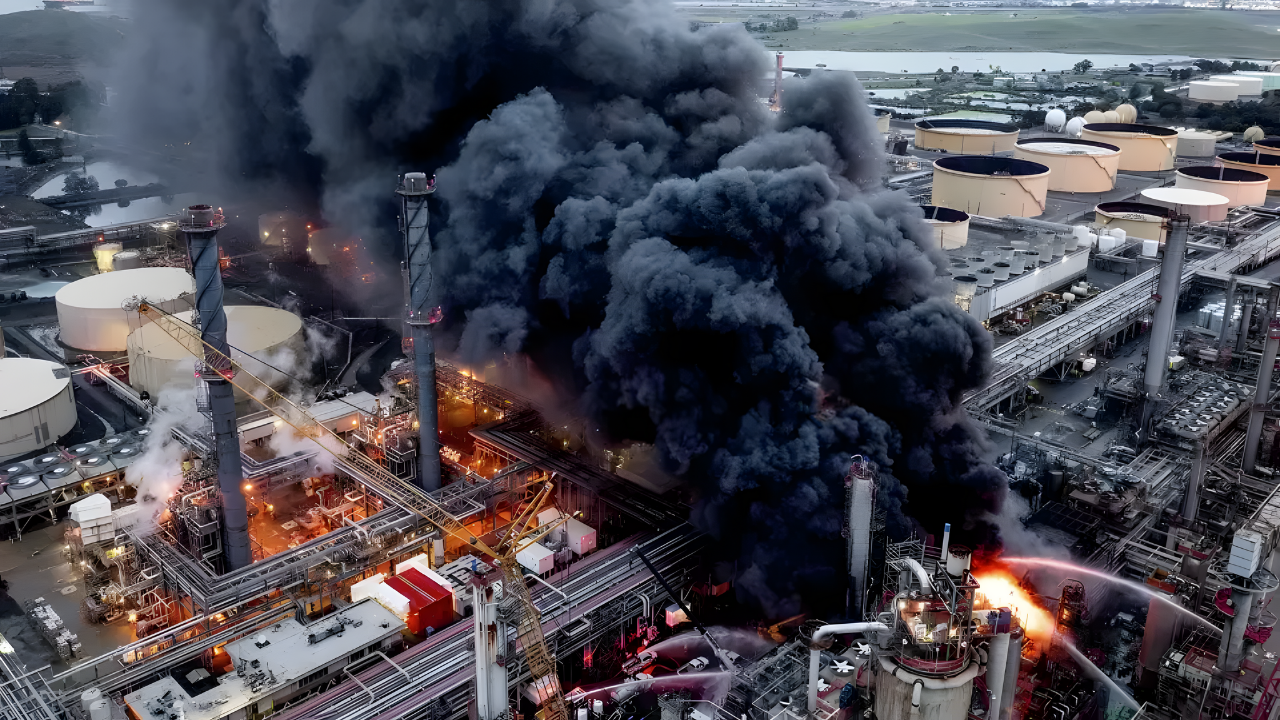
Ukrainian drones targeted the Syzran refinery in Russia’s Samara region overnight on December 4-5, 2025. The attack damaged a vital unit and led to a complete halt in operations. Situated roughly 850 kilometers from the front lines, the refinery processed about 90,000 barrels of crude oil daily in 2024, per pre-2025 Rosneft data. It delivers fuel to central Russian regions, aiding transport, industry, and logistics.
Ukrinform and Ukrainska Pravda report the strike and shutdown. The incident highlights Ukraine’s long-range drone reach. It interrupts energy supplies distant from active combat, with potential effects on civilian and military fuel needs.
Focused Strike on CDU-6 Distillation Unit
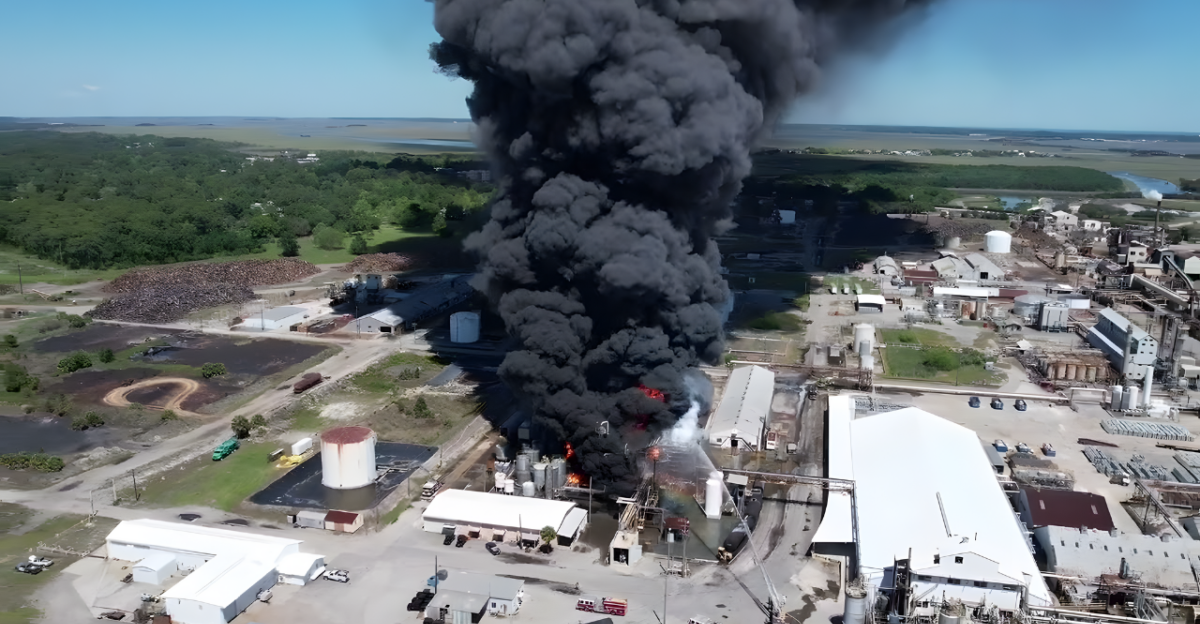
Drones hit the CDU-6 crude distillation unit, the refinery’s primary facility for breaking down crude oil into petrol, diesel, and other products. Damage to this core unit forces the entire refinery to stop, regardless of other equipment’s status.
This represents the second strike on CDU-6 in four months. An August 2025 drone attack also caused a temporary shutdown, according to the cited Ukrainian sources. Repairs took place after that event, but the same component was targeted again. The pattern suggests intentional strikes on this identified weak point, rather than widespread infrastructure damage.
Ukraine’s Refinery-Targeting Approach
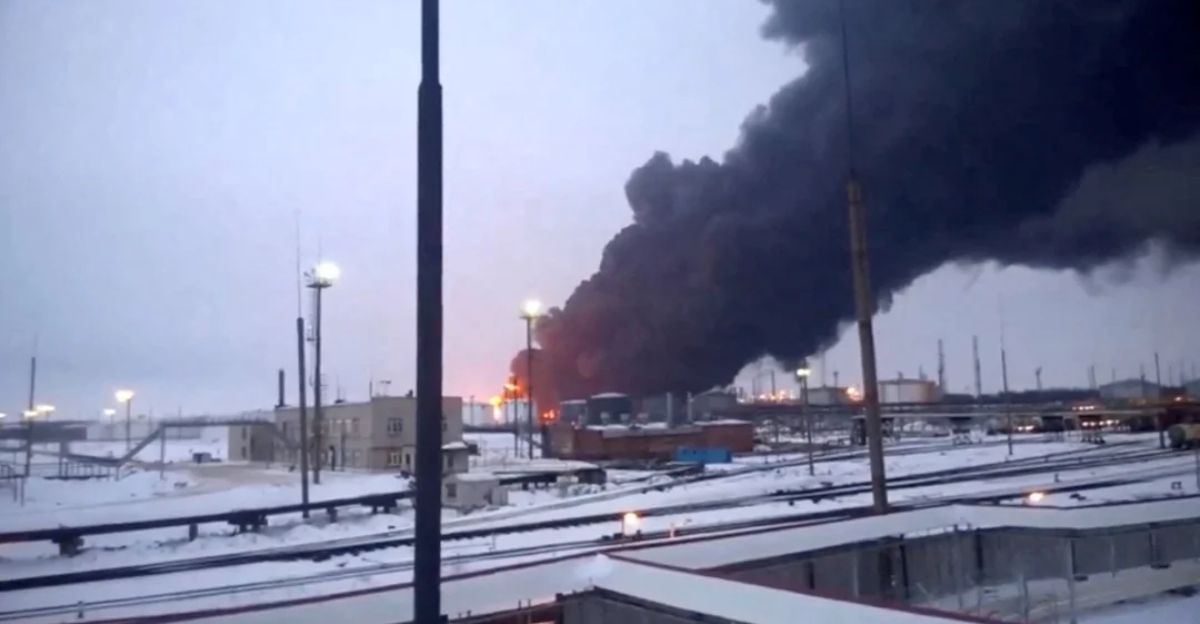
The Syzran attack aligns with Ukraine’s strategy to disrupt Russia’s energy infrastructure, focusing on refineries rather than extraction or storage. Refineries convert crude into finished fuels essential for regional transport, manufacturing, and military operations.
Such targeting creates shortages of usable products that prove difficult to replenish rapidly. Winter heightens diesel needs for heating, farming, and shipping. In 2024, Syzran managed 4.3 million metric tons of crude, equivalent to 90,000 barrels per day, under its design capacity. This produced approximately 800,000 tonnes of petrol, 1.5 million tonnes of diesel, and 700,000 tonnes of fuel oil, drawing from Rosneft’s historical reports.
These interruptions strain Russia’s supply chains more than raw oil setbacks. Other refineries can redirect output, but constraints like rail congestion limit speed.
Economic and Local Repercussions
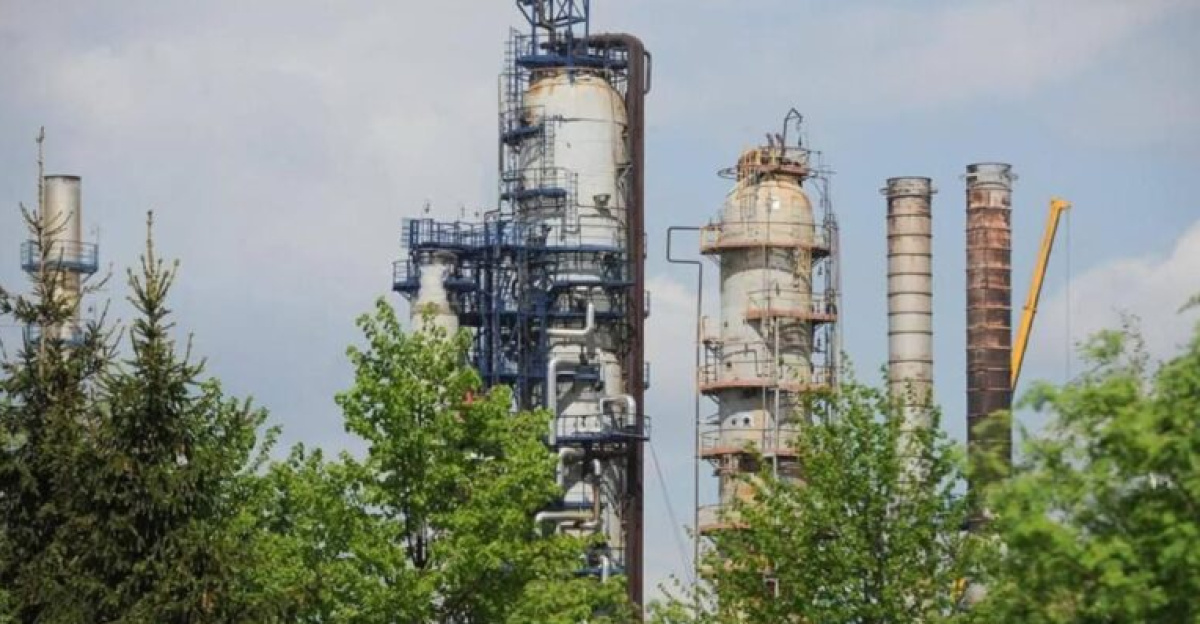
CDU-6 damage has paused all crude processing at the site. Industry projections indicate repairs may take about one month absent delays from sanctions or parts shortages, though this relies on Ukrainian media estimates without broader verification.
Areas including Samara, Saratov, and Penza could see fuel shortfalls, especially winter diesel. Rosneft has offered no restart timeline. Supply shifts from other facilities face logistical hurdles.
The 90,000 barrels-per-day capacity loss equates to around $25 million in daily forgone revenue, calculated from Rosneft baselines, current crude prices, and refining margins. A one-month outage projects roughly $750 million in total losses, subject to market fluctuations and repair progress. The refinery employs hundreds as a longstanding local anchor since World War II. Staff may shift to maintenance roles, with some facing hour cuts, impacting nearby economies and families.
System-Wide and Defense Implications
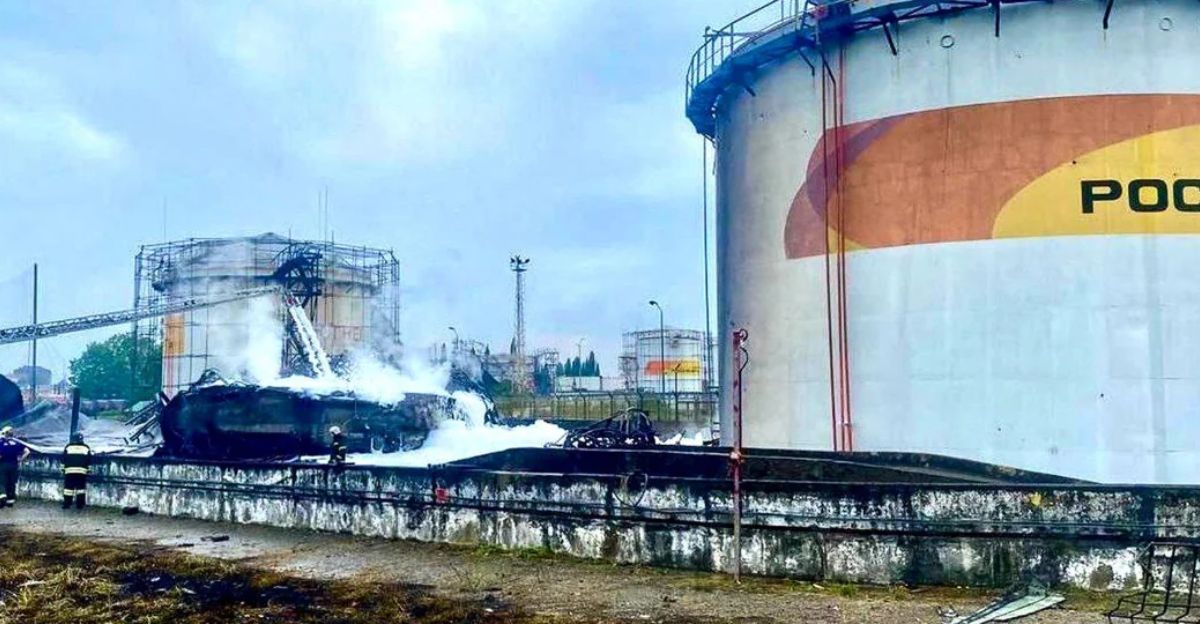
The shutdown overloads Russia’s remaining refineries, which endured outages from incidents, upkeep, and earlier 2024-2025 drone strikes. This intensifies wear and heightens risks from additional disruptions.
Questions arise over air defense effectiveness. Russian reports of drone interceptions did not avert this inland strike, similar to August. Persistent gaps appear at 850 kilometers depth, pending neutral analysis like satellite imagery.
Syzran’s rail and river links to the Caspian region slow refined product flows, while crude exports proceed. Refined outputs generate superior revenue to raw crude. Wartime repairs elevate hazards like spills or fires, though none noted yet.
Ukraine’s drones reflect progress in precision and range, sidestepping front defenses for high-value targets. Energy facilities now form critical conflict nodes. Winter amplifies demand strains. Russia faces tests in rapid recovery and defense upgrades; Ukraine applies distant pressure. Repair length, fresh attacks, and rerouting success will dictate effects on markets, locales, and energy-war balance.
Sources
Ukrinform (2025-12-14): Coverage of repair estimates and prior strikes
Ukrainska Pravda (2025-12-15): Reporting on Slavneft-Yanos strike and regional impacts
Council of the EU (2022-10-06): Official document on EU-G7 oil price cap implementation
Evrimagaci (undated): Analysis of strike impacts