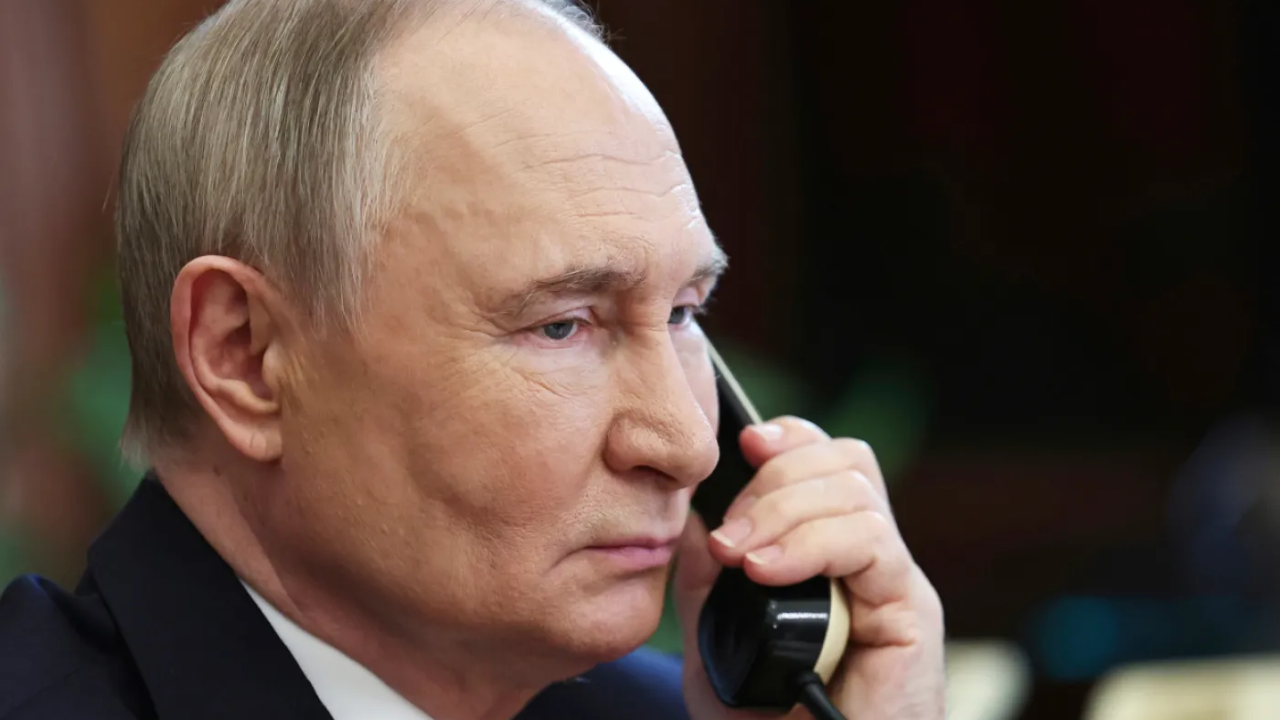
On December 2, while U.S. envoys Steve Witkoff and Jared Kushner sat across from Vladimir Putin in Moscow, Russia unleashed 111 drones over Ukrainian towns. Two civilians were killed, infrastructure was damaged, and winter energy systems were threatened.
Putin’s words, “absolutely confident on the battlefield,” echoed in state media, signaling a strategy of negotiation under the shadow of military escalation. Here’s what unfolded in this high-stakes confrontation.
What Happened On December 2?
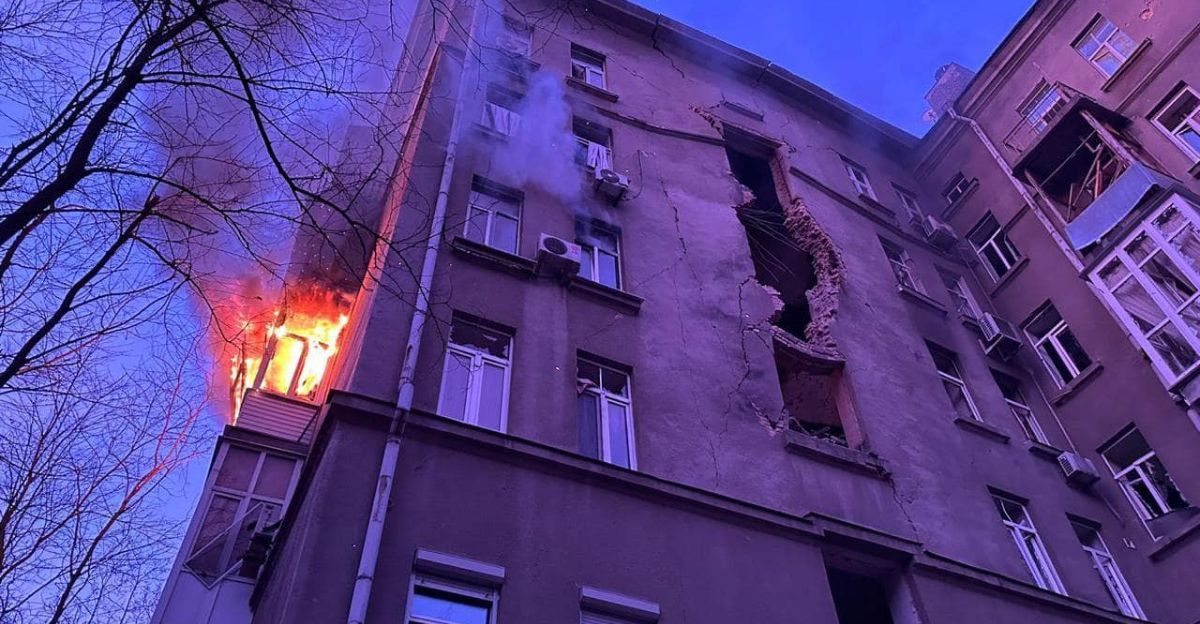
At 6:00 PM, Russia launched 111 strike and decoy drones at Ukrainian targets. U.S. special envoy Steve Witkoff and Jared Kushner met with Putin, aiming to broker a ceasefire. By midnight, talks ended without resolution. Russian missiles continued toward civilian areas.
The timing raises questions about whether this was a coincidence or a calculated strategy.
Who Came To Moscow?
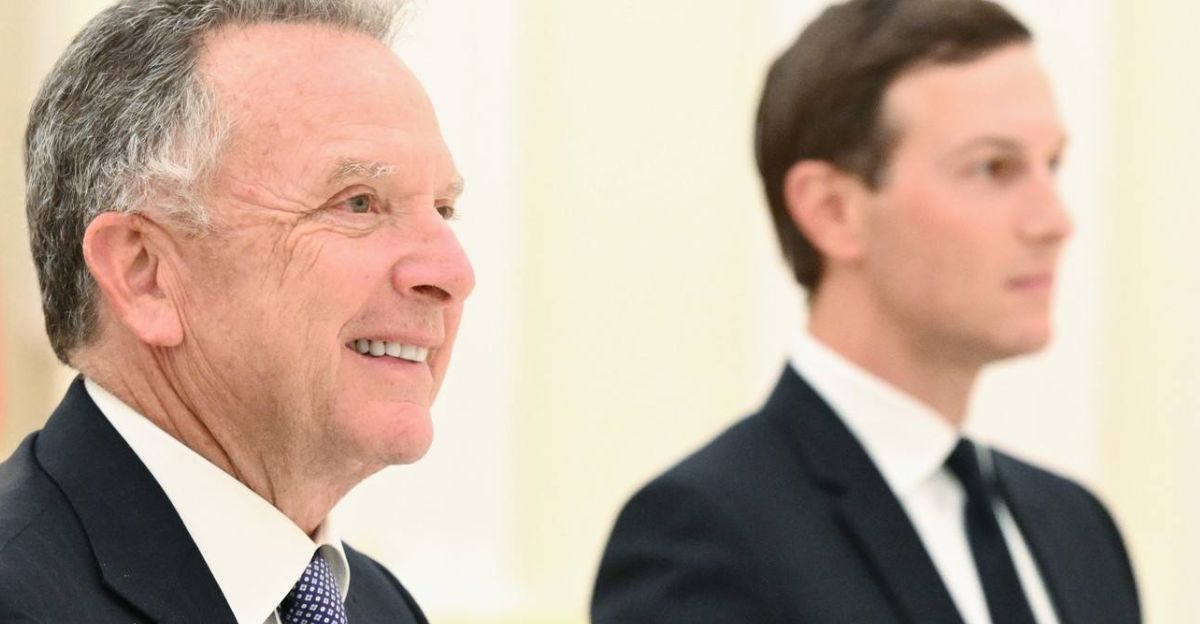
Steve Witkoff, a billionaire real estate developer, led the delegation alongside Jared Kushner, Trump’s son-in-law and investment firm leader. Neither had formal diplomatic experience, yet they carried out America’s highest-stakes negotiation. Their presence signaled serious intent to end the war.
However, neither fully anticipated the strategic message awaiting them in Putin’s office.
“Absolutely Confident On The Battlefield”
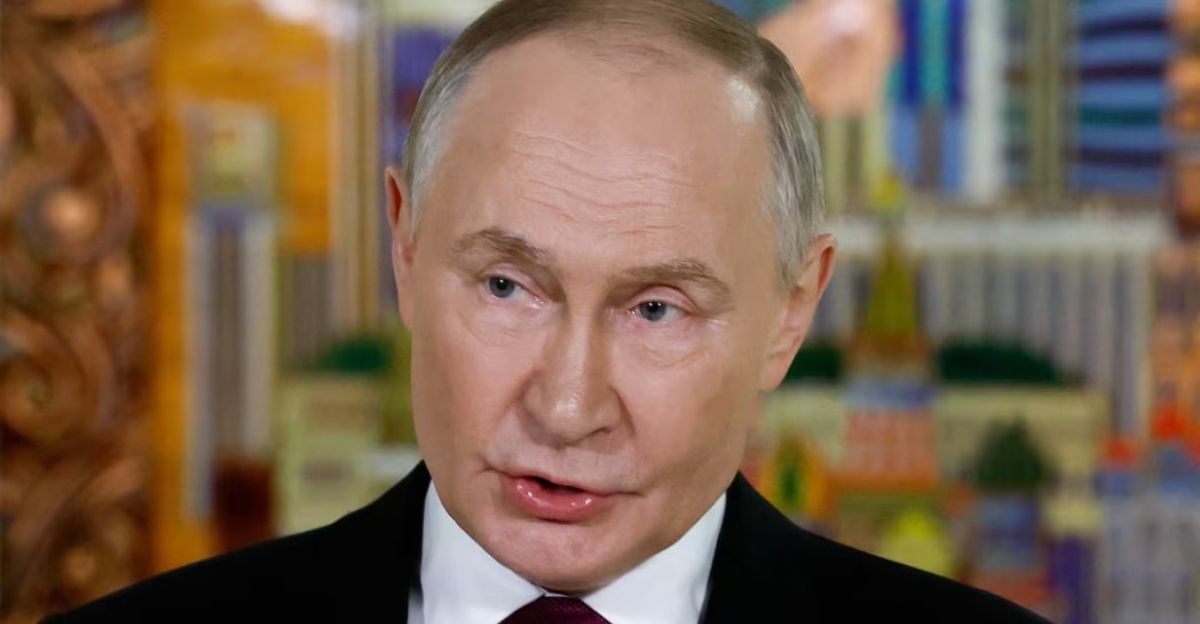
Putin told Russian media he was “absolutely confident on the battlefield” and saw “no point in making any serious compromises.” Kremlin spokesperson Dmitry Peskov noted “compromises have not yet been found,” hinting at ongoing talks.
Putin’s hospitality masked a core message: Russia negotiates from a position of strength.
The Territorial Advantage Fueling Putin’s Demands
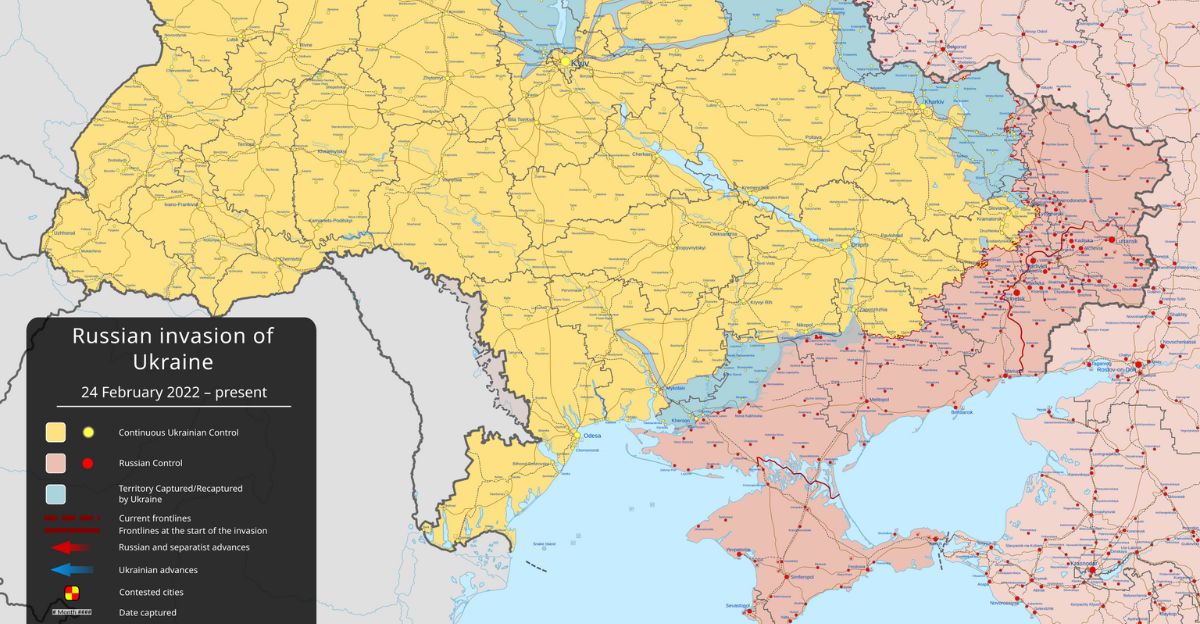
Russia currently controls about 19% of Ukraine, roughly 115,600 square kilometers. Recent advances toward Pokrovsk shape Putin’s negotiating stance, with more land translating into stronger leverage.
Territorial control remains central to Moscow’s strategy, directly influencing how the Kremlin evaluates peace proposals.
28 Points That Weren’t Nearly Enough
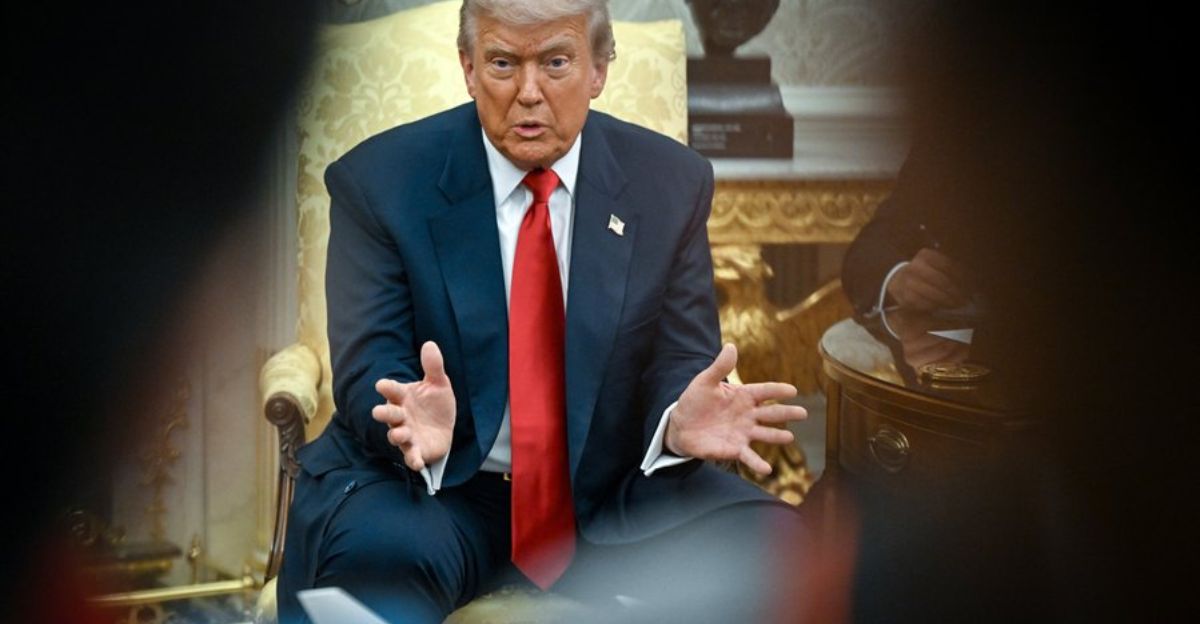
The leaked 28-point Trump plan favored Russia, including the Ukrainian ceding of Crimea, Luhansk, and Donetsk. Ukraine’s military would shrink to 600,000 troops.
Even with these concessions, Putin rejected the plan, signaling that his demands exceeded what America had offered. What else does Moscow want?
What Russia Truly Wants From Ukraine
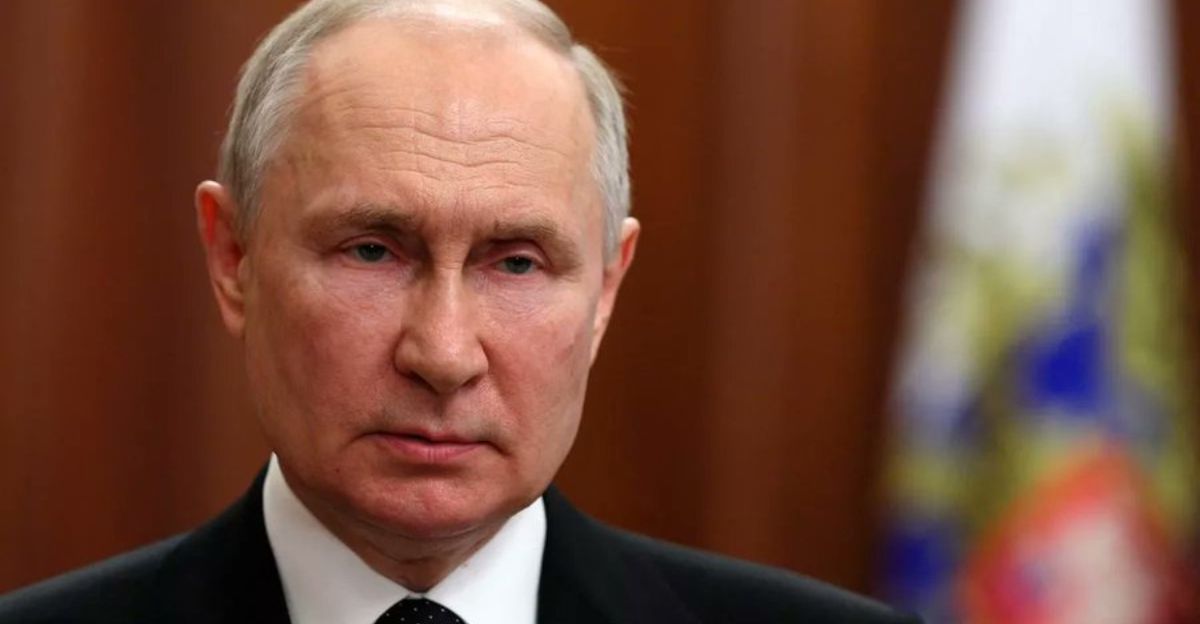
Putin declared, “We will take these territories by force, or Ukrainian troops will leave these territories and stop fighting there.” Aides confirmed that some U.S. proposals were acceptable, while others were deemed “unacceptable.”
The gap between U.S. offers and Russia’s demands appears to be widening, making the negotiation challenge more challenging.
Zelenskyy Left Out Of Moscow Talks
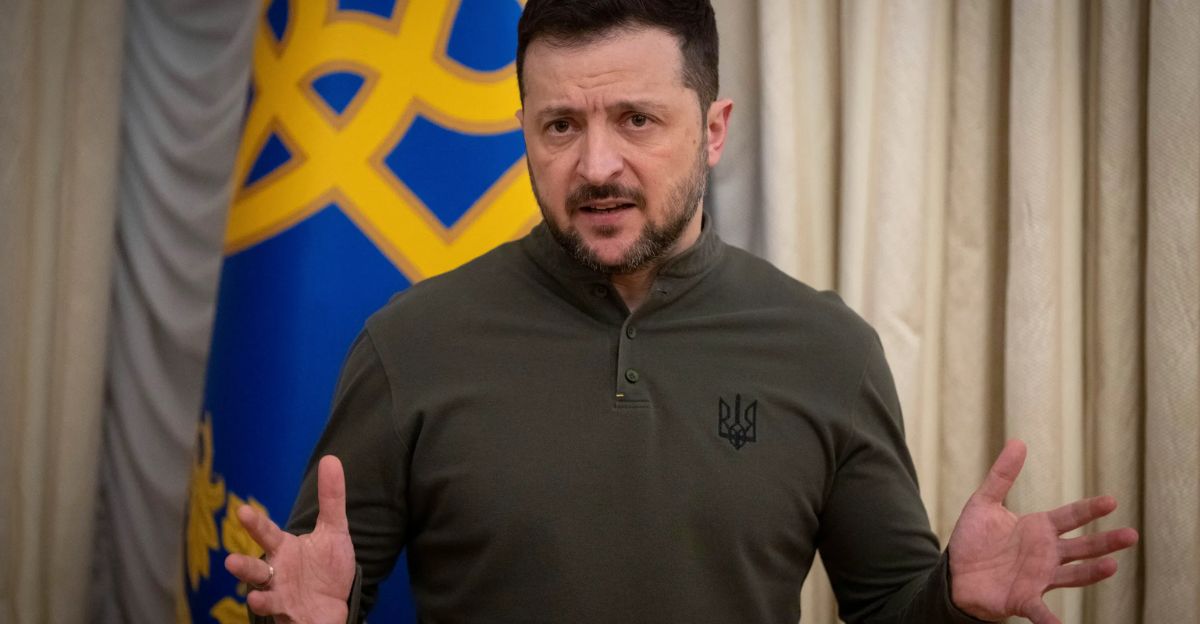
President Zelenskyy was absent from direct negotiations. He warned against “behind-the-scenes maneuvering regarding Ukraine,” stating, “There will be no easy solutions… everything is fair and transparent.”
Excluding Ukraine from talks about its own territory raises doubts about the legitimacy of the diplomatic agreements under discussion.
111 Drones, 74.8% Intercepted, 27 Penetrated
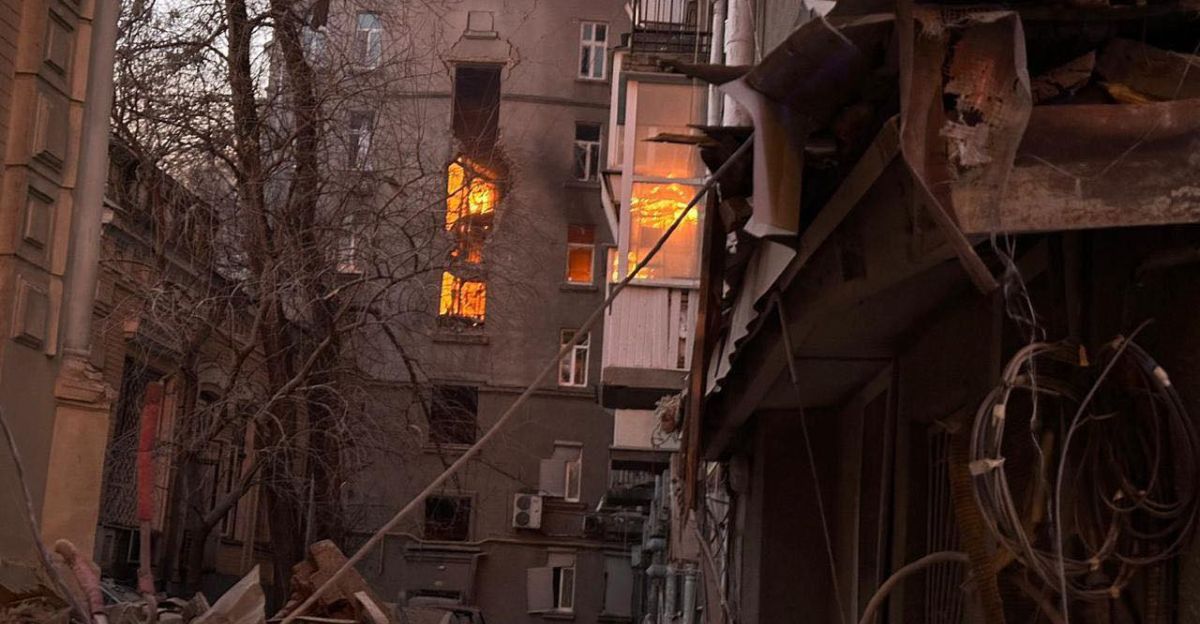
Ukraine shot down 83 of 111 drones, a 74.8% interception rate. Still, 27 drones struck 13 confirmed locations. Strike and decoy drones were aimed at exhausting air defenses.
The sheer volume raises the question: can Ukraine sustain defense under constant drone bombardment?
“Two Miners From Ternivka” — Lives Lost To War
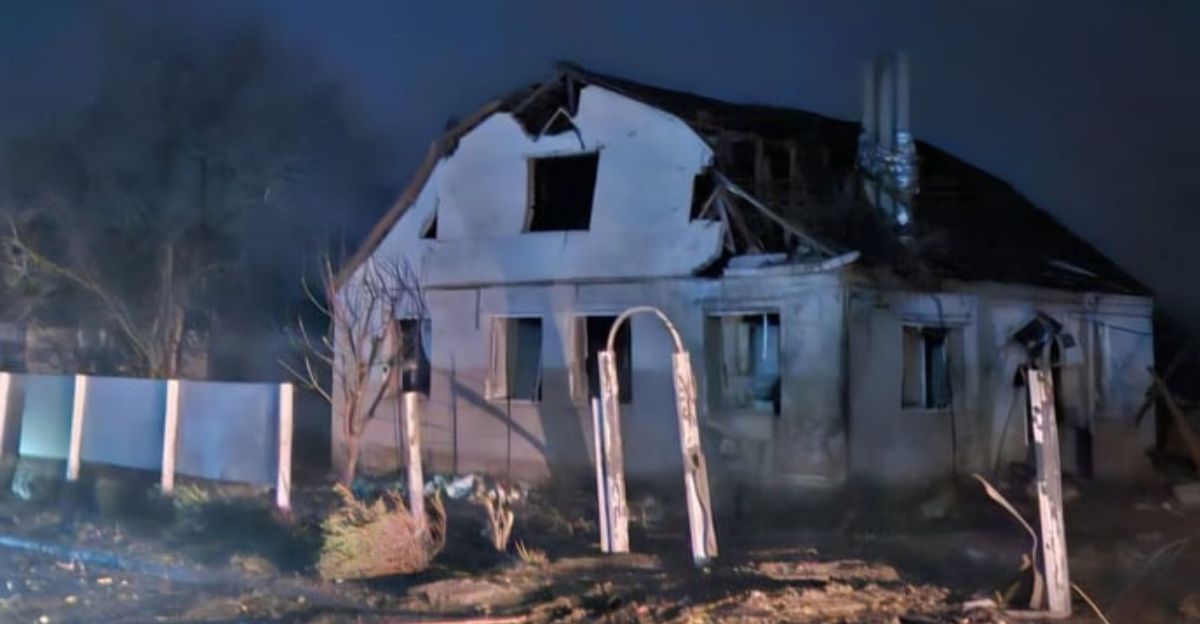
In Ternivka, two men aged 43 and 50 died instantly. Three others were injured, and several homes were damaged or destroyed. These were civilian areas, not military targets.
The attack illustrated the human cost of Russia’s simultaneous diplomacy and military escalation.
At Least 5 Dead, 26 Injured In 24 Hours
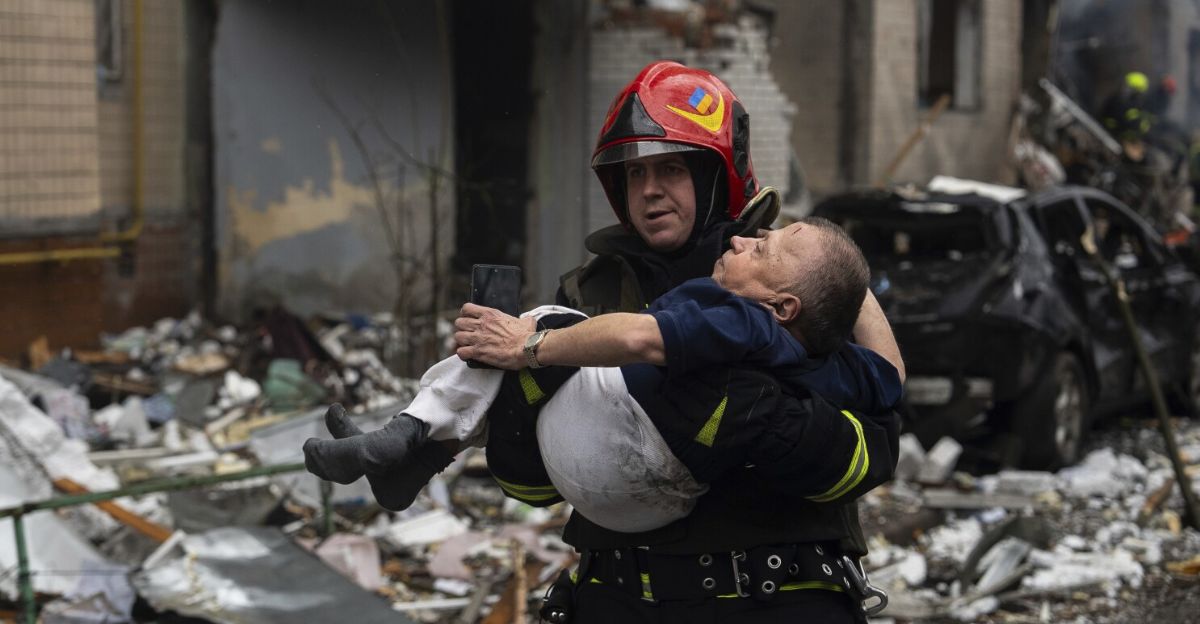
Casualties extended beyond Ternivka. Kyiv Independent reported at least five dead and 26 injured. Nikopol district saw additional strikes on Marhanets and Pokrovska.
These documented figures may only capture a fraction of the real human toll across Ukraine.
Russia Targets Power Plants As Winter Approaches
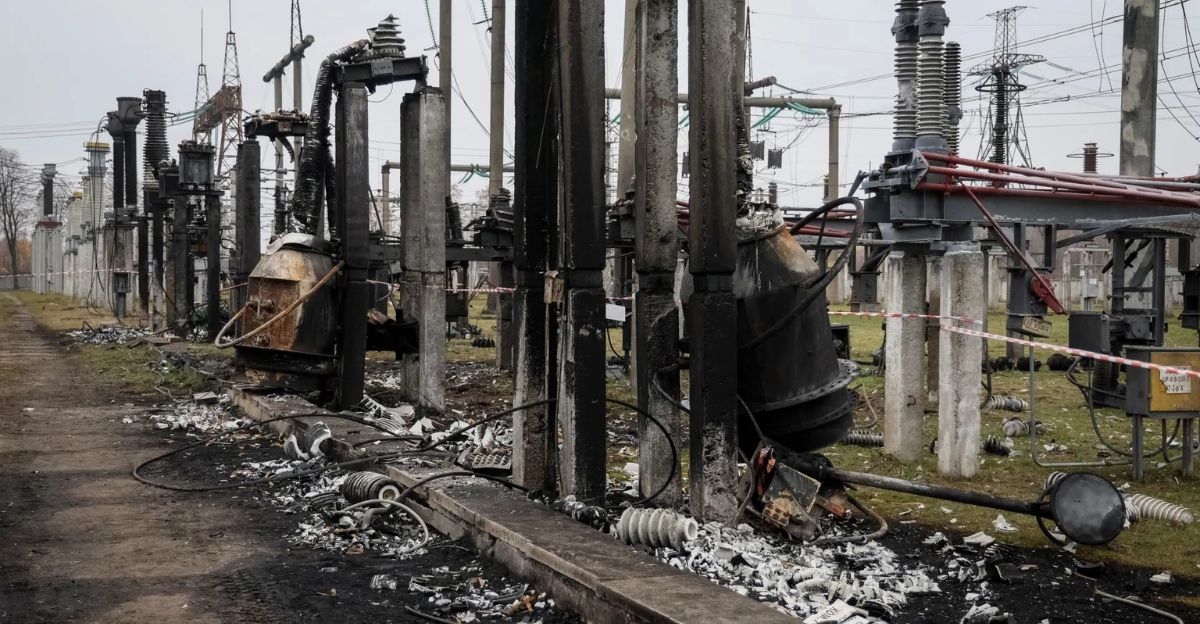
Attacks hit electricity infrastructure across eight oblasts, including Kyiv, Lviv, and Zaporizhzhia. Ukrenergo reported severe damage; one power line to the Zaporizhzhia nuclear plant was disconnected.
Winter shortages became imminent, highlighting how energy disruption is now a core element of Russia’s military strategy.
9,500 Without Heat, 34,000 Without Water In Odesa
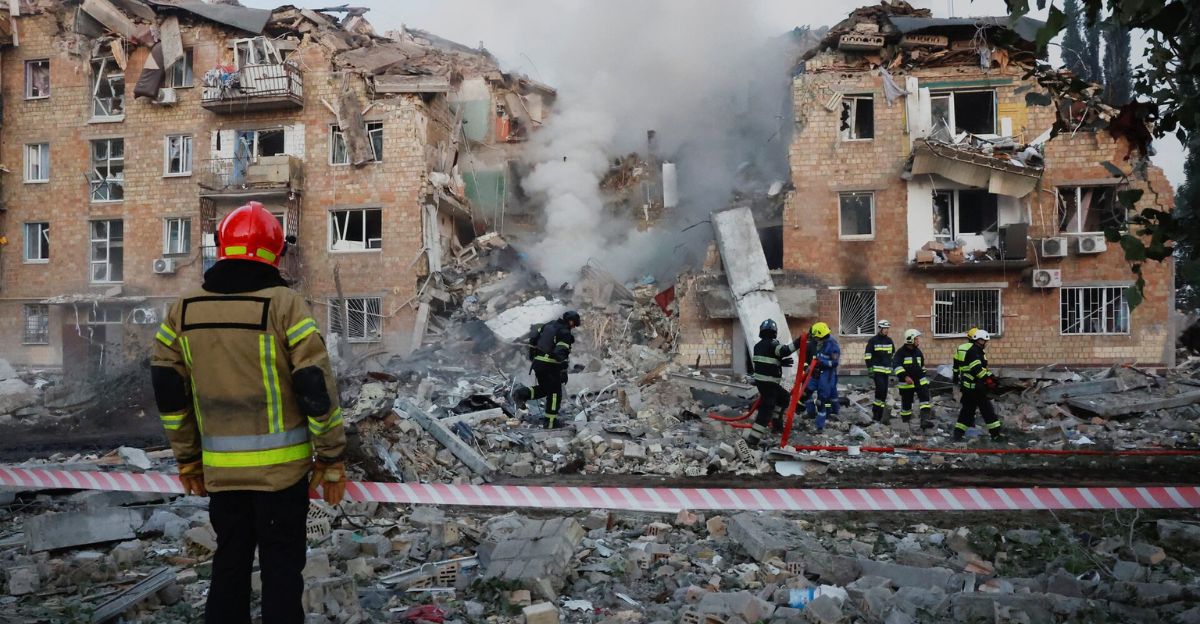
Infrastructure failure left thousands without essential services. Hospitals, food distribution, and sanitation systems suffered as hourly blackouts became routine.
Rebuilding energy networks could cost nearly €20 billion, with recovery complicated by continued conflict.
Zaporizhzhia Plant Loses Power — Again
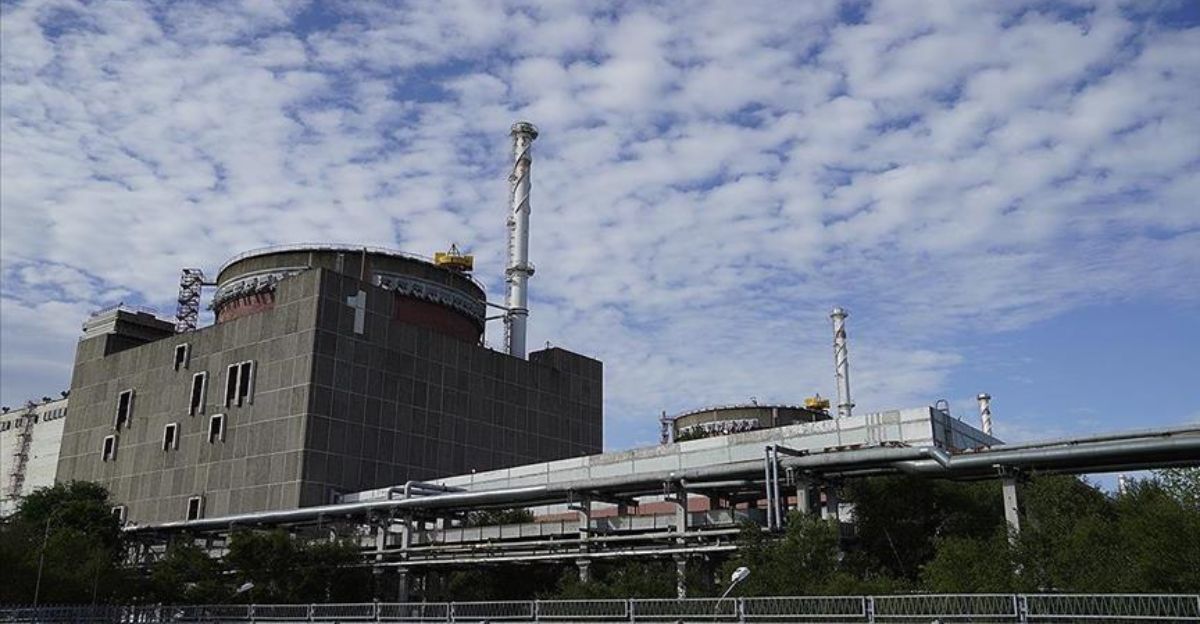
The plant lost off-site power for 30 minutes on December 5, the 11th such incident since the invasion. The IAEA raised serious safety concerns.
Even temporary outages exponentially increase the risk of a nuclear accident, highlighting the stakes of the ongoing attacks.
Ukraine’s SMEs Battle Energy Shortages And Uncertainty
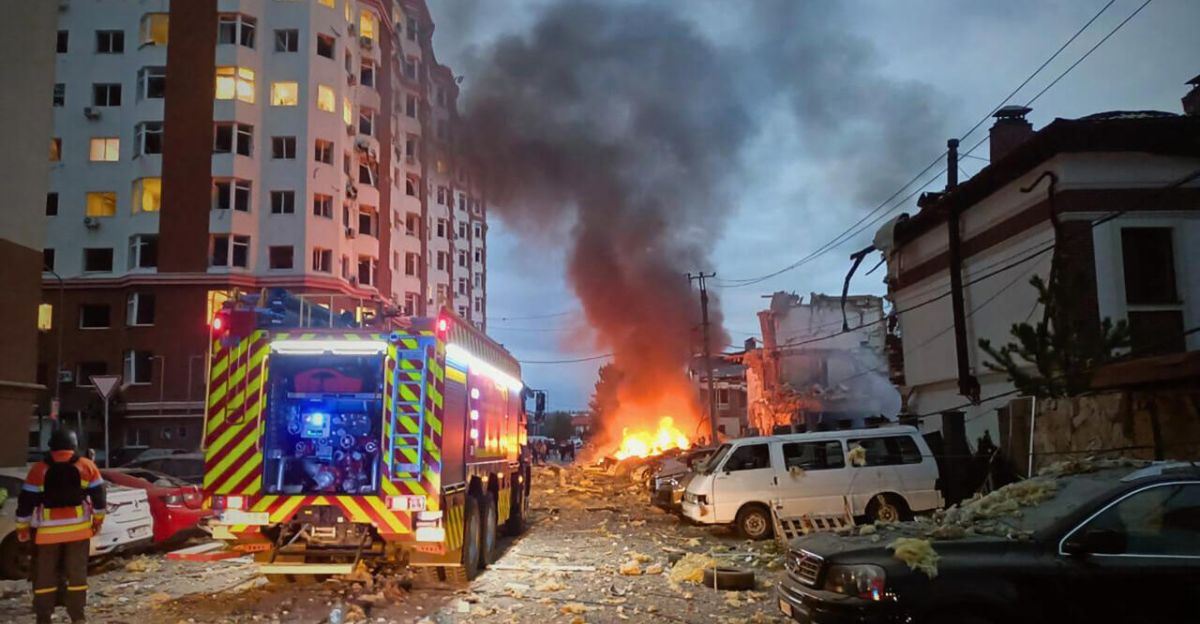
SMEs, the backbone of Ukraine’s economy, operate in “maintenance mode.” Power cuts disrupt inventory, employee access, and customer service.
Energy instability exacerbates existing challenges, such as labor shortages and reduced demand, hindering economic recovery.
How Power Cuts Collapse Economic Networks
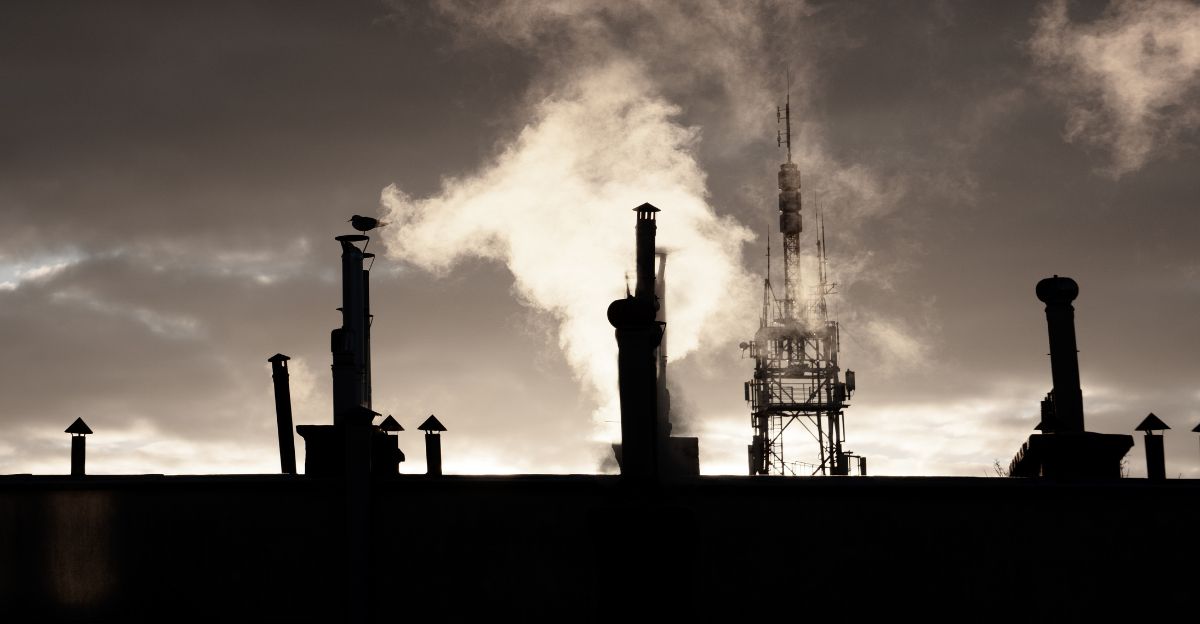
Factories idle, perishable goods spoil, and transportation networks halt due to power outages. Local supply chains crumble, affecting production and distribution.
Water failures compound the crisis, making basic sanitation and food preparation increasingly difficult.
Why Putin Negotiates While Attacking
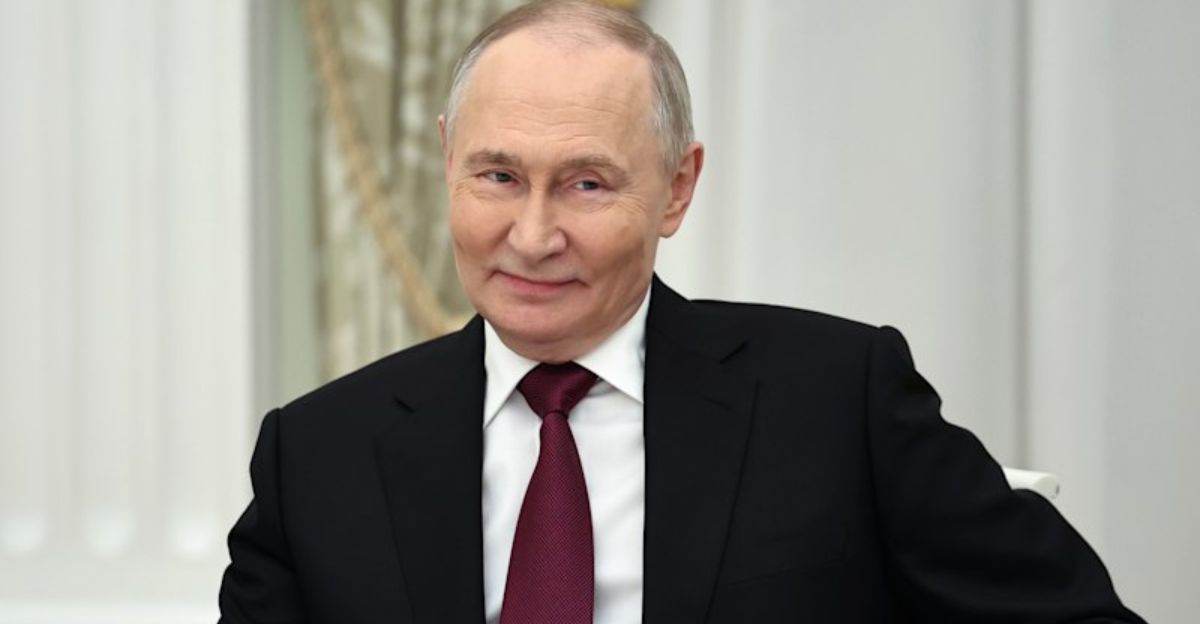
Launching drones while hosting diplomats signals battlefield confidence and pressure. Russia maintains open channels with America, limiting frustration and intervention while enforcing costs on Kyiv.
Putin demonstrates that he can escalate indefinitely, preserving diplomacy as a strategic tool rather than a genuine means of compromise.
Miami Talks Underscore Stalled Progress
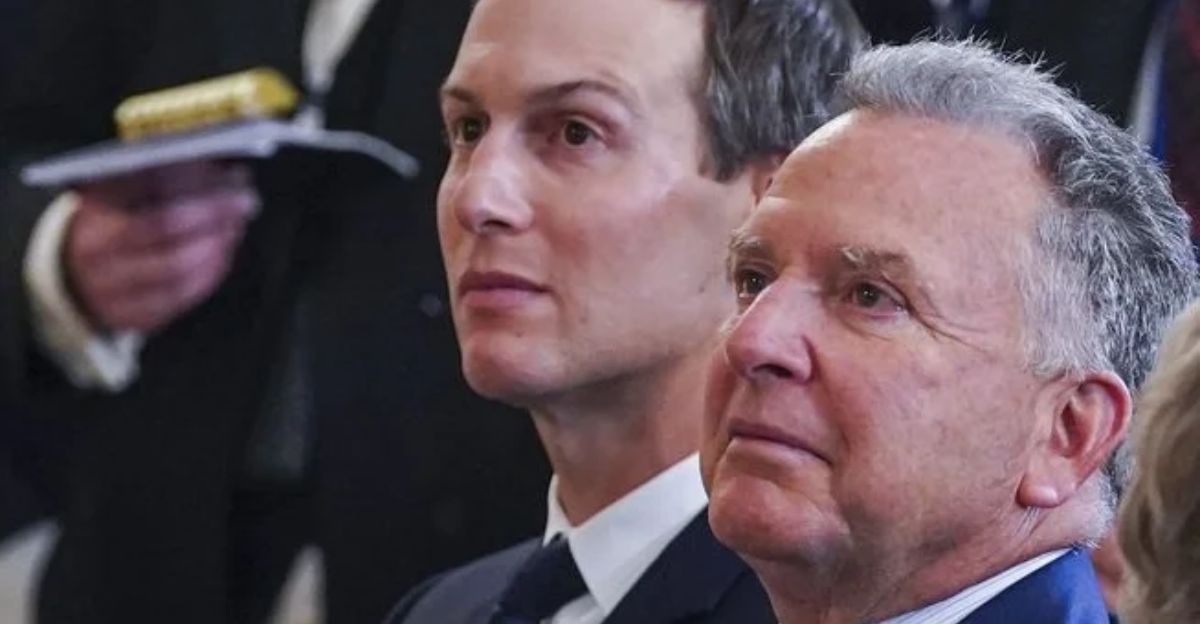
Witkoff and Kushner met Ukrainian negotiators in Miami on December 5-6. Disagreements persist over territorial control and sovereignty.
The stalemate underscores how Moscow’s demands, including territorial conquest, remain unbridgeable under current policy approaches.
“Compromises Have Not Yet Been Found”
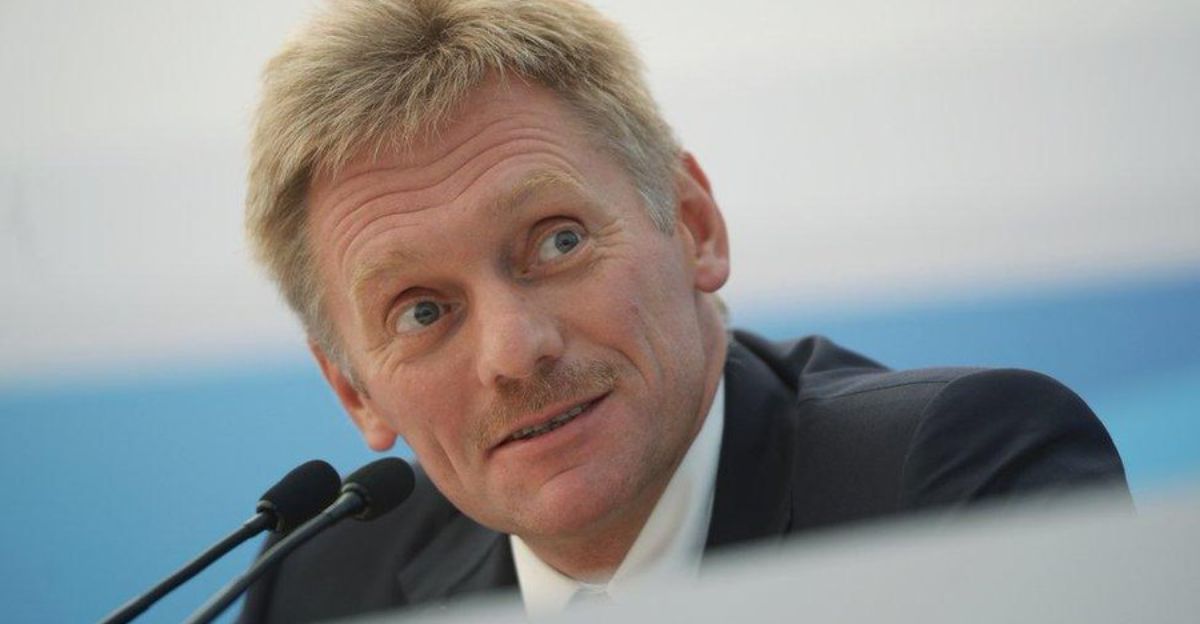
Kremlin spokesperson Peskov carefully noted that “compromises have not yet been found.” Putin, however, reinforced hardline conditions, stating that territory will be seized by force if Ukraine resists.
The language suggests dialogue remains, yet Moscow’s objectives are firmly set on permanent territorial acquisition.
Putin’s Message To The World Is Clear
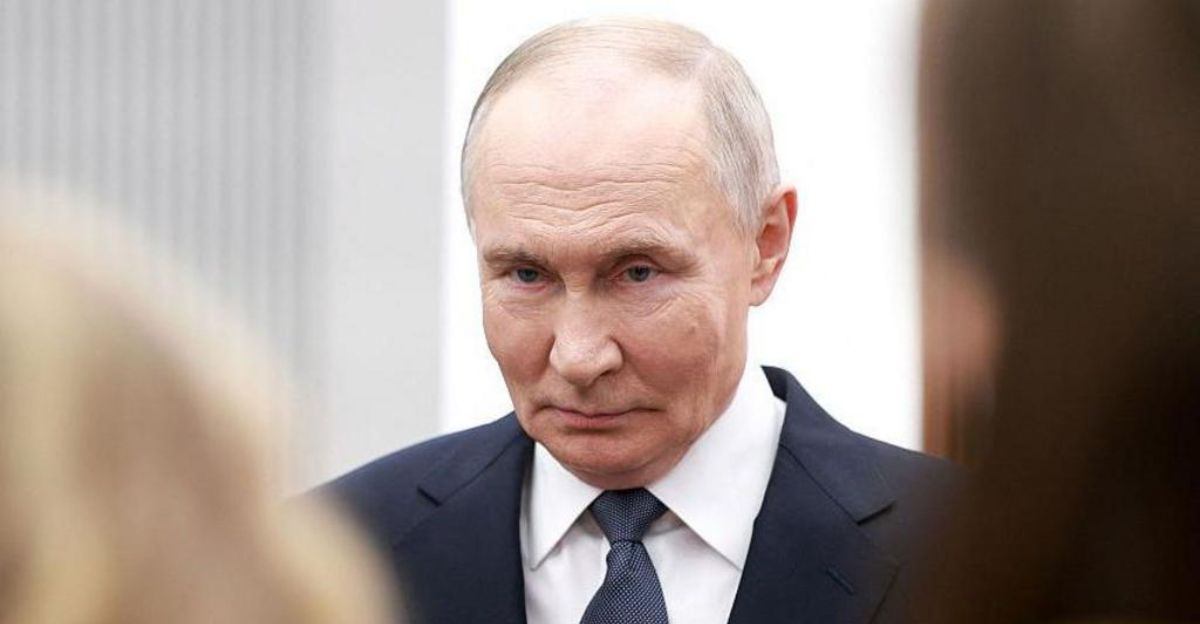
Russia will continue escalation while engaging in selective diplomacy. Ukraine faces winter shortages; civilians die, businesses collapse, and nuclear risks grow.
The December 2 drone strike was more than military—it was a message: the war continues on Moscow’s terms, regardless of negotiations.
SOURCES:
Reuters – December 2, 2025
Kyiv Independent – December 3, 2025
Al Jazeera – December 4, 2025 (Putin territorial demands, Donbas statements, victory conditions)
U.S. News & World Report – December 6, 2025 (Odesa heating and water supply figures)
IAEA Report – December 6, 2025 (Zaporizhzhia nuclear power plant incidents)
UNDP Assessment – February 2024 (Ukrainian SME resilience and operational challenges)
UAFP (Ukraine Facility Platform) – November 3, 2025 (energy infrastructure risks, heating season analysis)