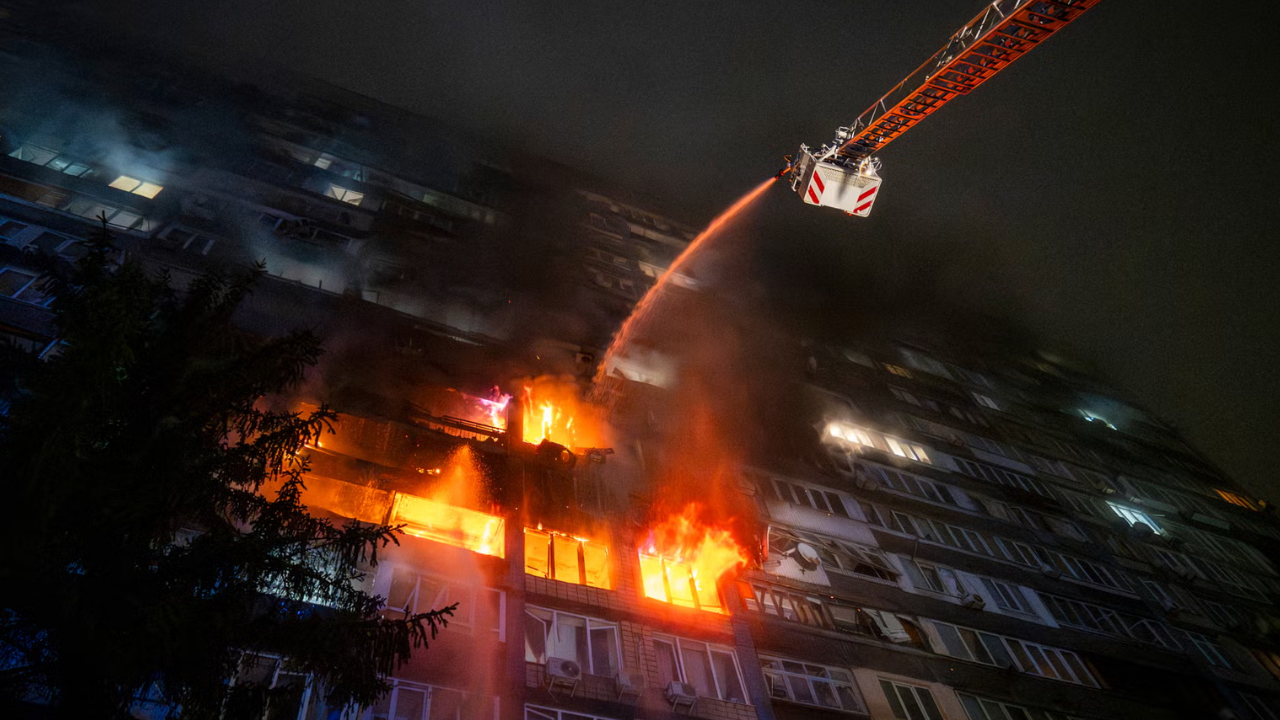
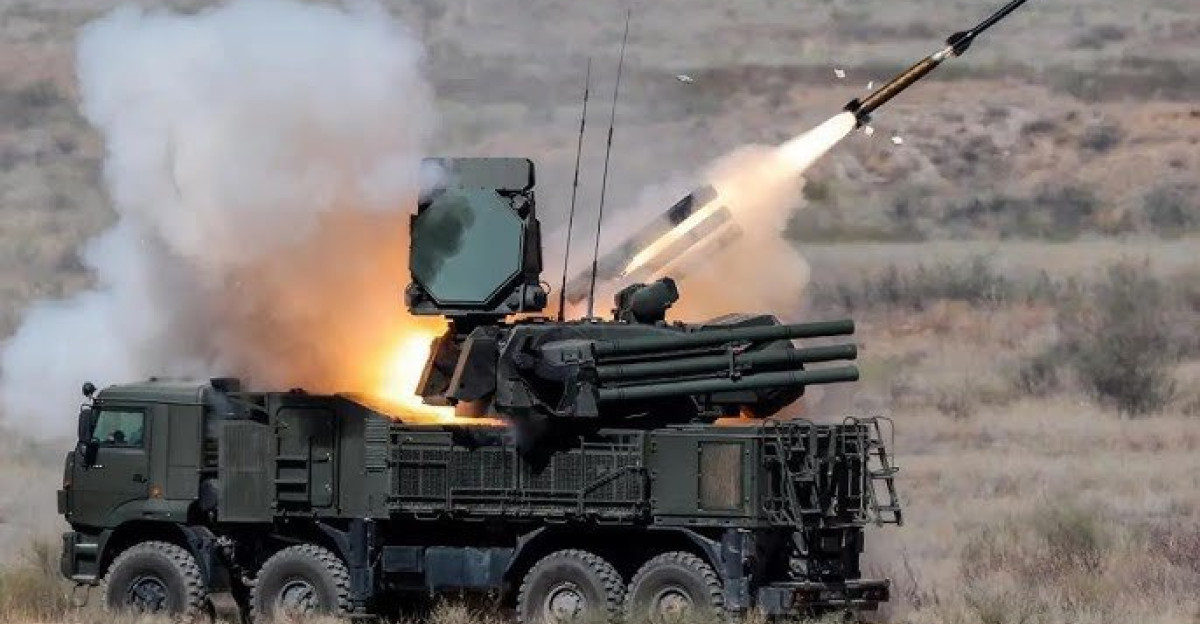
On the night of January 13-14, 2026, Russian air defense missiles inadvertently hit a residential apartment building in Rostov-on-Don during Ukraine’s large drone strike.
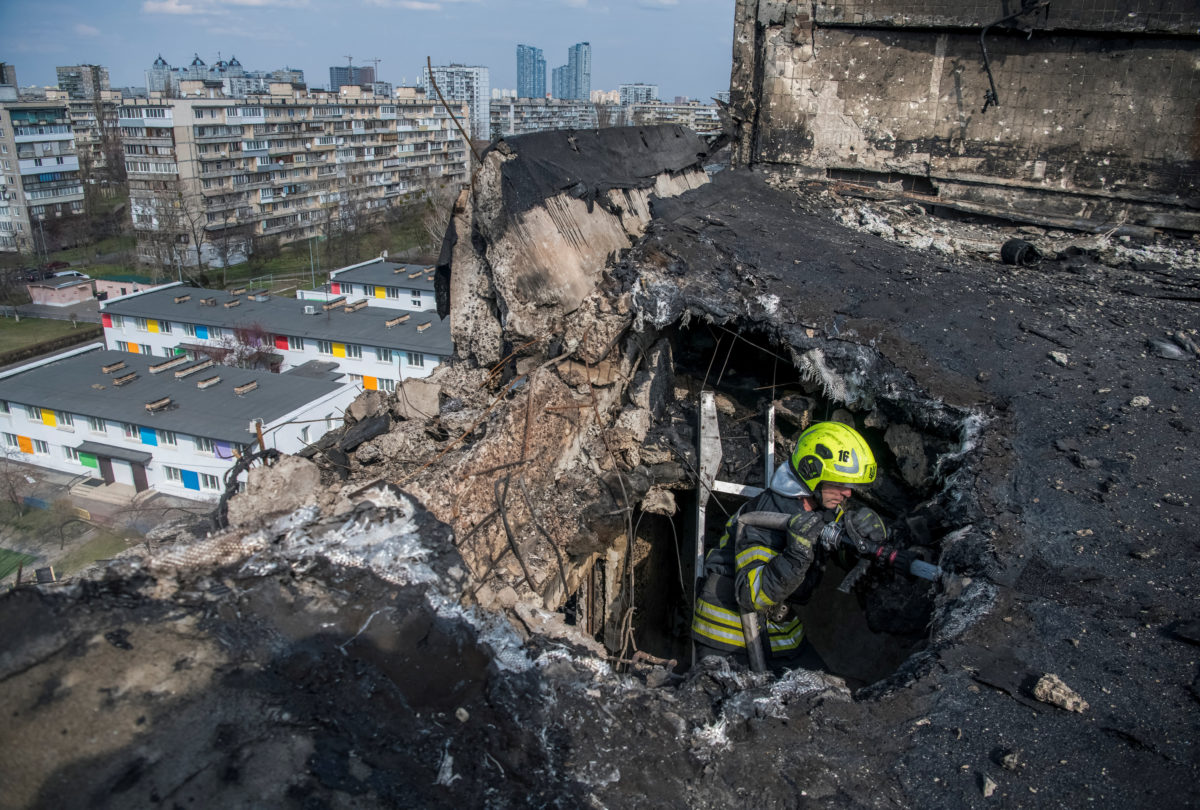
The missile strike killed one man and injured four others, including a 4-year-old child. This tragic event, amid a large-scale drone attack, highlights the strain on Russia’s defense systems.
Ukraine’s Drone Surge and Its Impact on Russian Air Defenses
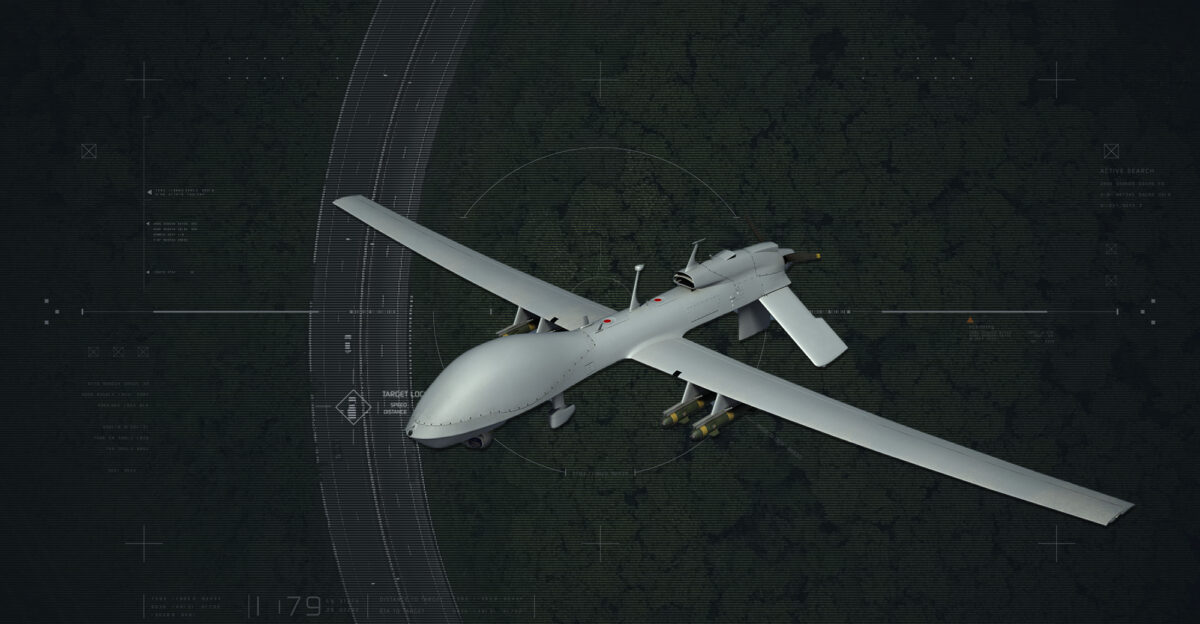
Ukraine has ramped up drone strikes in 2025-2026 to disrupt Russia’s military operations. During the January 13-14 attack, 48 Ukrainian drones targeted southern Russia, including Rostov and Crimea.
Russia’s air defenses reportedly destroyed most of these drones, but the high number of interceptions strained their resources, causing collateral damage.
Casualties in Rostov: A Family’s Nightmare
The apartment hit by Russian air defense missiles resulted in one death and four injuries. Among the wounded was a 4-year-old child.
Governor Yury Slyusar confirmed the fire in the apartment, while Russia’s military attributed the damage to falling drone debris. Ukrainian sources, however, claim it was Russia’s own missile.
Belgorod Suffers Largest Power Outage of the War
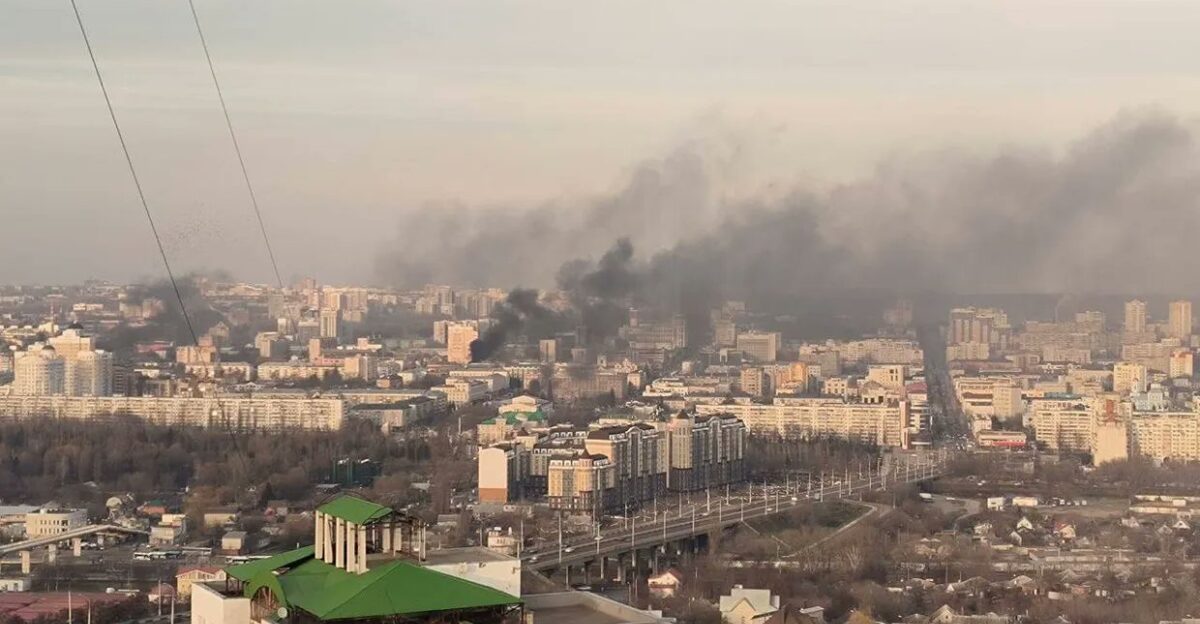
Belgorod region faced its largest power outage of the war after Ukrainian drone strikes on January 10-11, 2026, leaving over 600,000 residents without electricity, water, or heating.
The strikes hit key infrastructure, including a thermal power plant, and created a crisis in this critical border region.
Fires in Rostov’s Industrial Sector After Drone Attacks
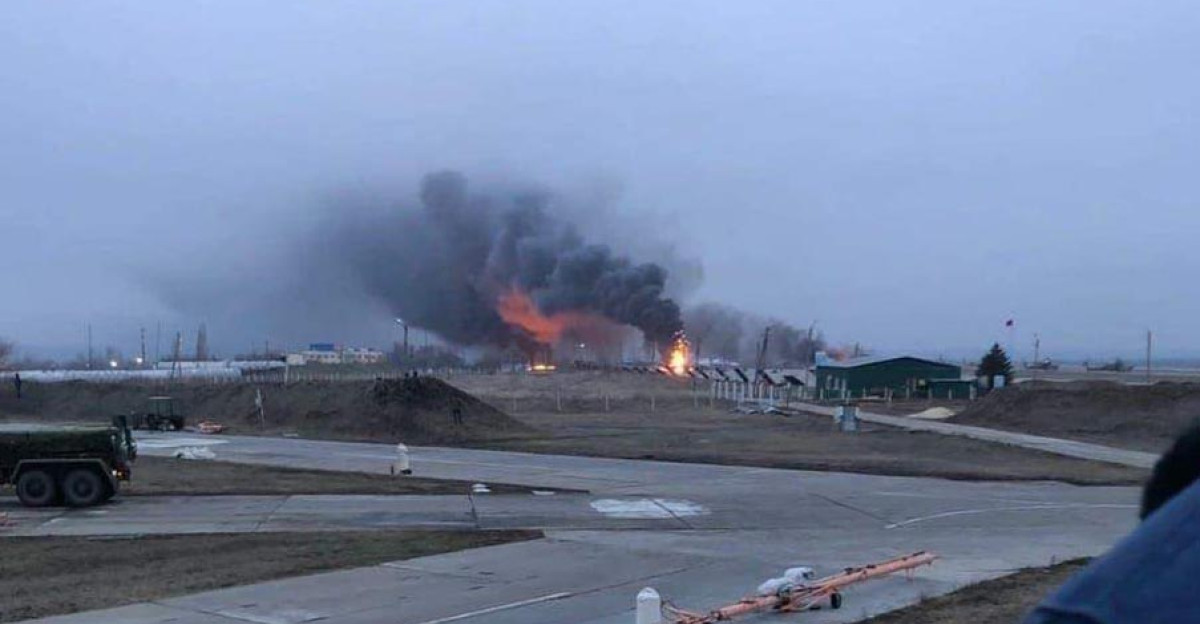
The January 13-14 drone strikes in Rostov ignited fires at several industrial sites, underscoring the growing threat to Russia’s economic infrastructure.
The industrial hub of Rostov, already under pressure from previous Ukrainian attacks, faced significant damages as critical sites were set ablaze.
Ukraine Downs 100+ Russian Drones in Counterattack
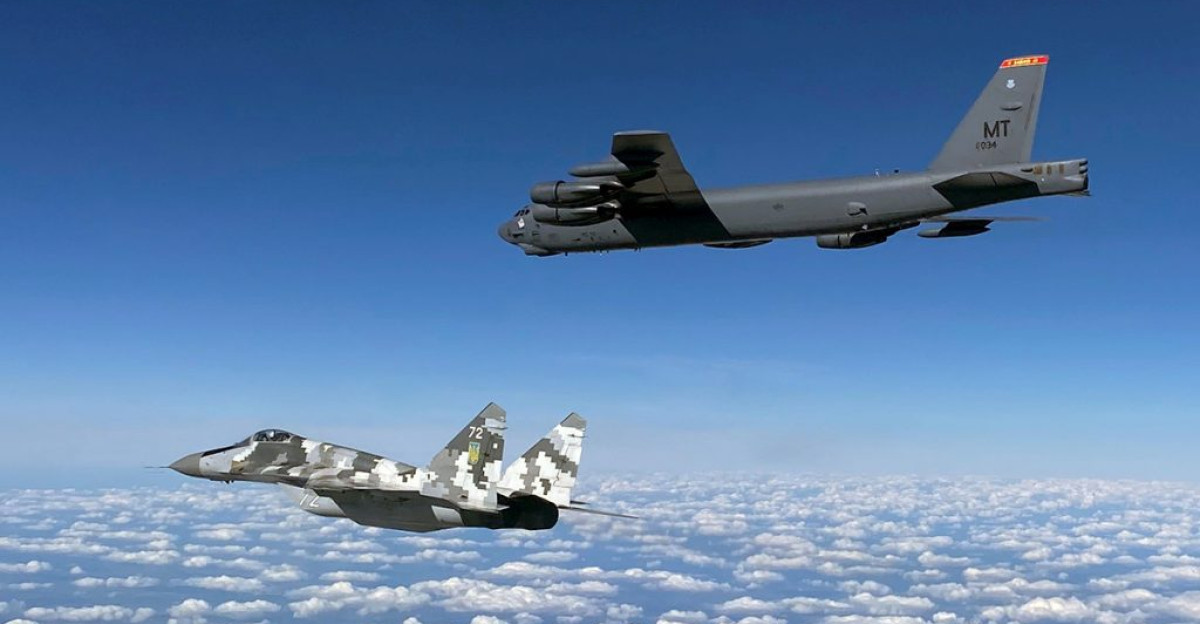
While Russia was grappling with Ukrainian drones, Ukraine’s air force intercepted over 100 Russian drones launched at its territory.
The ongoing drone war between the two countries has become a brutal nightly reality, with both sides launching and countering drone attacks on a massive scale.
The Human Toll: Children and Families in Danger
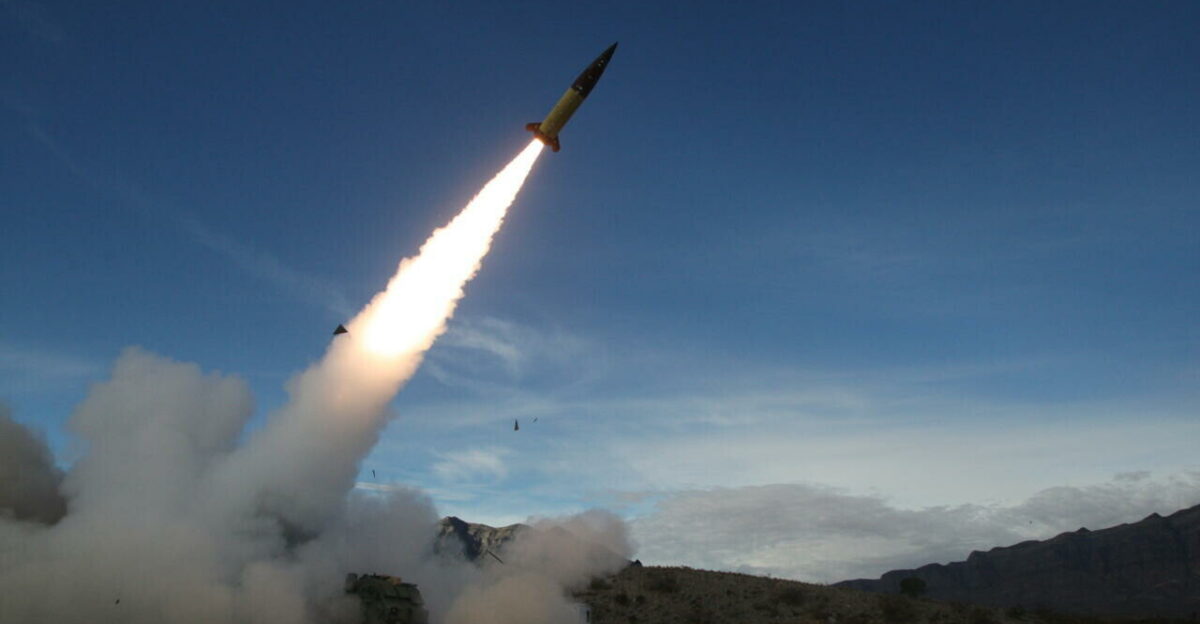
In Rostov, the missile strike not only caused property damage but also wounded a 4-year-old child.
Families living in drone-targeted areas face constant danger, as both Ukrainian strikes and Russian air defense efforts pose direct threats to civilian safety.
Regional Governors Struggling with Crisis Management
Governors in the Rostov and Belgorod regions, Yury Slyusar and Vyacheslav Gladkov, are facing intense pressure to manage the fallout from ongoing attacks.
With over 48 drones downed across southern Russia, the region’s infrastructure is in tatters, and officials are scrambling to coordinate emergency responses.
Economic Consequences: Belgorod’s Blackout
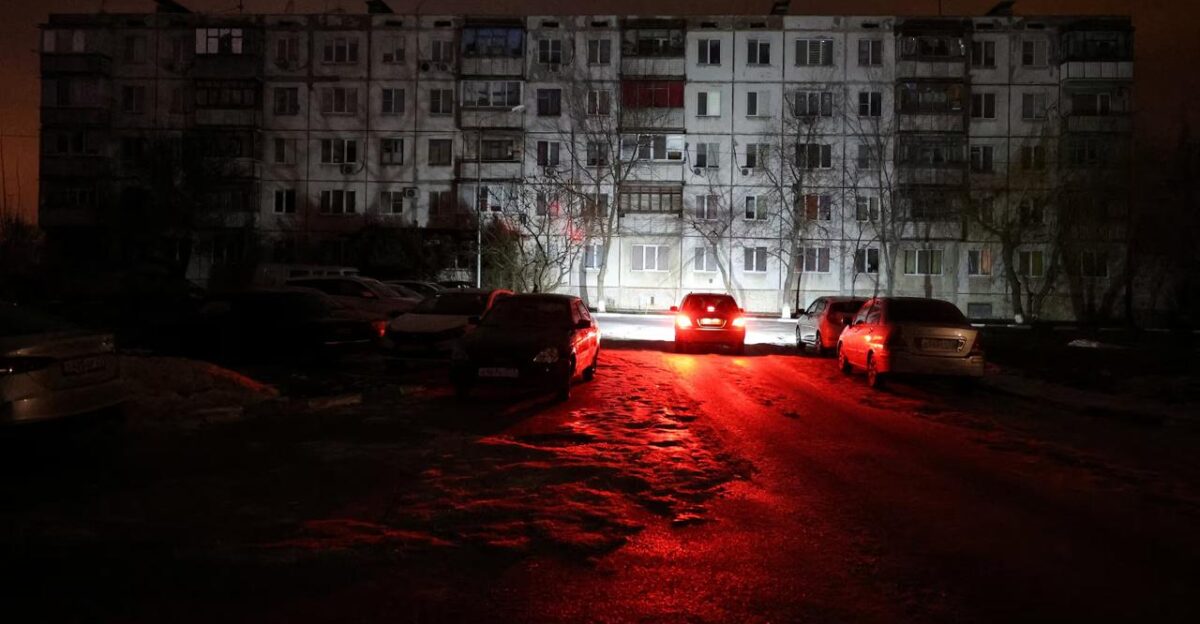
The prolonged blackout in Belgorod is creating an economic nightmare for over 600,000 residents.
The energy crisis has disrupted businesses, led to increased emergency energy costs, and left families struggling to survive in the harsh winter conditions. Recovery efforts are slow, and uncertainty looms.
Winter Crisis: Belgorod Residents Without Heat in January
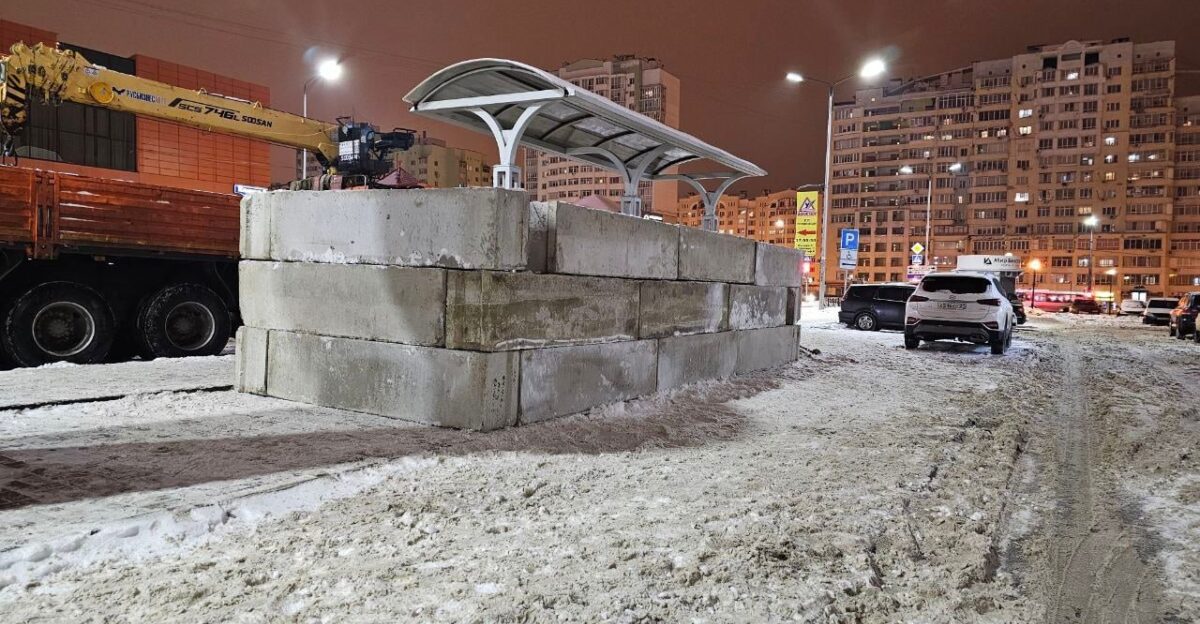
As winter grips Belgorod, residents are left without heat and water due to the power outage.
The ongoing crisis is putting immense pressure on families to stockpile supplies and find alternative sources of warmth as recovery efforts drag on through the coldest months of the year.
Air Defense Failures Raise Serious Safety Concerns
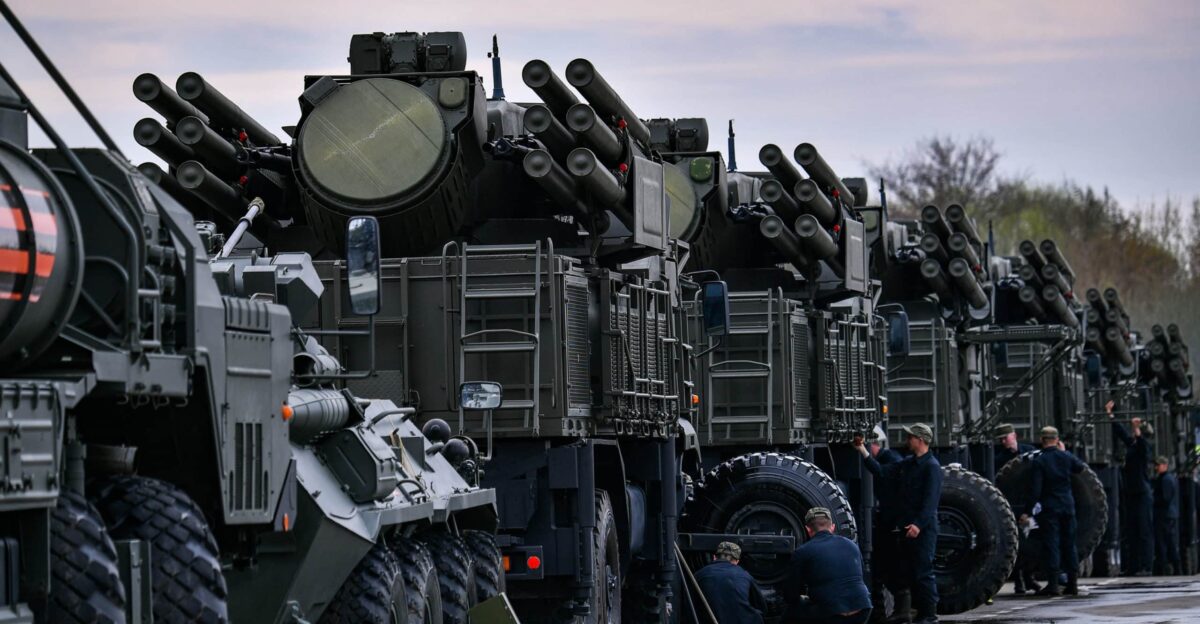
The incident in Rostov, where Russia’s air defense missiles reportedly hit a civilian apartment, raises urgent safety concerns.
While Russia blamed drone debris for the destruction, Ukraine’s claim that Russia’s own missile was responsible suggests a failure in air defense systems. Civilian safety remains at risk.
Ukraine’s Strategic Targeting of Russian Energy Infrastructure
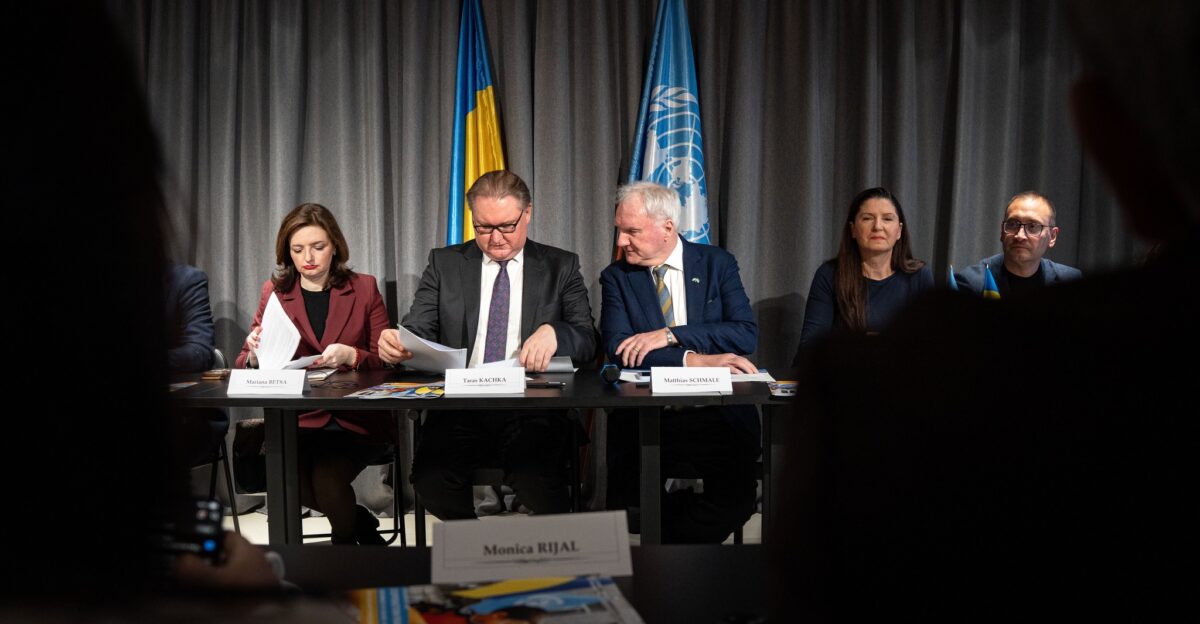
Ukraine has strategically targeted Russian energy infrastructure since 2025 to weaken Russia’s war machine.
The strikes on power facilities, including refineries, have been part of a broader campaign to disrupt Russia’s ability to sustain military operations, with significant long-term economic and environmental impacts.
Disrupted Energy Markets: The Cost of Drone Strikes
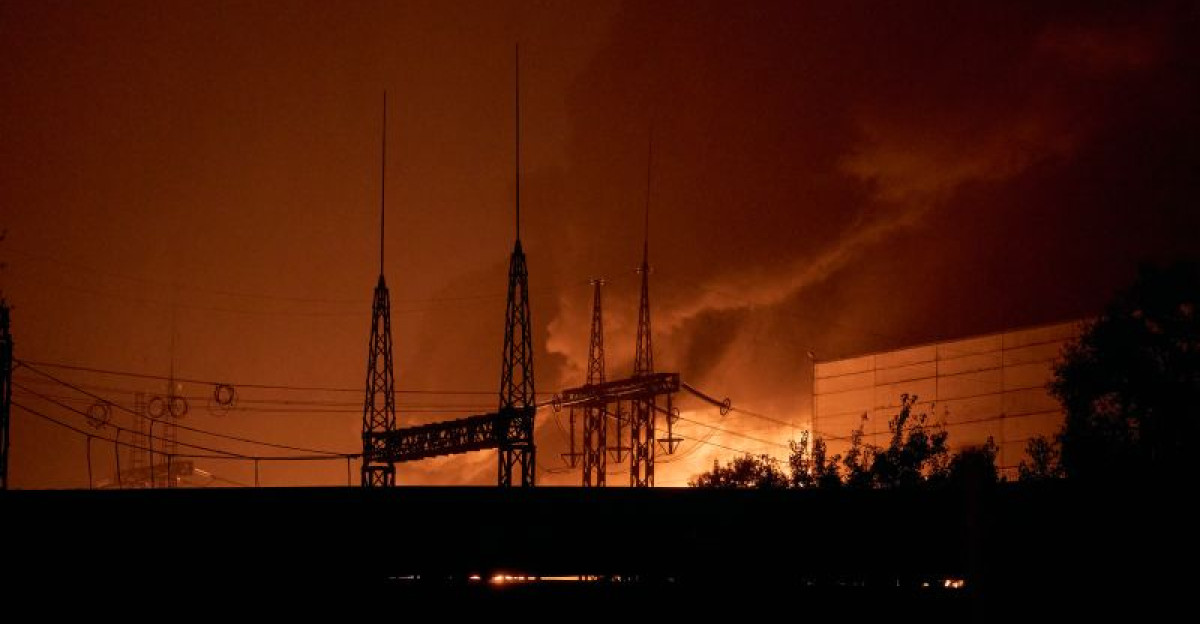
Ukraine’s drone campaign has caused significant disruptions in Russian energy markets. With strikes on key refineries, Russian production capacity has been reduced, leading to supply fluctuations and higher costs for international buyers.
These attacks are crippling Russia’s ability to maintain energy exports and military supply chains.
Southern Russia’s Strained Infrastructure and Continued Disruptions
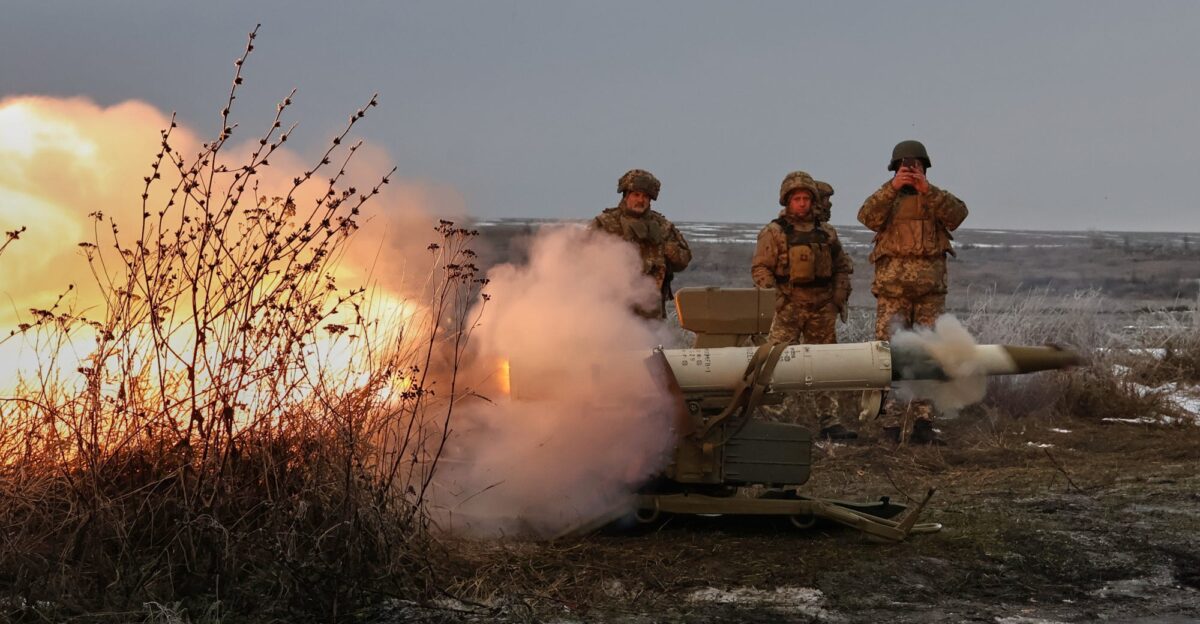
The ongoing drone strikes on Russia’s southern regions, including Belgorod and Rostov, reveal the vulnerability of Russian infrastructure.
The attacks have caused major power outages, industrial fires, and significant economic disruptions. The persistent pressure from Ukraine highlights weaknesses in Russia’s ability to secure its border regions.
Looking Forward: The Escalating Drone War and Its Impact on Civilians
As both Russia and Ukraine continue their drone offensives, the conflict’s toll on civilians in border regions is becoming increasingly severe.
With nightly drone strikes and air defense failures, the war is leaving deep scars on both sides, and the battle for control over energy and infrastructure is far from over.
Sources:
“Governor of Russia’s Belgorod region says 600,000 without power, heat or water after Ukrainian strikes.” Reuters, 10 Jan 2026.
“Russia’s own air defense missile reportedly hits apartment building in Rostov-on-Don.” Kyiv Independent, 14 Jan 2026.
“Ukrainian Drone Strikes on Southern Russia Kill 3.” The Moscow Times, 13 Jan 2026.
“Ukraine’s gloves are off in its energy war with Russia.” CNN, 11 Dec 2025.