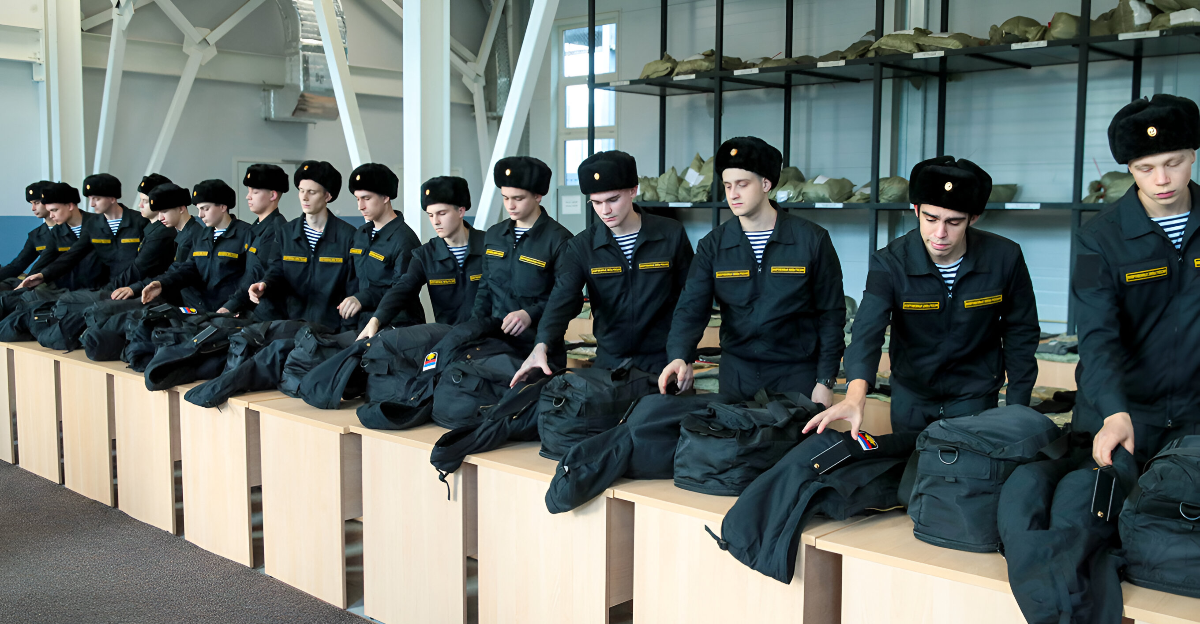
On September 29, 2025, President Vladimir Putin issued an order for the conscription of 135,000 men, marking the largest autumn draft since 2016.
Earlier in the spring of 2025, a total of 160,000 men had been conscripted, indicating sustained high recruitment levels throughout the year.
Why This Draft Matters
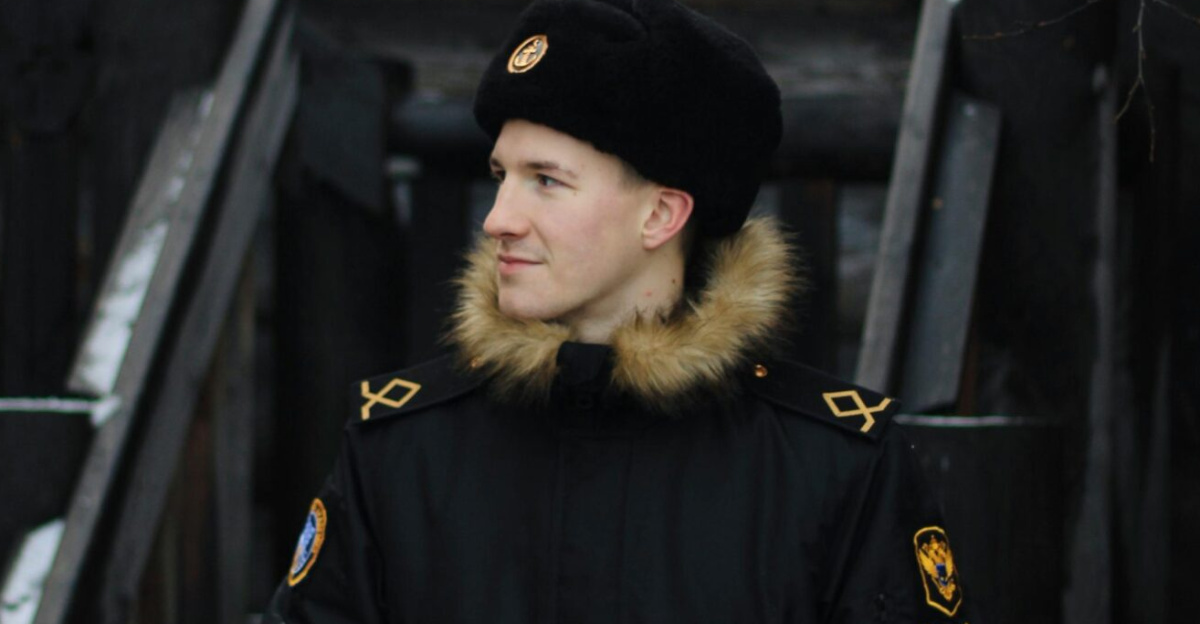
The recent surge in conscription in Russia aims to replenish its military forces amid the ongoing conflict in Ukraine. Legislative changes have broadened the conscription age from 18-27 to 18-30 years old.
Additionally, the penalties for avoiding the draft have been significantly increased, with potential imprisonment for up to 10 years.
Moscow Goes Paperless
Moscow, along with three other regions, is implementing a new system that utilizes exclusively digital summons for conscription, moving away from traditional paper notifications.
Conscripts will now receive their notifications through government portals and are required to report digitally. This modernization aims to streamline the conscription process and minimize opportunities for evasion.
135,000 Households Affected
Families throughout Russia are experiencing immediate challenges as young men begin to receive call-up notices.
There are noticeable regional disparities, with urban families in cities like Moscow and St. Petersburg generally having greater resources to manage the situation compared to those in rural areas.
Labor Market Reality

Russia’s unemployment rate is at a historic low of 2.4%, leading to significant labor shortages across sectors.
The conscription of 135,000 working-age men is increasing pressure on industries like manufacturing, construction, and agriculture, which are already struggling to fill vacancies.
Corporate Compliance
Employers are now required to report the conscription status of their employees via online portals within 48 hours of receiving notification. Failure to comply with this regulation can result in fines reaching up to 500,000 rubles.
This new mandate necessitates a swift adaptation of human resources systems and processes to ensure compliance.
Regional Variations
Conscription rates display notable regional differences. In urban areas such as Moscow, deferment rates tend to be higher, largely because many individuals are enrolled in universities or are engaged in reserved occupations.
In contrast, rural regions, including Siberia and the Far East, tend to contribute a significantly larger proportion of conscripts.
Legislative Pipeline
The State Duma has approved the first reading of a new law that aims to implement year-round conscription beginning in January 2026. This change is set to replace the existing biannual recruitment cycles that occur in spring and autumn.
Under the proposed legislation, approximately 300,000 men would be recruited continuously each year.
Economic Sectors
The defense manufacturing sector is facing a paradoxical labor shortage, as skilled workers are being removed due to conscription.
This shortage is particularly evident in non-defense manufacturing, construction, and logistics, where some regions have seen workforce reductions of 15% to 20% in certain age groups.
Demographics

Russia has experienced a decrease of 1.3 million in its working-age population since 2022. The country’s birth rate currently stands at 1.5 children per woman, which is significantly below the replacement level.
This demographic trend highlights that each conscription cycle has gained greater economic importance compared to previous decades.
Resistance Patterns
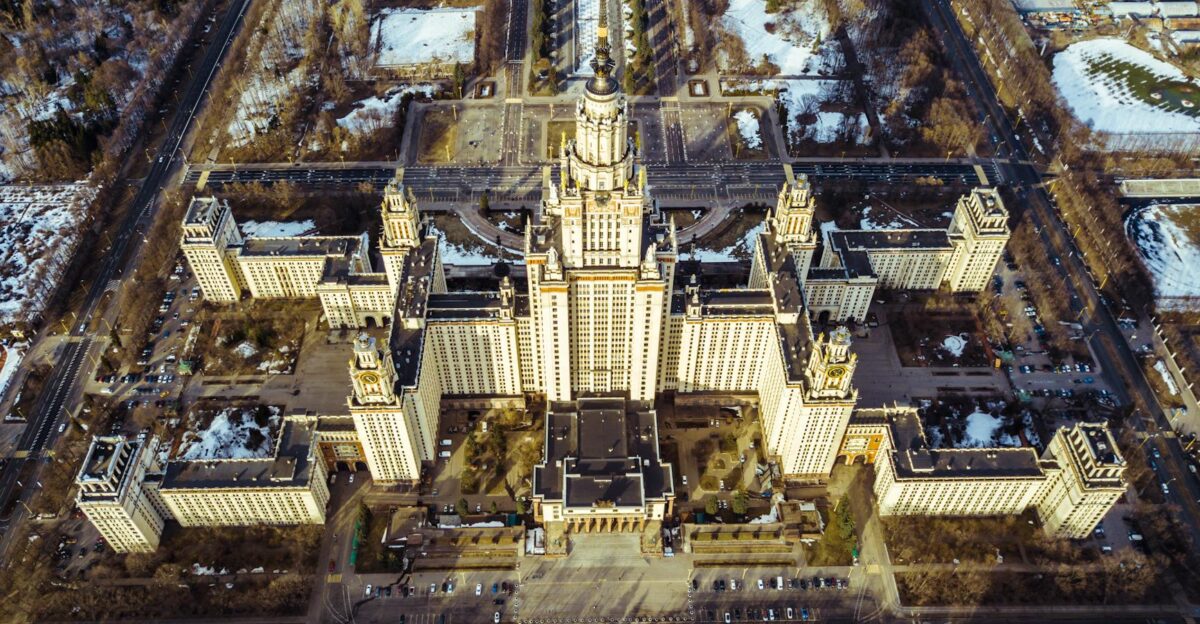
Traditional avoidance methods include medical deferrals, university enrollment, and professions with designated roles.
New digital systems make document fraud more challenging, but families are increasingly pursuing legal migration or formal employment in reserved industries.
Military Infrastructure
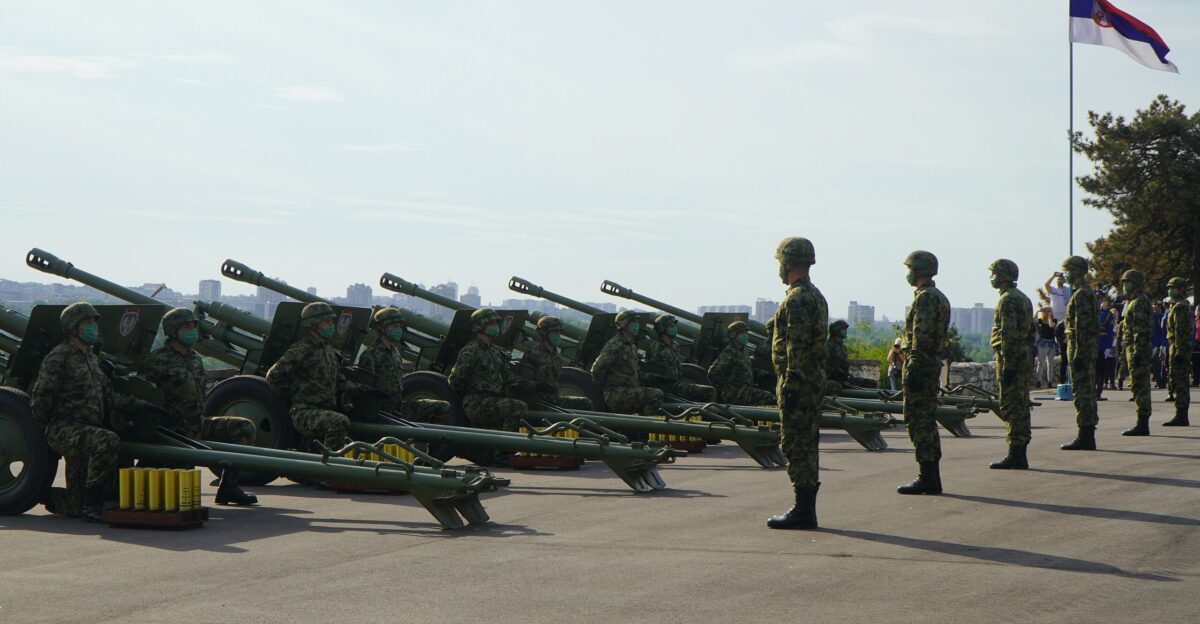
Russia’s military training facilities, designed for smaller peacetime conscription numbers, face overcrowding.
Some conscripts report shortened training periods, while others experience delays in deployment due to capacity constraints.
Budget Impact
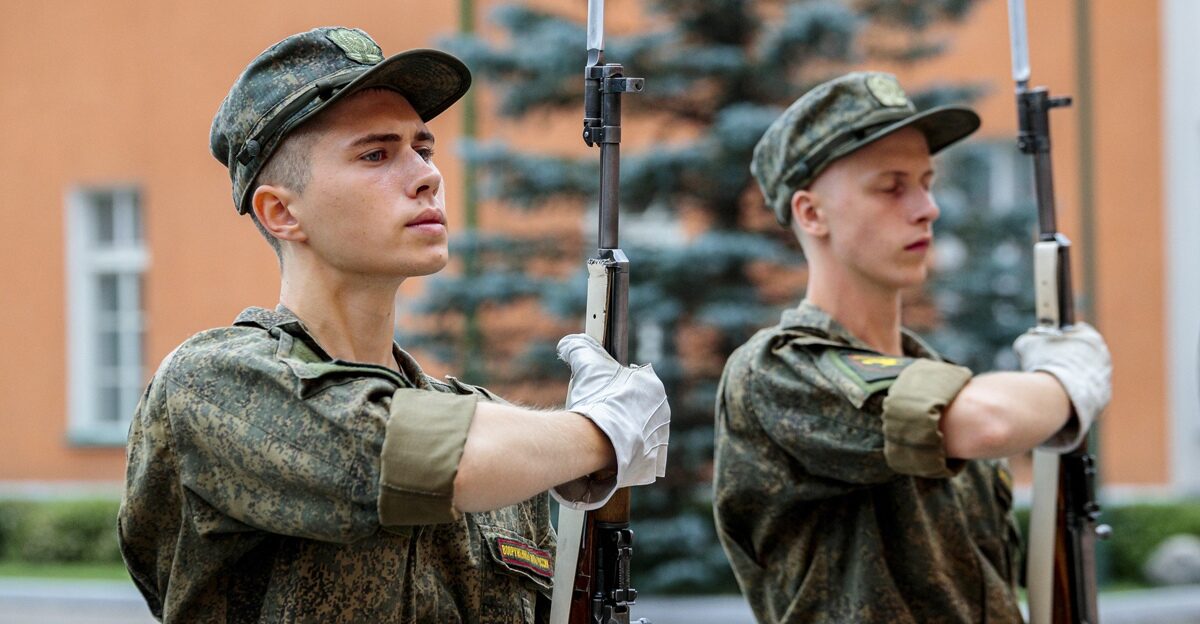
Military personnel costs have increased 40% since 2022, with conscript pay, equipment, and training expenses straining federal budgets.
The 2026 budget allocates 6.3% of GDP to defense, up from 4.3% in 2021.
International Comparisons
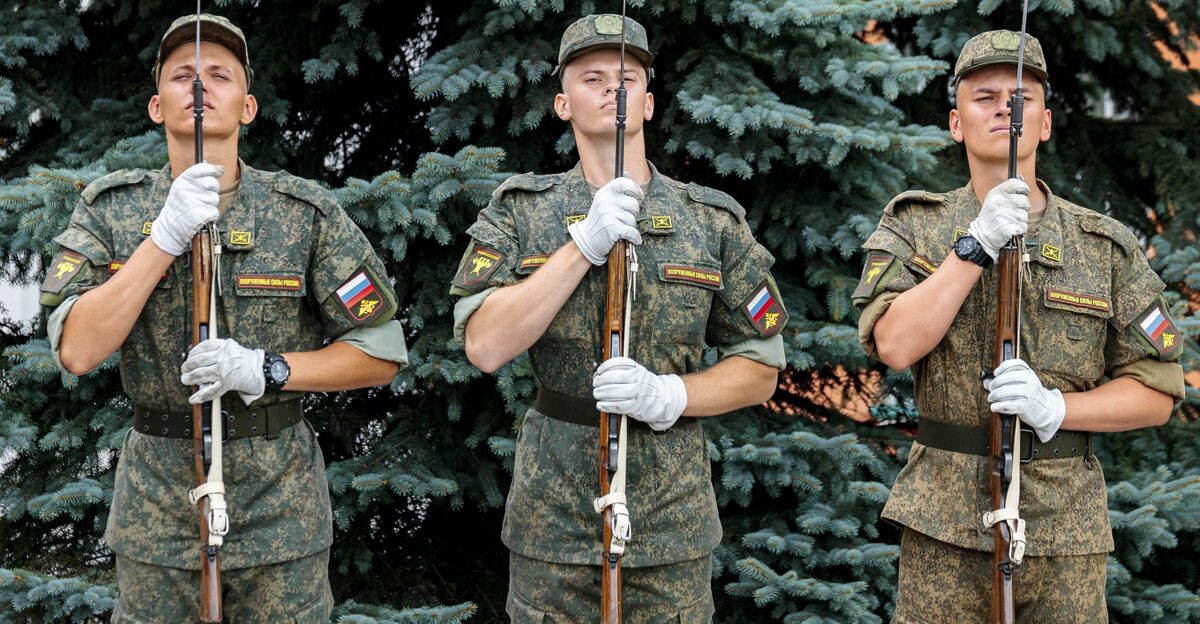
Russia’s 300,000 annual conscripts (combining spring and autumn drafts) exceed most NATO countries’ total active military personnel.
Only China and North Korea maintain larger conscription systems in relation to their population.
Transport and Logistics

The military mobilizes additional rail transport, with the state railway company RZD allocating over 200 specialized trains for conscript movement.
Regional military commissariats coordinate with transport hubs to manage the influx.
Education Sector
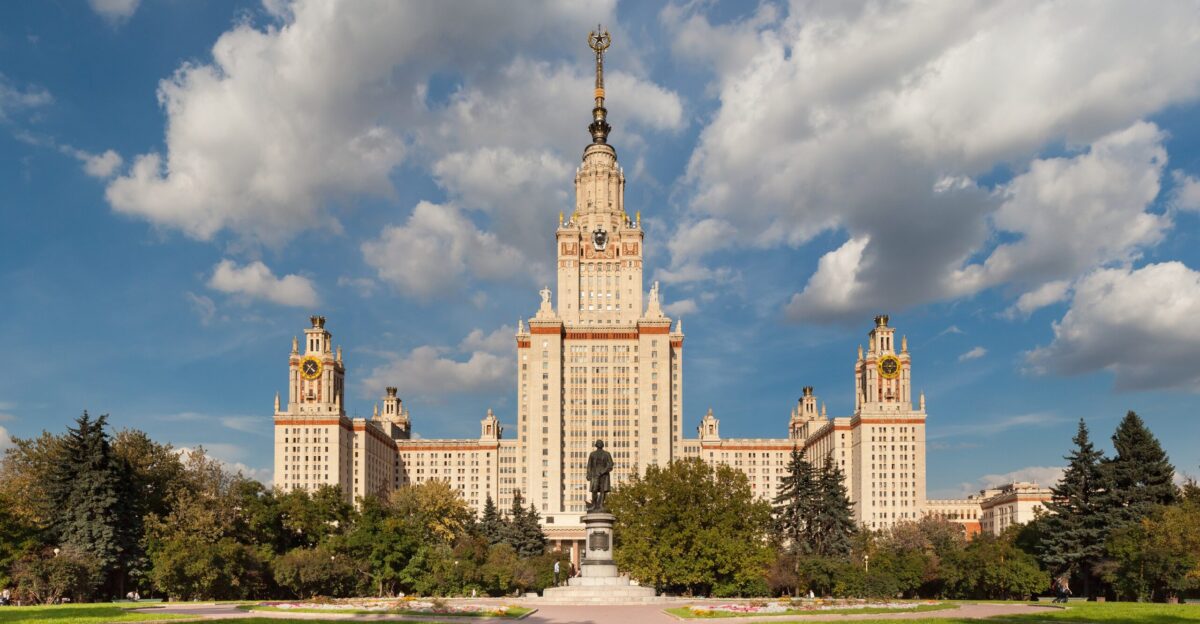
Applications to universities and technical colleges spike before conscription periods, as students seek educational deferrals.
Some institutions report 30% higher applications in programs offering military-relevant skills.
Healthcare System

Military medical commissions process thousands of medical evaluations daily during conscription periods.
The system faces backlogs, with some regions reporting delays of 2-3 weeks in medical screening appointments.
Technology Integration

New conscription systems integrate with national biometric databases, linking military service records to passport, employment, and travel documents.
This creates comprehensive tracking but raises privacy concerns among civil rights groups.
Rural vs Urban
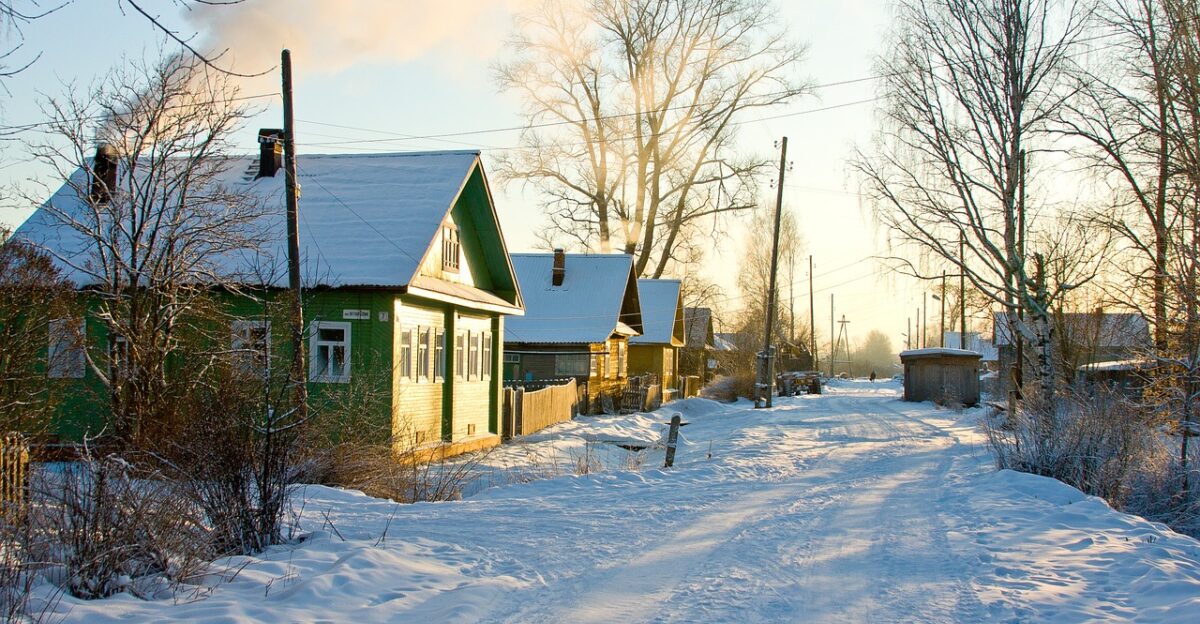
Rural communities lose a higher percentage of their workforce to conscription, as urban areas offer more deferment opportunities.
Agricultural regions are reporting harvest delays and reduced planting capacity for the 2026 crops.
Long-term Implications
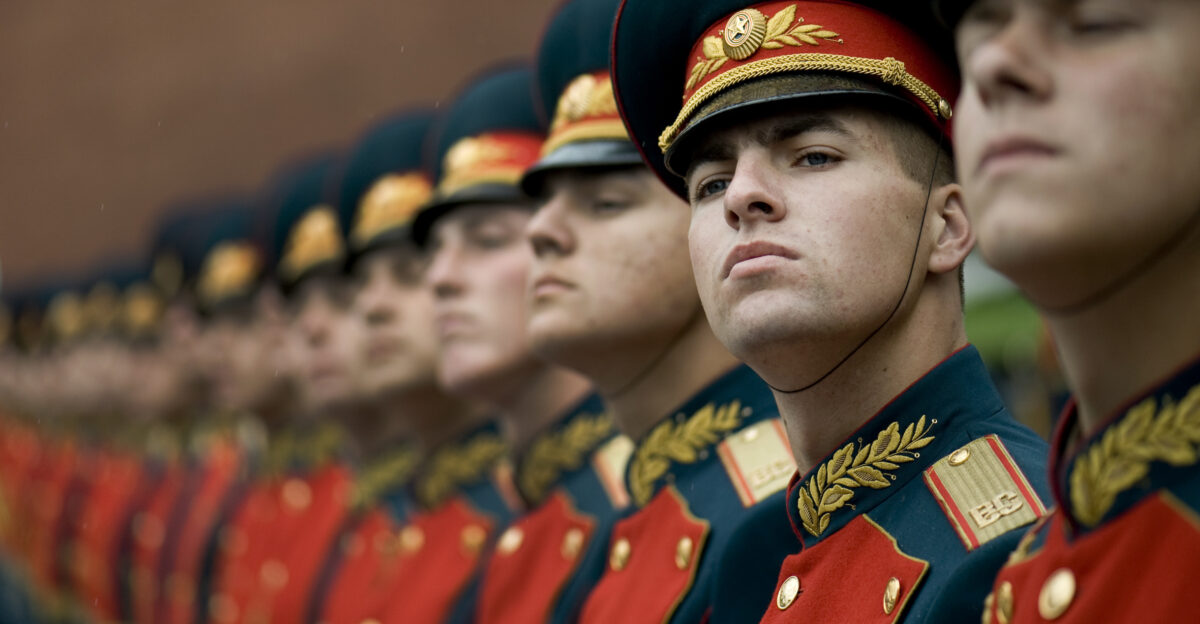
The shift to year-round conscription in 2026 represents Russia’s adaptation to prolonged military needs.
Combined with demographic decline and economic pressures, this conscription surge marks a permanent militarization of Russian society and labor markets.