
The first public acknowledgment that Sweden’s royal family had any connection to Jeffrey Epstein arrived on December 9, 2025, when the Royal Court confirmed that Princess Sofia met the financier “on a few occasions” around 2005. The brief statement, issued after old emails resurfaced, turned a largely forgotten detail from her pre-royal life into an immediate test of transparency for one of Europe’s most low-key monarchies.
Why the Palace Broke Its Silence

The court’s announcement followed the publication of email correspondence from 2005–2006 that referenced Sofia Hellqvist, then a young model and reality television personality newly trying her luck in New York. As questions multiplied in Swedish and international media, palace officials moved to set out a clear, limited version of events instead of letting conjecture grow.
According to the court, Sofia’s meetings with Epstein were social, took place roughly two decades ago, and occurred years before his first criminal conviction. Officials underlined that description repeatedly, signaling a strategy built on narrow factual disclosure: acknowledge that contact occurred, specify its scope and timing, and deny any deeper connection such as financial support, mentorship, or professional patronage.
A Brief New York Connection, Recast Years Later
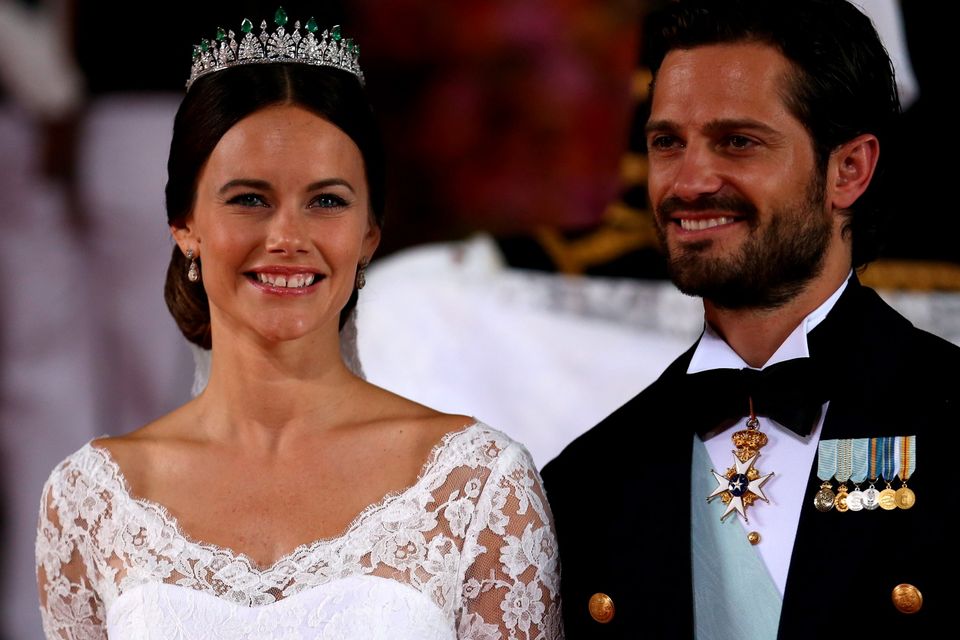
In 2005, before she married Prince Carl Philip, Sofia Hellqvist was trying to shift from modeling and reality television into acting work. While in New York, she was introduced to Epstein by a well-connected mentor who presented her as an aspiring actress. At the time, such introductions were a routine part of networking in entertainment and media, and her contact with him was limited to a handful of social settings, such as restaurants or public events.
The significance of those encounters has changed only in retrospect. Epstein’s later convictions and the wider exposure of his network have led investigators, journalists, and the public to re-examine casual meetings and short-lived acquaintances. In Sofia’s case, emails show Epstein inviting her to spend time with him in the Caribbean and offering to arrange travel. The Royal Court says she declined, did not travel with him, and did not accept favors or assistance. Officials also state that she has had no contact with him for about 20 years.
Nobel Absence and Perceptions of Damage Control
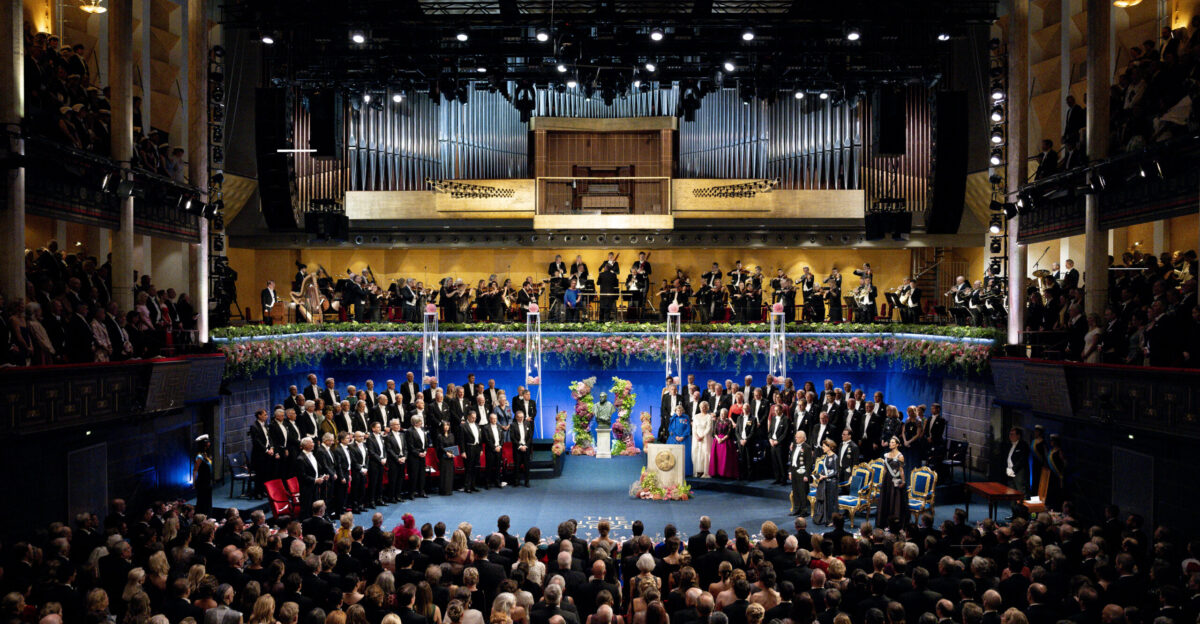
One day after the court’s statement, Sweden’s Nobel Prize ceremony went ahead in Stockholm with the king, queen, crown princess, and other senior royals in attendance. Princess Sofia, who typically appears at the event, stayed away, reportedly remaining at home with her children. The palace did not formally link her absence to the Epstein disclosure.
The timing nonetheless fueled speculation that the Royal Court was actively managing her visibility while the story was most prominent. Her no-show gave critics and commentators a visible symbol for a broader discussion: how much scrutiny a taxpayer-funded royal institution should invite or withstand when historical associations, however limited, emerge with discredited figures.
In responding, the court has stressed precision rather than emotion. Officials rejected claims that Epstein helped Sofia with acting schools or visas, described the meetings as brief and public, and emphasized that no dependency or ongoing relationship followed. Royal observers note that this approach fits a Scandinavian pattern in moments of controversy: limited but direct statements, minimal speculation, and an effort to close down rumors by answering factual questions early.
Epstein’s Network and the Swedish Debate
Sofia’s case places Sweden alongside other monarchies drawn into posthumous re-evaluations of Epstein’s reach. His connections to prominent names in finance, politics, and royalty in several countries have continued to surface through documents, testimony, and archival material. Even though Sofia’s contact came before his 2008 conviction and did not involve allegations of wrongdoing, its disclosure shows how far his social circle extended and how long reputational consequences can last.
The emails that triggered the palace’s response form part of a wider pattern in which old digital records reshape understanding of Epstein’s interactions. Each new set of documents adds detail about locations, intermediaries, and the nature of his relationships with public figures. For those in high-profile roles, it underscores a broader reality of the digital age: casual messages and short-lived associations may be revisited years later under very different ethical and legal assumptions.
Within Sweden, much of the commentary has focused less on punishment and more on communication. Analysts and constitutional experts point out that the monarchy’s legitimacy rests heavily on public confidence and perceived openness. In this context, the palace’s decision to confirm dates, decline rumors of material support, and highlight the absence of contact for two decades appears designed to maintain trust rather than to invite sympathy.
Reputation, Public Life, and What Comes Next
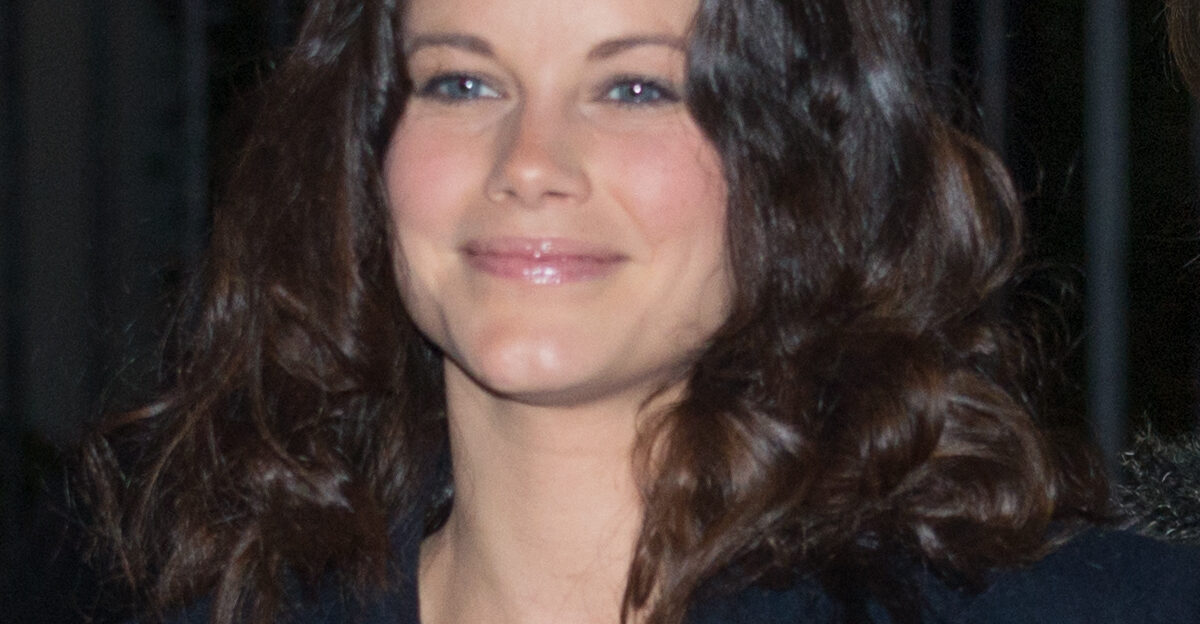
Beyond institutional concerns, the episode touches on themes that have followed Princess Sofia since she joined the royal family: questions about class, background, and whether a modern monarchy can accommodate unconventional paths into royal roles. Her earlier reflections on the strain of public judgment and digital harassment give this latest scrutiny a human dimension, as old incidents from her pre-royal career are weighed against years of official duties and charitable work.
The reaction to the Epstein disclosure also illustrates a broader shift in expectations for elites. Royal households, corporations, and political institutions increasingly conduct internal reviews of historic relationships, anticipating that more email caches or travel records could emerge in unrelated investigations. Crisis specialists highlight the importance of prompt, factual responses that clearly distinguish between brief, pre-conviction contact and deeper, ongoing ties.
With investigative work into Epstein’s correspondence still continuing, more names from different sectors may yet appear. Each revelation will test how institutions separate association from complicity, and how they balance transparency with proportionality when assessing events that occurred before criminal behavior was publicly documented. For Sweden’s royal family, this episode has already provided a case study in managing a small set of meetings with outsized symbolic weight, in an era when archival records and public expectations leave little room for ambiguity about the past.
Sources
Fox News Digital: Coverage referenced in searches but exact Dec 11 URL not surfaced; aligns with palace denial reports.
Dagens Nyheter: Primary email publisher, aggregated via MSN; direct access via Swedish sites or archives like Lawyer Monthly summary.
iHeart and La Voce di New York: Podcast/article mentions in Dec 11-12 timelines, no direct URLs in results but consistent with global scandal framing.