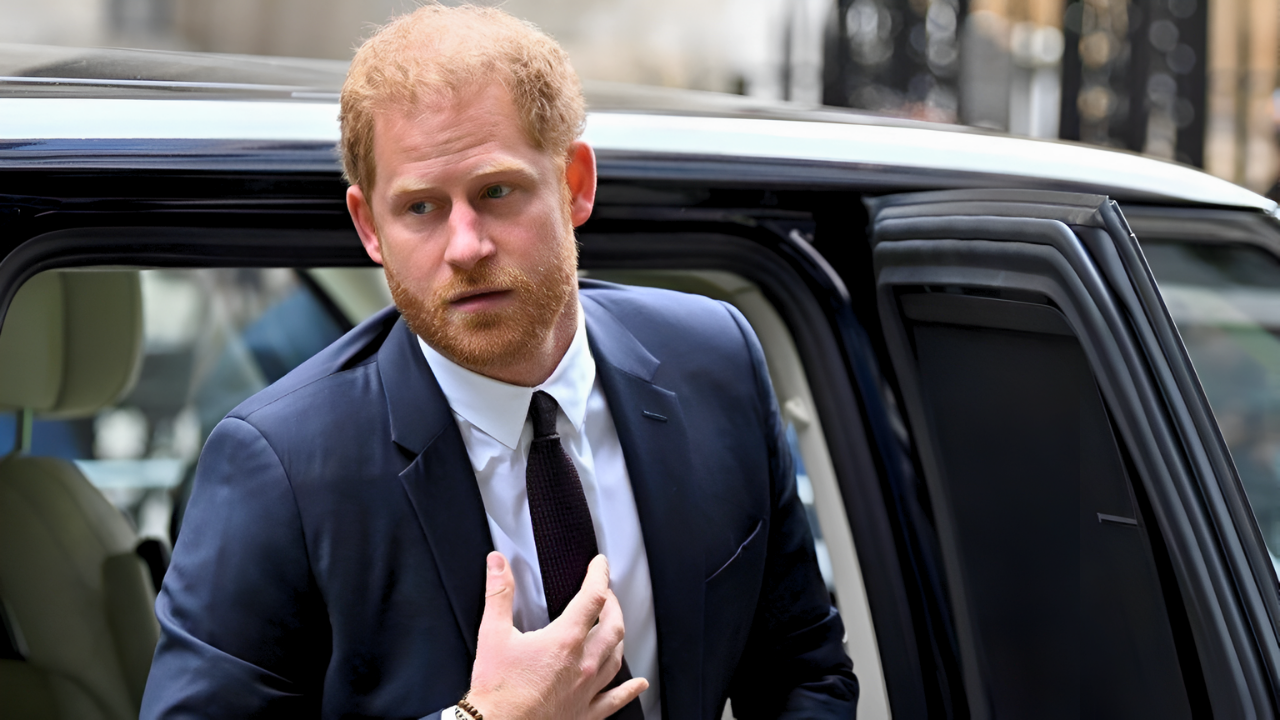
For nearly six years, Prince Harry’s battle with the British state over his safety has unfolded alongside a quieter struggle inside his family. After he stepped back from official duties and moved abroad in 2020, the prince lost the automatic armed police protection that had shadowed him since childhood. That decision was taken without a fresh assessment of the dangers he faces, despite years of documented threats from terrorist groups and fixated individuals. Now, after court defeats, political pressure and a series of security scares, the Home Office has agreed to reopen his case, turning a procedural dispute into a test of how Britain protects its most high-profile figures — and how one grandfather might see his grandchildren again.
Security Stripped, Risk Unresolved
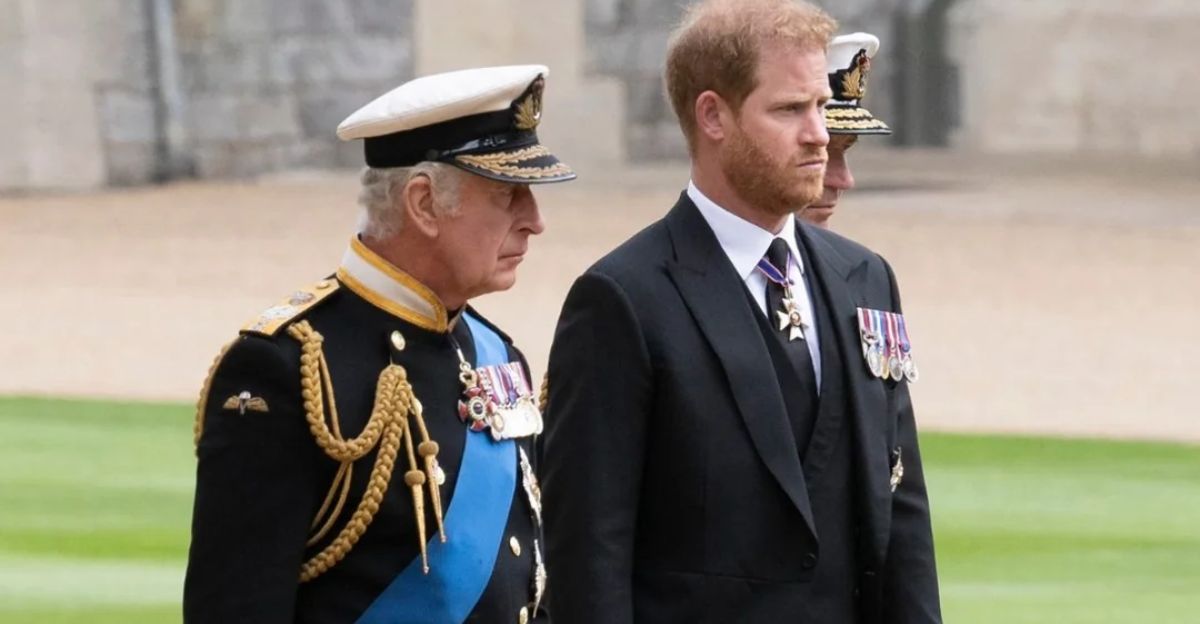
In February 2020, shortly after Harry and his wife Meghan announced they would step back from royal duties, the Royal and VIP Executive Committee, known as Ravec, removed his 24‑hour armed police protection. The change was made without convening the Risk Management Board required under Ravec’s own terms of reference, and without a formal new threat assessment.
Until then, Harry had been rated at the highest danger level. Former Metropolitan Police counterterrorism chief Neil Basu has said that, on a seven-point scale used for senior figures, Harry’s risk was classed as 7 out of 7 in 2019, second only to Queen Elizabeth II. In an October 2025 interview, Basu stated: “The man is at risk. Harry was certainly one that did meet the criteria for full armed protection.”
Officials nonetheless argued that his risk level had fallen after he left working royal life and relocated to North America. No comprehensive review of that claim followed. For more than six years, from April 2019 until late 2025, there was no full, formal reassessment of the danger he faced, even as his public profile and activities continued to attract global attention.
Military Past and Terrorist Threats
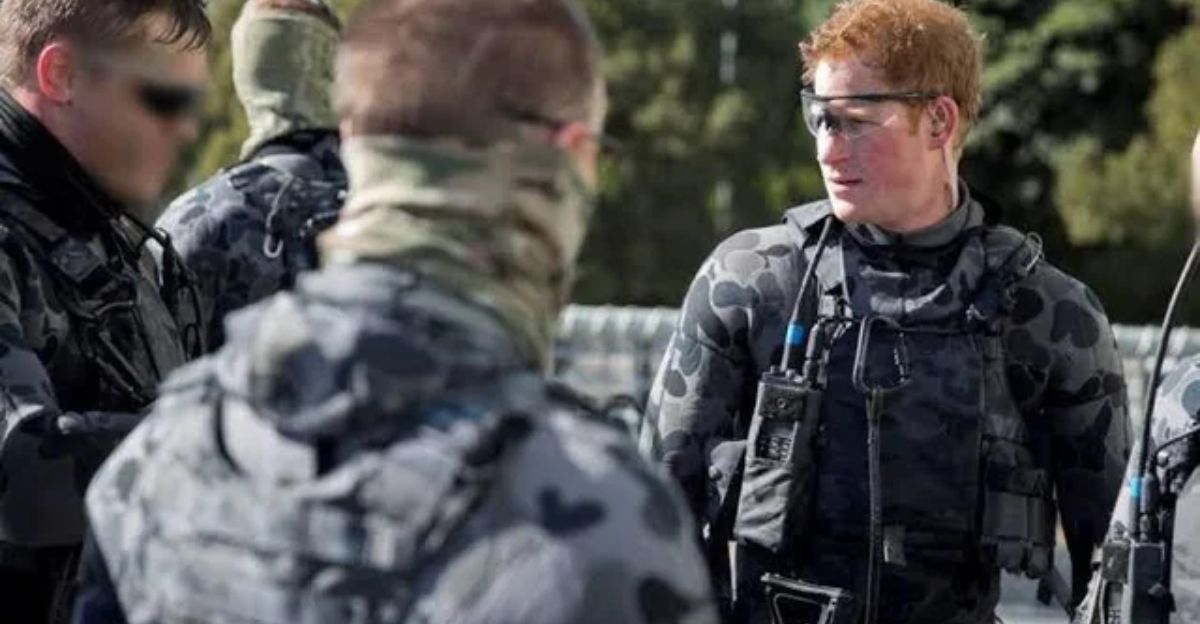
Harry’s military record has long shaped his security profile. He served two tours in Afghanistan with the British Army, including front-line deployments. In his 2023 memoir, Spare, he disclosed that he had killed 25 Taliban fighters during those operations.
Those revelations intensified long‑standing threats. Al‑Qaeda issued public calls for his assassination, saying that such an attack would “please the Muslim community,” according to documentation later cited in court proceedings. The combination of his royal status, combat role and international campaigning left security specialists viewing him as a high‑value target.
Despite that backdrop, the threats were not subjected to a full official review for years. Interim looks at his situation did not account for his memoir’s publication, renewed extremist rhetoric or subsequent harassment incidents. Critics, including Basu, argued that the system was allowing political or institutional considerations to outweigh an evidence‑based, security‑led approach.
Legal Defeats, Political Shift
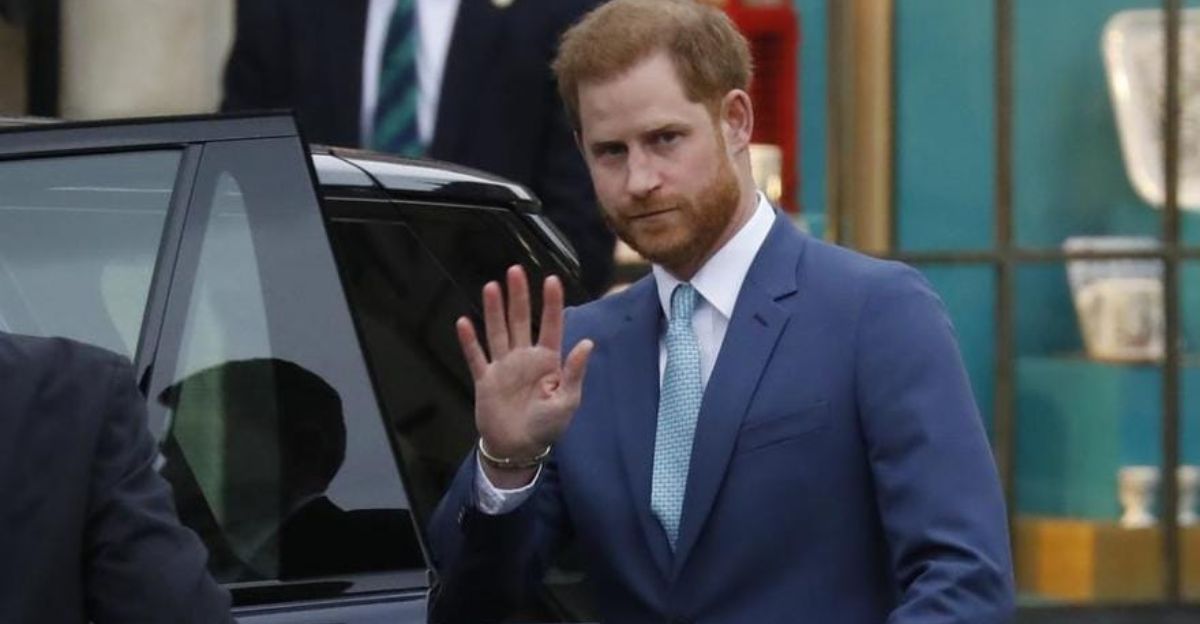
Harry challenged the 2020 downgrade through a judicial review, arguing that Ravec had acted unfairly and outside its own rules. He maintained that influential figures within the royal household had shaped the outcome, and alleged that his security had been used as leverage over his decision to pursue legal cases against sections of the British press. In a May 2025 statement after losing his appeal, he described the outcome as “a good old fashioned establishment stitch-up.”
The courts did acknowledge procedural irregularities, including the failure to convene the Risk Management Board before altering his protection. Judges nevertheless concluded that Ravec’s overall decision was “sensible,” noting his residence overseas and the availability of case‑by‑case cover when he visited Britain. They did not order a new full threat assessment, and the existing arrangements remained in place.
Under those rules, Harry must give the Metropolitan Police 30 days’ notice before any planned visit to the UK. Police then decide, individually for each trip, what protection is justified. Security analysts have argued that this ad hoc model is both operationally inefficient and more expensive than continuous protection, because officers and resources must be mobilized at short notice for sporadic visits.
Real‑World Breaches and Mounting Costs
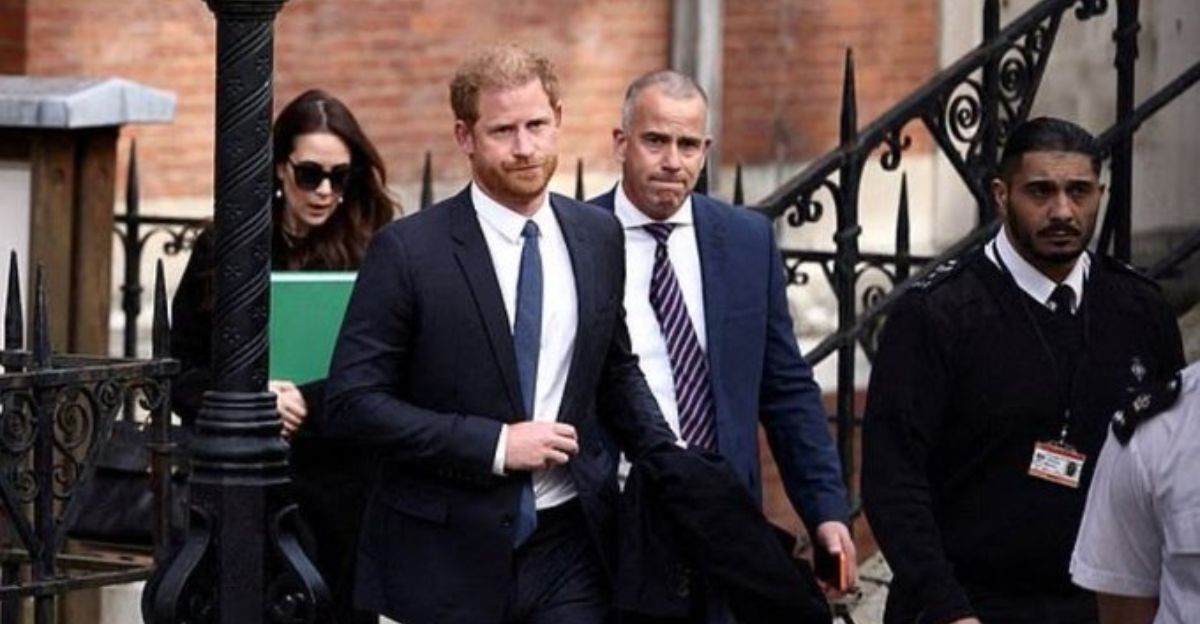
Without automatic police cover in Britain, Harry has relied on private security in the United States, with annual costs reported in the low millions of dollars for 24/7 protection around his California home. He offered to pay personally for specialist police officers when in the UK, but that proposal was rejected by the government on the grounds that it would create a two‑tier system in which wealthy individuals could effectively purchase state protection.
The risk was underlined during a visit to London in September 2025. A known “fixated individual” managed to enter both the Royal Lancaster Hotel, where Harry was present, and the Centre for Blast Injury Studies, another venue on his schedule. His private security team intercepted her, but the breaches drew attention to the limits of private provision around public events and to the challenge of coordinating with police when there is no standing protection detail.
Legal and administrative costs have also climbed. Total legal costs for the security decisions have approached £1.5 million. Analysts argue that the 30‑day notice system, with repeated planning exercises and deployments, may be more expensive than reinstating permanent cover, which is estimated to cost between £500,000 and £1 million per year for a figure of Harry’s profile.
Family Distance and the New Review
The dispute has carried personal consequences for the royal family. Sky News reported in December 2025 that King Charles III had not seen Prince Archie or Princess Lilibet since June 2022. Meghan has not returned to the UK with the children, with the couple saying they cannot expose them to what they view as inadequate security. In May 2025, Harry said he did not “see a world” in which he would bring his wife and children back under current arrangements.
Relations between father and son have been strained by the litigation. Harry has said Charles “won’t speak to me” because of the ongoing court battle. The King’s cancer diagnosis in 2024, and Harry’s brief visit that September, have added urgency to efforts to resolve the standoff before health and time impose their own limits on reconciliation.
The stalemate shifted when Shabana Mahmood became Home Secretary. In late 2025 she agreed to Harry’s request for a full threat reassessment, instructing that the Risk Management Board be convened and that evidence be gathered from police, intelligence agencies and Harry’s own security advisers. Officials say the September stalker incidents were a key factor, providing fresh, concrete examples of risk.
Neil Basu has welcomed the review, reiterating that Harry “certainly met the criteria for full armed protection” and describing the current bespoke arrangements as “risky, inefficient and costly.” The new assessment is expected to conclude in January 2026, when Ravec will decide whether to restore automatic armed protection or maintain the case‑by‑case system.
That decision will shape more than one man’s security. It will signal how the UK balances cost, fairness and precedent against the evolving threat landscape around high‑profile individuals. It will also determine whether a family divided by distance, danger and mistrust can gather again in relative safety — and whether a king can embrace his grandchildren without a security policy standing in the way.
Sources
BBC News May 02 2025 – Prince Harry security appeal interview
The Guardian December 08 2025 – Home Office security review announcement
Carruthers Law May 03 2025 – RAVEC judicial review analysis
Feminegra October 06 2025 – Neil Basu counterterrorism threat assessment
CBS News April 08 2025 – Al-Qaeda threat documentation court records
Marie Claire October 06 2025 – Stalker incident incident security breach reporting