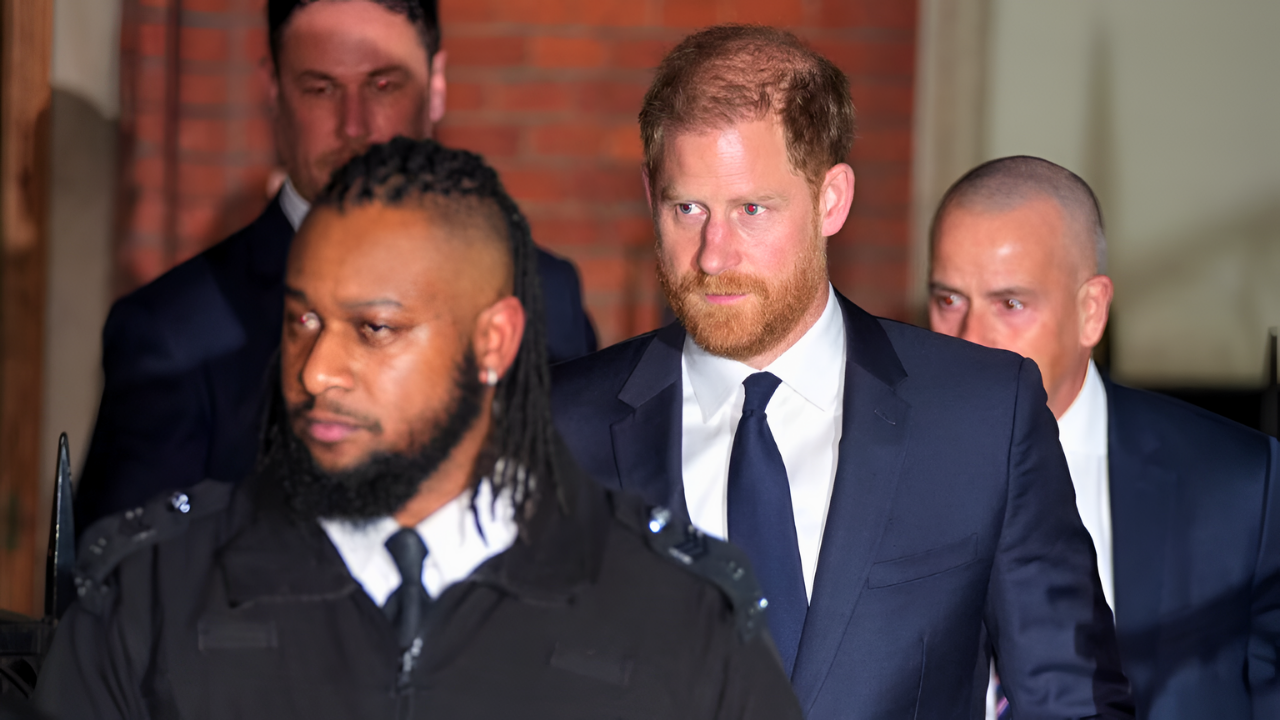
On January 21, 2026, Prince Harry stepped into London’s High Court, delivering an emotional legal attack on the Daily Mail’s publisher, Associated Newspapers Limited (ANL). He accused the company of invading his privacy for years, conduct he said felt like “full-blown stalking” of him and his wife, Meghan Markle.
This marks the latest chapter in Harry’s long-running battle with the British tabloid press.
The Long War Against the Press
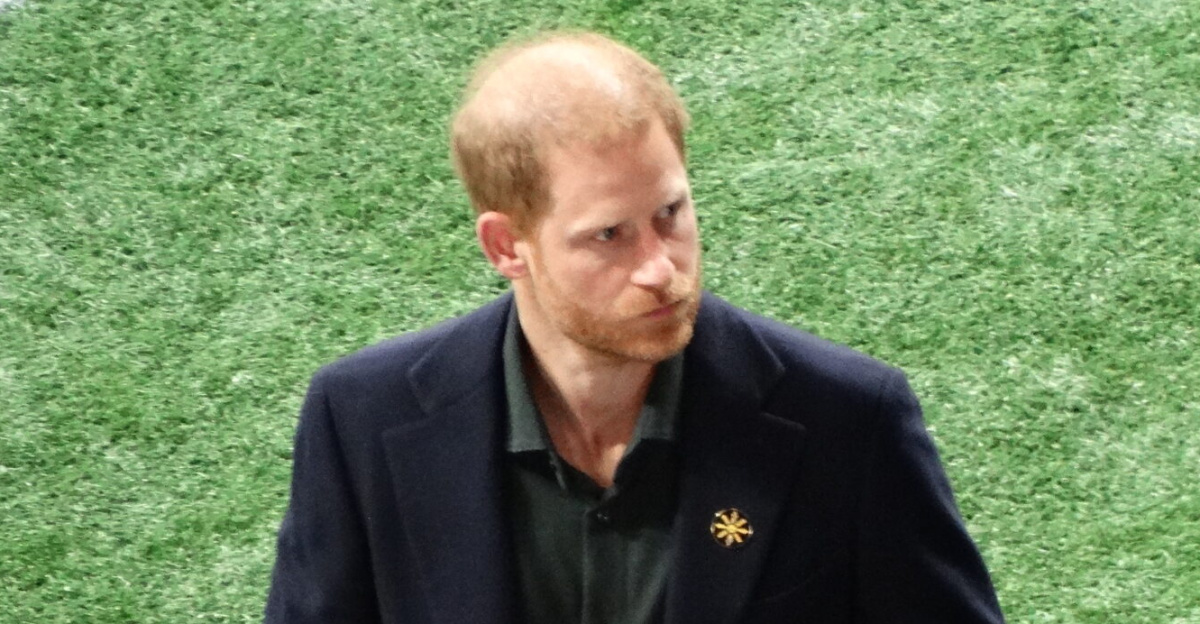
Prince Harry has clashed with British tabloids for many years and intensified his legal actions since 2019. He is now joined by Elton John, Elizabeth Hurley, Sadie Frost, Baroness Doreen Lawrence, Sir Simon Hughes, and others in a case alleging that ANL, publisher of the Daily Mail and Mail on Sunday, unlawfully gathered private information about them.
Alleged tactics include phone tapping, unlawful access to personal records, and intrusive surveillance, with Harry saying this conduct left him feeling paranoid and under constant scrutiny.
Privacy Battles with a Royal Twist
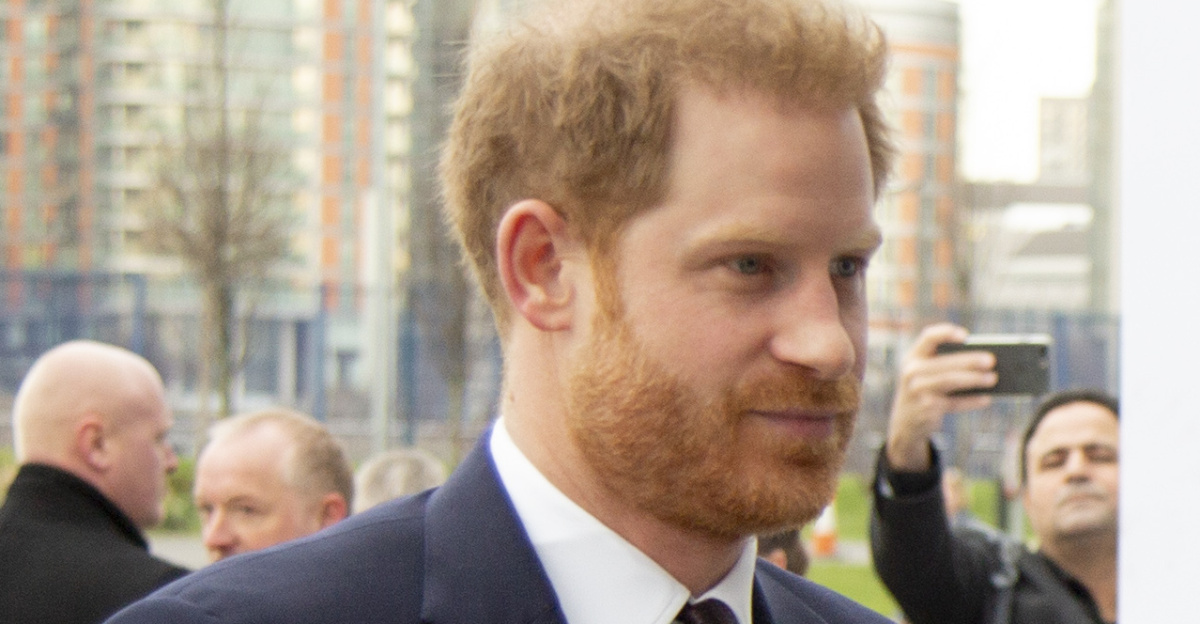
Harry’s determination to challenge tabloid behavior is rooted in his mother Princess Diana’s treatment by the press and her tragic death. For decades, his life has appeared regularly in tabloids.
His past legal successes, including being awarded £140,600 in damages and later securing further settlements from Mirror Group, as well as substantial damages and apologies from News Group Newspapers, have made him a prominent figure in media accountability cases. Now this ANL case, centered on 14 disputed articles, is shaping up to be one of his most closely watched legal battles.
Unseen Forces Behind the Headlines
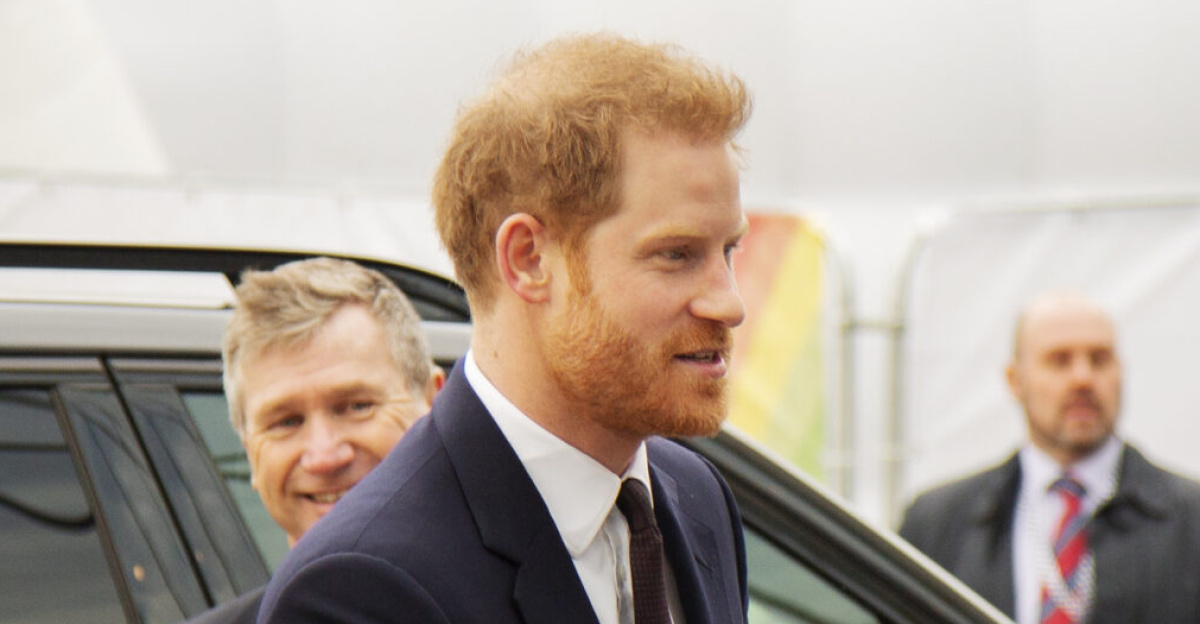
The case pits Harry and his fellow claimants against ANL, which they accuse of using private investigators and other intrusive methods to obtain information. Court filings allege that unlawful techniques, such as hacking and deception to obtain confidential records, were used over many years.
The group case, launched in 2022, survived ANL’s attempt to have it thrown out on time-bar grounds, allowing their claims to move forward to trial.
Harry’s Heartfelt Testimony
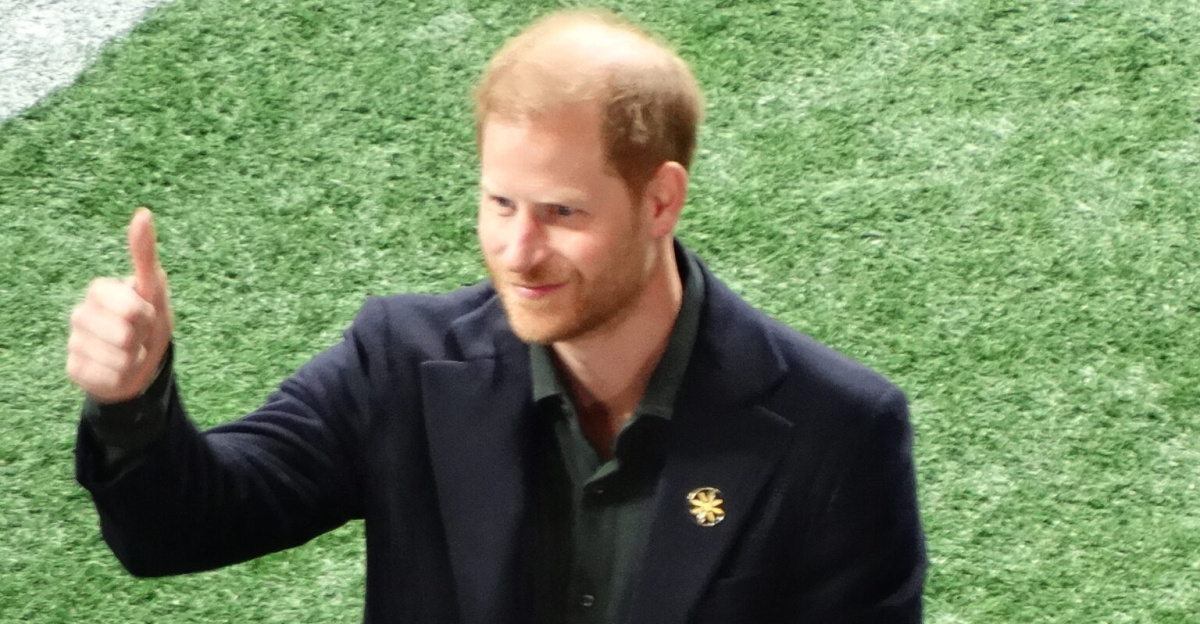
On the witness stand, Harry described how hostile press coverage and alleged unlawful newsgathering made his life extremely difficult. He said that ANL’s conduct had made his wife’s life “an absolute misery.”
Harry emphasized that his fight is not only about compensation but also about accountability for what he calls “unchecked media power” and the protection of privacy for others in similar situations.
The Case for Privacy
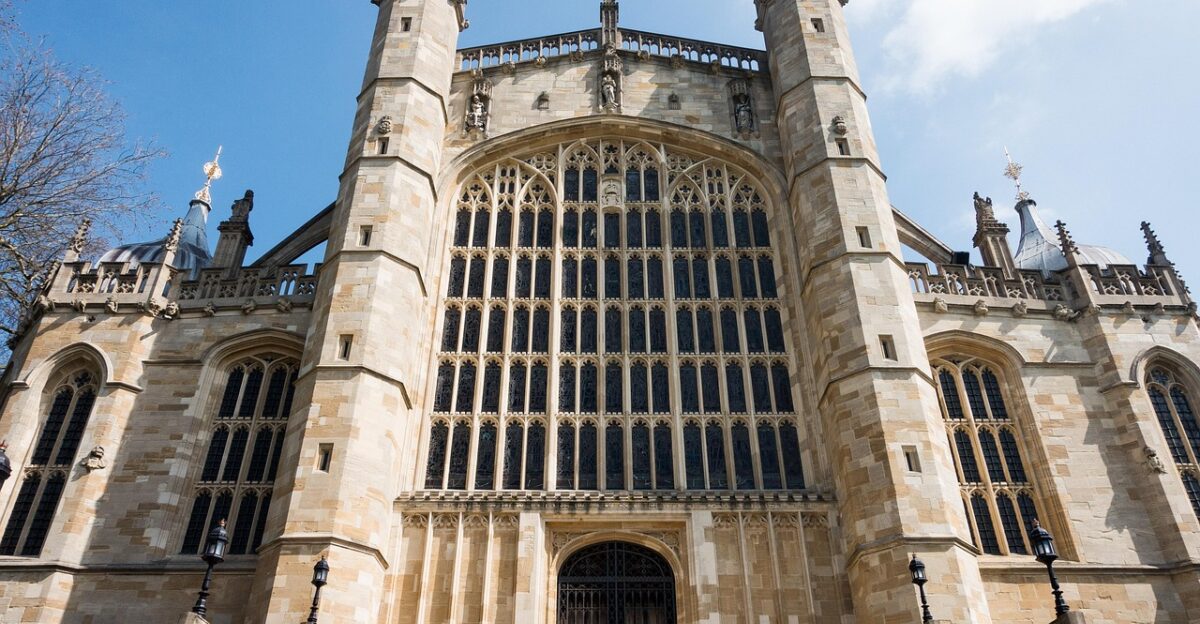
The courtroom was closely watched as Harry’s testimony outlined feelings of paranoia, distress, and intrusion that he attributes to the tactics used to generate tabloid stories. ANL denies the allegations, calling them “preposterous” and “smears.”
The case highlights an ongoing tension in the UK between privacy rights and press freedom, and the outcome could influence how courts view similar claims in the future.
Meghan’s Hidden Struggles
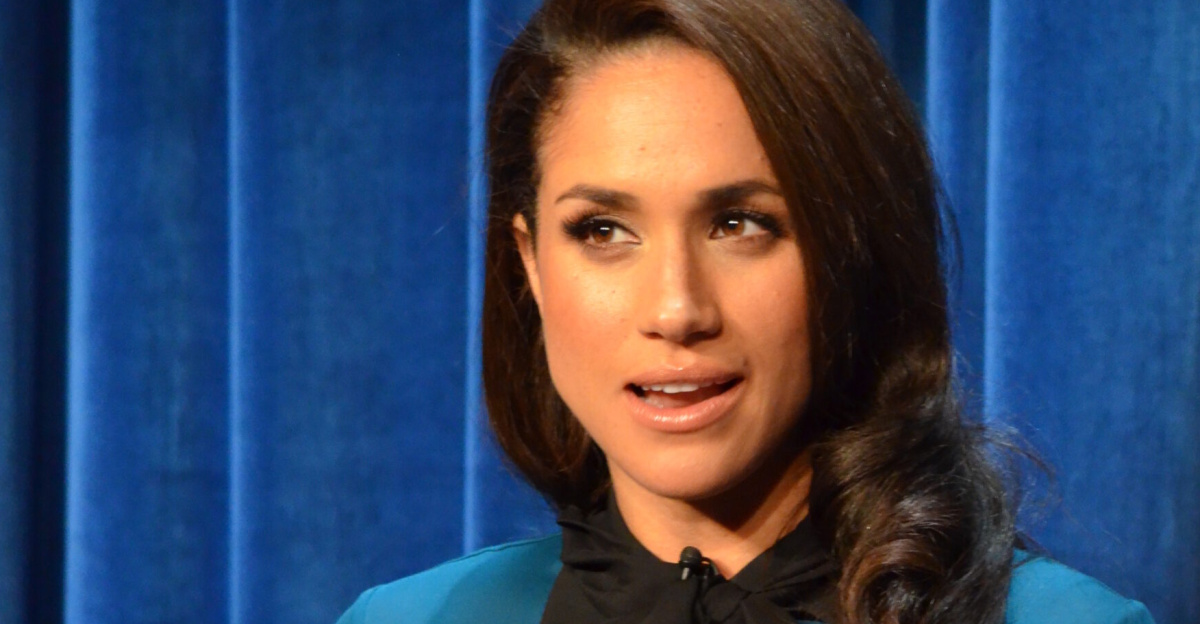
Harry did not shy away from discussing Meghan’s experience. He explained that the coverage and alleged unlawful information gathering left her feeling isolated, fearful, and deeply affected.
He framed the proceedings as part of a wider effort to protect his family’s peace and dignity from what he views as unjustified intrusion.
Tabloid Tactics Under Scrutiny
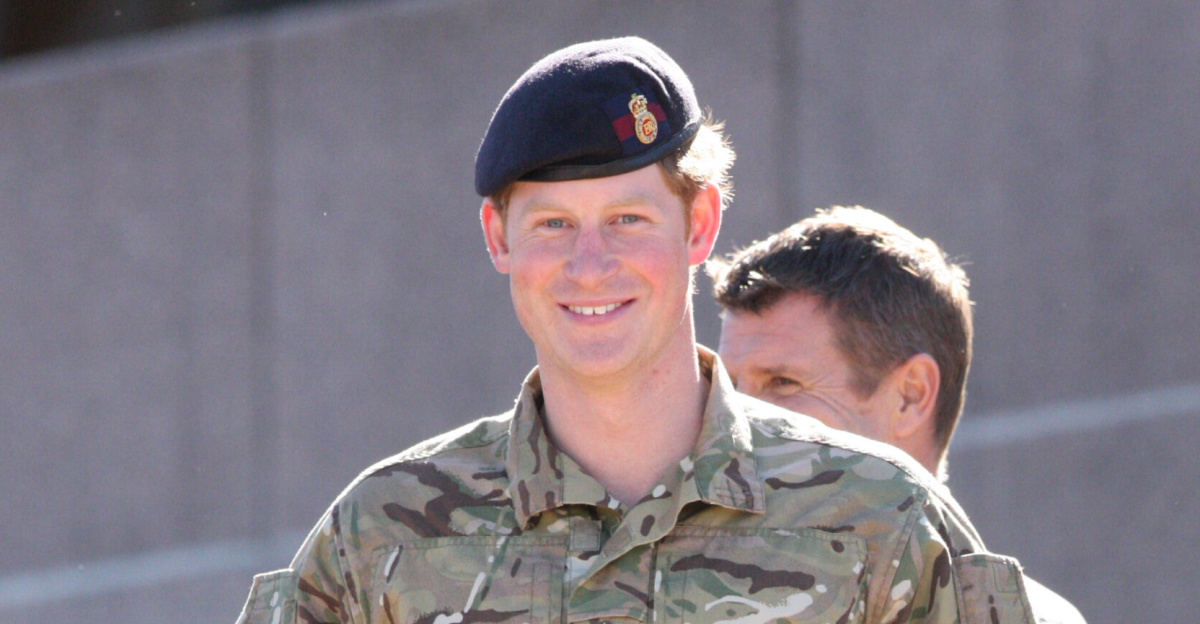
Harry’s past legal outcomes have made him a significant challenger of tabloid practices. After winning damages and later securing further settlements from Mirror Group, and after News Group Newspapers issued a public apology and agreed to pay him substantial damages, attention has now turned to ANL, which continues to contest the claims.
Observers are watching to see whether ANL will ultimately choose to settle or fight the case through to a final judgment.
A Legacy of Privacy Breaches
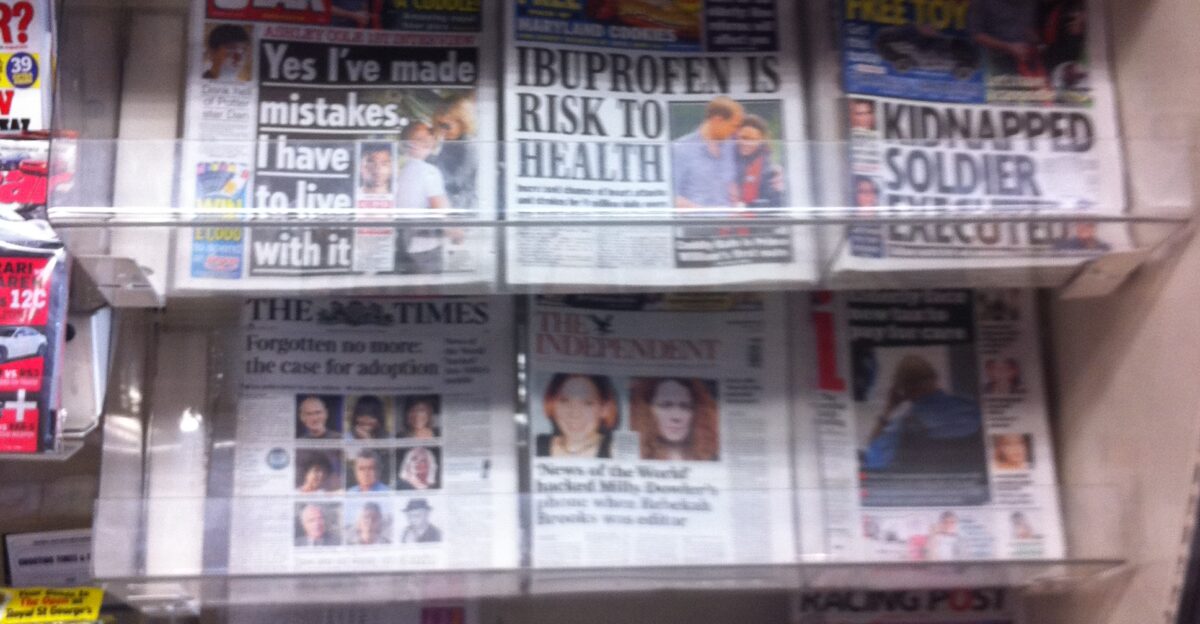
UK tabloids have faced multiple scandals since the 1990s over methods such as phone-hacking, blagging, and other unlawful or unethical newsgathering techniques. Harry’s lawsuit is part of this larger story of high-profile figures and others alleging serious intrusions into their private lives.
The case feeds into public debate about how far the press should go when reporting on personal matters.
Private Investigator Issues

Gavin Burrows, a former private investigator, previously indicated that he had carried out unlawful work linked to UK tabloids, including work connected to ANL titles, before later altering or qualifying some of his statements. His changed position has complicated how his evidence is viewed, and he is now treated as a more cautious or contested witness in related proceedings.
Even so, the ANL case continues on the basis of other documents and testimony.
Reactions to Harry’s Claims
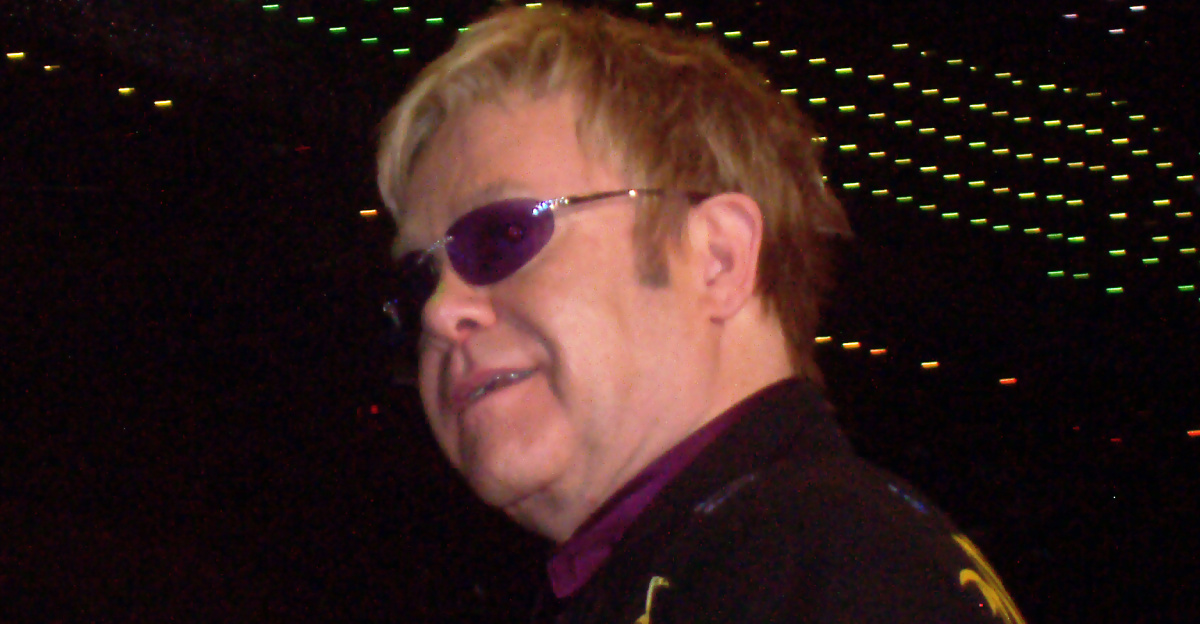
Harry, at times visibly emotional, accused ANL of “gross breaches” of privacy and what he considers abhorrent conduct in pursuit of stories about his family. His concerns echo those of Sir Elton John and other claimants, who say they were targeted by similar methods.
As the trial unfolds, many supporters of the claimants hope the publisher will be held to account through the court process.
ANL’s Steadfast Defense
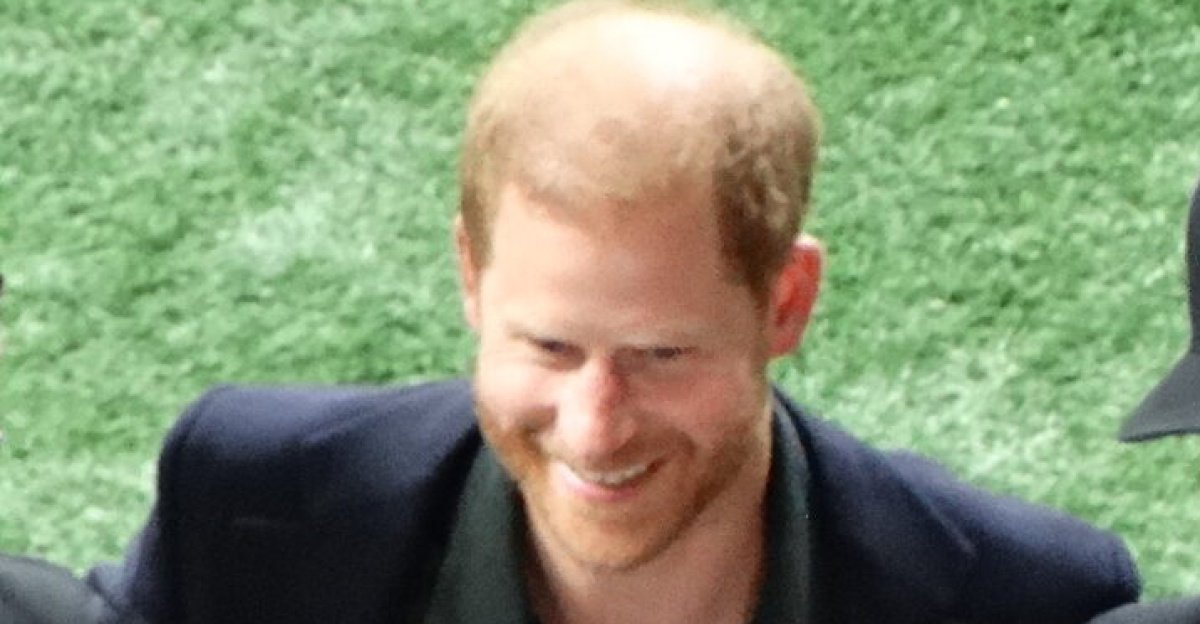
Unlike Mirror Group and News Group, which have reached settlements with Harry, ANL is mounting a full defense in court. Its legal team argues that the claims are unfounded and, in some instances, brought too late.
While other publishers have paid damages and issued apologies, ANL maintains that it did not engage in the unlawful practices alleged.
The Legal Tug-of-War

The battle is about more than individual stories; it raises questions about how UK courts should handle claims of historic unlawful information gathering by major media groups. ANL has pushed back hard, while the claimants have sought to refine and, in some respects, expand their case, though some late amendments have been restricted by the court.
Legal commentators note that the eventual ruling could influence how similar media cases are argued in the future.
Time is Running Out
A previous High Court decision allowing the claims to proceed despite ANL’s time-bar arguments has given Harry and his fellow claimants renewed hope. At the same time, evidential challenges and questions about witnesses have added complexity to the trial.
Lawyers expect the proceedings to be lengthy and closely analyzed once judgment is handed down.
Settlement or Trial?
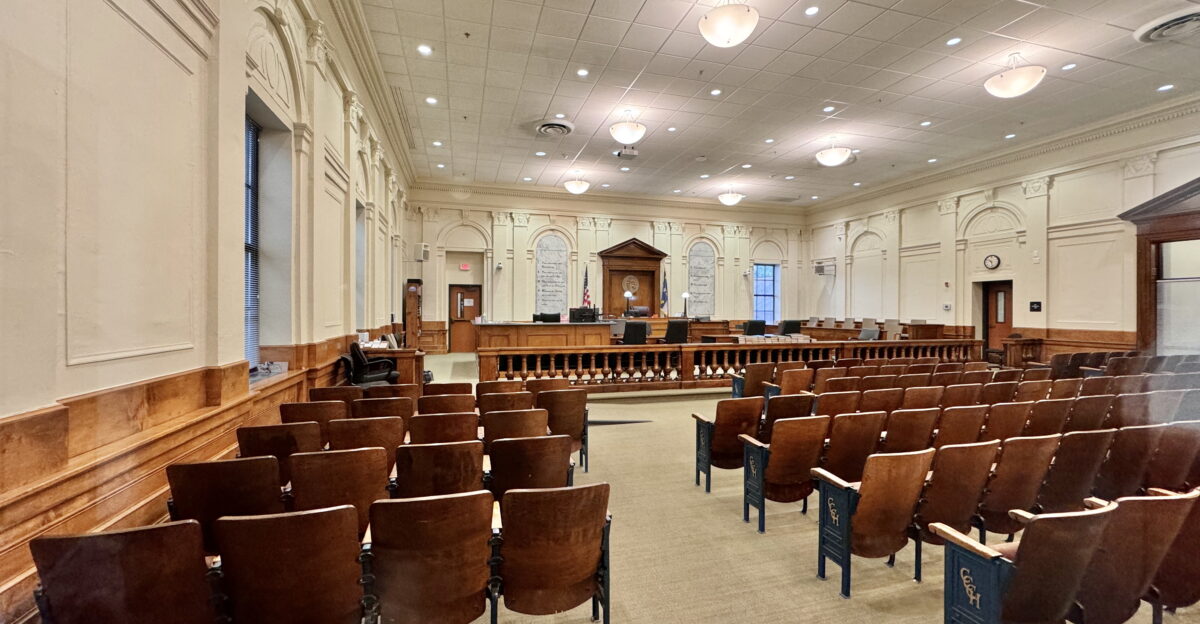
As the multi-week trial continues, there is speculation over whether ANL might eventually seek a settlement, as other media groups have done, or continue to fight the case to a clear outcome in court. For now, the publisher insists on defending its position.
The dispute has drawn sustained attention from legal observers, media analysts, and royal watchers.
Press Reform in Debate

The case has been cited by some politicians, campaigners, and media figures in calls for tougher regulation of the UK press. Others argue that robust press freedom must be preserved and warn against over-regulation.
Harry’s high-profile involvement helps keep the debate over privacy and journalism in the spotlight.
Global Media Reactions
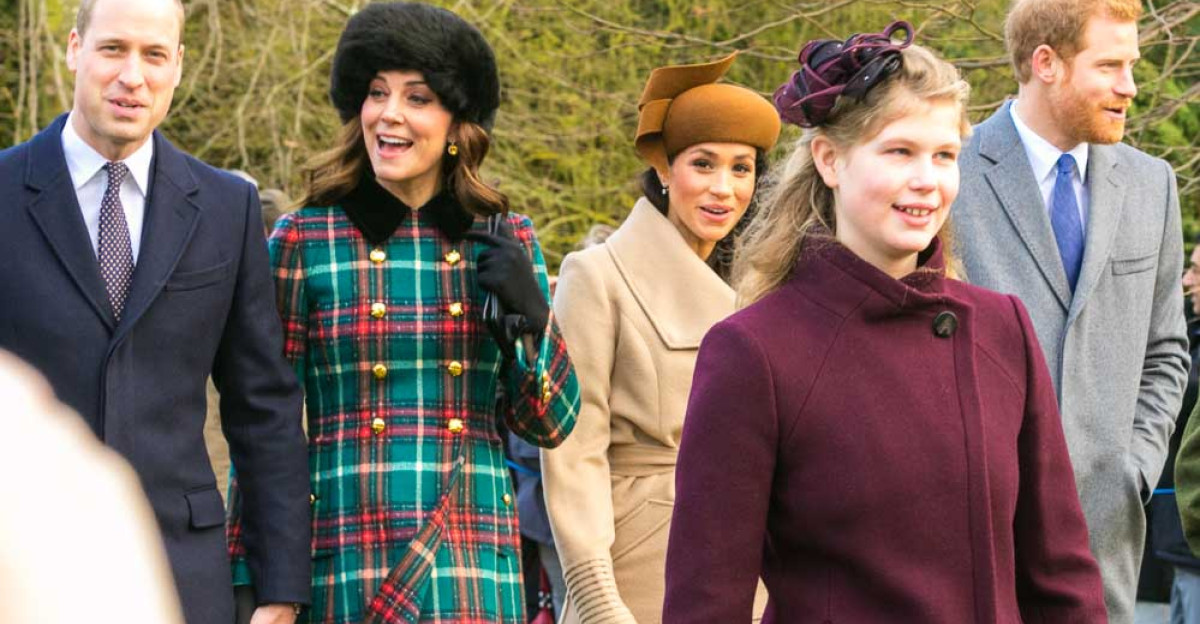
Harry’s case has attracted international coverage, particularly in the US and other English-speaking countries where stories about the royal family are closely followed. As tabloids and digital outlets worldwide face increased scrutiny over privacy and data handling, observers are watching how this UK trial fits into a broader global conversation about media conduct.
Commentators say the outcome may be cited in future debates about press standards.
Precedents and Implications
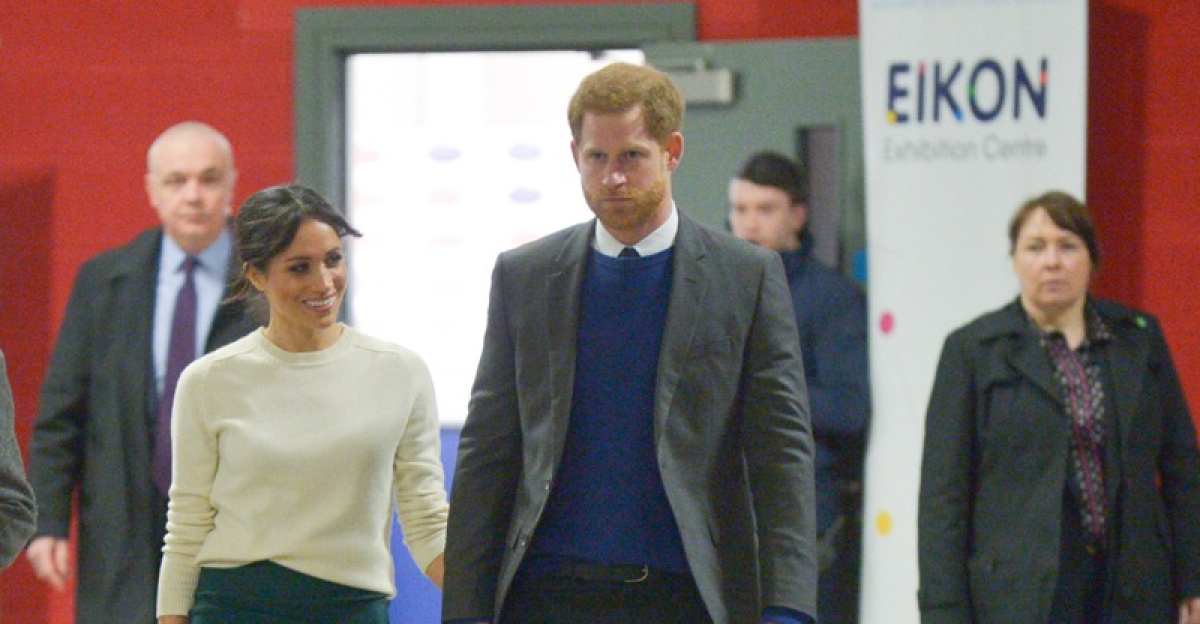
Harry’s recent legal successes against other publishers, along with this ANL case, are seen as adding to a growing body of litigation challenging privacy breaches by media organizations. While each case turns on its own facts and law, lawyers suggest that the pattern of claims, judgments, and settlements could influence how future lawsuits are framed and defended.
The focus on alleged unlawful information gathering is likely to remain central in media law.
Cultural Shifts on Privacy
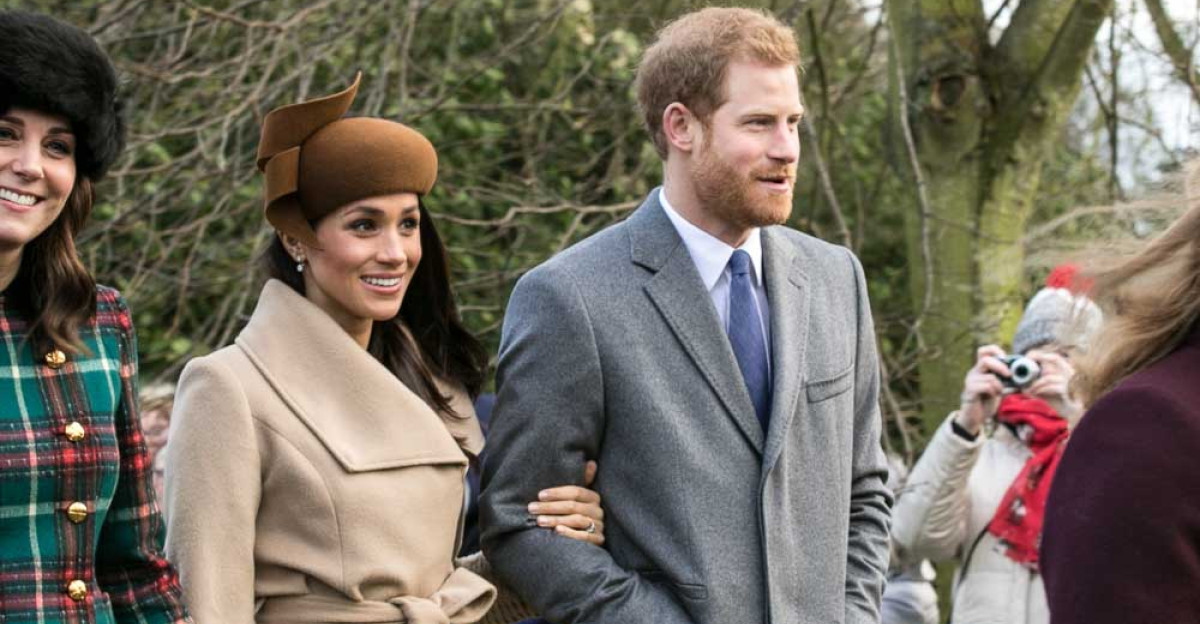
As more high-profile individuals publicly challenge how tabloids and other outlets report on their private lives, public discussion about the limits of intrusion has intensified. Recent commentary indicates unease about some forms of tabloid behavior, even as demand for celebrity news remains strong.
Harry’s case adds another high-visibility example to that ongoing conversation.
The Future of Media Accountability
These legal battles raise difficult questions about how to balance accountability for unlawful or unethical reporting with the need for a free press. With Harry’s emotional testimony and the ANL trial underway, many are watching to see whether courts and regulators will push publishers toward stricter standards.
Whatever the final judgment, the case is likely to be studied as a notable moment in the evolving relationship between the media, privacy, and public interest.
Sources:
The Guardian, “Prince Harry takes legal action against Daily Mail publisher over privacy claims”, January 21, 2026
BBC News, “Prince Harry and others sue Daily Mail publisher over alleged privacy breaches”, January 21, 2026
Sky News, “Harry’s High Court battle: Prince and celebrities take on tabloid publisher”, January 22, 2026
The Independent, “Prince Harry joins Elton John and others in legal fight against Daily Mail publisher”, January 21, 2026
The Telegraph, “Prince Harry testifies in privacy case against Associated Newspapers”, January 22, 2026