Chicago is in a tense and historic standoff. Military troops have set up near the city, despite local leaders’ efforts to block their arrival in federal court.
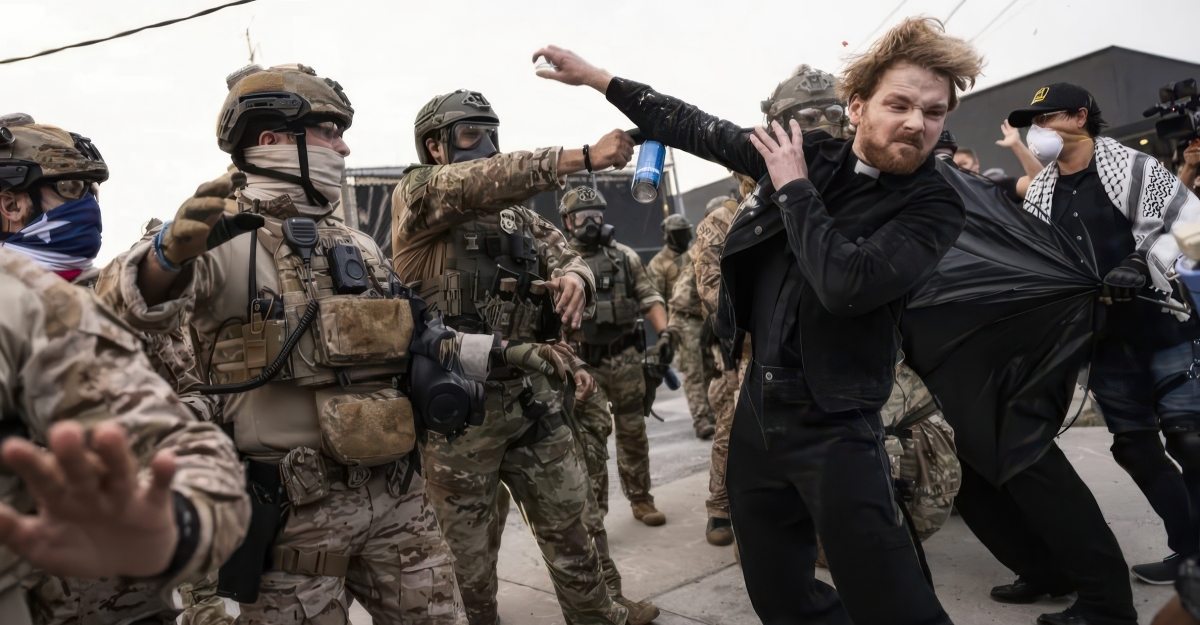
“Some 500 National Guard troops were deployed near Chicago on President Trump’s orders despite the objections of the Chicago mayor and Illinois governor,” reports Reuters. This happened while federal immigration agents ramped up raids in Chicago, leading to clashes on the streets that involved helicopters, shootings, and tear gas.
These actions come at a time when actual crime in Chicago is down, even as the federal government points to lawless chaos as a reason for intervention.
Constitutional Clash
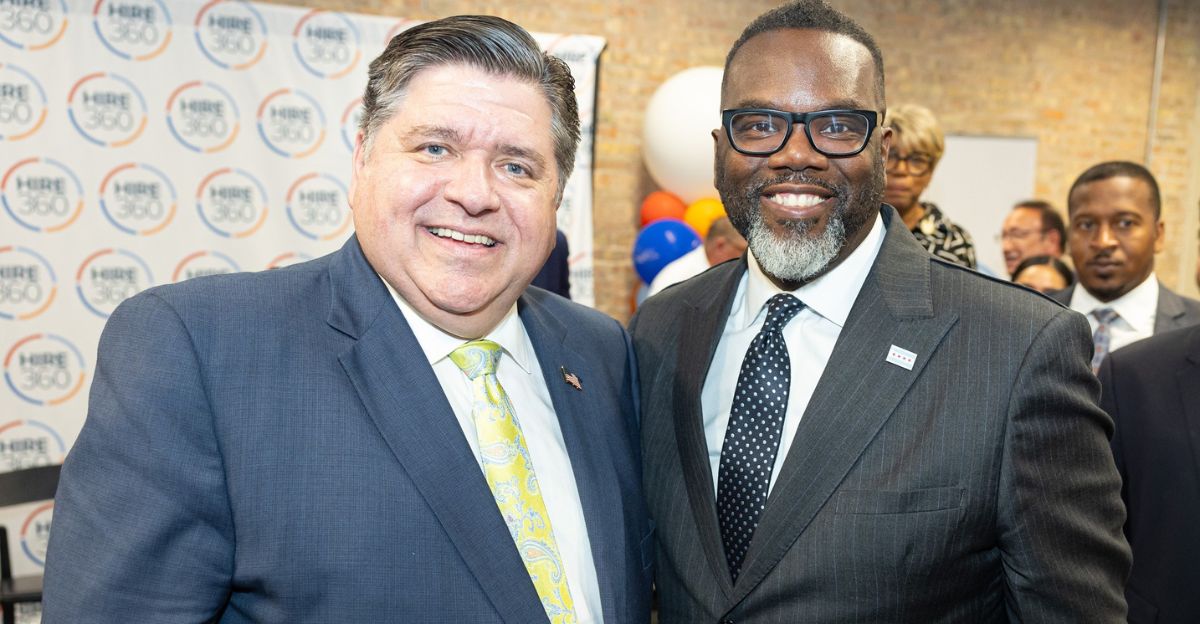
The conflict is also playing out in the courts. Illinois Governor JB Pritzker and Chicago Mayor Brandon Johnson call President Trump’s orders a “military-style invasion.”
Pritzker stated, “We must now begin to refer to this for what it truly is: Trump’s Invasion.” Several judges have issued conflicting rulings: some have blocked the deployment of the National Guard, while others have allowed it to remain.
Similar deployments in Los Angeles cost $120 million, and now there is worry about the price of this happening across the country. These court battles are testing just how much power a president actually has to deploy troops in response to what he labels as emergencies.
Historical Context
This situation is unique in American history. Experts note that it’s the first time the federal government has called up National Guard soldiers from one state and sent them into a different state against the will of that state’s leaders—outside of events such as riots or war.
Retired Army Major General Richard Hayes confirmed, “I have never seen a National Guard from a different state federalized and then sent to another state.”
The president is technically allowed, under the Insurrection Act, to use troops if there is violence that local governments cannot control. Still, many legal experts say that isn’t the real situation in Chicago now.
Mounting Pressure
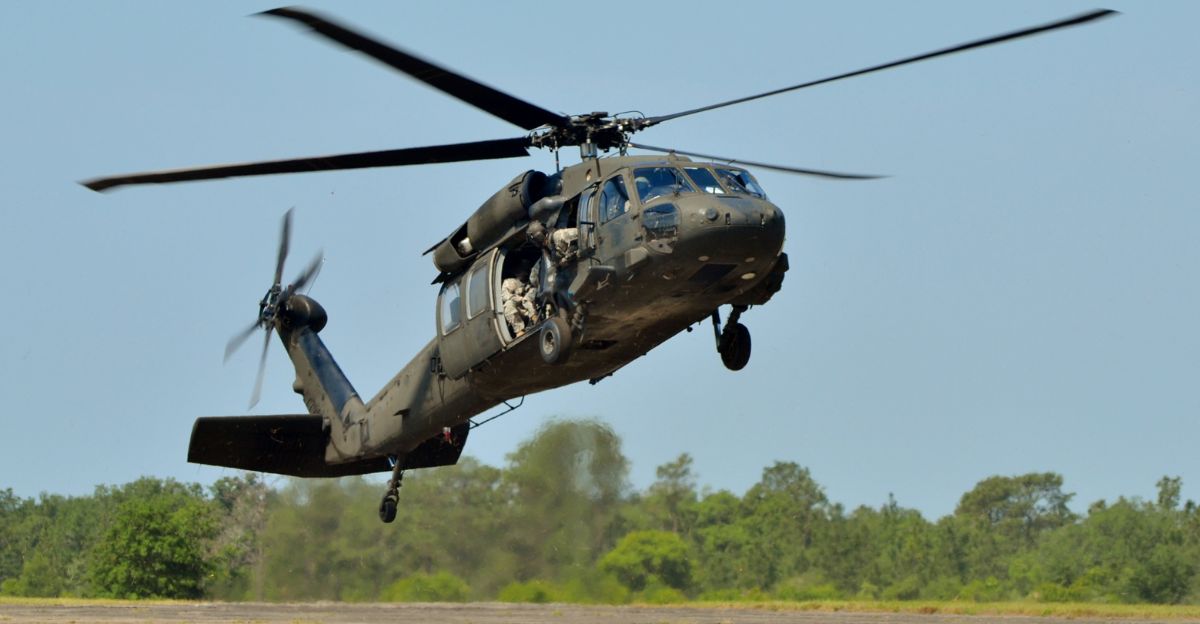
Federal immigration raids have become far more aggressive in the past month. Federal agents are using military vehicles, Black Hawk helicopters, and unmarked vans on city streets.
“The Trump administration is tying planned deployments in Chicago and Portland, Oregon, to increasingly tense protests outside Immigration and Customs Enforcement (ICE) facilities,” writes CNN.
So far, nearly 550 people have been arrested, but these actions have led to more violence, including cases where agents shot civilians and used tear gas on protesters. Agents have even confronted people at hospitals and schools, sometimes while masked and not identifying themselves.
The Explosive Declaration
After the troops arrived, President Trump posted online: “Chicago Mayor should be in jail for failing to protect ICE Officers! Governor Pritzker also!” By then, the Guard was in place—300 from Illinois, 200 from Texas—stationed at military bases near Chicago and ready for action.
This attack on elected officials marked a new level of confrontation, as Trump openly demanded jail for those defying him. The clashes on the streets and fierce online rhetoric happened side by side.
Chicago Under Siege
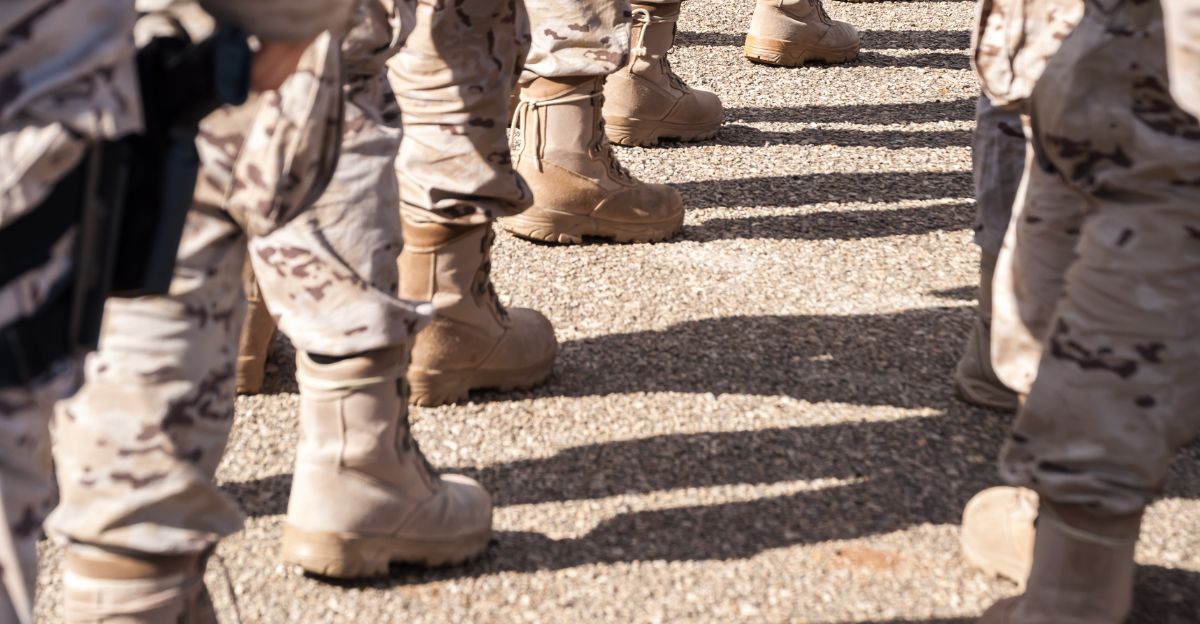
The presence of soldiers and aggressive ICE tactics has radically changed daily life in Chicago. Residents reported helicopters overhead and armed federal agents raiding homes.
Emergency hotlines received over 800 calls in a single day regarding ICE sightings. Even Alderman Jessie Fuentes was handcuffed when she insisted that agents show a warrant at a hospital.
“What we are witnessing is a complete escalation from these federal agents. We always anticipated that sending in federal agents was just a precursor to deploying the National Guard. His ultimate aim is to send the military into American cities,” said Mayor Johnson at a press conference.
Human Impact
People in Chicago say it feels like a war zone: tear gas canisters, smoke grenades, and even gunshots from federal agents. “They fire tear gas and smoke grenades, and they make it look like it’s a war zone,” said Brandon Lee from the Illinois Coalition for Immigrant and Refugee Rights.
ICE agents pepper-sprayed and teargassed community leaders, church pastors, and mayors during peaceful protests.
ICE agents fired a pepper ball directly at Pastor David Black’s head while he prayed outside the Broadview facility, striking him in the face and forcing him to collapse to his knees in pain. Alderman Byron Sigcho-Lopez stated: “We condemn these tactics and demand that ICE be removed from our neighborhoods.”
Federal Response
The Department of Homeland Security defended its actions with dramatic, edited videos of helicopters and raids, calling protesters “violent mob members” and downplaying any complaints about free speech.
DHS is pressing charges against people arrested during the raids, including some who were seriously hurt. DHS spokesperson Tricia McLaughlin stated, “The First Amendment protects speech and peaceful assembly — not rioting.”
Meanwhile, the administration ordered a new investigation into how local police have handled their response to these aggressive federal raids.
Economic Toll

This heavy-handed operation has a hefty price tag. Similar efforts in Los Angeles cost $120 million for just 60 days, and sending the National Guard can cost almost $1 million a day.
If the president expands the program, the country could soon be spending billions per year on military policing.
Plus, when citizens in the Guard are away from their civilian jobs, their communities lose their work. The ripple effect stretches from city budgets to small businesses.
The Insurrection Card
President Trump is now describing protests in Chicago and Portland as “insurrections,” hinting that he could use the rarely-invoked Insurrection Act to take even more drastic steps, like using active-duty military in cities.
“There is no insurrection in Portland. There is no threat to national security,” stated Oregon Governor Tina Kotek. However, the White House is laying the groundwork to bypass the courts, if necessary, by invoking emergency powers.
Republican Resistance
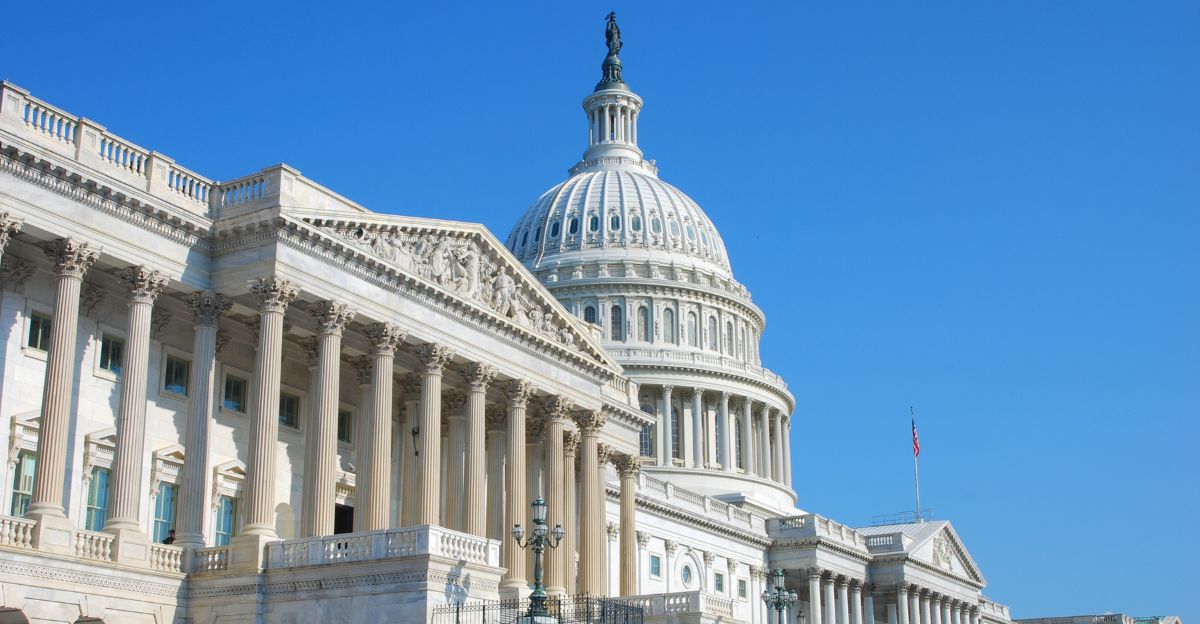
Even some Republicans are raising alarms. Senators from Trump’s party warn that using the National Guard this way could set a dangerous new precedent.
Retired generals and officials caution that “deployments that do not adhere to established guidelines risk politicizing the military, diverting personnel from their primary missions, and placing troops in unfamiliar situations”.
Court rulings are changing rapidly, so administration officials continually adjust their strategies and relocate troops between locations as new legal decisions take effect.
Leadership Under Fire

Governor Pritzker and Mayor Johnson are fighting back, calling this “an unconstitutional invasion” and refusing to help the federal agents. Pritzker responded to Trump’s jailing demand with, “Come and get me”.
They’ve declared “ICE-free zones” in Chicago and have even blocked federal agents from some city properties. Ordinary cooperation between the state and federal governments has completely broken down.
Strategic Calculations
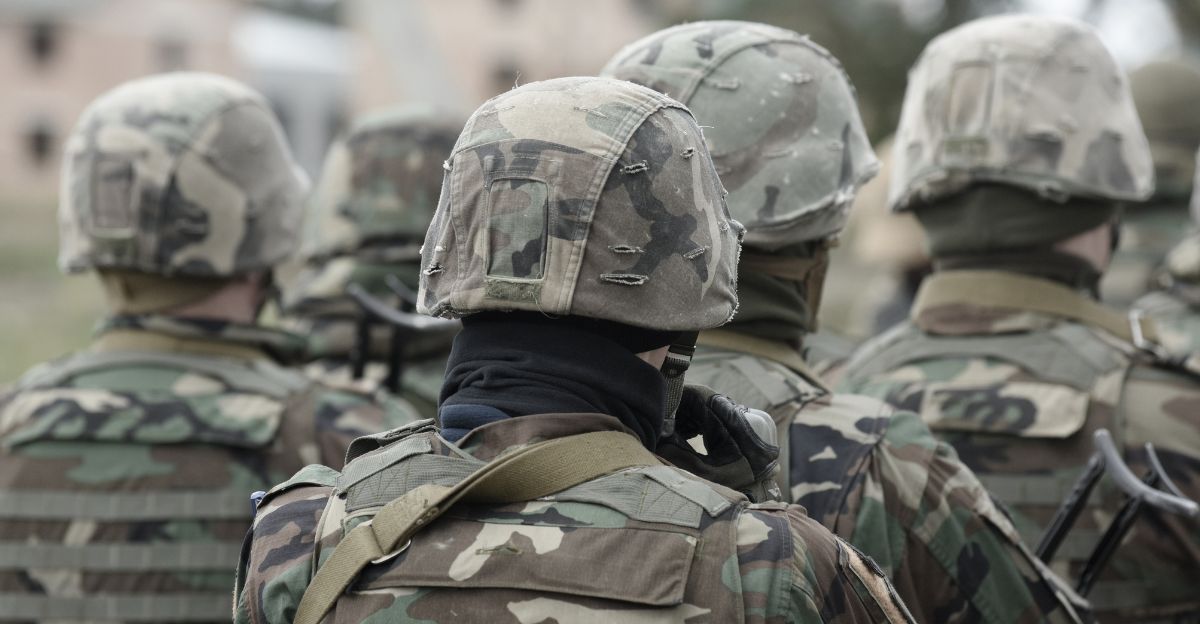
National Guard troops have been stationed at an Army Reserve base in Elwood, approximately an hour from downtown Chicago.
Military leaders say their job is to guard federal camps, manage crowd control, and de-escalate trouble, but the real test will be whether they can effectively handle the city streets.
Because the troops are on federal land, it’s legally less complicated than sending them directly into the city; however, the administration is clearly preparing in case the courts or new protests force the issue.
Legal Uncertainties
Different judges are making opposite decisions about Trump’s authority. Some say he can send in the Guard; others argue that the law forbids it unless there is absolute chaos, insurrection, or a total loss of control.
“Legal analysts indicate that Trump is probing the boundaries of presidential power by invoking a seldom-used statute,” notes NPR. The Posse Comitatus Act generally prohibits military policing within the U.S., except under specific exceptions.
The Supreme Court will eventually have to decide whether these deployments are legal and could establish new rules regarding when and how presidents can deploy troops within the country.
Democracy’s Crossroads
This crisis poses a massive challenge to democracy. “States that could face their own deployments are closely watching the case. Legal experts differ over how they think the Supreme Court may ultimately decide,” reports PBS.
If Trump can use the military to override elected officials, what stops him or any president from doing it any time they disagree with a state? Even the main reason for the troops doesn’t hold up to facts: Chicago crime is down this year. Decisions about Chicago could alter the entire balance of power between the state and federal governments.
The Supreme Court’s answer may determine whether American cities will see regular military patrols and what democracy looks like in the future.