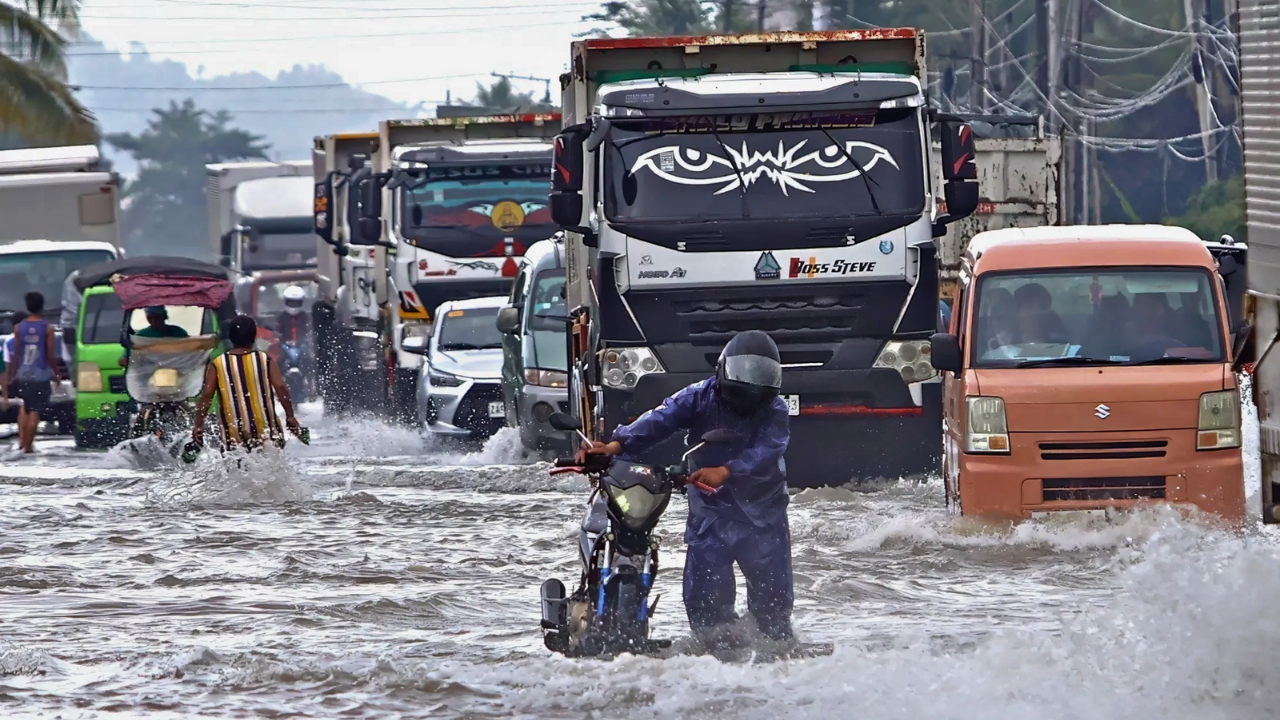
Over 1.4 million people left their homes in the Philippines as a huge storm—1118 miles wide—threatened to cover two-thirds of the country.
Ivy Villamor told The New York Times that she feared being swept to sea and described the experience as feeling like the end of the world.
Romeo Mariano said he could not sleep because of the wind. The storm hit on November 9, 2025, with winds of 115 miles per hour.
Deadly Week
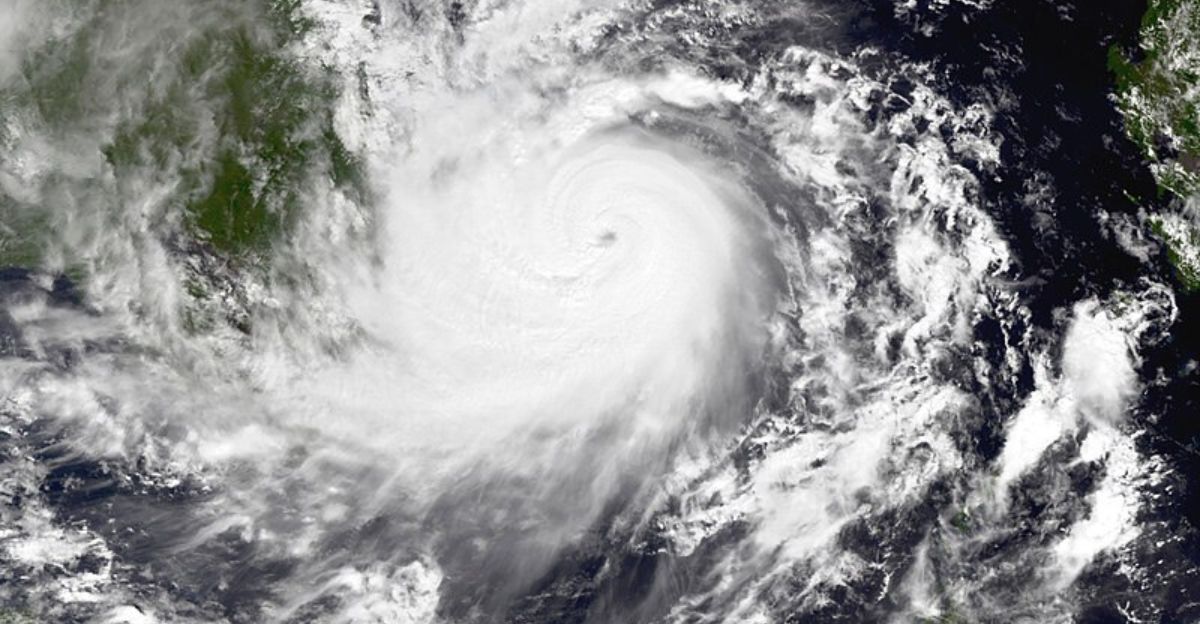
It had already been a deadly week for the Philippines. The country was still recovering from a previous disaster when a new storm arrived.
Five days before, Typhoon Kalmaegi killed 224 people in central areas. Now, Super Typhoon Fung-wong approached as the 21st storm to hit in 2025. During this challenging time, Pope Leo XIV prayed for victims from Vatican City.
Religious leaders also asked people to pray. President Marcos declared an emergency on November 6 because rescue teams were tired and shelters were full.
Climate Reality
To understand the scale of these storms, consider the country’s climate reality. The Philippines experiences 19 to 20 typhoons annually, making it a disaster-prone country.
Scientists believe that climate change intensifies storms by warming the oceans. In 2024, six typhoons hit within one month. Major typhoons are now 25 percent more likely than before.
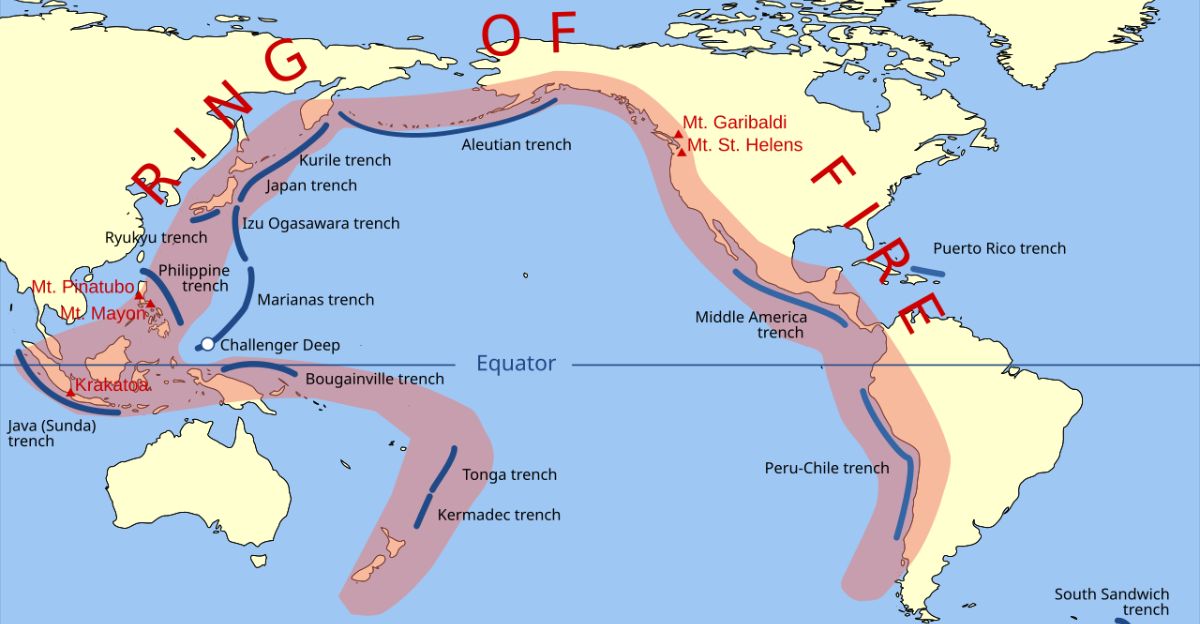
The country sits on the Pacific Ring of Fire. Rising sea levels exacerbate the situation, creating what experts refer to as a “supermarket of disasters.”
Pressure Building
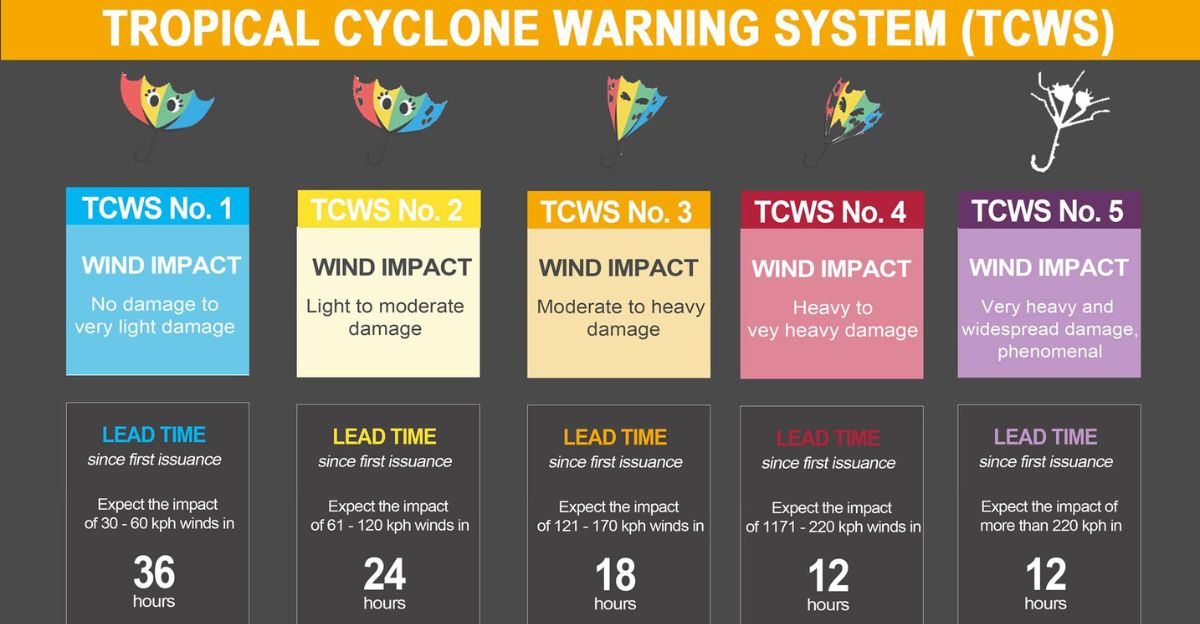
As the threat grew sharper, by November 8, the Philippines reached its highest “red alert” as Fung-wong became a super typhoon. Officials warned 30.8 million people could be affected.
The military halted exercises and dispatched 243 rescue teams comprising 1,500 personnel to the northern areas. The government prepared 2.04 million food packs.
Communication offices set up backup systems for what forecasters called one of the biggest storms in years.
Landfall Aurora
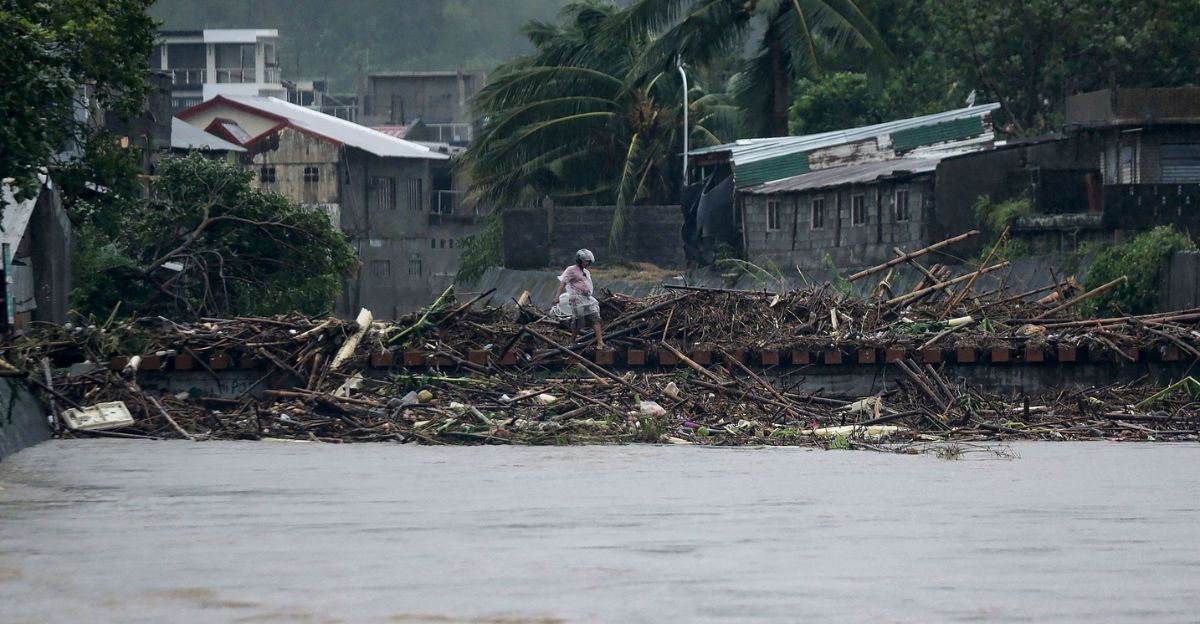
When Super Typhoon Fung-wong made landfall, the effects were immediate and widespread. At 9:10 p.m. on November 9, 2025, Fung-wong hit Dinalungan in Aurora province.
The huge storm brought winds of 185 kilometers per hour and gusts of 230 kilometers per hour.
Vice Governor Patrick Angara stated that three towns were cut off by landslides.
The storm’s 1,800-kilometer size meant it affected almost all of Luzon island, home to 64 million people, including Manila.
Northern Devastation
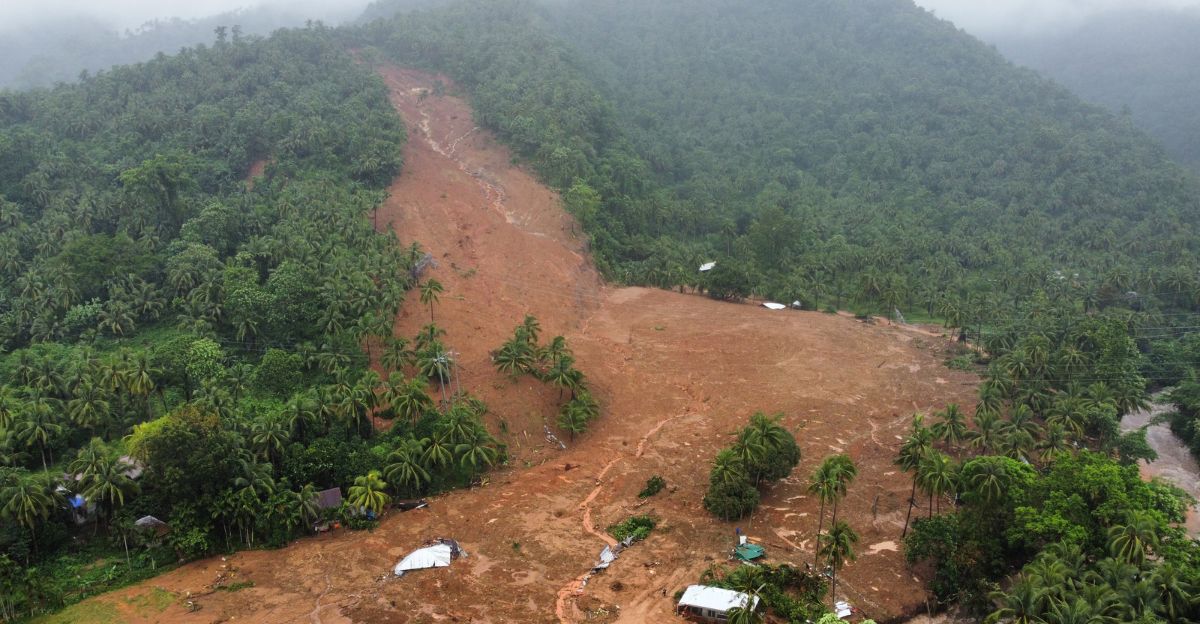
The damage in the north quickly became evident. The Bicol Region was hit hardest, with heavy rain and wind cutting power before the storm made landfall.
In Nueva Vizcaya, three children died in landslides. One person drowned in Catanduanes, and another died in Samar.
The power company reported that 36 transmission lines stopped functioning.
Approximately 2.9 million homes—equivalent to three million people—lost electricity. At least 1,000 homes were damaged across northern areas.
Voices of Fear

Ivy Villamor said the sounds were “louder than an airplane. The winds howled, and the rains were nonstop.”
Rescue worker Geofry Parrocha told AFP: “We’re seeing many damaged houses. Our main roads were blocked by landslides. The rain was heavy and the water was high.”
Transportation Chaos

This disruption was not limited to homes and roads. The huge storm stopped all transportation. Over 400 flights were cancelled—325 domestic and 61 international.
More than 6,600 people got stuck at ports when the Coast Guard stopped ships.
Major airports, including Manila’s main airport, closed temporarily.
Schools and government offices remained closed on Monday and Tuesday across Luzon’s capital region, which has a population of 15 million, as heavy rain continued.
Agricultural Heartland
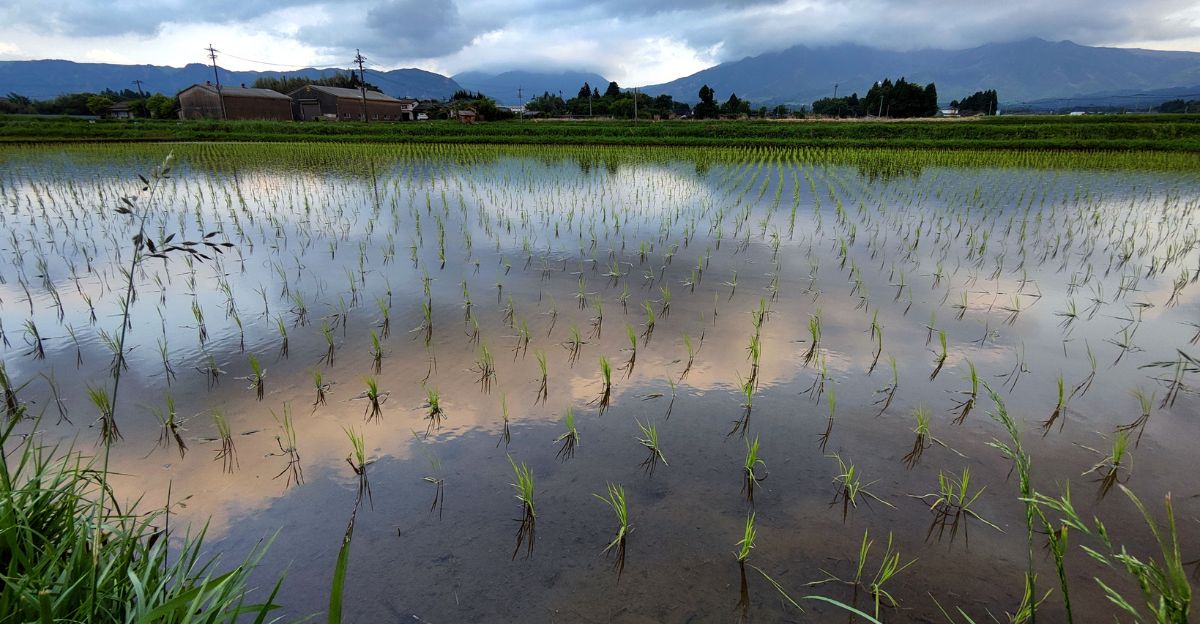
Beyond the cities, the storm also battered agriculture. Farms across Luzon sat underwater, with crops destroyed before harvest. Luzon grows much of the Philippines’ rice and corn.
Earlier typhoons in 2025 already caused over 1.1 billion pesos in farm losses.
Rice production, which provides one-third of the daily food supply, faced significant problems.
However, experts said the timing could have been worse, as most rice had already been harvested.
Deadliest Disruption
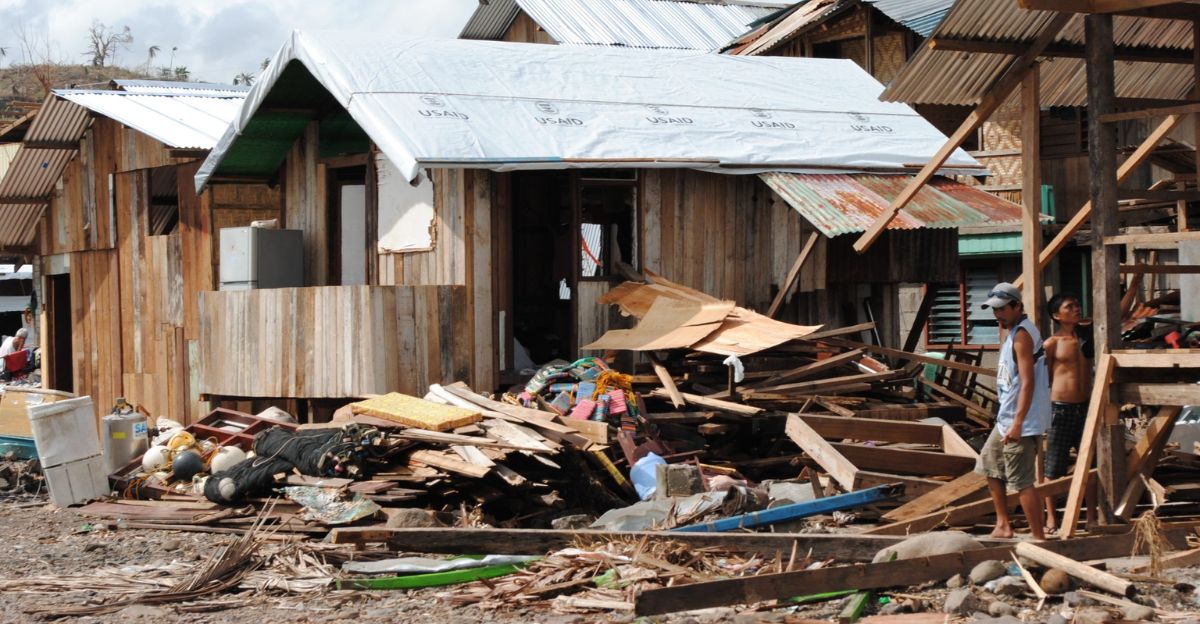
While Typhoon Kalmaegi caused more deaths (224), Super Typhoon Fung-wong led to greater disruption, forcing 1.4 million evacuations—seven times more than Kalmaegi.
Fung-wong also cut power to three million homes and paralyzed two-thirds of the country.
Experts called it ‘the most extensive single-event displacement’ of 2025. The back-to-back storms revealed a troubling pattern of major disasters.
Recovery Overwhelmed
As recovery efforts began, officials faced mounting challenges. Bernardo Alejandro from Civil Defense said, “Although the typhoon has passed, its rainfall continues to pose risks.”
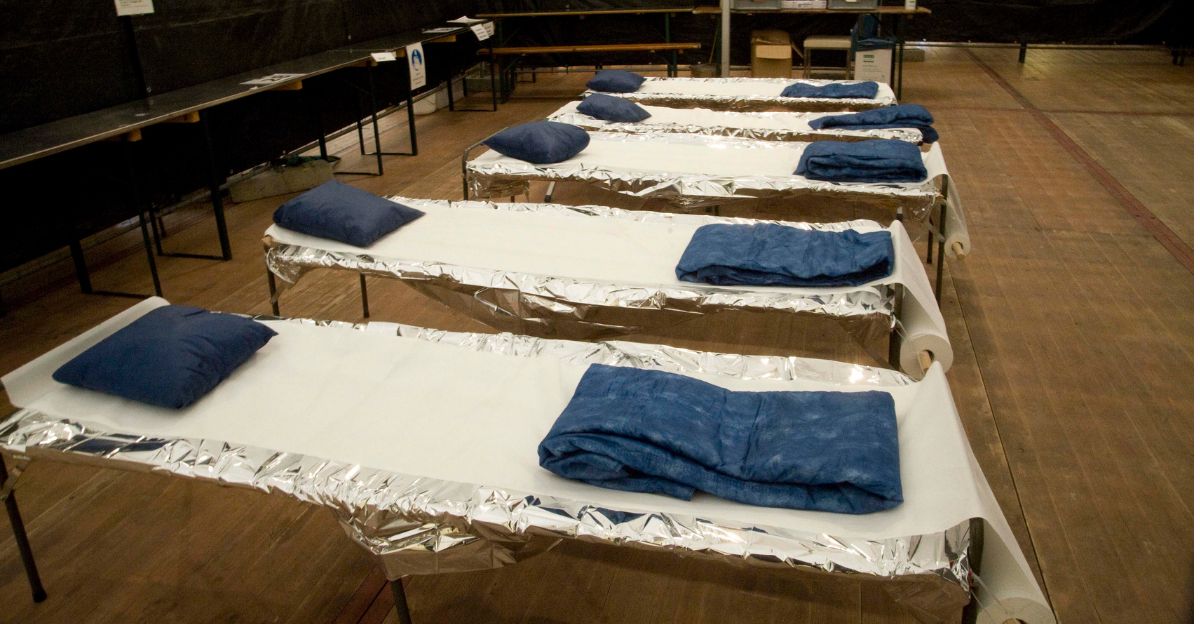
Approximately 318,000 people from 92,000 families were housed in 6,000 shelters on Monday.
The remaining 1.4 million evacuees stayed with relatives. Officials reported no missing people.
The massive early evacuation—one of the largest in Philippine history—saved many lives despite the storm’s power.
Power Restoration Race
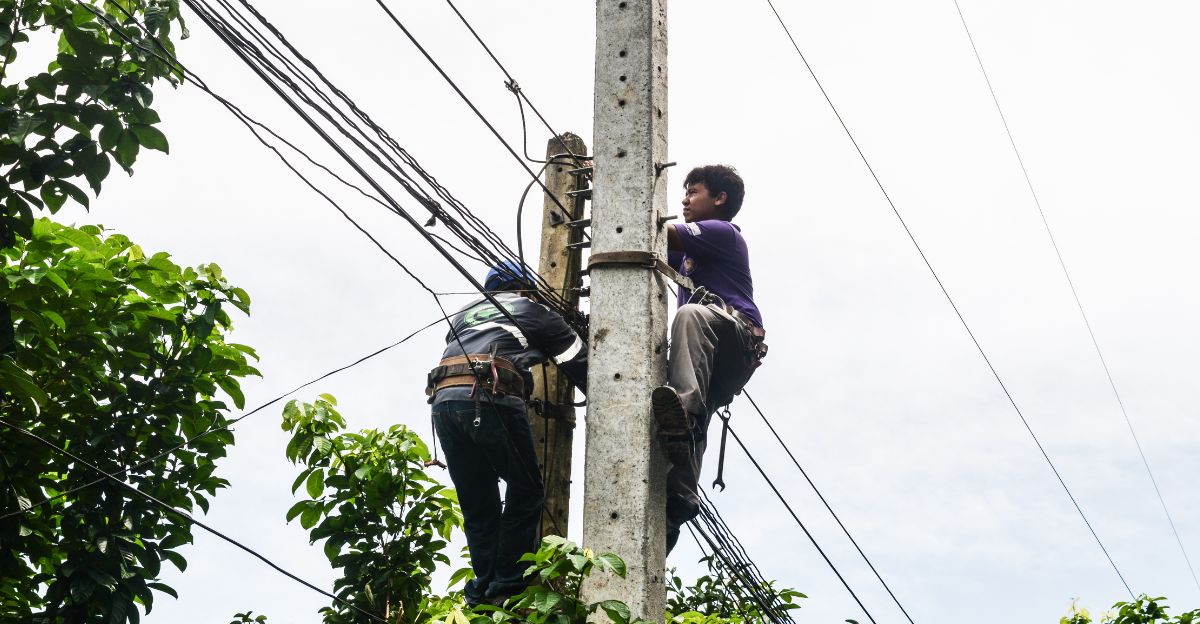
Restoring basic services proved urgent. The power company began working around the clock to restore electricity to three million homes.
Administrator Antonio Almeda said workers must check flooded power lines carefully before turning power back on.
“We’re asking for understanding and patience. It’s not easy to restore power after a typhoon,” he said.
Twelve transmission lines remained down Tuesday morning as crews worked in accessible areas.
Taiwan Next
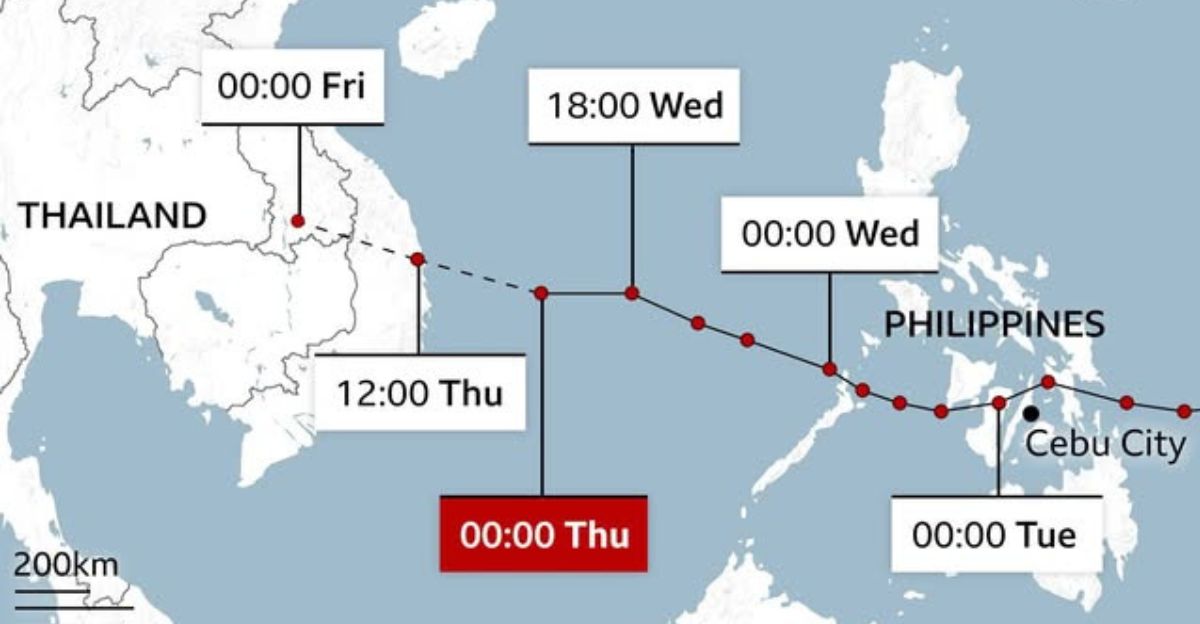
Meanwhile, the region braced for further challenges as Fung-wong moved toward Taiwan on Monday, while weakening. Japan’s weather agency downgraded it to a severe tropical storm by Tuesday.
Taiwan’s weather office is prepared to issue warnings, expecting the storm on Thursday morning.
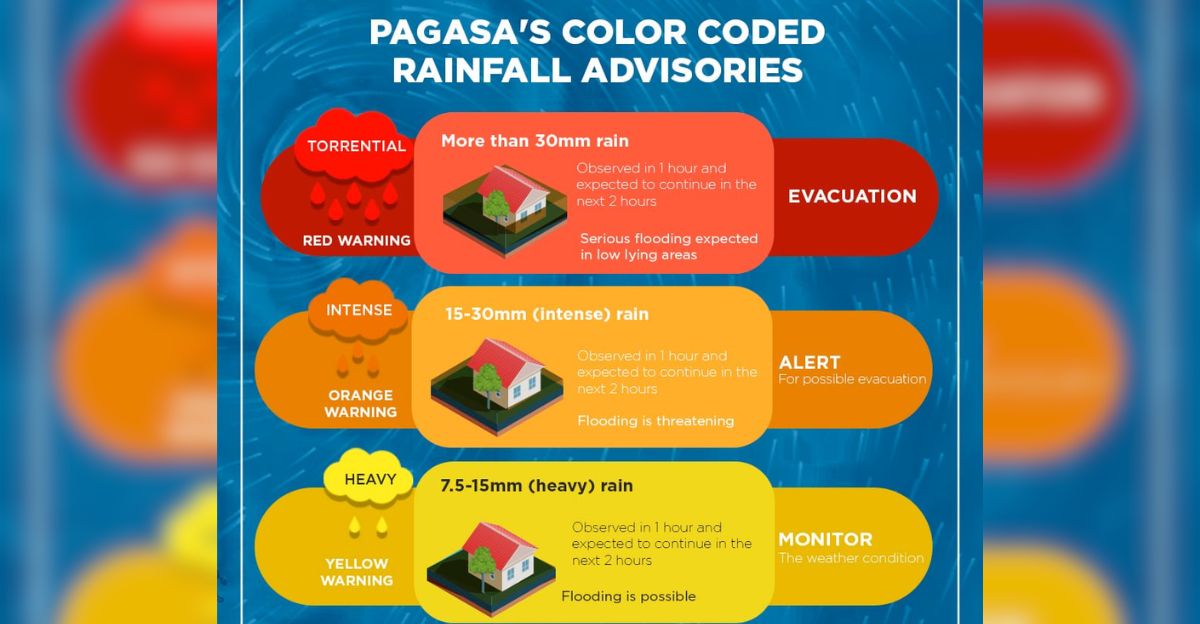
The Philippines’ weather bureau warned that up to 200 millimeters of rain could still hit several provinces through Monday, with continued flooding, landslides, and dangerous winds.
Fragile Infrastructure
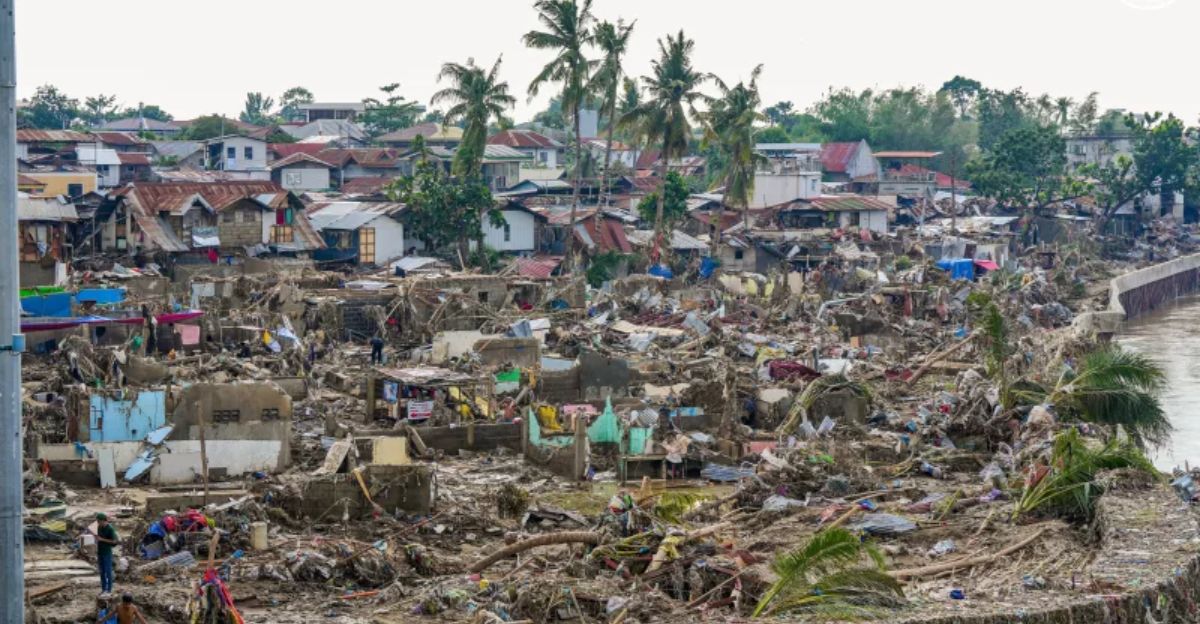
These storms also exposed vulnerabilities in preparedness. The back-to-back typhoons showed major problems in the Philippines’ disaster systems.
The country recently spent over $17 million on food and aid while dealing with a corruption scandal involving flood control money.
Many officials and companies faced charges of stealing money meant for flood projects—the same systems that failed during storms.
Experts warn of a “constant state of insecurity” when disasters strike repeatedly.
The New Normal
Looking ahead, the Philippines faces a hard question: Is this the new normal?
With 21 named storms in 2025, scientists predict that warming oceans will continue to make typhoons stronger and more frequent.
Research warns that at a 35°F warming, the Philippines could expect three major typhoons per year every 12 years, instead of every 15 years.
As people returned to damaged homes, one truth remained: the next storm is always coming.