
Electricity bills are climbing across the U.S., squeezing family finances and sparking political debate. But this isn’t just a seasonal blip or fallout from inflation.
A deeper shift is underway. From the explosive growth of AI data centers to an aging power grid straining to keep up, the U.S. energy system is undergoing a transformation — and consumers are footing the bill.
Is the Grid Too Old to Cope?
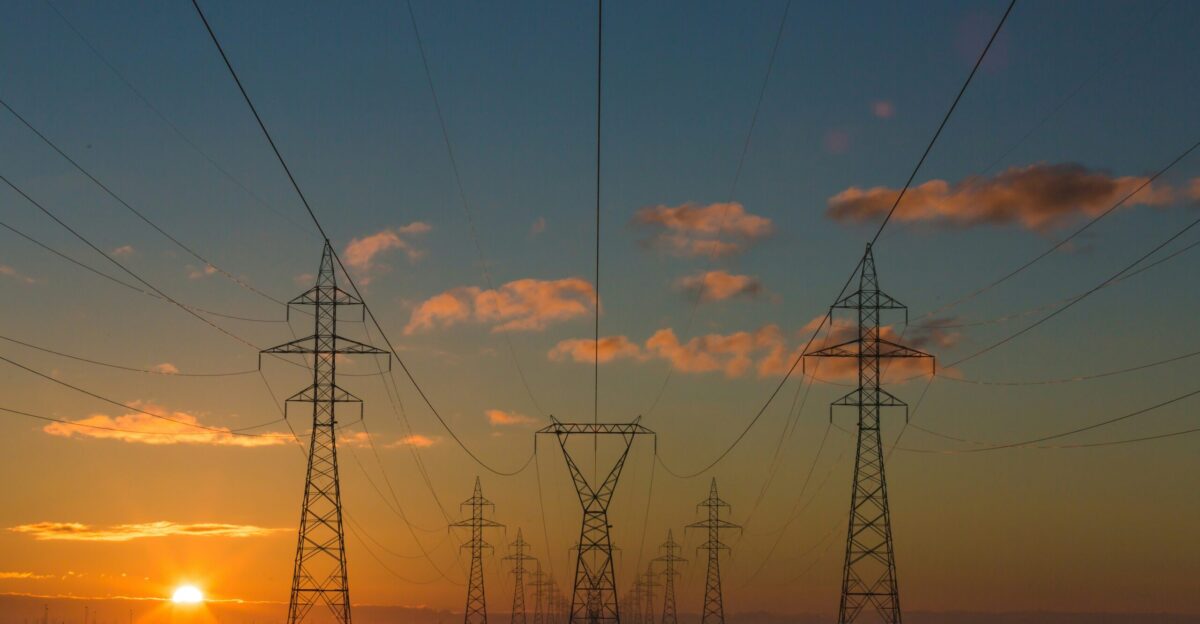
Much of the nation’s power grid was built for an era of predictable demand and analog devices. That era is long gone.
Now, a surge in electric vehicles, tech manufacturing, and around-the-clock data processing is pushing outdated infrastructure to the brink — leading to more outages, congestion, and reliability warnings.
Just How Much Power Do Data Centers Use?
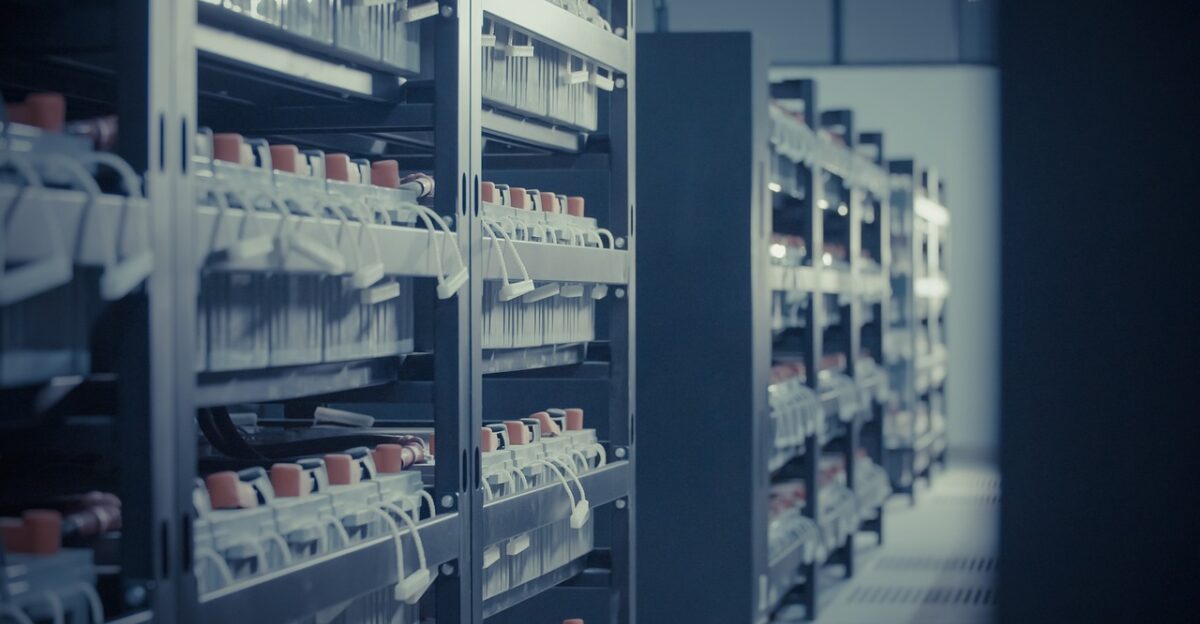
Today’s AI-powered data centers aren’t your typical server rooms. They guzzle electricity to keep advanced processors and cooling systems running 24/7.
Some large facilities now consume over 30 megawatts — enough to power tens of thousands of homes. And that number keeps growing as demand for digital services explodes.
AI’s Growing Share of U.S. Power

Here’s the big thing: By 2028, AI-driven data centers could triple their power use and account for 12% of total U.S. electricity demand.
That’s a staggering jump requiring up to 120 gigawatts of new capacity, and making AI one of the largest emerging drivers of energy use nationwide.
What It Means for Your Power Bill
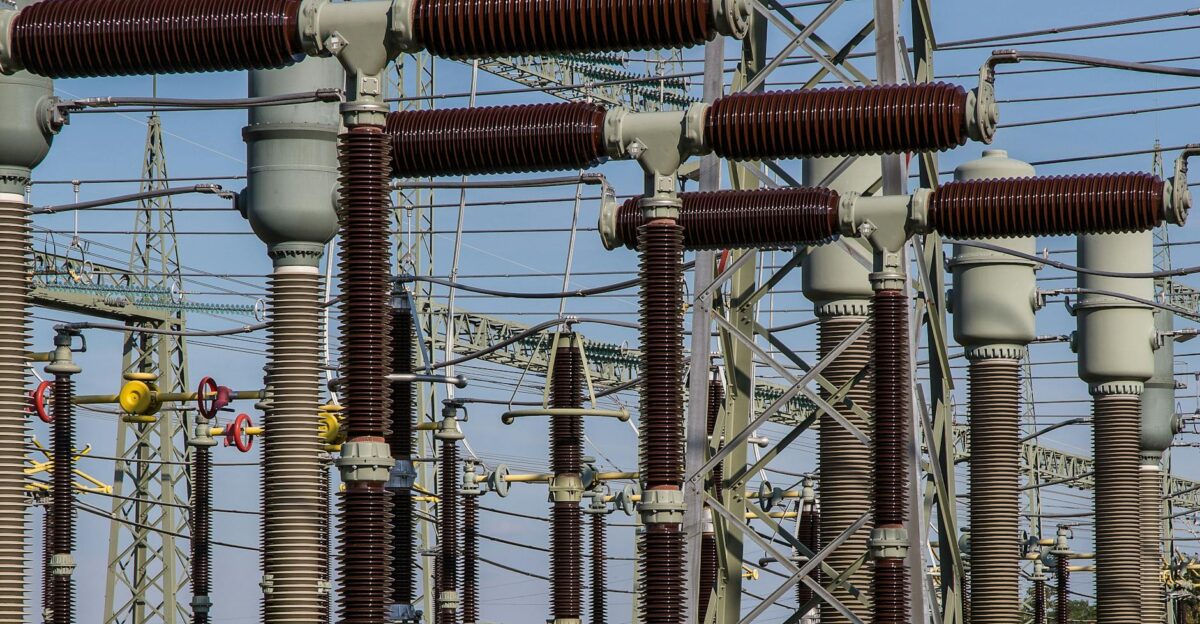
As demand climbs dramatically, utilities are racing to expand capacity, buy backup power, and modernize aging systems — all at a cost.
Those expenses often land in your mailbox. Higher usage also taxes grids during peak times, increasing the risk of outages and rate hikes in vulnerable regions.
Worn-Out Equipment, Expensive Fixes
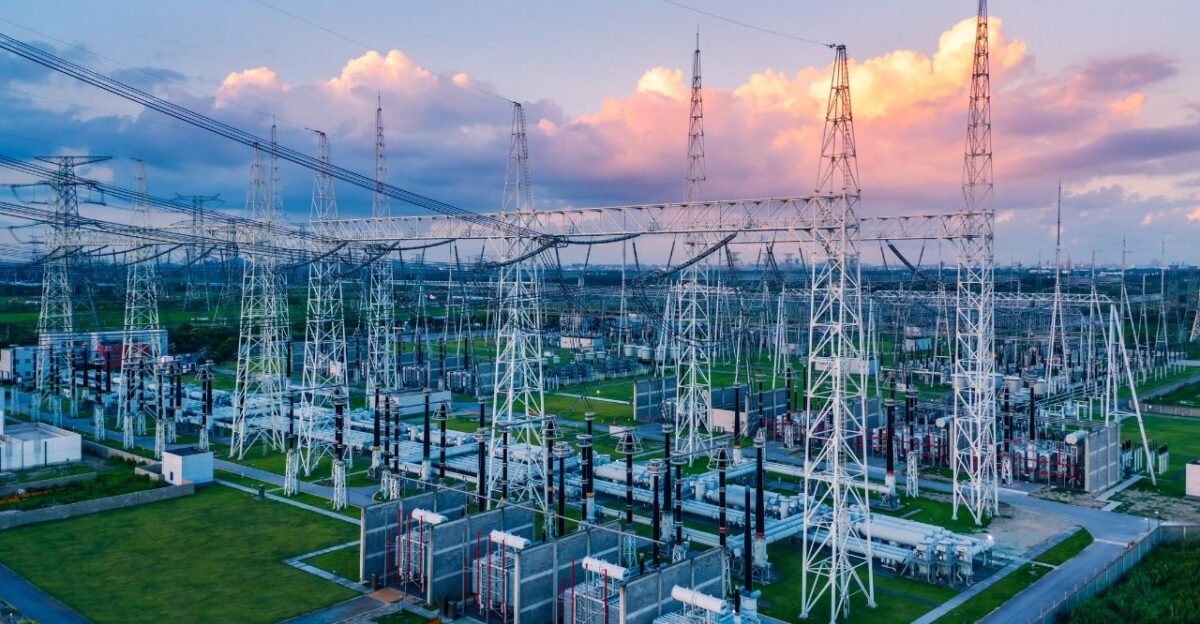
Many U.S. transformers, power lines, and substations are decades old. As they age, failures become more frequent, and replacement becomes harder and more expensive.
Utilities face a massive upgrade backlog — and they’re passing those costs along to homes and businesses through rate increases.
Why Data Centers Are Game Changers
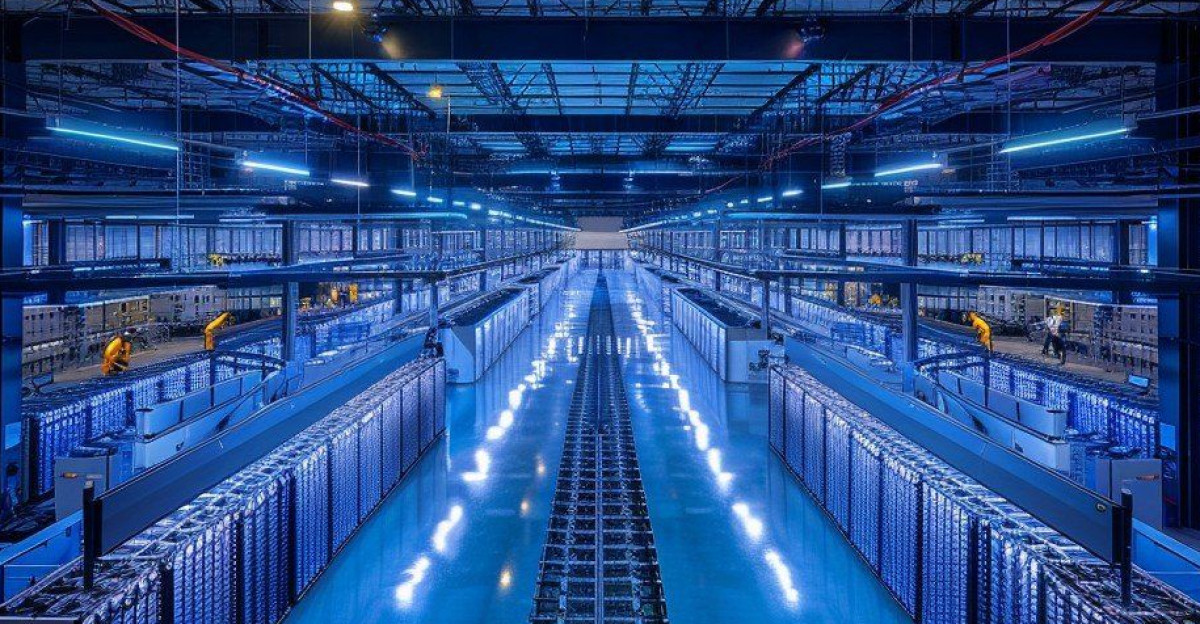
Unlike traditional tech centers, AI facilities run nonstop and demand high-density computing. That means entire industrial-scale warehouses full of processors drawing constant, heavy load.
These energy-hungry hubs are fast becoming the backbone of modern commerce — and a central challenge for grid planners nationwide.
Permits, Delays, and Costly Bottlenecks
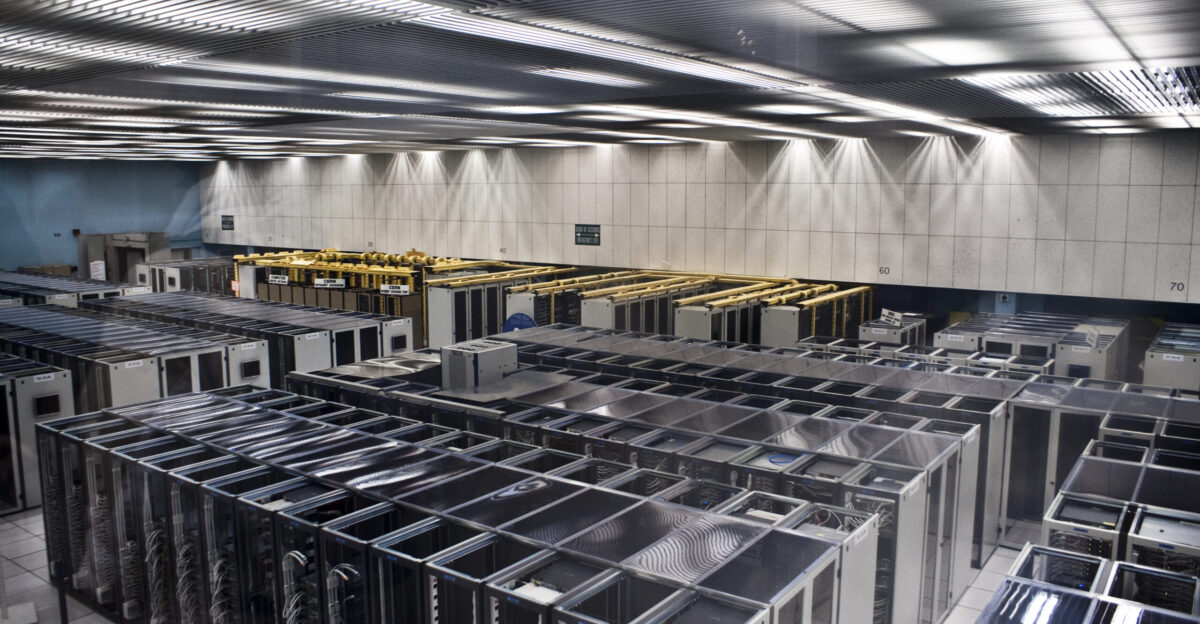
Even for projects with funding, expanding the grid takes years. Regulatory red tape and drawn-out permitting mean delays in adding power lines or new capacity.
When upgrades lag, high-usage sites pay more for electricity — and those costs can bleed into surrounding neighborhoods, driving up local bills.
When Climate Hits the Grid Hard
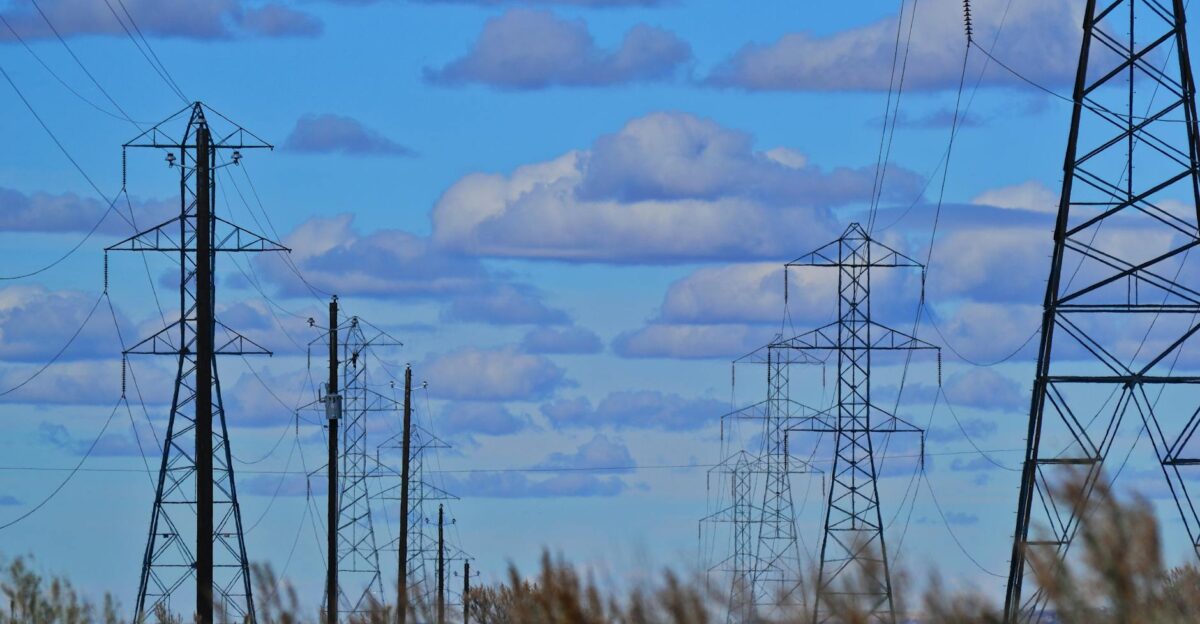
As storms grow stronger and heatwaves longer, utilities are spending billions to shield the grid from climate extremes.
Wildfire-prevention systems, hurricane fortification, and heat-resistant equipment are vital — but expensive. And once again, those costs circle back to ratepayers.
Mixed Signals on Energy Policy
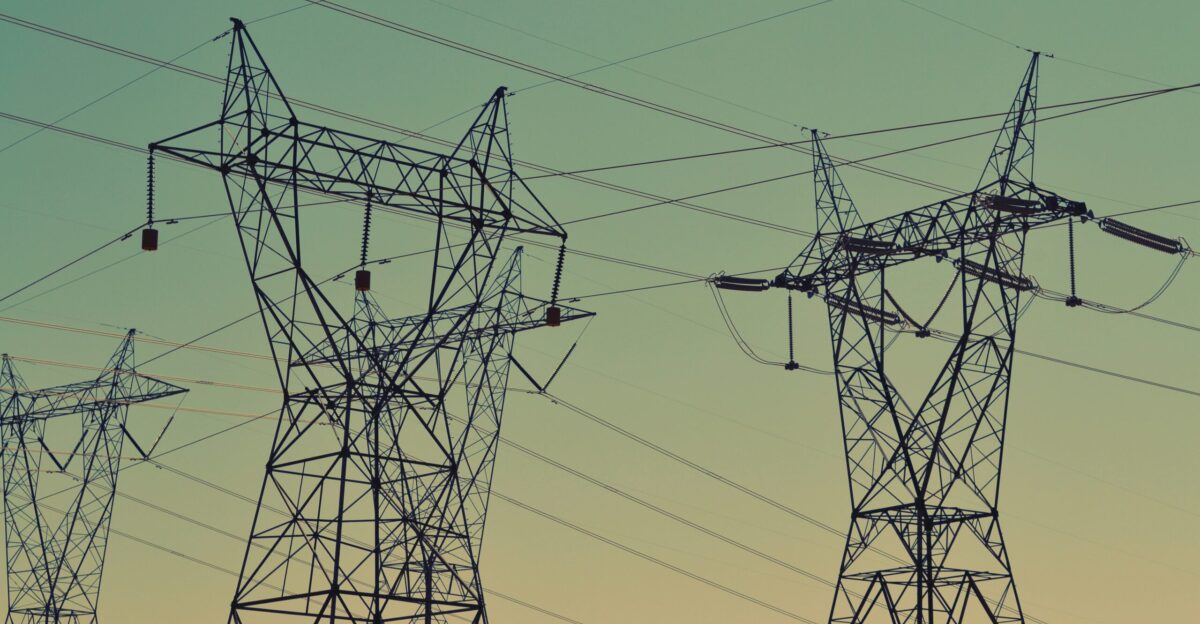
Federal and state energy goals are not always in sync. While some push for wind, solar, and efficiency, others double down on fossil fuels to ensure grid stability.
That patchwork of policies slows long-term transition efforts and keeps pricing and reliability uneven across the country.
Why It’s Getting Pricier to Build
The price of essential materials, copper, steel, transformers, soared after the pandemic and remains high heading into 2025.
Add ongoing labor shortages and inflation to the mix, and every mile of new line or substation comes with a steep price hike, passed straight on to users.
A Global Trend, but U.S. Hot Spots
The U.S. isn’t alone in facing energy price spikes. Europe and Asia have seen similar pressures from demand growth, grid strain, and supply snarls.
But what’s unique in America is how quickly tech-driven demand is colliding with aging infrastructure — creating particularly volatile regional pricing.
Who’s Left Paying the Tab?
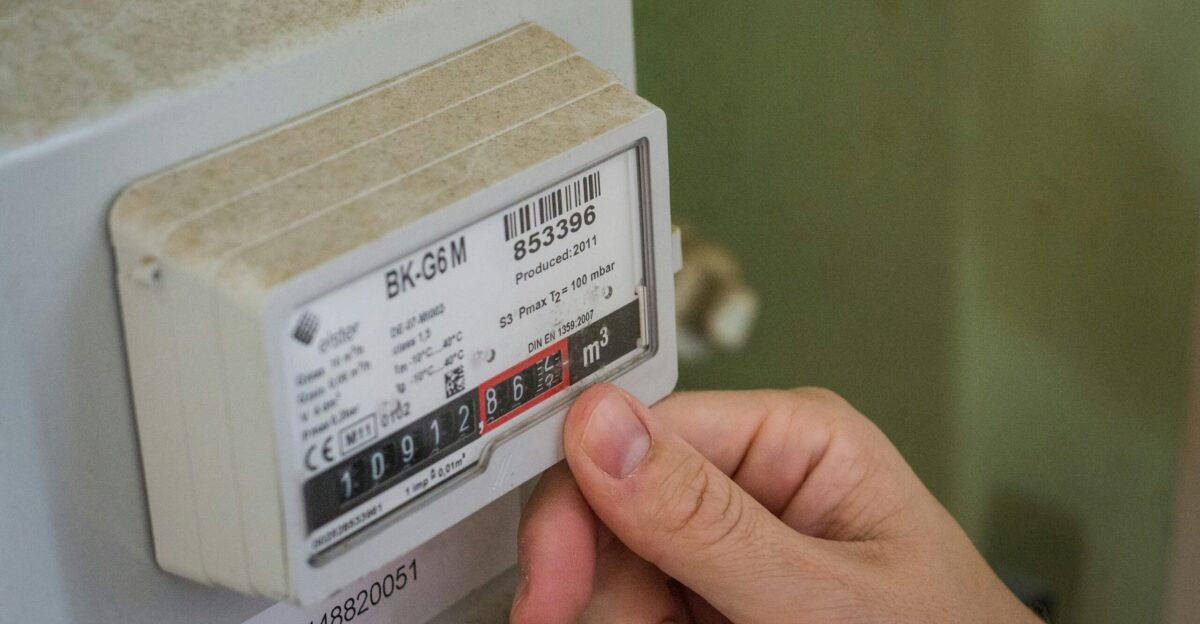
Ultimately, it’s households and companies that absorb the hit. The average residential bill rose 6–7% over the past year.
In high-demand areas, businesses that rely on continuous power are seeing even steeper increases — driving up operational costs and, in some cases, consumer prices.
Power Prices Hit the Political Stage
With electricity costs skyrocketing, energy policy has become a political lightning rod.
Lawmakers, utilities, and tech leaders are clashing over accountability and next steps. But with campaign season intensifying, real solutions often take a back seat to finger-pointing.
Experts Warn of Cascading Risk
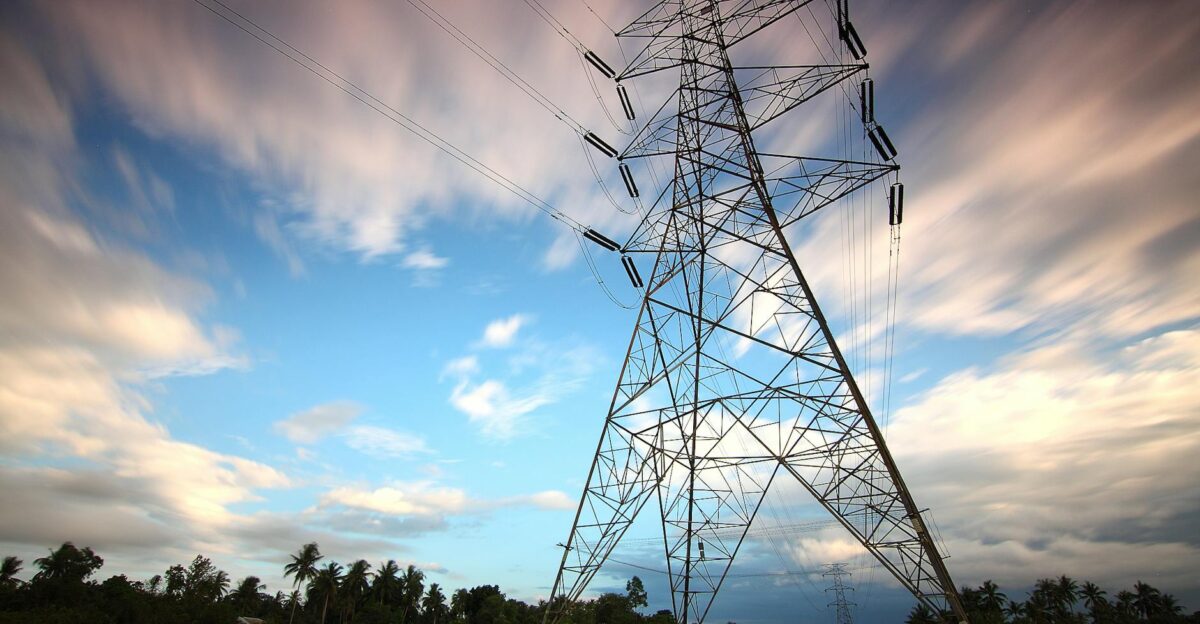
Analysts say the grid faces interlocking threats — from climate disasters to explosive data-center demand to structural aging.
Without broad, sustained upgrades and smarter energy incentives, the problem won’t just persist — it could accelerate, leading to even greater volatility ahead.
When Data Centers Strain Regional Grids
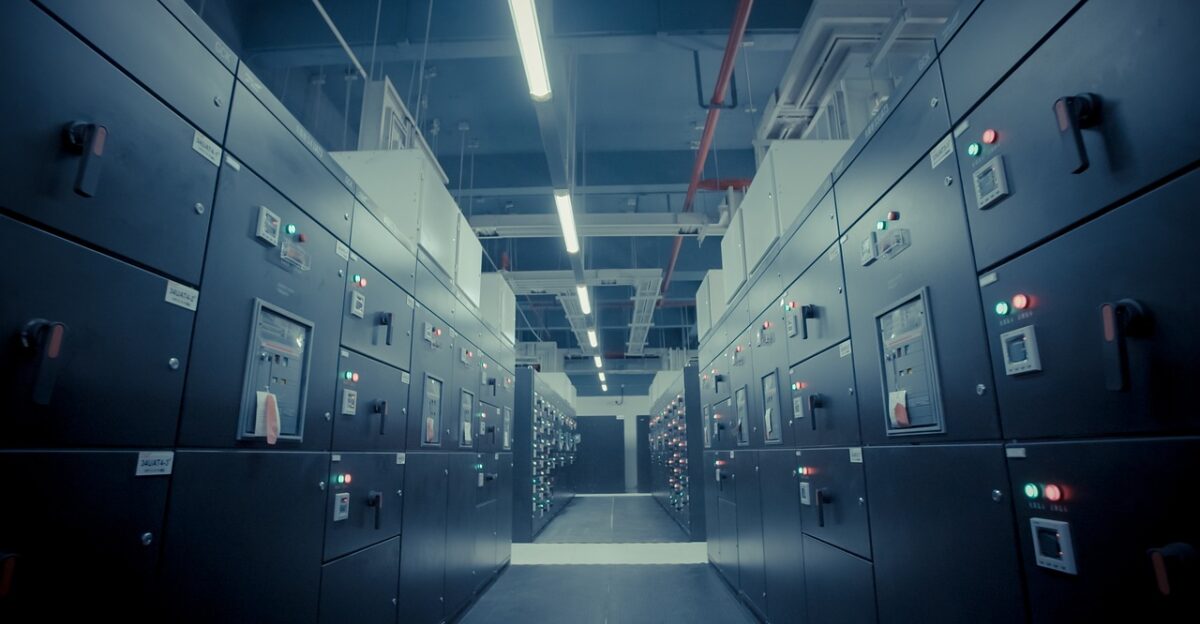
In some areas, massive AI facilities have added hundreds of megawatts to local power loads almost overnight.
Grid operators, like PJM in the mid-Atlantic, have scrambled to redirect power and fast-track expansion — sometimes triggering sharp local rate spikes and infrastructure stress.
How Utilities Are Trying to Catch Up
To meet growing demand, utilities are ramping up clean energy investments, building out battery storage, and testing smart-grid technologies.
But their progress is often hindered by permitting delays, tight labor markets, and tough funding environments — all of which slow needed reforms.
Can Innovation and Policy Turn the Tide?
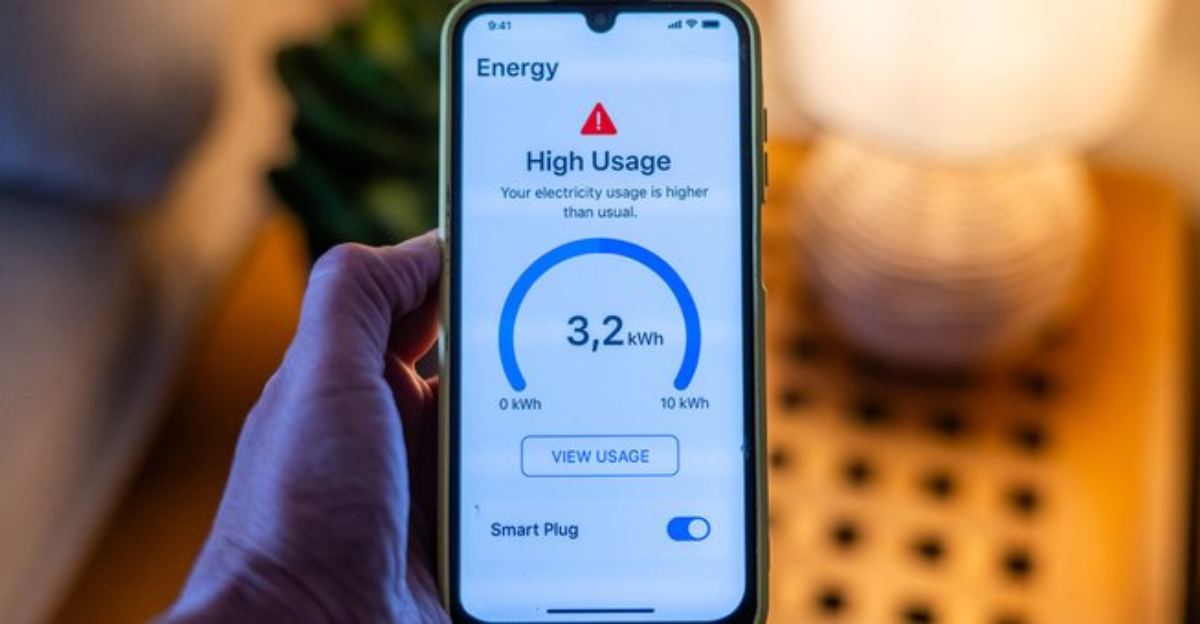
There’s hope on the horizon. Grid experts point to improved battery systems, real-time demand management, and faster permitting as potential game-changers.
Backed by targeted legislation and bold investment, these fixes could rein in prices — but time is running short to act at scale.
How You Can Lower Your Bill
Consumers have a role, too. Upgrading to smart thermostats, investing in rooftop solar, and choosing energy-efficient appliances can make a difference.
Supporting grid upgrades and demanding better transparency from utilities can also help push the system toward fairness and resilience.
Powering the Future: AI Meets the Grid
The U.S. power landscape is being reshaped by two powerful forces: surging AI-driven demand and a grid in dire need of modernization.
Understanding the pressures behind rising costs is more than just good economics — it’s essential for tackling tomorrow’s energy challenges. Staying informed may be the first step toward shaping a smarter, more stable future.