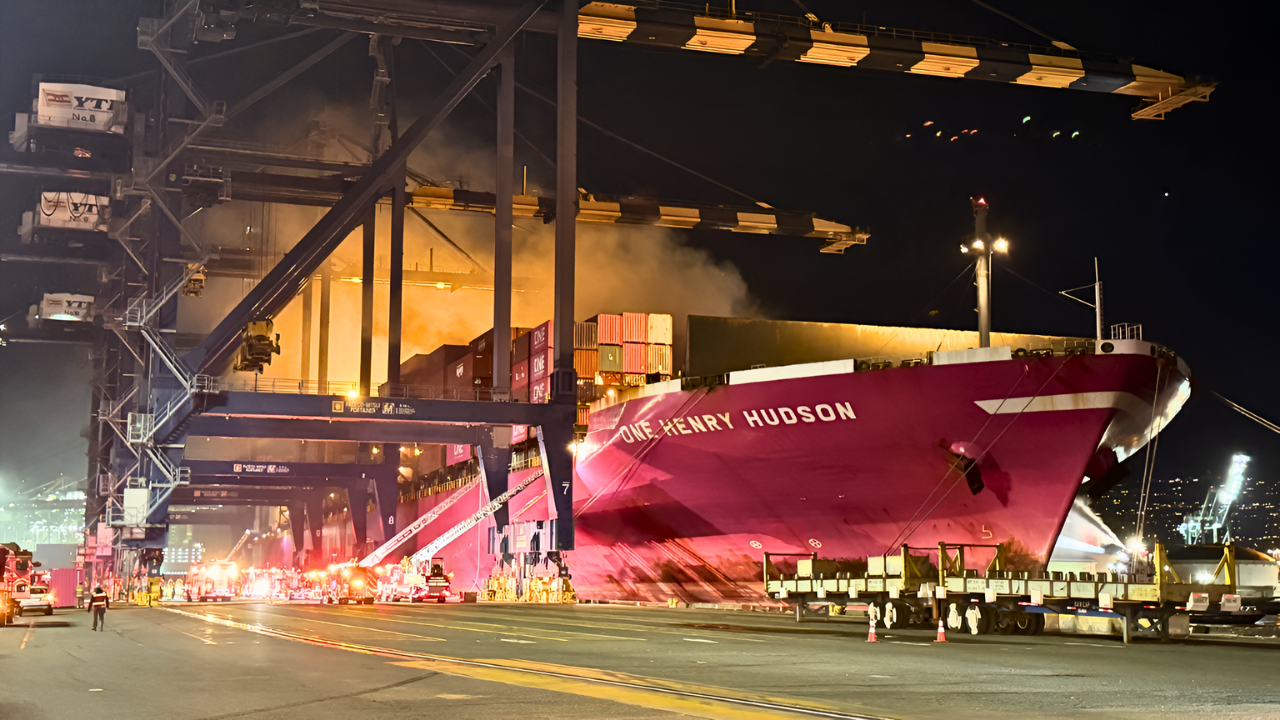
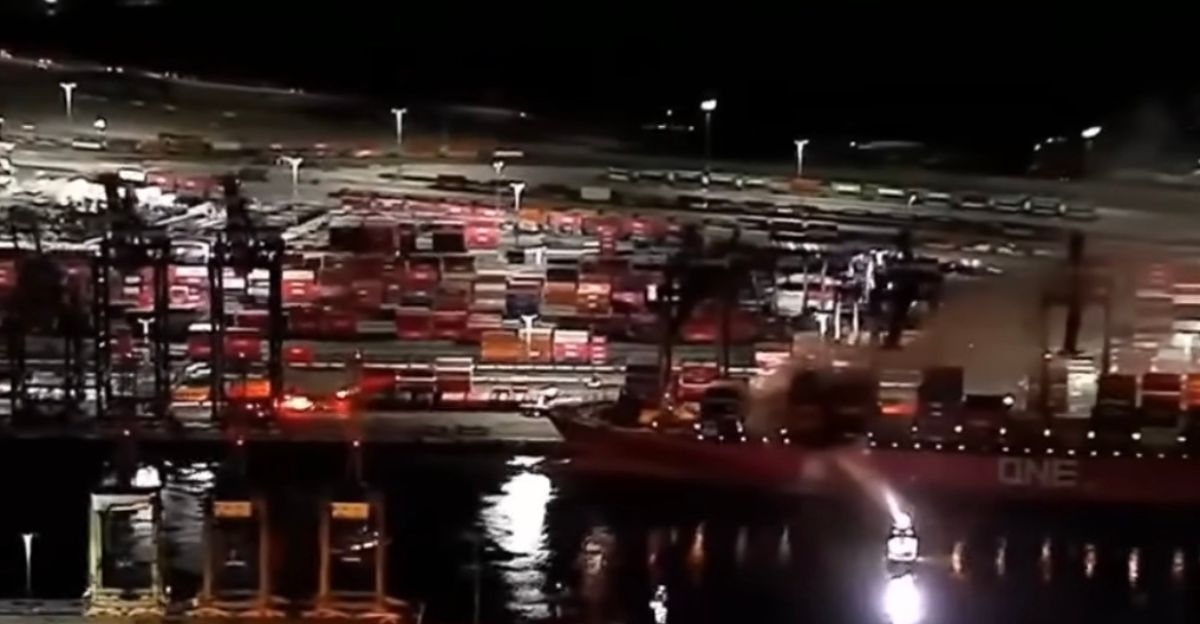
Friday night began like any other at the Port of Los Angeles. Cranes lifted containers, ships hummed with activity, and workers prepared to wrap up another day at North America’s busiest port. Then, at 6:38 p.m., an electrical fire sparked deep in the lower deck of the One Henry Hudson—out of sight, but not for long.
Within hours, nearly 200 firefighters would be racing to San Pedro to battle an inferno they couldn’t even reach.
Then Came the Explosion That Changed Everything
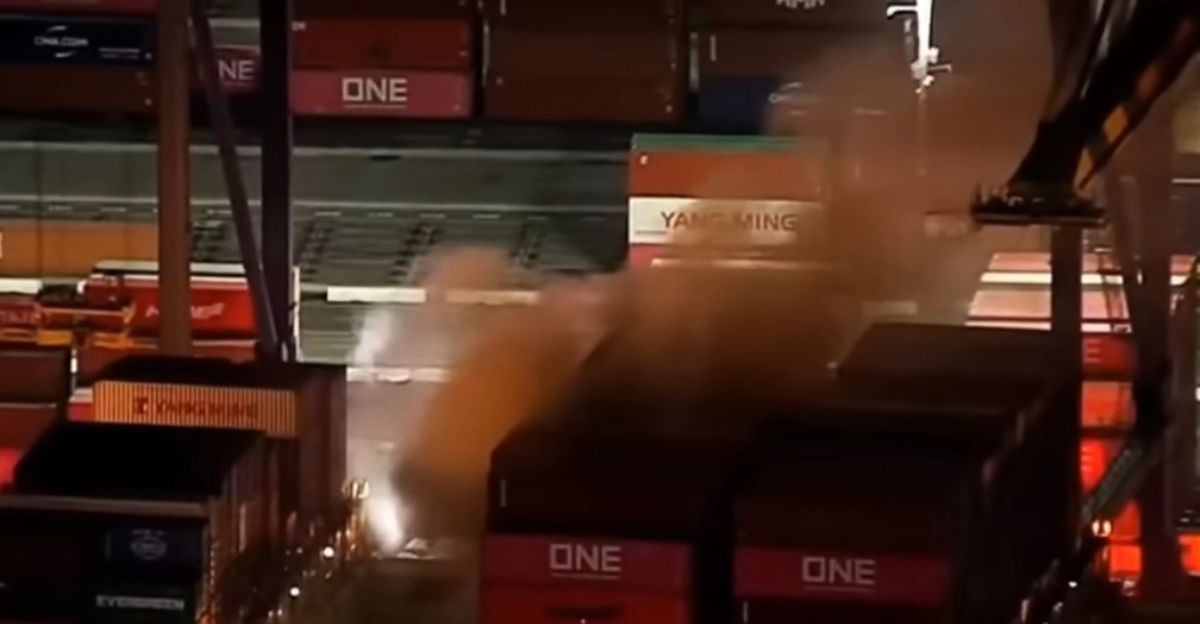
Just before 8 p.m., an explosion tore through the vessel’s mid-deck. The blast was so powerful that it knocked out every light and crane on the 1,100-foot ship, LAFD reported. Firefighters battling the blaze were suddenly working in pitch darkness, racing against flames spreading through cargo bays stacked with 8,000 containers.
The Panama-flagged vessel had just arrived from Tokyo days earlier—now it was a floating emergency.
The Race to Account for Every Single Crew Member

For nearly two hours, six crew members couldn’t be located. Emergency responders combed through the massive vessel, their urgency mounting with every passing minute. Finally, at 8:30 p.m., came the news everyone had been waiting for: all 23 crew members were safe.
Despite the explosion, the darkness, and containers filled with hazardous materials, not a single person was injured—a small miracle amid the chaos.
When 186 Firefighters Can’t Reach the Fire
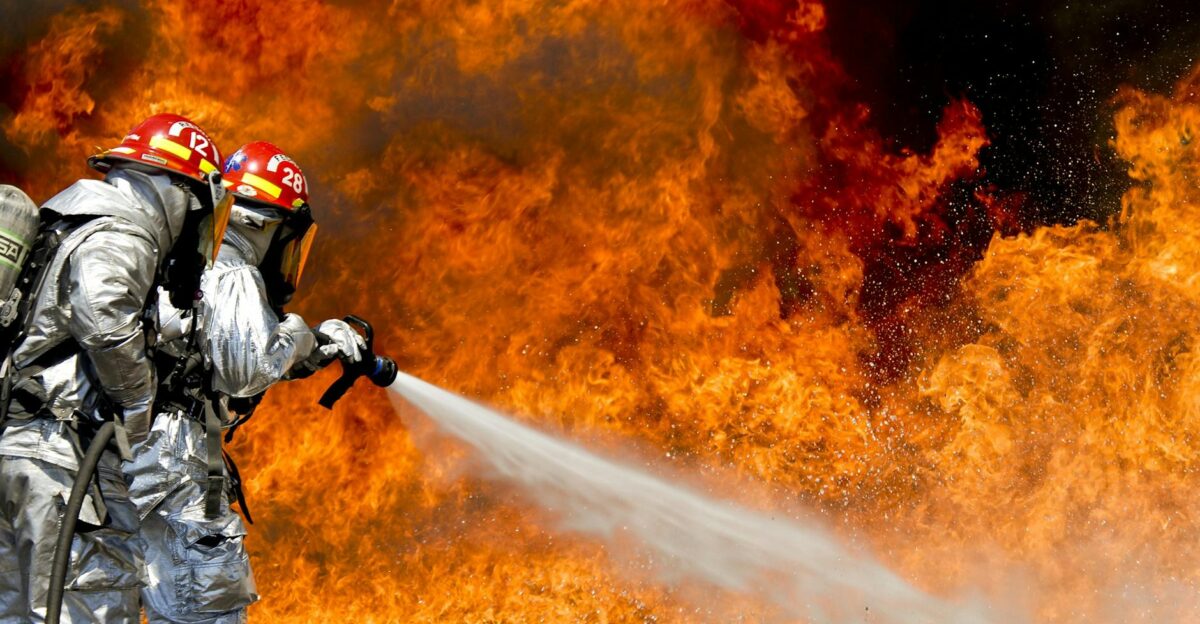
The Los Angeles Fire Department sent 186 firefighters—joined by crews from Long Beach and LA County—to battle flames burning in the ship’s deepest, most inaccessible sub-levels. They faced a frustrating reality: the fire was out of reach.
By 11 p.m., conditions had become so dangerous that incident command made the call everyone dreaded. “Get off the deck,” they ordered. The firefighters had no choice but to retreat.
The Hidden Threat Inside Those Burning Containers
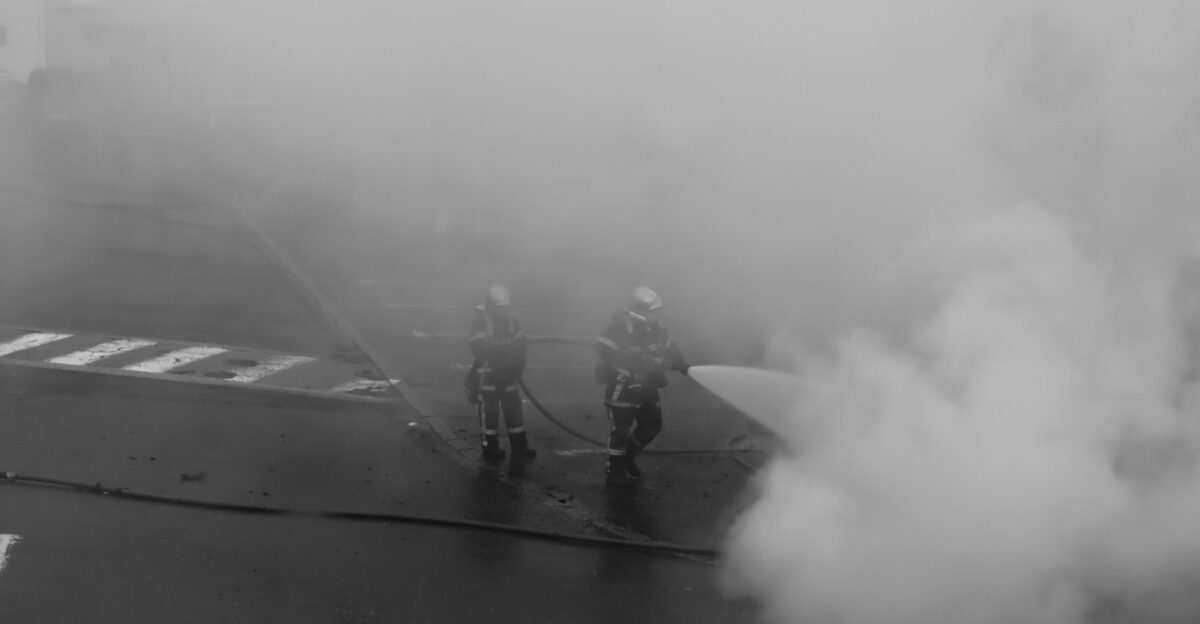
This wasn’t just any fire. Several containers held hazardous materials—including lithium-ion batteries, the kind that can explode or release toxic fumes. Every firefighter needed a full protective suit and oxygen mask, according to the LAFD. As thick smoke billowed toward nearby homes, specialized hazmat teams worked through the night monitoring air quality.
Families in San Pedro and Wilmington watched the dark plume rise, wondering what was in that smoke.
Fighting a Fire They Couldn’t Even Touch
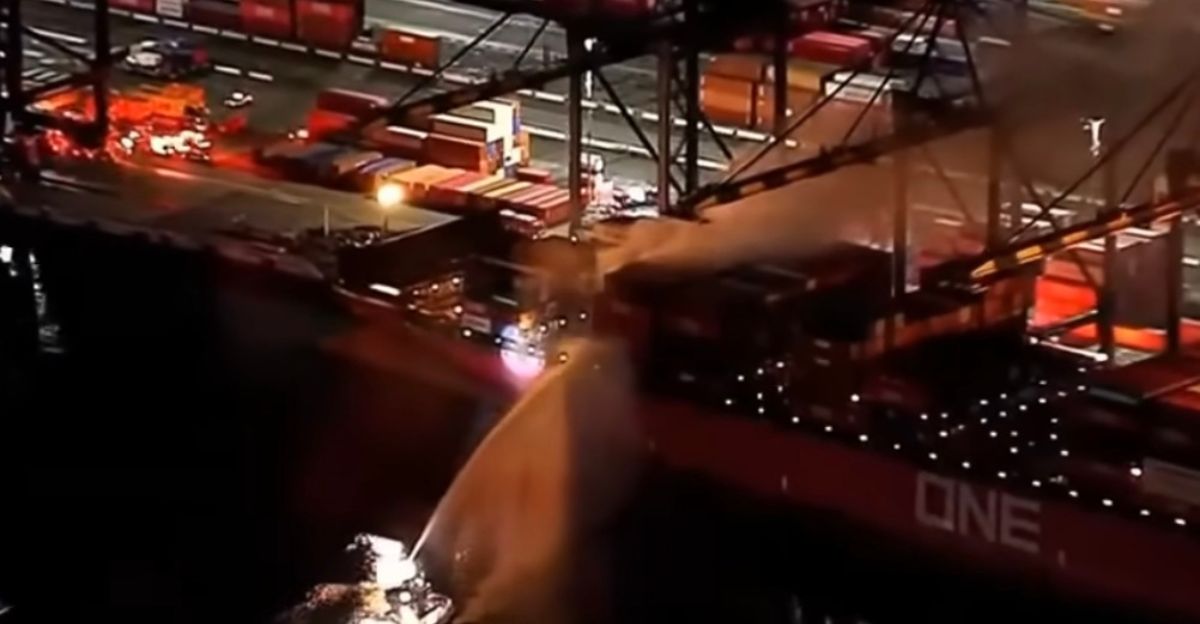
When you can’t fight a fire from the inside, you cool it from the outside. LAFD fireboats circled the vessel like a protective barrier, their powerful water cannons pouring thousands of gallons onto the ship’s hull and the containers burning on deck.
There was one nagging concern: could all that water sink the ship? Thankfully, the vessel stayed stable, authorities confirmed. But the firefighters knew they were in for a long night.
Midnight Alert: Stay Inside, Close Your Windows
At 12:01 a.m., phones across San Pedro and Wilmington lit up with an emergency alert. Los Angeles Mayor Karen Bass had issued a shelter-in-place order. “Remain at home, keep windows closed, and turn off HVAC systems,” she urged residents across social media.
From Western Avenue to the 103 Freeway, families locked their doors and sealed their homes as potentially toxic smoke drifted through their neighborhoods. It was the middle of the night, and no one knew when it would be safe to venture out again.
America’s Busiest Port Grinds to a Halt
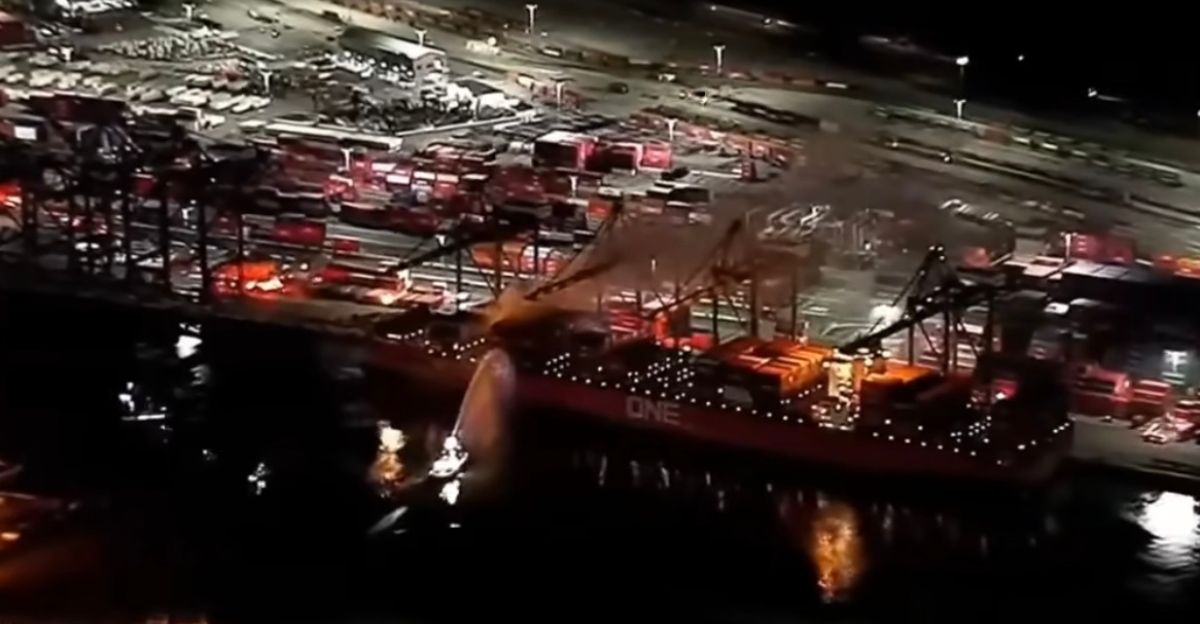
By Friday night, four of the port’s seven container terminals had gone dark. Operations that usually run around the clock—moving goods worth billions—came to a standstill as officials established a safety zone around the burning ship, the Port of Los Angeles announced.
State Route 47 was closed as smoke swallowed the roadway. This was North America’s busiest port, handling over 9 million containers annually. Now, one burning ship had brought it all to a halt.
The 3 a.m. Mission to Move a Burning Ship
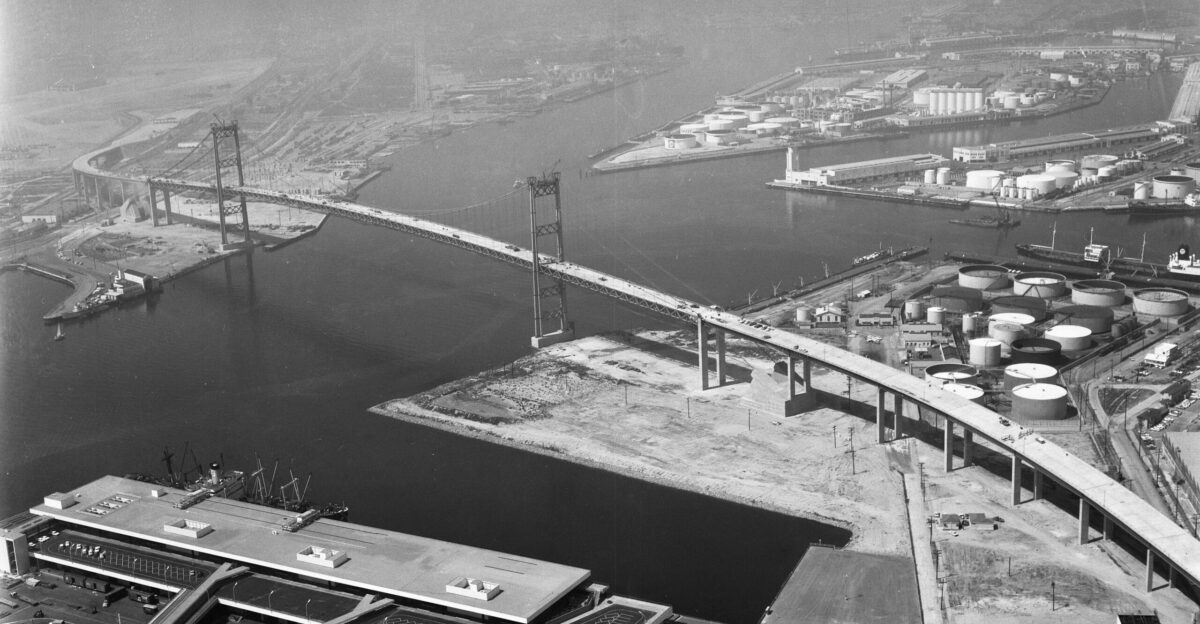
Around 3 a.m., under the cover of darkness, multiple agencies launched a delicate operation: move the burning vessel away from the port before it endangered critical infrastructure. Tugboats carefully guided the One Henry Hudson beyond the Vincent Thomas Bridge, towing it about a mile offshore to an anchorage near Angel’s Gate Lighthouse.
Fireboats continued to spray water throughout the entire journey. By 4:43 a.m., the ship was safely anchored—still burning, but no longer a direct threat to the port.
Fire Trapped in One Cargo Hold
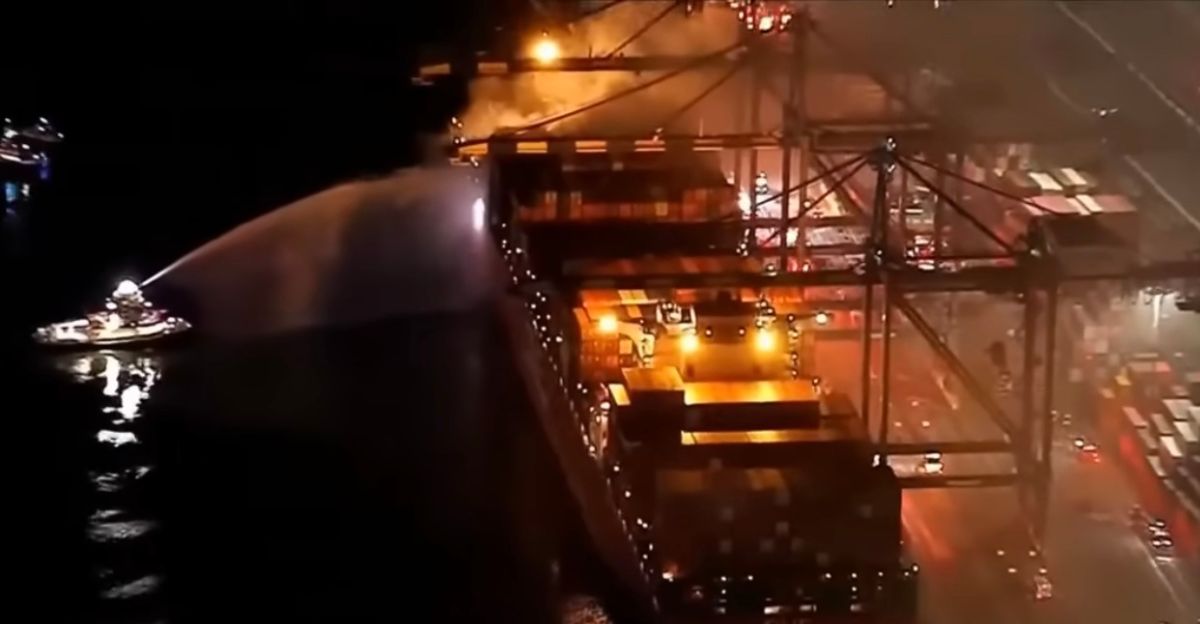
By Saturday afternoon, exhausted firefighters had something to celebrate. After nearly 19 hours of relentless effort, they’d isolated the blaze to a single cargo hold. Fireboats from Los Angeles and Long Beach continued to pour water on the hot spots.
The Port of Los Angeles announced the fire was “substantially contained”—it wasn’t out, but it wasn’t the raging inferno it had been. The U.S. Coast Guard kept a one-mile safety perimeter around the vessel, just in case.
117 Containers Lost in the Inferno
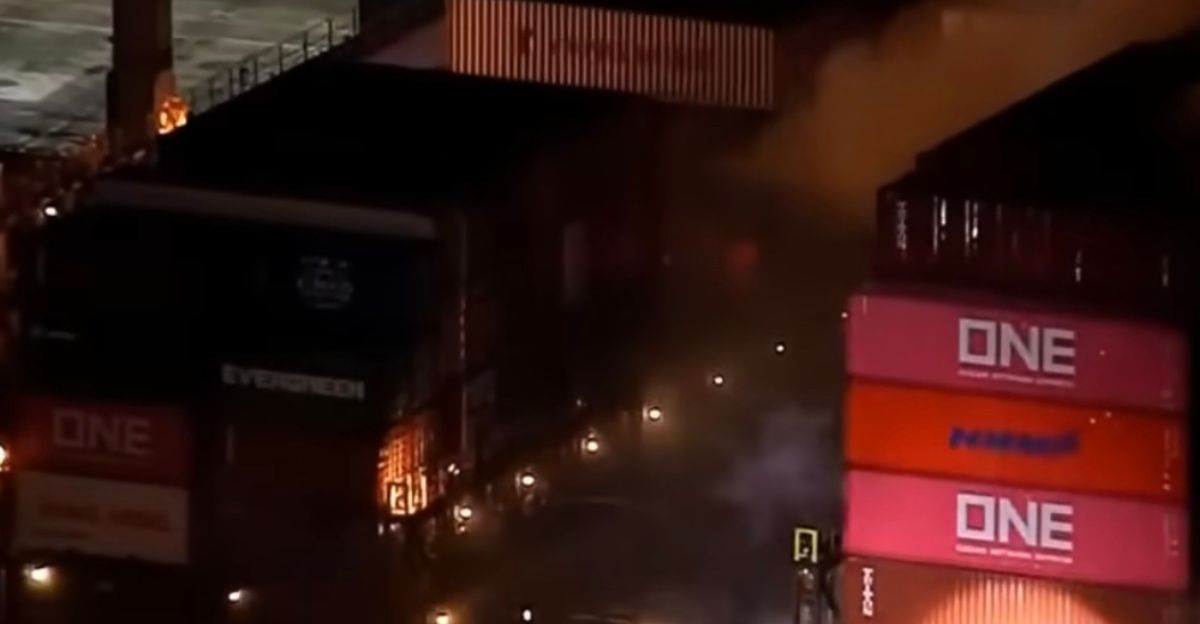
Out of 8,000 containers aboard the One Henry Hudson, approximately 117 were destroyed or damaged, Port Executive Director Gene Seroka reported. LAFD Captain Adam VanGerpen told reporters the count kept climbing—from 40 containers to around 100 as firefighters gained better visibility.
Inside those metal boxes? Automotive parts, machinery, beef, fresh fruit, footwear, and personal protective equipment. Goods destined for stores and businesses across America—now ash and melted steel.
Residents Can Finally Breathe Again

At 6:30 a.m. Saturday, the shelter-in-place order was lifted. Air quality monitors confirmed what residents had been hoping for: it was safe to open their windows again. Across San Pedro and Wilmington, families ventured outside, inhaling the cool morning air with relief.
Port operations restarted, all seven terminals hummed back to life, and State Route 47 reopened. After a tense, sleepless night, normalcy was slowly returning.
A Massive Team Effort Still Underway
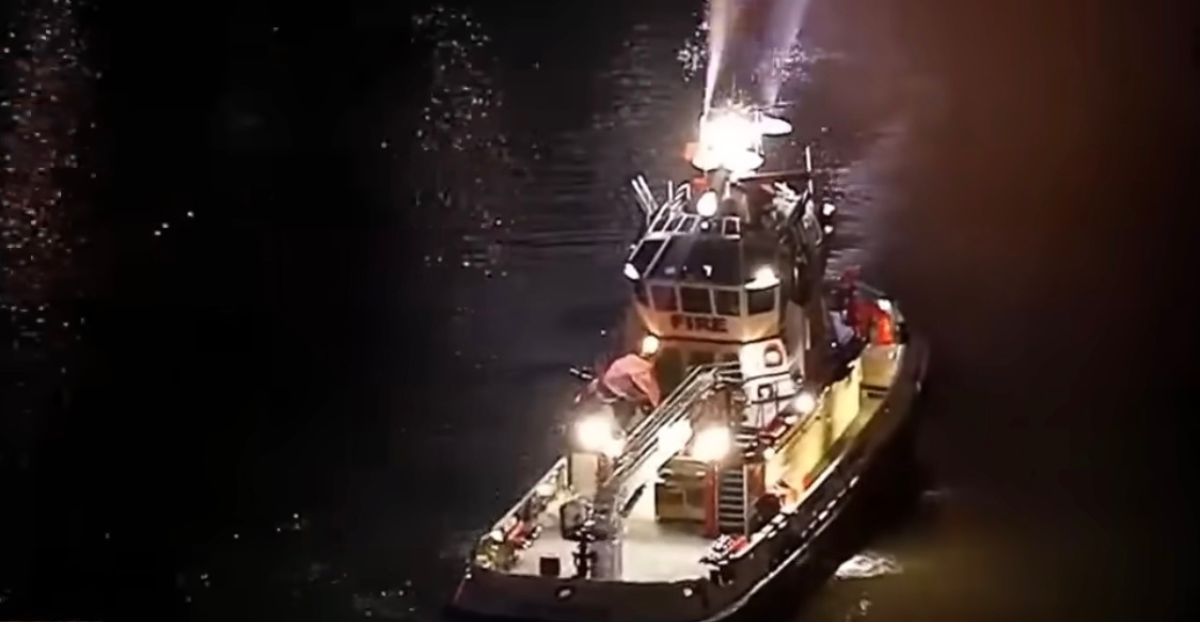
This wasn’t a one-department operation. The LAFD, Long Beach Fire, LA County Fire, the California Governor’s Office of Emergency Services, the U.S. Coast Guard, and the LA Port Police all coordinated through a unified command.
Governor Gavin Newsom’s office maintained constant contact, ensuring that first responders had everything they needed. Salvage operations would continue for days as investigators began the painstaking work of figuring out what sparked the initial fire deep in that lower deck.
The Fire That Fought Back
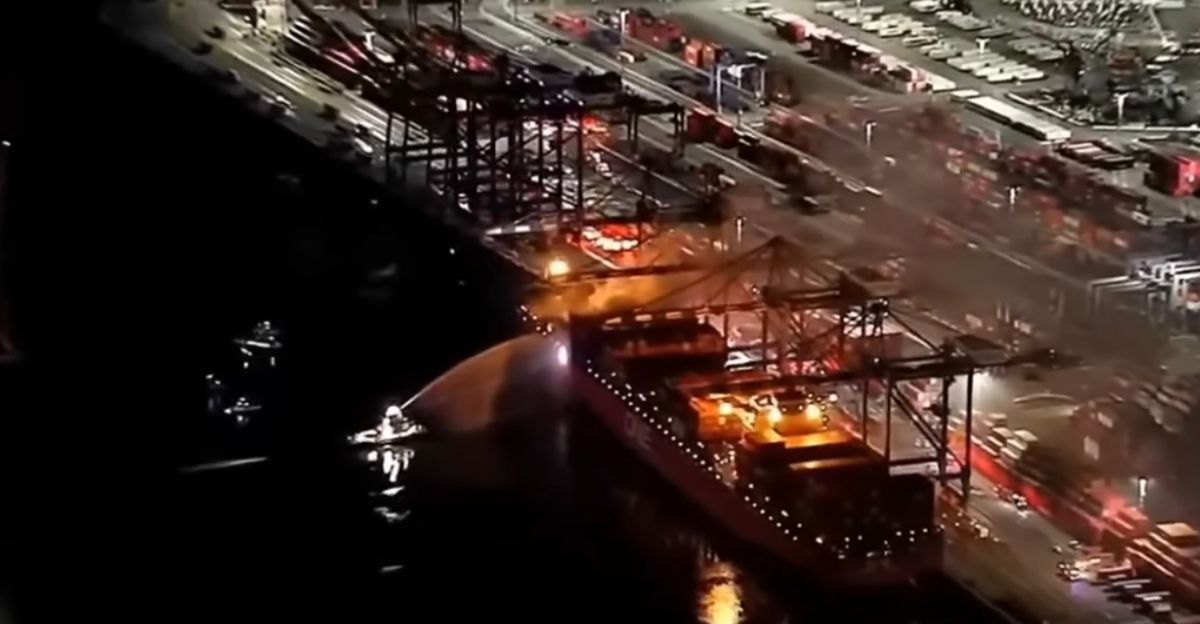
LAFD called it what it was: an extraordinary challenge. The fire was burning in areas firefighters physically couldn’t reach—roughly 40 containers deep within the ship’s maze-like structure remained untouchable Saturday morning. The explosion had knocked out power, leaving crews working blind in the dark.
To adapt, the department deployed drones equipped with thermal imaging cameras, mapping the heat signatures to guide their next moves. It was firefighting in the 21st century—high-tech solutions for an age-old battle.
One Ship, One Fire—A Wake-Up Call for Supply Chains
For 25 consecutive years, the Port of Los Angeles has held the title of North America’s busiest port for container traffic. Yet one ship, one fire, brought its operations to a grinding halt. The incident highlighted the fragility of our global supply chain—a single electrical malfunction escalating into an explosion that shut down a critical trade gateway.
As investigators dig into what went wrong, one question lingers: how do we prevent this from happening again?