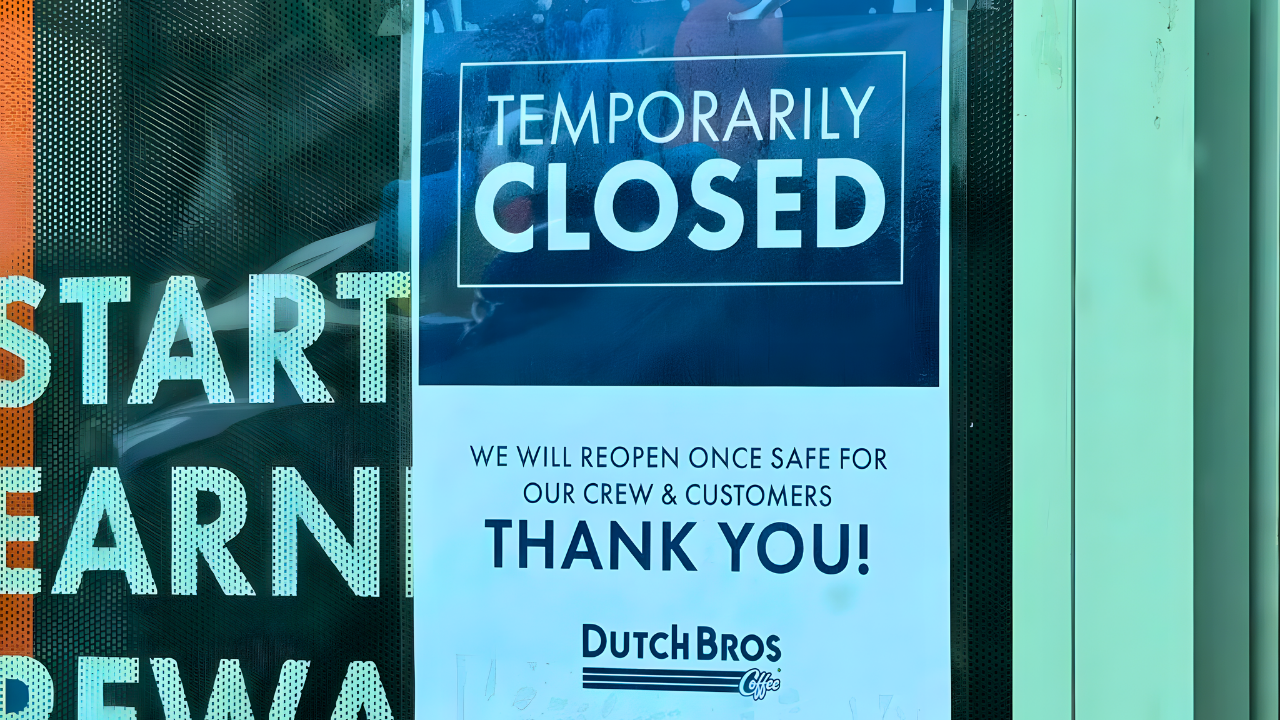
A 20-location coffee drive-thru chain across the Carolinas vanished from the map. No bankruptcy. No Chapter 11. Instead, the founder—a former Dutch Bros manager who raised $450,000 to build his own brand—returned the keys to his old company.
The closure happened on Friday, January 16, 2026, at 4:00 p.m. It ended an eight-year regional success story. Now people wonder if regional brands can survive in today’s mega-chain era.
The Expansion Before the Collapse

Clutch Coffee Bar grew fast. It went from 8 locations in 2023 to 15 by May 2025. The chain focused on the Carolinas market. Darren Spicer, co-founder and CEO, talked about community on podcasts.
The brand had 29,000 Instagram followers and thousands of TikTok views. Regional news outlets called Clutch a rising competitor in the drive-thru coffee space. Yet none of this growth protected what came next.
The Drive-Thru Wars Heat Up
America’s drive-thru coffee market is booming. Dutch Bros, based in Arizona, reached 1,000 locations by February 2025. The company aims for 2,029 locations by 2029. Scooter’s Coffee expands into North Carolina.
Ellianos opened its first Carolina store in the summer of 2025. The Carolinas had been an empty space for growth. Now it was crowded. Clutch’s advantage—local loyalty and community ties—faced attack from big, well-funded rivals.
The Pressure Builds
Dutch Bros learned lessons from its Texas expansion. Too many stores too fast hurt each store’s sales. The company now prefers strong locations and slower growth. CEO Christine Barone hired Brian Cahoe, who led development at KFC.
They pushed mobile ordering for customer loyalty. They tested food items as a growth tool. For a 20-store regional player, the choice was clear: grow big or get bought.
The Acquisition Announcement
On January 13, 2026, Dutch Bros announced it was buying Clutch Coffee Bar. The price was not revealed. All 20 stores would close, get renovated, and reopen as Dutch Bros locations. This marked Dutch Bros’ first acquisition ever.
The deal gave Dutch Bros an instant foothold in the Carolinas, where it had only two stores. Spicer said the deal respected Clutch’s team and foundation. For Spicer, the gamble ended—not in failure, but in absorption.
Three Days to Goodbye

Clutch had 51 to 200 employees. They got notice via Zoom call on January 13 or 14. They had just two to three days before the 4:00 p.m. shutdown on Friday, January 16.
One employee posted on Reddit: “We got a three-day notice. We found out we were losing our jobs last night.” Workers learned about the closure at the same time as the public. They had to scramble to plan. The speed shocked everyone. In most business deals, workers get weeks of notice. Clutch gave them hours.
Damage Control, Too Late
Clutch tried to ease the blow. The company promised “extra pay beyond three days” and priority hiring at Dutch Bros. One worker said, “Clutch wasn’t just a little coffee shop. It became a place where I made friends for life.”
Yet workers still faced a tough situation. They had minutes, not weeks, to update resumes. Another social media post said workers were “left to scramble.” They had no voice in a decision that changed their lives.
The Bigger Picture for Dutch Bros

The deal speeds Dutch Bros’ expansion across the Southeast. Dutch Bros had 1,081 stores as of September 2025. The company tests food and mobile ordering to boost profits and visits. The Carolinas closure shows a new plan: buy regional chains, remove their brands, and turn them into Dutch Bros stores.
This moves faster than building new stores and kills a competitor in one fell swoop. Dutch Bros investors see smart business. Clutch fans see a local business erased.
The Community Dimension

Clutch positioned itself as a core part of local life. Spicer shared a story about giving 100% of the proceeds from a special event to help after a local police officer died. The brand stood for “community first.”
Stores had live music, personal barista connections, and local charity work. This brand identity—built over eight years—will vanish when stores reopen. Dutch Bros. is known for high energy and fast service, not for close community bonds.
The Founder’s U-Turn
Here’s what many miss: Darren Spicer left Dutch Bros in 2014-2015 as a store manager. He felt frustrated with the franchise path, raised $450,000 and, he bought two Human Bean stores in Mooresville and rebranded them as Clutch in March 2018.
Eight years later, he sold back to the same company. The success story—a bootstrapped founder builds a regional empire—ends in a deal and erasure instead. Spicer gets cash. Clutch becomes a step in Dutch Bros’ North Carolina plan, not a lasting brand.
Employee Fallout and Frustration

Dutch Bros promised priority hiring. Yet the quick notice caused real hardship. Clutch’s hourly workers earned $15 to $17 per hour. That’s fair for drive-thru work but not generous.
Missing a week of work means late rent or unpaid bills. Multiple workers expressed anger at the shock and tight timeline. Some doubted Dutch Bros’ hiring pledge would happen or stay firm once new managers arrived. Trust broke in 72 hours.
The Branding Strategy Bet
Dutch Bros bets its high-energy, mobile-first brand beats Clutch’s community focus in the long run. The company tested food items at six pilot stores in 2025 and plans a full rollout in 2026. Mobile ordering makes profits and loyalty grow in other Dutch Bros markets.
The conversion of Clutch stores tests if Carolina customers—loyal to Clutch’s close model—will embrace Dutch Bros’ efficient approach or switch to Ellianos, Scooter’s, or local shops now ready to serve them.
The Expansion Paradox

Dutch Bros’ first deal raises a big question: has organic growth run out? Dutch Bros opened 38 new stores in Q3 2025 alone. It was on track to open 160+ new stores in 2025. Yet the company still targets 2,029 by 2029.
That means nearly 18% annual growth. The Clutch deal suggests that real estate pipelines in the Carolinas are either too slow or too expensive. Dutch Bros trades building risk for merger risk. The bet says speed matters more.
Expert Skepticism Looms
Industry analysts watch closely. William Blair noted Dutch Bros learned hard lessons from fast Texas growth. Too many stores too fast hurt each store’s sales and revenue. The Clutch deal shows the company seeks an M&A shortcut to avoid that trap.
Yet buying brands brings its own risks: lost customers, key worker departures, and culture clashes. One analyst privately questioned if the $450,000 deal justified merger work. But Dutch Bros’ growth push may not allow slower moves.
The Regional Brand Reckoning
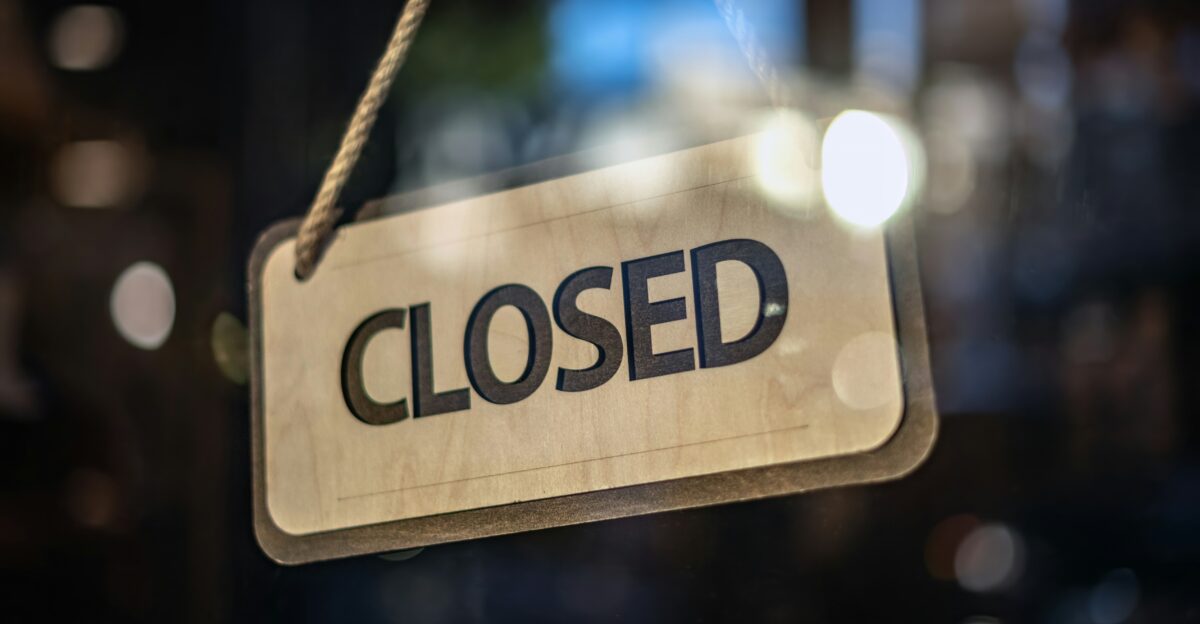
Clutch’s closure is not unique. Regional drive-thru chains merge across America. Big players like Dutch Bros, Scooter’s, and Ellianos capture local interest and dollars. For entrepreneurs like Spicer, the choice is stark: grow to national size or sell. The days of a 20-store regional success staying independent are mostly gone.
Clutch’s last day—January 16, 2026, at 4:00 p.m.—marks when Spicer chose cash over legacy. The question remains: will Dutch Bros’ plan prove wise, or will Clutch fans skip by, recalling what speed stole from thecommunity?
Sources:
- Restaurant Dive, Dutch Bros plans to build 1K shops within 5 years, March 28, 2025
- QSR Magazine, Why 2025 Promises Even Bigger Things for Dutch Bros, April 7, 2025
- Tasting Table, A Regional Coffee Chain Is Shutting Down After Being Bought By Dutch Bros, January 13, 2026
- Integrated Media Publishing, From Setback to Spark: How Darren Spicer Brewed a Coffee Empire on Community, January 8, 2026
- Restaurant Business Online, Drive-thru coffee giant Dutch Bros to acquire 20-unit Clutch Coffee Bar, January 13, 2026
- Nation’s Restaurant News, Dutch Bros purchases regional Clutch Coffee Bar chain in first-ever company acquisition, January 13, 2026