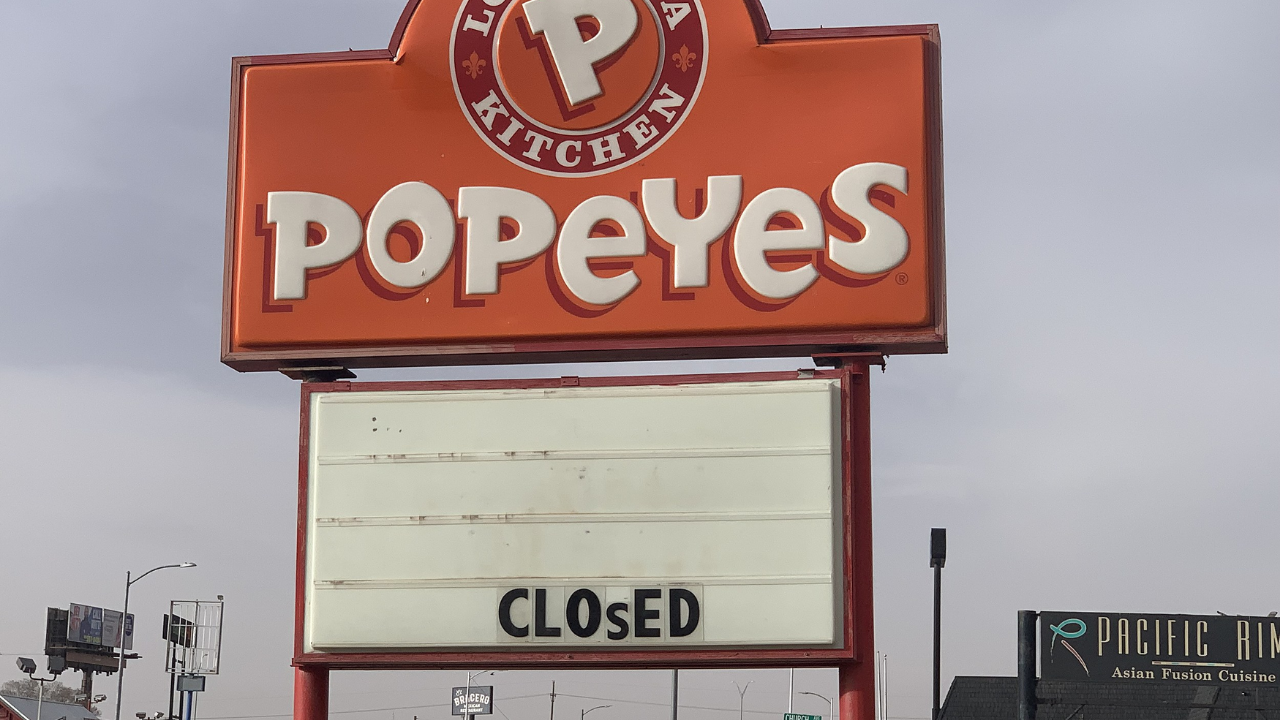
A major Popeyes franchisee in the U.S. has filed for Chapter 11 bankruptcy, casting uncertainty over 136 restaurants, nearly 2,900 jobs, and communities in Florida and Georgia. Sailormen Inc., based in Miami, sought court protection on January 15, 2026, amid $233.5 million in annual sales overshadowed by heavy losses and debt.
The Filing Halts a Seizure
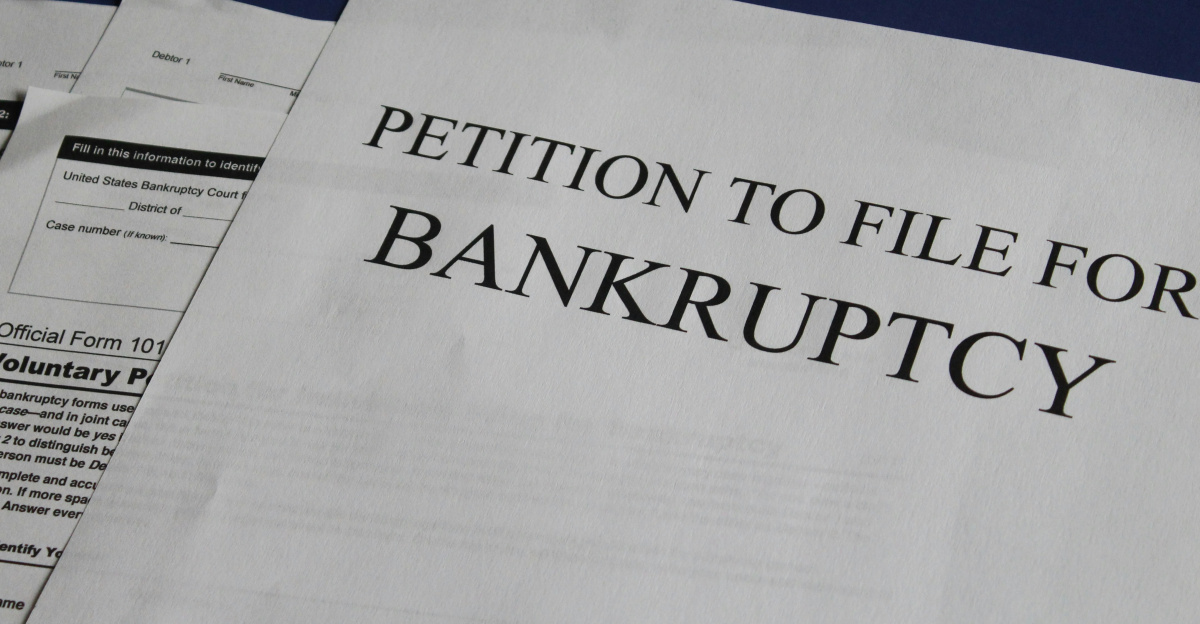
Sailormen filed in the U.S. Bankruptcy Court for the Southern District of Florida, listing assets and liabilities each between $100 million and $500 million. The move stopped an imminent receivership by its main lender, BMO Bank N.A., providing time to restructure or sell assets while keeping operations running.
A $130 Million Debt Spiral

The core issue stems from defaulting on about $130 million in credit facilities. BMO warned of imminent cash shortages as margins shrank under higher interest rates. What began as manageable debt quickly became unsustainable, forcing the bankruptcy filing.
Sales Mask Deep Losses

Revenue reached $233.5 million, or about $1.7 million per store, signaling robust demand. However, an $18.8 million net operating loss revealed the toll of rising labor costs, food prices, and fixed leases. Even strong traffic in chicken chains—up 3% in the year to September 2025—could not offset these pressures.
Jobs and Communities in Limbo

Nearly 2,900 employees across the Southeast now confront risks of closures, hour cuts, or ownership shifts. Suppliers like Cheney Brothers Inc., owed over $623,000, face payment delays that could spark their own troubles. Landlords with hundreds of leases worry about unpaid rent and re-tenanting challenges, potentially hurting local shopping centers and tax revenues.
Ripple Effects and Road Ahead
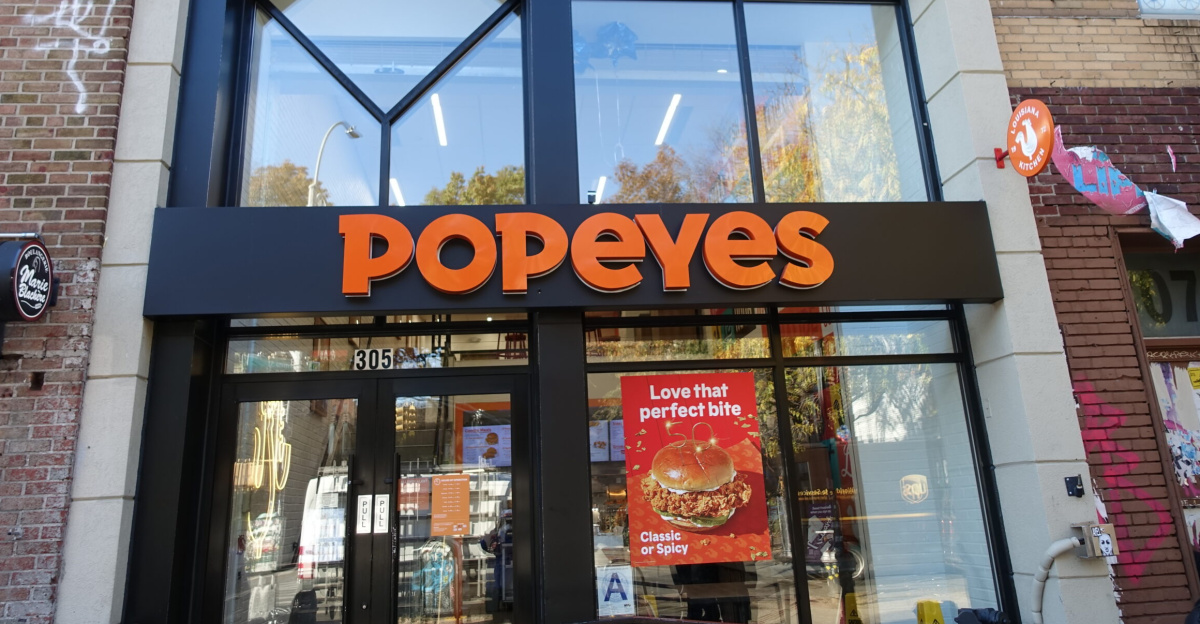
Established in 1987 with about 10 stores, Sailormen expanded to a regional powerhouse operating 136 locations over nearly four decades, only to falter after a failed $1 million sale of 16 Georgia sites. The case exposes vulnerabilities in the franchise model: scale amplified fixed costs and debt, not resilience. Lenders may tighten terms industry-wide, while private equity eyes distressed assets for consolidation.
Chicken’s perceived safety crumbles here, as inflation’s gradual grind—wage hikes from shortages, elevated poultry and packaging expenses—overwhelmed even high-volume operators. Popeyes as a brand stays stable, but franchisee woes risk customer trust through disruptions.
This bankruptcy signals broader strain on leveraged franchisees, with others filing recently. Restructuring could save jobs and stores, but outcomes hinge on debt deals, lease renegotiations, and sales. The fallout underscores that in fast food, financial discipline trumps category strength, with implications for workers, vendors, and future lending in a high-cost era.
Sources: “Popeyes franchisee with 130 locations in GA, FL files for bankruptcy.” USA Today, 16 Jan 2026.
“Popeyes franchisee with 130-plus locations files for bankruptcy.” Nation’s Restaurant News, 16 Jan 2026.
“A big Popeyes franchisee files for bankruptcy.” Restaurant Business, 14 Jan 2026.
“Major fast-food chicken franchisee files Chapter 11 bankruptcy.” The Street, 15 Jan 2026.