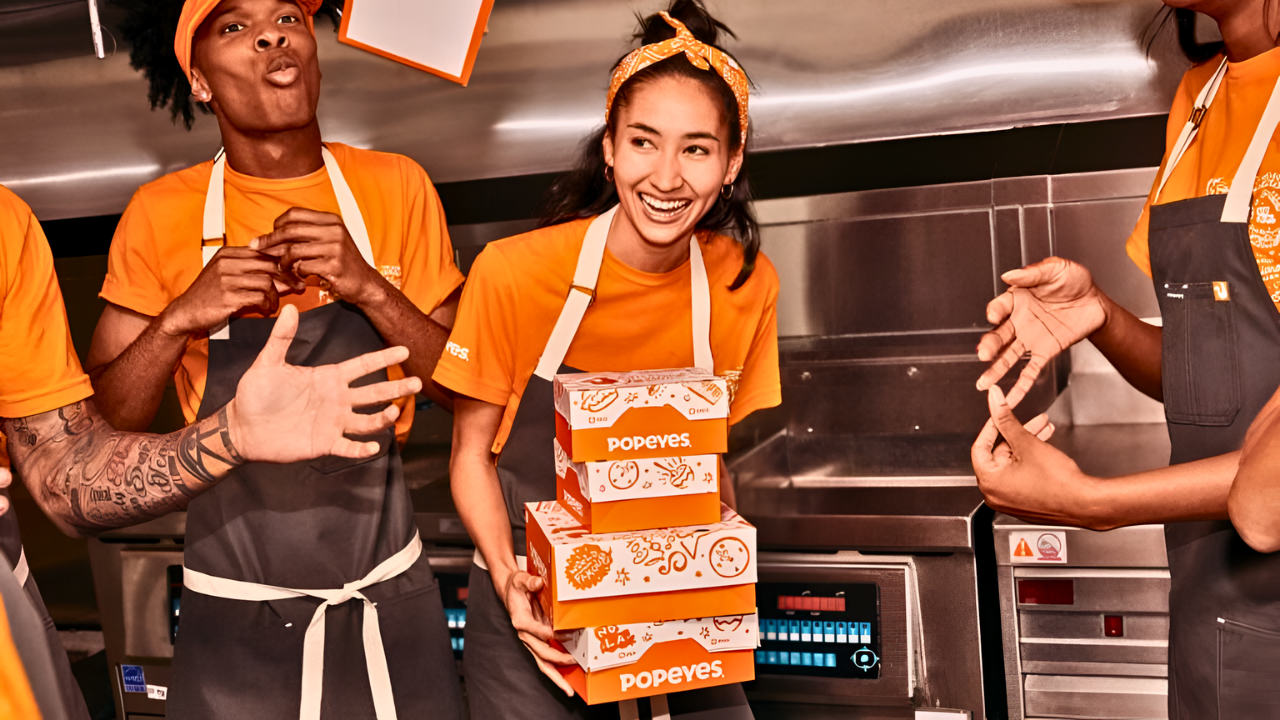
A Miami bankruptcy court filing on January 15, 2026, revealed Sailormen Inc.—operating 136 Popeyes Louisiana Kitchen locations across Florida and Georgia—had liabilities exceeding $342 million against rapidly depleting cash reserves.
The franchisee, which generated $233.5 million in revenue during 2025, posted an $18.8 million net operating loss while owing its primary lender BMO Bank approximately $130 million. With 2,900 employees suddenly facing uncertainty, the filing represents one of 2026’s largest quick-service restaurant bankruptcies.
Bank Moves to Seize Control
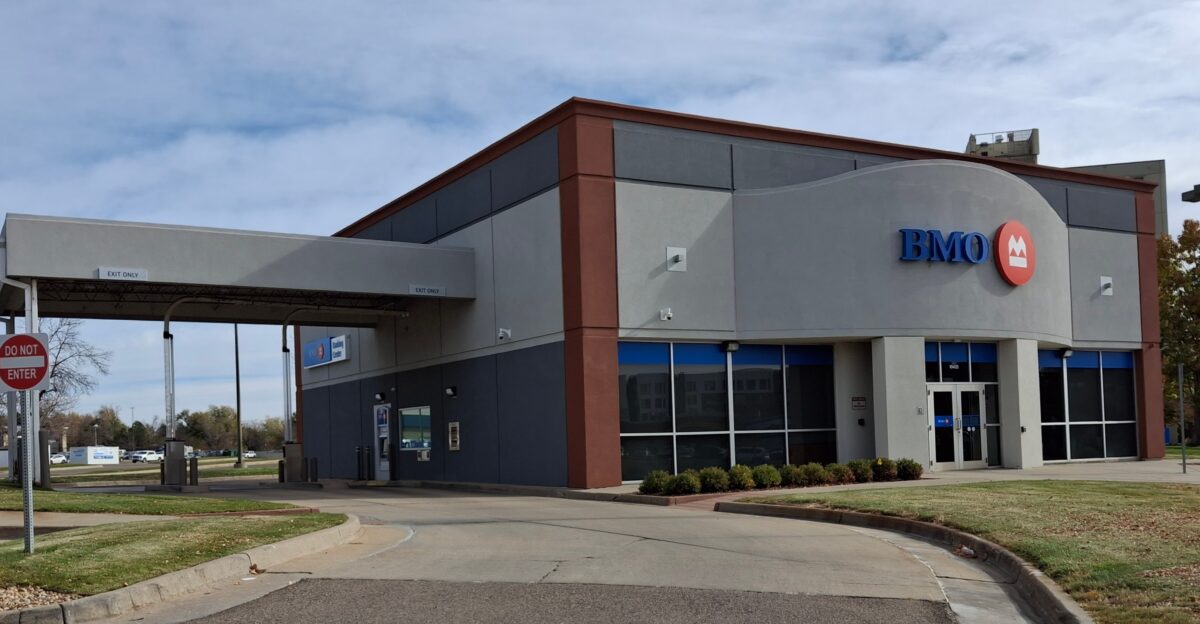
Just weeks before the bankruptcy filing, BMO Bank N.A. filed an emergency lawsuit in December 2025 demanding a court-appointed receiver take immediate control of Sailormen’s operations.
The bank’s complaint alleged the franchisee was “in immediate danger of running out of cash” and had defaulted on credit agreements. Sailormen filed for Chapter 11 protection days before a scheduled court hearing on BMO’s receivership request, triggering an automatic stay that halted the lender’s attempt to seize the restaurant empire.
But what triggered this spectacular collapse of one of America’s largest Popeyes franchisees?
The Deal That Destroyed Everything

The crisis traces back to a failed 2023 transaction: Sailormen agreed to sell 16 Georgia restaurants to Tar Heels Spice for approximately $1 million, aiming to shed underperforming assets and stabilize finances.
When the buyer walked away from the deal, Sailormen remained legally responsible for lease guarantees on those locations—millions in annual obligations with zero revenue.
Legal Battles Drain Cash Reserves

Sailormen filed a breach-of-contract lawsuit against Tar Heels Spice in August 2024, seeking damages and relief from the collapsed transaction. Meanwhile, landlords pursued eviction proceedings and suppliers demanded payment for outstanding invoices.
The dual pressure of mounting litigation costs and lease liabilities created a cash hemorrhage the franchisee couldn’t stanch. Court documents show the company owed its largest food distributor, Cheney Brothers Inc., more than $623,000 by the time of bankruptcy filing.
What Industry Leaders Say About the Collapse

Peter Perdue, Popeyes’ U.S. and Canada president appointed just months earlier in November 2025, sent a message to franchisees addressing the bankruptcy directly. “This does not reflect the state of the brand,” Perdue emphasized, noting Sailormen had “more leverage than is common in our current Popeyes system.”
He stressed that “a large majority of their restaurants are very profitable, in line with our system average,” suggesting corporate debt—not unit-level failures—drove the insolvency.
The Pandemic Debt Time Bomb

Industry analysts identified a critical vulnerability in Sailormen’s financial structure: the company’s loans were “largely taken out in 2020 and 2021, when Popeyes as a brand was on fire and interest rates were still low.” As the Federal Reserve aggressively raised rates from near-zero to over 5% by 2023, debt service costs exploded while operating margins compressed from persistent inflation.
The franchisee’s debt-to-revenue ratio of 0.56x became unsustainable as interest expenses consumed cash flow needed for labor, maintenance, and inventory.
Cost Inflation Crushes Profit Margins

Court documents cited “high inflation, increased borrowing costs, rising wages, and shifts in consumer habits since the pandemic” as bankruptcy drivers. Industry data supports this: Restaurant365’s 2025 survey found 91% of operators reported rising food costs, while 89% faced increasing labor expenses.
For Sailormen, operating 136 locations with 2,900 employees meant even modest wage increases translated into millions in additional annual costs—money the overleveraged franchisee simply didn’t have.
Brand Performance Headwinds

Sailormen’s distress intensified as Popeyes experienced systemwide sales declines throughout 2025: same-store sales dropped 4.0% in Q1, 0.9% in Q2, and 2.4% in Q3.
These figures contrast sharply with competitors—Chick-fil-A maintained its dominant $22.7 billion position while Raising Cane’s and Wingstop captured market share. Popeyes lost 0.7 percentage points of chicken QSR market share as the company struggled with operational execution and menu innovation.
The Scale of Financial Obligations
Bankruptcy filings reveal staggering liabilities: total debts exceed $342 million, including more than $112 million in unpaid principal to BMO Bank and over $17 million in accrued interest and fees. Assets are valued between $100 million and $500 million, creating a substantial shortfall.
The top ten unsecured creditors alone are owed nearly $3 million, predominantly food distributors and service providers who extended credit as the franchisee’s liquidity position deteriorated.
Emergency Court Hearing Set

An emergency bankruptcy hearing scheduled for January 21, 2026—just six days after filing—will determine whether Sailormen can access “cash collateral” to maintain payroll and operational expenses.
The franchisee operates as “debtor-in-possession,” meaning existing management retains control under court supervision. The hearing outcome will signal whether most locations can remain open during restructuring or if immediate closures and asset sales become necessary to preserve creditor value.
Part of a Growing Bankruptcy Wave
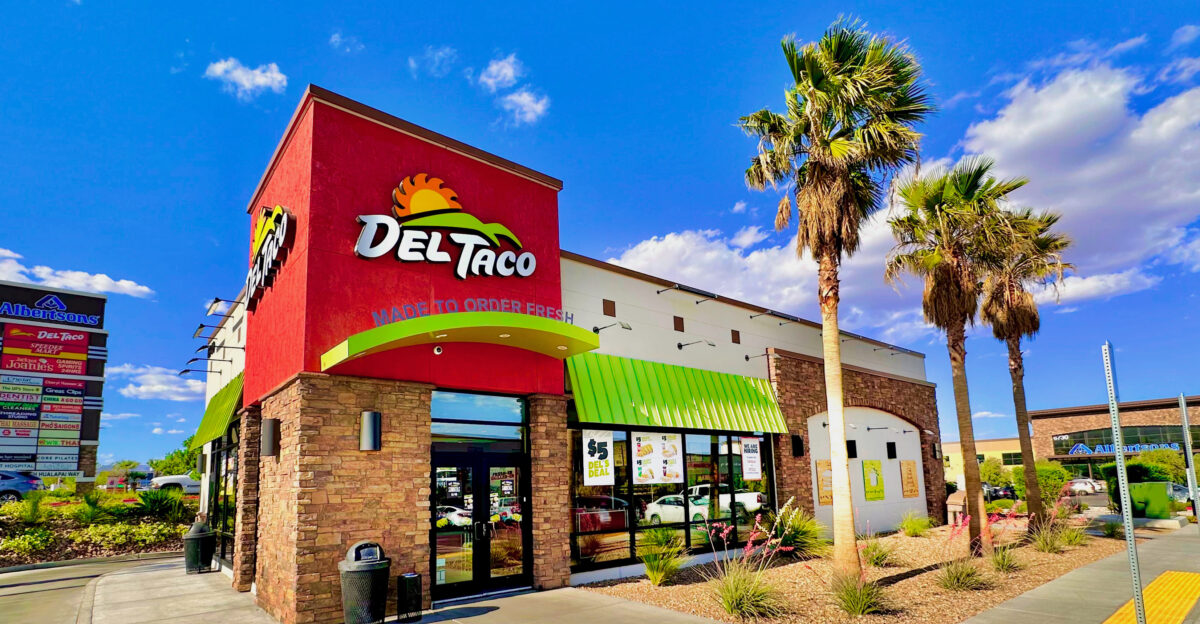
Sailormen joins an expanding roster of QSR franchisees seeking bankruptcy protection in 2025 and early 2026, including operators of Del Taco, Southern Classic Chicken, Harold’s Chicken, Burger King, Pieology Pizza, and Taste of Belgium locations.
Bankruptcy attorney Daniel Gielchinsky warned that “the COVID-19 pandemic was the catalyst” but subsequent inflation and rising borrowing costs created a “perfect storm” for overleveraged operators. Industry analysis predicted “by the end of 2026, hundreds of chains will be gone”.
Consumer Traffic Collapse Fuels Crisis

Restaurant traffic declined in 10 of 11 months throughout 2025, according to Black Box Intelligence data, with July’s 0.1% increase the sole exception. QSR drive-thru traffic specifically fell 5.8% year-over-year as consumers pulled back on dining-out spending amid economic pressures.
The EY-Parthenon U.S. Consumer Sentiment Survey found nearly one-quarter of respondents would cut restaurant spending first before reducing other discretionary expenses—a structural shift devastating to franchisees like Sailormen.
Strategic Leadership Reset at Popeyes
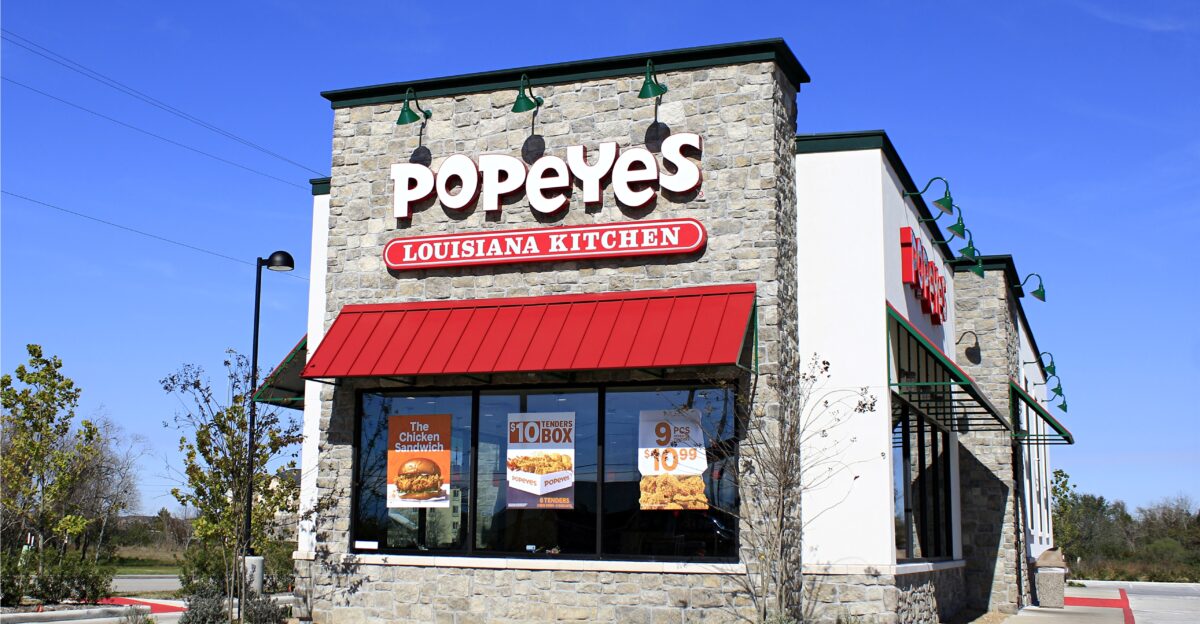
Restaurant Brands International implemented a “leadership reset” in late 2025, appointing Peter Perdue as U.S. and Canada president in November and naming Matt Rubin chief marketing officer in January 2026. The moves aim to stabilize brand performance and address franchisee concerns.
Popeyes also launched the “Easy to Love” strategy, which secured 85% franchisee buy-in and includes increased advertising investment plus a remodel schedule modernizing most system locations by 2030.
Chicken Market Share Battle Intensifies
Despite Popeyes’ challenges, chicken now represents 37% of QSR food spending—up two percentage points from two years earlier—as consumers favor the protein category.
However, competition has intensified dramatically: Chick-fil-A dominates with $22.7 billion in sales, followed by Popeyes at $5.7 billion, Raising Cane’s at $5.0 billion, and KFC at $4.9 billion. Non-traditional competitors including McDonald’s, Wendy’s, and Chipotle have invested aggressively in chicken offerings, fragmenting market share.
Valuable Assets Attract Acquisition Interest
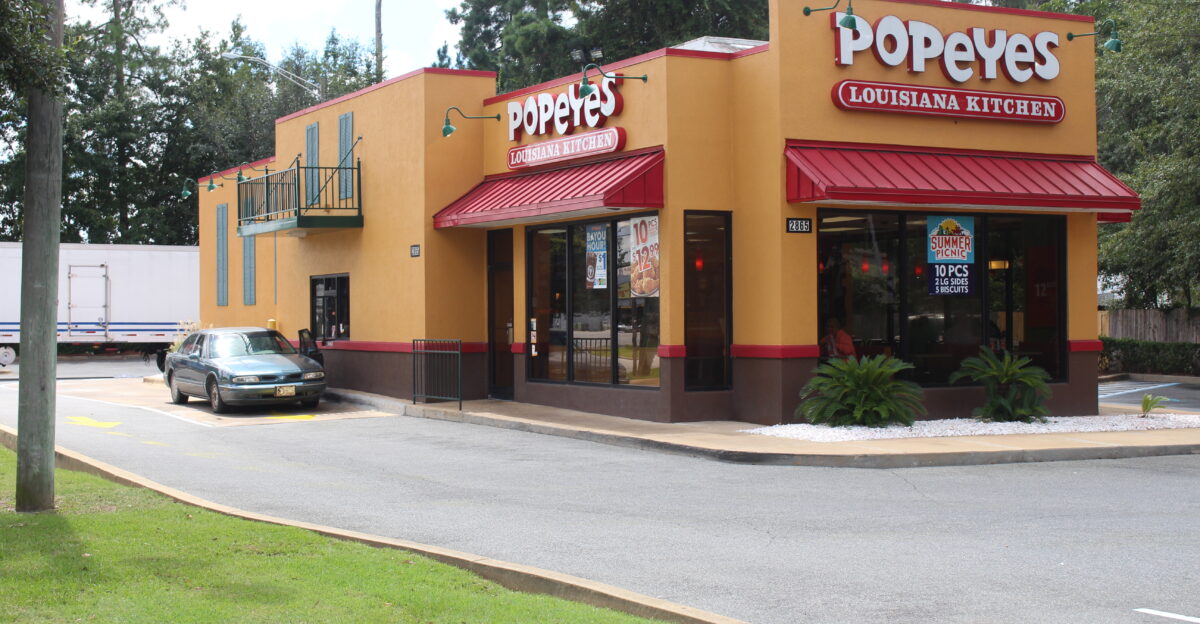
Industry experts anticipate Sailormen’s profitable locations will attract strong acquisition interest from well-capitalized franchisees seeking expansion in Florida and Georgia markets. Since Perdue confirmed “a large majority of their restaurants are very profitable,” these units represent attractive opportunities divorced from corporate-level debt burdens.
Chapter 11 provides a court-supervised mechanism facilitating asset transfers to stronger operators—potentially accelerating consolidation within the Popeyes franchise system.
Reorganization Plan Takes Shape

Sailormen’s bankruptcy strategy will likely include negotiations with BMO Bank to reduce principal balances, extend maturity dates, or convert debt to equity at sustainable levels.
Chapter 11 allows the franchisee to reject unfavorable leases, including guarantees on the 16 closed Georgia locations that accelerated the crisis. The company will focus resources on high-performing restaurants while exiting underperforming or closed locations, eliminating obligations that drain cash without generating revenue.
Critical Milestones Ahead

Key dates include the January 21 emergency hearing on cash collateral use, a reorganization plan filing deadline in Q1-Q2 2026 (typically 120-180 days post-filing), and creditor voting with plan confirmation hearing in Q2-Q3 2026.
Possible outcomes range from successful reorganization with substantially reduced debt to acquisition by another franchisee group to liquidation with store closures and piecemeal asset sales.
Industry Consolidation Accelerates
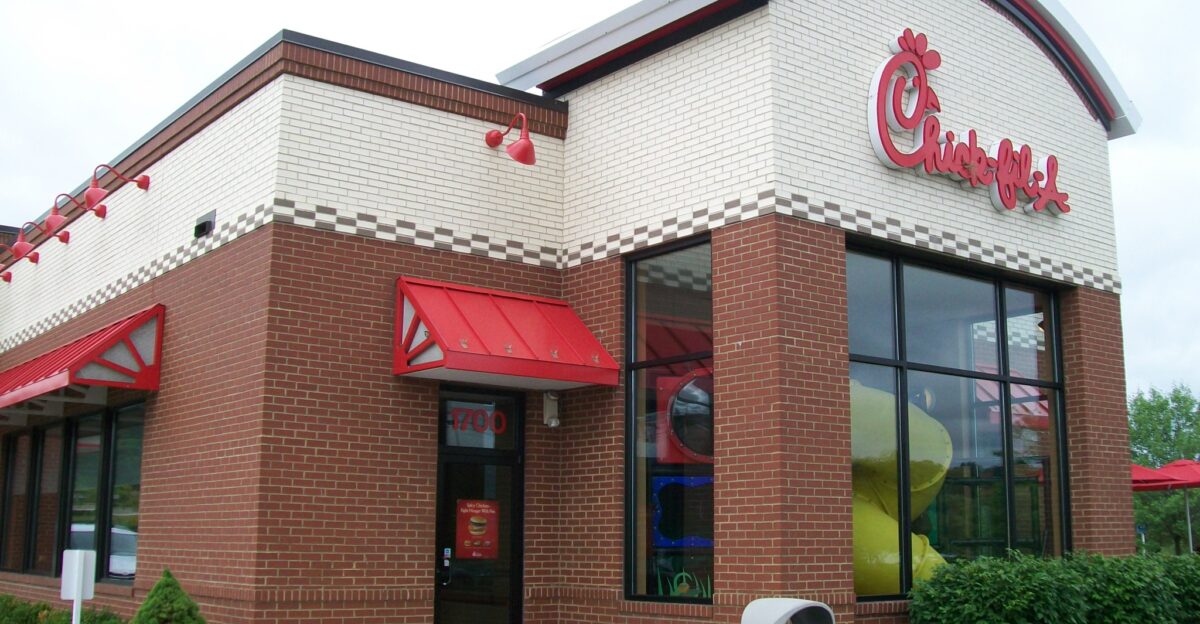
The bankruptcy accelerates a broader QSR industry trend: well-capitalized operators with strong unit economics invest in technology and expansion to capture market share from struggling competitors, while overleveraged operators face bankruptcy or forced sales.
This bifurcation is concentrating franchise systems among fewer but larger franchisee organizations. Concepts with strong value propositions like Chick-fil-A and those executing operational excellence strategies will thrive while brands facing execution challenges struggle to support franchisee profitability.
What Employees and Communities Face
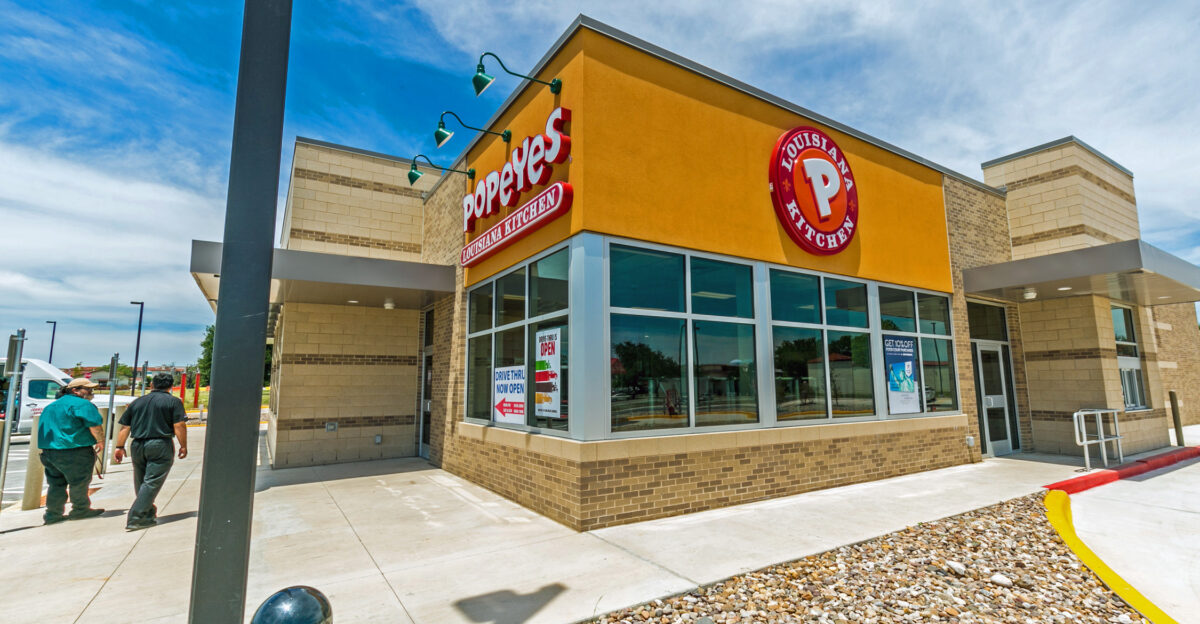
The immediate future of Sailormen’s 2,900-person workforce depends on bankruptcy court decisions and creditor negotiations in coming weeks. While Popeyes leadership expects most locations to remain operational during restructuring, the ultimate outcome—whether successful reorganization, acquisition, or liquidation—will determine long-term job security.
Beyond employment, the case affects communities across Florida and Georgia where Popeyes locations serve as neighborhood gathering places and contribute to local tax bases and economic activity.
A Warning Signal for the Franchise Industry
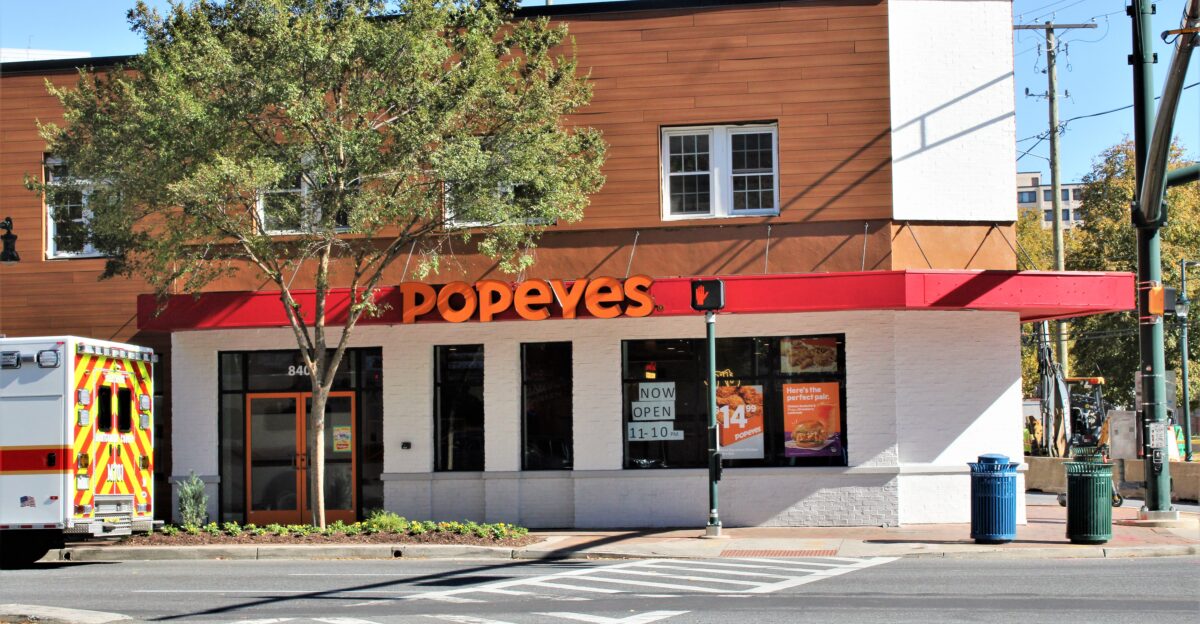
The Sailormen bankruptcy serves as a high-profile warning for the QSR franchise ecosystem as persistent inflation, elevated interest rates, labor market tightness, and consumer spending pullbacks stress operators across brands and geographies.
The collapse demonstrates that scale alone doesn’t ensure survival—unit-level economics, capital structure discipline, and brand health prove equally critical.
Sources:
Fox Business bankruptcy filing coverage January 2026; USA Today Popeyes franchisee bankruptcy report
Restaurant Dive Chapter 11 filing analysis; Bloomberg Law Florida bankruptcy court filings
Restaurant Brands International Q3 2025 earnings report; Popeyes franchisee communications
Black Box Intelligence 2025 restaurant traffic data; Restaurant365 mid-year industry cost survey
National Restaurant News franchising reports; EY-Parthenon U.S. Consumer Sentiment Survey 2025