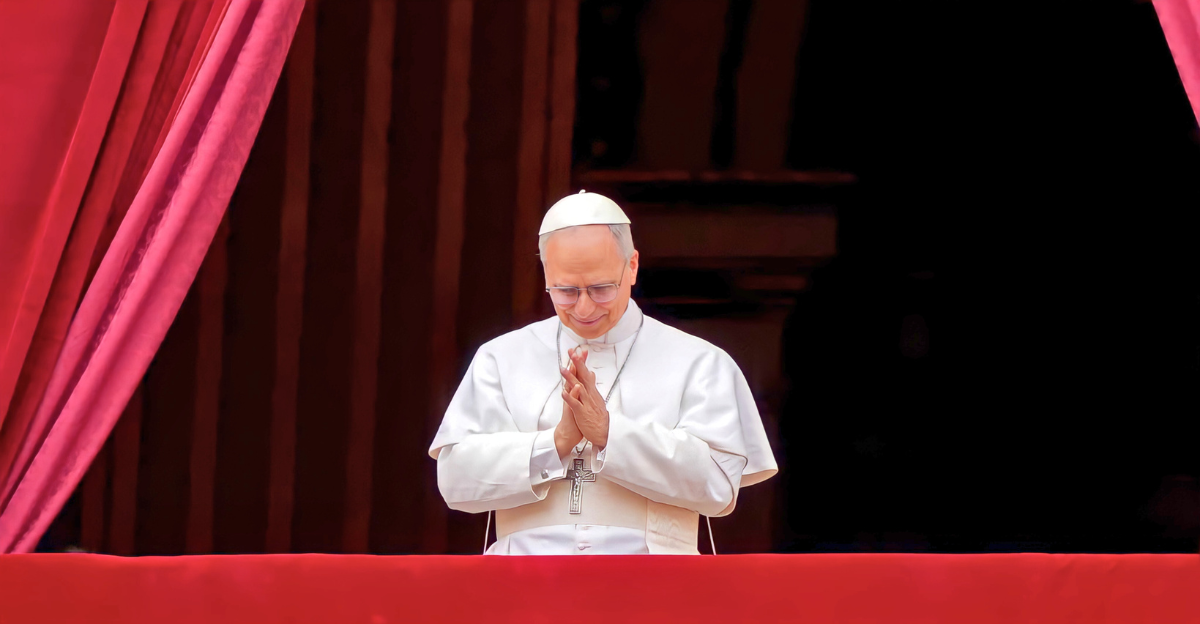
Pope Leo XIV has become a crucial moral and spiritual voice in the midst of the conflict in Ukraine, repeatedly and fervently calling for peace. His appeals center on prayer, fasting, dialogue, and diplomatic solutions as means of putting an end to the violence that has ravaged Ukraine since Russia’s invasion in 2022.
In addition to demonstrating religious empathy, Pope Leo’s speech serves as a calculated appeal to world powers to put negotiation ahead of escalating hostilities. He constantly draws attention to the human cost of war, casualties, displaced families, and injuries, while calling for a shared conscience and decisive action to bring about enduring peace. His message, which positions peace as both a spiritual and an urgent geopolitical necessity, reaches leaders and citizens worldwide, transcending religious audiences.
The Vatican’s Role in the Ukraine Conflict
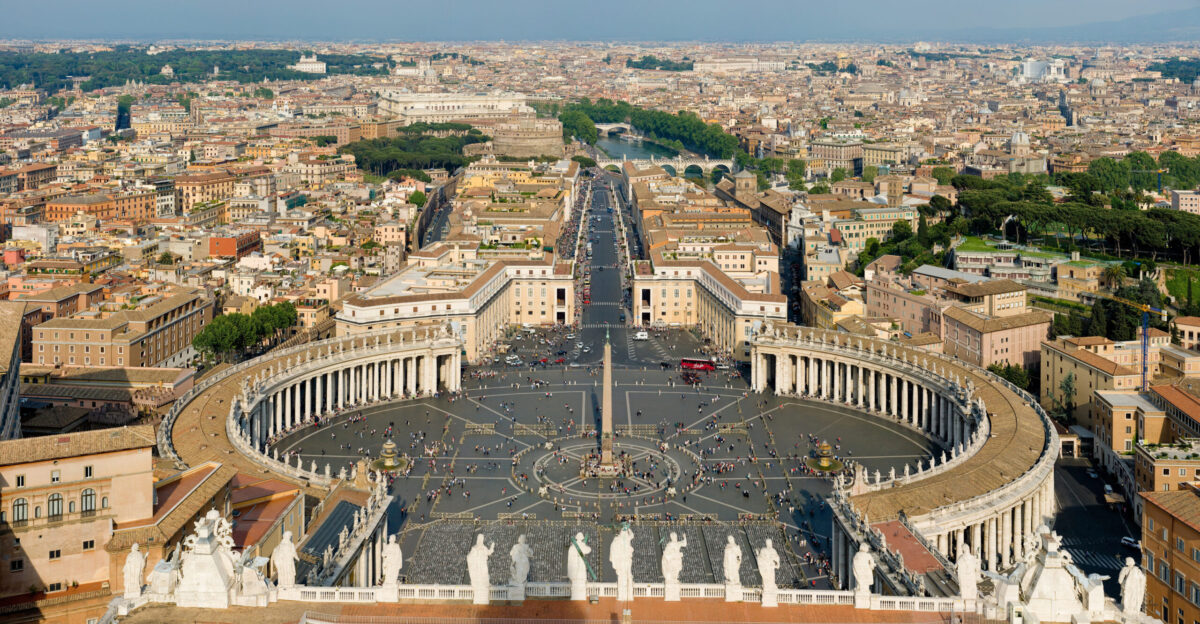
After Russia’s full-scale invasion and annexation of Crimea in 2014, the war in Ukraine started in earnest in February 2022. Historically, the Vatican has used its special moral and diplomatic clout to mediate disputes between nations. T
His tradition was carried on by Pope Leo XIV, who was elected in May 2025 but has adopted a notably assertive posture, denouncing the war as imperialist aggression motivated by geopolitical aspirations. His vocal support for Ukraine, marked by direct communication with President Zelenskyy and public denunciations of violence, recalls the Vatican’s uneasy but persistent role during prior global conflicts, acting as a bridge where conventional diplomacy falters.
The Emotional Aspect of Pope Leo’s Appeal
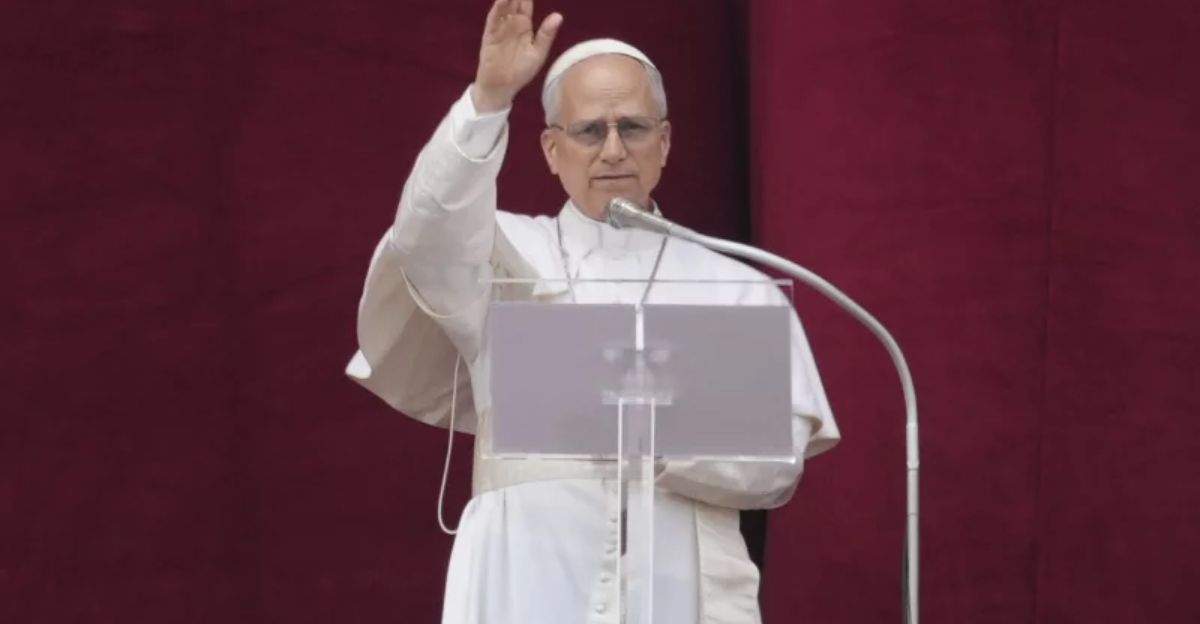
Pope Leo’s teachings are psychologically significant because they serve as both a call for empathy from audiences around the world and emotional support for war-weary Ukrainians. His appeals promote resilience and hope while acknowledging the trauma of displacement and loss.
A collective psychological shift from polarized hostility to shared humanity is encouraged by the Pope’sPope’s compassionate language, which is essential for any peace process. He combines psychological comfort with practical peacebuilding by calling for spiritual healing in addition to political dialogue, thereby reaffirming the moral necessity of both stopping violence and winning hearts.
The Strategic Value of Fasting and Prayer

Pope Leo has both strategic and symbolic reasons for designating certain days, like August 22, 2025, for prayer and fasting. Spiritually, they bring disparate believers together in support of Ukrainians by organizing Catholic communities around the world.
By portraying peace as a universal value that transcends geopolitical boundaries, these observances strategically increase public awareness of the conflict. By influencing public opinion around the world and creating an atmosphere that is conducive to communication and ceasefire attempts, this type of nonviolent activism can exert pressure on political leaders.
Vatican Mediation Attempts and Diplomatic Engagement
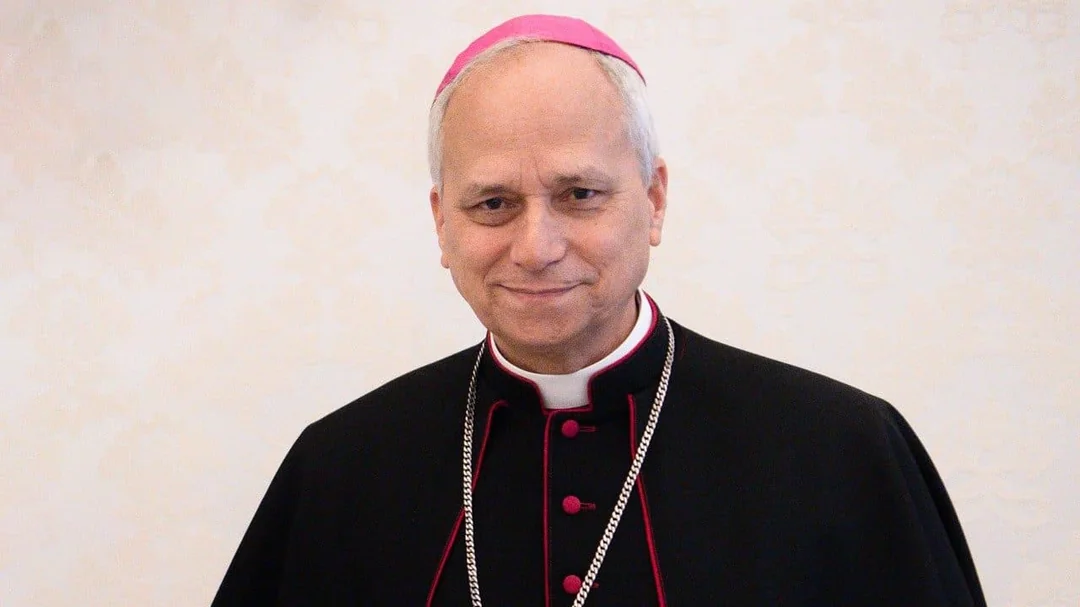
Pope Leo actively uses diplomatic channels to influence the conflict in addition to making spiritual appeals. His proposals to host peace negotiations between Russia and Ukraine demonstrate the Vatican’s willingness to act as an impartial forum for discussions.
His indirect contacts with Russian officials and phone conversations with Zelenskyy demonstrate a nuanced diplomatic approach that strikes a balance between being open to dialogue and opposing aggression on principle. This function is essential in disjointed international forums where direct communication between the warring states is impeded by a lack of trust.
Problems Raised by Geopolitical Factors
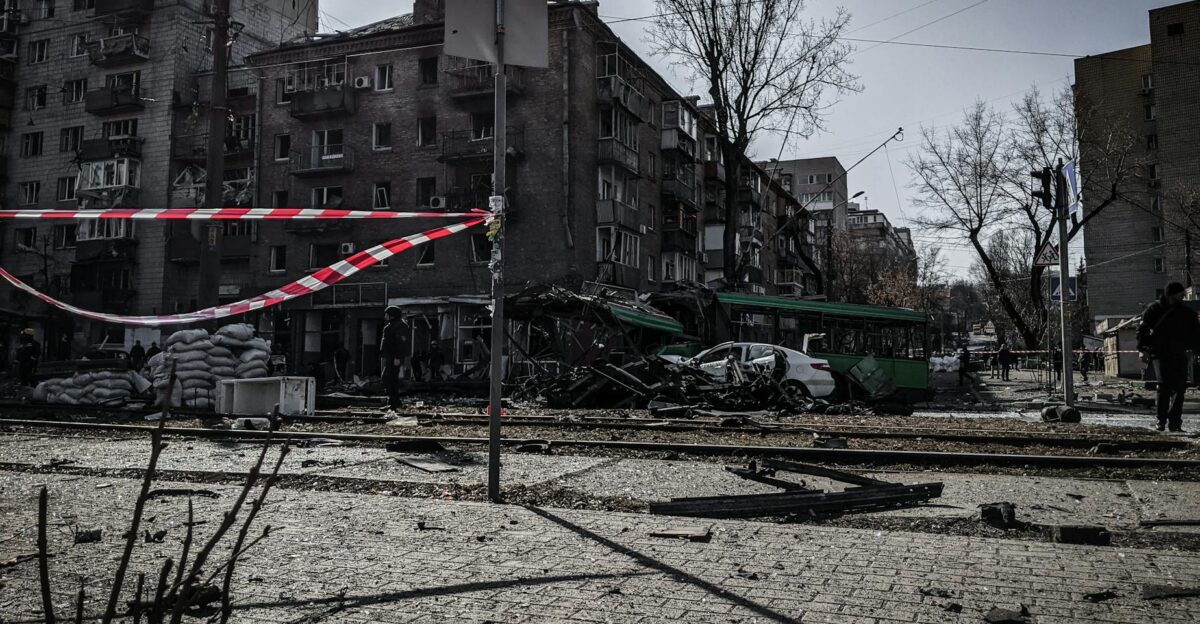
The geopolitical circumstances surrounding the conflict in Ukraine make peace efforts more difficult, notwithstanding Pope Leo’s entreaties. Russia’s ongoing military operations, strategic energy use, nuclear threats, and ingrained aspirations highlight the limitations of moral persuasion on its own.
Furthermore, the Vatican’s diplomatic mission is impacted by the power dynamics brought about by NATO and Western assistance for Ukraine. Peace necessitates overcoming long-standing political barriers in addition to humanitarian concerns because the complex conflict involves issues of territorial integrity, historical grievances, and global strategic balances.
Religious Leadership’s Function in Contemporary Conflicts
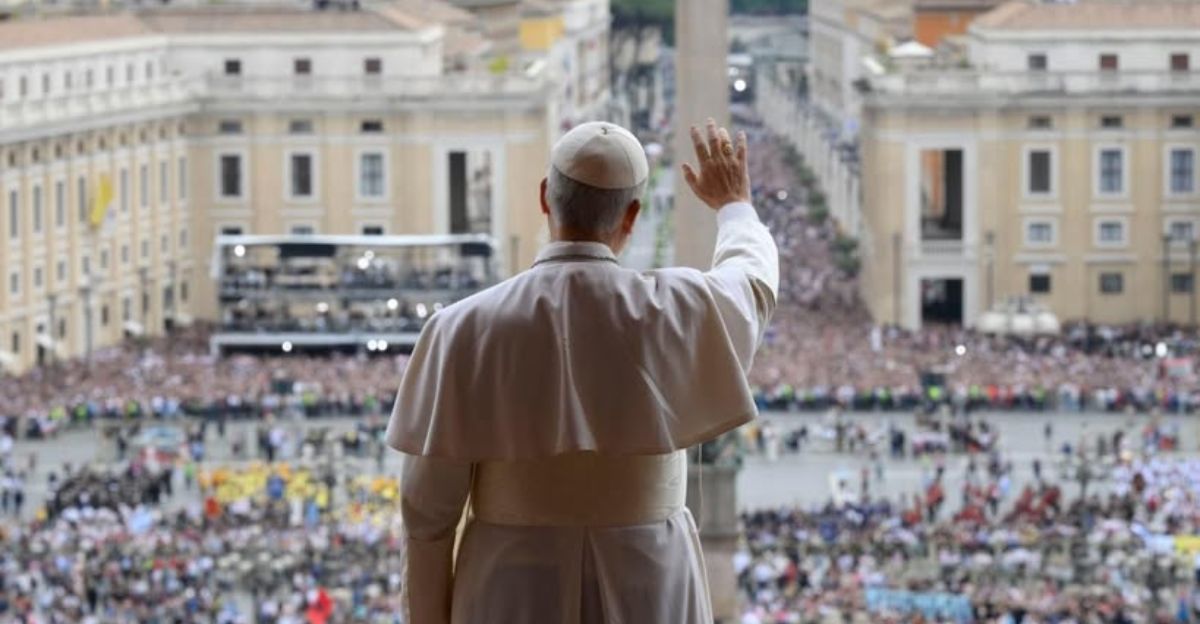
Pope Leo’s interventions make a strong case for reconsidering the role of religious leadership in today’s geopolitical conflicts. By appealing to universal values of forgiveness, compassion, and communal restoration, religious authority can bridge societal divides more effectively than secular diplomacy.
His appeals for peace and prayer serve as an example of how spiritual leadership transcends ceremony and involves active advocacy for conflict resolution. This intersection suggests a hybrid framework that combines moral influence with realpolitik, challenging the conventional wisdom that diplomatic progress is exclusively political.
Divergent Opinions on Vatican Involvement
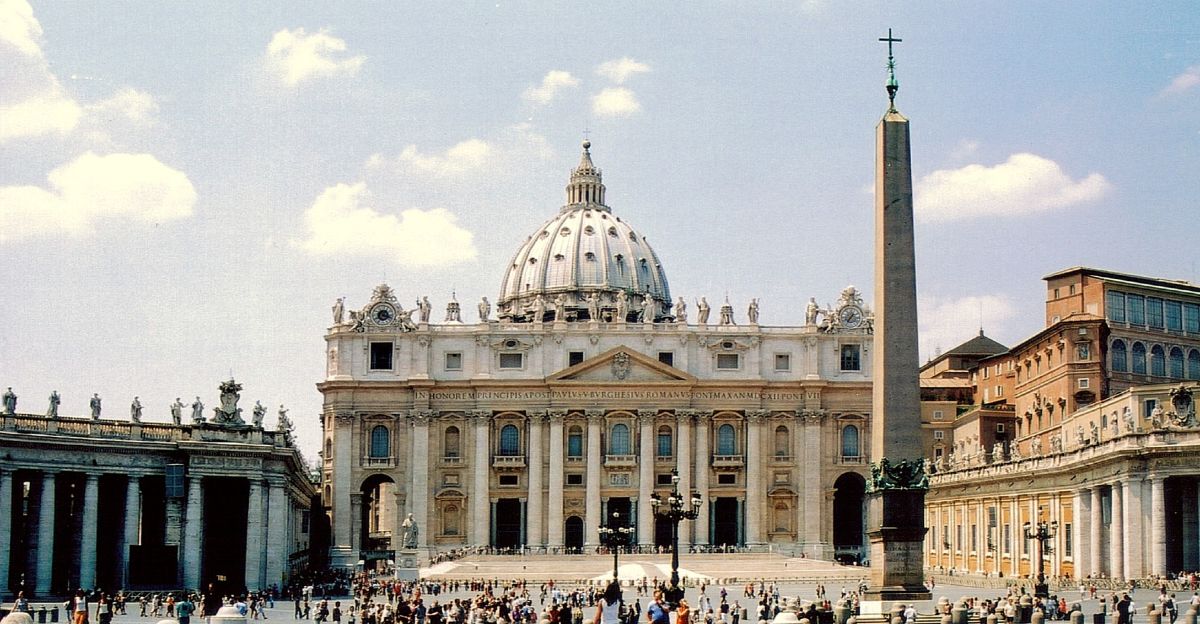
Critics claim that the Vatican’s participation in political disputes could jeopardize its spiritual mission or that it might not have enough influence over cunning geopolitical players. When complex power dynamics are in control, they advise against depending too much on moral persuasion.
Pope Leo, however, refutes these criticisms by taking a proactive rather than passive approach with his frequent offers to mediate and his outspoken condemnation of aggression. This method highlights a strategic shift in contemporary papal diplomacy by redefining the Church as an active peace agent as opposed to a symbolic bystander.
Past Accounts in Favor of Papal Interventions
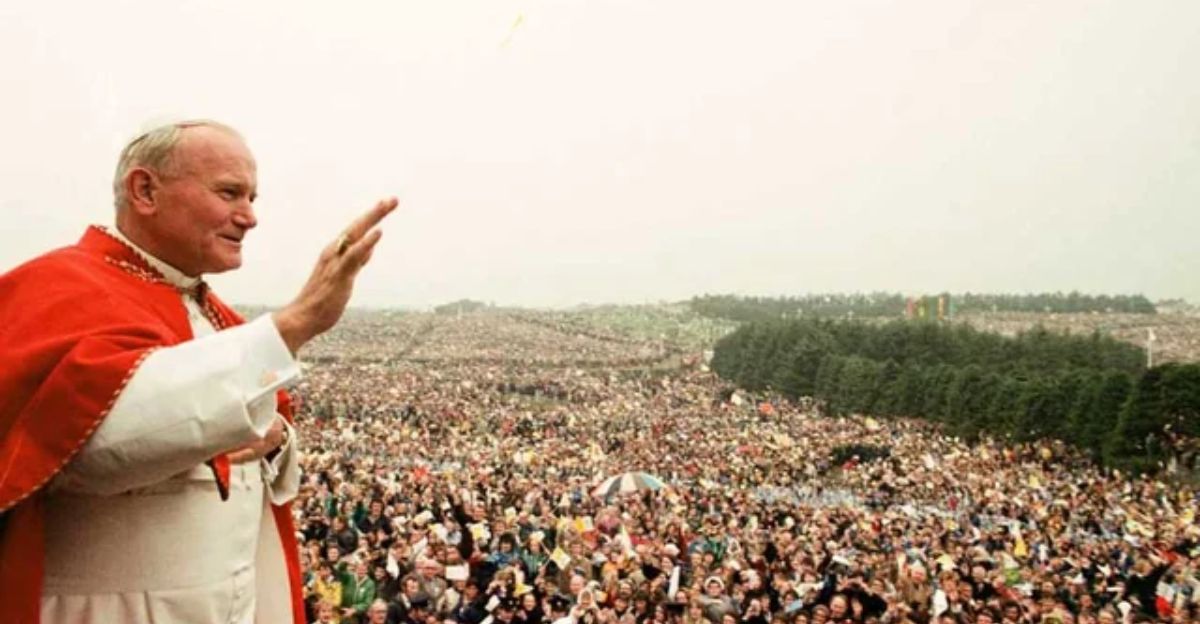
Pope John Paul II’s role in the Cold War dynamics in Eastern Europe or Vatican mediation in smaller regional conflicts are examples of papal interventions that have occasionally helped put an end to conflicts or lessen suffering.
Pope Leo is part of a line of papal leaders whose moral authority helped bring about geopolitical change, and his efforts are reminiscent of these successful precedents. In light of Ukraine’s complicated situation, this historical continuity supports the validity and possible effectiveness of his appeals for peace.
The War’s Wider Humanitarian Effects
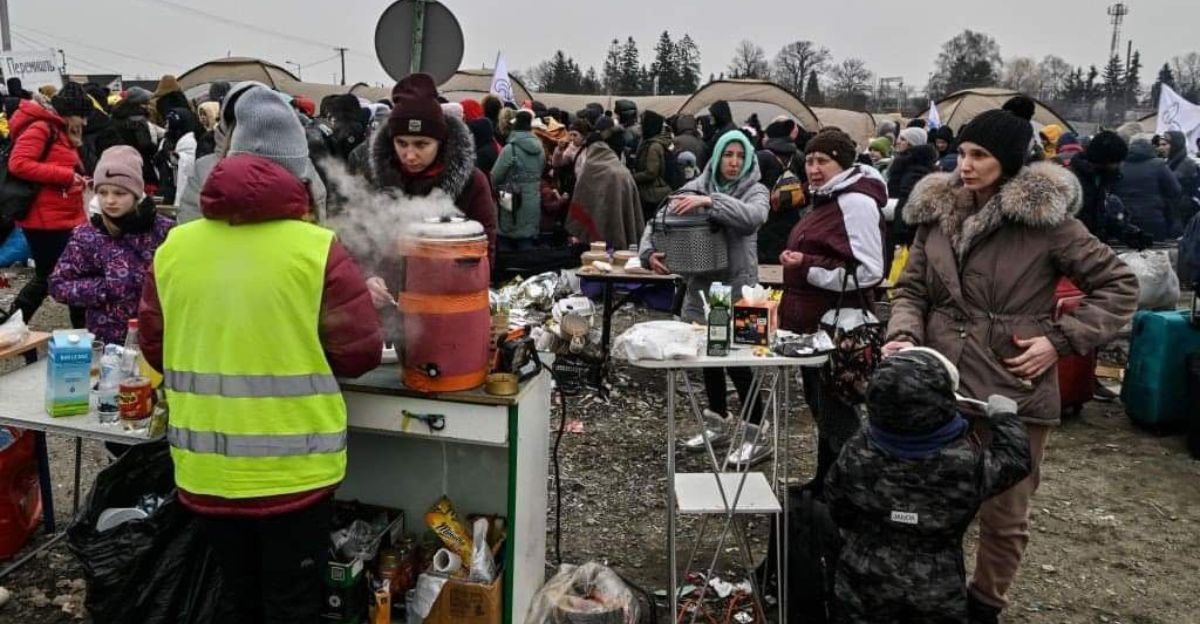
Pope Leo draws attention to the devastating humanitarian effects, millions of people displaced, families split up, infrastructure destroyed, and psychological scars, by making peace a top priority. His sympathetic public remarks humanize a frequently politicized conflict and implore international players to take the human cost into account when making decisions.
His appeals may strengthen international aid efforts and advance policies targeted at civilian protection, reconstruction, and recovery by raising awareness of global humanitarian issues.
The Pope’s Appeal’s Possible Second-Order Repercussions
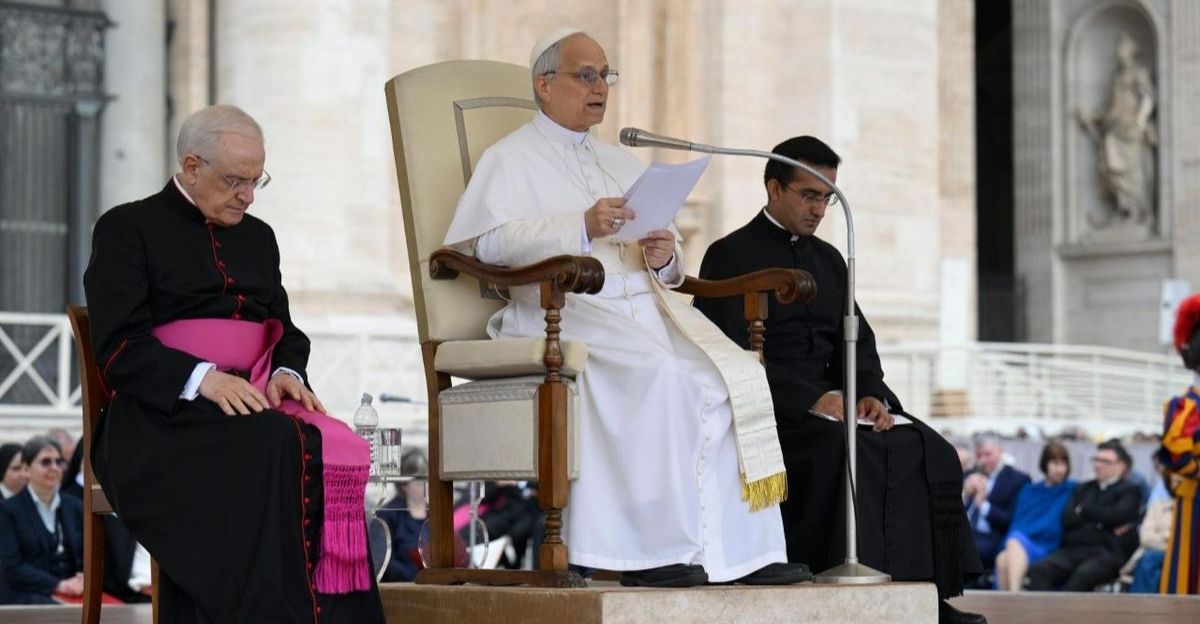
Pope Leo’s appeal might have a number of second-order consequences if it becomes more widely accepted. Governments may be persuaded to negotiate a ceasefire or change their military tactics by increased public pressure. Increased spiritual unity could support grassroots peace initiatives in Europe and elsewhere.
His offers of mediation may also encourage unofficial backchannel discussions that ultimately resolve impasses. These knock-on effects highlight how moral leadership can start fundamental geopolitical changes that go beyond their immediate symbolic significance.
The Media’s Function in Spreading the Pope’s Word

Pope Leo’s appeal has a greater worldwide impact and reach thanks to the media’s role in spreading it. The message’s effect is increased when it is covered by foreign media, reaching non-Catholic and secular audiences.
Public awareness is maintained through recurrent reminders created by headlines emphasizing his calls for prayer, fasting, and discussion. Additionally, social media participation, including endorsements from prominent figures like Zelenskyy, brings traditional religious authority and contemporary communication modalities together, lending contemporary immediacy and relevance.
Intersection with Other World Themes and Conflicts
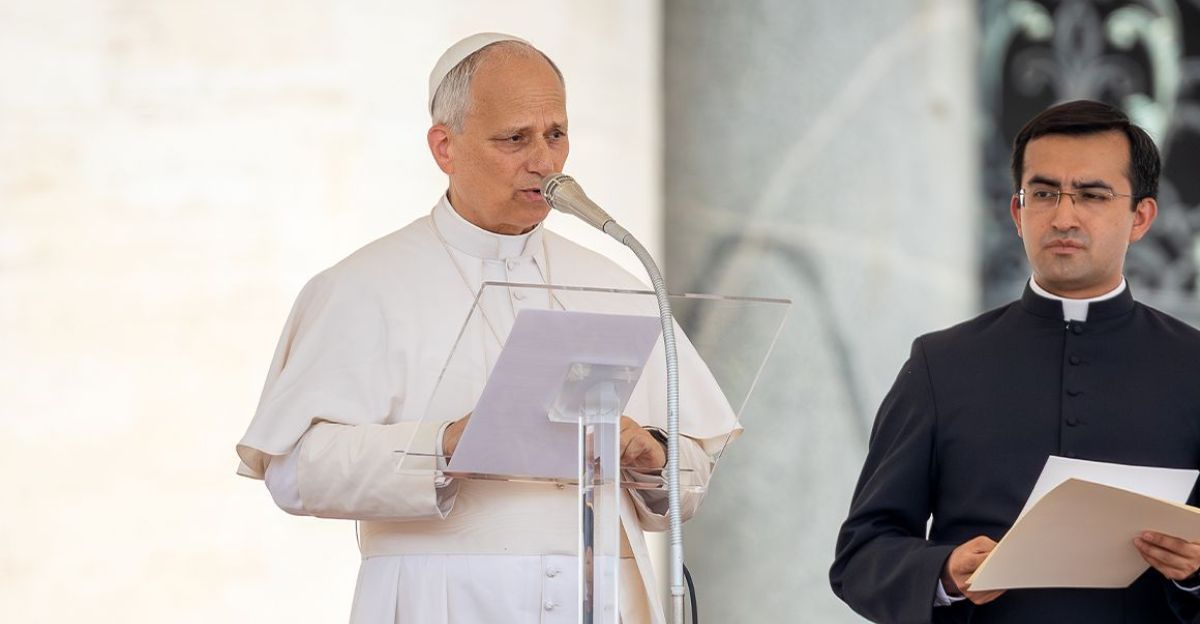
Pope Leo frequently makes similar pleas for peace in other conflict areas, particularly Gaza and the larger Middle East. This concurrent worry places the war in Ukraine in a global framework of conflict, suffering, and the pursuit of justice.
By encouraging a universal peace ethic, such intersectional messaging challenges the fragmentation in international conflict responses. His call’s complexity highlights how intertwined 21st-century conflicts are, necessitating comprehensive peace strategies.
Severe Examples Showing the Importance of the Message

The terrible severity of the conflict Pope Leo is trying to put an end to is highlighted by the nuclear fire incident that occurred at Kursk’s power plant on Ukraine’s Independence Day. The existential risks of escalation, such as environmental catastrophe and civilian casualties, are demonstrated by such incidents.
In contrast to abstract idealism, this practical setting makes the Pope’s appeals urgent and realistic, demonstrating how his spiritual message is in line with genuine security concerns that, if disregarded, could have disastrous repercussions.
Novel Approaches to Interpreting the Pope’s Intervention
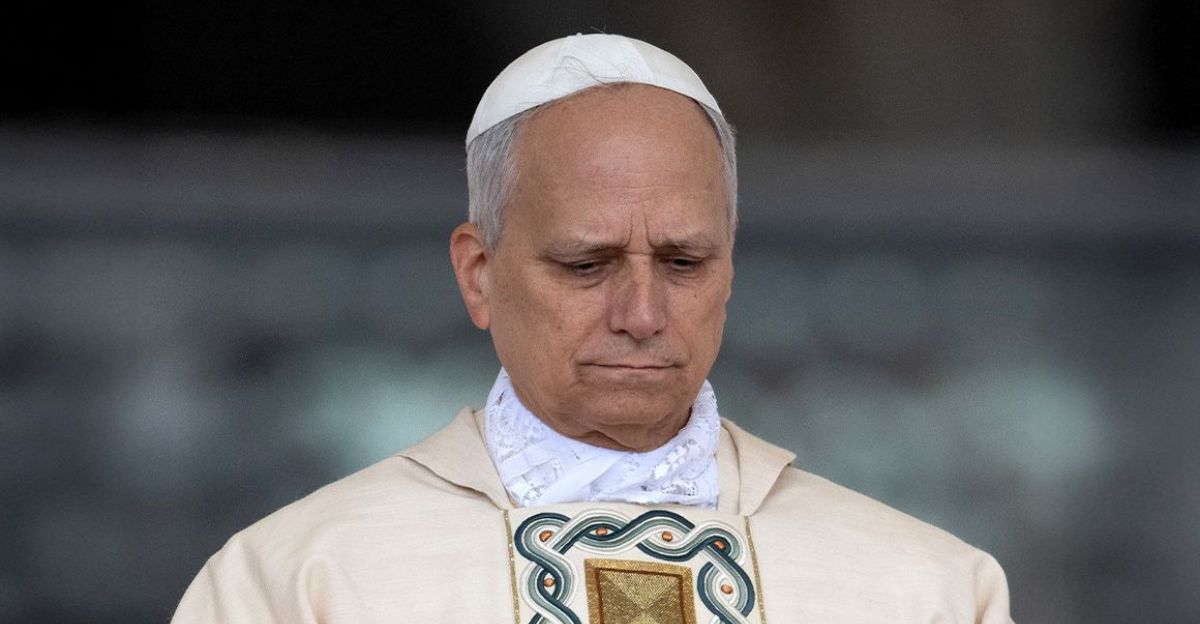
Pope Leo’s intervention could be framed as a hybrid form of “Moral-Strategic Diplomacy,” which combines contemporary conflict resolution techniques with traditional spiritual leadership.
According to this framework, religious authority is a soft power tool that functions on political, ethical, and emotional levels all at once. Pope Leo’s strategy demonstrates this multifaceted framework by combining prayer, public appeals, direct negotiations, and media leverage, providing a model that may be applied to other international conflicts.
Unexpected Information and the Continued War
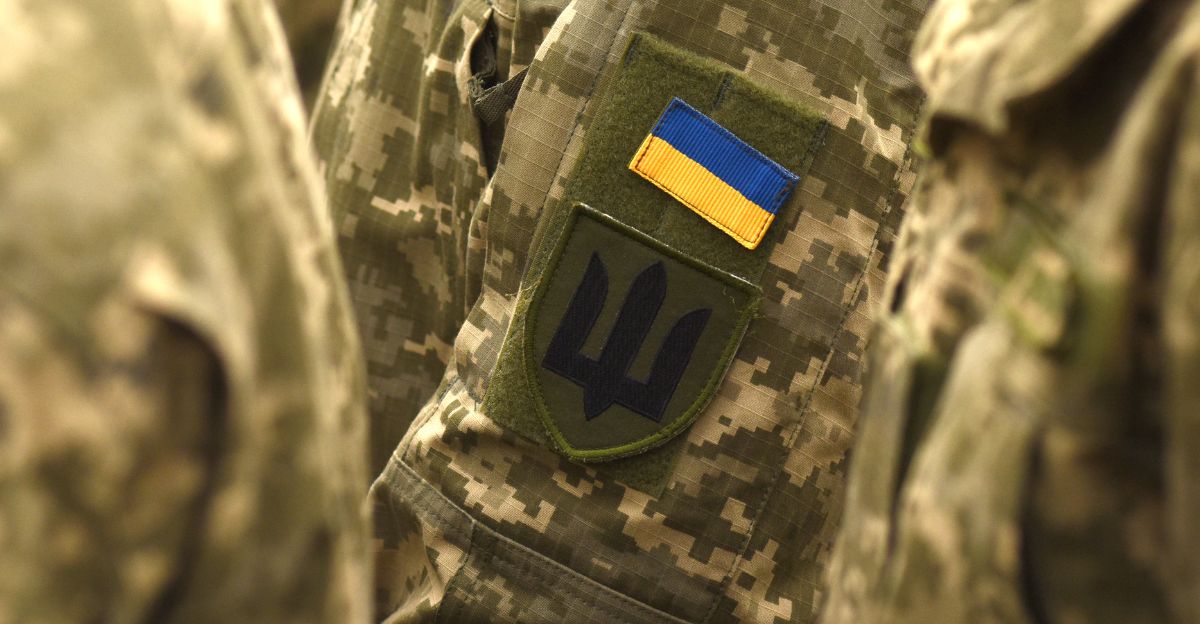
Despite global condemnation, the war persists with severe humanitarian costs, over 7 million refugees and displaced persons are registered, and tens of thousands of combatants and civilians have died on both sides.
This sobering data supports the Pope’sPope’s urgent appeals, indicating that the conflict runs the risk of turning into a protracted frozen war that threatens regional stability and international norms against aggression in the absence of greater diplomatic and moral pressure.
The Impact of Spirituality on Decision-Making
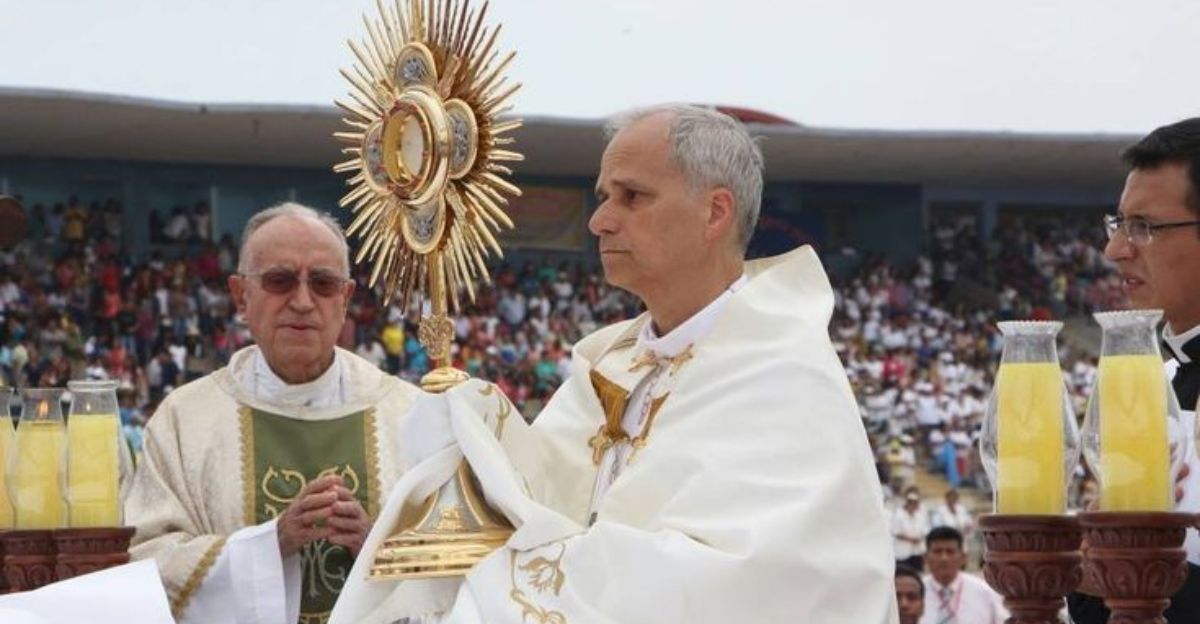
One interesting theory is that Pope Leo’s constant calls and prayers might have a subtle spiritual impact on important decision-makers and populations, encouraging introspection and changes in policy positions that are not immediately apparent.
Through common cultural and religious frameworks, this “spiritual soft power” may work covertly to influence leaders toward nonviolent solutions in spite of overt political pressures. This theory, though unproven, is consistent with historical instances where political outcomes were gradually influenced by spiritual guidance.
Possible Hazards and Restrictions of the Plea
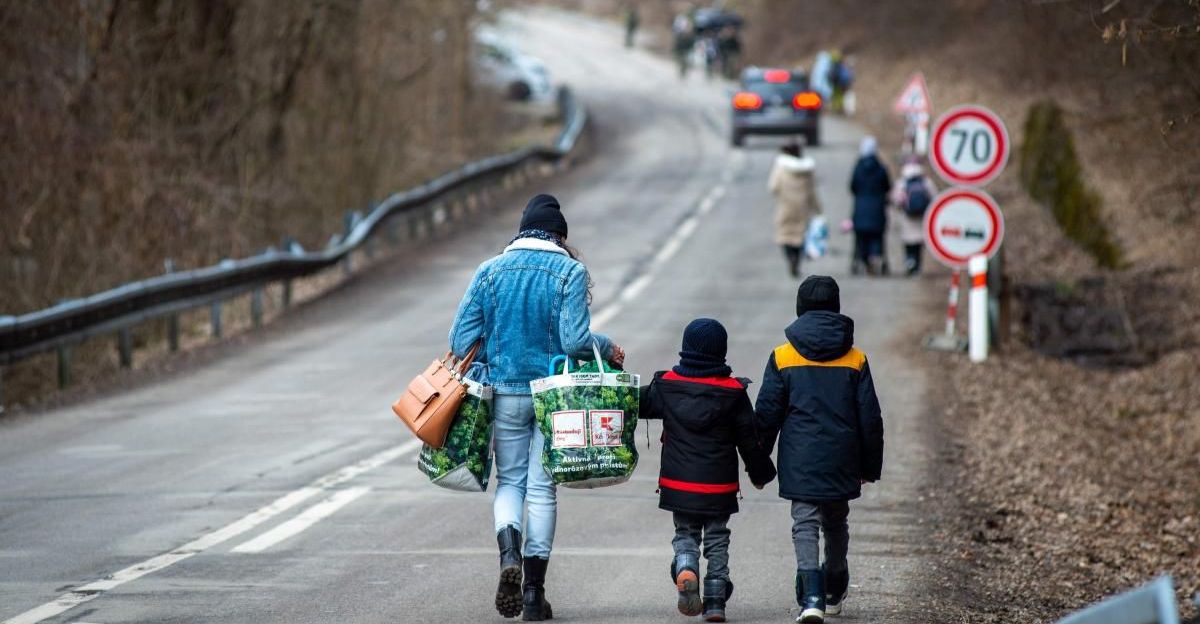
Pope Leo’s messages are a source of hope, but they also carry a risk of inciting cynicism or frustration among conflict-affected populations and observers if they are seen as naïve or ineffective. Calls for more concrete interventions may result from an over-reliance on prayer without accompanying political action.
Furthermore, moral arguments alone might not have the power to change Russia’s strategic thinking, running the risk of the Pope’sPope’s diplomatic initiatives being written off as symbolic. Understanding these boundaries helps to maintain realistic and open-minded messaging.
A Comparative Study of Previous Papal Peace Initiatives
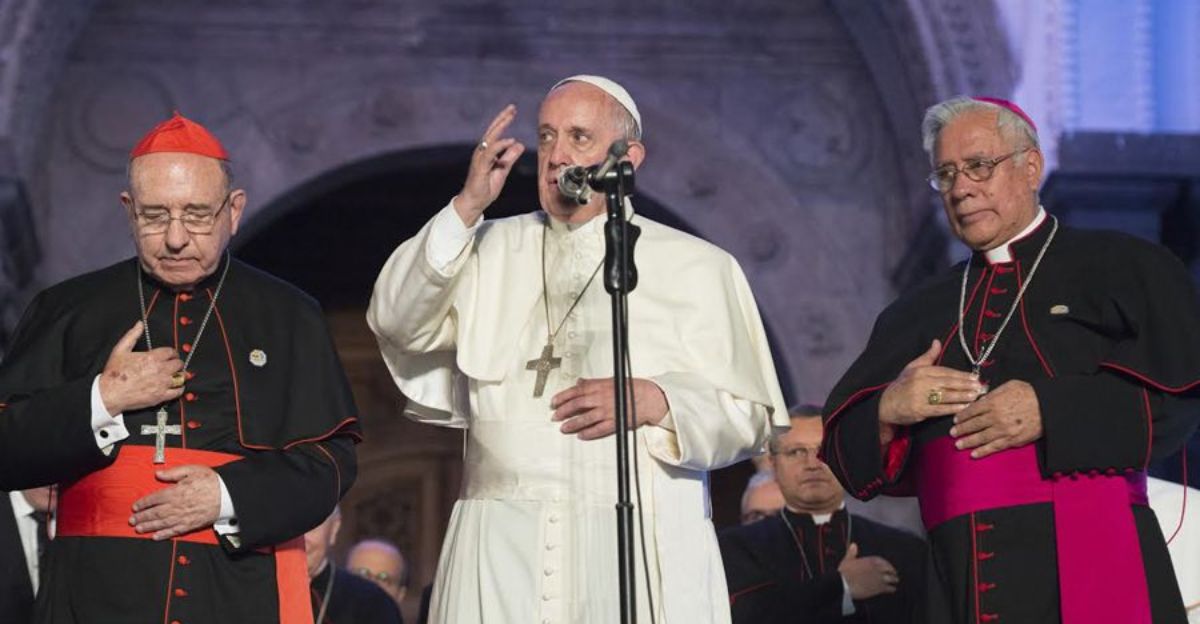
Pope Leo’s initiative, which carries on the papal tradition of moral engagement in conflict, is comparable to Pope Francis’s calls for peace in Syria and the Middle East and Pope John Paul II’s outspoken opposition to Cold War oppression.
Every Pope modifies their strategy to fit the needs of the times; Leo XIV’s emphasis on direct communication, all-encompassing spiritual mobilization, and interaction with contemporary media represents a practical development that may be better suited to the dynamics of conflict in the twenty-first century.
The Persistent Importance of Pope Leo’s Appeal
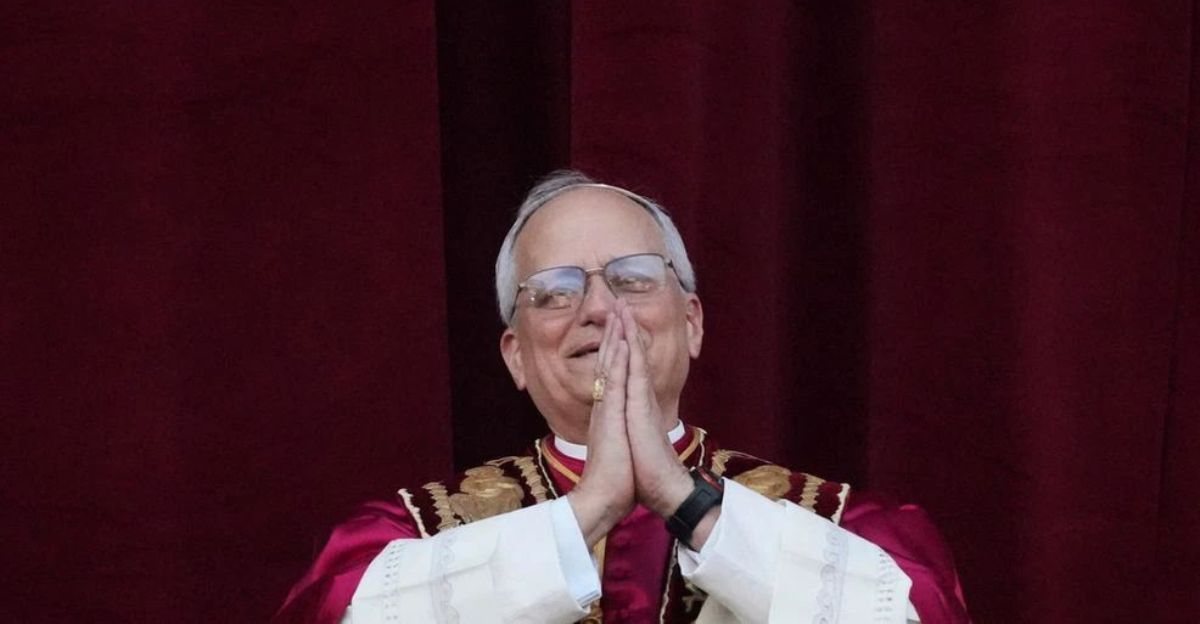
In the midst of a protracted conflict, Pope Leo XIV’s recent appeal for peace in Ukraine is a crucial light. He provides a potent example for promoting peace through his fusion of sincere spirituality, direct moral clarity, and proactive diplomacy.
The appeal calls on everyone to see past political differences and acknowledge the moral and human need for peace.