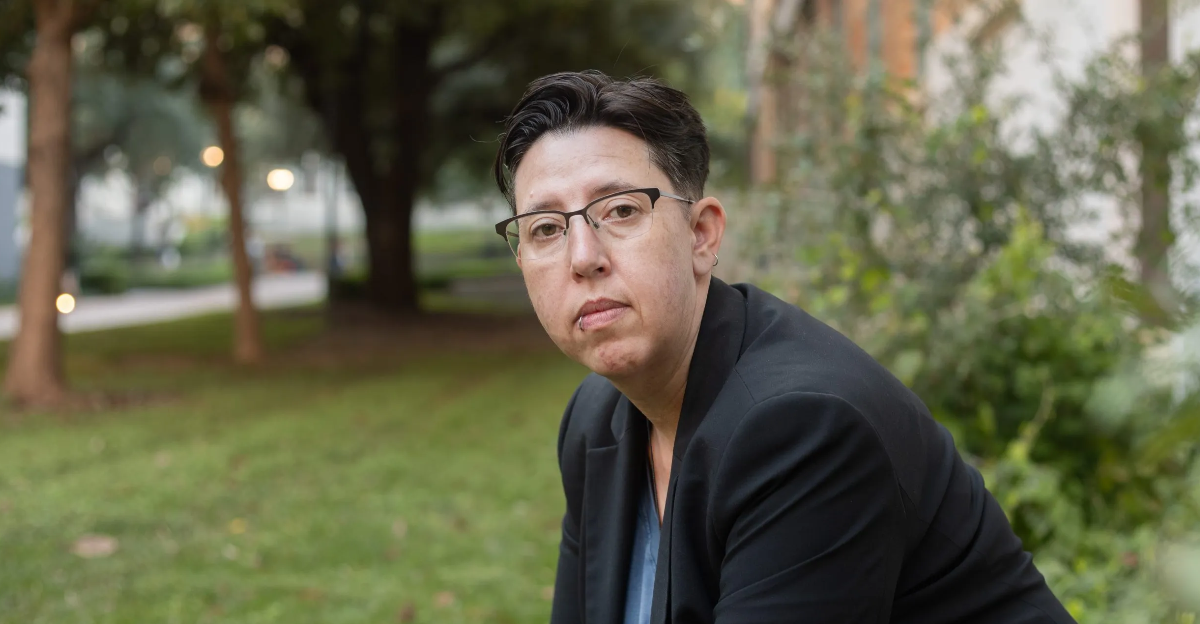
A big change is happening in the Southern United States, with around 1,000 professors leaving universities because they feel the political environment is getting too restrictive.
Many say new laws and policies make it hard for them to do their jobs, which is causing a wave of resignations. This trend is causing concern about how education in the South will be affected if high-quality teachers continue to leave.
Why Are Professors Leaving?

Professors are moving away because they want to work where they have academic freedom, meaning they can teach and research topics without fear of punishment.
Laws in states like Florida, Texas, and Tennessee are causing problems, and teachers are voting with their feet by finding jobs elsewhere. Many want to protect their careers and avoid places where their work is closely watched or censored.
Politics in the Classroom

Strict political rules are now part of university life in the South. New laws limit what professors can talk about in class, especially topics like race, gender, and equity. This makes many teachers feel their voices are being silenced.
A recent survey showed that almost 60% of faculty would not recommend their state as a good place to work, reflecting deep concern about political interference.
Examples of Tougher Laws

Some laws are changing the way colleges operate. For example, Texas Senate Bill 17 required schools to close offices focused on diversity, equity, and inclusion (DEI). This has led to cancelled programs and the removal of faculty from leadership roles.
Campuses have lost important resources and opportunities for students. As a result, many professors feel that their ability to support all students has been taken away.
Academic Freedom Feels At Risk

Professors have always valued the freedom to teach and research honestly. Now, many feel that this basic right is being threatened by outside politics. Topics related to social justice and gender studies, for instance, can be banned or changed without input from the people who teach them.
What Is Lost When Professors Leave

When experienced teachers leave, schools lose a lot of knowledge and expertise. Without long-serving professors, universities may struggle to maintain quality, traditions, and important programs.
“I know a lot of people who’ve been on the job market for several years and they’d be gone by now if not for the factors that make it hard to leave,” said Heather Houser, a former professor at the University of Texas. “It comes with sacrifices, and I still feel so much for my students and colleagues back in Texas. It’s hard to know what they’re enduring.”
Students Lose Mentors

It’s not just the faculty who are affected. Students depend on strong connections with their teachers for guidance and research opportunities. As more professors leave, these important relationships are broken. Fewer courses are available, and it’s harder for students to find mentors.
Impact on Research and Innovation

Losing top professors not only hurts teaching, but it also stops important research. Grants can be canceled or delayed, and innovative projects are left unfinished.
Southern universities risk falling behind if they can’t attract and keep talented researchers.
Professors Making Tough Choices

For many teachers, leaving their jobs comes at a cost. Some must give up tenure (job security) and even take a pay cut. They also leave behind friends and communities they’ve been part of for years. Still, many say that the chance to teach freely is worth these sacrifices.
Fear and Anxiety on Campus

Surveys show that fear and stress are growing among both faculty and students. Many are afraid of losing their jobs, and some worry about being targeted for their work. This climate of uncertainty affects everyone on campus.
Higher Education Under Attack

Many faculty members now feel that discussing some topics, or even their own research, could get them in trouble. With stricter rules and outside pressure, even sharing strong evidence or scientific facts can be risky.
This makes the jobs of professors harder and discourages open conversation in class.
Student Learning Suffers

With limited course offerings and shrinking research opportunities, students have fewer choices. Learning is hindered when teachers can’t talk openly about important issues or share the latest findings.
The survey found that almost 60% of professors would not recommend their state as a good place to work or learn, making students wonder if they should stay or move elsewhere for better educational opportunities.
The South Faces a Brain Drain

If too many teachers exit, these states could lose their competitive edge in higher education. “The classes I taught that were most likely to eventually feel the sting of SB17 and the legislation sure to follow were Gay Rights and the Constitution and Jurisprudence,” said Wendy Watson, who left a role as a pre-law adviser and professor at the University of North Texas.
“You cannot teach a robust class on jurisprudence without addressing critical legal studies, critical race theory and critical gender theory. You just can’t.”
Fewer Candidates Want to Work Here

It’s not just about people leaving. New professors are also looking elsewhere. Because of the current climate, many talented educators do not even apply for jobs at Southern universities.
Schools are having trouble filling important teaching positions, which further impacts students and programs.
The Changing Face of Faculty

The types of professors leaving are changing school demographics. About 51% of those surveyed identify as female, and 17% as non-white. These faculty groups are leaving at higher rates, and they are often the same people who help campuses be more welcoming and diverse.
Losing them weakens support for marginalized groups and takes away important voices in university life.
Diversity and Inclusion Take a Hit

When offices and programs supporting diversity, equity, and inclusion are closed, campuses become less supportive and less diverse. This can hurt all students, not just those in minority groups.
Faculty say that campuses without these resources feel less safe and open.
Leadership Shake-Ups Cause Instability

Administrative shakeups are happening more often. Deans, presidents, and top administrators are being fired, resigning, or moving to new jobs, sometimes because of political fights.
This makes it even harder for universities to offer steady leadership, and faculty feel less trust in those running their schools.
Southern Universities’ Reputations Suffer
Because of these changes, the reputation of Southern universities is taking a hit across the country. High-profile resignations and fewer research breakthroughs make these schools less attractive to talented students and scholars from other regions and countries.
Students Rethinking Their Futures

With the uncertainty around faculty and academic freedom, many students are thinking twice about building a career in the South. They are choosing to study or work in places where they feel safer and more supported.
What Happens Next?

Many professors, experts, and organizations say reform is urgently needed. They stress that supporting academic freedom and diversity safeguards the future of higher education.
Without changes, the Southern US risks losing even more professors, programs, and students, potentially reshaping American education for years to come.