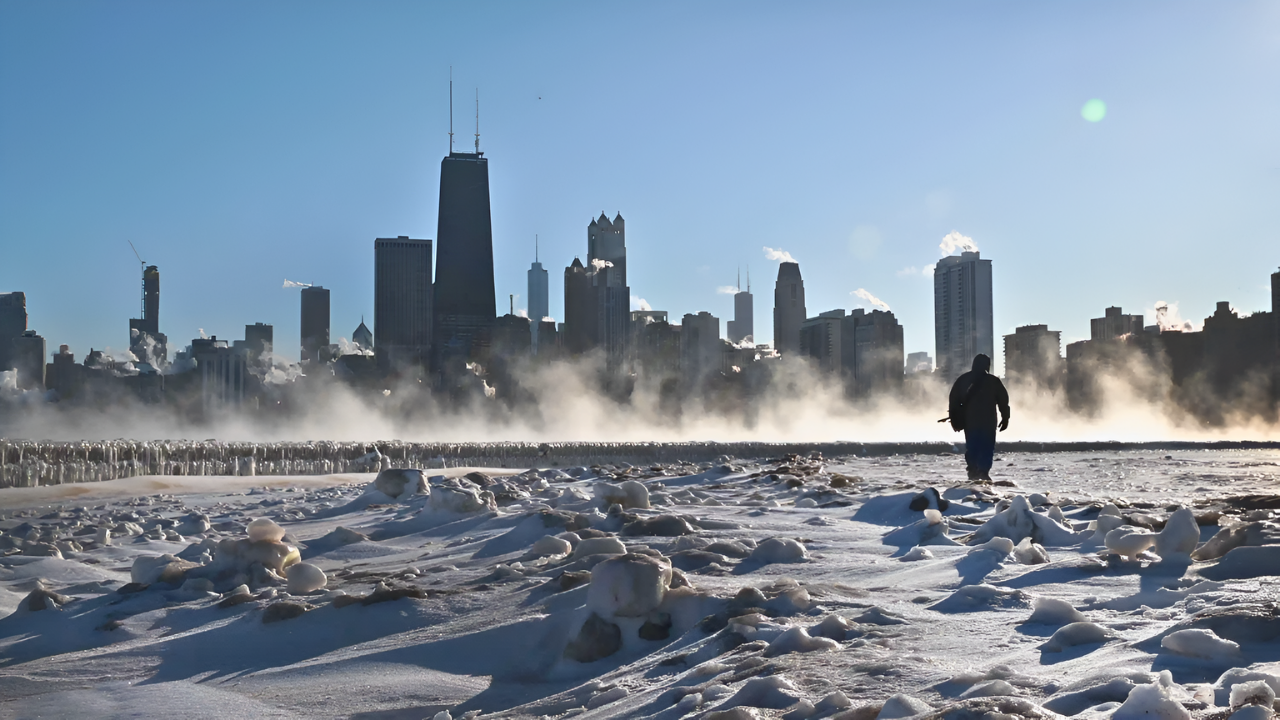
The first blast of icy Arctic air has already swept across the Midwest, sending temperatures plummeting to the teens and single digits. By December 1st, cities like Chicago and Minneapolis are bracing for severely below-average temperatures. Wind chills have created dangerous conditions for frostbite, while people scramble to bundle up in below-freezing conditions. But this sudden cold is just the beginning—a much more brutal wave of extreme cold is expected to engulf the nation.
What caused this unexpected cold to grip the country, and how long will it last?
Polar Vortex Disruption: What’s Behind It?
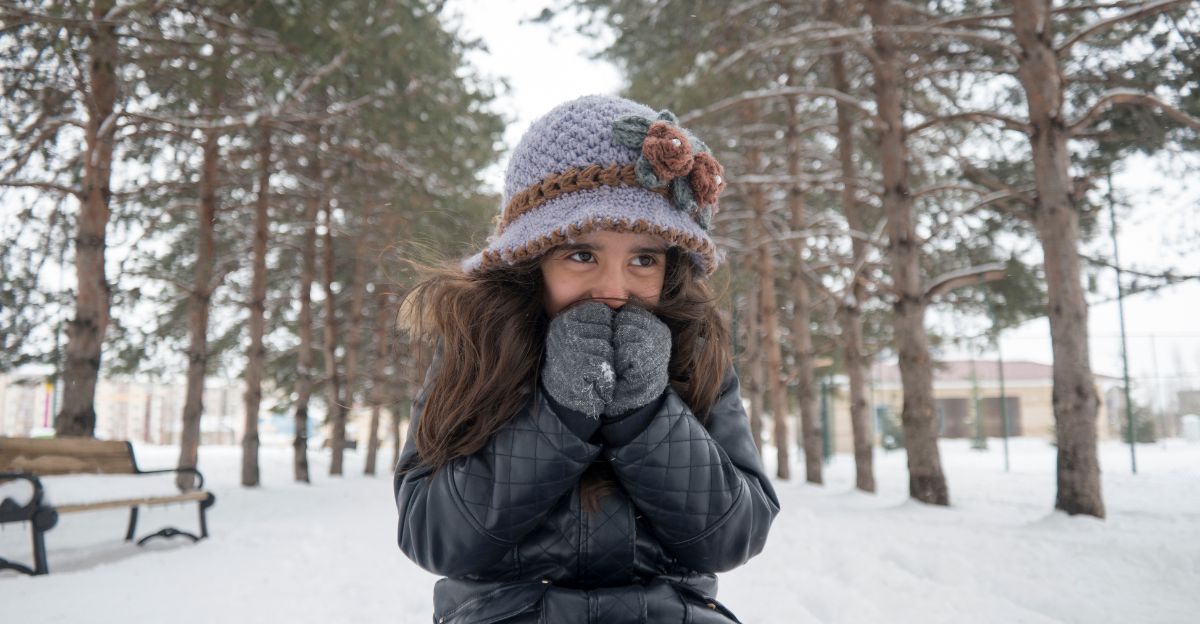
The polar vortex, normally confined to the Arctic, is weakening. A “sudden stratospheric warming” event has destabilized the vortex, causing frigid air to spill southward. This rare event—one of the earliest notable disruptions of the polar vortex observed since satellite monitoring began—has triggered unusual early cold temperatures.
The sudden stratospheric warming event involves rapid warming in the mid-stratosphere, causing the polar vortex winds to weaken and potentially reverse. This mechanism is forcing the coldest air to move toward populated areas, leading to this intense cold event.
Initial Cold Wave: A Harbinger of Things to Come
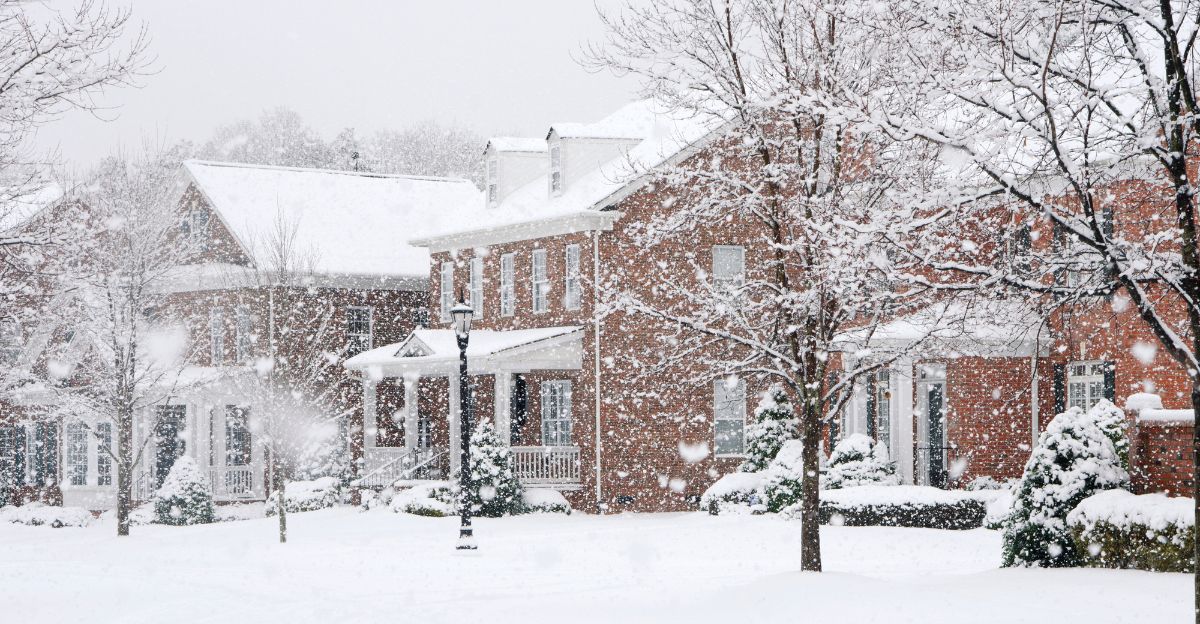
The first cold wave has already begun to take hold. From December 1-2, highs will only reach the 10s to mid-20s°F across parts of the Midwest, with overnight lows plunging into the 0s°F. Northern Missouri, Illinois, and areas like Bismarck, North Dakota, are experiencing these temperatures.
However, the most intense cold is expected during the third week of December, when arctic air is forecast to deepen across the country.
Cold Sweeps Across the U.S.
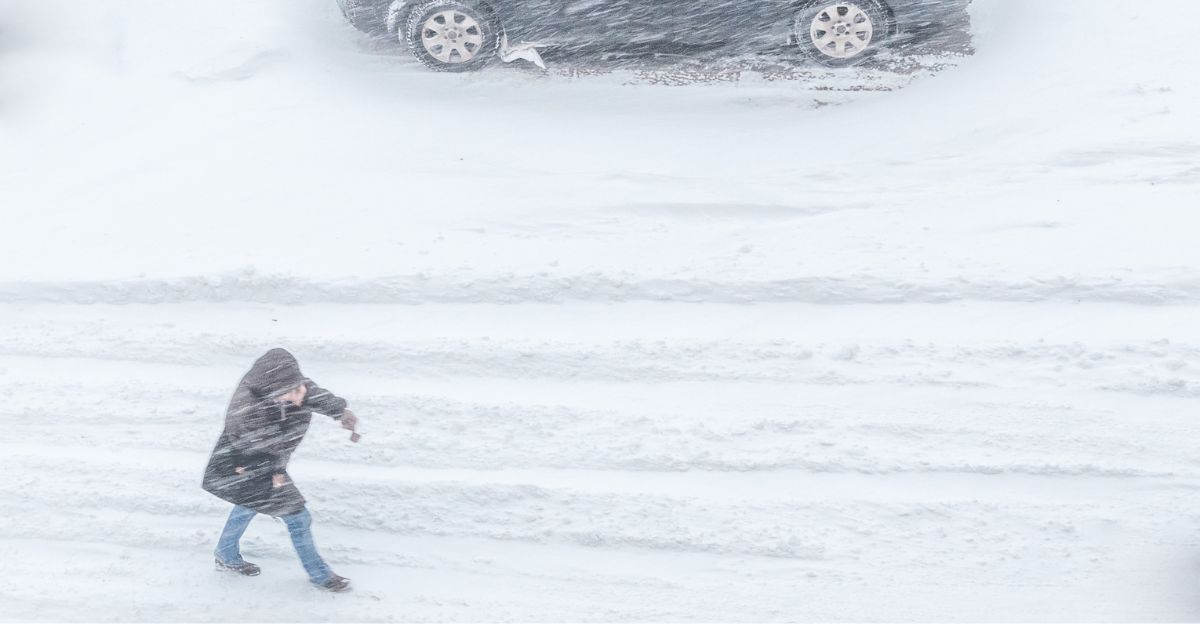
By mid-December, temperatures are expected to drop across much of the U.S., with over 200 million Americans experiencing below-average temperatures from the Northeast to northern Florida. From the High Plains to the East Coast, temperatures will remain well below average.
Areas like the Midwest and Northeast will experience some of the harshest conditions. While Florida will remain warmer than the rest of the country, extreme cold will dominate the nation’s northern and eastern regions.
Travel Disruptions: A Nightmare Before Christmas
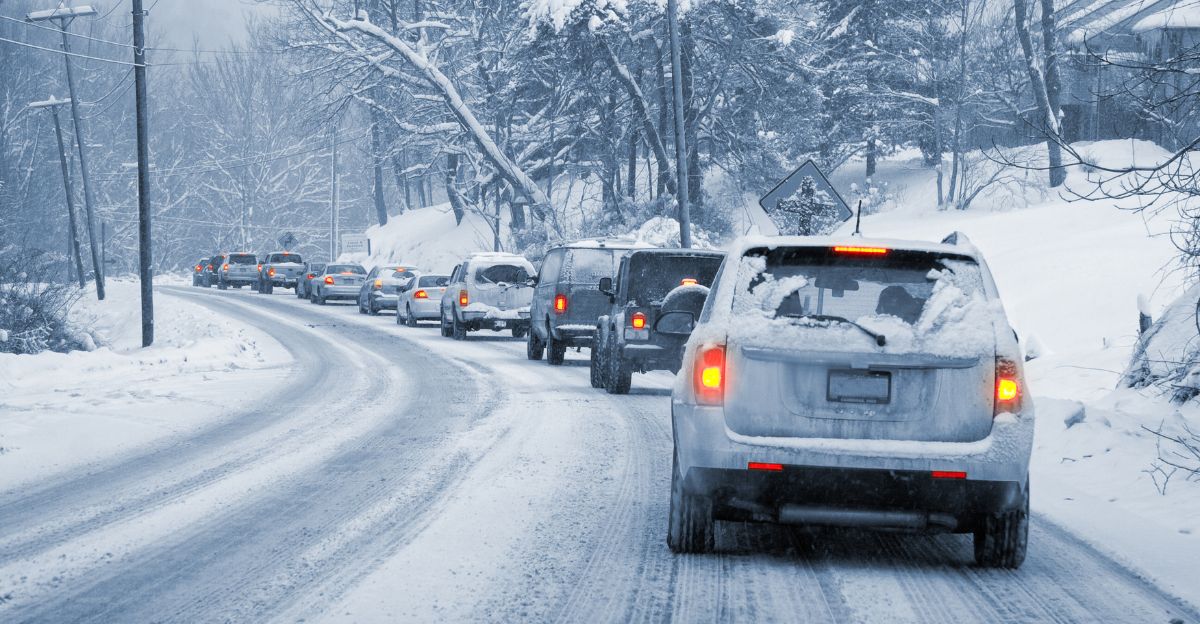
The timing of the extreme cold couldn’t be worse. The peak of this cold event coincides with the busiest holiday travel season. An estimated 82 million Americans were expected to travel for Thanksgiving, with many directly in the path of winter storms and Arctic blasts.
The cold front is expected to bring dangerous conditions from Montana to Minnesota, including winter storm warnings and possible blizzards. Over Thanksgiving week, more than 4,120 flights were delayed or canceled across the country, with additional disruptions expected as the main polar vortex outbreak unfolds.
Supply Chain Crisis: Winter Storm Paralyzes Logistics
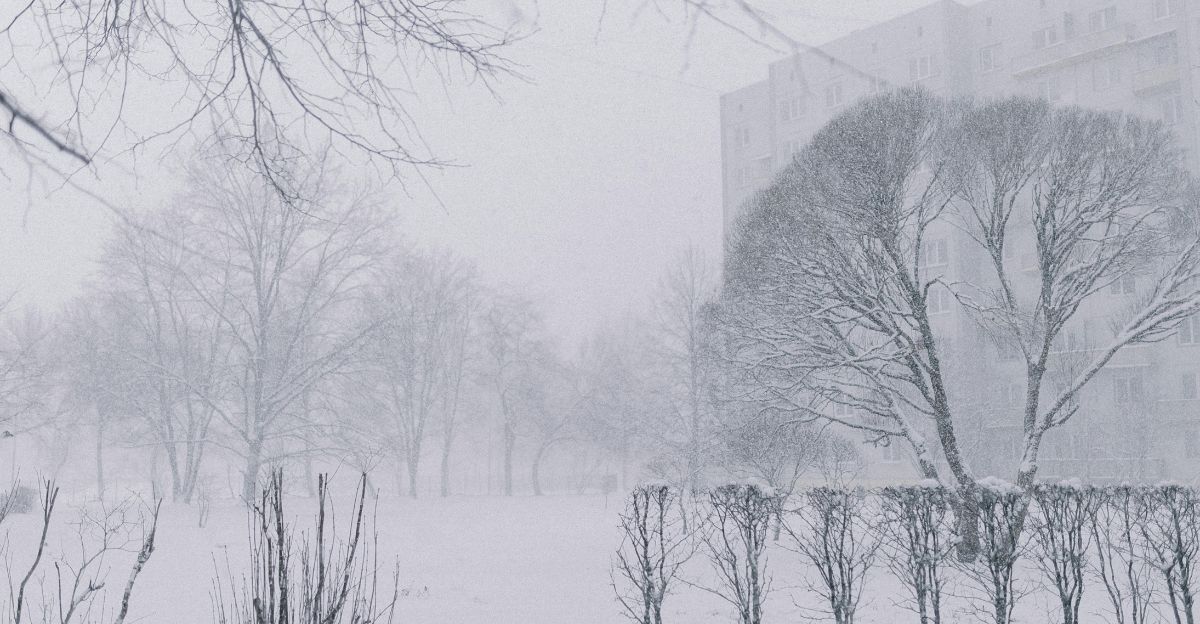
The winter storm impacts America’s supply chains significantly. Highway closures create bottlenecks, halting the delivery of essential goods. With approximately 70% of domestic freight moved by trucks, the storm’s impact on logistics is substantial, causing delays in food, pharmaceuticals, and industrial goods deliveries.
Air cargo operations are similarly affected, with widespread flight cancellations further straining supply chains and causing significant economic consequences.
Heating Crisis: Skyrocketing Energy Costs
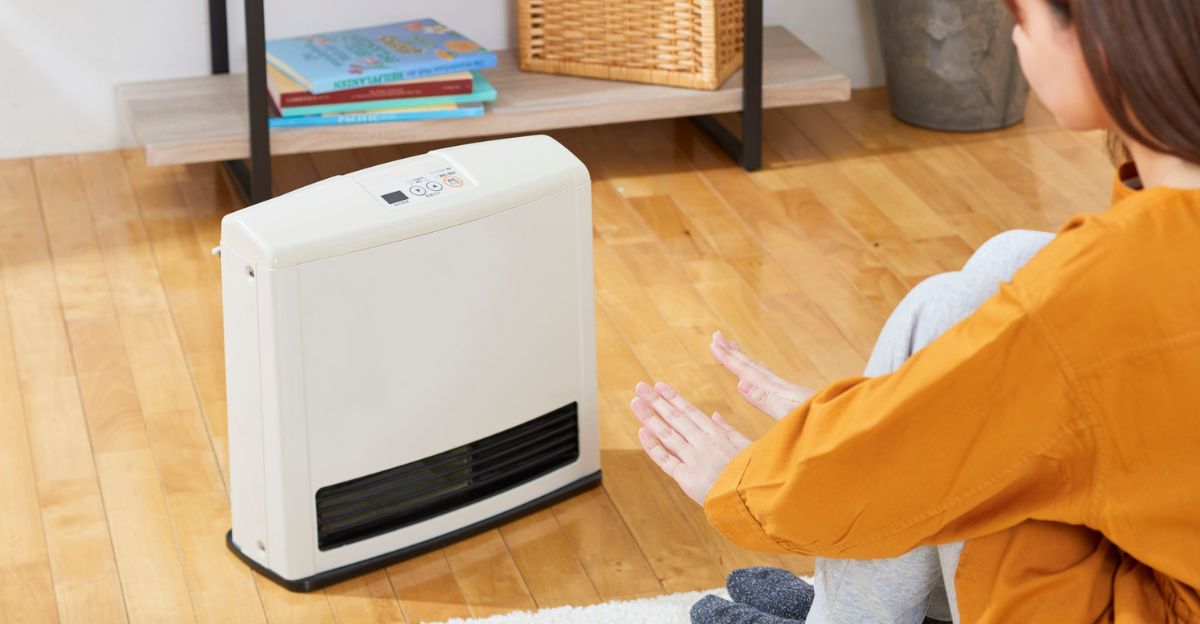
As the cold sets in, Americans are facing soaring energy costs. Heating bills are projected to rise by approximately 7.6% this winter, averaging $976 for the season.
The cold will hit hardest in the northern regions, where natural gas prices are expected to climb by 8.4%, and electricity users will see 10.2% increases. For millions of households in these regions, this represents a significant financial strain as they struggle to manage higher heating costs during the prolonged cold spell.
Power Grid Strain and Outages
As the polar vortex intensifies, the power grid faces significant stress from increased demand for heating. During Thanksgiving week, more than 35,000 customers in areas like Texas lost power due to severe weather.
As conditions worsen in December, outages are expected to increase as heating demand surges and cold weather stresses aging electrical infrastructure. Grid failures pose risks to vulnerable communities during extended cold periods.
Vulnerable Populations at Risk
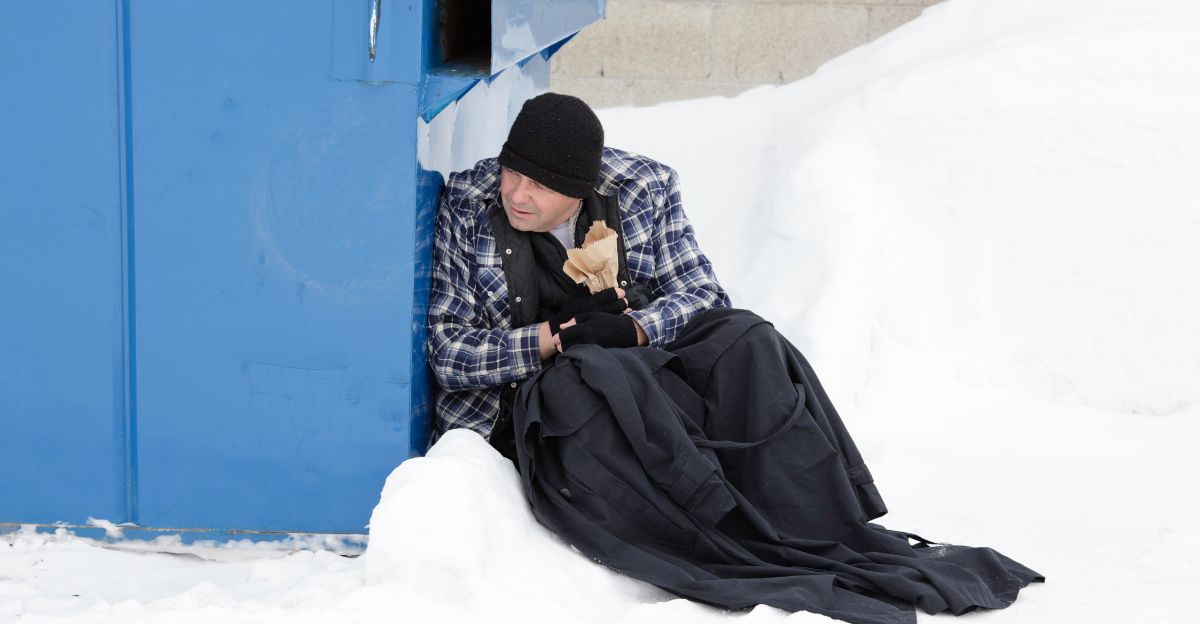
As temperatures plummet, vulnerable groups, including the homeless, elderly, and low-income households, face life-threatening dangers. Research shows that homeless individuals experience hypothermia-related mortality at significantly elevated rates compared to the general population.
With extreme cold stretching across much of the U.S., these individuals are at substantial risk. The elderly are particularly susceptible due to the body’s decreased ability to regulate temperature, compounding the dangers of extreme cold.
School Closures: A Crisis for Parents
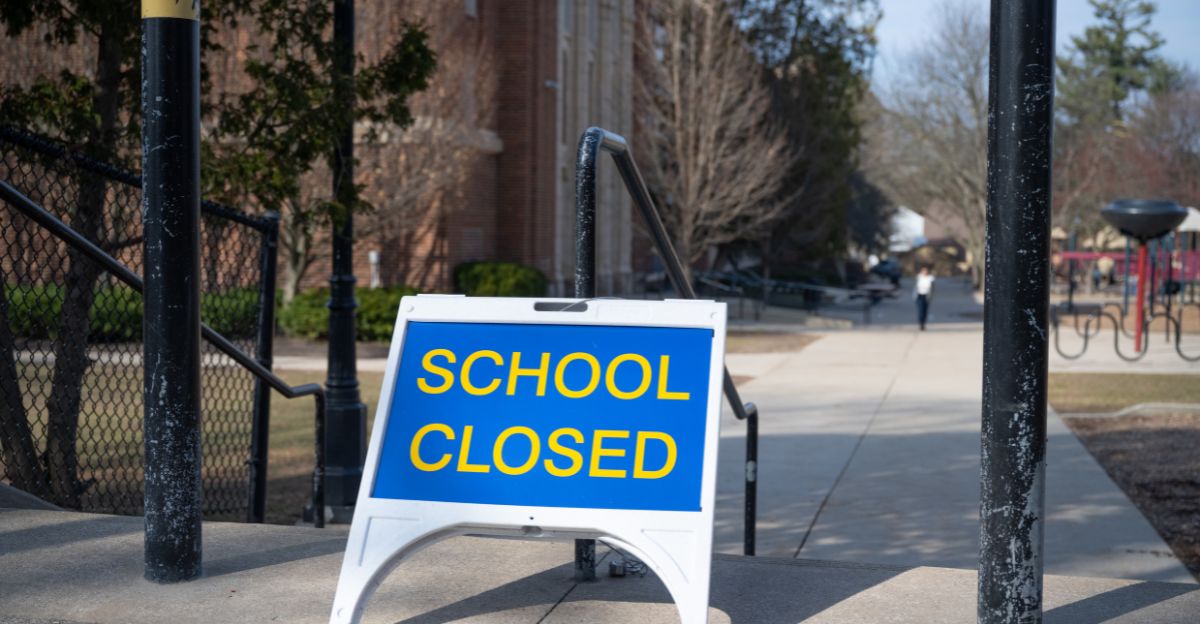
As the cold worsens, schools across the northern U.S. are expected to close to protect students from the dangers of frostbite and hypothermia. With wind chills forecast to drop significantly below zero, many districts are preparing for potential class cancellations.
These closures affect not only students but also working parents, particularly those without flexible work options or reliable childcare. Educational disruptions will impact millions of children, creating additional stress for families during an already challenging time.
Livestock and Agriculture Face Major Threats
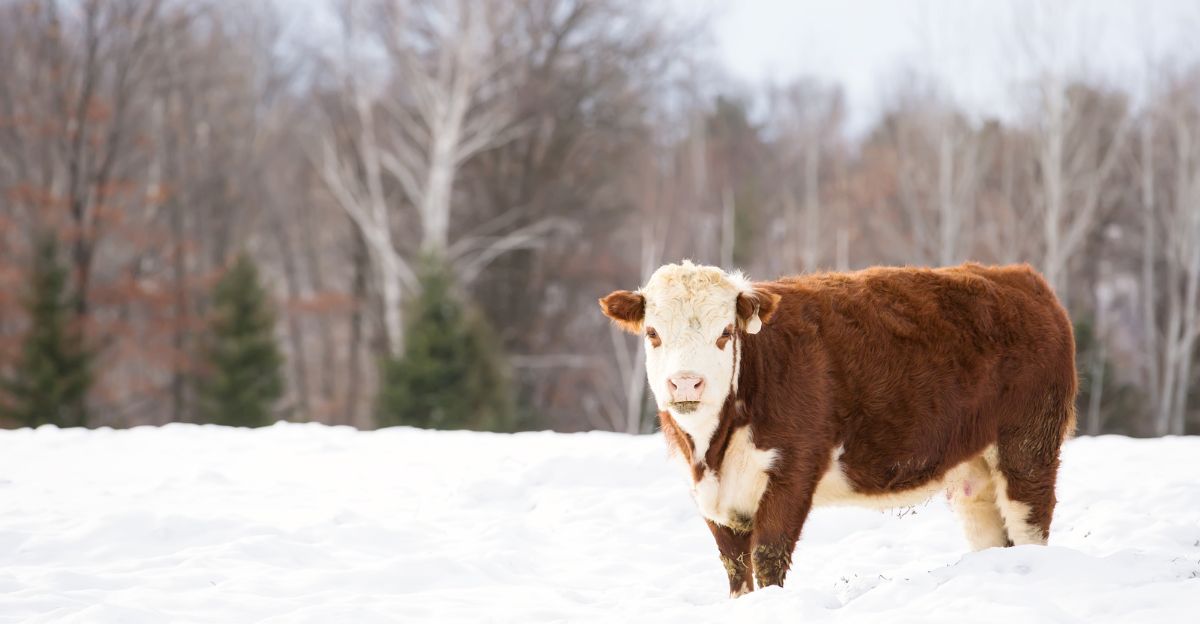
The extreme cold poses significant challenges to the livestock industry. Cattle require additional feed to maintain body temperature in freezing conditions, increasing costs for ranchers.
With temperatures dropping well below 0°F, ranchers must provide extra bedding and water to keep cattle alive. Prolonged cold can stress livestock and reduce the breeding capacity of herds. This crisis compounds challenges faced by agricultural producers, driving up costs and potentially reducing supply.
Food Prices Surge Due to Cold and Supply Chain Failures

The disruptions to agriculture and logistics will likely cause food prices to rise. Beef prices may increase due to higher feed costs and livestock stress.
Additionally, winter storms will prevent perishable goods from reaching stores consistently, leading to potential shortages and higher prices. Consumers will feel the effects at checkout, with food price pressures expected throughout the winter period due to impacts on both production and transportation.
Retail Winners: A Surge in Cold Weather Demand
While many Americans brace for extreme cold, some retailers are capitalizing on demand for winter goods. Sales of winter apparel such as jackets, boots, and hoodies are expected to rise as people prepare for the cold.
Additionally, demand for emergency supplies like space heaters and generators is anticipated to surge. Retailers selling over-the-counter cold and flu medicines are also preparing for increased demand as consumers prepare for severe weather.
Political Response: Emergency Measures in the Works
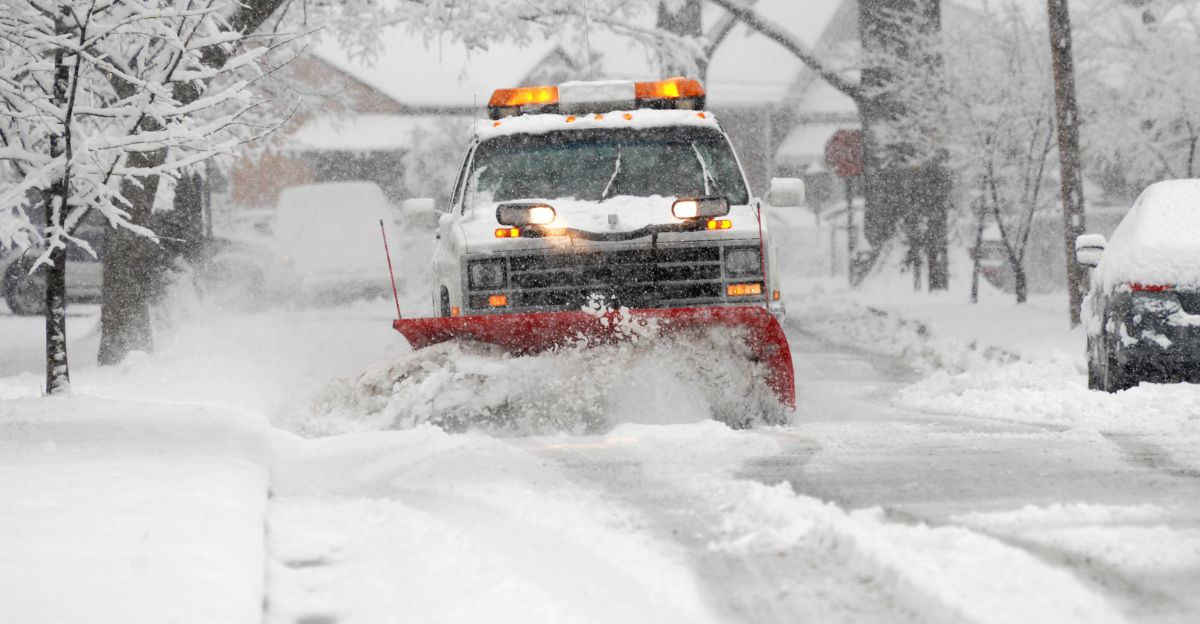
State and federal governments are mobilizing responses to the polar vortex threat. Several governors have issued emergency preparations and alerts. At the federal level, discussions continue about disaster preparedness and potential assistance programs.
The strain on energy infrastructure is sparking renewed discussions on climate patterns, infrastructure resilience, and emergency preparedness in the face of extreme weather events.
Looking Ahead: Understanding This Event
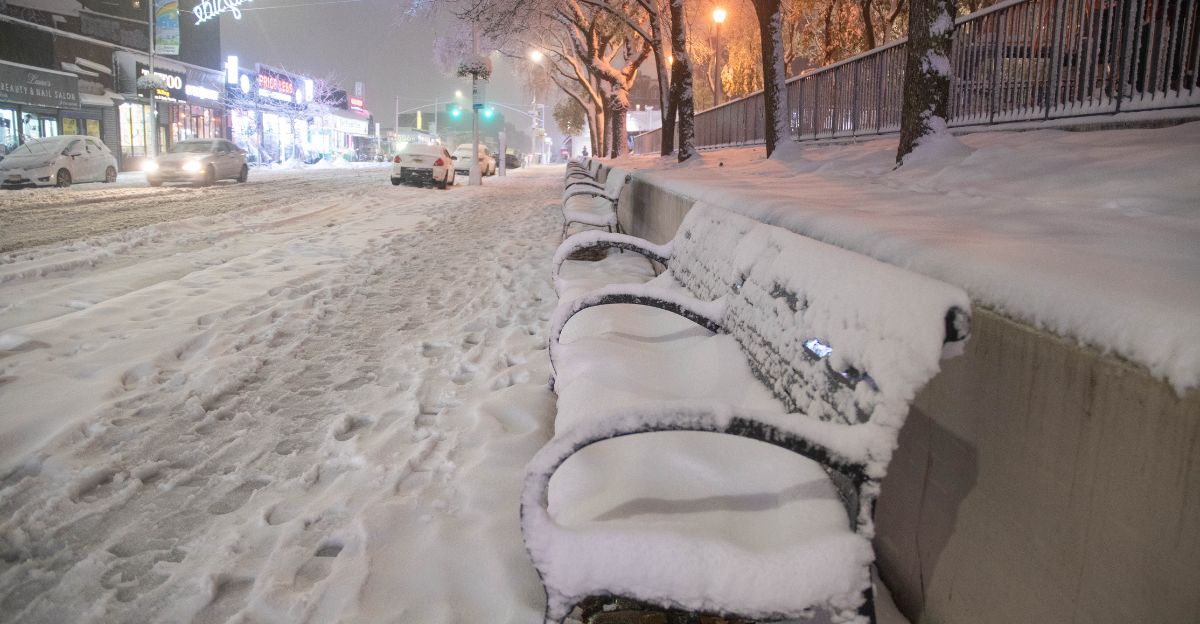
The events unfolding in December represent a significant disruption driven by an early and unusual sudden stratospheric warming event. Scientists note that extreme cold outbreaks linked to polar vortex disruptions are an established meteorological phenomenon.
As the U.S. faces this polar vortex outbreak, the combination of elevated costs, strained systems, and infrastructure demands will test the resilience of both public and private systems—and the vulnerabilities they expose.
Sources:
NOAA Climate Prediction Center Week 3-4 Outlook (November 2025); National Weather Service Winter 2025-26 Seasonal Outlook
National Oceanic and Atmospheric Administration November 2025 Sudden Stratospheric Warming Briefing; MIT Climate Dynamics Laboratory Polar Vortex Analysis
AAA Travel Forecast November 2025; American Trucking Associations Freight Transportation Data; USDA Extension Livestock Cold Weather Management Guidance; North American Electric Reliability Corporation Cold Weather Standards EOP-012-3