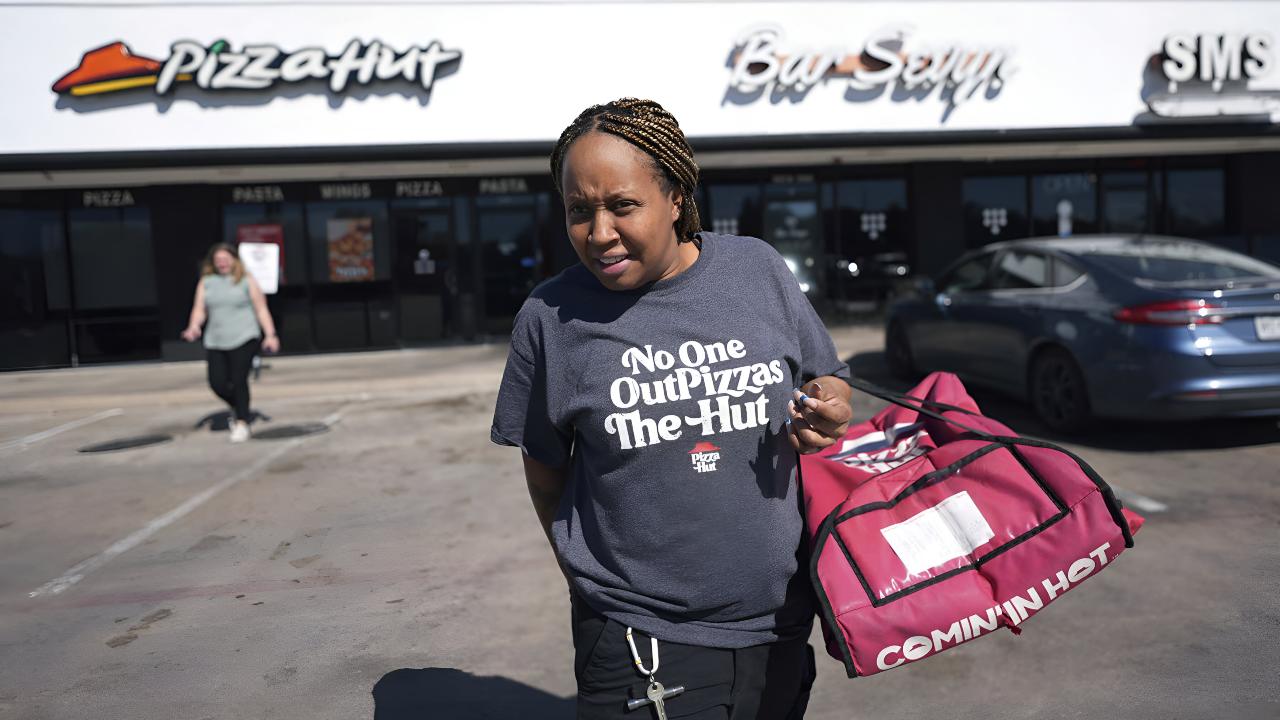
On October 20, 2025, workers at 68 Pizza Hut locations in the UK learned they would lose their jobs within hours. As the company’s financial collapse unfolded, administrators from FTI Consulting arrived to oversee the shutdown of 79 locations, including 11 delivery-only sites. The employees, shocked by the sudden news, were left with little time to prepare.
What sparked the downfall of one of the UK’s most beloved pizza chains? This is the truth behind Pizza Hut’s collapse.
The Domino Effect: A Franchise’s Collapse Unveiled
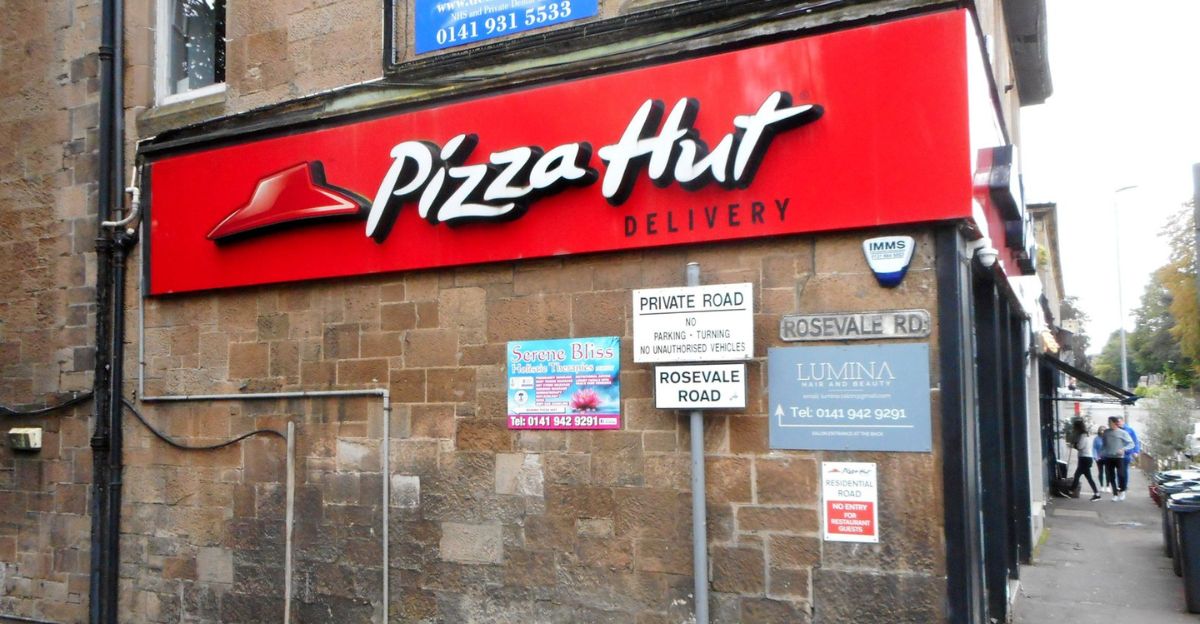
The collapse of Pizza Hut U.K. stems from a deadly combination of economic strain, rising costs, and falling consumer visits. DC London Pie, facing challenging trading conditions and tax-related obligations, entered administration, setting off a chain reaction.
The failure led to emergency intervention by parent company Yum! Brands to save what remained of the brand.
The Heartbreaking Impact: A Familiar Brand Gone
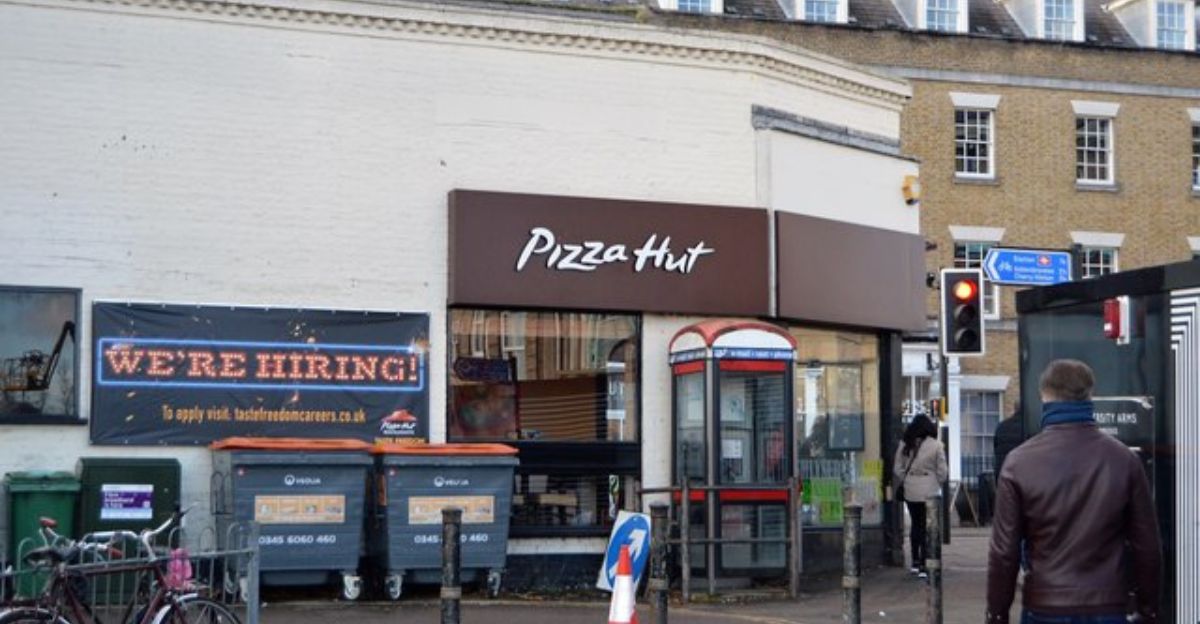
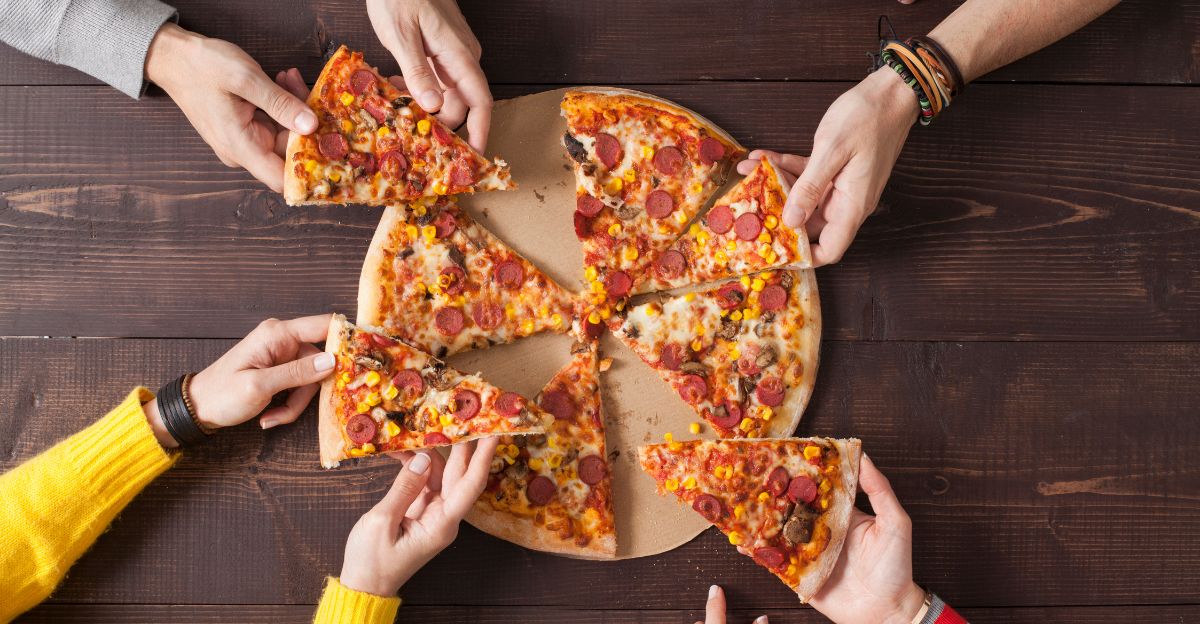
For many, Pizza Hut was a staple in family dining. The closure of these locations isn’t just a corporate failure—it’s the end of an era for customers who’ve relied on the brand for memories of shared meals.
The suddenness left patrons reminiscing about the pizza nights they once enjoyed, a reflection of how dramatically the dining scene is changing.
Yum! Brands Intervenes: 64 Locations Saved, 1,276 Jobs Preserved
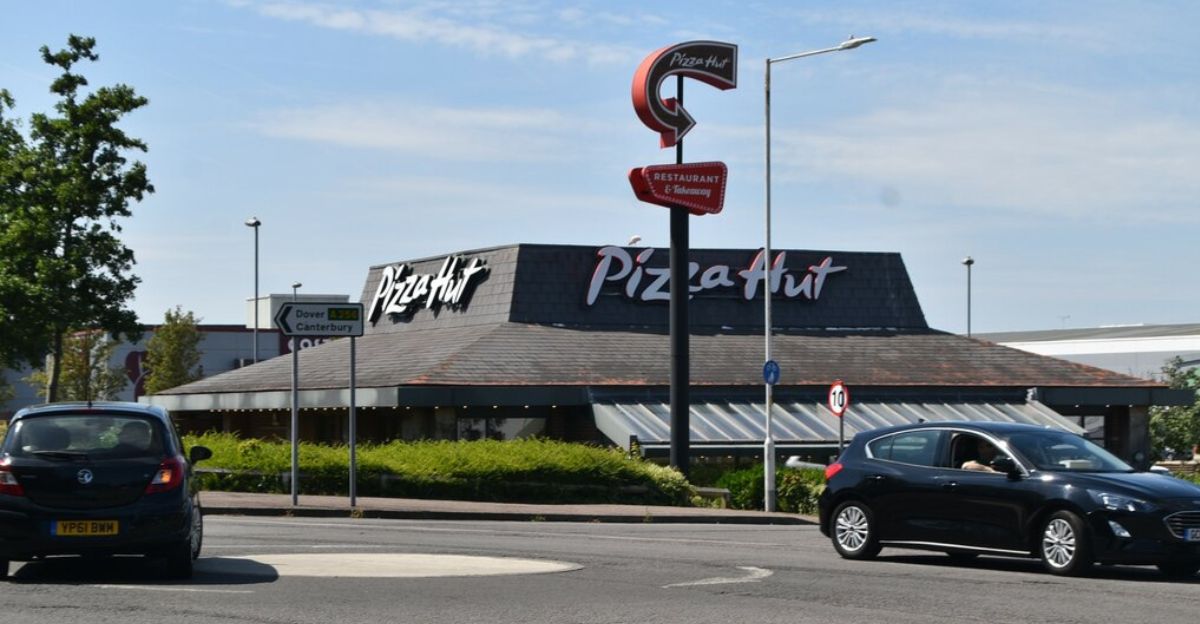
Yum! Brands, Pizza Hut’s global owner, stepped in to prevent a total market exit. They acquired 64 remaining profitable sites in a rescue deal, safeguarding 1,276 jobs.
However, the move signals a shift towards a leaner operation, with more focus on delivery and less emphasis on dine-in services, marking a pivotal moment for the brand’s future.
Competitors Gain Ground: The Shift Toward Delivery
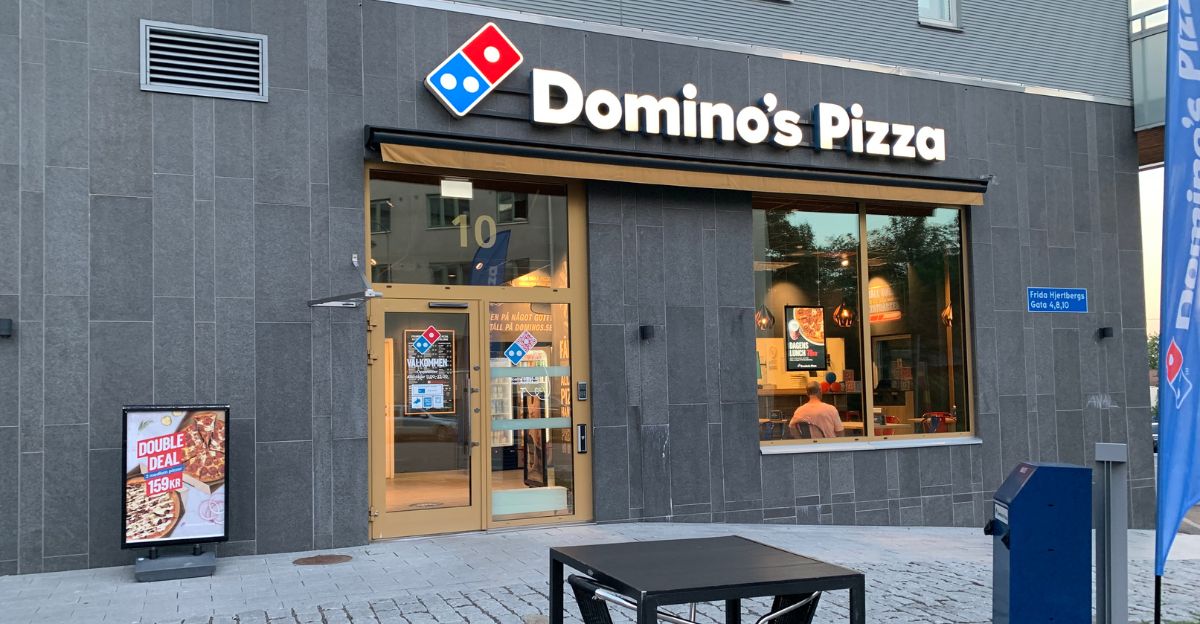
As Pizza Hut shuts down, competitors like Domino’s are poised to grab a larger share of the market. The rise of delivery services, alongside changing customer preferences, has reshaped the landscape.
With fewer dine-in options, fast-casual chains and delivery platforms stand ready to serve the demand for convenient, at-home meals.
The Franchise Model in Crisis: Lessons for Global Operations
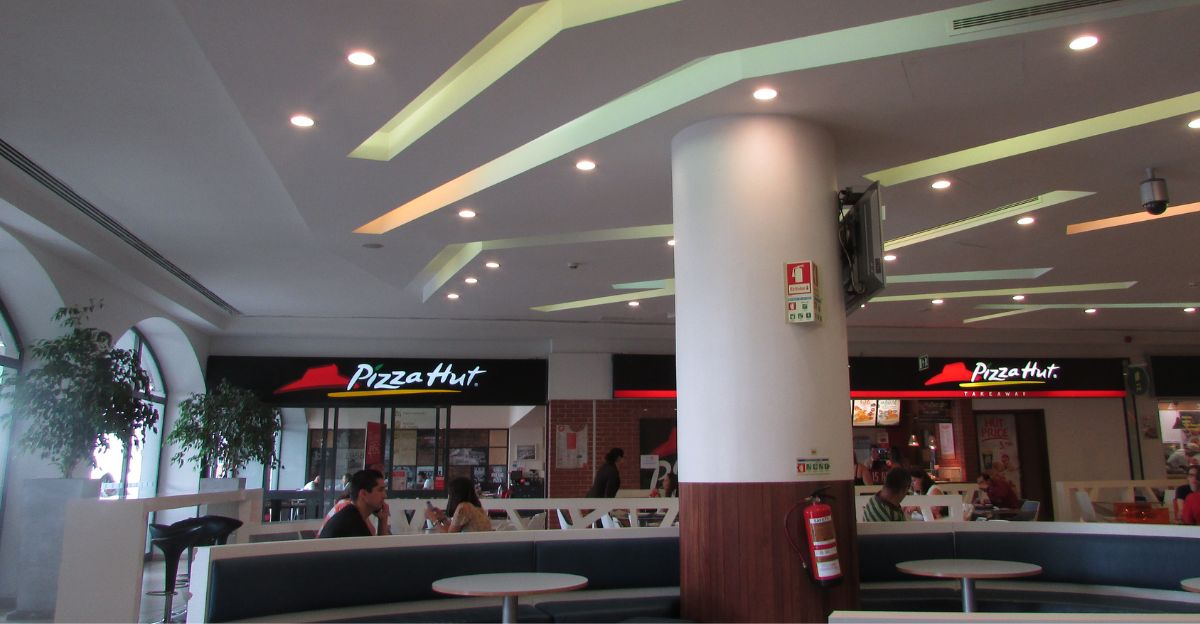
The UK Pizza Hut debacle underscores vulnerabilities within the franchise model, especially when economic pressures mount.
The crisis has sparked conversations across international markets about the sustainability of franchise operations. Yum! Brands’ approach in the UK may become a blueprint for addressing similar challenges in other regions.
The Human Cost: 1,210 Workers Left Jobless Overnight

The collapse of Pizza Hut U.K. sent shockwaves through its workforce. Over 1,200 employees were suddenly without jobs, many learning of the closures only when administrators arrived.
These workers now face the daunting task of finding new employment in a shrinking hospitality industry, with minimal support in the face of such rapid change.
Labor Rights and Government Action: A Call for Stronger Protection
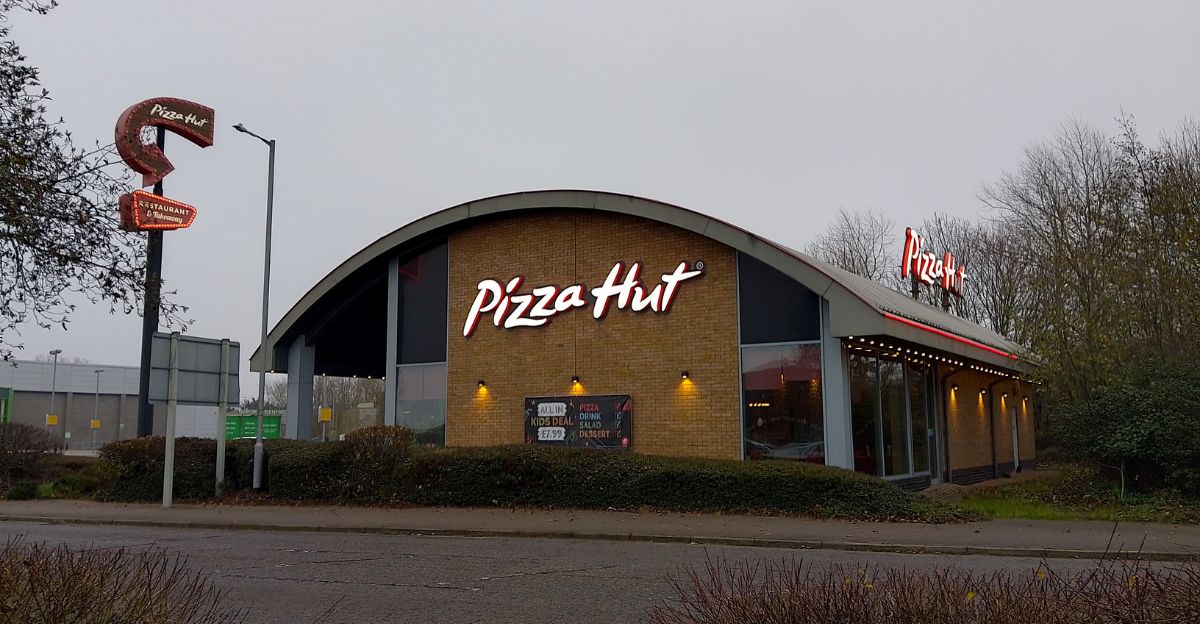
The layoffs sparked a wider debate on workers’ rights and the regulation of franchise operations in the UK. Labor agencies are now monitoring the fallout, with many advocating for more protections for restaurant workers.
The closures have underscored the need for stronger regulations to shield employees from sudden job loss in the face of corporate instability.
Inflation and Economic Pressures: A Perfect Storm
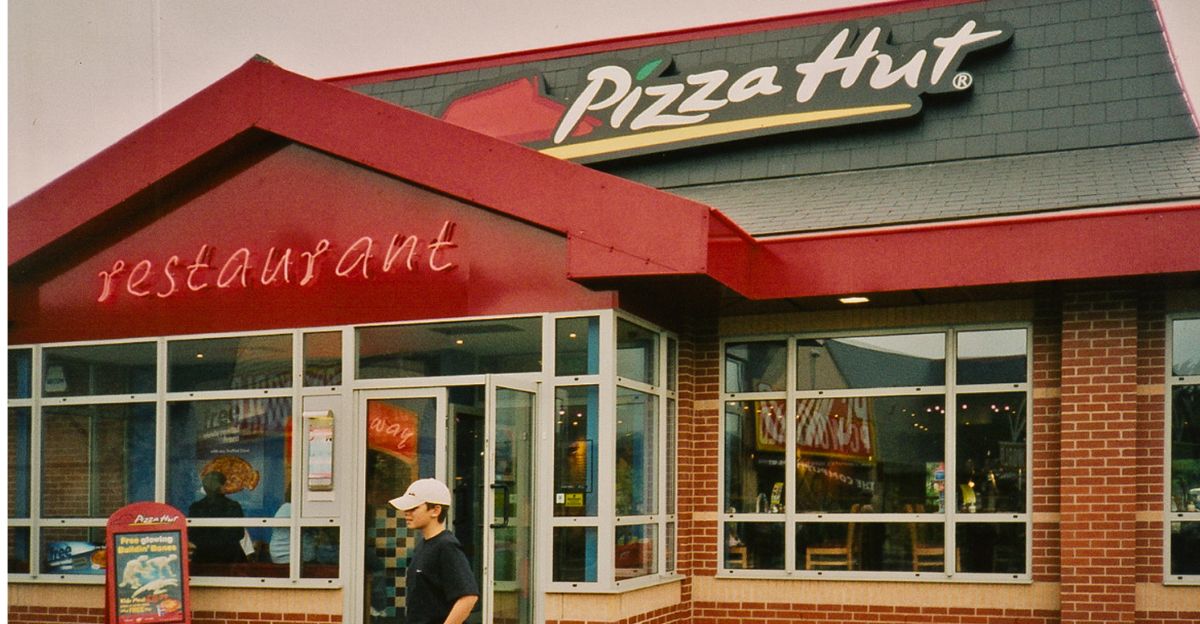
The underlying cause of Pizza Hut’s UK collapse can be traced to a series of economic pressures—rising energy bills, increased food costs, and stagnant wages.
These factors created a perfect storm for mid-tier restaurant chains like Pizza Hut, which struggled to maintain profitability as operational costs ballooned and customer numbers dwindled.
Changing Habits: The Rise of Takeaway Over Dining In
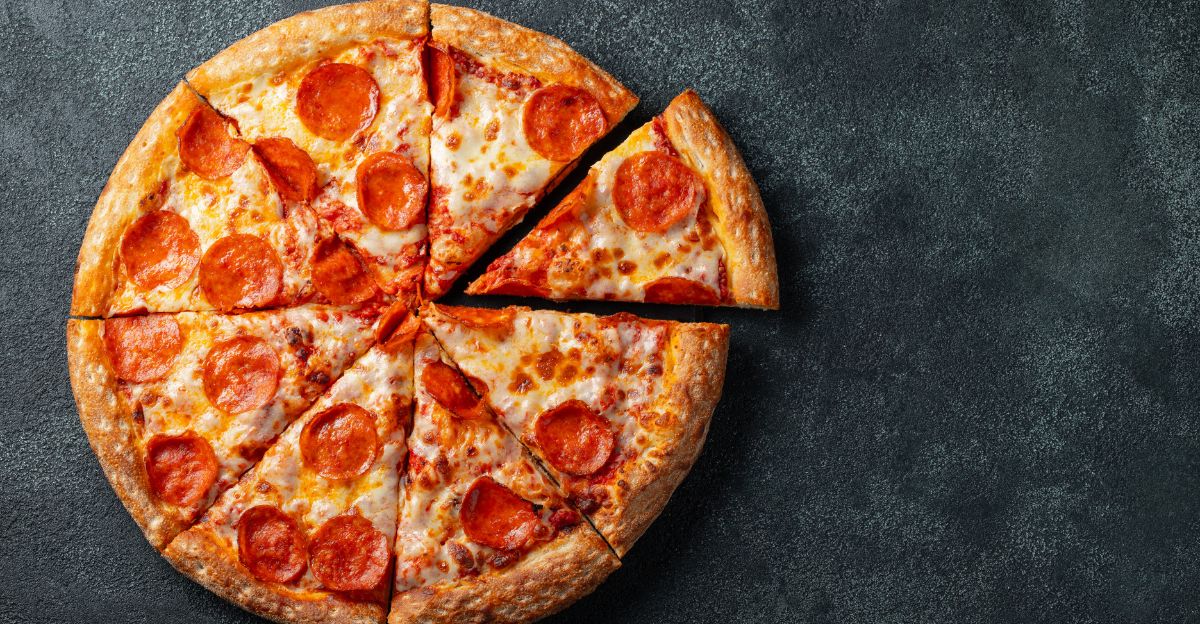
Post-pandemic, consumer habits have shifted dramatically. More people are opting for takeaway and delivery services rather than dining in.
This trend, which accelerated during the cost-of-living crisis, has left sit-down restaurants like Pizza Hut struggling to stay relevant. As more customers choose convenience, dine-in experiences are increasingly becoming a thing of the past.
The End of the High-Street Restaurant Era
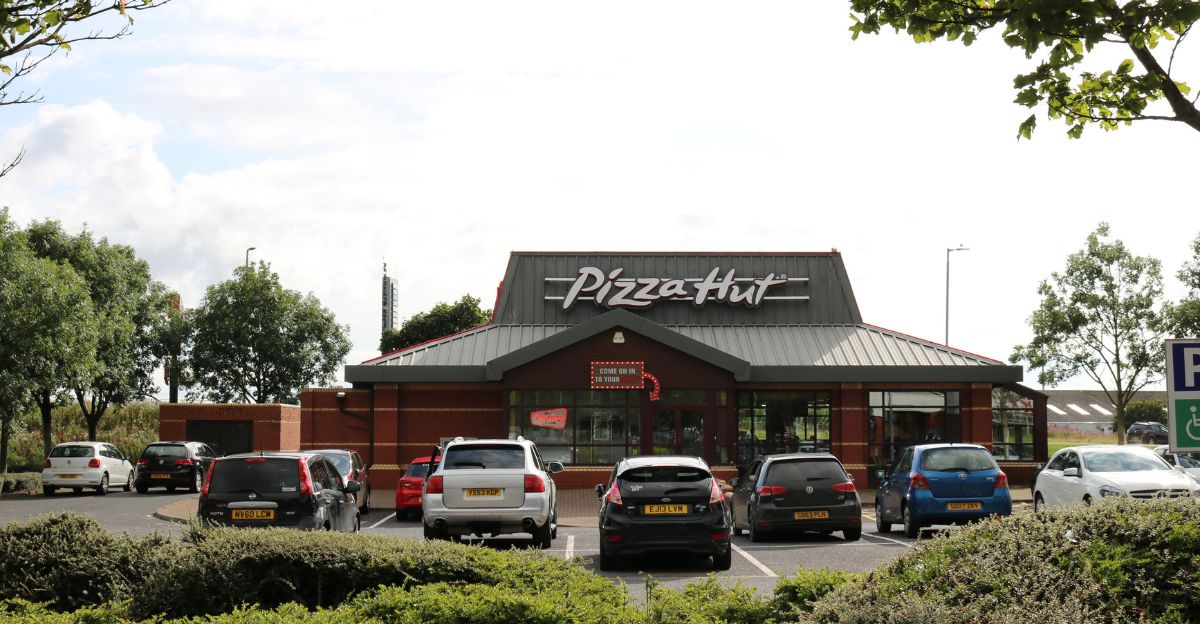
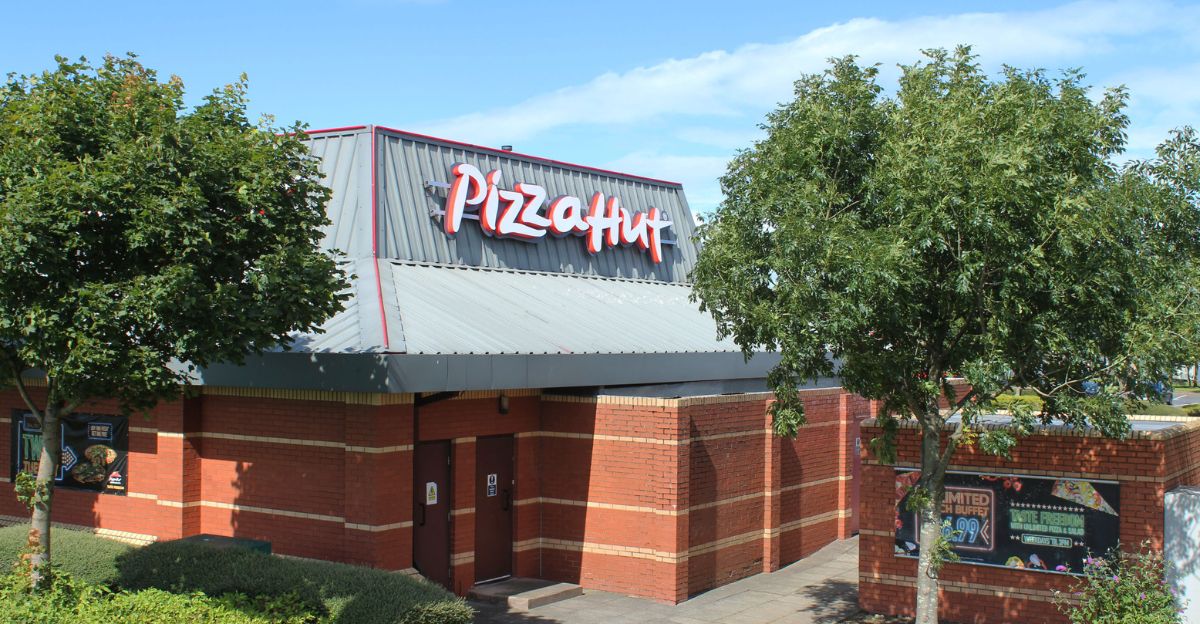
Pizza Hut’s closures mark a significant turning point in the high-street dining scene.
Once a symbol of family gatherings, these locations are now disappearing, sparking debates about the future of communal dining spaces. Is this the end of an era for family restaurants, or simply a necessary adaptation to new market realities?
Trust Issues: The Brand’s Reputation at Stake
Pizza Hut’s swift action to close restaurants and rebrand its operations raises questions about the future of the brand.
With a legacy tied to family-friendly experiences, these closures leave a scar on its reputation. How will Yum! Brands restore consumer trust, and can the brand survive the fallout from these rapid changes?
Local Pizzerias and Delivery Apps See Gains
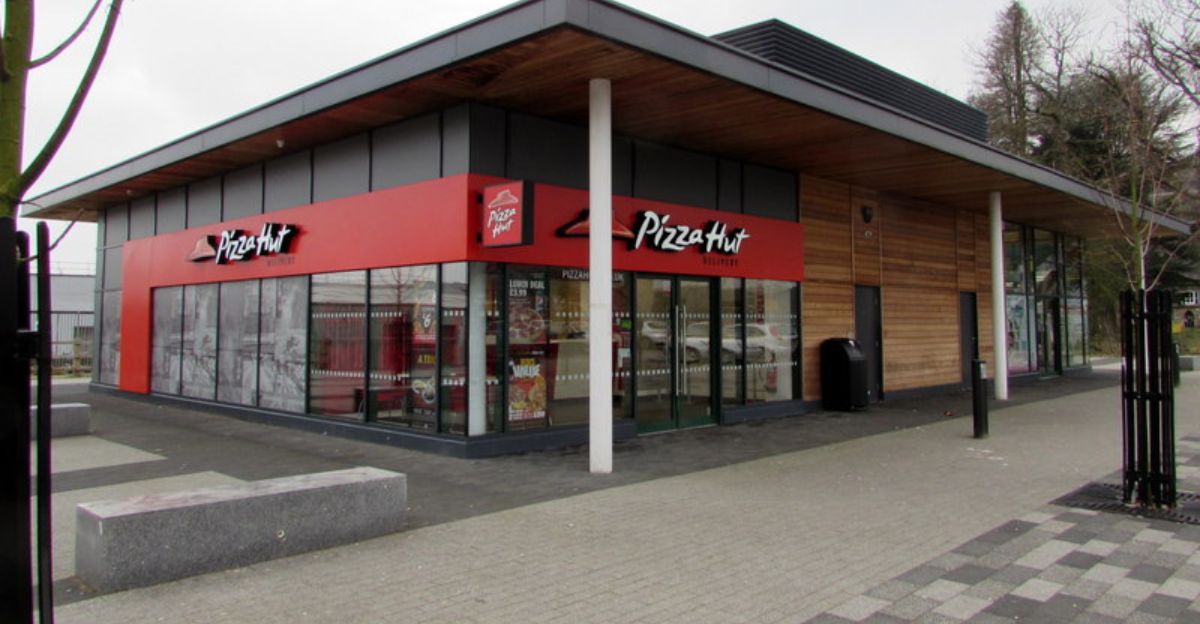
As Pizza Hut retreats from the high street, independent pizzerias and delivery apps stand to gain customers. With traditional outlets closing, local businesses are seeing increased demand.
This shift in consumer behavior highlights how delivery services are now the preferred method for pizza orders, with major players like UberEats and Just Eat capitalizing on the change.
Financial Guidance for Consumers: Navigating the Shake-Up
The closures signal continued volatility in the restaurant sector. Experts recommend that consumers stay vigilant for promotions and deals as chains fight for loyalty.
Those affected by the closures should seek redundancy packages and explore new dining options. For those looking to adapt to these changes, flexibility and awareness are key to navigating the post-Pizza Hut dining scene.
Will Pizza Hut Recover, or is This Just the Beginning?
The UK crisis is a wake-up call for the broader dining industry. As Yum! Brands pivots towards a delivery-first model, the future of Pizza Hut—and the casual dining market as a whole—remains uncertain.
Will this new focus on delivery be enough to sustain the brand, or will more closures follow? The coming months will be crucial in determining the fate of one of the most iconic brands in fast food history.