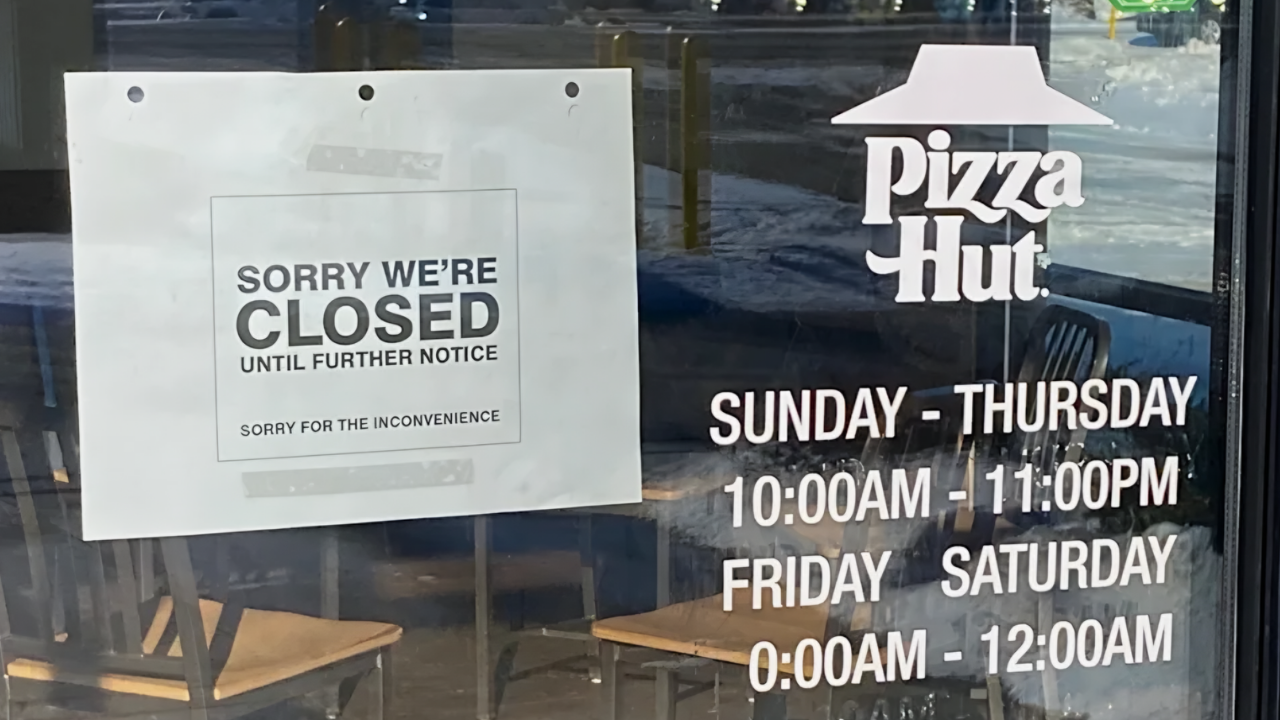
Pizza Hut’s UK franchise went into administration on October 20, 2025. This led to the closure of 68 restaurants and 11 delivery sites, resulting in 1,200 job losses.
This is the second collapse in just nine months. The large-scale shutdown shows deeper problems in the UK hospitality sector, likely affecting towns and related industries.
Why Did Pizza Hut Fall?
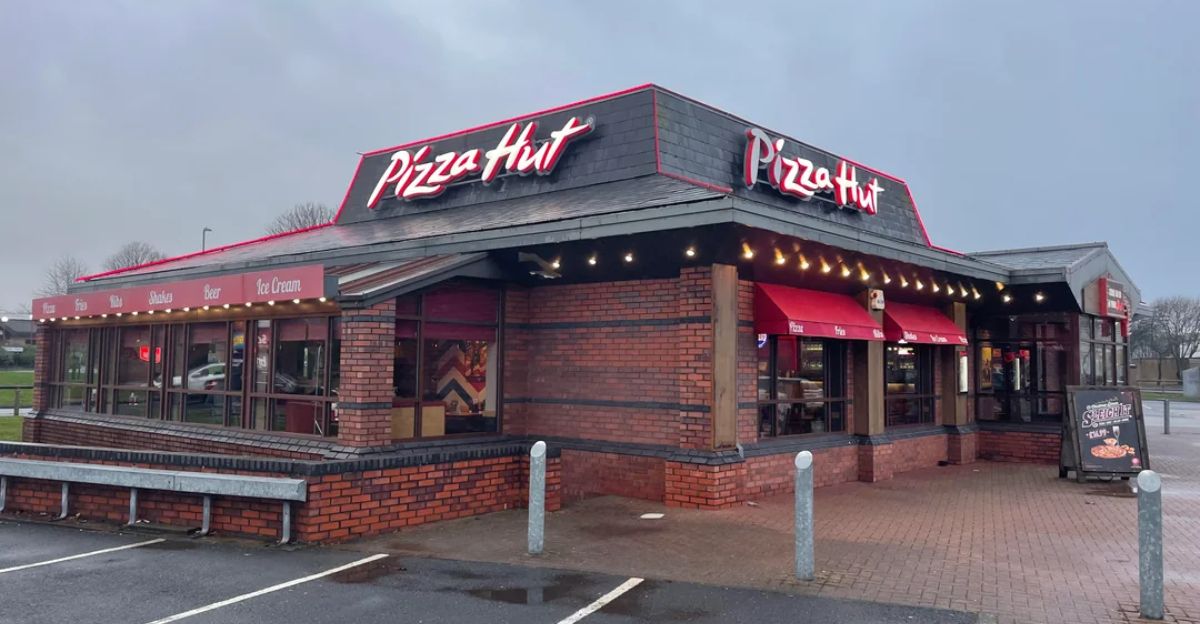
DC London Pie Limited, which operates Pizza Hut in the UK, faced serious financial problems. Rising costs, high taxes, and less demand for dine-in meals made it hard to stay in business.
The company reached a breaking point when HMRC filed a request to close it in September.
Consumers Lose Local Favorites
Pizza Hut is closing in 68 towns, so many families and students are losing affordable dining options.
These closures disrupt routines and reduce choices, especially in areas with few alternatives. Loyal customers now have to find new places for group gatherings and celebrations.
Corporate Response: Yum! Brands Steps In
Yum! Brands helped by buying 64 Pizza Hut locations and saving 1,277 jobs. While this deal kept some restaurants open, many workers and creditors faced difficult situations.
This shows that only the most profitable locations are surviving while many others are closing.
Adjacent Markets: Who Fills the Gap?
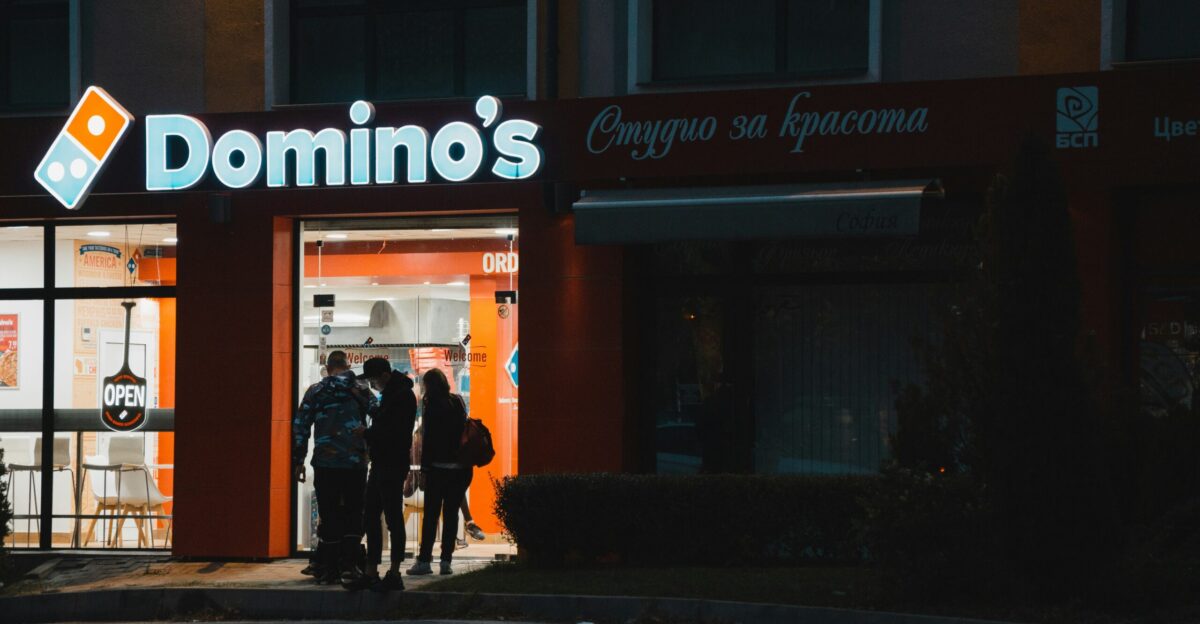
Competitors like Domino’s and local pizzerias will likely gain from Pizza Hut’s exit. While some restaurants may see more customers, they face the same economic challenges.
This change also gives a chance for smaller businesses and new restaurants to enter the market in affected towns.
International Trade: Supply Chain Disruption
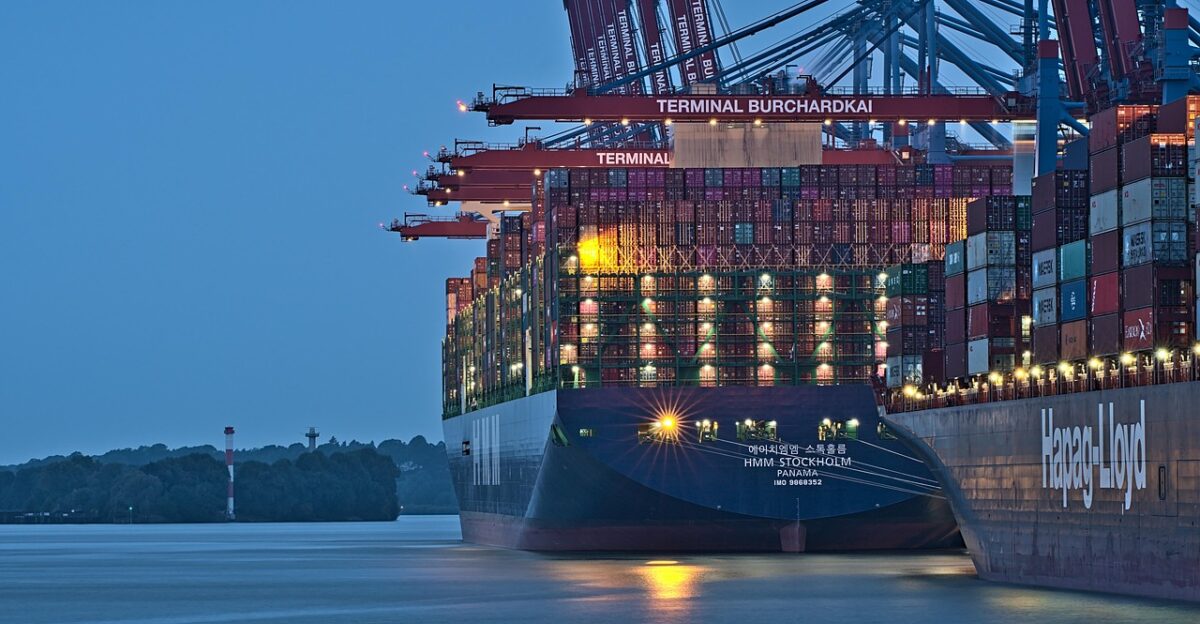
The closures have disrupted supply chains. Food distributors, packaging suppliers, and logistics providers are all affected.
International partners supplying ingredients and equipment to UK businesses may lose important contracts. This situation could harm cross-border trade and damage long-standing business relationships.
Workers and Families

About 1,210 employees were laid off, often with little or no notice. Jack Twydale, a Pizza Hut worker in Hartlepool, said staff were “shocked” when they learned during a Teams call that they were being let go immediately.
With the layoffs happening just ten weeks before Christmas, many families now face serious financial uncertainty.
Government Under Pressure

UK hospitality businesses are facing higher costs and new rules, so they need government support. As a result, the government is under pressure to provide help.
The upcoming Autumn Budget will focus on important issues like business rates and employment policies. However, industry leaders caution that any relief might not be enough.
Sector-Wide Economic Strain

Wages, energy bills, and inflation are hurting hospitality businesses. The sector has lost 59,000 workers in the past year, with restaurants being hit the hardest.
These financial pressures may lead to more closures and job losses, increasing instability in local communities.
The Debt Legacy
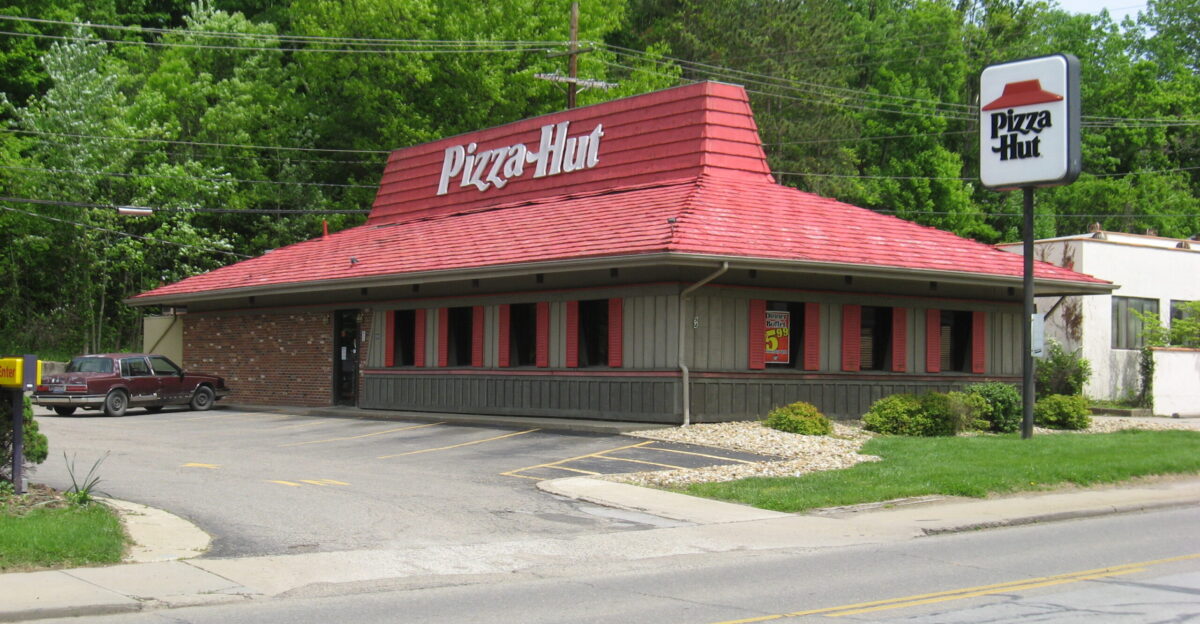
The current crisis follows a troubled history. When Pizza Hut’s previous UK owner, Heart with Smart Limited, collapsed in January 2025, it carried debts exceeding £50 million (approximately $65 million). Investor Pricoa Capital was owed over £40 million alone.
DC London Pie, owned by Directional Capital, acquired the struggling business in a rescue deal that saved 3,000 jobs initially. However, no specific debt figure for DC London Pie’s October 2025 collapse has been publicly reported.
Sustainability and Waste

Pizza Hut’s exit comes as the UK tightens its food waste legislation and public expectations around sustainability continue to grow.
Hospitality businesses must adapt to stricter waste rules and rising demand for eco-conscious practices—or risk falling behind.
UK Hospitality in Crisis
Globally, Pizza Hut’s collapse sends a warning signal to international brands operating in the UK.
The situation exposes how even established chains are vulnerable to local economic challenges, shifting regulations, and changing consumer behavior.
Winners and Losers: Who Benefits?
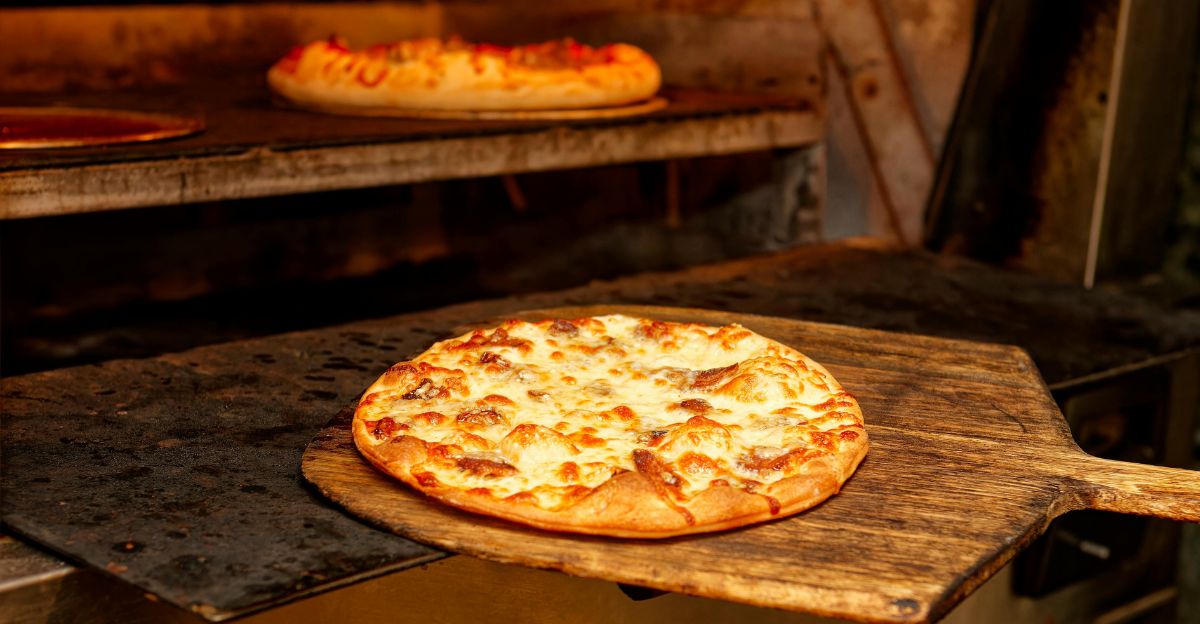
Independent restaurants and smaller chains may see gains as bigger players pull back. However, many of these businesses face the same financial headwinds.
Suppliers and landlords are losing major clients, while tech firms offering automation and efficiency tools may find new opportunities in the turbulence.
Navigating Uncertainty

Consumers should brace for higher prices and fewer deals as competition narrows. For hospitality businesses, now is the time to re-examine cash flows, renegotiate rates, and invest in employee retention.
Staying flexible and offering creative benefits could help businesses weather ongoing uncertainty.
Sector Faces a Crossroads
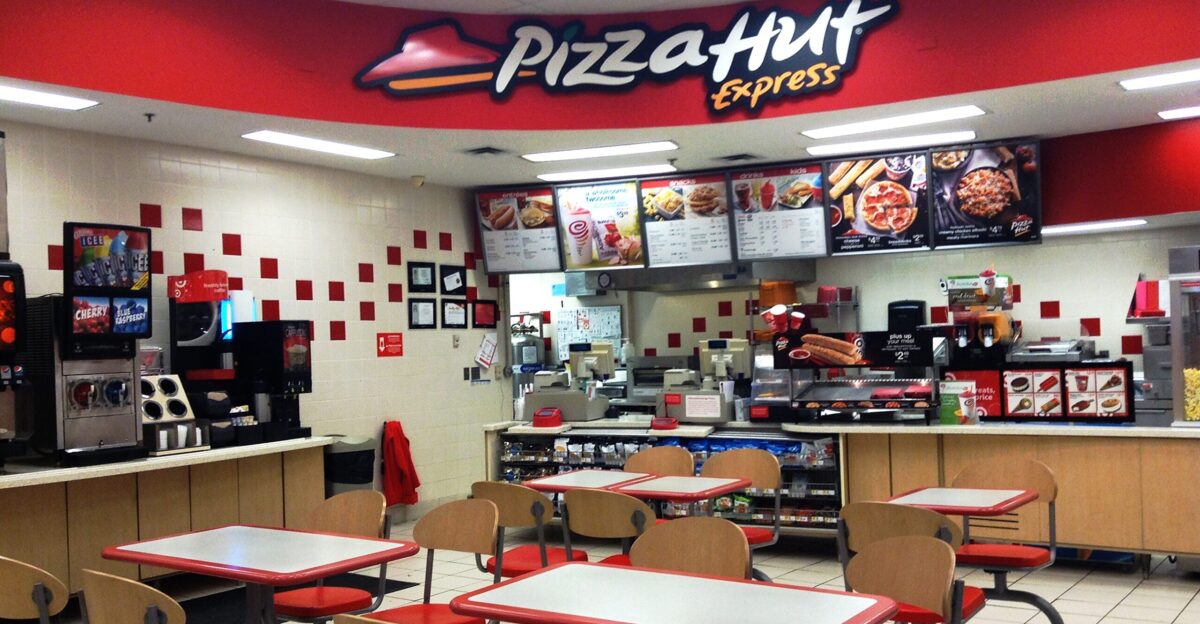
Pizza Hut’s collapse isn’t a one-off—it’s part of a broader strain pattern in the hospitality industry.
As businesses await the Autumn Budget, resilience and adaptability will be crucial. The future of UK hospitality will depend heavily on policy support, innovation, and continued consumer trust.